Get Premium
Dark mode theme is available exclusively for premium users. Learn more about the benefits of subscribing.
No fees, cancel anytime.

 Dark Mode Ad-Free Browsing Unlimited Content
 Ad-Free Browsing Unlimited Content Dark Mode
Join 1.2 million Panda readers who get the best art, memes, and fun stories every week!
25submissions
Finished
Many adults don’t realize how deeply small everyday interactions can affect a child’s emotional development. Things that may seem harmless in the moment like dismissing feelings, comparing siblings, or expecting children to “just behave,” can sometimes leave a much bigger impact than intended.
To better understand which common behaviors adults often overlook, we teamed up with parenting expert Celia Kibler, who shared insights into the subtle habits and reactions that can shape a child’s confidence, emotional security, and self-worth in the long run.
Scroll down to discover some of the most overlooked yet common behaviors that can affect children, and learn more about Celia and the interesting projects she’s currently working on.
More info: Instagram | Facebook | beabetterparent.com | dayofcalm.org | funfit.com
Click here & follow us for more lists, facts, and stories.
This post may include affiliate links.
Apologizing teaches accountability, humility, respect, and relationship repair. In addition, it shows that no parent is perfect and the child doesn’t have to be either.
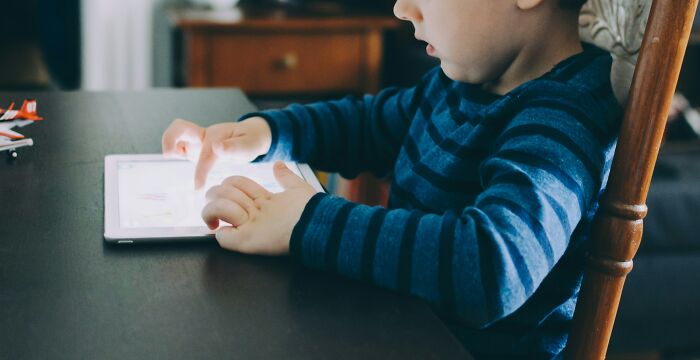
Kids need human connection, movement, conversation, boredom, and creativity to develop healthy coping skills. Screens can be a huge cause of emotional dysregulation and many of the mood swings that parents struggle with.
Disappointment is an important life skill that helps build resilience and emotional flexibility. Disappointment should be practiced, not avoided. When kids realize that disappointment is a part of life, they learn it is not a big deal and just requires them to rethink, possibly replan, and adjust if necessary. Sometimes, things just don’t work out, and that’s OK.
Kids build confidence and responsibility when they feel capable, included, and needed. If you send them away when they ask to help, you are sending them a message that they are not capable and they should concern themselves with one thing: playing. Then, when you want them to help later in life, they won’t. Children should contribute as soon as they can hold a rag and help out. It may be messy, but the more they do, the more they master the skill.
Comparison often creates resentment, insecurity, or competition instead of connection. It leads to a child believing that they are not capable and will never be good enough.
Even playful teasing can feel deeply personal to a child who is still developing self-worth. For a child without full brain development (human brains don’t fully develop until we are 25 years old), they aren’t equipped to understand not to take “a joke” personally. In addition, it takes years for children to develop logic, reasoning, and to recognize the difference between reality and fantasy, making what seems like an innocent joke to an adult be received as an attack against the child.
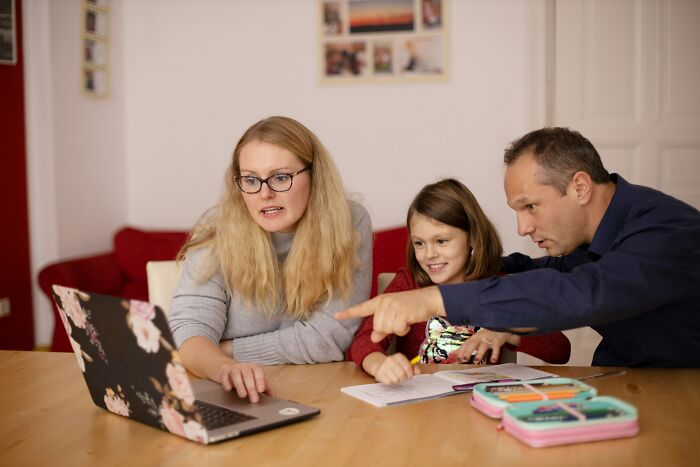
When we constantly interrupt or don’t give a child a chance to finish, over time, kids may begin believing their thoughts and feelings don’t matter and feel invisible and dismissed. This will lead to a child not feeling safe as they grow to come and talk with their parent, especially in the teenage years.
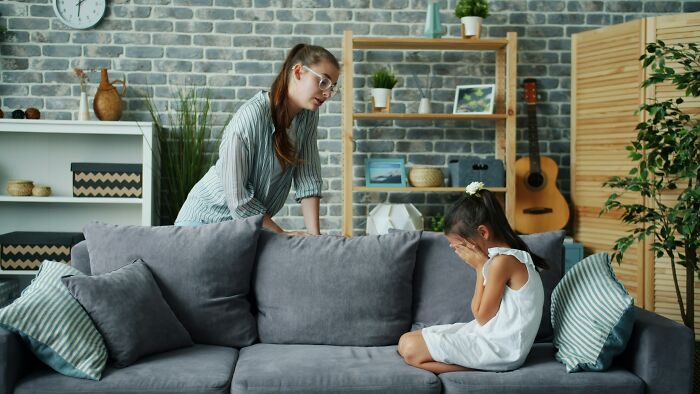
Children eventually stop hearing the lesson and start absorbing fear, stress, or shame instead. In addition, constant yelling plants voices in their head that tell them they’re a bad kid, they do nothing right, and they doubt and second-guess themselves, among some of the inadequacies they start believing about themselves.
Humiliation may stop behavior temporarily, but it can damage trust and emotional safety in the long term. Embarrassment will drive a huge wedge between you and your child and destroy trust and respect.
Conflict is not always damaging to relationships; lack of repair often is. We will have conflict in life, but we also need to learn how to calmly approach it and resolve it or sometimes agree to disagree. The way conflict is handled can affect everyone either in a positive way or a negative way.
Rescuing children too quickly can unintentionally weaken resilience, confidence, and problem-solving skills. Saving a child transfers what should be their responsibility to your responsibility and opens the door to your child blaming others and making excuses.
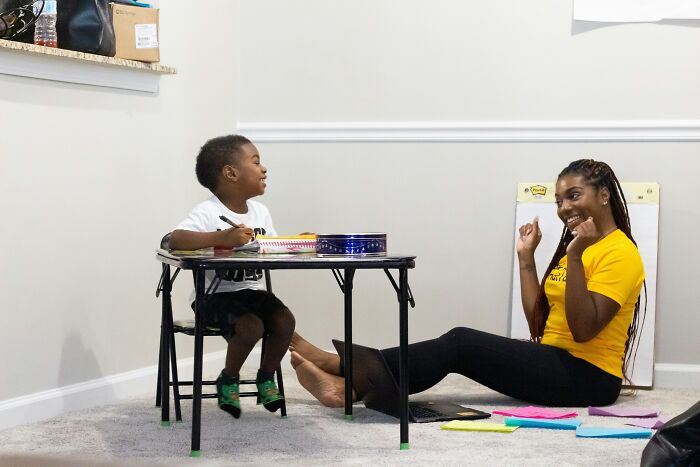
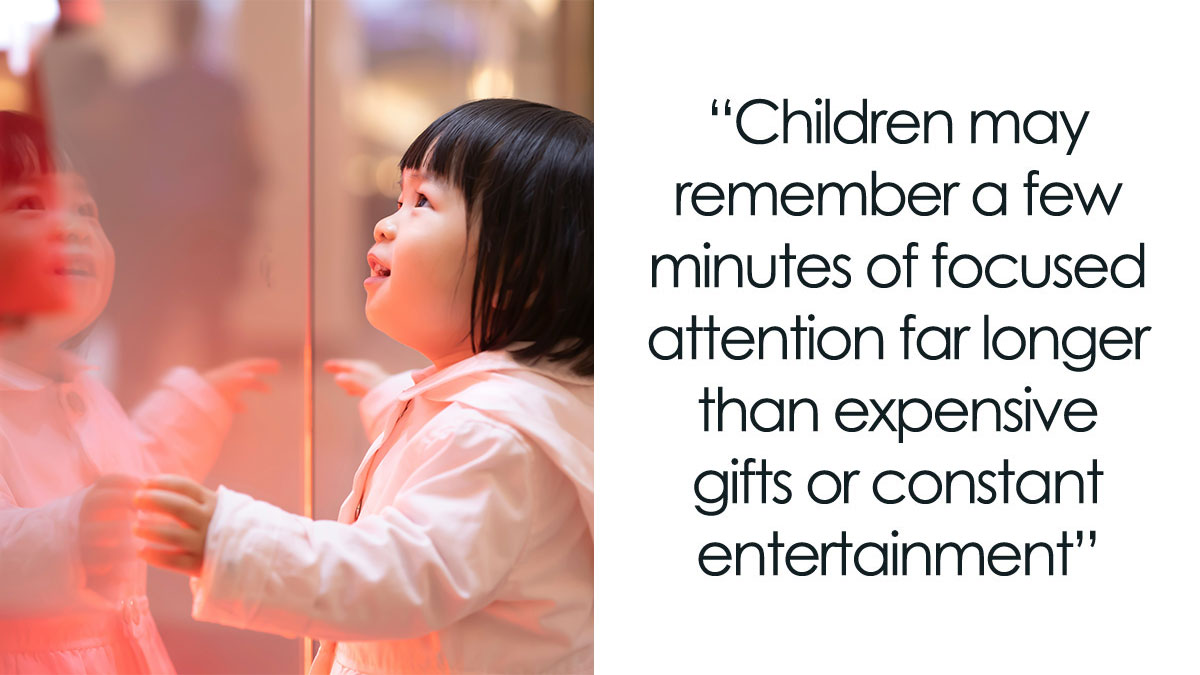
Children may remember a few minutes of focused attention far longer than expensive gifts or constant entertainment. Just 10 minutes of time spent one-on-one with your child will give them the knowledge that they are always important to you and won’t have to behave in negative ways just to get your attention.
Children still need help understanding and processing what they feel, even when adults believe the problem is small. What might not seem important to you, the parent, is still important to your child. Discussing feelings and how to react to them creates teaching moments for your child. Take advantage of them; don’t dismiss them.
Children absorb tension in the environment even when adults think they “aren’t paying attention.” In addition, your relationship is what children see as normal, so if there is aggression, they are learning that normal relationships are aggressive.
Children also need rest, free play, creativity, family time, and opportunities to simply be kids. Overloaded schedules cause everyone to rush, add stress, and often lead to disappointment and tears.
Play is not “extra” for children; it’s one of the primary ways they learn almost everything they need to know and builds confidence, communication, cooperation, and emotional regulation. Play should be a part of everyday activities.
Learning life skills takes practice, patience, mistakes, reminders, and consistency. This is why consistent routines create mastery, independence and confidence, and end the need to micromanage your kids. This is also why your child loves to read the same book over and over; they’re learning and retaining what they’re learning.
Behavior is communication. Often the real need is connection, support, guidance, skill-building, or feeling understood. Often a child is acting a certain way due to an underlying struggle that they don’t know how to handle. Sit, ask questions, be a good listener. Always let your child know you love them regardless of how they are acting.
Children learn far more from what adults consistently model than what adults repeatedly say. If you demand they stop doing something the minute you ask, and yet you ask your child to wait until you’re finished with something before you help them, that is asking them to respect your time while you don’t respect theirs. If you’re yelling at a child, that will never teach respect (it may teach obedience, not the same thing), because yelling is not and never will be respectful.
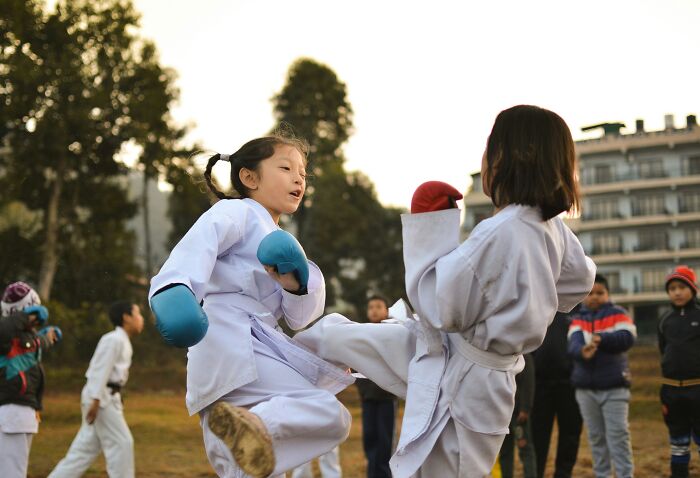
Exercise and movement should feel empowering and joyful, not something associated with shame. Humans are made to move, and children need to burn energy. Encourage it, don’t stifle it.
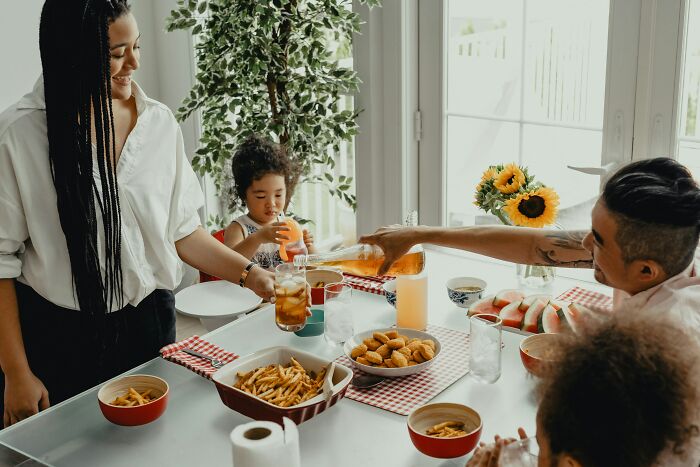
Shared laughter helps create emotional safety, connection, bonding, and positive family memories. Laughter really is the best medicine.
Fear may create short-term obedience, but connection builds long-term trust, influence and cooperation. You are merely putting a very temporary band-aid on a symptom and not affecting the core problem.
Living in a constant state of hurry can increase stress and dysregulation for the whole family, plus it increases irritability and results in a lot of yelling. Create routines, slow down, and don’t overschedule; you all need downtime.
Calm leadership helps children feel emotionally safer, think more clearly, and learn more effectively. Calm is not just a feeling; it’s leadership. When you’re stressed out, your child is too. When you’re calm and responding calmly, you are teaching your child to do the same. It is important to remember that children don’t need perfect adults. They need connected adults who are willing to be intentional with the way they parent, learn more, grow, repair, and lead with calm, consistency, and compassion. A great family motto is “progress over perfection.”
We are not born with emotional intelligence; we learn it from our parents and years of growth. Children learn emotional regulation through guidance, modeling, practice, and time, not pressure. If you have difficulty regulating your emotions, your child will learn to model how you respond, and that will be what they do.





































 No fees, cancel anytime