Get Premium
Dark mode theme is available exclusively for premium users. Learn more about the benefits of subscribing.
No fees, cancel anytime.

 Dark Mode Ad-Free Browsing Unlimited Content
 Ad-Free Browsing Unlimited Content Dark Mode
Join 1.2 million Panda readers who get the best art, memes, and fun stories every week!
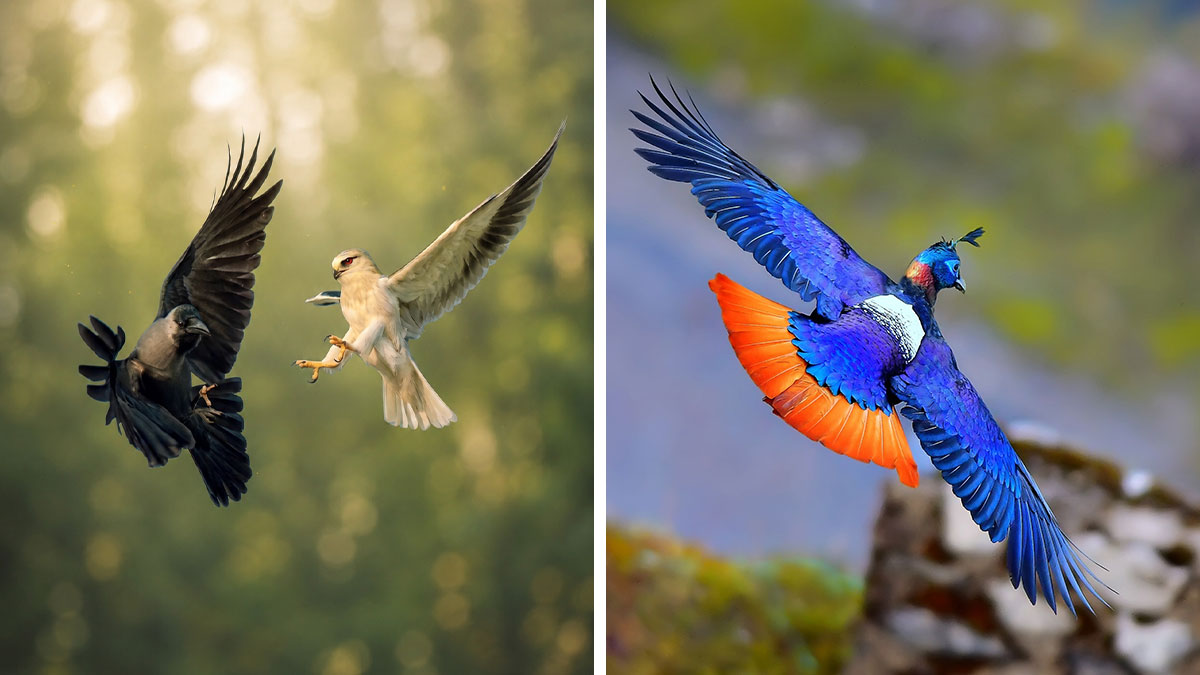

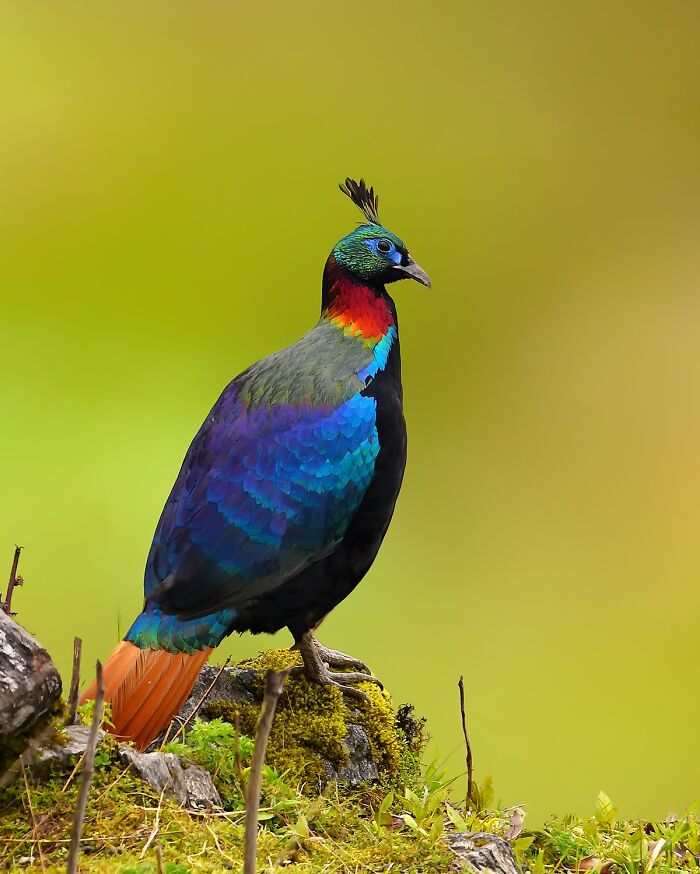
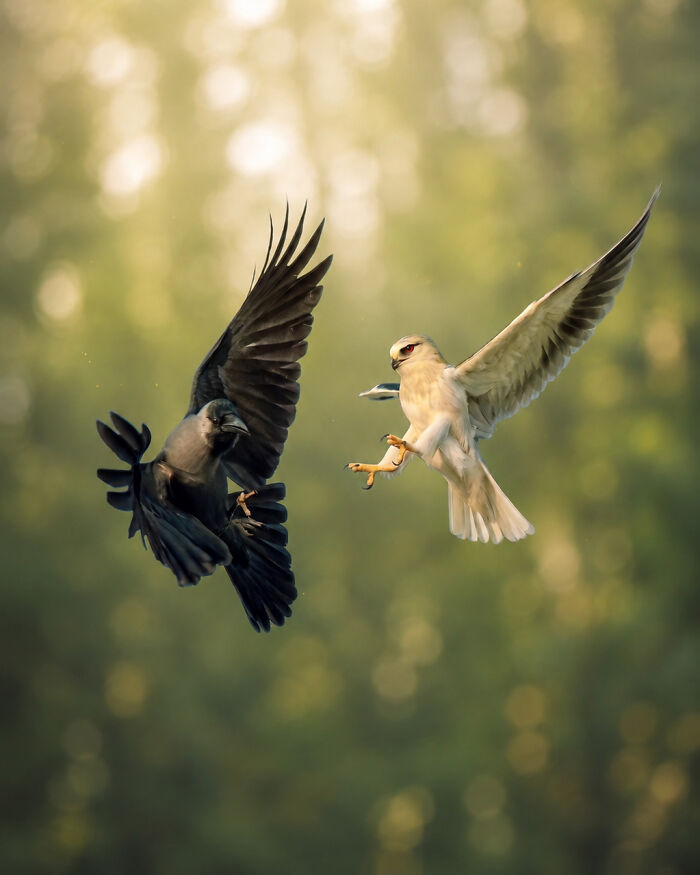
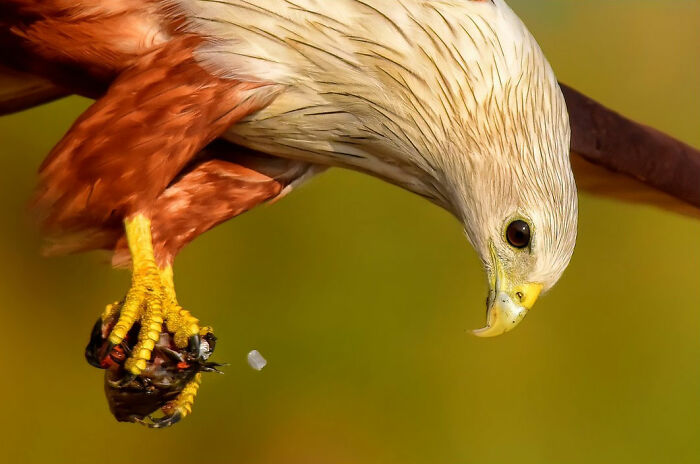
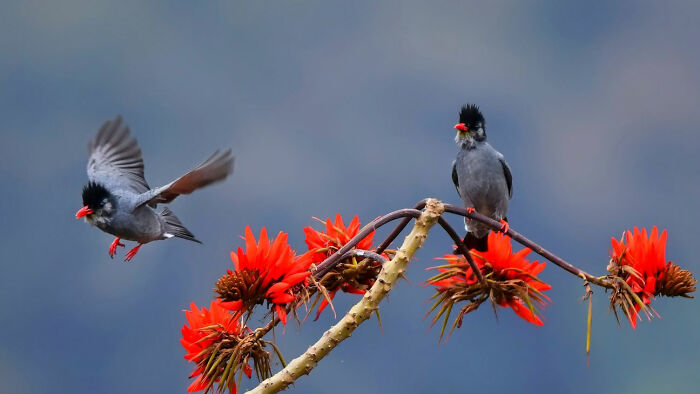
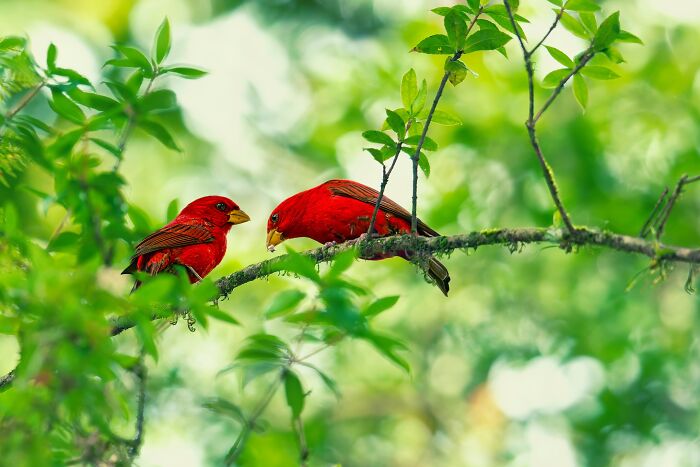
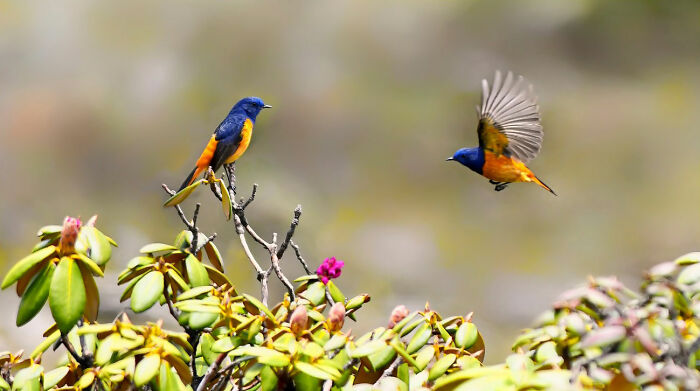
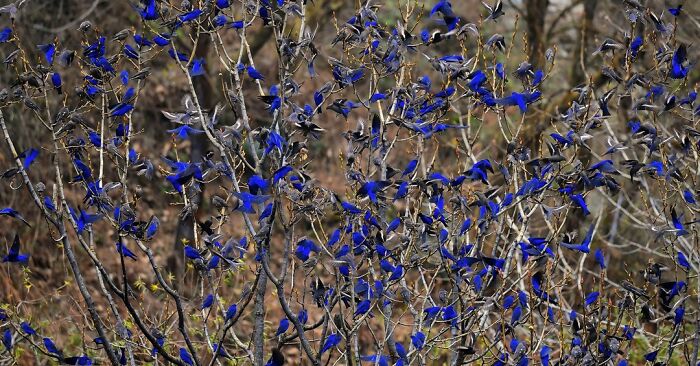
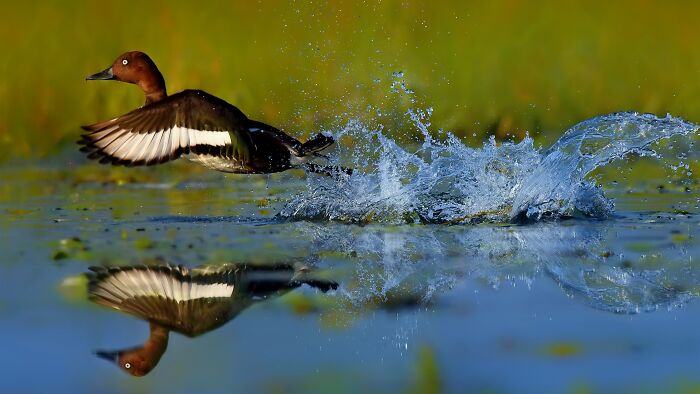
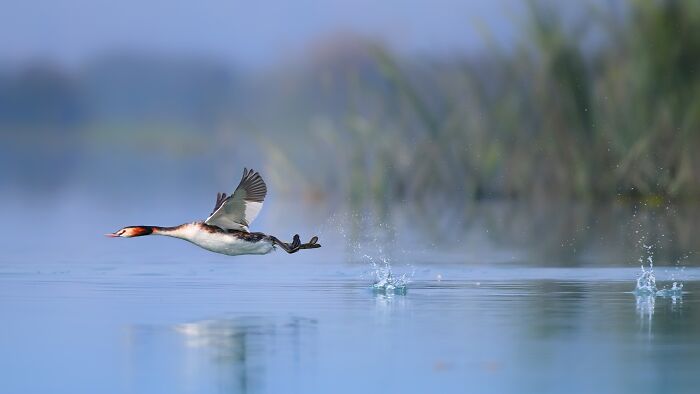
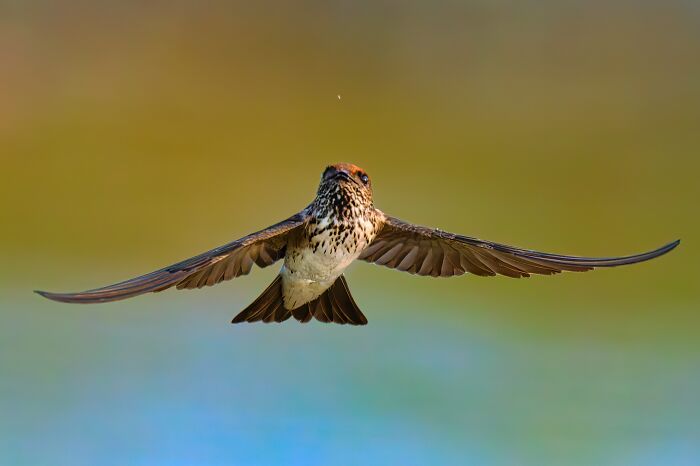
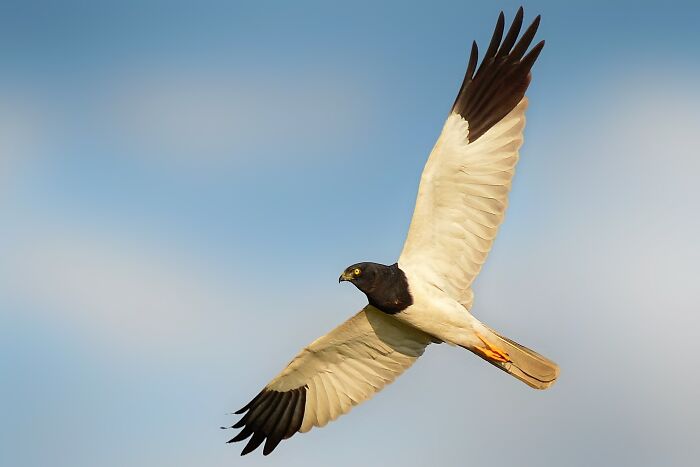
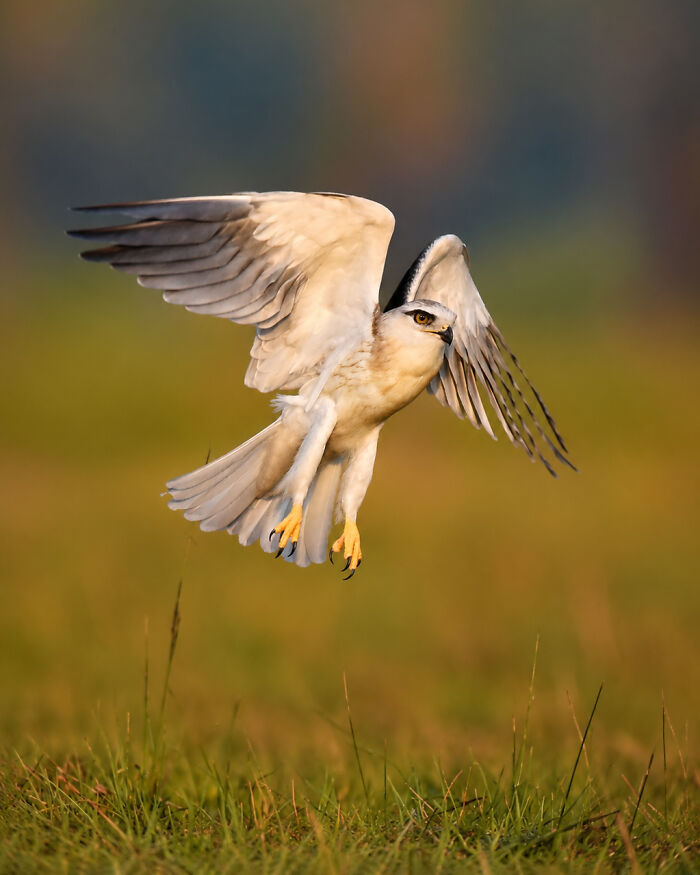
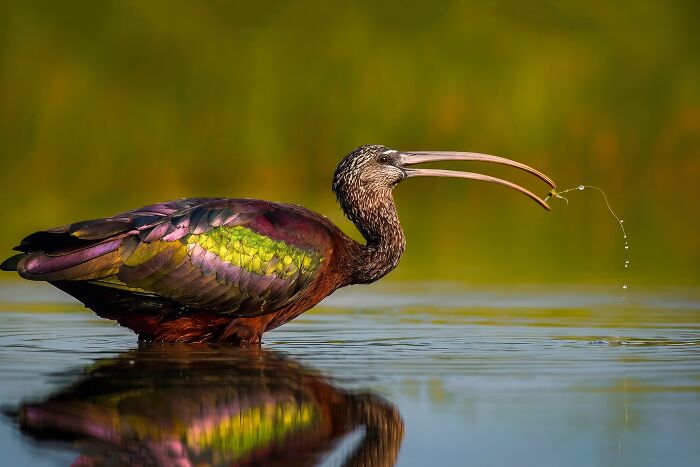
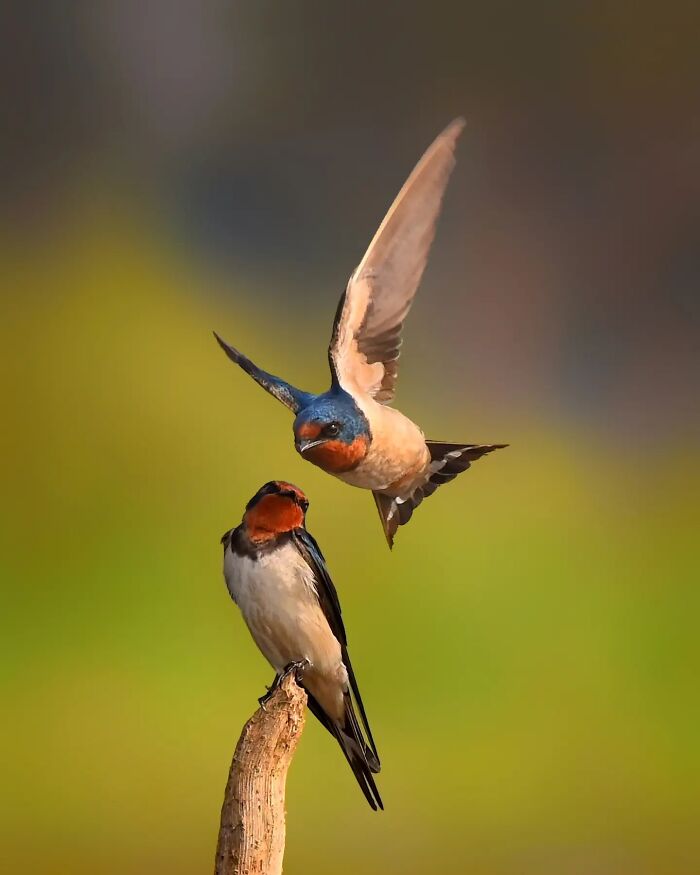
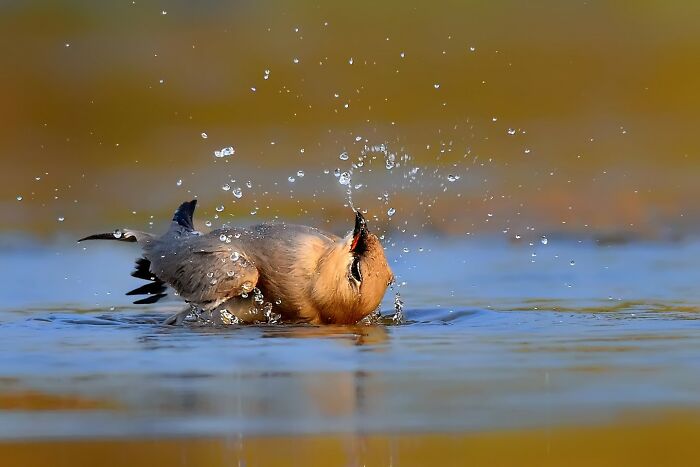
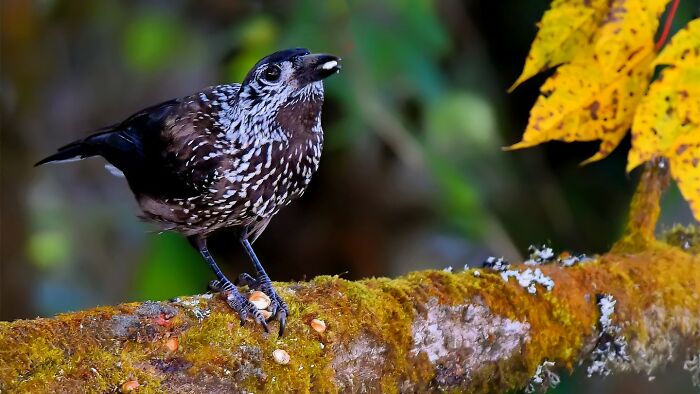
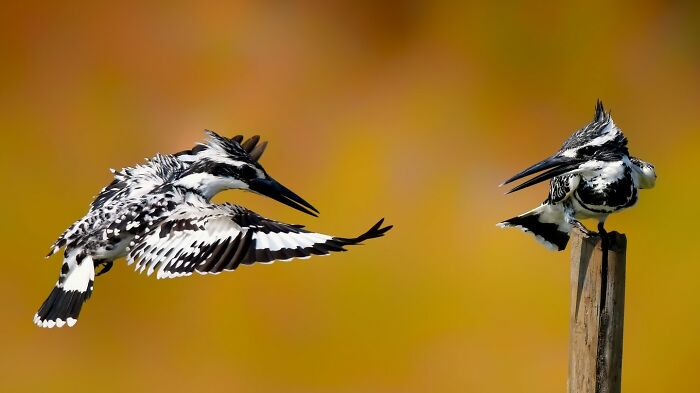
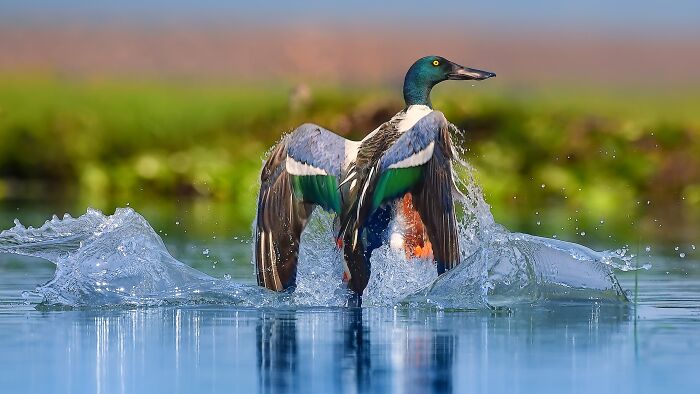
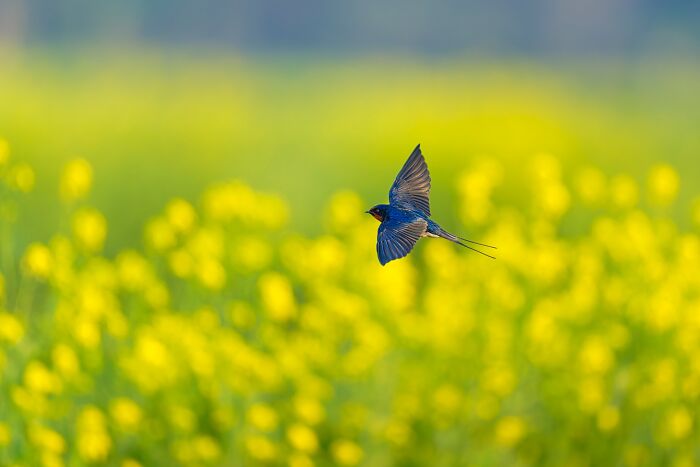
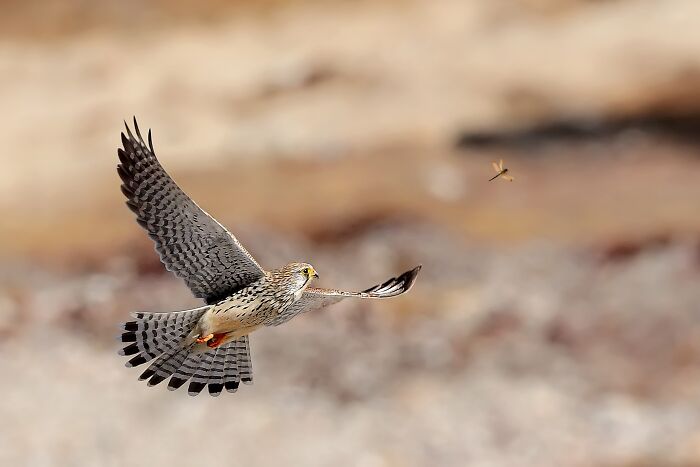
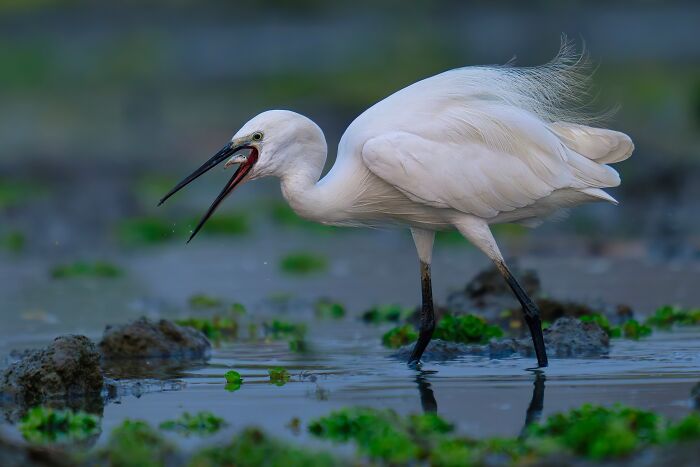
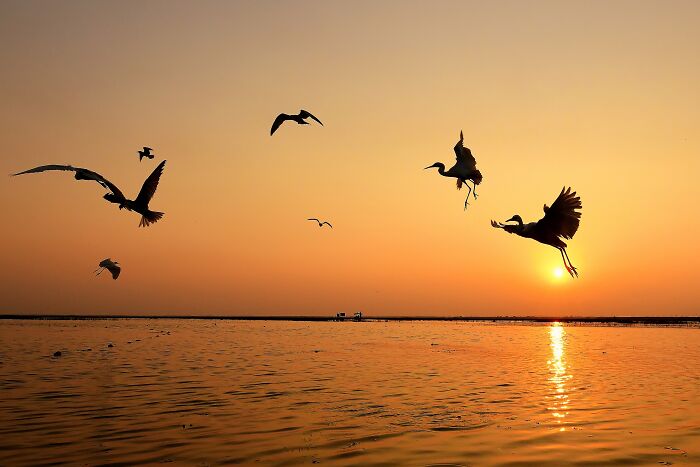
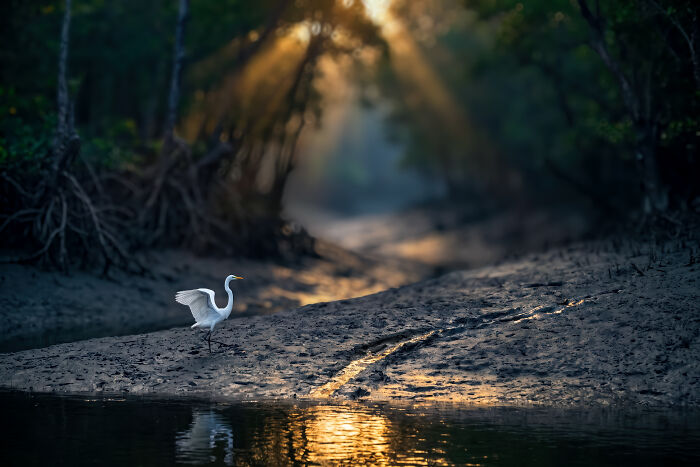
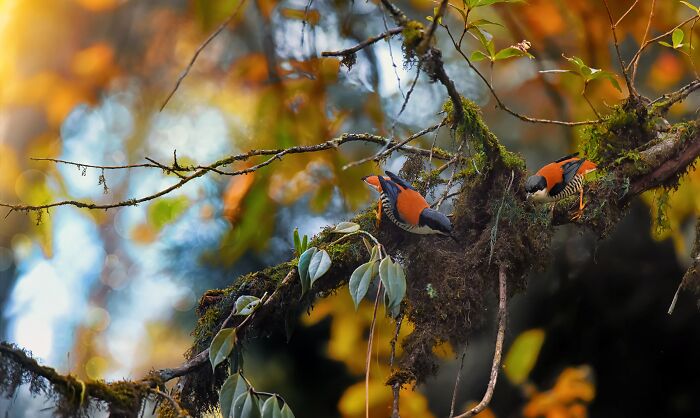
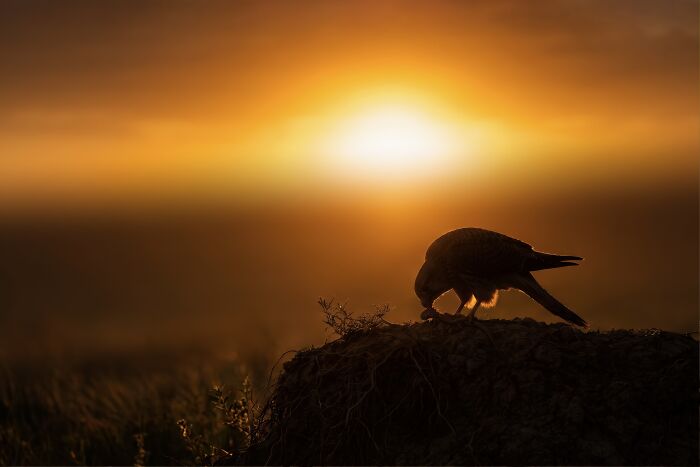
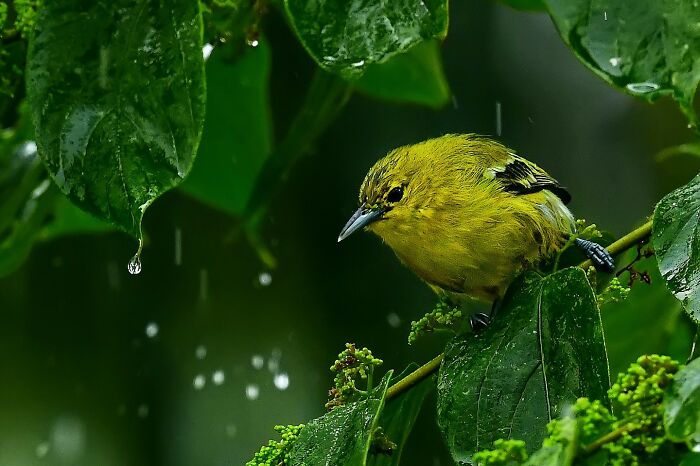
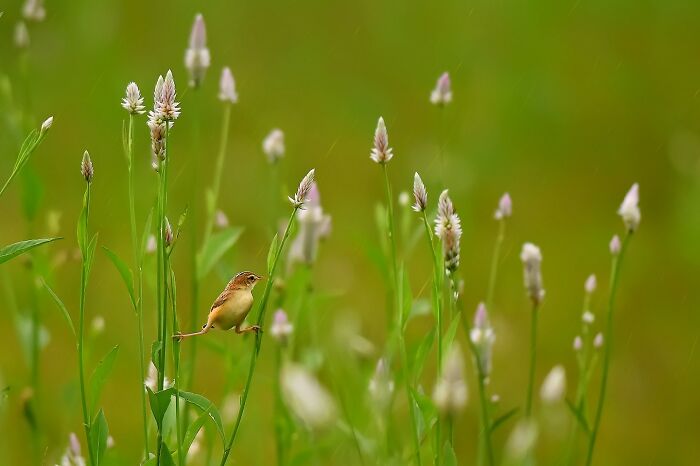
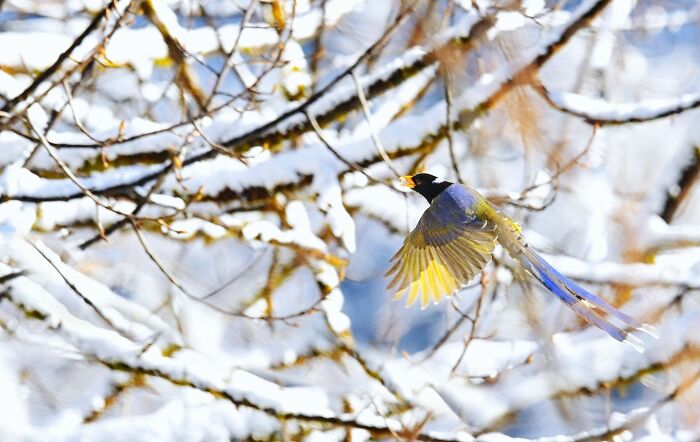
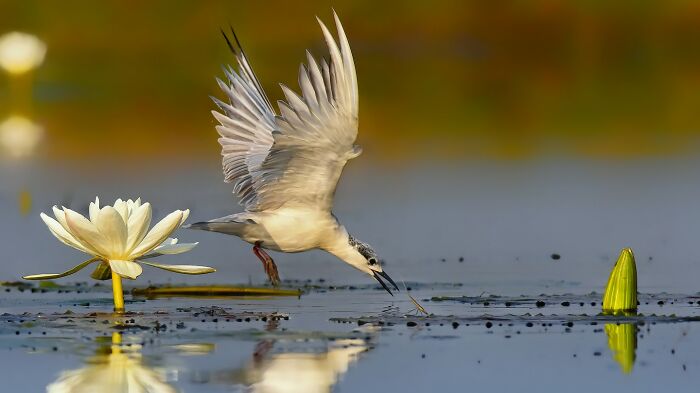
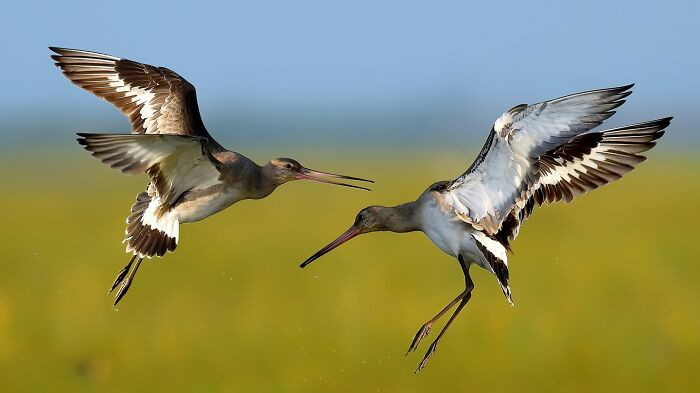
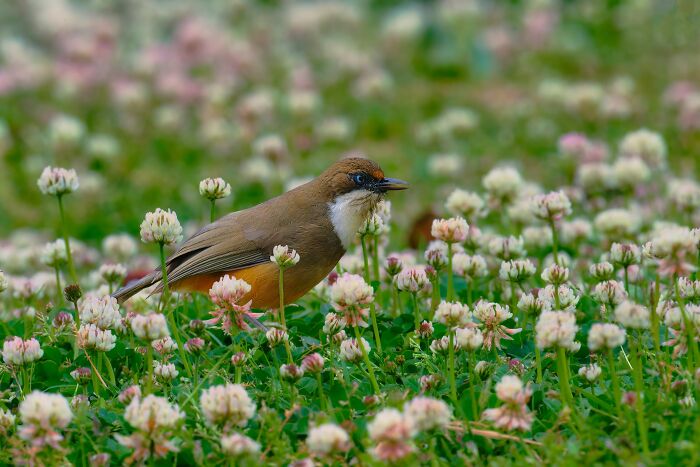
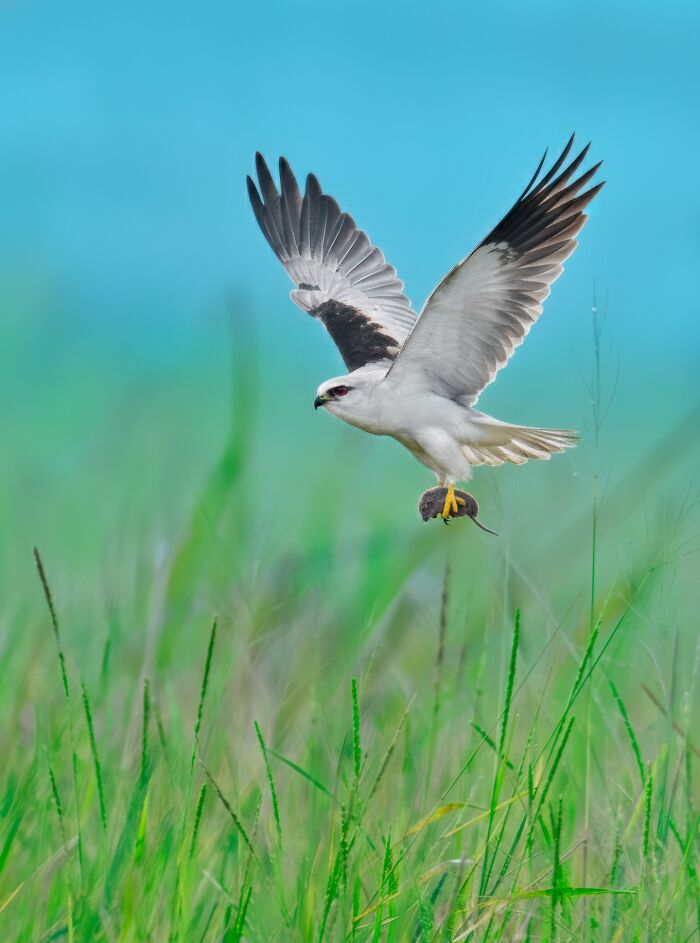
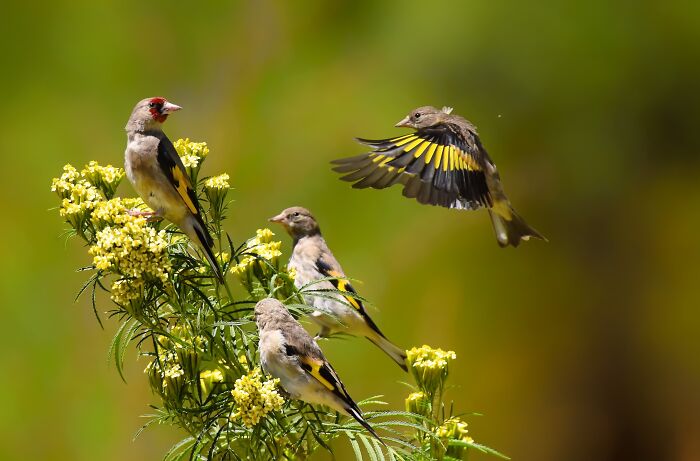
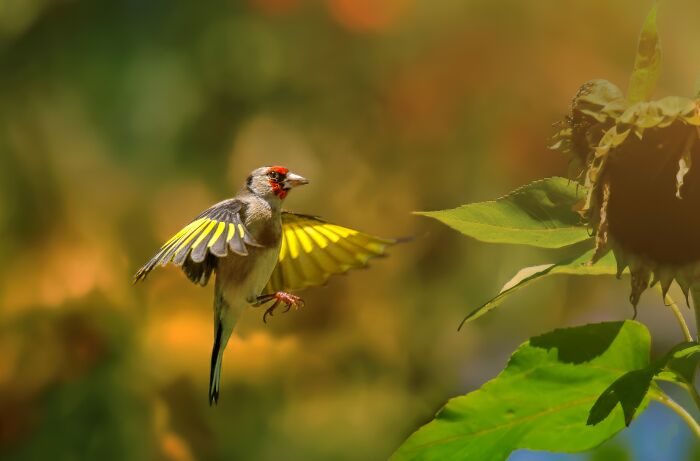
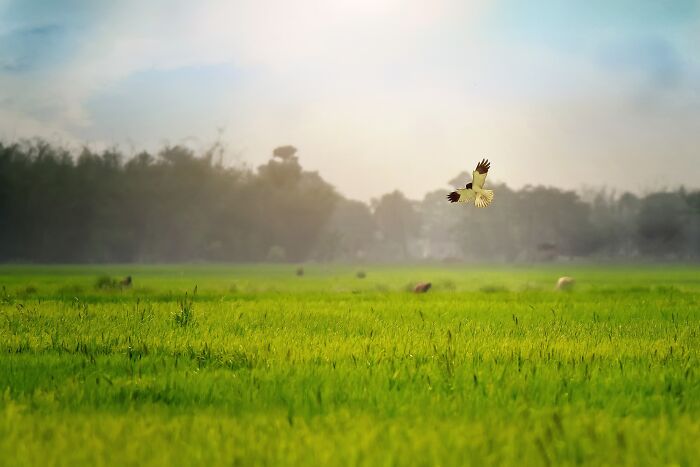
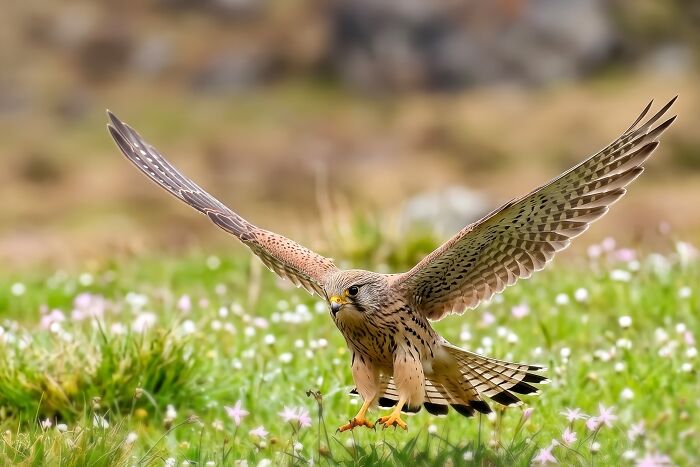
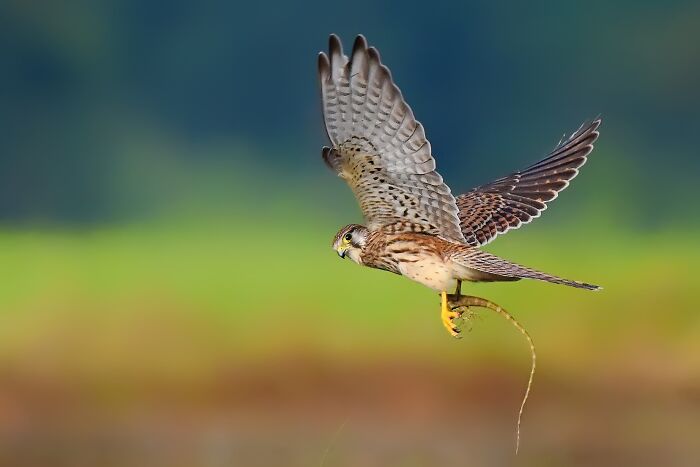
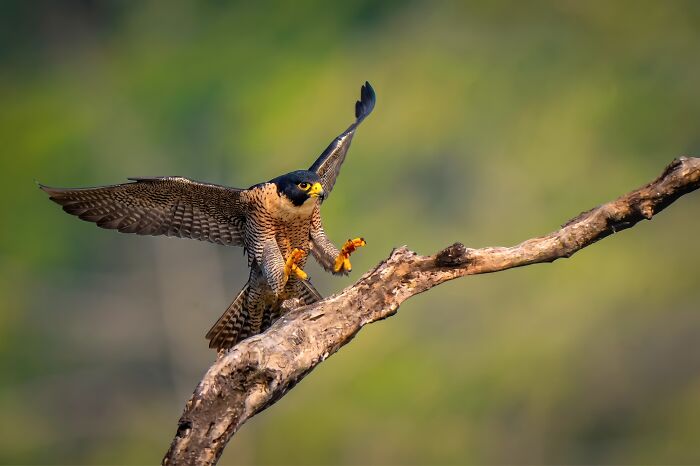
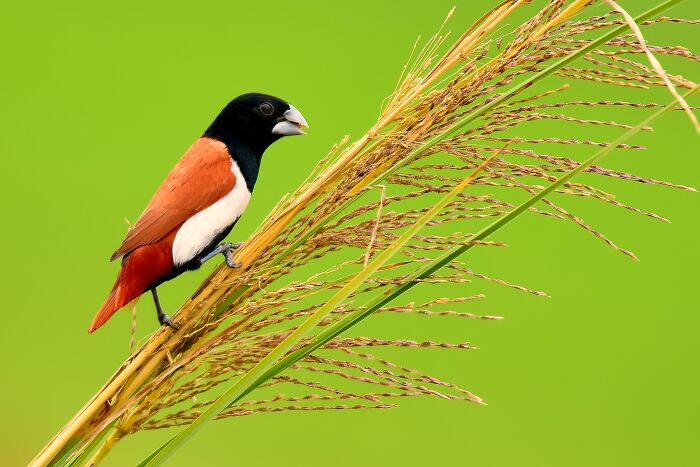
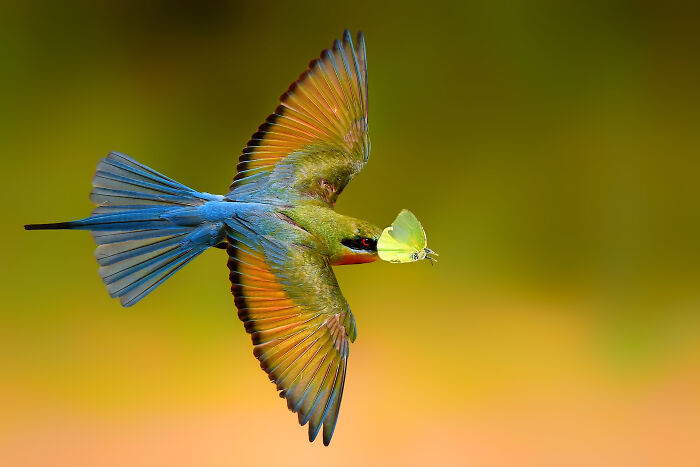
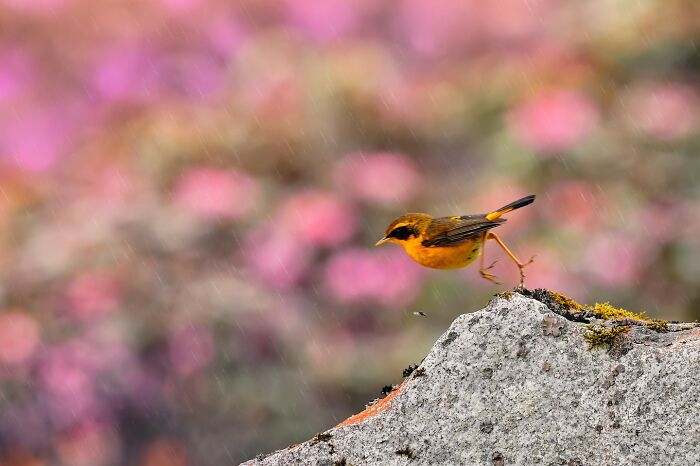
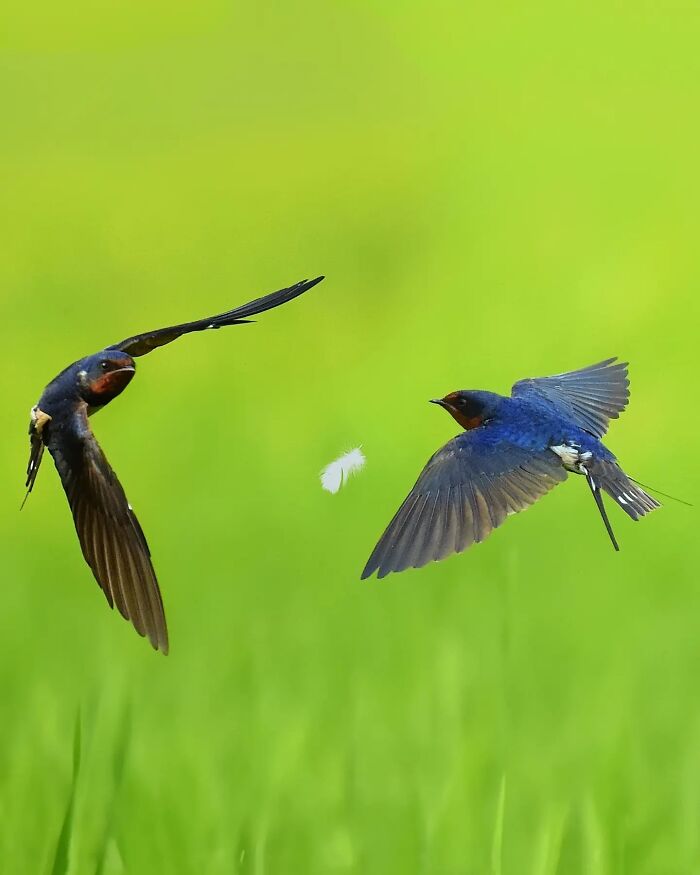
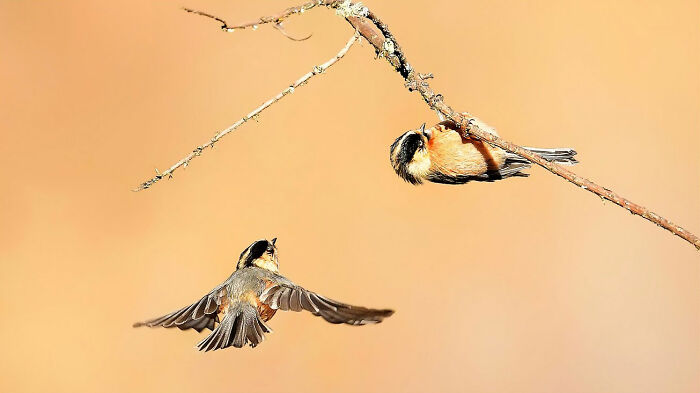
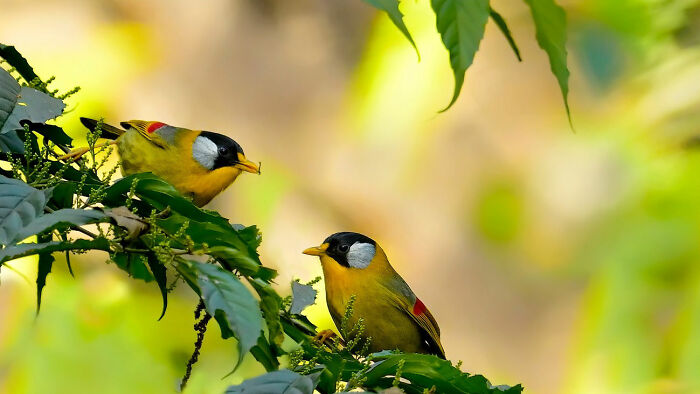
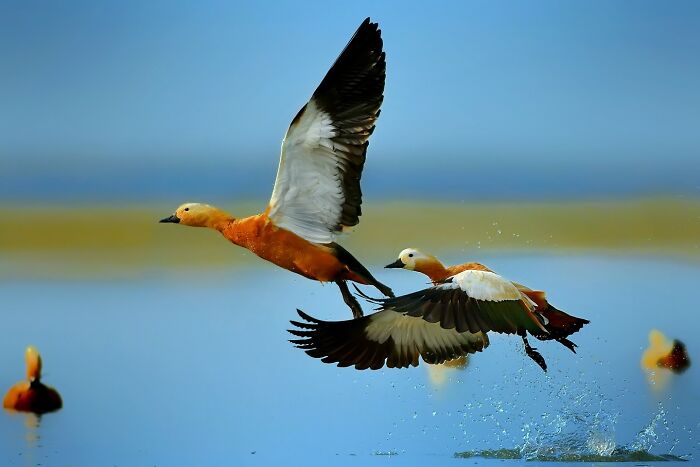
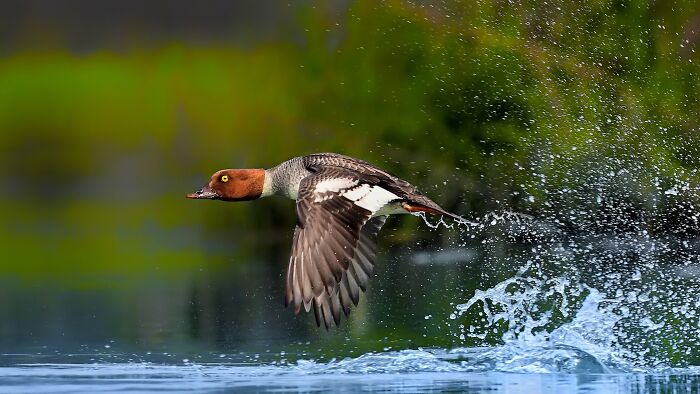
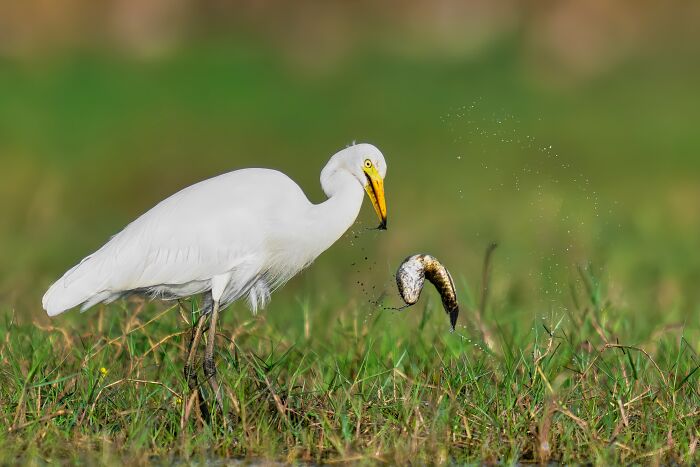
Bird photography is a test of patience, timing, and instinct, and Kallol Mukherjee's work reflects years of dedication to understanding the natural world. His images capture birds in moments of action and behavior, from dramatic flight and hunting sequences to intimate feeding interactions and remarkable camouflage, revealing both their beauty and their stories.
Kallol is a professional nature and wildlife photographer from Singur, West Bengal, India. With more than 20 years of experience, he is a Nikon India Influencer and has been associated with WWF as a photographer for over a decade. His work focuses on documenting wildlife behaviour and promoting nature conservation through compelling visual storytelling. His photographs have earned more than 75+ international awards and have been featured in over 250 national and international publications worldwide.
Scroll down to explore the incredible diversity of birdlife through Kallol's lens, and let us know which species caught your attention the most.
More info: Instagram | Facebook | youtube.com
This post may include affiliate links.
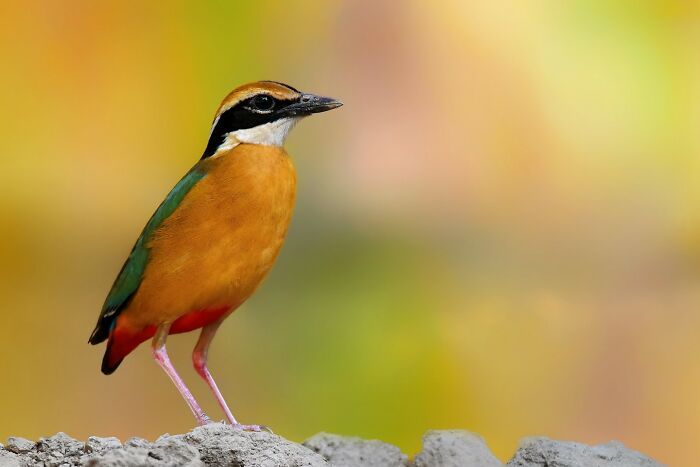
Description: “Indian pitta is always among my favorite birds. The small, around 20 cm, stubby-tailed bird, has a brilliantly-colored plumage, but is shy and can be heard more than seen. Probably the name Pitta is derived from the Telegu word pitta which means a small bird.
Pittas are mainly seen in dense undergrowth, hopping around on the ground, industriously foraging for insects like spiders, small worms, slugs and even small snails.”






























 No fees, cancel anytime