Get Premium
Dark mode theme is available exclusively for premium users. Learn more about the benefits of subscribing.
No fees, cancel anytime.

 Dark Mode Ad-Free Browsing Unlimited Content
 Ad-Free Browsing Unlimited Content Dark Mode
Join 1.2 million Panda readers who get the best art, memes, and fun stories every week!
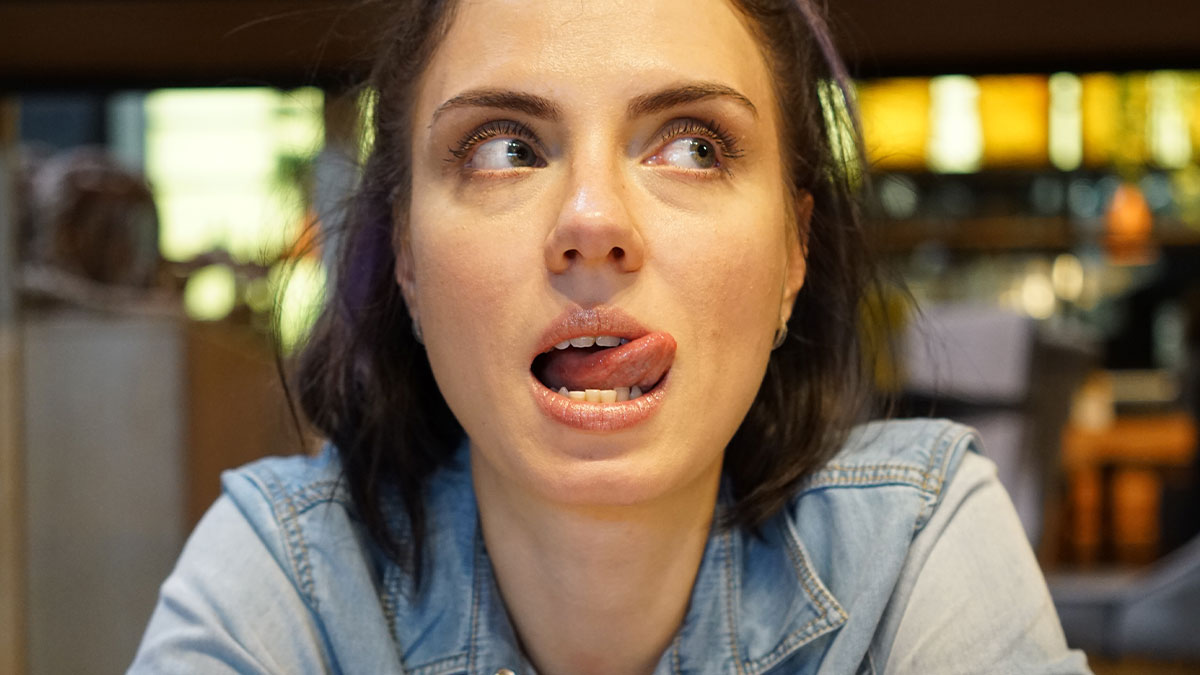
At restaurants, some families, couples and even friends like to order different dishes so they can swap bites and try a bit of everything, while other people strictly prefer to concentrate on their own meal and skip the sharing altogether.
Neither way is wrong. But one woman would like to believe otherwise.
At a family dinner, she grew incredibly upset when her boyfriend’s brother ordered the mac and cheese — the exact dish she had wanted.
Another brother at the table later shared the story online, explaining how awkward she made the rest of the night for the whole family. Now, she wants an apology.
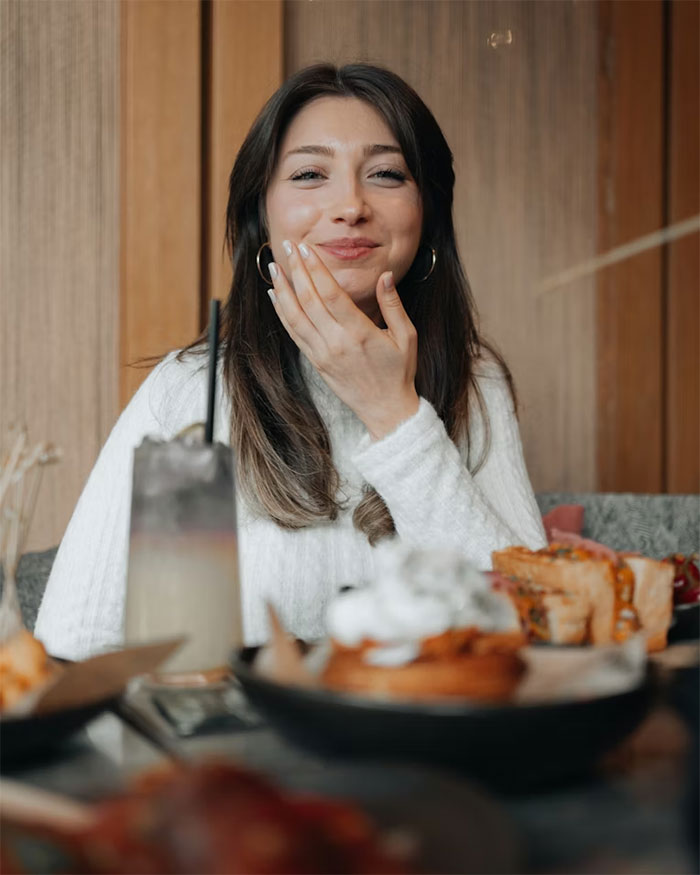
Image credits: MaplesImages / Envato (not the actual photo)
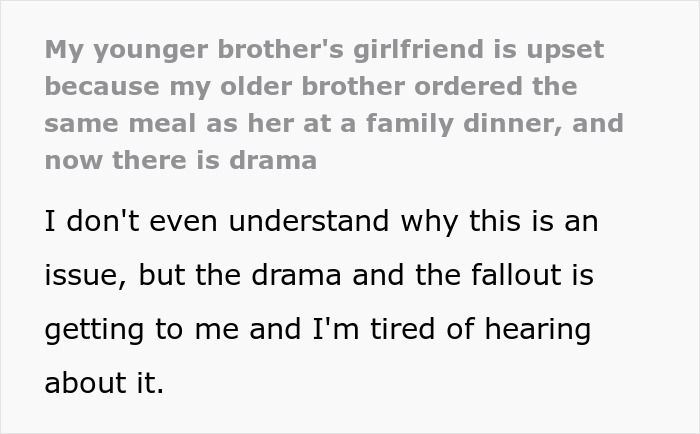
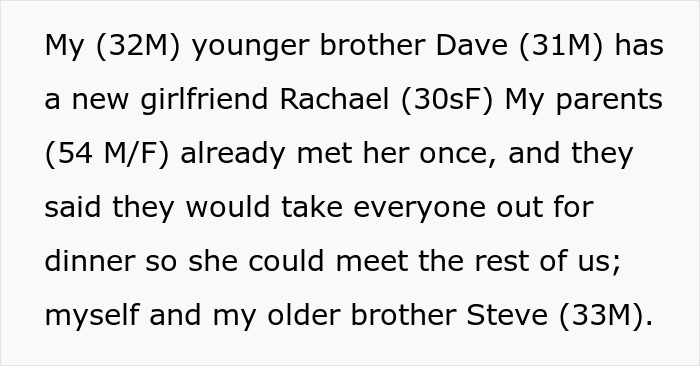


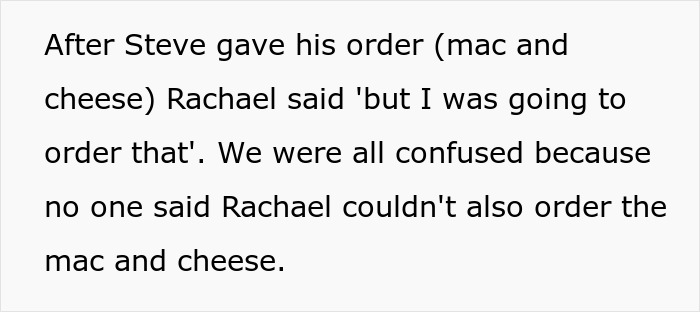
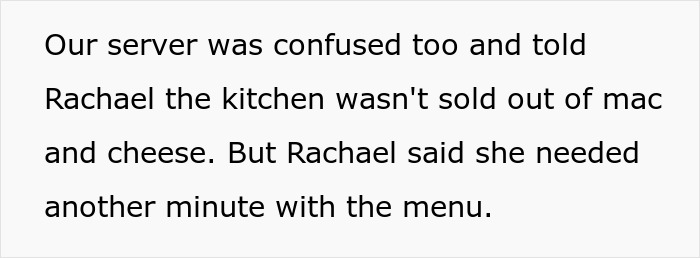
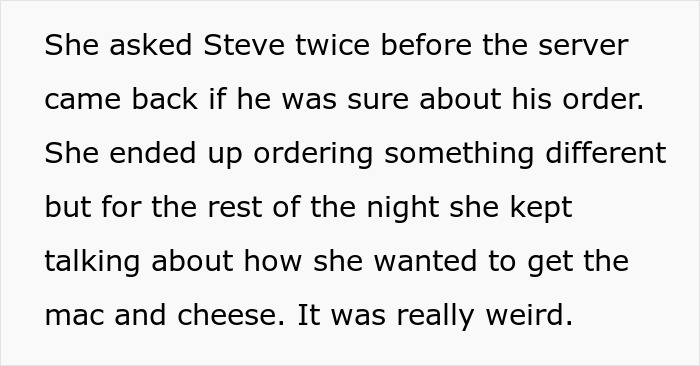
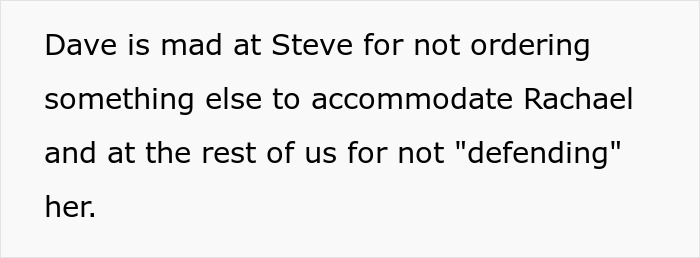
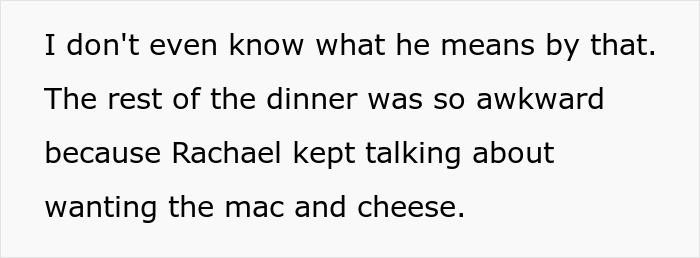
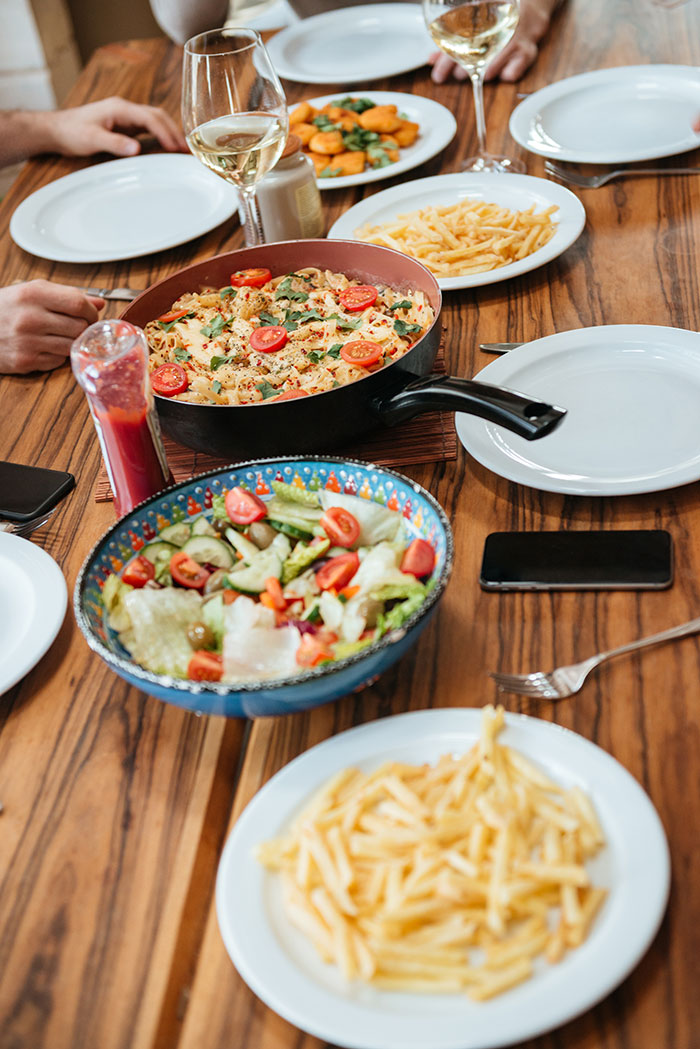
Image credits: Beachbumledford / Envato (not the actual photo)
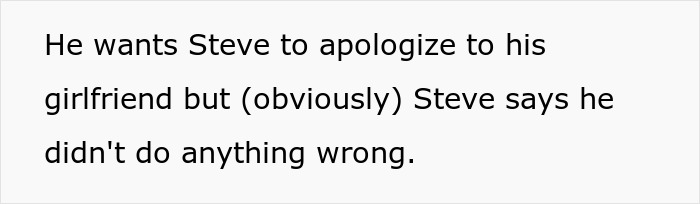
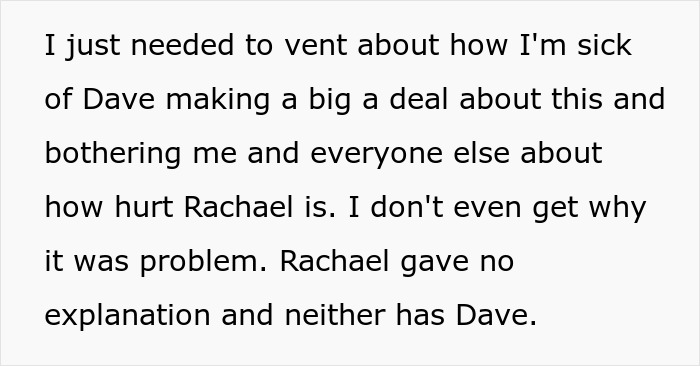
Image credits: Ok_Lobster6092
There’s absolutely no universal rule for how a table should handle ordering. Yet, people have forever been divided on the issue.
It’s actually not that unusual for some to frown upon ordering the same food. They believe the fun of eating out is trying different things and sampling as much of the menu as possible. Plus, nobody wants to risk everyone ending up with a dud dish and a miserable evening.
This discussion took center stage online when former US President Joe Biden and Jill Biden dined out at a popular restaurant and both ordered the exact same thing: a chicory salad, grilled bread, and two bowls of rigatoni.
Their matching orders set off a massive debate on social media.
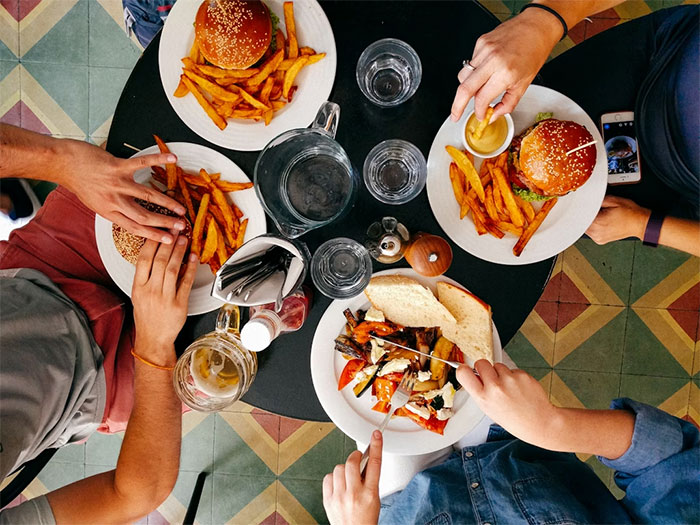
Image credits: Dan Gold / Unsplash (not the actual photo)
For many, choosing the same entree as your dining partner is completely off-limits. “Getting the same thing as the person you’re eating dinner with is silly. The whole point of going out to eat is getting to try as many things as possible,” Hannah Madden told the Washington Post after the Biden debate blew up. For this camp, identical dishes mean missing out, leading to serious culinary FOMO.
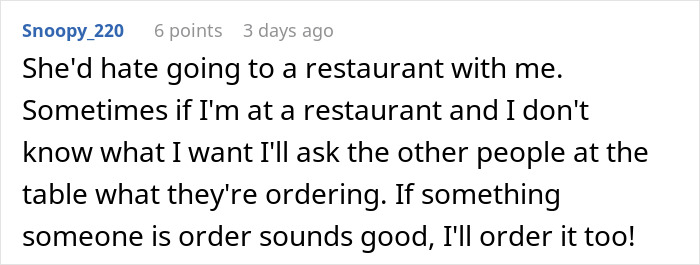
On the other side, many don’t see the issue at all. Some even suggest that matching orders might be the secret to a long, happy relationship. Their take? Order whatever you want, regardless of what anyone else is craving.
Some studies show that eating the same food as someone else can actually increase your trust in the other person. During research, it was found that the pairs that ate the same snacks (for example, both ate sweet foods or both ate salty foods) reached a resolution about two times faster than those who ate different foods.
“I think that food really connects people. Food is about bringing something into the body. And to eat the same food suggests that we are both willing to bring the same thing into our bodies. People just feel closer to people who are eating the same food as they do. And then trust, cooperation, these are just consequences of feeling close to someone,” says Ayelet Fishbach, a psychology professor at the University of Chicago, who conducted the research.
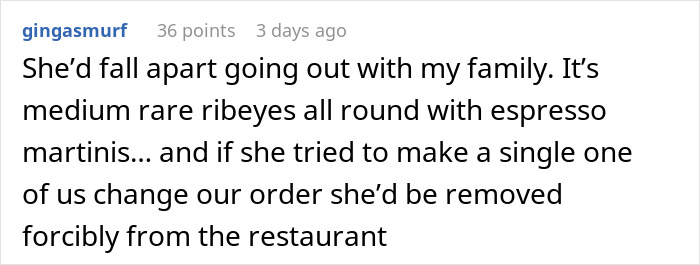
While avoiding the same dish makes sense for people who love to share, it’s not a big deal when sharing isn’t the plan at all. And even for those who prefer a varied table, almost everyone agrees on one thing: it is never worth making a scene over.
For some people, eating out is a rare, high-stakes experience where they expect total individuality in their choice. If someone else orders the same thing, it might unconsciously threaten their sense of uniqueness or make them feel it devalues their own dining experience.
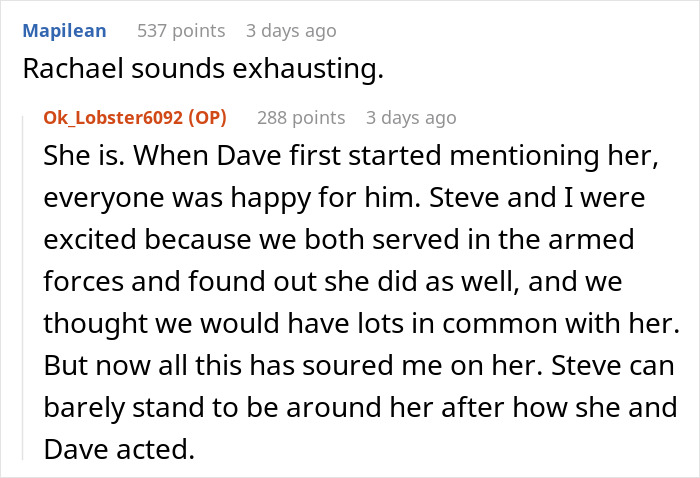
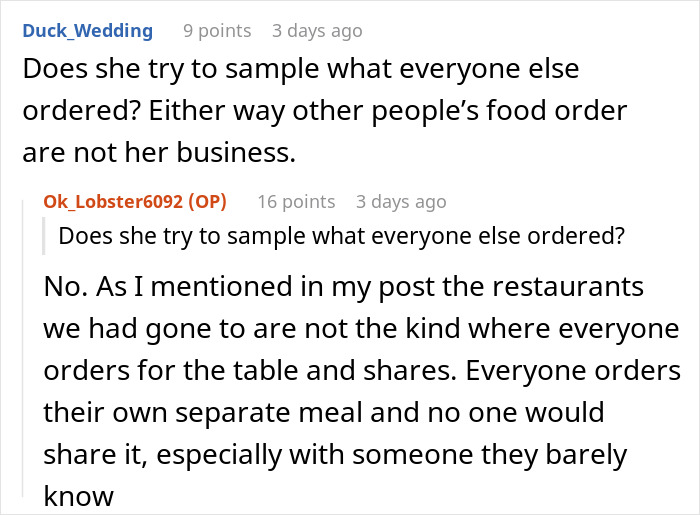
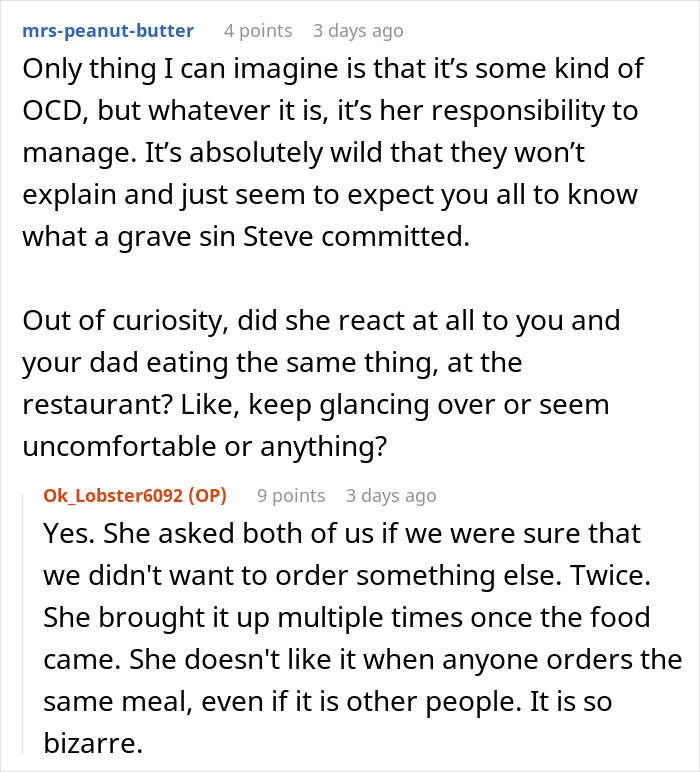
In the Reddit story, it’s mentioned that the woman doesn’t mind sharing a single pan of lasagna at home. This suggests her actions are tied specifically to the performative and selective nature of dining out.
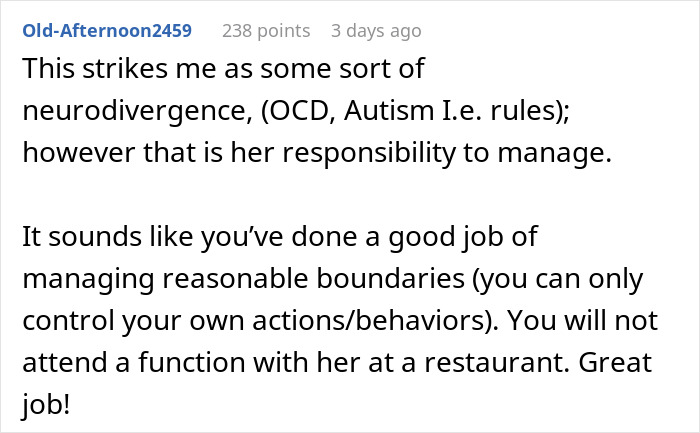
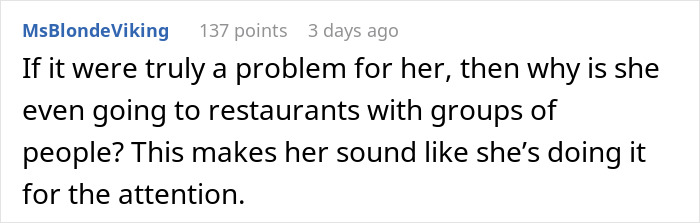
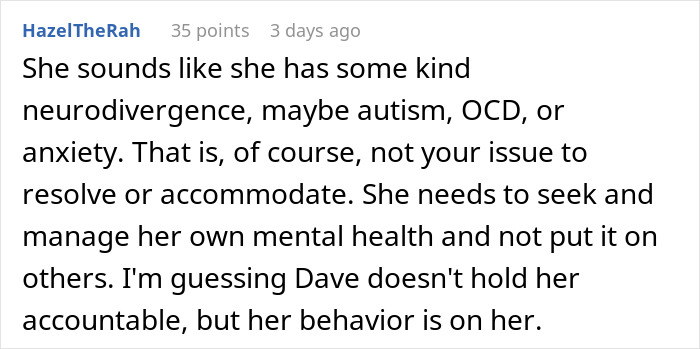
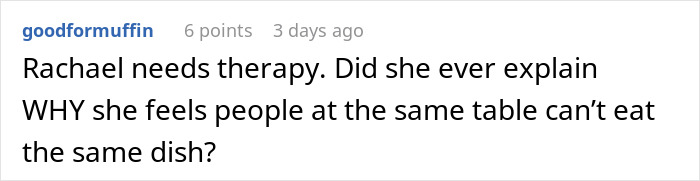
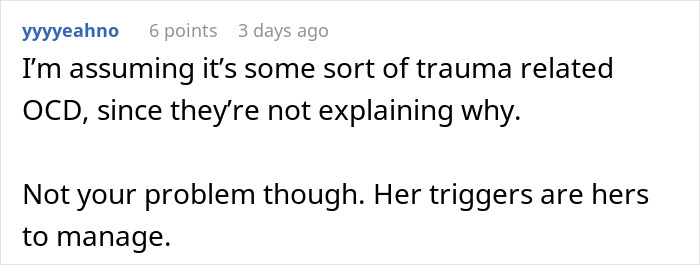
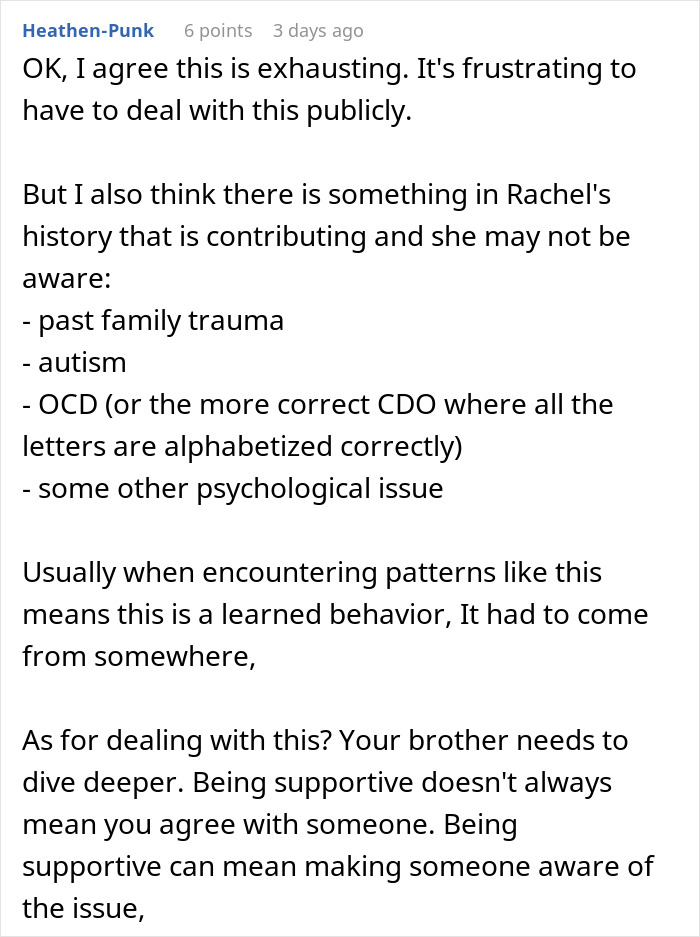
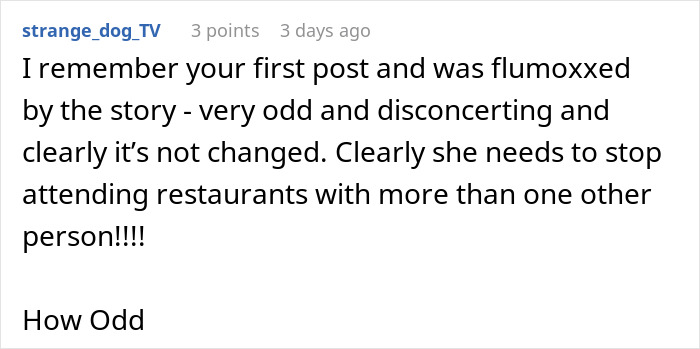
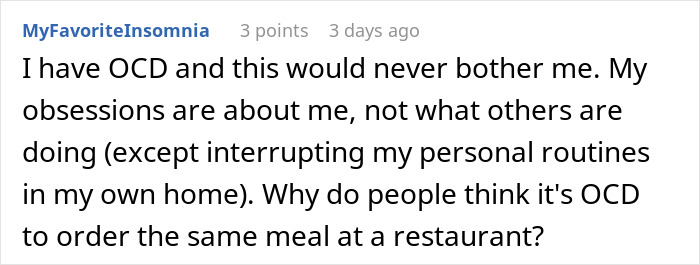
At the same time, people in the comments had several theories for her rigid behavior. Some said she may be neurodivergent, while others said she might have an obsessive-compulsive disorder (OCD).
While we cannot diagnose anyone and only a medical professional can determine these conditions, scientific research can help us understand why someone might exhibit such hyper-specific behavior.
Studies show that for neurodivergent individuals, public spaces like restaurants are chaotic, unpredictable, and sensory-overwhelming environments. To cope, they heavily rely on routines and hyper-specific meal planning to reduce anxiety.
Research also reveals a major overlap between obsessive-compulsive traits and highly restrictive eating behaviors. For someone with food-related OCD, meals can become bound by rigid rules that dictate symmetry, order, or strict variety at the table.
People suffering through these disorders usually can’t explain why they need the rule enforced, often because these patterns are fueled by anxiety rather than logic. So, when a boundary is violated, it feels like a genuine threat to their safety.
Image credits: Mohamed hamdi / Unsplash (not the actual photo)
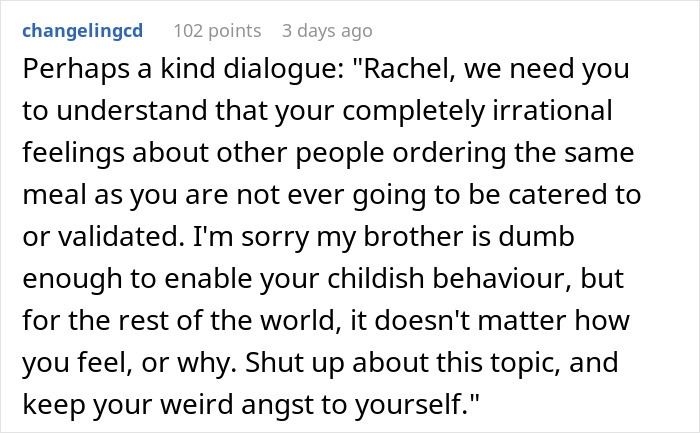
Since her boyfriend consistently defends her and demands apologies, this behavior may also have been enabled and reinforced over time in her private life. It might have led her to believe that her hyper-specific boundary is entirely reasonable, even when it crosses into public spaces and family gatherings.
Experts say that being willing to understand someone doesn’t mean you have to abandon your own ground or needs.
“Mutual respect means being allowed to advocate for the way you exist too, too, not endlessly flexing to accommodate theirs. Self-advocacy is about building connections where (everyone) can thrive,” says neurodiverse relationship coach Karen Doherty.
She believes therapy and coaching can and should support people behaving in this way.
While psychological conditions might explain why a person experiences extreme rigidity, mental health struggles are never a blanket excuse for toxic behavior.
As one online commenter pointed out, these idiosyncrasies can be managed gracefully — their own husband dislikes ordering the same food as others, so he simply waits to order last to avoid a clash.
True coping means developing better emotional regulation skills, practicing exposure therapy, and adapting to the simple reality that life is full of minor disappointments.
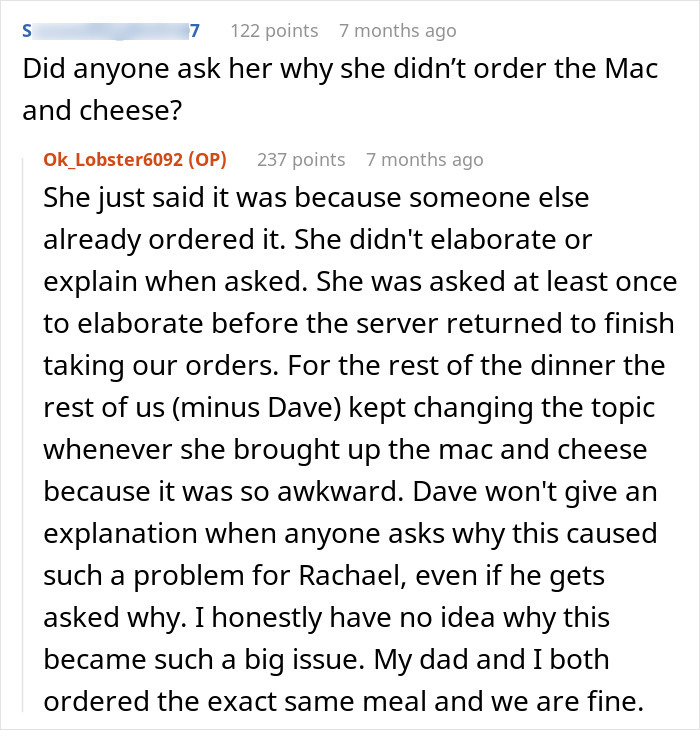
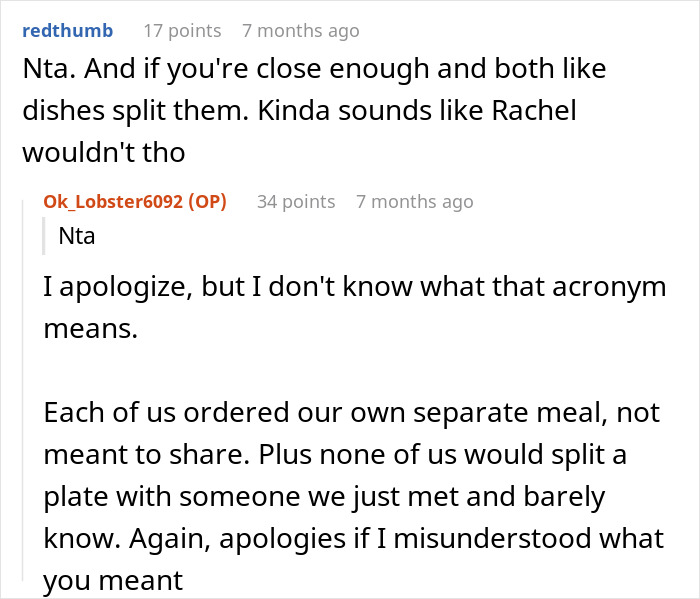
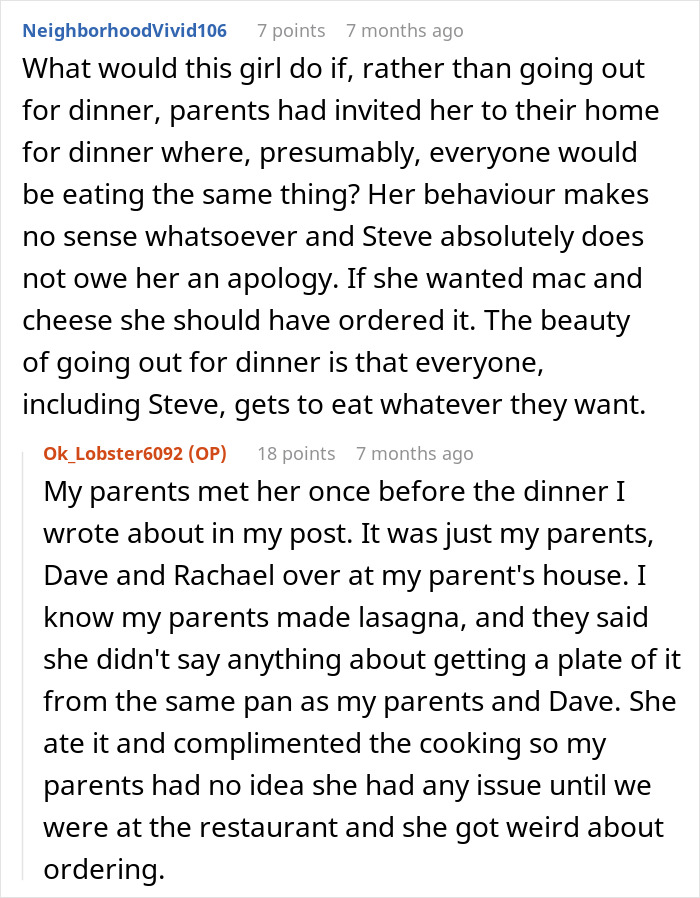
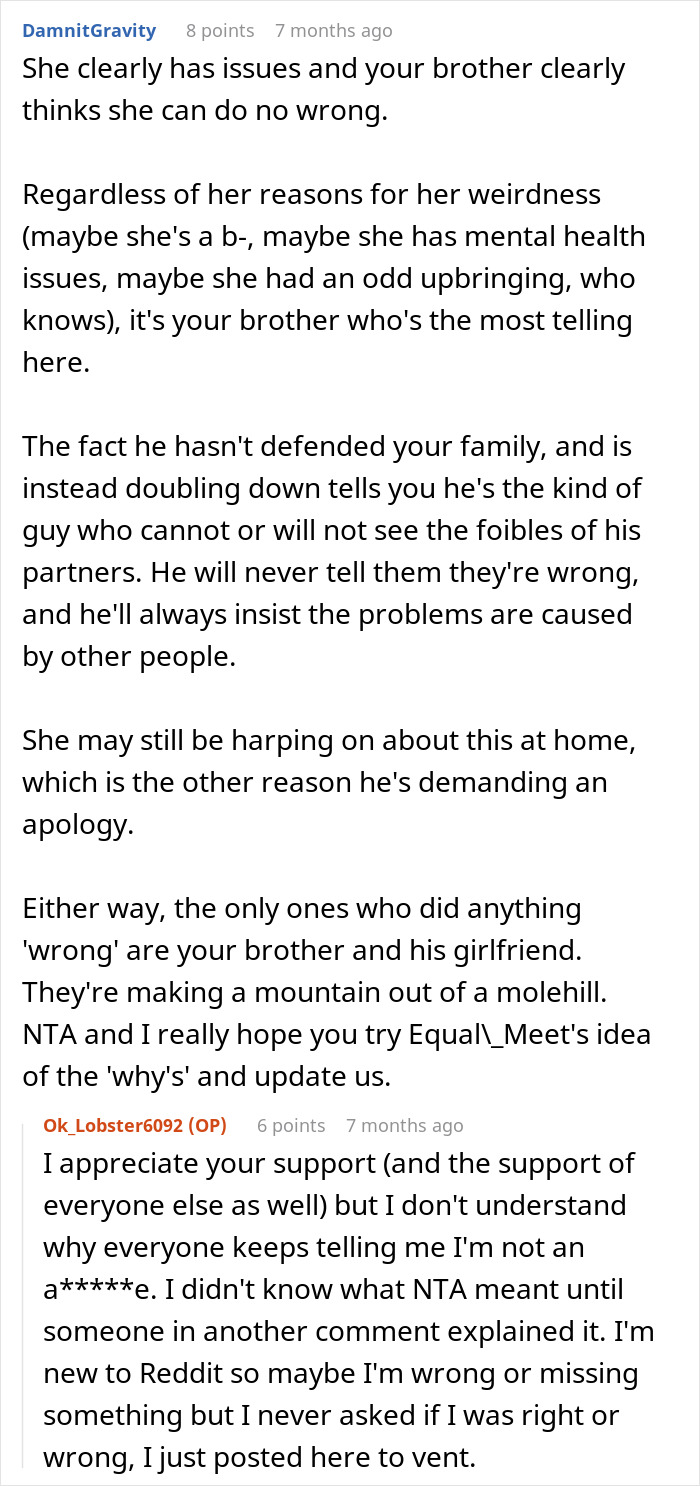
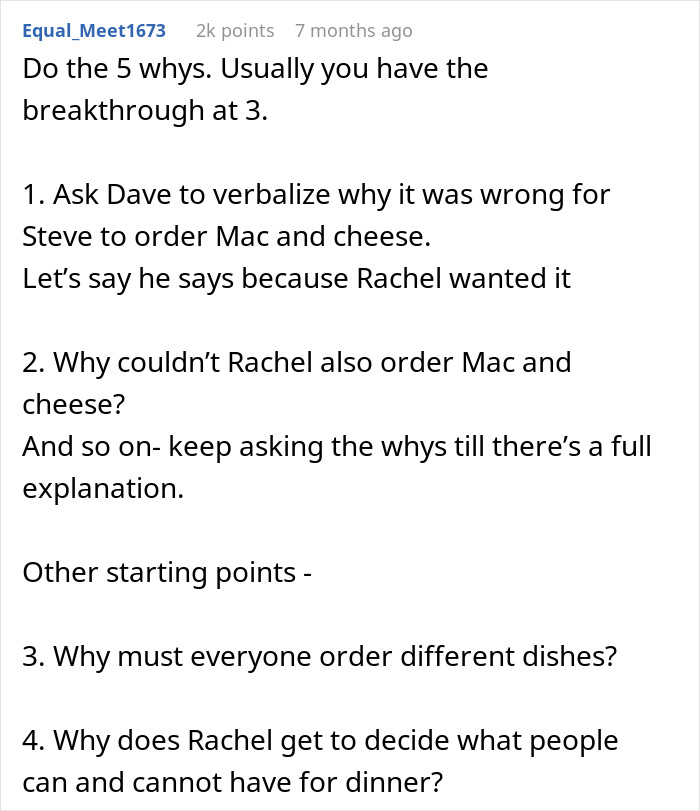
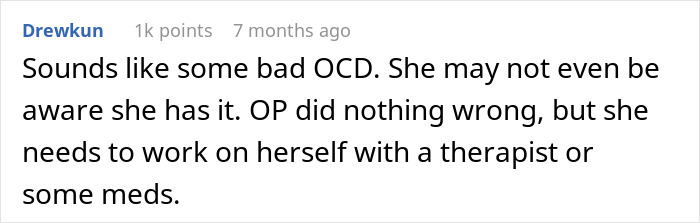
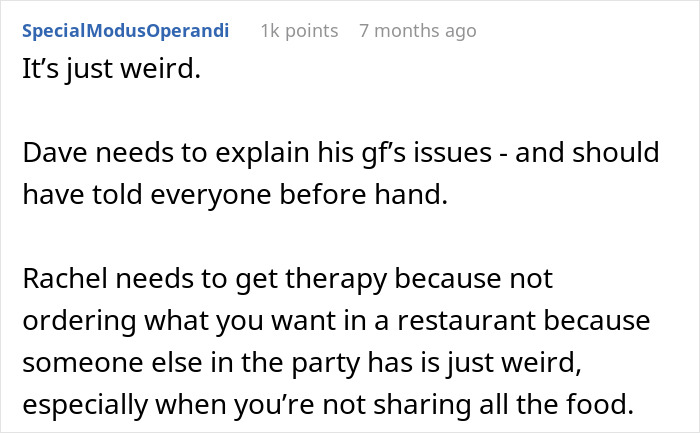

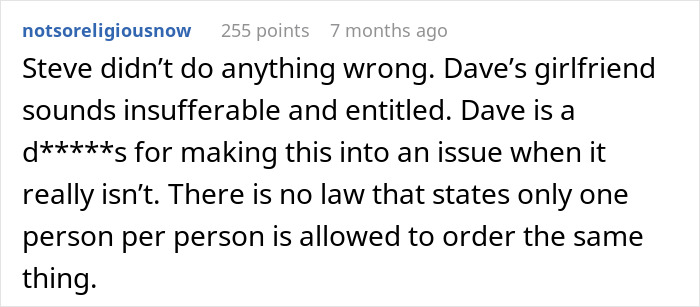
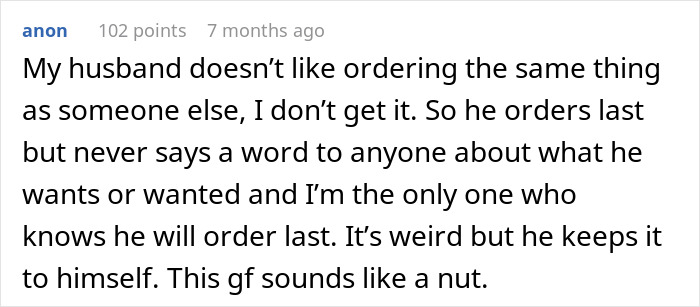

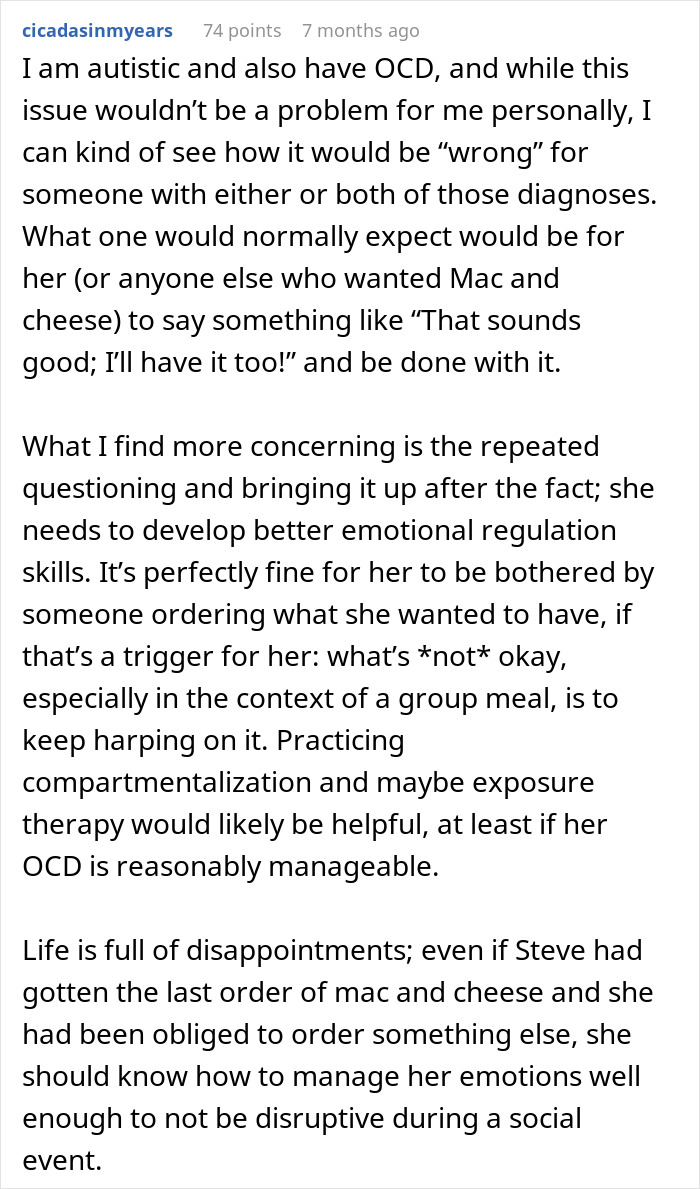

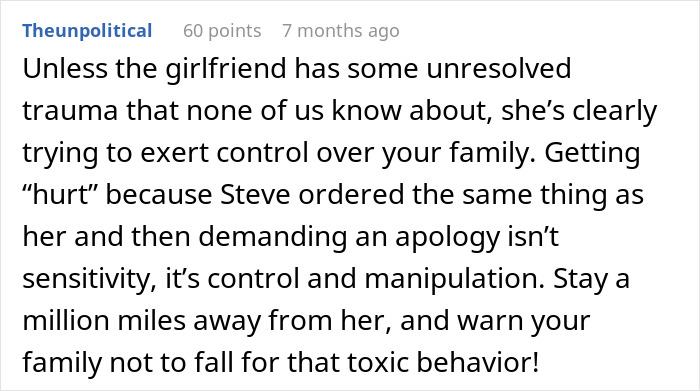

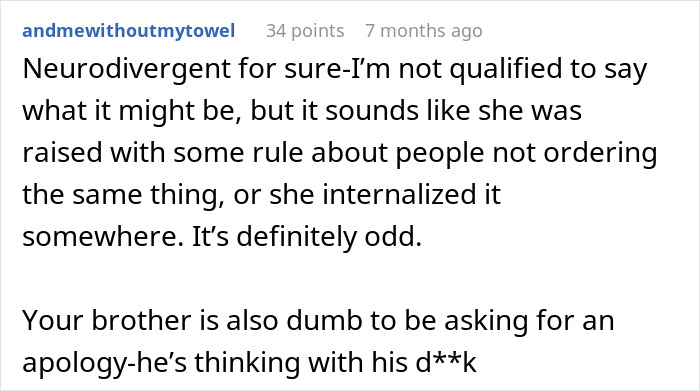
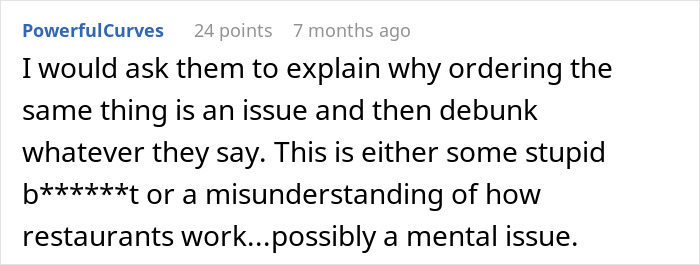
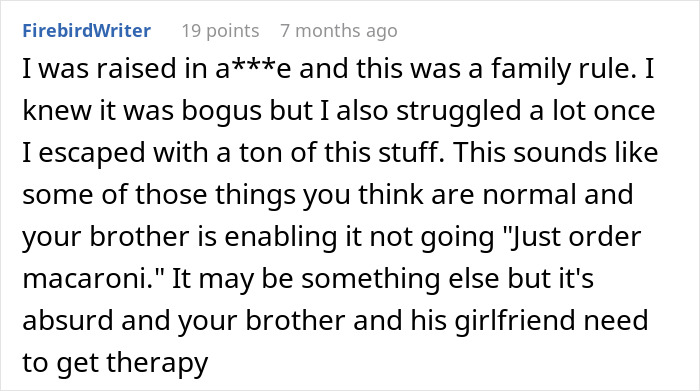
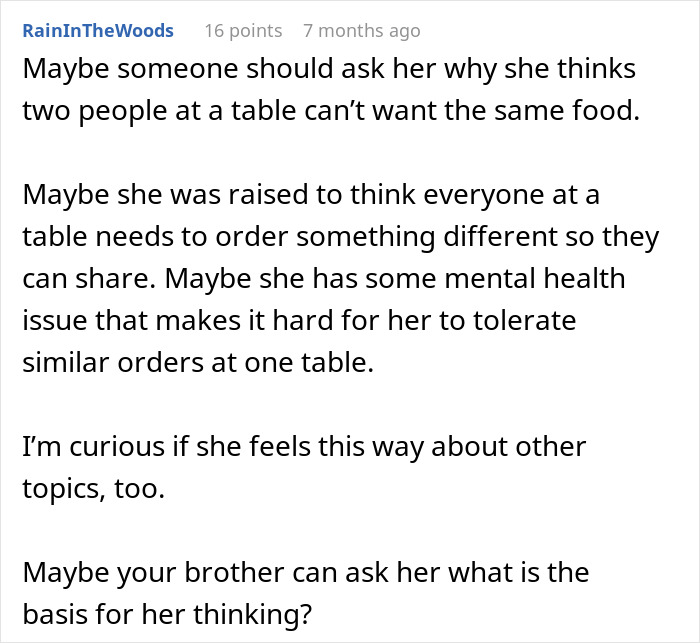
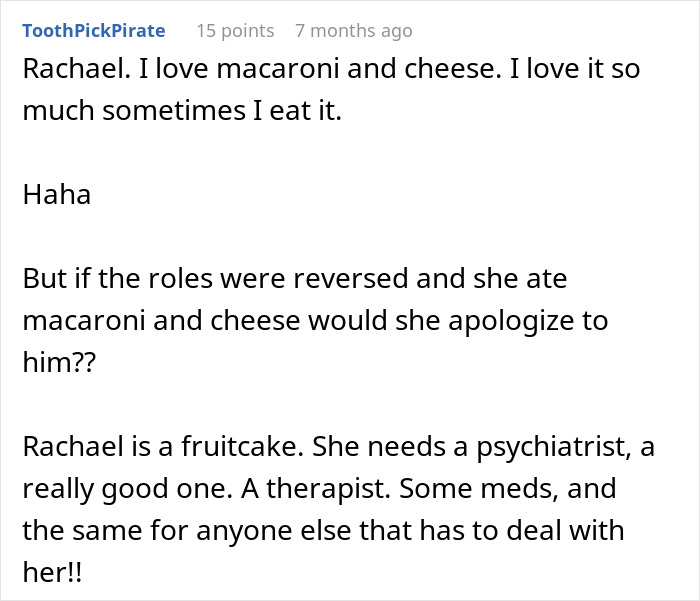

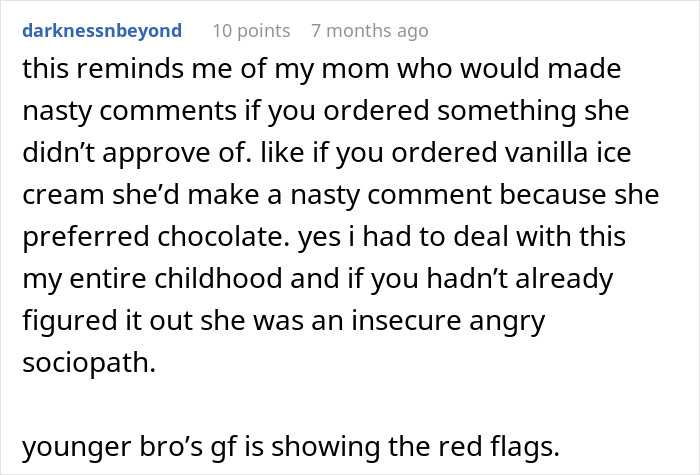
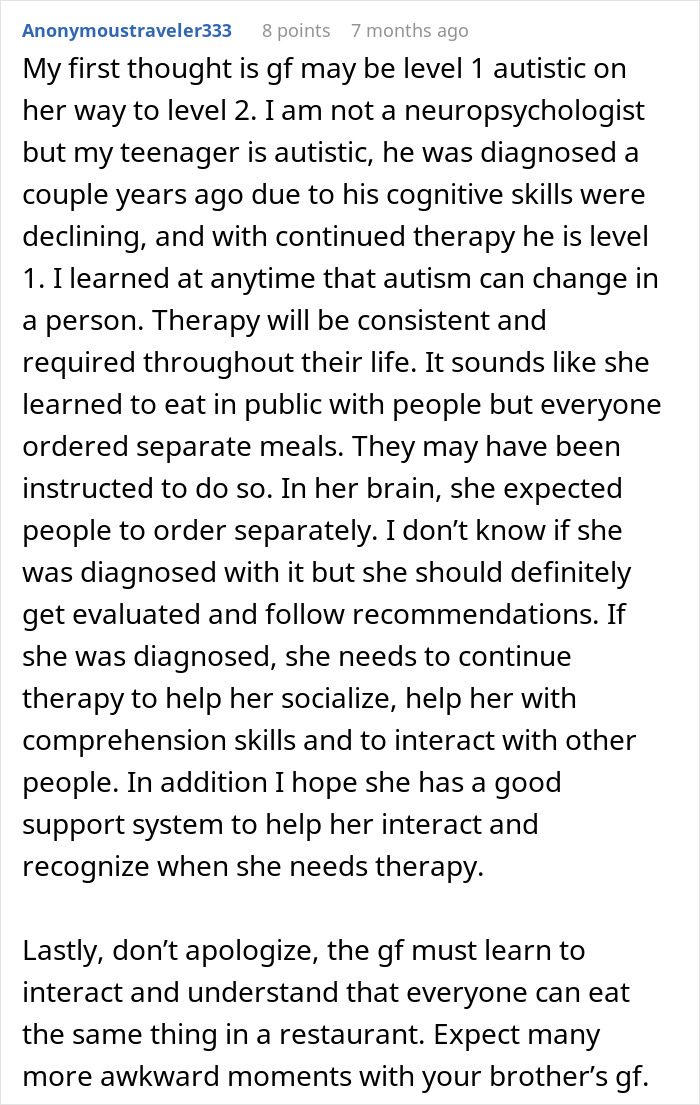
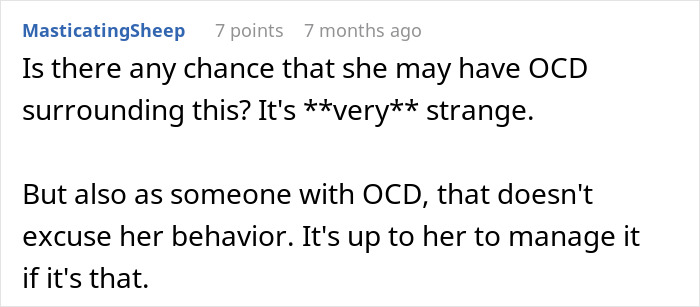

Image credits: africaimages / Envato (not the actual photo)
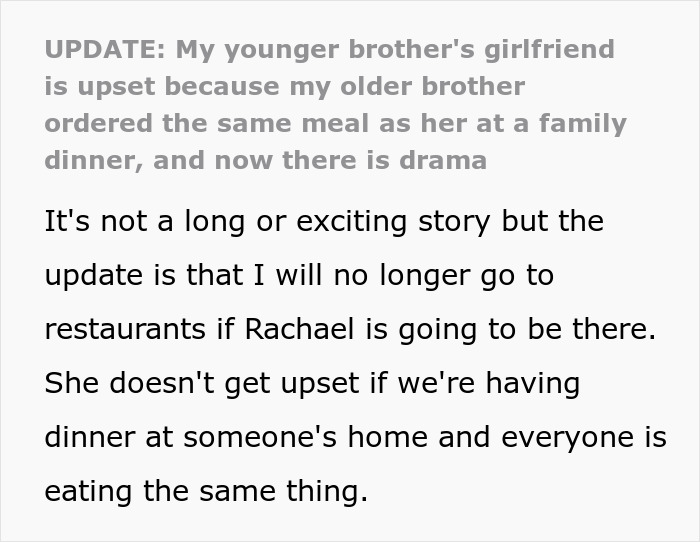


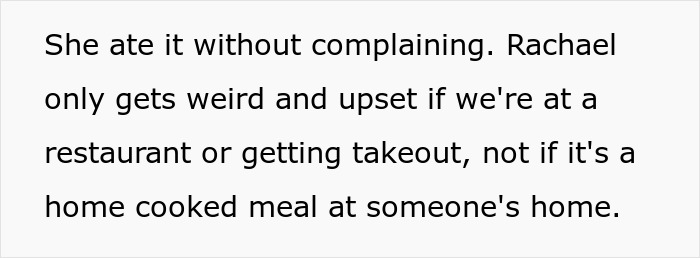
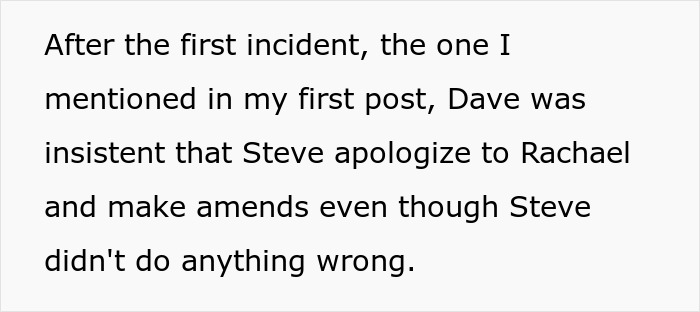
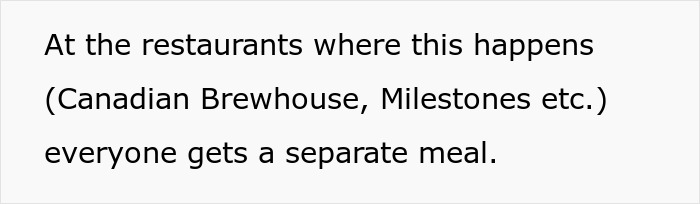
Image credits: vadymvdrobot / Envato (not the actual photo)

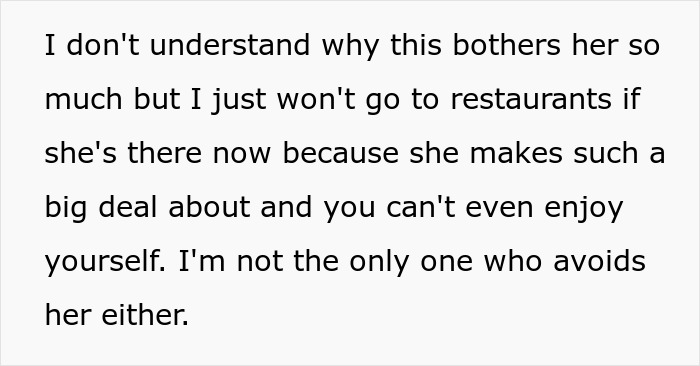
Image credits: Ok_Lobster6092





By entering your email and clicking Subscribe, you're agreeing to let us send you customized marketing messages about us and our advertising partners. You are also agreeing to our Privacy Policy.
Thank you! You've successfully subscribed to newsletters!

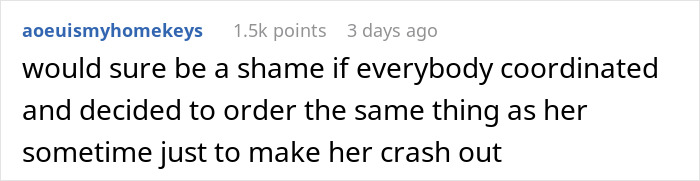
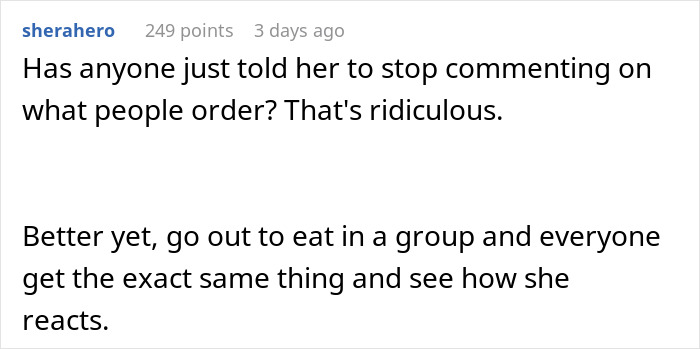
just let her order first, and after that EVERY SINGLE ONE order the same thing

I thought of that also, but then she'd change her order, and there's no need to make more work for the server.
Load More Replies...
I wonder what would happen if everyone ordered the exact same thing off the menu...she would've lost her ever loving mind. What a fruitcake!

......hilarious mental image, t barth.......lmfao !!
Load More Replies...
the fact that it's a problem for her even if it's people other than her ordering the same item makes it look very much like a mental issue. Nobody can be blamed for having them, but you have to face them and work on them.

This was incredibly frustrating to read. In addition to the crazy GF, one commenter said it’s “super-common,” and then ALSO didn’t explain WTH is going on. I’d have thrown my plate in her face like a frisbee once she’s needled people enough. Can’t bother people when your jaw is wired shut!
Load More Replies... just let her order first, and after that EVERY SINGLE ONE order the same thing
I thought of that also, but then she'd change her order, and there's no need to make more work for the server.
Load More Replies... I wonder what would happen if everyone ordered the exact same thing off the menu...she would've lost her ever loving mind. What a fruitcake!
......hilarious mental image, t barth.......lmfao !!
Load More Replies... the fact that it's a problem for her even if it's people other than her ordering the same item makes it look very much like a mental issue. Nobody can be blamed for having them, but you have to face them and work on them.
This was incredibly frustrating to read. In addition to the crazy GF, one commenter said it’s “super-common,” and then ALSO didn’t explain WTH is going on. I’d have thrown my plate in her face like a frisbee once she’s needled people enough. Can’t bother people when your jaw is wired shut!
Load More Replies...






















 No fees, cancel anytime








34
37