Get Premium
Dark mode theme is available exclusively for premium users. Learn more about the benefits of subscribing.
No fees, cancel anytime.

 Dark Mode Ad-Free Browsing Unlimited Content
 Ad-Free Browsing Unlimited Content Dark Mode
Join 1.2 million Panda readers who get the best art, memes, and fun stories every week!

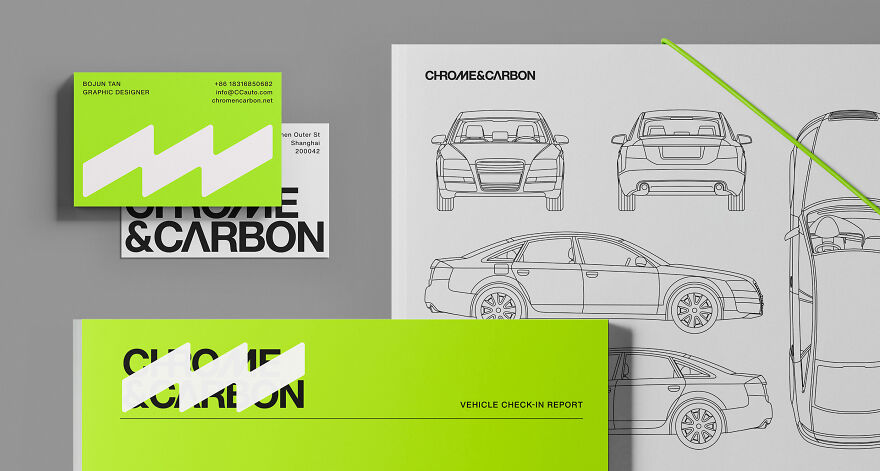
Bojun Tan’s path to becoming a distinguished graphic designer is a story of passion, curiosity, and cultural resonance. Growing up in an environment steeped in artistic tradition, Tan developed an early love for art, which eventually led him to the Rhode Island School of Design. There, he honed his skills and began to carve out a unique space for himself in the world of design. Today, as a freelance designer specializing in branding and visual identity for startups, Tan’s work is celebrated for its minimalist aesthetics and cultural depth. His contributions have earned him recognition in prestigious exhibitions such as the Muse Award and the German Design Council. In an interview, Tan shares insights into his creative philosophy, his fascination with geometry, and his vision for the future of design.
When asked to describe himself in three words, Bojun Tan chooses curious, versatile, and intuitive. These traits, he explains, are the foundation of his creative process. His curiosity drives him to explore new trends, technologies, and cultural insights, constantly pushing the boundaries of conventional design. Versatility allows him to adapt his style to a wide range of projects, ensuring that each design not only meets but exceeds expectations. Meanwhile, his intuition helps him anticipate client needs and market trends, creating designs that are both timely and timeless. This combination of qualities enables Tan to forge meaningful connections between brands and their audiences, a hallmark of his work.
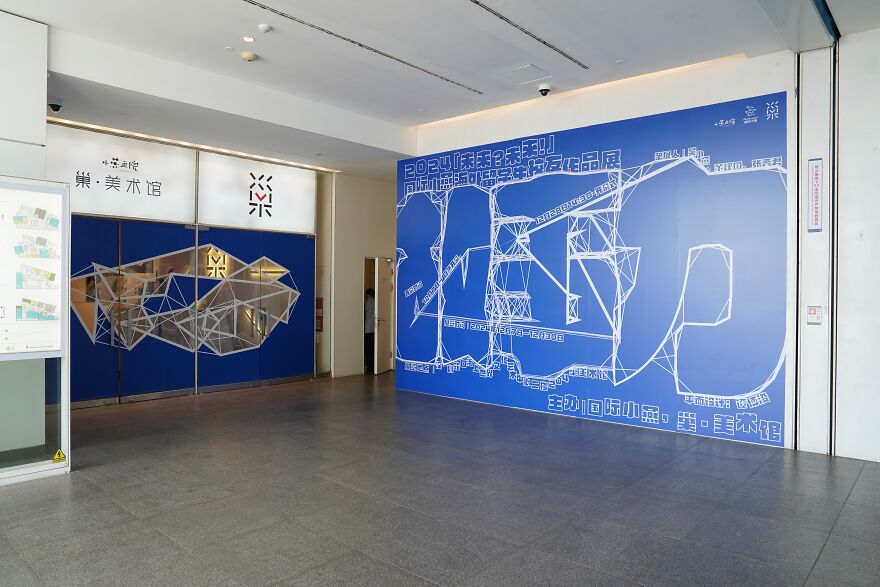
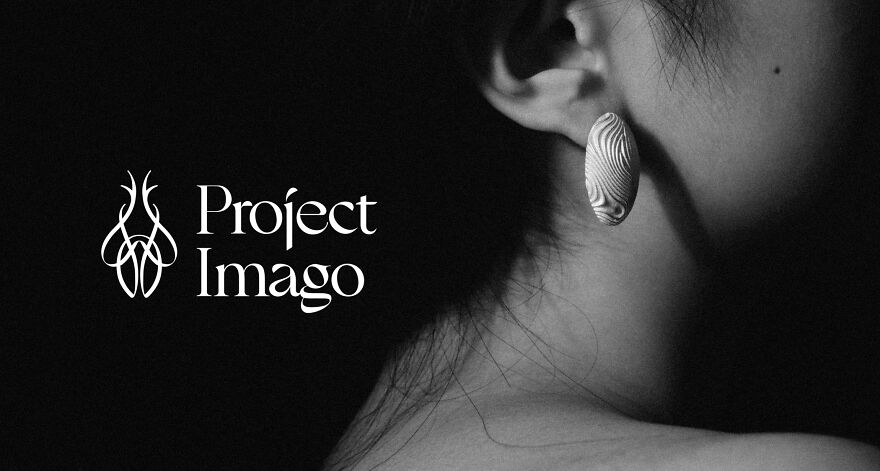
Tan’s work is characterized by a seamless blend of simplicity and cultural symbolism. He fuses minimalistic aesthetics with impactful visual narratives to capture the essence of a brand or idea. His creative process involves synthesizing disparate elements—whether traditional motifs or futuristic trends—into cohesive designs that resonate emotionally. This approach allows him to craft unique, memorable identities that feel both meaningful and enduring. For Tan, design is not just about aesthetics; it’s about creating a narrative that speaks to the audience on a deeper level.
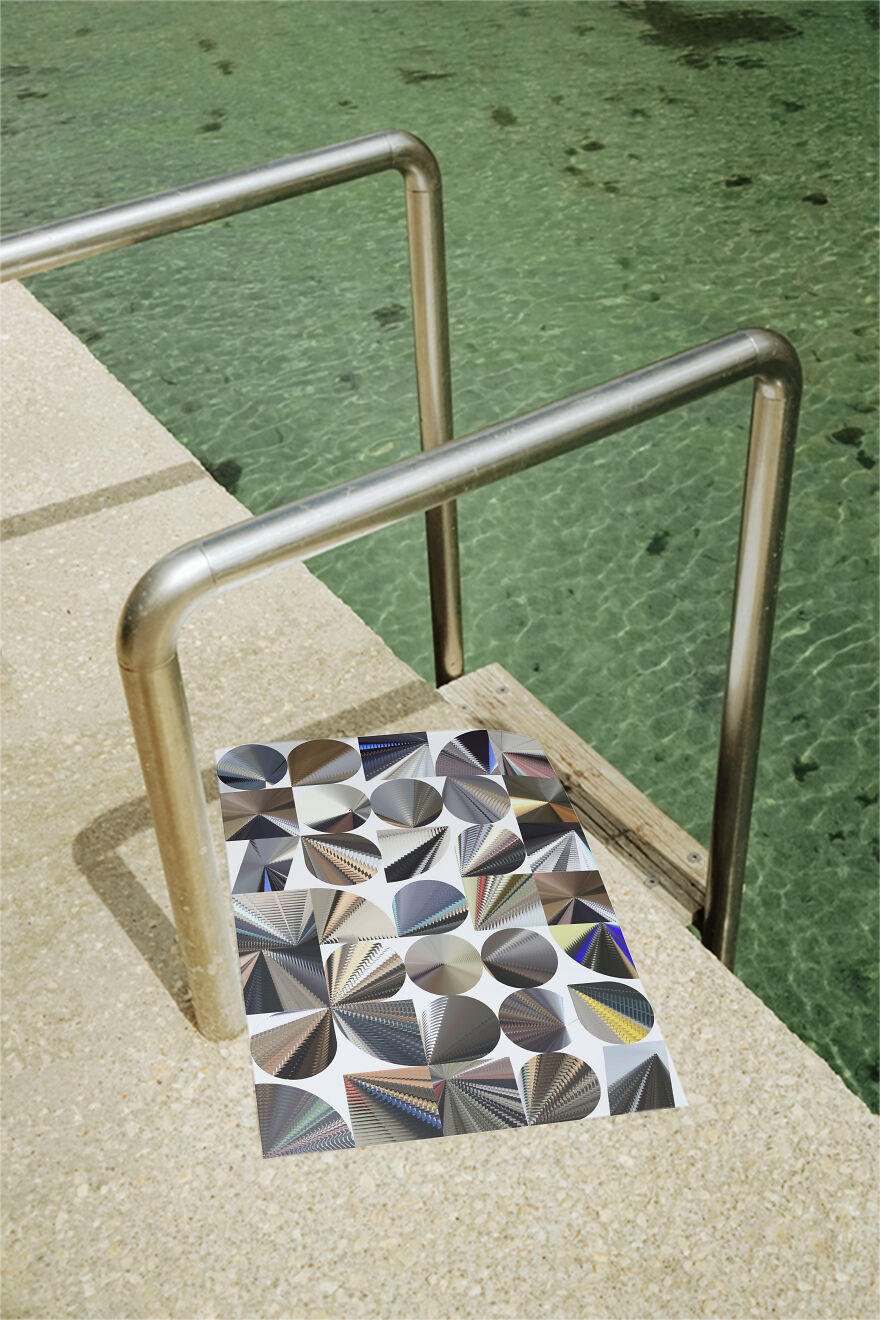
Geometry has always played a central role in Tan’s work. Early in his career, he used grids to create modular Gothic fonts, fascinated by the idea of regularizing organic forms like calligraphy. However, the pandemic marked a turning point in his relationship with geometry. Living in isolation, Tan began to see life as a series of boxes, and his geometric works became more abstract and chaotic. He describes his current approach as a “geometric camera” that abstracts life itself, transforming societal order into blurry, symbolic materials for his art. While he no longer relies on geometry for logos or fonts, he continues to explore abstract webcam codes, turning himself into something “indescribable.” This evolution reflects Tan’s willingness to embrace both order and chaos, a duality that makes his work so compelling.
When discussing how interactivity connects with his graphic design work, Tan shared, “Interactivity in my work often ties to play. Art, like play, is driven by curiosity rather than utility. Creating art playfully fulfills me, and I hope it brings the same joy to my audience.” He explained that he enjoys using code or manual crafts to create tools that invite people to engage with art in a fun, experiential way. While tools are typically rational and purpose-driven, Bojun aims to remind people that life isn’t solely about utility—it can also be joyful and imaginative. This philosophy reflects his belief in the power of creativity to inspire joy and foster meaningful connections between art and its audience.
As he looks to the future, Tan envisions expanding his influence by pioneering innovative design solutions that merge aesthetics with functionality. He is particularly interested in sustainable design practices and how they can be integrated into his work. Additionally, Tan hopes to mentor emerging designers, sharing his knowledge and potentially launching an educational platform focused on the intersection of design and technology. His commitment to innovation and mentorship underscores his desire to leave a lasting impact on the industry.
Bojun Tan’s work is a testament to the power of curiosity, adaptability, and intuition in graphic design. His ability to balance simplicity with cultural depth, while embracing both order and chaos, sets him apart as a unique voice in the design world. As he continues to push creative boundaries, Tan’s dedication to innovation and his passion for mentorship promise to shape the future of design in meaningful ways.
Bojun Tan’s journey is a compelling example of how personal experiences and cultural influences can shape an artist’s vision. His ability to evolve his style—from structured geometric designs to more abstract and chaotic expressions—demonstrates a remarkable adaptability and openness to change. Tan’s emphasis on play and interactivity also highlights his belief in the importance of joy and imagination in both art and life. As he looks to the future, his focus on sustainability and mentorship suggests a deep commitment to not only advancing his own career but also contributing to the broader design community. Bojun Tan is not just a designer; he is a storyteller, an innovator, and a visionary whose work continues to inspire and resonate.


 No fees, cancel anytime
 then open in external browser

 and click "Open in External Browser"








2
0