Get Premium
Dark mode theme is available exclusively for premium users. Learn more about the benefits of subscribing.
No fees, cancel anytime.

 Dark Mode Ad-Free Browsing Unlimited Content

 Ad-Free Browsing Unlimited Content Dark Mode

Join 1.2 million Panda readers who get the best art, memes, and fun stories every week!

Some things in life are easy to explain, but others might make you wonder whether the universe has a secret sense of humor. Imagine running into the same stranger thousands of miles from home, discovering that two complete strangers have lived nearly identical lives, or witnessing two unrelated events line up in a way that seems almost impossible. The odds might be astronomical, but apparently, someone has to beat them.
Recently, people online were invited to share the biggest coincidence in recorded history, and the responses were just very bizarre. Some involve astonishingly precise timing, others feature people and events connected in ways nobody could have predicted, and a few are so strange they might make you question just how random the world really is.
This post may include affiliate links.
 When Steve Jobs was born, his biological father was a professor living in the Midwest. Jobs eventually tracked down his biological mother, and through her met his sister, Mona, but didn't want to meet his father, or allow his father to know anything about him.
Mona, however, did track down their father, and arranged a meeting with him; Steve Jobs asked her not to mention him, and she agreed to respect his wishes.
When she met her father, though, eventually the conversation turned to his career managing various restaurants throughout the world (he'd since given up teaching). He bragged about one particularly nice place he used to run in California, where plenty of the Silicon Valley types would sometimes show up, including Steve Jobs, who he described as a "great tipper."
Mona asked Jobs about this, and he remembered the place, and remembered meeting the man who ran it on several occasions. He met his biological father and didn't even know it.
 There was a man who won the lottery, and 2 weeks later when he reanacted the scratching of the ticket for a tv news report he won it again.
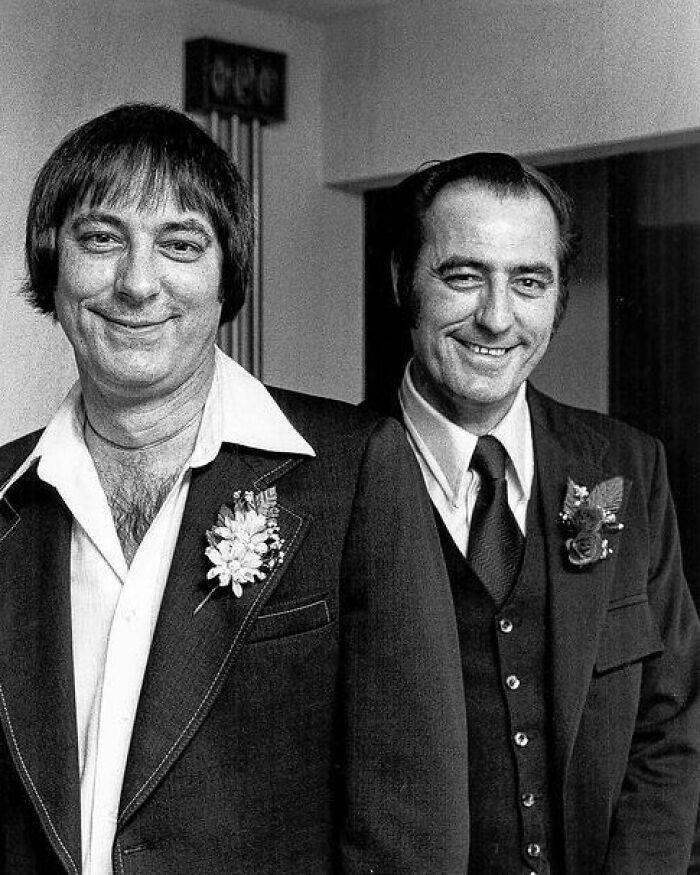 There were two twins that were separated at birth...Jim Lewis and Jim Springer. They didn't meet until they were 39. Both were named James by their adoptive parents. Both had married twice; first to women named Linda and second to women named Betty. Both had children, including sons named James Allan. Both had at one time owned dogs named Toy. There are tons of other similarities.
Coincidences have fascinated people for centuries, partly because they challenge the way we normally understand how events happen. As Discover Magazine explains, the human brain is naturally wired to recognize patterns and look for connections between seemingly unrelated things. This ability helps us make sense of our surroundings, learn from past experiences, and anticipate what might happen next.
When two unexpected events line up, however, our minds immediately begin searching for an explanation. For example, thinking about an old friend only to receive a message from them moments later can feel remarkably significant, even when there is no actual connection between the two occurrences. The unexpected match captures our attention because it seems to go against what we would normally expect.
 The story of Jennifer Bricker and Dominique Moceanu
The short version:
-A girl is born without legs and put up for adoption.
-She gets adopted by a loving family and given the name Jennifer Bricker
-Despite having no legs, Jennifer grows up to develop a love for gymnastics
-Jennifer comes to idolize Olympic gymnast Dominique Moceanu
-Jennifer collects posters of Dominique and watches all of her events on TV religiously
-One day, Jennifer's parents come across Jennifer's old adoption papers
-Jennifer is the long lost sister of Dominique Moceanu.
 9th of November was the date of some very important events in Germany with several years between them. I don't know if this counts, but hey ho.
End of the monarchy - 1918
Failed Beer hall putsch- 1923
Kristallnacht - 1938
Fall of the Berlin Wall - 1989.
Edit: got the year wrong on one.
This is also why certain coincidences can feel almost supernatural, particularly when they happen during emotionally important moments. People sometimes interpret unexpected encounters, familiar songs, or unusual reminders as signs that something bigger is at work. Such experiences can provide comfort and make an uncertain situation feel a little more meaningful.
However, the sheer number of events happening around us means that unusual overlaps are bound to occur occasionally. With billions of people thinking, travelling, meeting, and communicating every day, even remarkably specific coincidences can emerge without having any deeper explanation. Essentially, what feels like an extraordinary message from the universe may simply be an unexpected meeting of circumstances.
 MH370 was the 404th plane of it's type to be produced.
And it went missing.
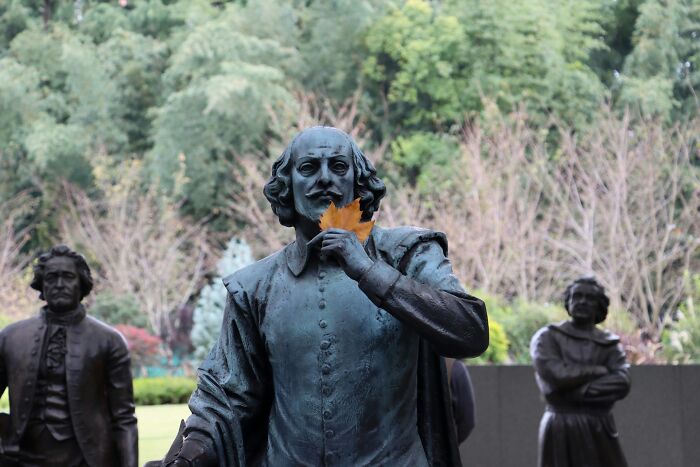 Anne Hathaway's husband looks like William Shakespeare.
William Shakespeare had a wife called Anne Hathaway
I posted this before but seriously it is the best I have got
Edit: TIL that no one knows what Shakespeare looks like
Edit 2: TIL that 'no one' is actually two separate words and is not conjoined with a dash.
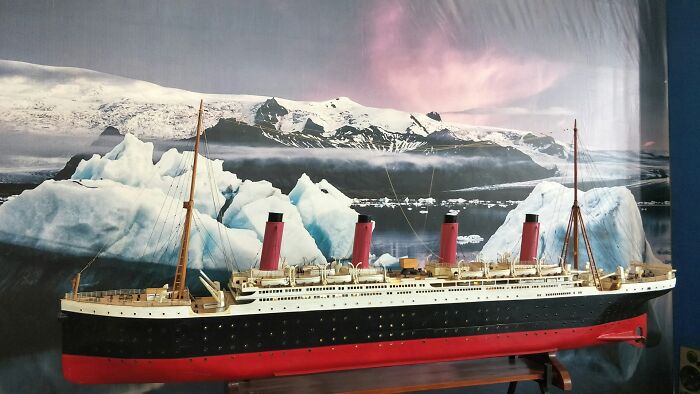 Morgan Robertson's short story, published in 1898, about the gigantic luxury passenger liner that struck an iceberg while crossing the North Atlantic, and sank with terrible loss of life.
The ship was deemed practically unsinkable, and so didn't carry anywhere near enough lifeboats for the passengers and crew.
And the ship was called the Titan.
Google this if you don't believe me.
One mathematical principle that helps explain this is the law of truly large numbers, which the BBC discusses when examining why unlikely events happen more frequently than people might expect. The idea is that an event with an extremely small probability can become almost inevitable when there are enough opportunities for it to occur.
People tend to judge coincidences from an individual perspective, wondering how likely it was for them to meet a particular person or experience something unusual on a specific day. However, the chances look very different when considering millions of people and their countless daily experiences.
For instance, if an event had a one-in-a-million chance of happening to one person in a day, a population of 250 million would produce approximately 250 such occurrences daily.
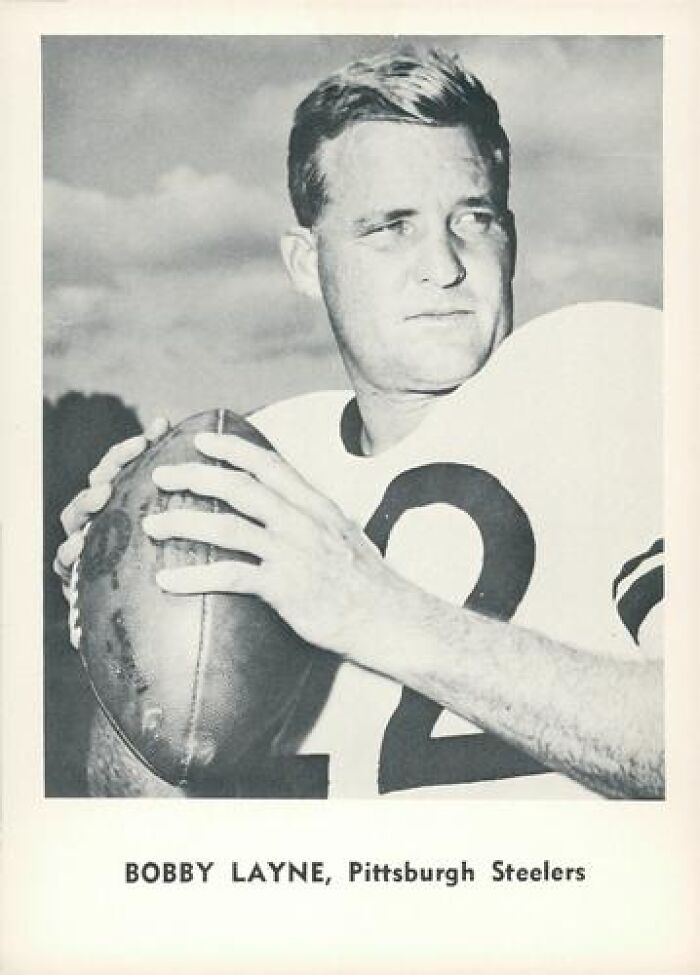 Bobby Layne got traded by the Detroit Lions in 1958. After he got traded, he put a curse on the Lions, saying they wouldn't win for 50 years.
Not only did the Lions finish with the worst winning percentage in the NFL for the next 50 years and never make a championship game, but in 2008, exactly 50 years later, the Lions became the first team in NFL history to go 0-16 in a season. They went winless.
Because of this, in 2009, the Lions had the #1 pick in the NFL Draft. They chose QB Matthew Stafford... who lived on the same street and went to the same high school as Bobby Layne did.
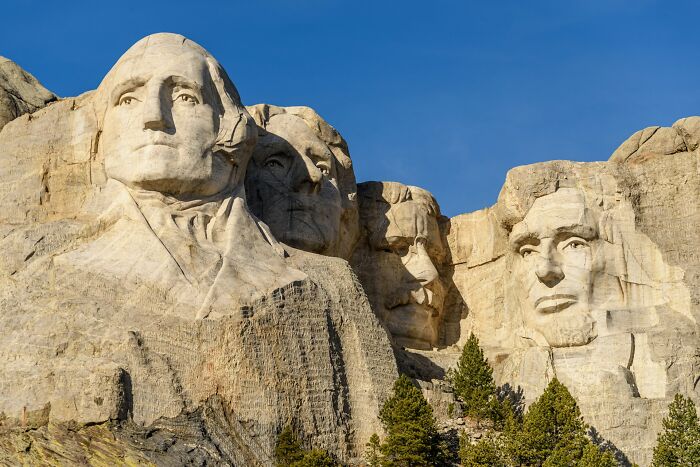 Thomas Jefferson and John Adams both passed on July 4, 1826, which was the 50th anniversary of the signing of the Declaration of Independence.
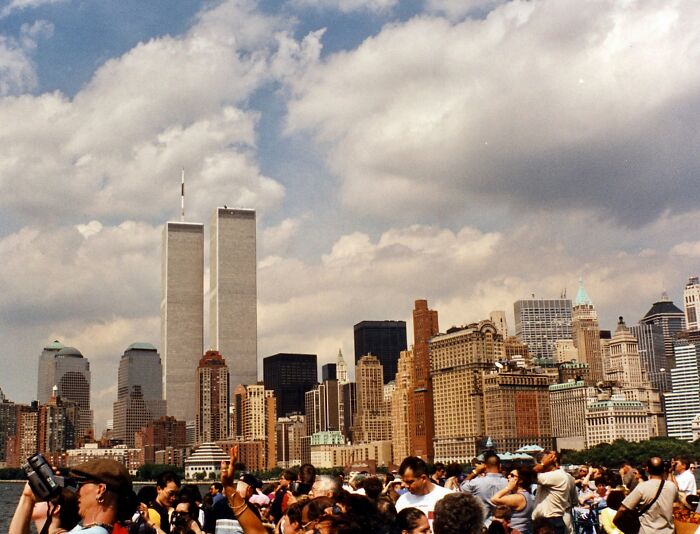 There was a tv show called The Lone Gunman. It was a short-lived, comedic spin-off of The X-Files. In the series premier, the plot was about a conspiracy to fly a commercial airliner into the twin towers as a false flag operation. It aired in March 2001.
The same principle applies to seemingly impossible situations involving repeated lottery wins, unusual family connections, or even multiple lightning strikes. Someone winning a major lottery twice might seem like an almost unbelievable stroke of luck, but when millions of people purchase tickets over several decades, such outcomes become considerably less surprising.
Similarly, while having three children in one family share a birthday would be extraordinarily unlikely for any particular household, it becomes more plausible when considering the enormous number of families with three children. These examples demonstrate how our intuition about probability can be misleading.
We tend to focus on the individual experience rather than all the opportunities that exist for something unusual to happen somewhere in the world.
 Abraham Lincoln's son, Robert, was once saved from being hit by an oncoming train. The man who pulled him out of harm's way was Edwin Booth, brother of John Wilkes Booth. The incident took place less than a year before Lincoln's hit.
 In 1974, Anthony Hopkins starred in a film called 'The Girl from Petrovka,' based on the book by George Feifer. Not long after signing on to the film, Hopkins went to London to try to track down a copy of the book. After canvasing several bookshops, however, he couldn't find one. Frustrated and defeated, Hopkins entered the Leicester Square stop to board a train home when all of a sudden he spotted a copy of 'The Girl from Petrovka' that appeared to have been discarded on a nearby bench. Naturally he swiped it, and if the story ended there it'd be a pretty funny coincidence.
But the story doesn't end there. Two years later while filming in Vienna, author George Feifer visited the set. During a conversation with Hopkins, Feifer mentioned that he didn't even have a copy of his own book -- that he'd lent his last one (complete with his own annotations) to a friend who had lost it somewhere in London. Hopkins, puzzled, then fetched his copy, which also had notes in the margins. When he showed it to Feifer, the author confirmed that, amazingly, it was the same book.
Of course, not every coincidence feels extraordinary simply because of its rarity. Some seem particularly meaningful because of the circumstances surrounding them. Psychologist Carl Jung developed the concept of synchronicity to describe experiences in which unrelated events appear to have a personal significance despite having no identifiable causal connection.
For example, someone grieving a parent might unexpectedly encounter a familiar song, photograph, or place that reminds them of the person they lost. Although the encounter may have an ordinary explanation, its timing can make it feel deeply significant.
These experiences can be especially powerful during major life changes, including bereavement, illness, divorce, or career transitions, when people may be more inclined to search for reassurance and meaning.
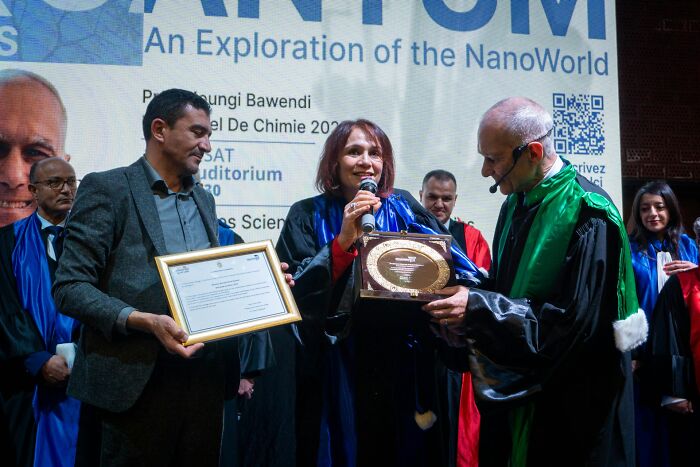 J.J. Thomson won the Nobel Prize in Physics (1906) for showing that the electron is a particle. His son, George Paget Thomson, won the Nobel Prize in Physics (1937) for showing that the electron is a wave.
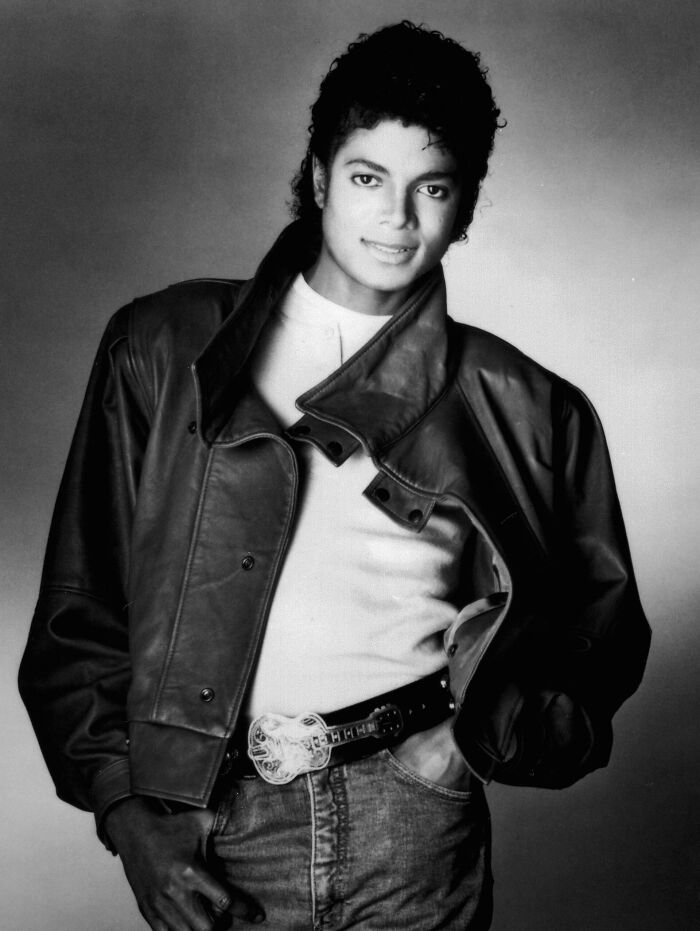 Michael Jackson overslept on the morning of 9/11. He had a meeting in the North Tower that morning.
Edit: OK, whoa. There are so many celebrities involved with 9/11. Hollywood conspiracy?
 In World War 1, a German ship tried to run the British blockade by disguising itself as a British ship, but the first ship they came into contact with was the one they'd disguised themselves as.
Edit: the German ship was the SMS Cap Trafalgar and the British one was the HMS Carmania.
There is, however, a psychological explanation for why these experiences can feel so convincing. During emotionally demanding periods, people often become more attentive to things that reflect their thoughts and concerns. Selective attention can make certain details stand out while countless unrelated occurrences go unnoticed.
Confirmation bias can also influence how people interpret events, making them more likely to remember experiences that support an existing belief while overlooking those that do not. This does not mean that the emotions attached to a coincidence are any less genuine, but it does help explain why some ordinary encounters can leave such a lasting impression.
An event that might otherwise have gone unnoticed can become unforgettable simply because of what was happening in someone's life when it occurred.
 In 1858 a man named Robert Fallon was shot while playing poker because he cheated. He won $600, which was now deemed unlucky, so no one wanted it. They gave it to a new player who took Fallon's place. He turned the $600 into $2,200, when the police arrived. They demanded the original $600 to be passed on to Fallon's next of kin, only to discover that his son was in fact the new player, who had not seen his father in seven years.
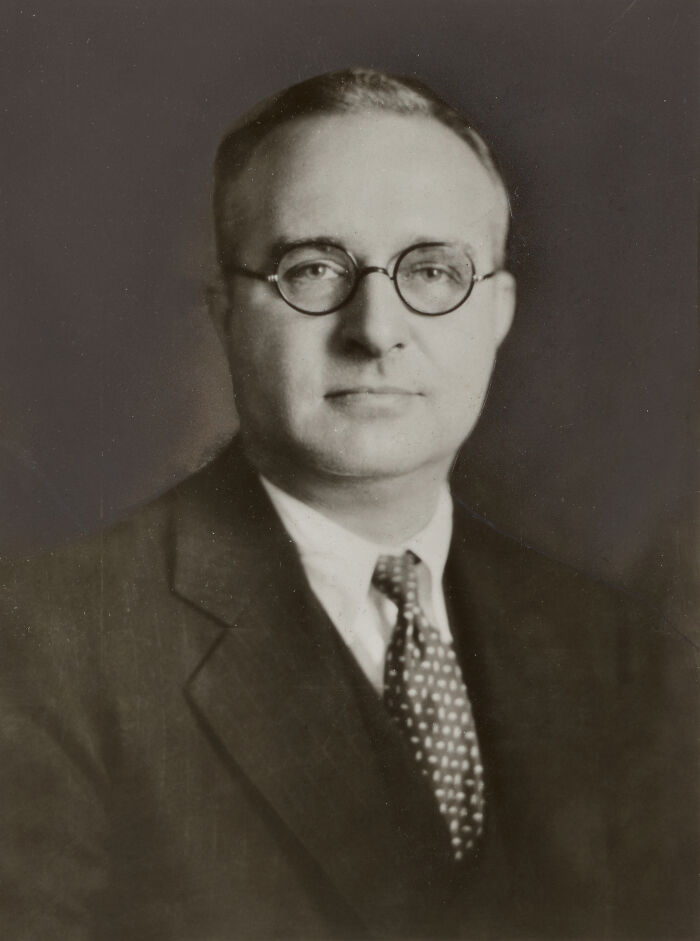 Thomas Midgley Junior - who first realized that adding lead to petrol would reduce engine knocking. Years of research later proves that he has single-handedly caused one of the biggest human health problems in history (and lead contamination was a well known thing even back then).
He also went on to synthesize a chemical called Freon to be used as a refrigerant (to be fair, the available refrigerants at the time were pretty toxic). Freon's known nowadays as part of a group of chemicals called CFCs - yup, responsible for the hole in the ozone layer.
As a tripartite addition to his unfortunate inventions, he also became severely disabled towards the end of his life and devised a series of ropes and pulleys to get himself out of bed. It strangled him.
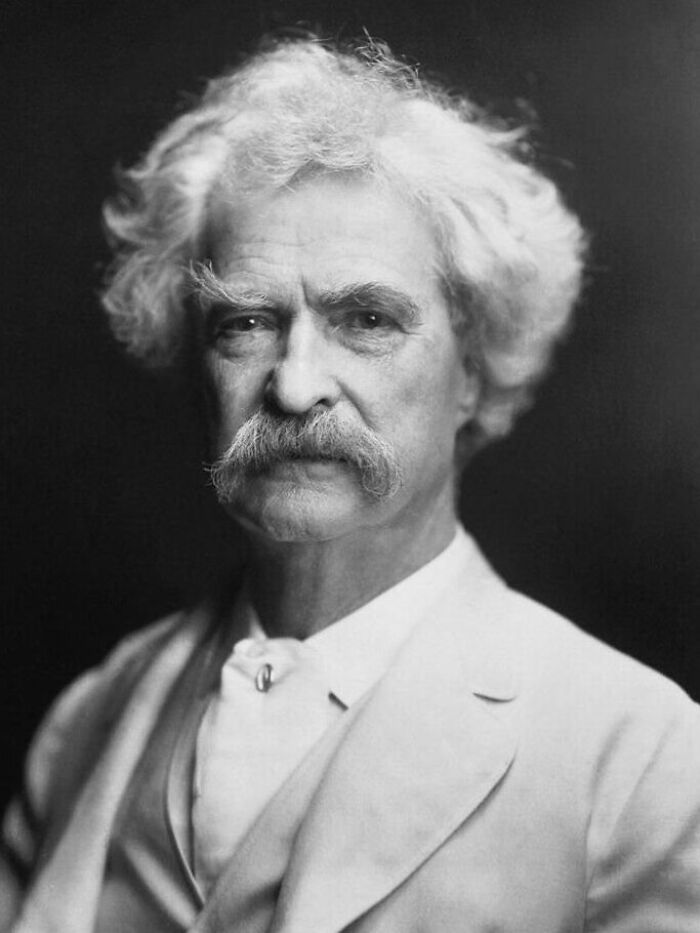 When Mark Twain was born in 1835, it was on the day of the appearance of Halley's Comet. He passed away on the day it next appeared in 1910.
History also offers plenty of examples of coincidences that seem almost too perfectly arranged. Yahoo News highlights several unusual connections involving famous writers, historical figures, and unexpected family ties. Mark Twain, for instance, was born shortly after Halley's Comet appeared in 1835 and reportedly believed his life would be lost when it returned. He passed in April 1910, just one day after the comet reached its closest point to the Sun.
Another striking example involves Morgan Robertson's 1898 novel Futility, or The Wreck of the Titan, which described a supposedly unsinkable passenger liner that struck an iceberg in the North Atlantic in April and lacked sufficient lifeboats. Fourteen years later, the Titanic disaster shared several remarkably similar details
 Tom Clancy's Ghost Recon takes place during Russia's 2008 invasion of Georgia. The game was released in 2001.
 The Great Chicago Fire was the second-worst fire in the U.S. that day. No one remembers Peshtigo, a once-thriving community, because it burned to the ground and was lost forever.
EDIT: As some have noted, there is a town called Peshtigo, WI today. The title character of the TV show Caroline in the City was from there, in fact, and it was an ongoing gag. However, the original town did burn to the ground (ending over 1,000 people) and they rebuilt it a few years later.
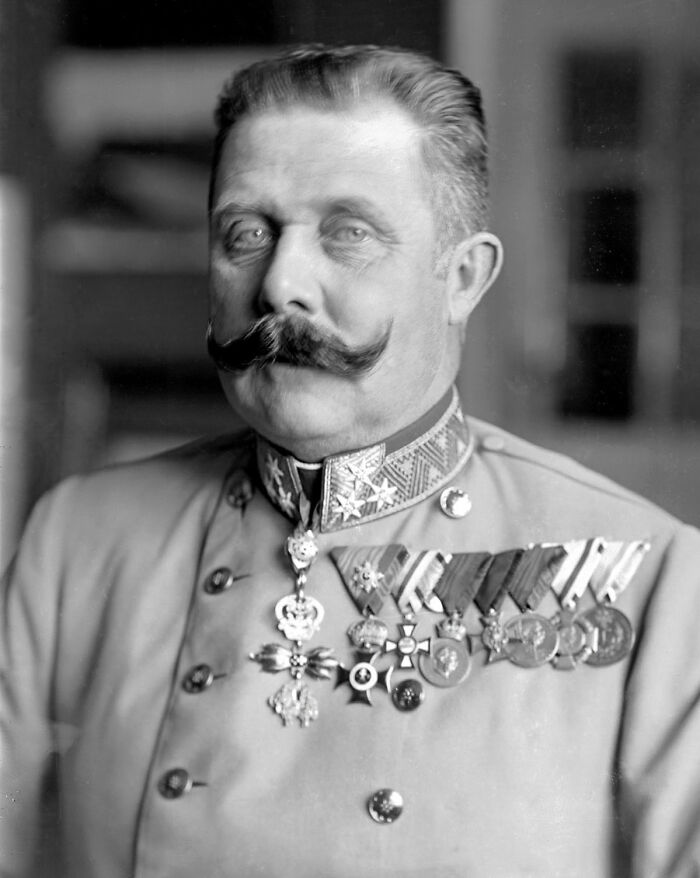 Archduke Franz Ferdinand's driver not understanding the change in plans and driving right past Gavrillo Princip after the failed hit attempt that same day.
Even the construction of the Hoover Dam produced an unusual family connection: the first recorded worker fatality was George Tierney, who drowned on December 20, 1922, while the final recorded construction fatality was his son, Patrick, who died on the exact same date 13 years later. Such stories show why coincidences continue to capture our imagination.
Whether they involve extraordinary timing, unexpected family connections, or events that seem to mirror something written decades earlier, they remind us that reality can sometimes produce parallels that would be difficult to invent.
 Whattaburger and What-A-Burger were founded in 2 different states within a short amount of time of each other. Both founders were completely unaware of the others existence.
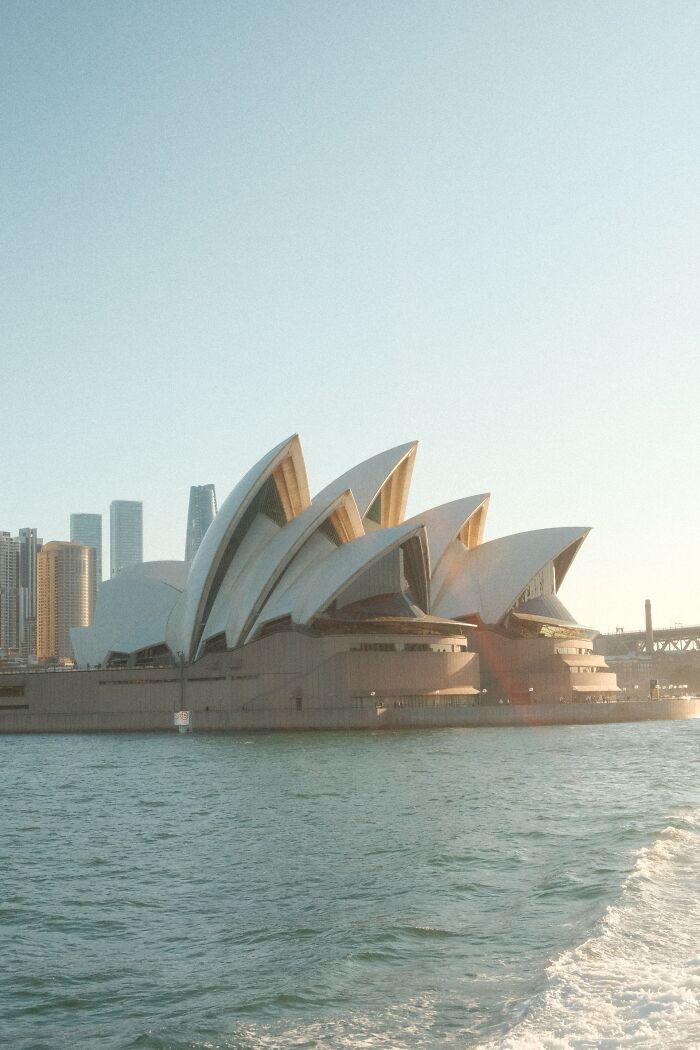 Oooooh I have a good one. In 1957 a Finnish architect, Eero Saarinen, was sitting on a panel deciding on the design for the Sydney Opera House... except he was a day late. Eero took it upon himself to look at the entries rejected by the panel the day before and decided he liked the design submitted by Jørn Utzon so much, he convinced the rest of the panelists to change their minds about it. This design became the Sydney Opera House we know today.
Next year, in Toronto, Eero would sit on another panel, this time to decide on the design of Toronto's new city hall. As is his wont, Eero showed up late, and again, he decided to go sifting through the trash. He found a design he felt was better than the others, and repeating history for the second time, was able to convince the rest of the judges of this, too. The design, by Viljo Revell, was built a couple of years later.
Eero also designed the St. Louis arch. This guy was basically a truffle sniffing pig for monumental architecture.
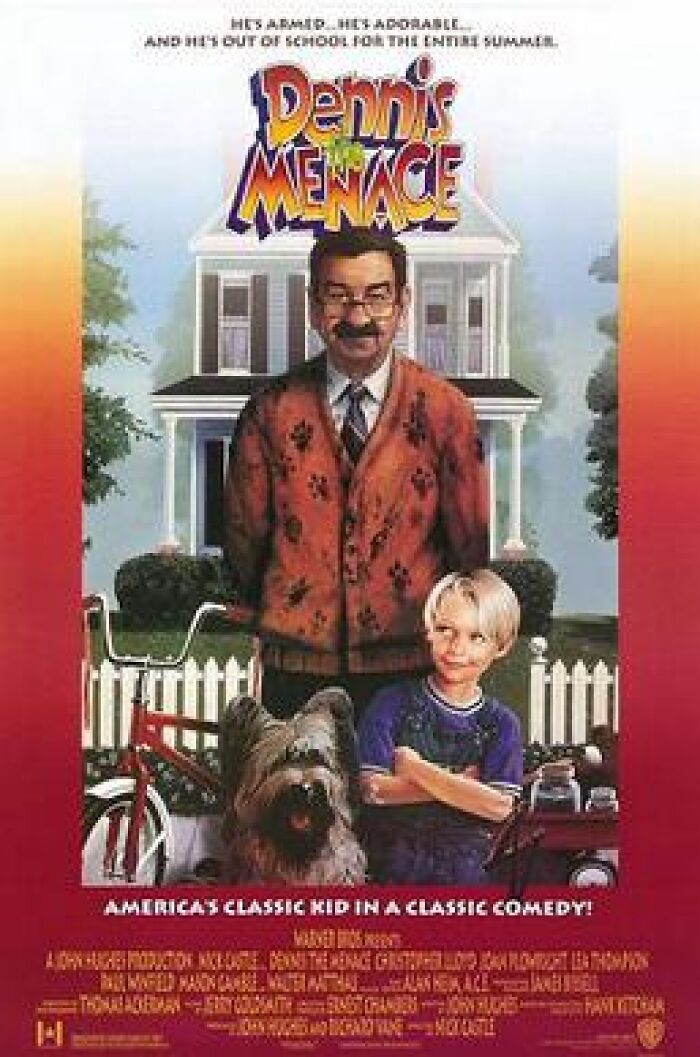 That the US and UK version of Dennis the Menace appeared in print on the same day for the first time. (March 17, 1951).
Coincidences may be easier to explain when we look at them through probability and psychology, but that doesn't necessarily make them any less fascinating. Perhaps the most interesting part is that we never really know when an ordinary day might produce a story we'll be telling for the rest of our lives.
Have you ever experienced a coincidence that you struggled to believe was real? Maybe you ran into someone you hadn't seen in decades, discovered an unexpected connection with a complete stranger, or experienced two events lining up in an almost impossible way. What happened, and did you think it was simply chance or something more? Share your stories in the comments!
During the Cold War, Russian spies used hollow coins to pass messages to each other in America. One spy accidentally used his hollow coin as actual currency, and it ended up in the general population. The coin was found when it was given to a paperboy, who discovered the message in the hollowed out container when he dropped it and it split open. There was a message written in Russian code, so the boy handed it over to the authorities.
The government spent years trying to decode the message, with no luck. Eventually, a Russian spy defected to America, and in the process of handing over Russian secrets, the spy was asked about the coded message in the hollow coin.
The man translated the message, and it turned out to be a "Welcome to America, here's the way our operations work" message from Russia, meant for the very spy who decoded the message for the American government.
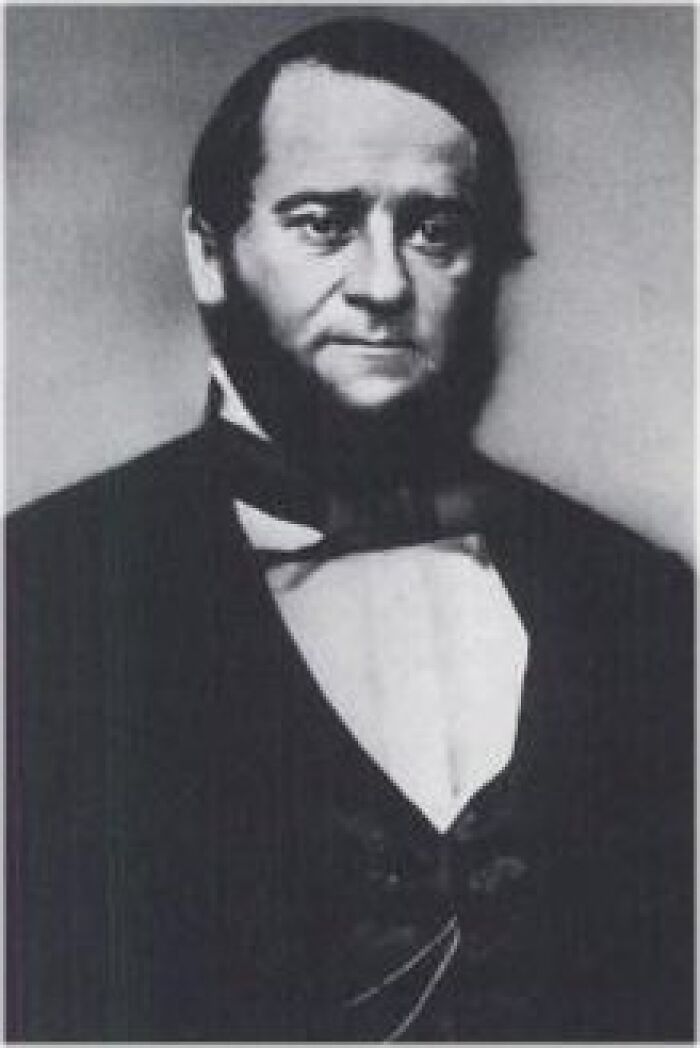 Wilmer McLean
He was a grocer who lived in Manassas, Virginia, where the First Battle of Bull Run, one of the first battles of the Civil War, took place on July 21, 1861. The Confederates used his house as a base, and a cannonball came in through his window. Fearing for his family's safety, he moved to the small town of Appomattox Court House.
Almost 4 years later, on April 9, 1865, Confederate General Robert E. Lee surrendered to Union General Ulysses Grant. The surrender was signed in Mclean's parlor.
The First major battle took place in his front yard, and although he moved, the war found its way back to him. It started and ended on his property.
 Some of my favorites, from my email newsletter which 100,000+ people (and a bunch of redditors) subscribe to:
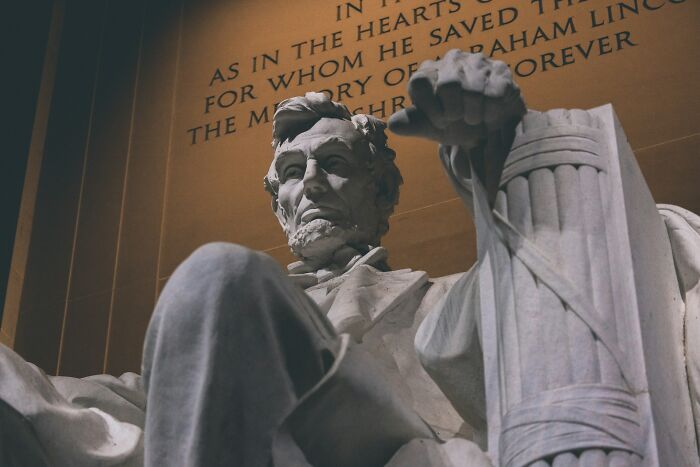
- Abraham Lincoln created the Secret Service on the day he was fatally shot. At the time, it wasn't charged with protecting the President, but still.
- John Wilkes Booth's brother once saved Lincoln's son's life.
- If your name is Richard Parker, stay the hell away from boats.
- In March of 1951, both the US and UK were introduced to Dennis the Menace comics. But the two Dennis were totally different and their creators didn't know about the other one across the Atlantic.
- The US Civil War started on Wilmer McLean's farm. He left the area shortly thereafter but couldn't avoid the war, as it ended at the home he fled to.
- The code names of the beaches used for the D-Day landings appeared in crossword puzzles before the campaign.
I'll dig through my archives to see if I find any others that I've written up if you're all interested.
A japanese man called Tsatomu Yamaguchisu survived the two atomic explosives dropped on Hiroshima and Nagasaki. He was working at Hiroshima when it dropped and went to Nagasaki to continue his work where it got dropped, miracleously surviving both!
http://en.m.wikipedia.org/wiki/Tsutomu_Yamaguchi.
In 1938, a baby fell out of a 4th floor window and onto a man sweeping the street named Joseph Figlock. They were both injured, but survived. About one year later, the same baby fell out of the same window and was caught by Joseph Figlock.
This man named Walter Summerford was struck by lighting in 1918. Six years afterward, in 1924, he was again struck by lighting. Another six years later, 1930, he was struck by lightning again!
And guess what happened after that... he passed in 1932...
But 4 years after that (so 6 years after his last lightning strike) his gravestone gets struck by lighting.
Mongol fleets almost conquered Japan twice in 7 years. They were stopped both times by a typhoon.
There is a video bouncing around the web these days called “The Strangest Coincidence Ever Recorded?” It tells the story of a ship which sank in the Menai Strait off the coast of Wales on December 5, 1664. All 81 passengers d**d, except one. His name was Hugh Williams. Then on December 5th, 1785 another ship with 60 aboard sank in the Menai Strait. The only survivor – a man named Hugh Williams. In 1820 on December 5th, a third vessel sank in the Menai Strait. All 25 aboard were drowned except, you guessed it, a man named Hugh Williams.
When Tamerlanes tomb was discovered and opened up by soviet archaeologists it had an inscription that read "whoever shall open my tomb shall unleash a conqueror more terrible than I". The same day hitler invaded the soviet union.
King Umberto I of Italy - Surprised nobody mentioned it yet.
One day, Umberto was eating at a restaurant when he saw the owner looked exactly alike. That wasn't the only strange coincidence, it was found out they were both born on the same day, in the same town, married women whose names were the same and the owner opened his restaurant the day the king was crowned. On July 29, 1900, King Umberto was notified the restaurant owner passed in a hunting accident earlier that day, moments later, a criminal shot Umberto and he was gone.
Violet Jessop
20 September 1911 - Survived the sinking of the RMS Olympic, the largest, most luxurious ocean liner at the time.
14 April 1912 - Survived the sinking of the RMS Titanic, the new largest, most luxurious ocean liner at the time.
21 November 1916 - Survived the sinking of the HMHS Brittianic, the Titanic's sister ship.
This lady had a knack for surviving the sinking of the 3 most famous gigantic luxury ships!
The Egyptian War Trumpets. Found in the tomb of Tutankhamen, they are the oldest known trumpet prototypes in the world. There purpose? They had the magical power to summon war. They were played in 1939 on a BBC broadcast for the first time in thousands of years.
5 months later Britain entered WWII.
There are a couple other incidents of them being played and then war or riots breaking out..
https://en.m.wikipedia.org/wiki/Tutankhamun%27s_trumpets.
In 1274 and 1281 the Mongols invaded Japan. Both times a typhoon decided to wreck their stuff.
In both cases, Japanese forces most likely wouldn't have been able to repel the invasion without help from mother nature.
Chris Benoit, a former WWE wrestler, was a no-show for a pay-per-view back in 2007. There was a post on Wikipedia that stated that Chris Benoit was mourning the passing of his wife.
What makes this coincidental and creepy is that this was posted 14 hours before police entered the home of the Benoit family to confirm not only was Nancy gone, but that Chris Benoit and their son was gone, too. Chris Benoit did not communicate with anyone, at all, within this timeframe. And to top it off, this Wikipedia entry was added by an IP address based out of Stamford, Connecticut, where the WWE Headquarters is located.
The Big Bopper was not supposed to be on the plane with Buddy Holly. He won the seat from somebody else by flipping a coin for it. Imagine all the things that had to occur, not only in his life but in everyone else's, to arrange it so that on that particular night, the Big Bopper was in a position to live or pass away depending on a flipping coin.
Calculus was invented completely independently by two comtemporaries: Isaac Newton and Gottfried Liebniz. Science is actually full of coincidences like this; it's as if scientific discovery itself is fated and inevitable and humans are just tools for it.
EDIT: A lot of people have made some really good comments about the 'coincidentiality' of scientific discovery. To sum up; one discovery always rests on many others, many discoveries naturally lead to others, and often a problem has only one basic solution. Thus, 'coincidences' are natural in scientific discovery and are to be expected; they only look like coincidences to the outside observer. This is what I mean by the discoveries being 'fated' and inevitable. If Newton and Leibniz hadn't discovered/invented calculus, someone else would have, because it was a solution to many many scientific problems, and other mathematical discoveries had paved the way for it.
Eleanor Rigby:
“Eleanor Rigby” was released by The Beatles on August 5, 1966, which was a week before the band’s last commercial tour. In 1966, McCartney gave an interview about how he came up with the lyrics for the song. He said that he originally came up with the idea of “Father McCartney” but figured it was inappropriate to use his dad’s name, so looked in the phone book and found “McKenzie.” Ultimately, the name “Father McKenzie” was used in the song’s lyrics.
McCartney came up with the name “Eleanor” from actress Eleanor Bron and “Rigby” from a store in Bristol named Rigby & Evens Ltd, Wine & Spirit Shippers. In 1984, Paul was quoted: “I just liked the name. I was looking for a name that sounded natural.” In the 1980s, a grave was discovered in St. Peter’s Parish Church in Woolton, Liverpool, with the name Eleanor Rigby on it. Even more coincidentally, a few yards from Eleanor’s grave is another tombstone with the last name “McKenzie” on it.
The cemetery is located near the spot where Lennon and McCartney first met, and the two spent a lot of time in the cemetery sunbathing as teenagers. In response to the news that there was a gravestone with the name Eleanor Rigby, McCartney said that he might have been subconsciously influenced by the name on the gravestone. The coincidence is one of the most famous in rock history and gave momentum to the “Paul is gone” conspiracy.
Two comic book characters were invented in the 1950s, both called Dennis the Menace. Both were first seen in comics that were sold on the same day. One character was the red and black striped one that we have in England and the other was the little blond dude you Americans have that inspired a film about a precocious kid who stops his next door neighbour seeing a plant flower.
Similarly, autism was independently discovered and named by psychologists in 3 different countries, and each called it autism.
Sports one:
Archie Manning is replaced by Oliver Luck as the QB of the Houston Oilers.
Years later:
Peyton Manning replaced Jim Harbaugh as the QB of the Indianapolis Colts.
Years later:
Jim Harbaugh recruits a QB named Andrew Luck.
Years later:
Peyton Manning (Archie's kid) is replaced by Andrew Luck (Oliver's kid) as the QB of the Indianapolis Colts.
There was a guy named Wilmer McLean who lived in Virginia. When the Civil War broke out, his house was used as the Confederate HQ during its first battle, the Battle of Bull Run.
He moved to a village called Appomattox and his house was the location where the Confederates surrendered to the Union.
A U.S. Ship disguised itself as a German ship then sunk the German ship it was disguised as... The ship they sunk was disguised at the U.S. Ship that sunk it
I had a miscarriage at about 6 weeks pregnant and only me, my boyfriend, father, and step mother knew. The day after I miscarry my aunt texts me to ask me if I'm pregnant. No one had told her she just had a hunch. I just told her she was wrong.
























 No fees, cancel anytime