Get Premium
Dark mode theme is available exclusively for premium users. Learn more about the benefits of subscribing.
No fees, cancel anytime.

 Dark Mode Ad-Free Browsing Unlimited Content
 Ad-Free Browsing Unlimited Content Dark Mode
Join 1.2 million Panda readers who get the best art, memes, and fun stories every week!
Picking out the best novels of all time can be a challenge. With so many great books written throughout history, there’s only so much you can read in a lifetime. Luckily, in the age of the Internet, we can pool in all of our reading experiences together and come a bit closer to finding out what are some of the best books ever.
If you are looking for some of the finest novels in the world, you can think of this list as your majestic personal library because we have compiled together a collection of the greatest novels of all time for your own personal reading pleasure. Whether to see if your favorite book ranks among the top or just to add new finds to your reading list, we’re sure you’ll find all you came here for.
Go ahead and get comfortable wherever you are because this list will surely capture you for a long time. Let us know in the comments if we missed any must-read books, and make sure to vote for your favorites!
Click here & follow us for more lists, facts, and stories.
This post may include affiliate links.
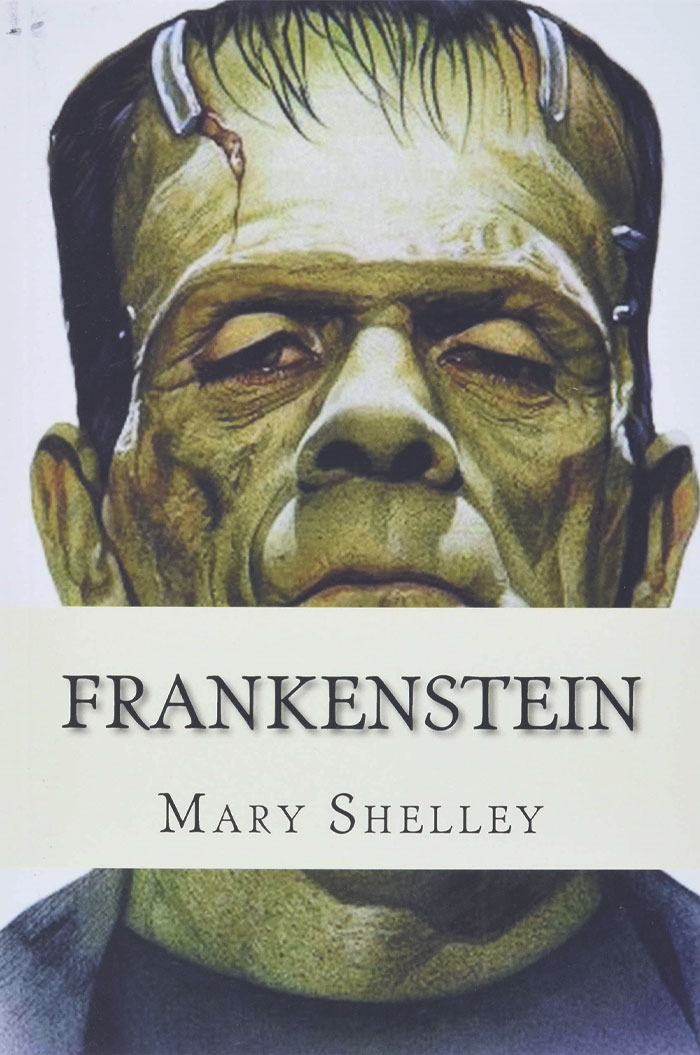
Most people have heard of Frankenstein's monster, yet few realize how humane the creature actually is. Developed as a scientific experiment by an overly ambitious man, a Swiss student of natural science, he enters a terrifying and hostile environment that rejects him immediately. Even his maker is horrified when he looks at his creation. This creature, made from various corpse parts, seeks love but discovers hatred. Eventually, he progressively swerves toward evil due to his wrath at the world's unfairness. It's one of those books that, when read again, teaches you something new. It's incredible that a tale written two decades ago in 1818 can be so engaging and subversive.
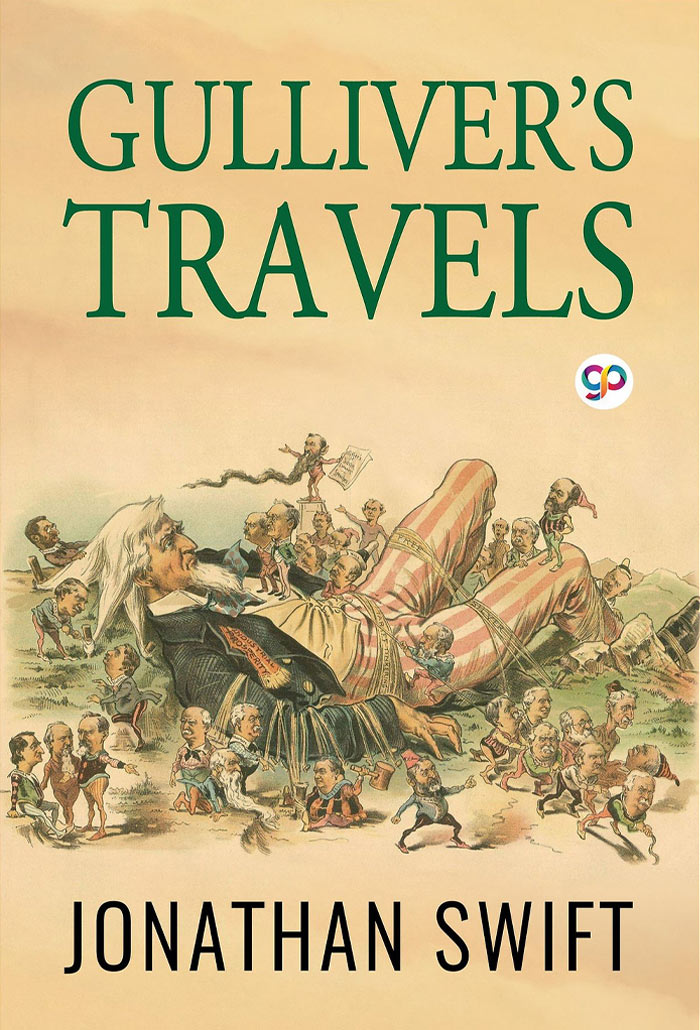
In brief, Gulliver's Travels is the story of Lemuel Gulliver's journeys throughout the world broken up into four parts, or books, each focusing on a different travel location. The tale blends adventure with strong satire, making fun of English traditions and politics of that time. For a book written in 1726 to still have meaning for society today is an enormous accomplishment, proving that the book has stood the test of time. While reading, we are prompted to consider issues like politics, ethics, and morality which are still relevant today. Any book that does that and encourages us to view our place and purpose in the world is well worth giving a read. By the end, you realize that it was a delightful adventure you are happy you didn't miss out on.
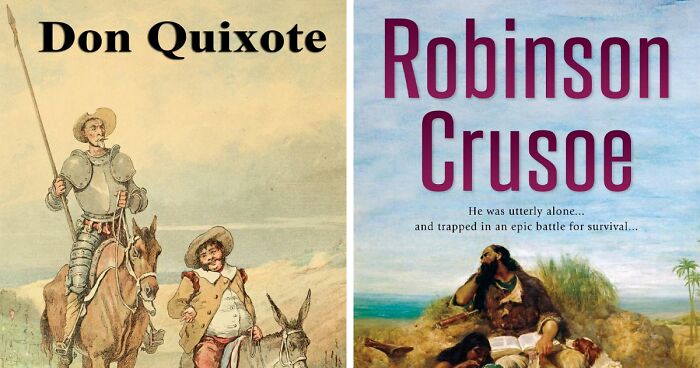
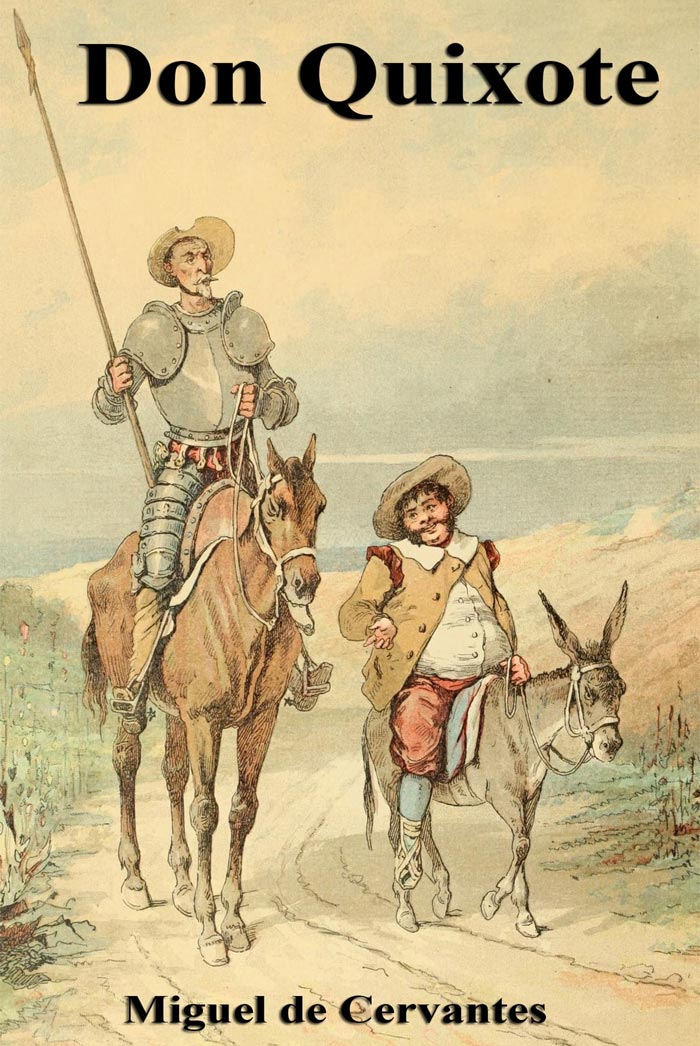
The story of Don Quixote goes about a middle-aged man from the La Mancha region in Spain who decides to use his lance and sword to protect the defenseless and fight evil because he is obsessed with the chivalrous values extolled in the novels he has read. While traveling, he encounters kings, members of the clergy, the wealthy, and the working class. Sancho Panza, the inseparable companion of Don Quixote, is his complete opposite and a realist who sees reality as it is but is too kind-hearted to impose his opinions on others. You've probably heard of the narrative even if you haven't read the book. Still, this incredible literary work is more than just an old man battling windmills. An indisputable must-read for all.
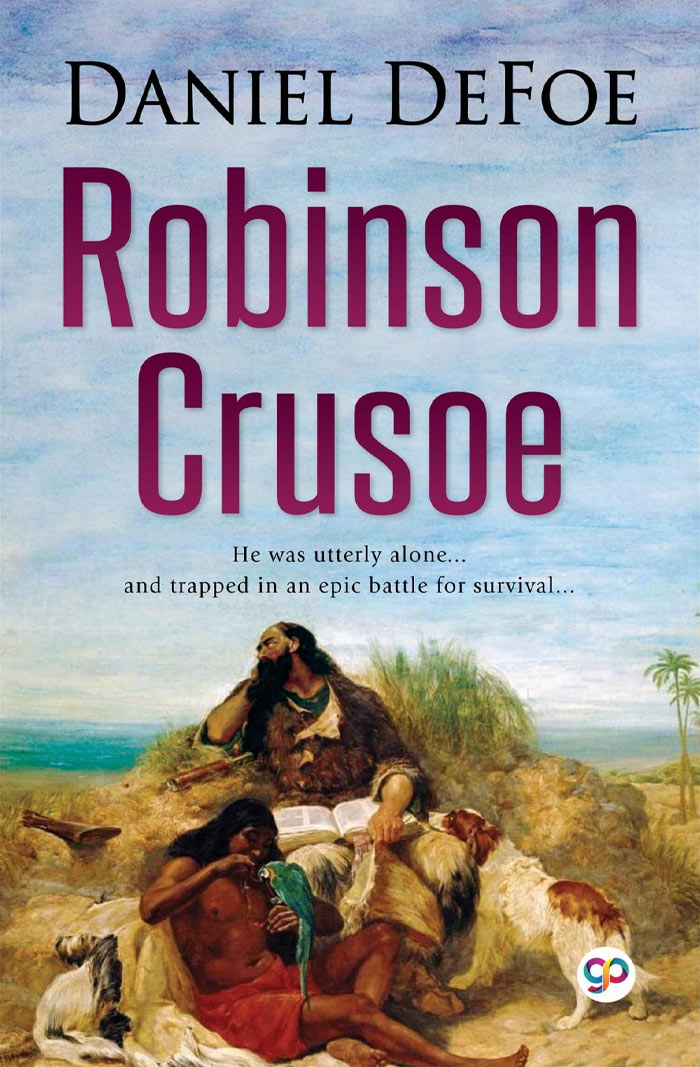
I assume someone hasn't done their required school reading if they don't know what the Robinson Crusoe story is about. Even if you think you know the premise but haven't read the book, you'd be surprised and amazed by the many adventures, misadventures, and lessons about life in this story. Robinson Crusoe by Daniel Defoe presents the renowned tale of a lone man fighting for survival on a deserted island. The remarkable aspect of this book is how timeless it is. Even though it was written centuries ago, it nevertheless captivates you. It conveys essential truths like the significance and necessity of using one's senses to survive. Funnily enough, it might be that the experience of being abandoned on a desolate island today would be very similar to what it was three centuries ago. Robinson Crusoe is a classic example of the power of the human spirit and the unbreakable will to live. A classic that is definitely worth one's time.
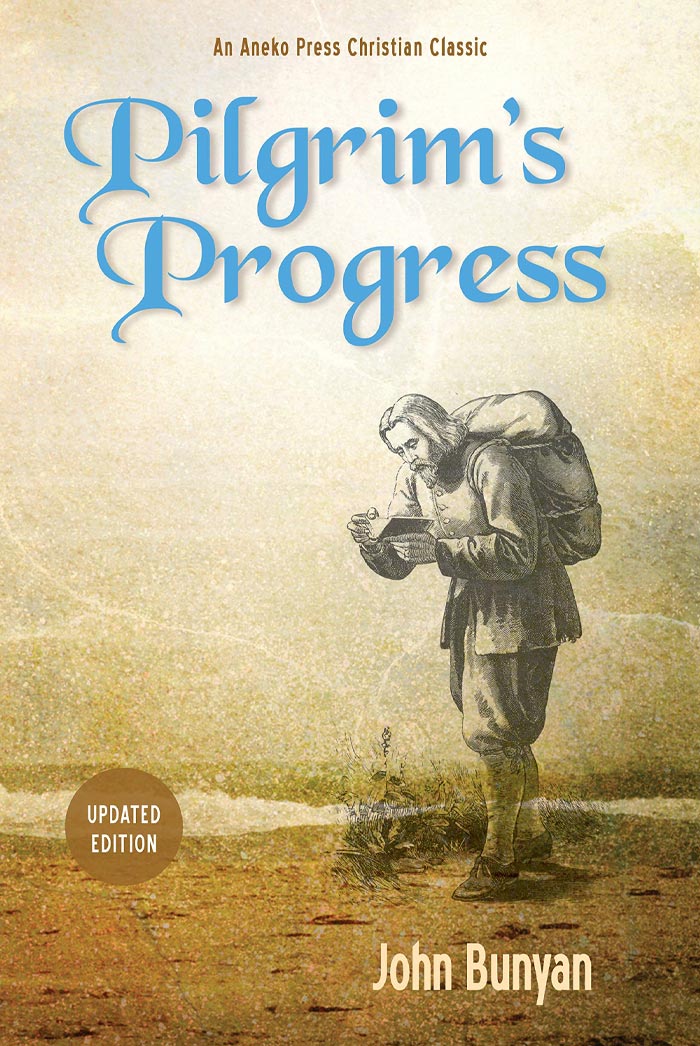
One of the most fascinating allegories of faith ever written, this story of a man named Christian and his journey through life in pursuit of salvation continues to be popular today. The compelling drama of the pilgrim's hardships and temptations follows him on his arduous trip to the Celestial City, set against realistic backdrops of town and country. Pilgrim's Progress is an analogy for the true Christian life's dawn, progression, and fulfillment. Despite the slightly dated dialect in this novel, each interaction has a profound and significant meaning. It's a remarkable and incredibly enlightening book. After reading it, it makes sense why this book, once second only to the Bible in popularity, has endured so long without being forgotten.
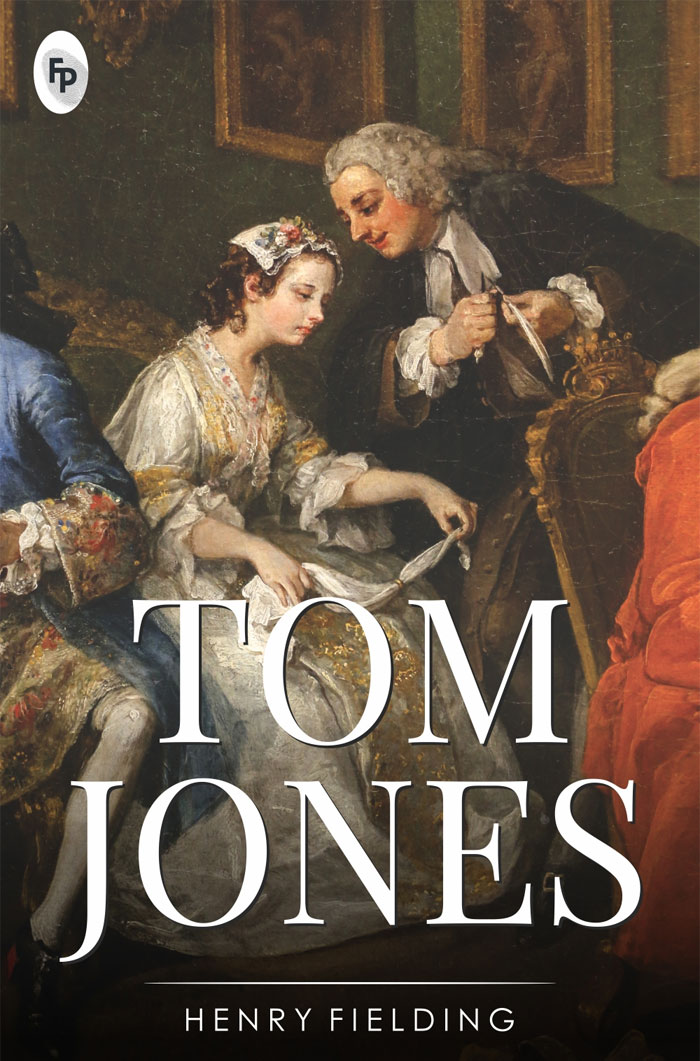
The book goes that widower Squire Allworthy believes the baby he adopts and calls Tom Jones is the offspring of his servant Jenny Jones. When Tom grows older, Sophia Western, a lovely neighbor from a noble family, captures his heart. He ultimately wins Sophia's hand; however, there are many challenges they must face. Because of their different backgrounds, Tom and Sophia are 'unlikely' partners, and both of their families disapprove of their relationship. In the novel, Fielding examines various issues, such as Tom's flawed goodness in contrast to the actual dangers in the world, avarice, hypocrisy, deception, and more. It's a classic satire, full of lighthearted humor and misadventure, providing today's readers with a glimpse into the attitudes and values of the late 17th and early 18th centuries.
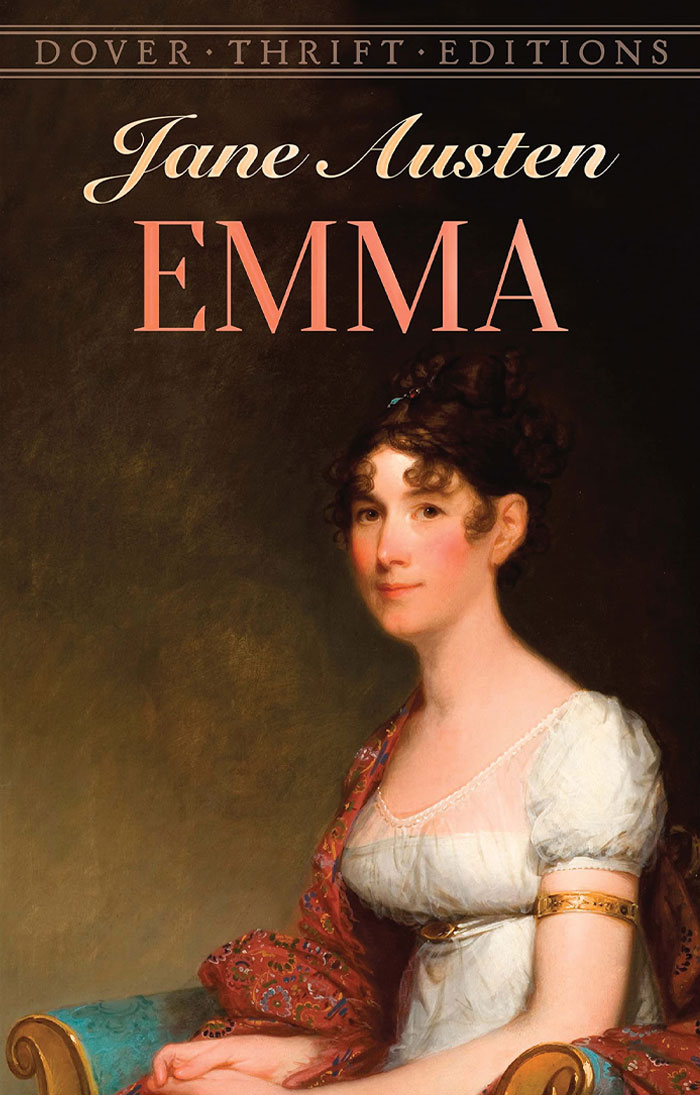
The central character of Jane Austen's novel is one of the writer's most intriguing and vivid characters - Emma Woodhouse. She organizes the people's lives in her peaceful little village and plays matchmaker with disastrous consequences. She is beautiful, spoiled, vain, funny, and a little dumb sometimes; however, you fall in love with her from the very first page. She's not perfect and has flaws, just like every one of us, which makes her relatable. Other than that, no other Austen novel shows the social inequality of Regency society like Emma. With her sarcastic writing, Austen satirically depicts this social "comedy." Although Austen wouldn't have strayed from including romance in her plot, she seemed more interested in the social function that "rank" plays in Emma. A beautiful story, characters from many walks of life, and societal criticism are all tightly woven together to create a magnificent and exquisite work of literature.
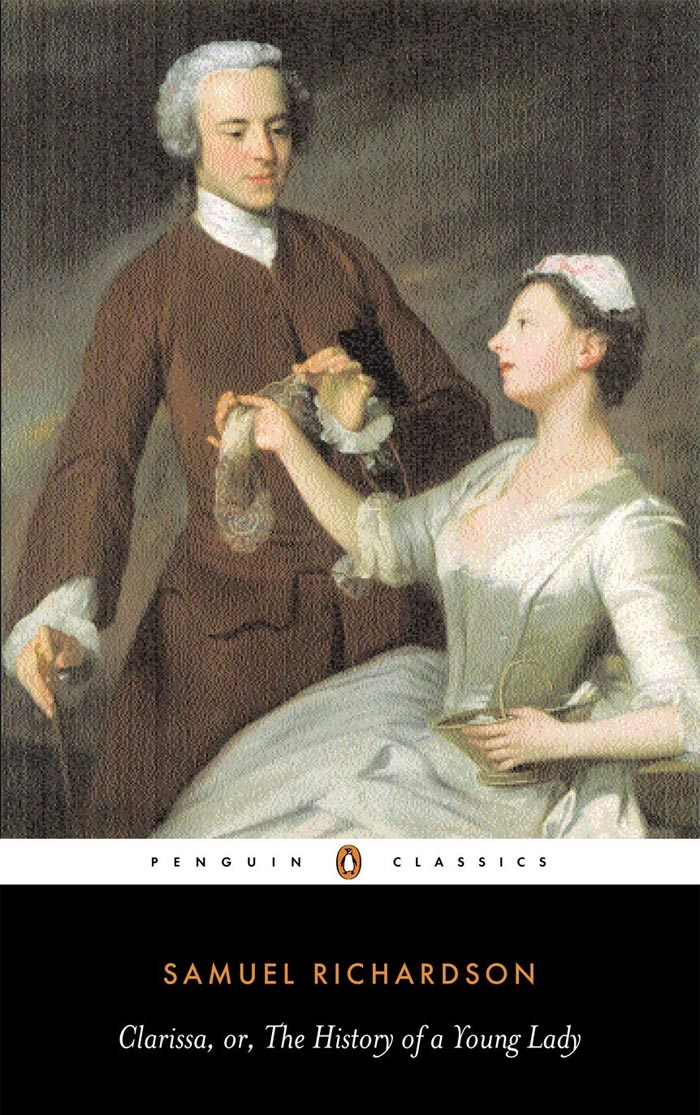
This epistolary novel tells the tale of the lovely and upright Clarissa Harlowe. She is tricked into leaving the family home with Robert Lovelace, an aristocratic rake and seducer, to avoid being forced into marriage with her parents' choice of suitor. Although Lovelace claims he has fallen in love with her, they do not get married because Clarissa suspects Lovelace of duplicitous behavior. Although it is the longest novel ever written in English, some people may find it challenging to get into it at first. However, one might find it difficult to put the book down as the plot progresses. A true classic.
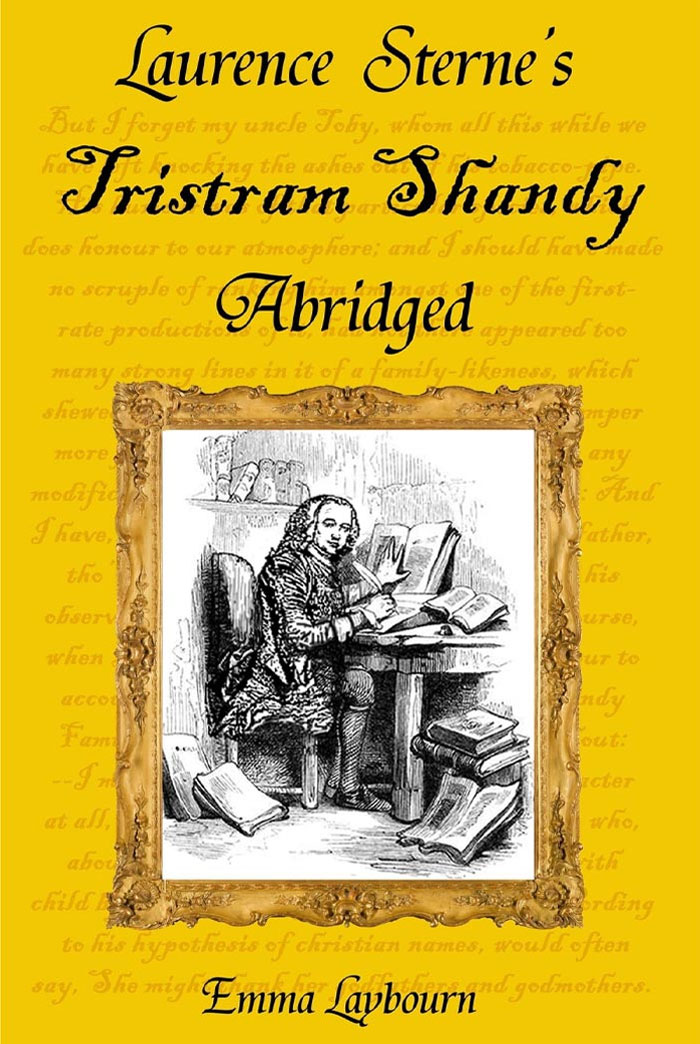
Beginning with the moment of his premature conception, Tristram Shandy tells the story of its protagonist's life. When his mother suddenly inquires whether his father had remembered to wind the clock, Tristram's parents almost fail to conceive him. But he has so much to say about his odd family that he is born only roughly halfway through the book. Wildly experimental for its time, Tristram Shandy seems practically a modern avant-garde novel. No description can do justice to this bizarre, weird, and infinitely intricate work of art. It is a work of fiction about making a fiction in which the idea of invention and the fictional world are filled with humor and genius. This one should appeal to fans of the Western canon and classic literature.
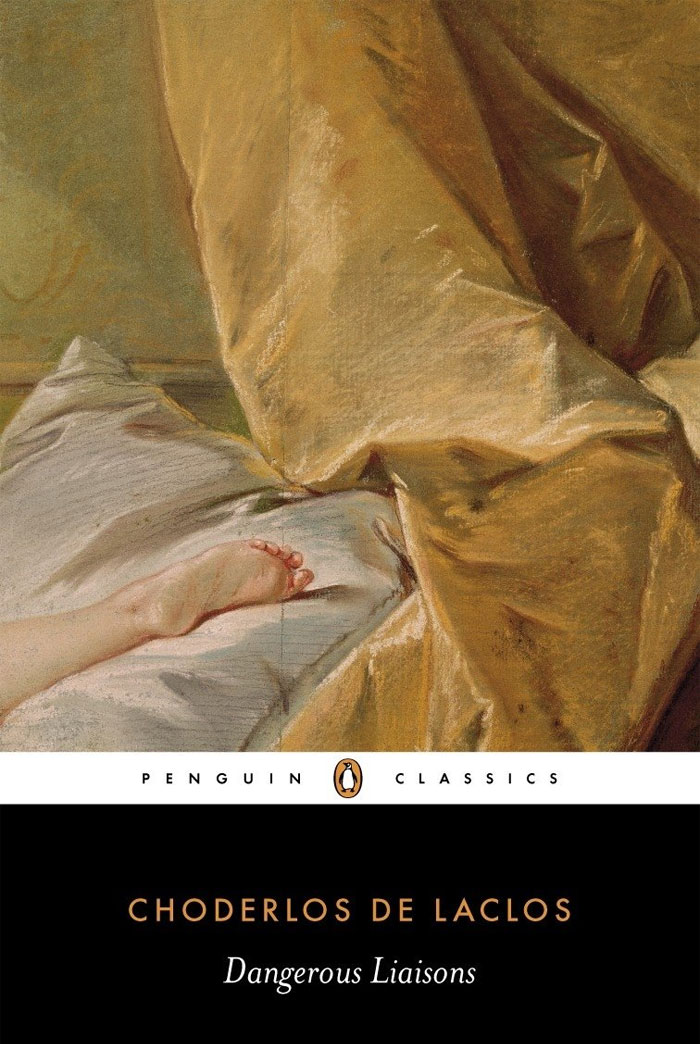
Les Liaisons Dangereuses is a frightening and ultimately scathing portrait of a decadent society that was first published in 1782, only a few years before the French Revolution. The novel centers on two aristocrats and former lovers who play a clever game of seduction and manipulation to add humor to their cynical lives. And they succeed in committing all the wrongdoing they desire undetected! However, it's only a matter of time until they discover that their victims and human pawns behave in ways they could not have anticipated. The results prove more sinister - and fatal - than Merteuil and Valmont could have imagined. This book is more than just a way to pass the time. Don't treat it that way. It's about realizing that each of us may possess traits from the Marquise or the Vicomte. We can all be conceited and arrogant and believe we are better than everyone else. This novel serves as a reminder of how miserable and erratic humans may be. Well worth giving a read.
You might also like: Hollywood careers: 29 actors who squandered their potential



































 No fees, cancel anytime


![To [end] A Mockingbird By Harper Lee](https://static.boredpanda.com/blog/wp-content/uploads/2022/07/best-novels-of-all-time-73-62c69d01c34b8__700.jpg "To [end] A Mockingbird By Harper Lee")