Get Premium
Dark mode theme is available exclusively for premium users. Learn more about the benefits of subscribing.
No fees, cancel anytime.

 Dark Mode Ad-Free Browsing Unlimited Content
 Ad-Free Browsing Unlimited Content Dark Mode
Join 1.2 million Panda readers who get the best art, memes, and fun stories every week!
If you think about it, cringeworthy experiences are a good thing to have from time to time. You’re feeling secondhand embarrassment, which means you’re empathizing with another person.
However, it doesn’t change the fact that such moments share the same emotion as hearing fingernails run down a chalkboard. They’re unpleasant enough to make you want to remove yourself from the situation immediately.
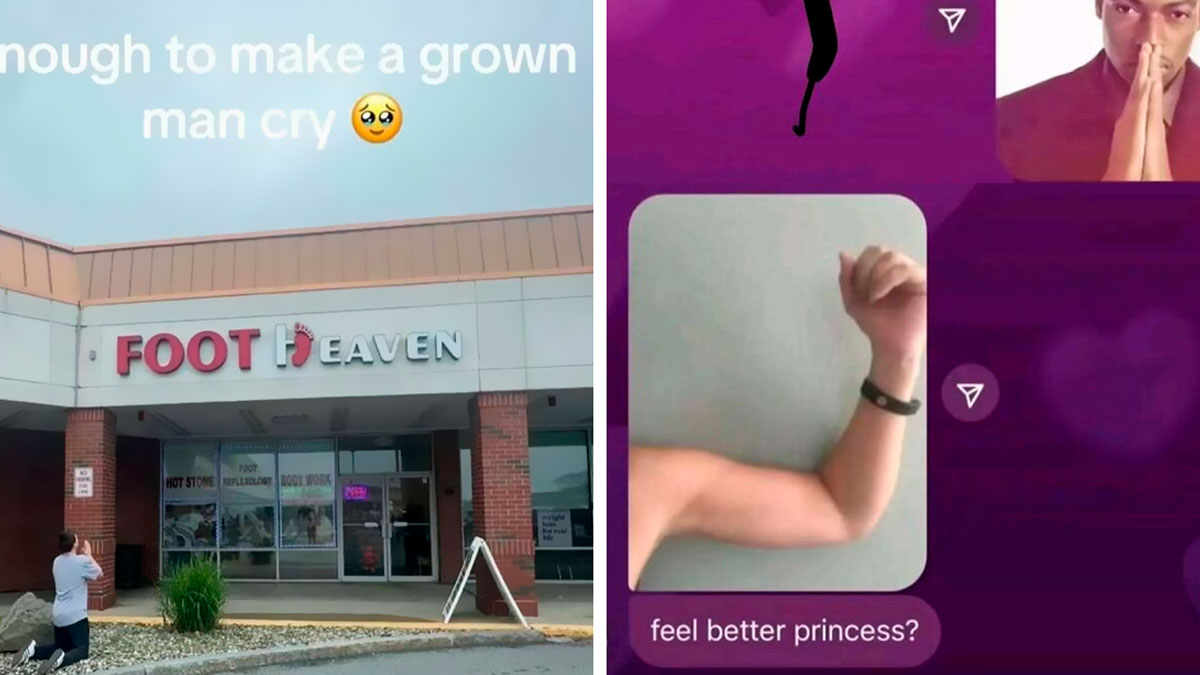
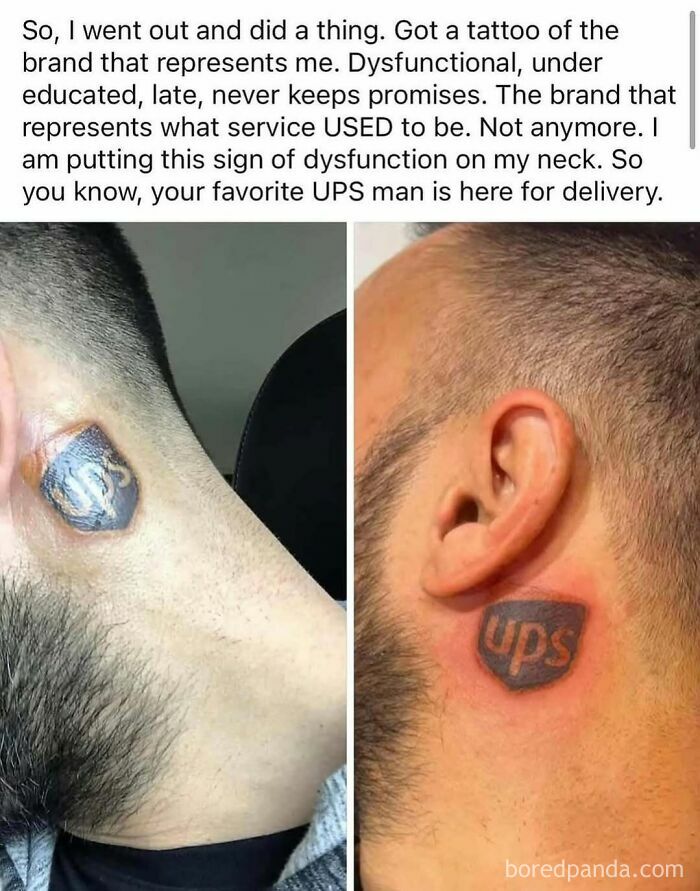
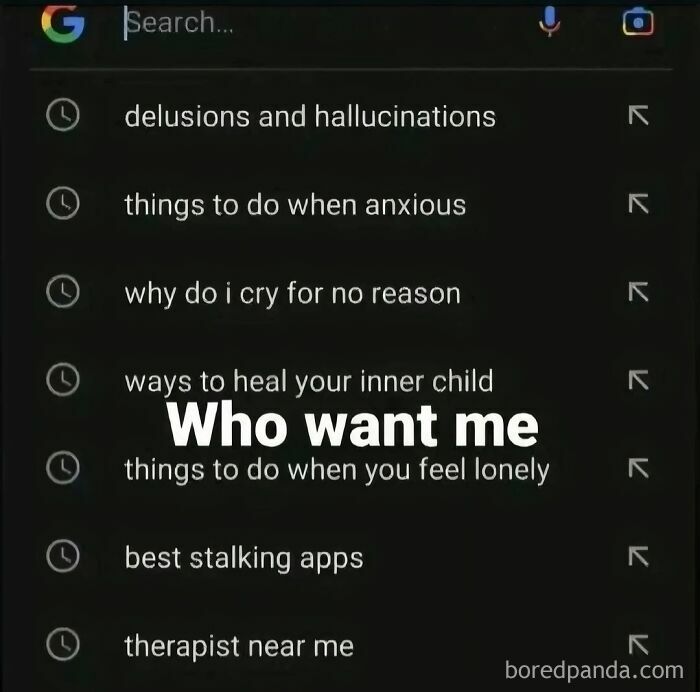
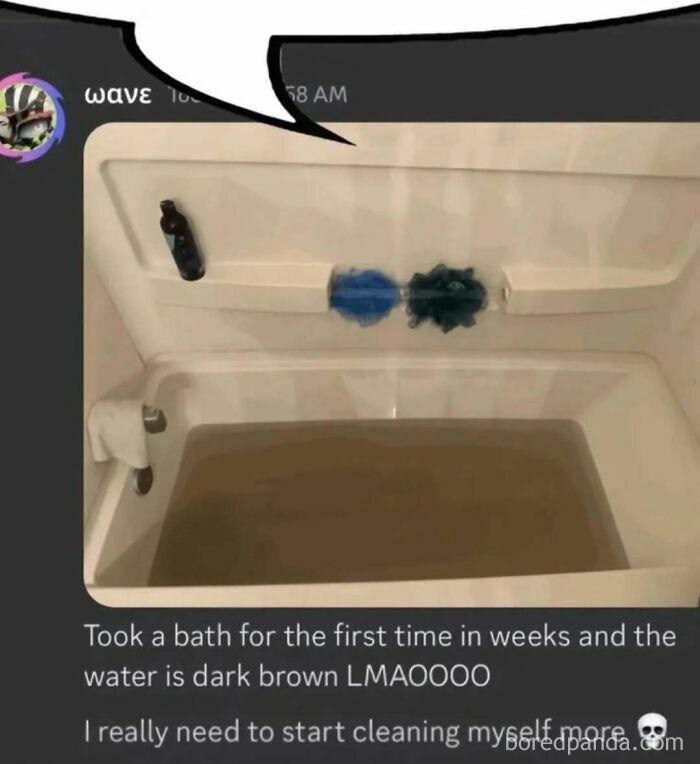
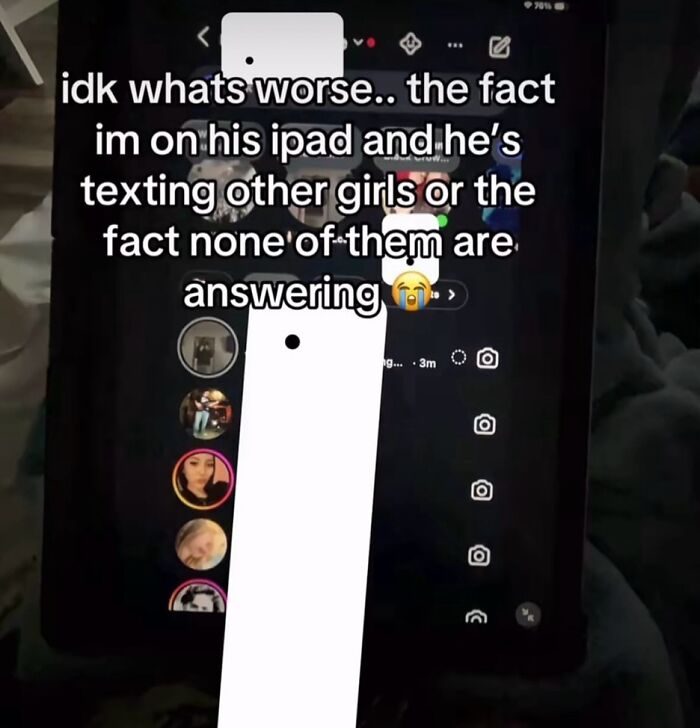
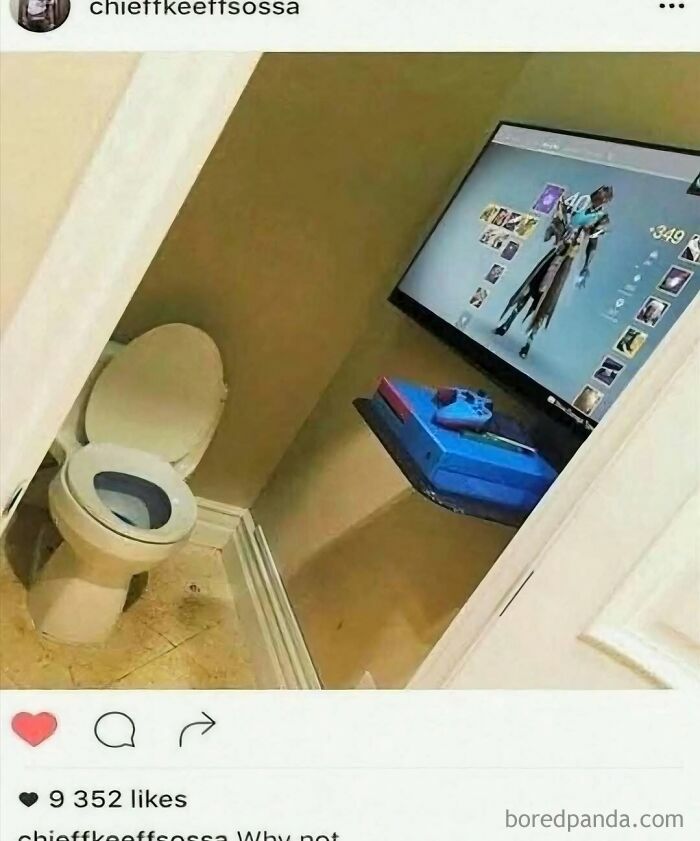
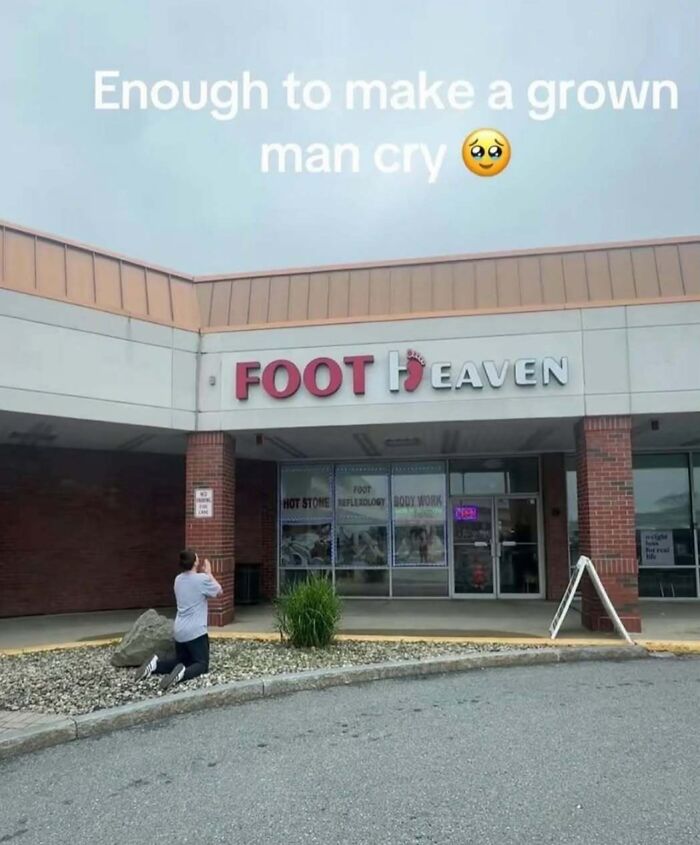
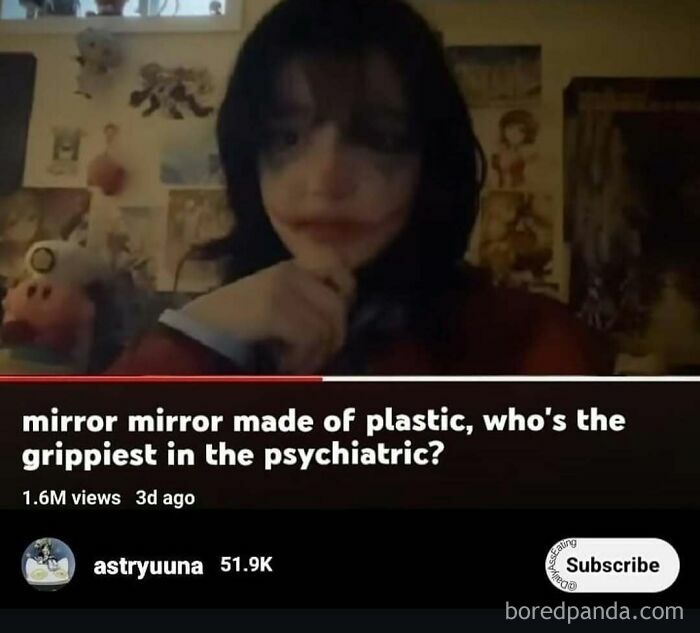
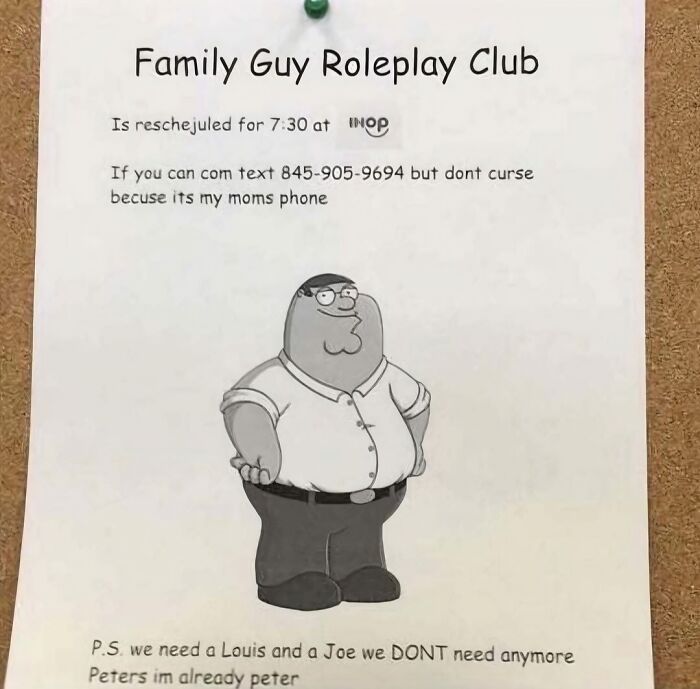
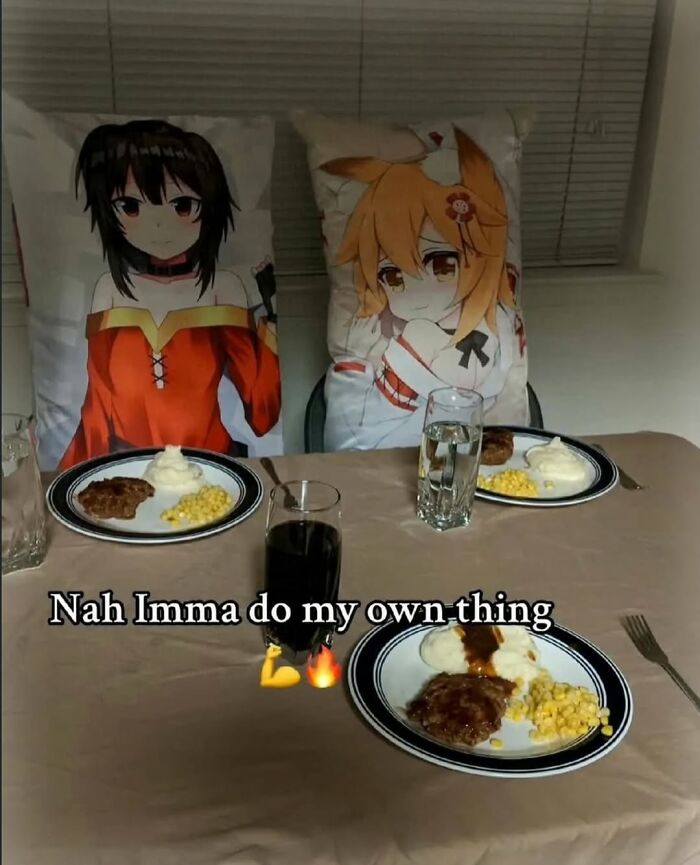
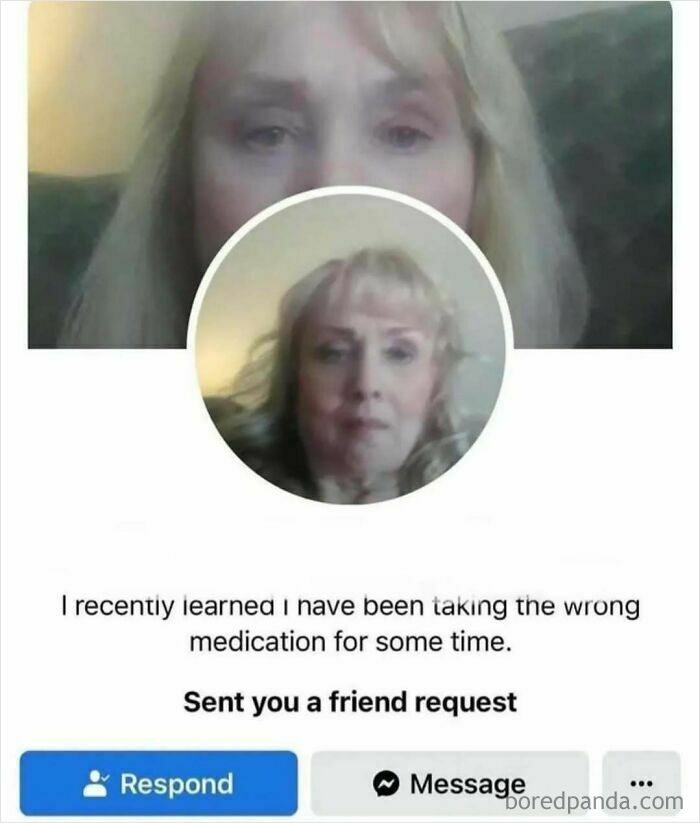
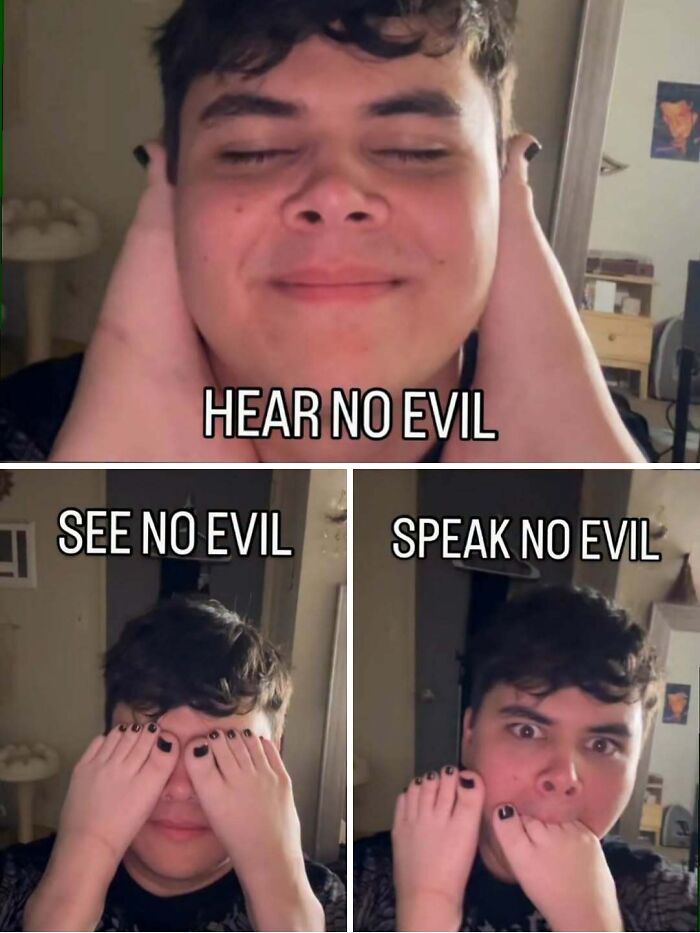
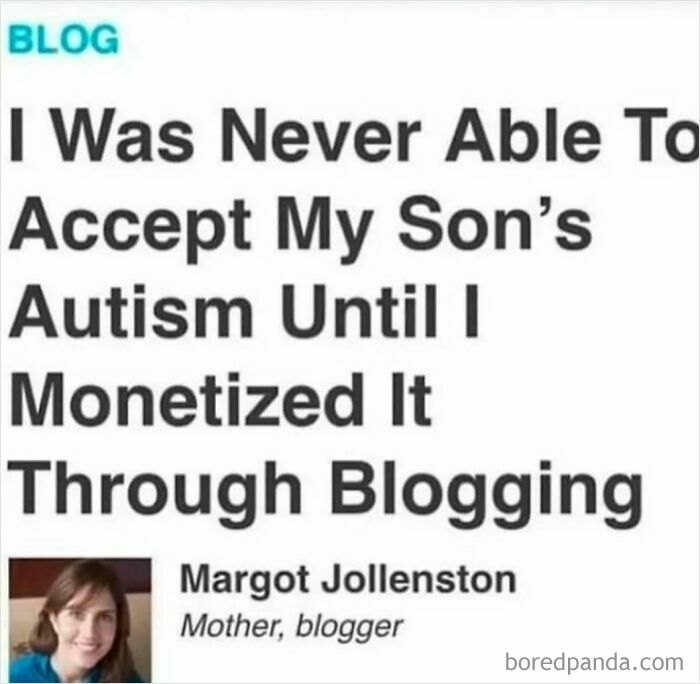
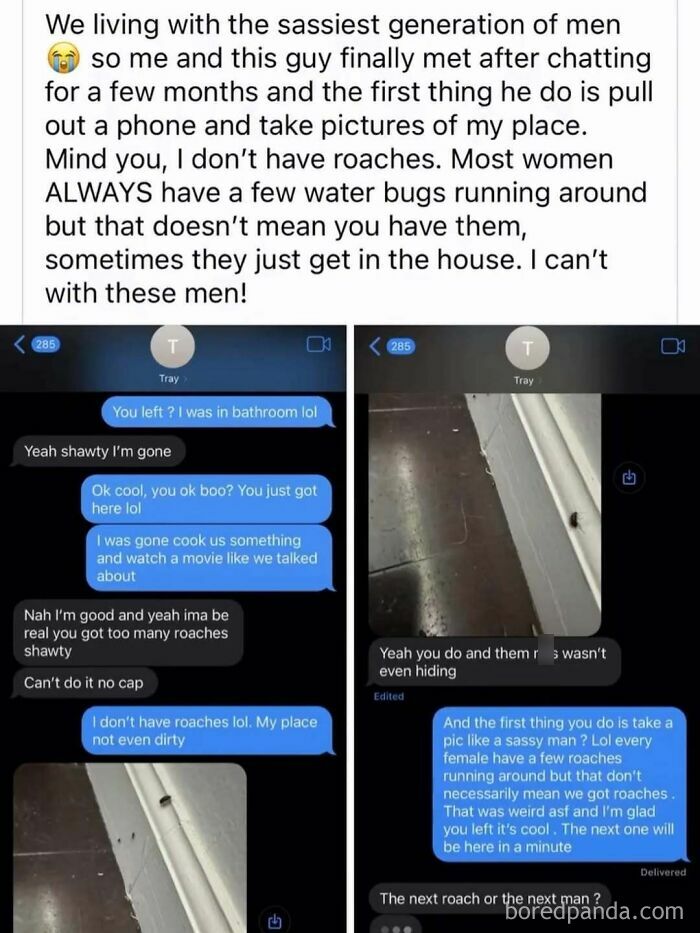
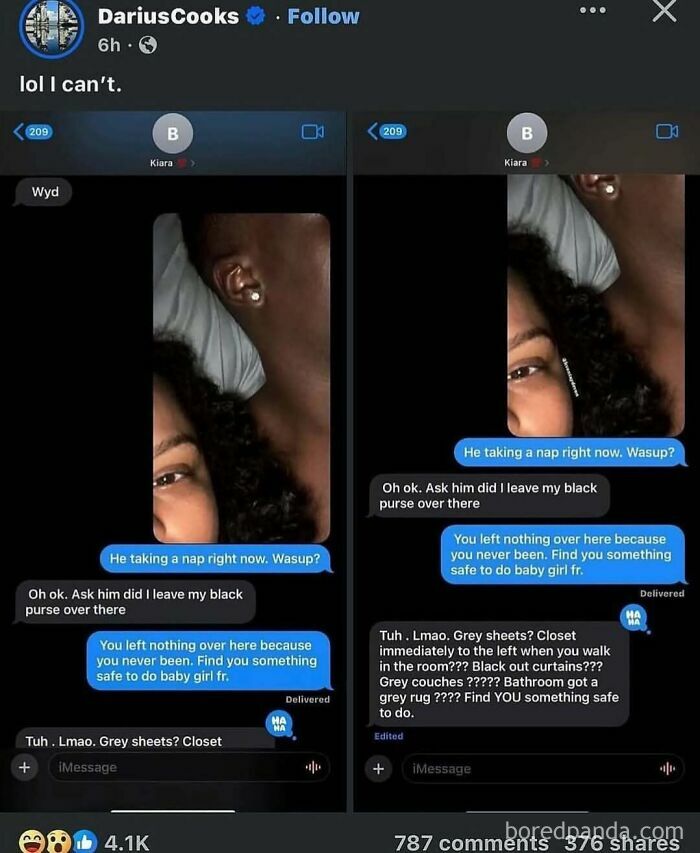
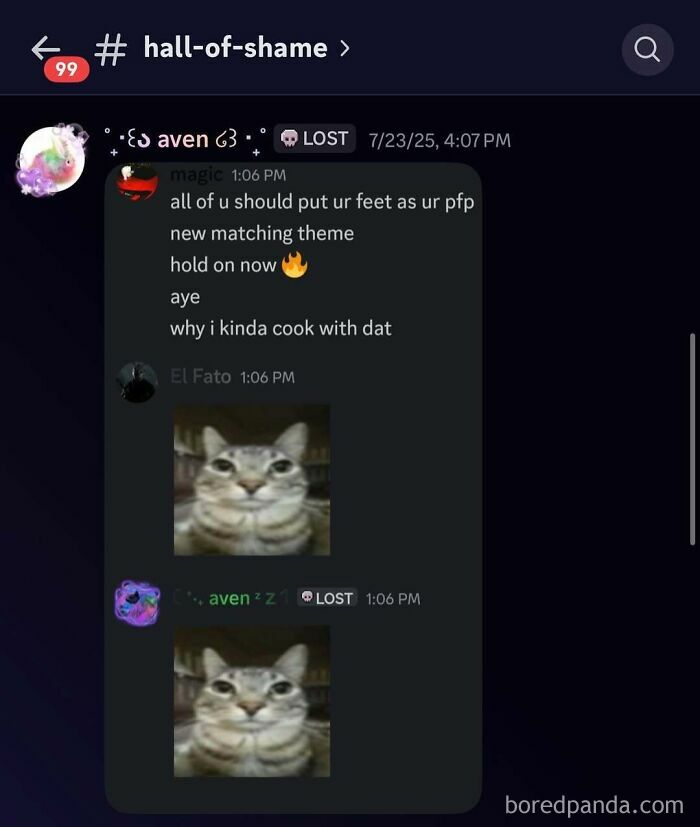
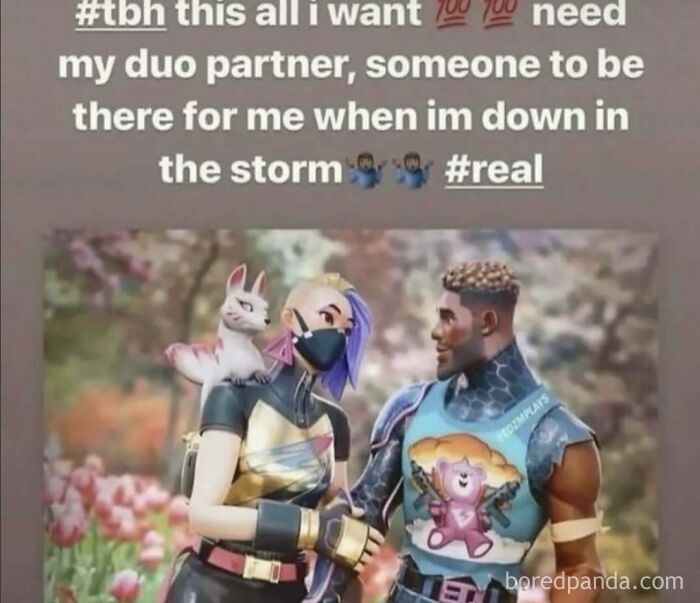
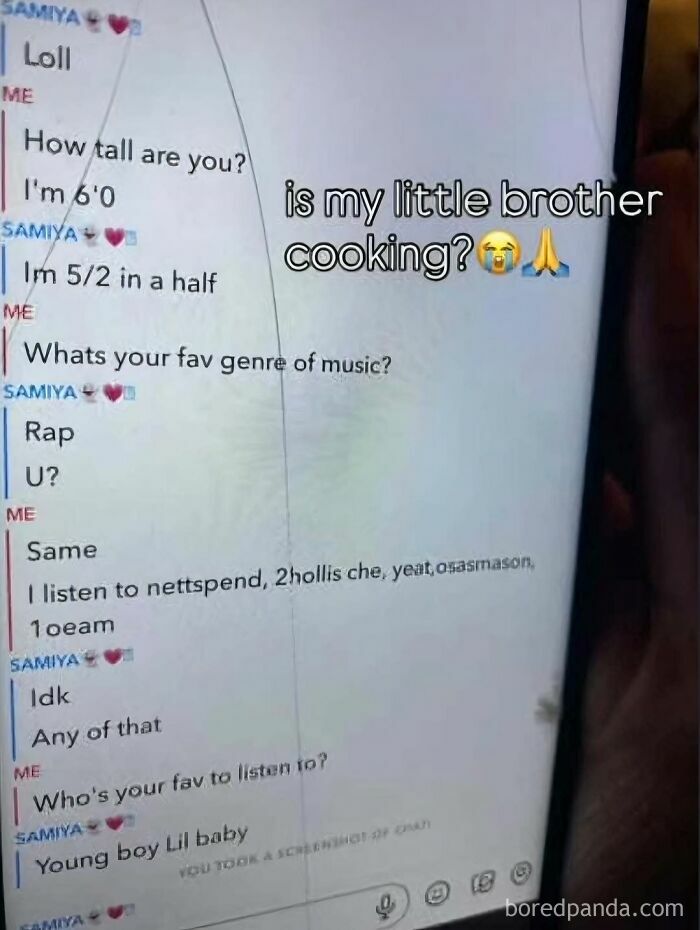
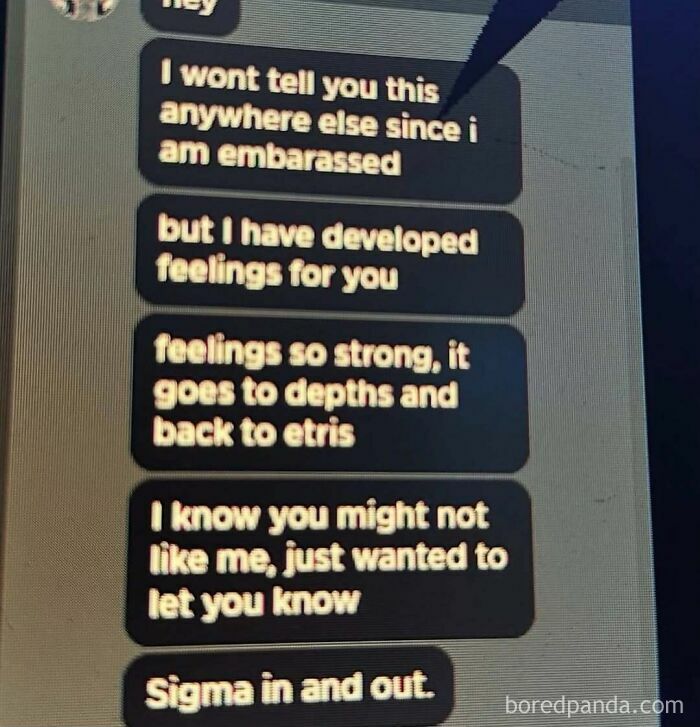
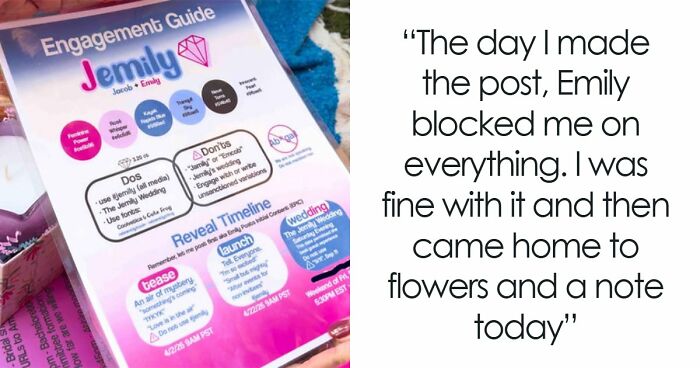
The following photos may induce a face-crumpling reaction in you. These are from an Instagram account called Your Daily Dose of Cringe, and the name itself should give you an idea of what to expect from the page.
Click here & follow us for more lists, facts, and stories.
This post may include affiliate links.
From the digital age comes new concepts, one of them being “cringe culture.” It began around the 2010s, when people online became the subject of mockery, even harassment, for doing something generally deemed socially awkward and “cringey.”
Yet many people thrive on such face-palm-inducing behaviors, especially if they get attention and notoriety online. “Cringe TikTok” even became a trend at one point.
However, if your path to online success is rooted in cringe behavior, you may be taking the less effective path. As digital marketing and PR expert and Aloha Life Digital founder Claire Ransom tells Bored Panda, attention built on ridicule is volatile.
“If creators want sustainable growth, they have to design content in a way that separates cultural commentary from personal targeting. That means being deliberate about what (and who) the audience is laughing at,” she said.
Ransom emphasized that the focus for anyone looking to grow an audience and their personal brand online should be on shared experiences and social norms, rather than on dismantling anyone’s identity.
“Choosing to engage with the wider idea rather than attacking a person, reporting harassment, and resisting the urge to share content purely to mock shifts what gets amplified. When clicks don’t automatically reward humiliation, the algorithm has less reason to push it,” she added.
Cringe culture also thrives because there is an audience for it. According to licensed therapist Jackie Alvarado, it has to do with how people establish connections through social comparison.
“When they consume something ‘cringeworthy,’ it validates what they should not be doing and elevates their sense of self. With a positive spin, it allows us to view a behavior from a safe distance,” she explained.
Alvarado says cringe culture impacts a person’s natural development of their sense of self. This is especially true for adolescents and young adults who are at a stage where they are most impressionable. It’s why she emphasizes the importance of intent.
“Allowing folks to develop the skills to recognize what the intent of this content is, while also asking themselves, ‘How is this impacting me?’ Surfacing awareness of the mental health impact is powerful when we speak to people who consume this type of content.”




























 No fees, cancel anytime