Get Premium
Dark mode theme is available exclusively for premium users. Learn more about the benefits of subscribing.
No fees, cancel anytime.

 Dark Mode Ad-Free Browsing Unlimited Content
 Ad-Free Browsing Unlimited Content Dark Mode
Join 1.2 million Panda readers who get the best art, memes, and fun stories every week!
There’s something in the air that makes people feel more pessimistic about the future than ever. Many believe our planet may not even be here, as more than half of Americans don’t think the government or its people will do enough to avoid the worst impacts of climate change. Young people are becoming more pessimistic, too, with only 36% believing they will live better than their parents did.
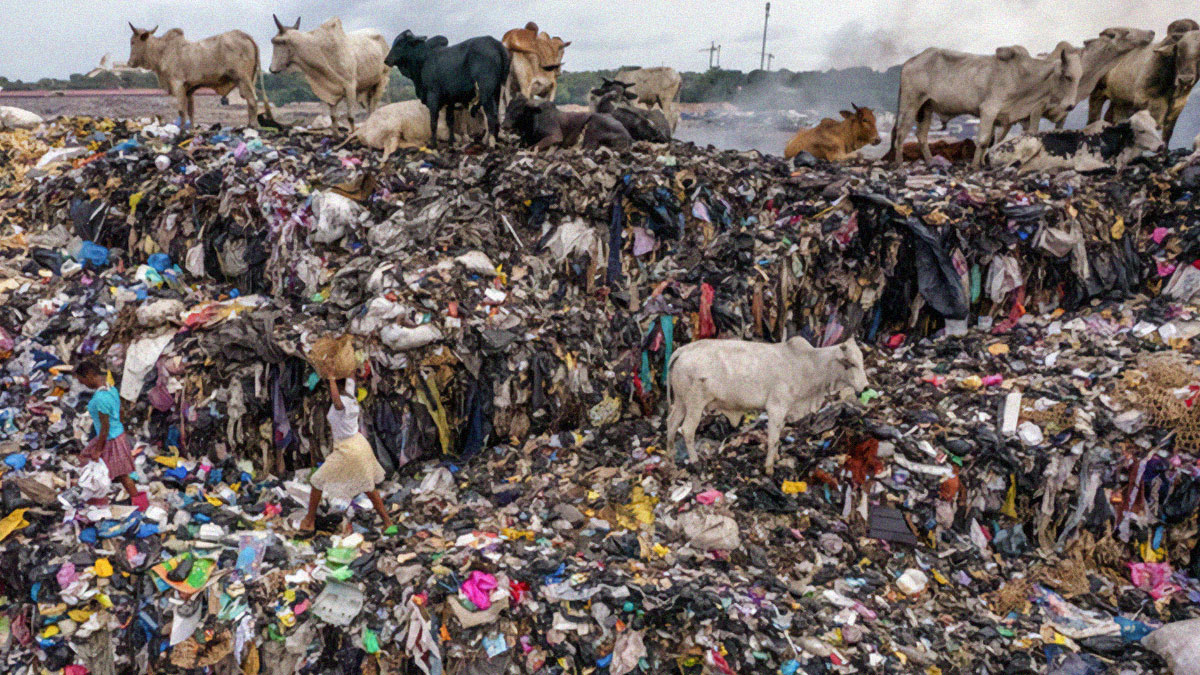
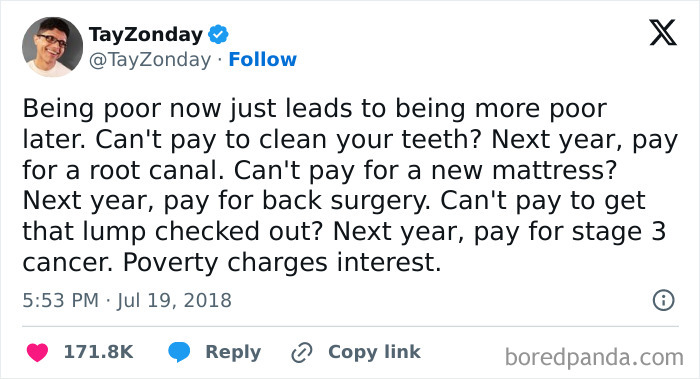
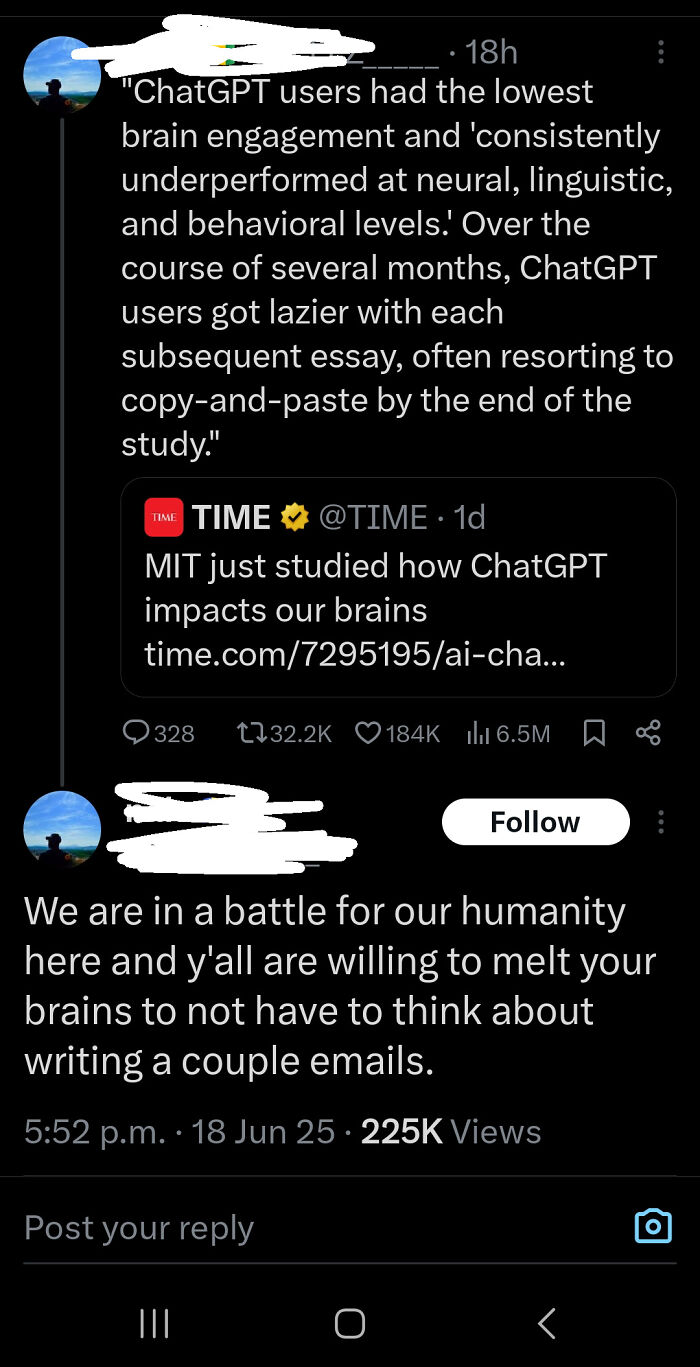
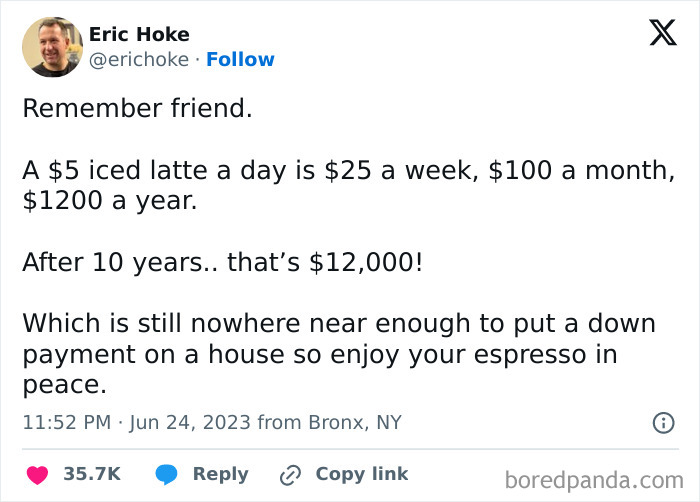
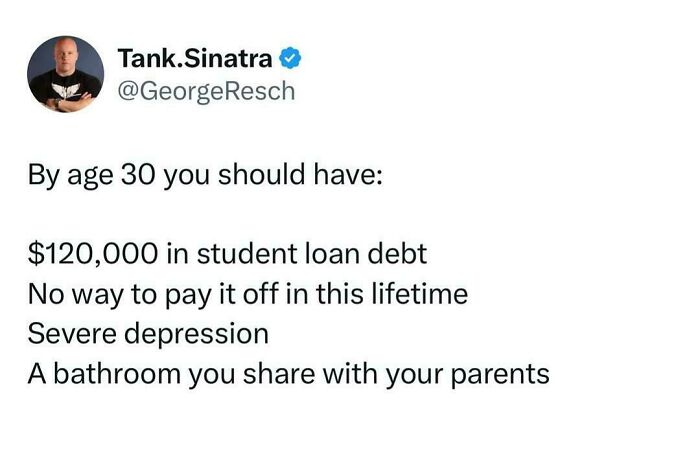
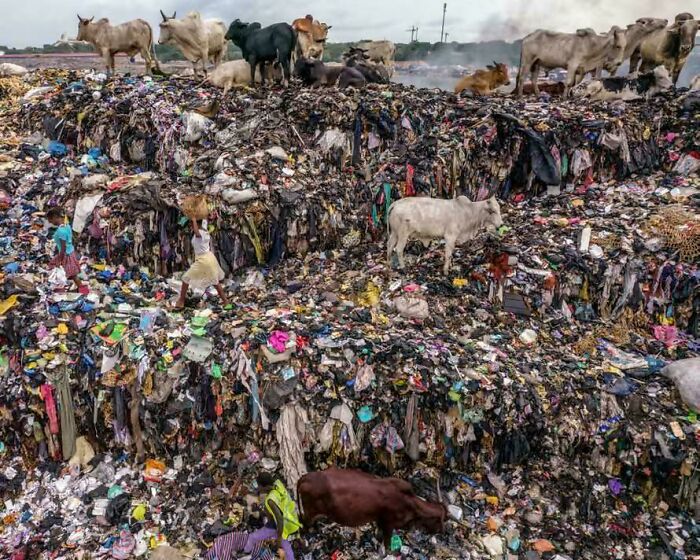
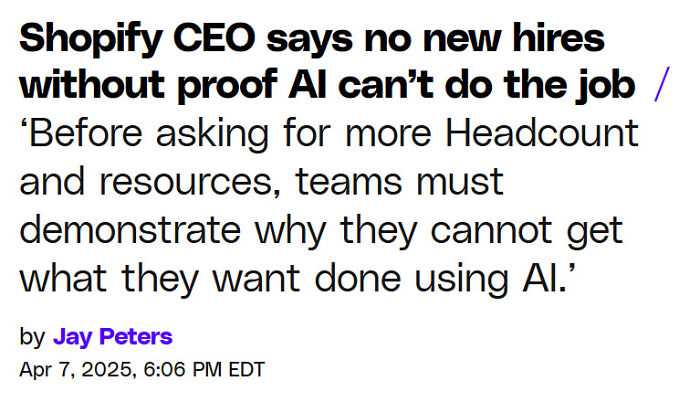
If you want more proof that the world is going crazy, Bored Panda has collected some from the “Awful Everything” subreddit. It’s a community that delivers some harsh truths about our modern-day world: species on the brink of extinction, billionaires wasting precious finite resources, and the AI that is slowly melting our brains. Scroll down to see the latest set of pics showing how our world is going downhill.
More info: Reddit
Click here & follow us for more lists, facts, and stories.
This post may include affiliate links.
It may be hard to find hope in the world nowadays. Military conflicts, habitats getting destroyed to build data centers, lack of communities, and general hostility are rampant, especially online. But one thing that won't help is scrolling on social media. Research consistently finds that when real-world events get too stressful, we try to make sense of the world on the Internet, but that usually backfires, leaving us doomscrolling.
But might all of that be in our heads? Is the world really going into ruin, or is it just that we’re consuming too much negative media? Our brains are wired toward negativity bias, and we’ve known this for a long time. We focus on bad events, awful people, and mean comments more than we do on anything that’s positive. That’s just in our nature. Still, the more negative media we consume, the more likely we are to think that everything is awful.
Is everything really awful? That’s hard to say. But if you find yourself constantly thinking that there’s no hope for humanity and the end of times is near, you might be suffering from Mean World Syndrome.
That’s a term coined by George Gerbner, a communication professor, in the 20th century. According to him, when we watch too much violent news, consume too much negative entertainment, and are in pessimistic social circles, our worldview might change into all about doom and gloom.
Social media and the Internet weren’t around when Gerbner conducted his research, so he based his studies on old-school media like television, newspapers, and films.
“If you are growing up in a home where there is more than say three hours of television per day, for all practical purposes you live in a meaner world – and act accordingly – than your next-door neighbor who lives in the same world but watches less television,” he wrote. “The programming reinforces the worst fears and apprehensions and paranoia of people.”
The phenomenon of Mean World Syndrome is kind of a closed loop. People who are convinced the world is dangerous and unpredictable also see violence as the solution to many of its problems. Gerbner also found that these kinds of people are more likely to have hardline political and social stances.
“Fearful people are more dependent, more easily manipulated and controlled, more susceptible to deceptively simple, strong, tough measures and hard-line measures,” he said, when testifying to a subcongressional committee in 1981.
When we think everything is awful and nothing can be fixed, we also become kind of lazy. Basically, our mindset turns to: “It can’t be helped anyway, so why try solving anything at all?” Experts note that by consuming too much pessimistic content, we’re all becoming too cynical. One of the ways experts recommend people break the cycle of doomscrolling is by taking action.
“If a news story upsets you, look for real-world ways to contribute instead of endlessly consuming bad news. Donate, discuss the topic with a trusted friend, volunteer for a cause, or contact your local representatives,” a lecturer on cognitive media processing, Jamie Krenn, Ph.D., writes for Psychology Today.
You might also like: 38 seriously confusing photos that require a second look



































 No fees, cancel anytime









![[why?] Is This Ad](https://static.boredpanda.com/blog/wp-content/uploads/2026/02/699aa84e9d97d_4ql45upaz4re1-png__700.jpg "[why?] Is This Ad")