Get Premium
Dark mode theme is available exclusively for premium users. Learn more about the benefits of subscribing.
No fees, cancel anytime.

 Dark Mode Ad-Free Browsing Unlimited Content
 Ad-Free Browsing Unlimited Content Dark Mode
Join 1.2 million Panda readers who get the best art, memes, and fun stories every week!
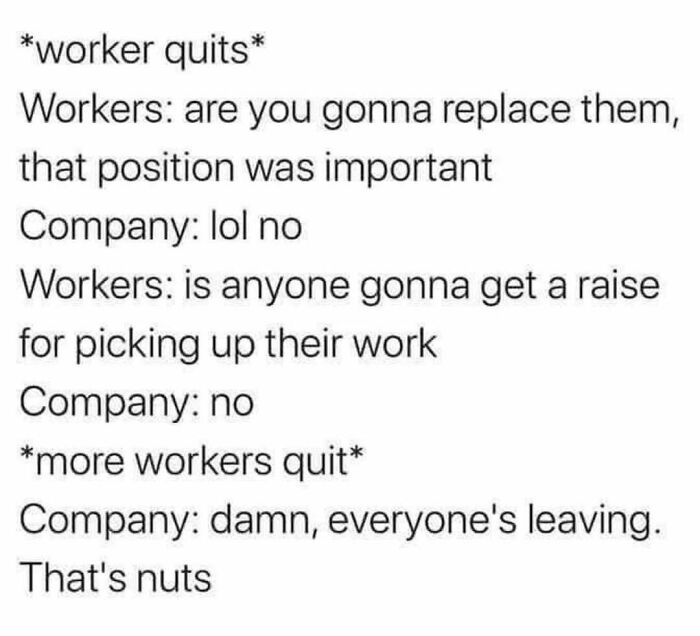
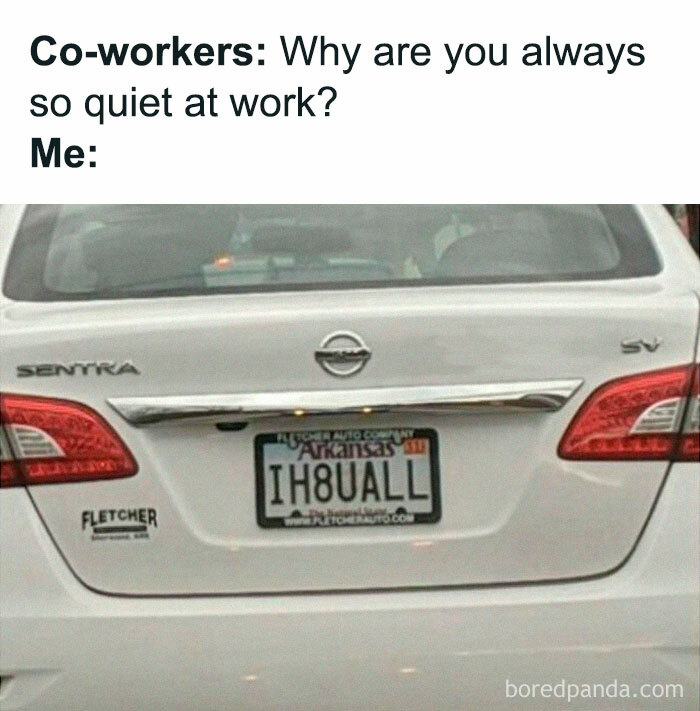
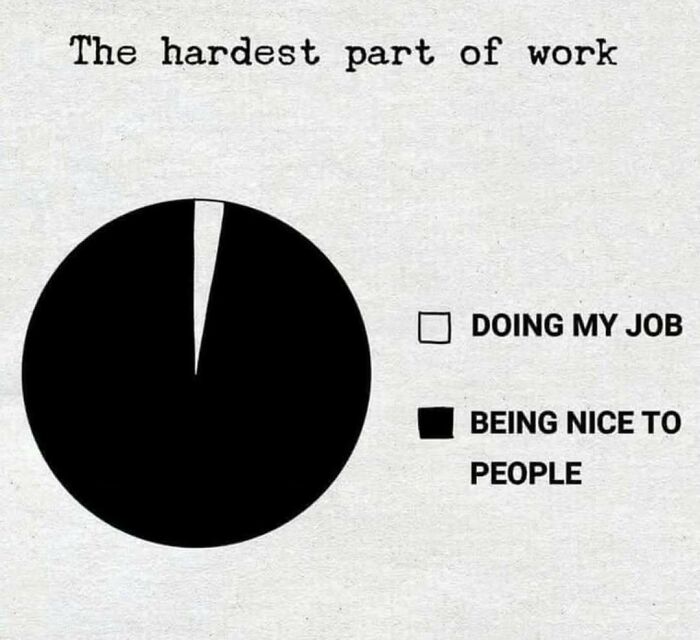
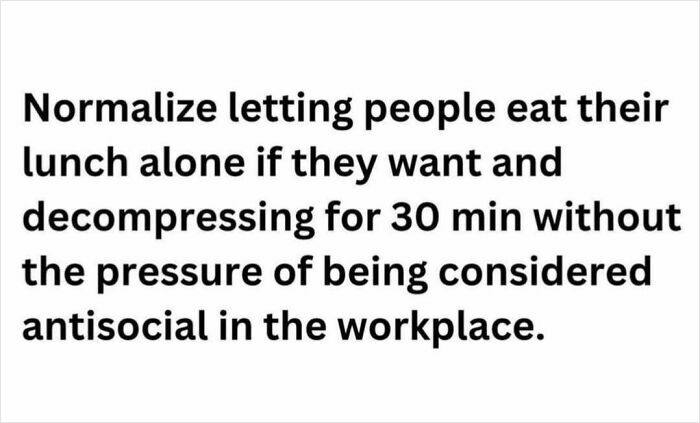
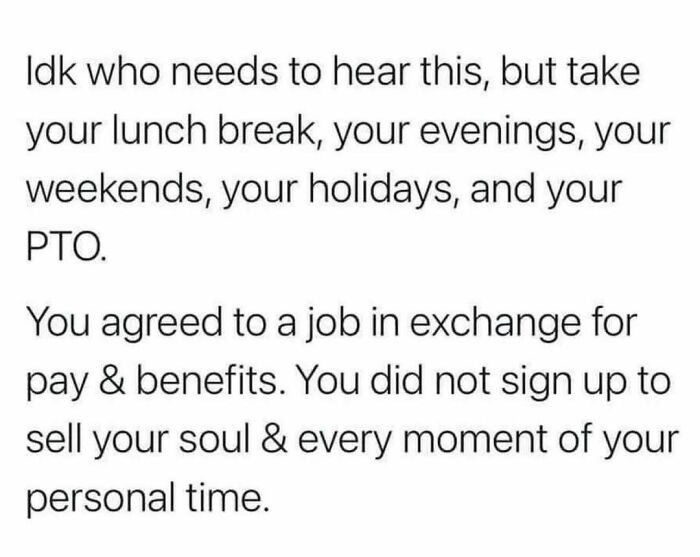
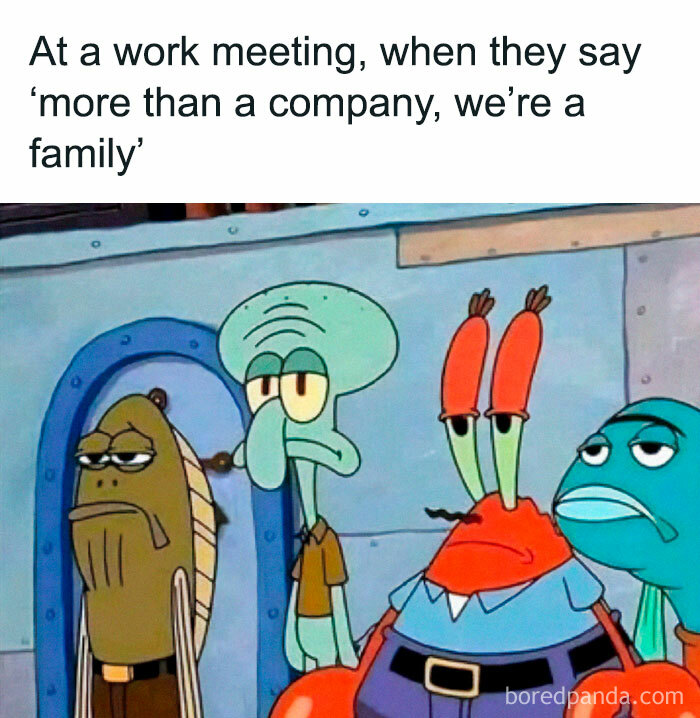
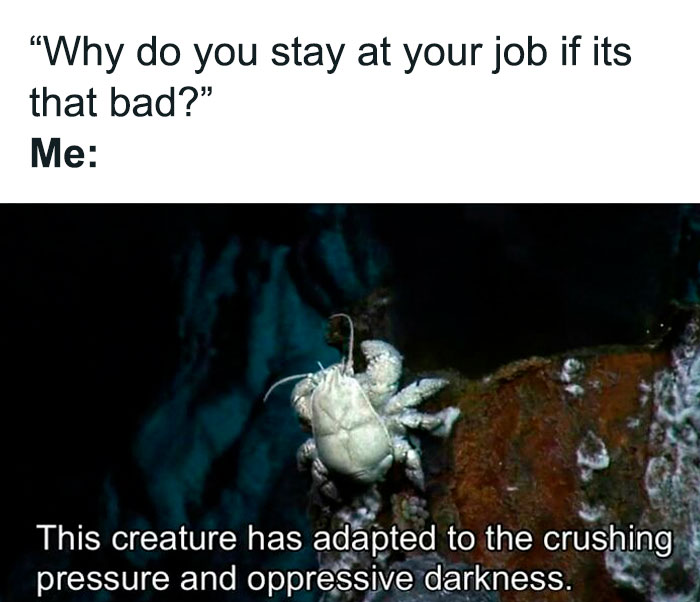
Spending half of your waking time (assuming you have the luxury of a regular sleep schedule) on your survival doesn't sound that bad, right? But add the minutes you spend meal prepping, commuting, and checking your corporate email, and suddenly it's more like two-thirds, which, again, isn't all terrible. However, let's be honest—parts of the daily grind are. And, when we feel overworked and underappreciated, the Instagram account 'Anti-Work Memes' is ready to remind us that there's still someone who gets it. If a silly joke is what you need to survive another meeting, this place has plenty.
More info: Instagram
This post may include affiliate links.
"Workplace satisfaction today boils down to three key areas: flexibility, fair compensation, and culture," Keith Spencer, career expert at Resume Now—an online platform that provides useful tools and resources to job seekers—told Bored Panda.
"Employees want the ability to work in ways that fit their lives, whether that means remote options or a schedule that allows for real work-life balance. Pay and benefits obviously matter, but beyond that, people want to feel valued. That means having a workplace where they feel heard, supported, and are given real opportunities for growth."
However, according to last year's State of Work in America survey from Grant Thornton, there's a legitimate reason for people to be irritated at—or with—their work.
Fifty-one percent of respondents reported having suffered burnout in the twelve months prior to it, a 15 percentage point jump since 2023.
Respondents said the top causes of their burnout were mental and emotional stress (63%), followed by long hours (54%).
While worker shortages can contribute to long hours, according to the researchers, the increase in mental and emotional stress as a cause of burnout is a concern because this increase can also be due to factors outside of the business's control.
While the increase in burnout was a major finding, the survey also discovered that:
And it's not just the US. Many places in the Western world are battling with similar problems. For example, about 45 percent of Australian workers across all generations also report being unhappy.
A new survey found that senior leadership and salary were the top two factors contributing to their dissatisfaction, but stress also plays a huge part, with 41 percent of respondents reporting having problems with it, as well as career progression opportunities (37 percent), and company commitment to social and environmental responsibility (35 percent).
Companies should take notice, because burnout can cause key leadership and top talent to become worn down. When this happens, they consider quitting their roles even amid concerns of job insecurity.
Consulting firm DDI's Global Leadership Forecast 2025 showed that among the 71% of stressed-out leaders surveyed, more than half were worried about burnout and nearly half have considered leaving their jobs as a result.
Known as "revenge quitting," highly talented employees can also abruptly leave their jobs to get back at companies where they felt overworked and undervalued. According to DDI, among high-potential contributors, the intention to quit increased from 13% in 2020 to 21% in 2024.
If you—a regular worker—wish to make your own work-life balance as healthy as possible, Keith Spencer of Resume Now said you should "Set boundaries early and stick to them, but do so with tact."
"The expectation to always be available is one of the biggest threats to work-life balance today. Log off when your workday ends, use your PTO, and be mindful of your workload—but also communicate your limits professionally to avoid unnecessary friction," the career expert and certified professional resume writer explained.
"At the same time, companies have a role to play here—if leadership respects boundaries and encourages a culture that values personal time, employees are far more likely to thrive."





































 No fees, cancel anytime