Get Premium
Dark mode theme is available exclusively for premium users. Learn more about the benefits of subscribing.
No fees, cancel anytime.

 Dark Mode Ad-Free Browsing Unlimited Content
 Ad-Free Browsing Unlimited Content Dark Mode
Join 1.2 million Panda readers who get the best art, memes, and fun stories every week!
42submissions
1week left
There's something about ancient civilizations that fascinates us even thousands of years later. Their architecture, technology, and everyday life are things we will never experience, but want to know as much as possible nonetheless. Ancient Egypt is many people's favorite for a reason: the pyramids, pharaohs, hieroglyphs, and the religion made it stand out among other ancient civilizations.
Bored Panda has compiled a list of the most interesting pics from two online communities: the Ancient Egypt and Egyptology subreddits. We hope you learn something new or just admire the history that seeps from these pictures. So, scroll down and discover the treasures of Ancient Egypt like you've never seen them before!
Click here & follow us for more lists, facts, and stories.
This post may include affiliate links.
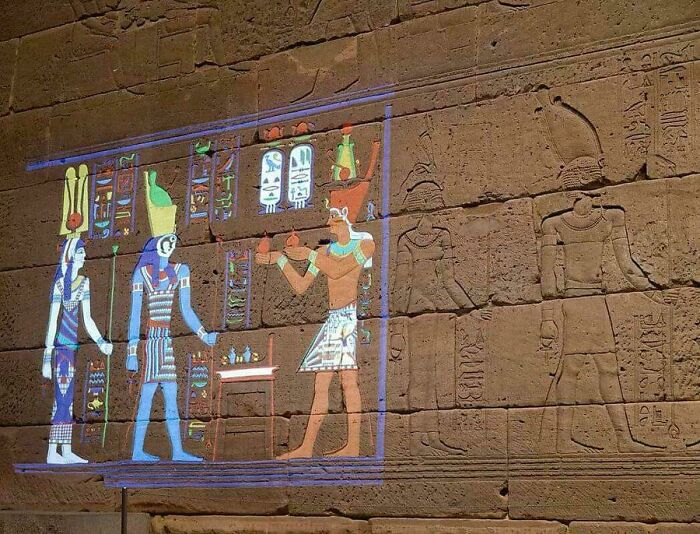
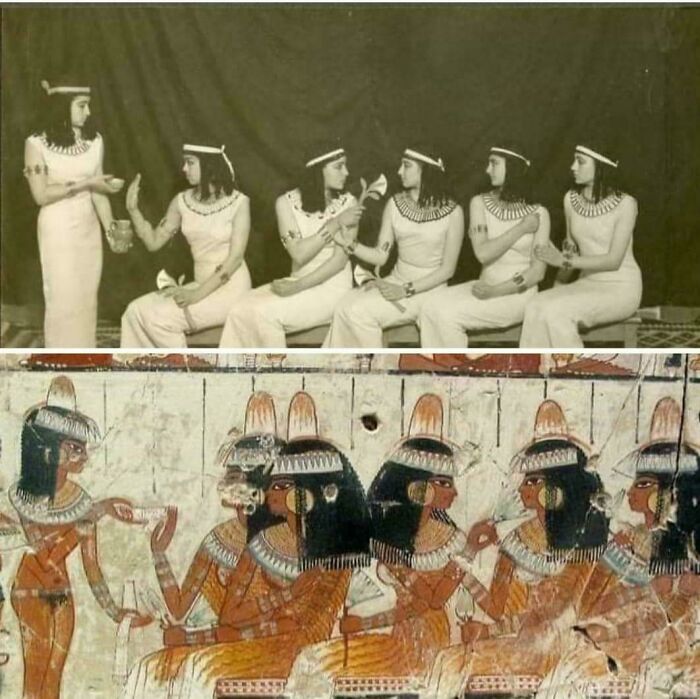
Like the other ancient civilizations, Egyptians loved their colors After thorough research, recreated using a polychromatic light display at the Metropolitan Museum of Art, New York
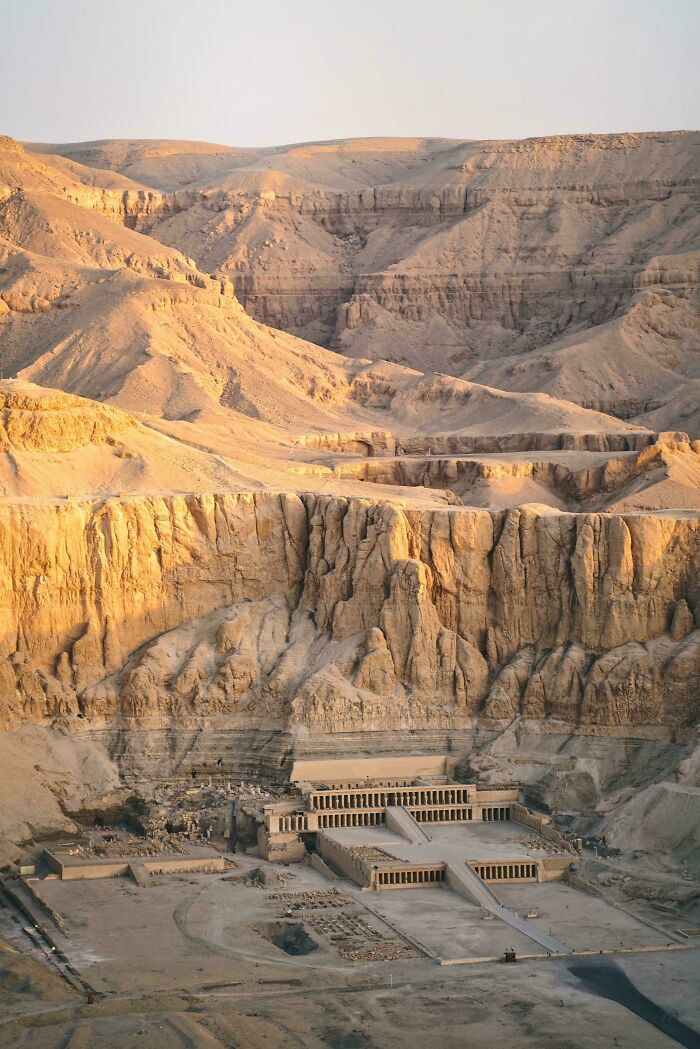
The Mortuary Temple of Hatshepsut, standing within the cliff face of the West Bank of ancient Thebes, is one of the most stunning structures ever constructed. The pyramids get all the credit, but this temple, I would claim, is perhaps even more impressive. I just returned from 3 weeks exploring Egypt, and this was my personal favorite site.
Hatshepsut, pharaoh queen of Eqypt during the 18th dynasty (in the 1400’s BC), led the kingdom into some of Egypt's most prosperous years ever. The architect behind the construction of this temple is Senenmet, Hatshepsut's most trusted advisor who held over 90 titles, despite coming from a non-royal birth.
However, shortly after the death of the queen and the disappearance of Senenmut, a deliberate erasure of all their statues and inscriptions was carried out by the next pharaoh (the queen's stepson) - Thutmoses III. Archaeologists have been puzzled for centuries as to what prompted Thutmoses III, and then briefly his son, to commit these acts. Perhaps, is there more to the story of Hatshepsut and Senenmut than meets the eye? I believe so...
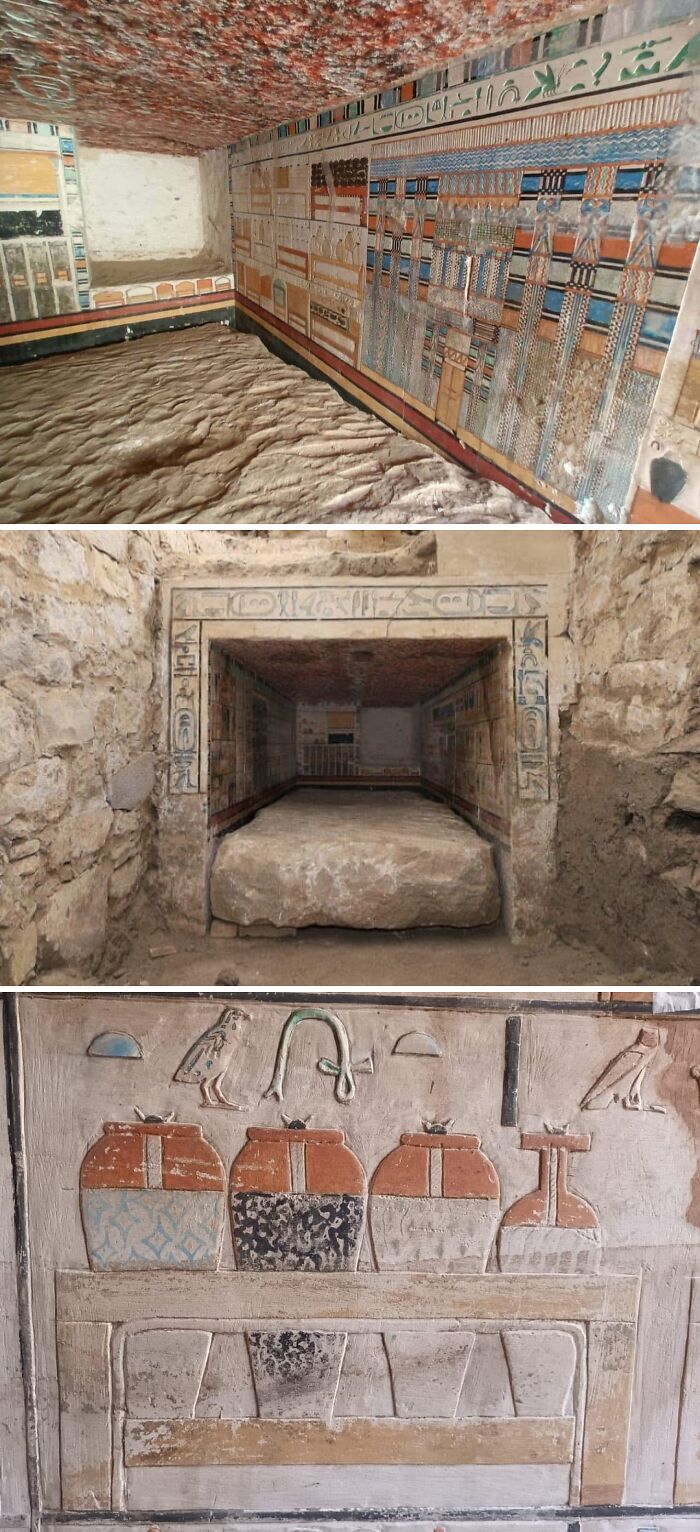
A joint French-Swiss archaeological mission has uncovered the mastaba tomb of a royal physician named “Teti Neb Fu” in the southern part of Saqqara, dating back to the Old Kingdom during the reign of King Pepi II.
The tomb is adorned with stunning carvings and vibrant artwork, including a beautifully painted false door and scenes of funerary offerings. Teti Neb Fu held prestigious titles such as Chief Palace Physician, Priest and “Magician” of the Goddess Serket (expert in venomous bites) , Chief Dentist and Director of Medicinal Plants
Despite evidence of ancient looting, the tomb’s walls remain intact, offering a rare glimpse into daily life and cultural practices during the Old Kingdom. The team also discovered a stone sarcophagus with inscriptions bearing the physician's name and titles.
This incredible find adds to Saqqara's rich legacy as one of Egypt's most significant archaeological sites.
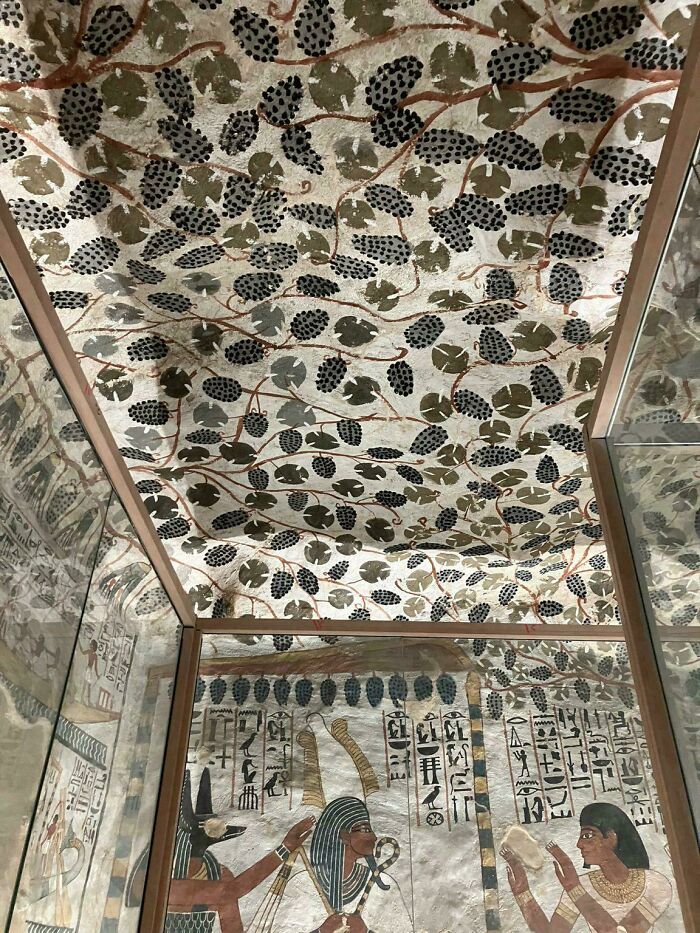
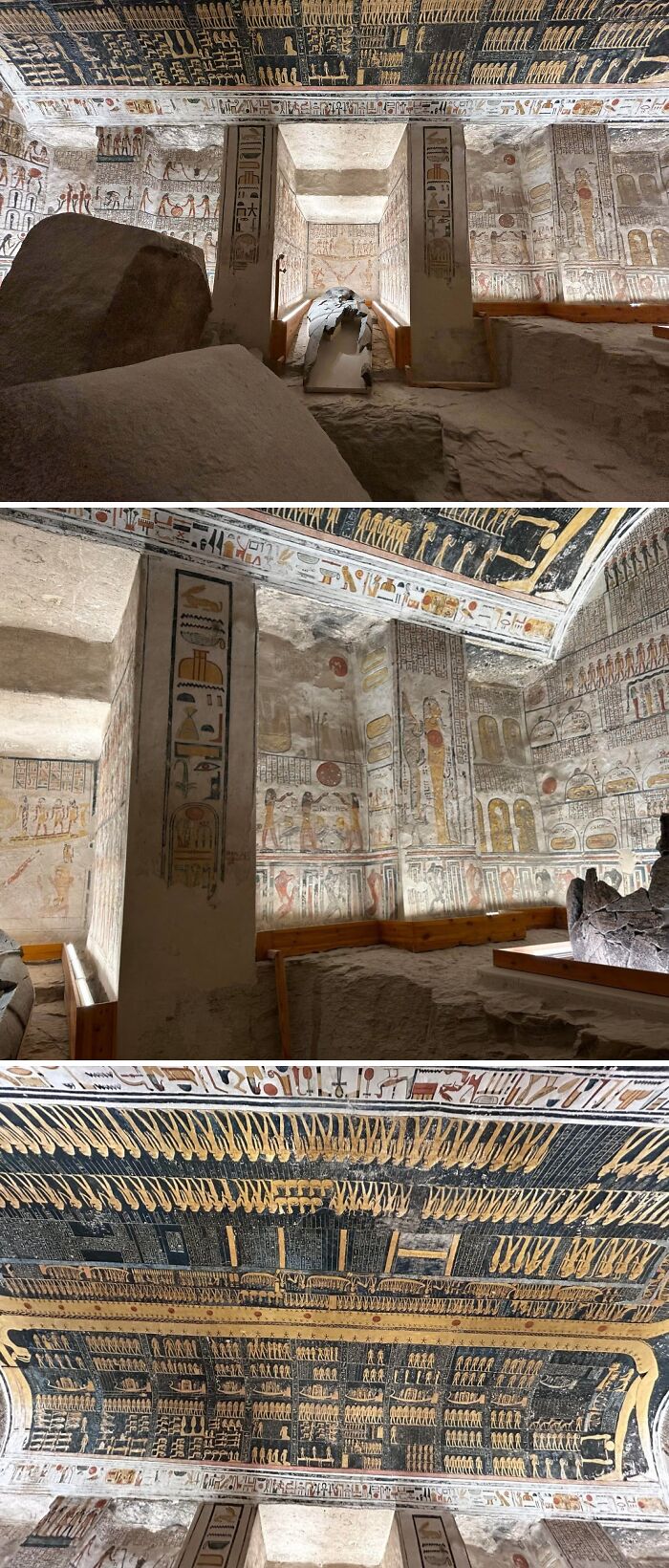
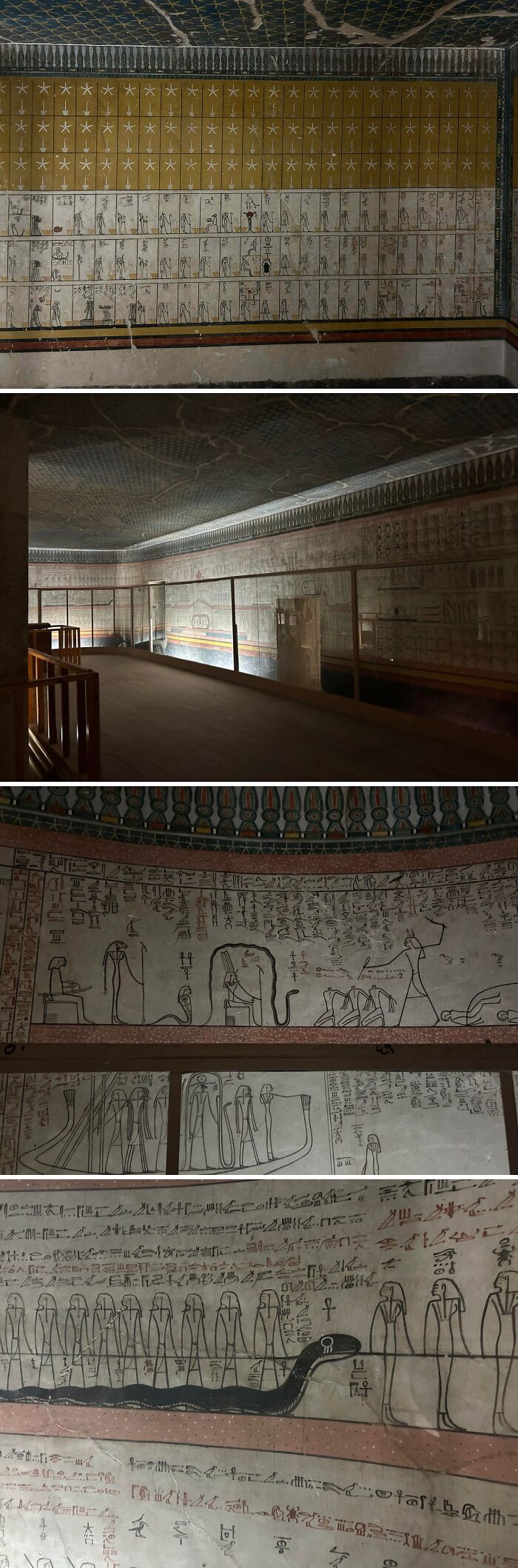
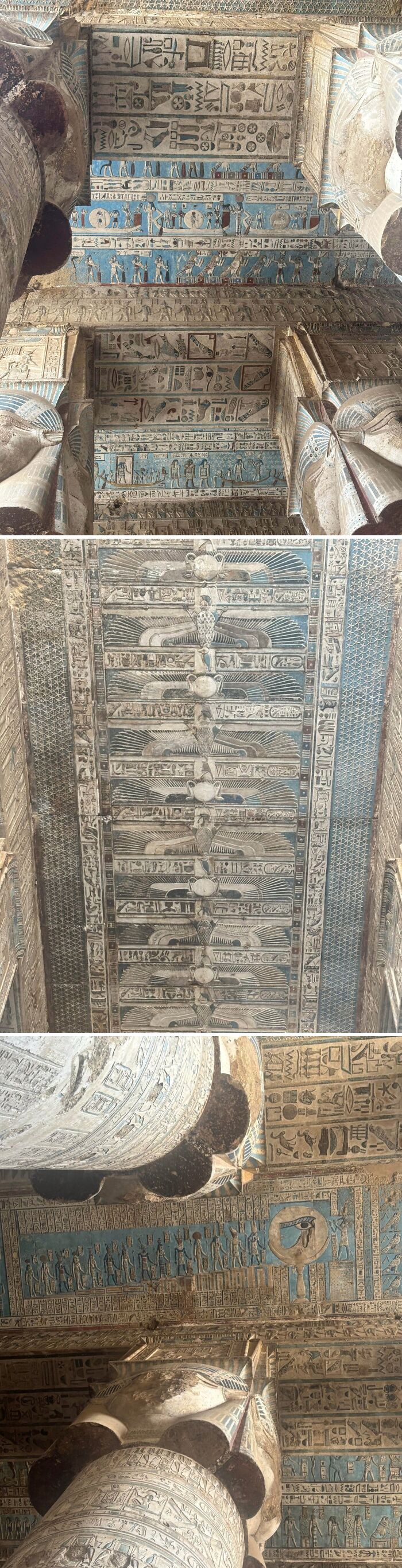
It's incredible how paintings on Ancient Egyptian tomb walls still appear colorful to this day. How did Ancient Egyptians make their painting materials to make the tones vibrant even thousands of years later? They got the pigment by crushing different stones.
For red and yellow hues, Egyptians used ochre. For green, they had malachite, calcite for white, and carbon for black. They could find all these minerals in the Earth, so, they were natural dyes. However, the color blue had to be "invented."
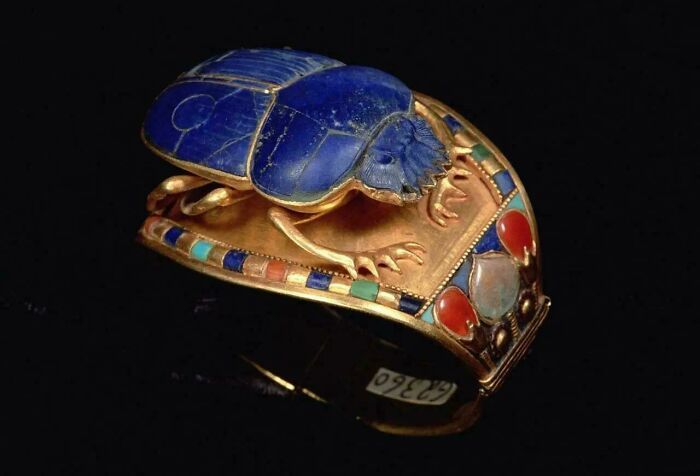
Ancient Egyptians loved the lapis lazuli gemstone, which they imported from Afghanistan. It was rare and expensive, so, using it for paintings and makeup was quite costly. That's why they invented a synthetic "lapis lazuli": by heating sand, lime, sodium carbonate, and a copper compound, they created a synthetic blue pigment they used for paintings.
Ancient Egyptians also used colors very intentionally. Different colors symbolized different things, and their meanings aren't that dissimilar to their meanings today. Egyptians used red to represent power and life, but also chaos and anger at the same time. Green, much like it does today, was the color of growth and rebirth, symbolizing nature's cycle of regeneration and awakening.
Blue was the otherworldly color, perhaps because it wasn't found in nature as easily as other pigments and had to be made synthetically. Ancient Egyptians used blues to paint the afterlife, as it represented heaven and protection. Blue was also the color of rivers, especially the Nile, which was the source of life for the ancient civilization.
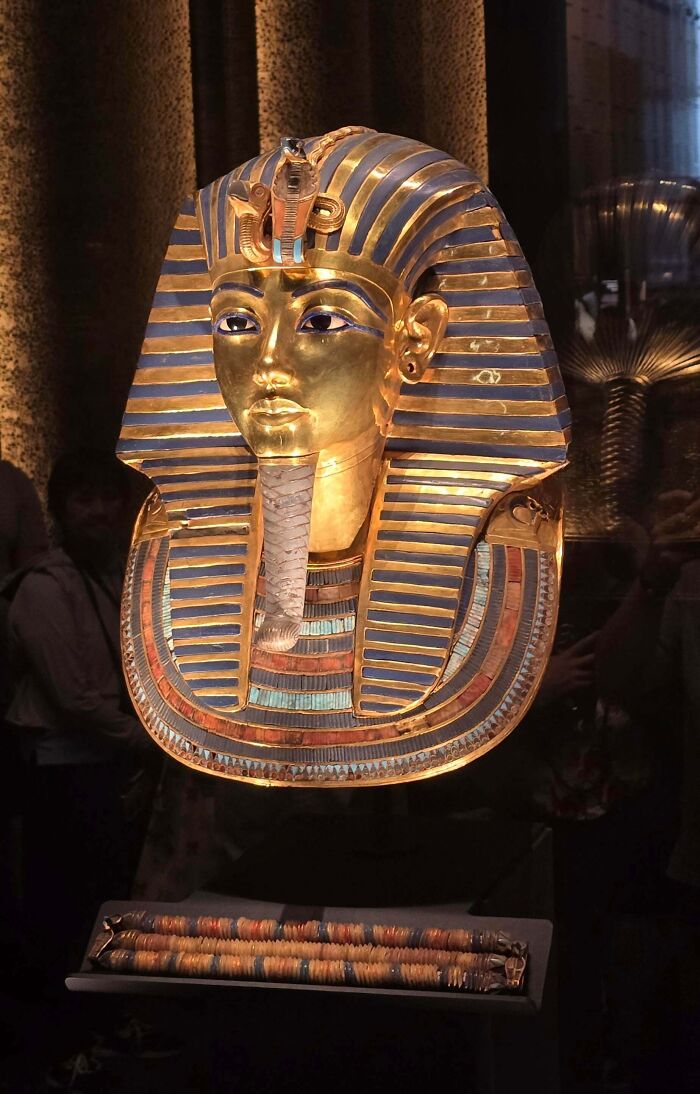
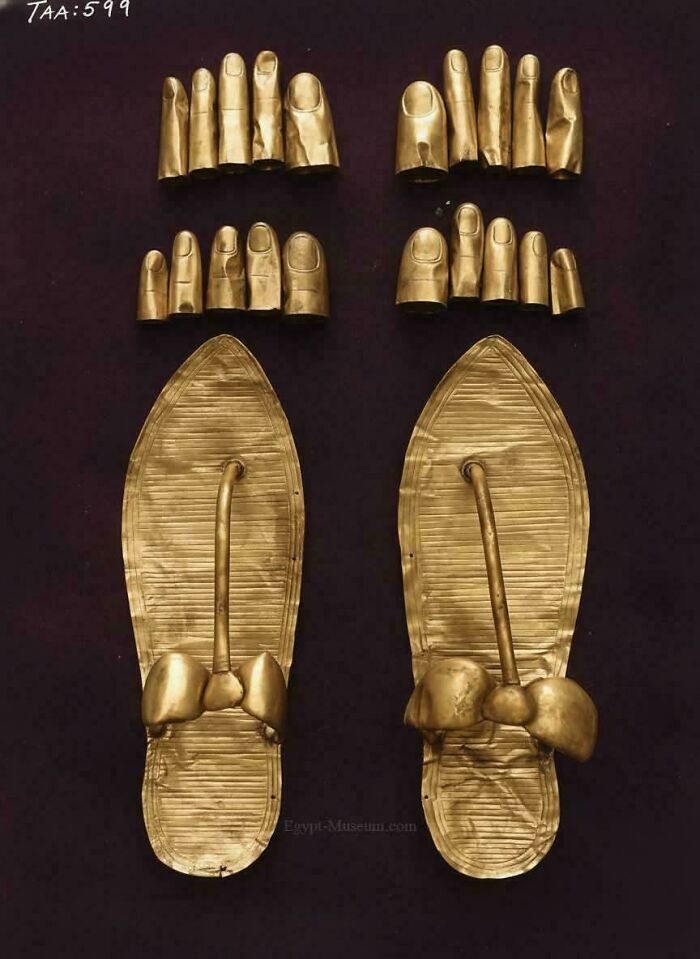
But the most important color of all was gold. Ancient Egyptians used it to decorate the sarcophagi of the pharaohs, literally making their skin golden. Gold was the color of eternity and the gods.
In the paintings in temples and tombs, pharaohs were painted with gold skin to represent how they were sent to Earth by the gods to be the mediators between them and their people. The god of the underworld, fertility, and the deceased, Osiris, often had green skin in paintings, as green symbolized regeneration and renewal.
The ancient Egyptians initiated this phenomenon, which originally took place at the Abu Simbel temple on February 22 and October 22 of each year. The Grand Egyptian Museum studied the phenomenon in 2019 and announced it in 2020. The phenomenon occurs on February 21 and has repeated 6 times so far, with the exception of 2023 when heavy clouds obscured the sunlight.
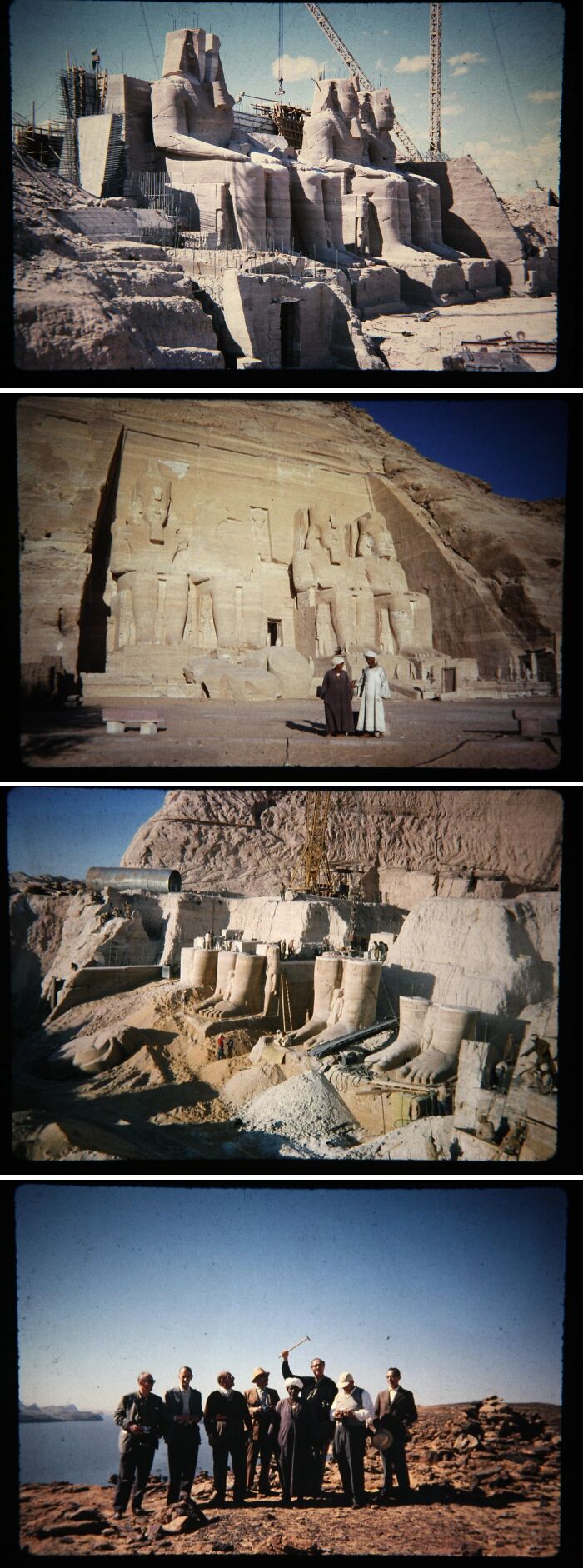
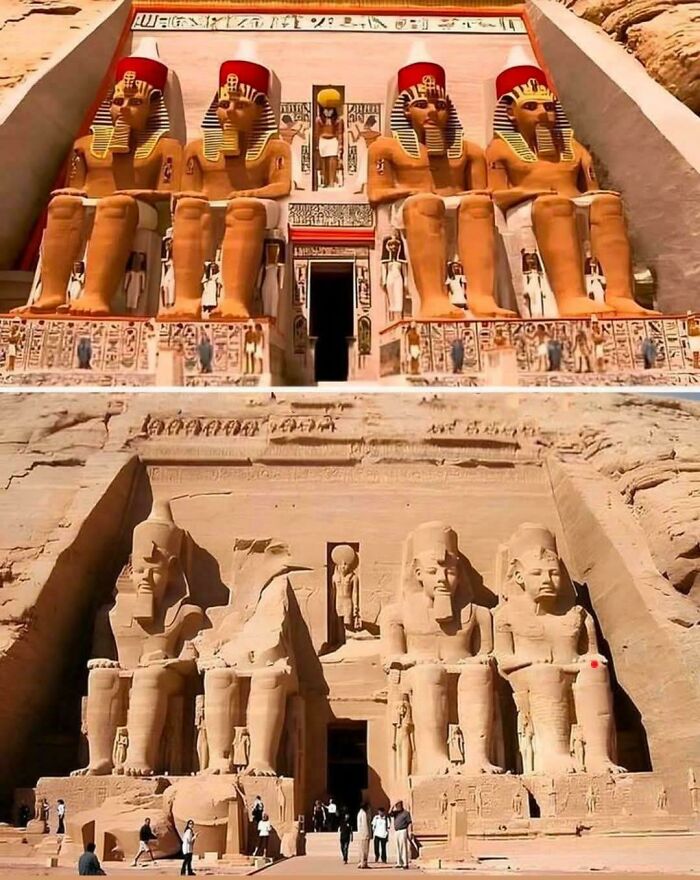
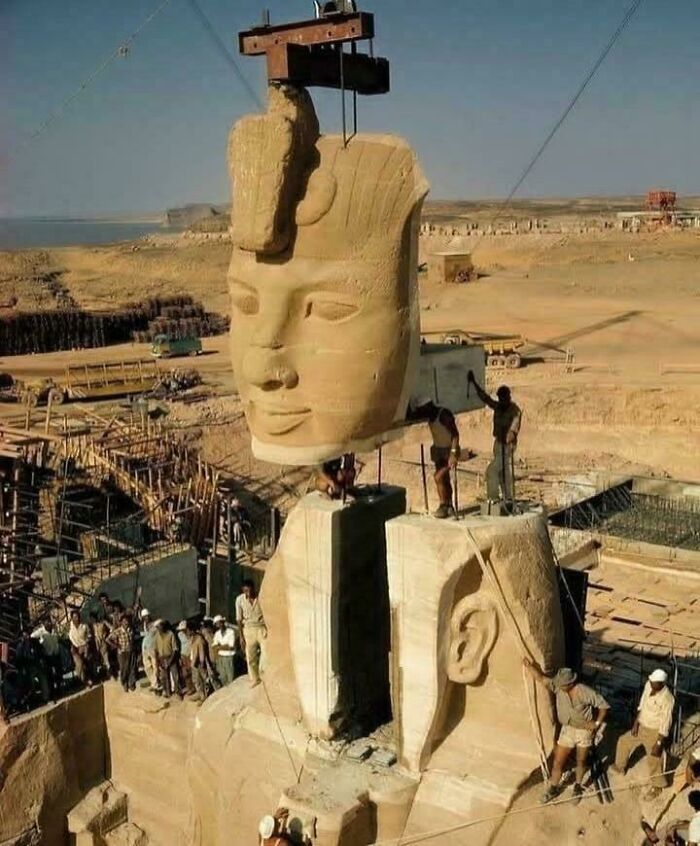
You'll come across a few photographs of Abu Simbel in this list. There are many fascinating things about the temples: the reason they were built, the story of their relocation, and how it's still a modern tourist icon.
But perhaps the most interesting fact about it is the sun phenomenon that happens in the temple twice a year. Weather permitting, of course. Around February 22 and October 22, the sun illuminates three of the statues in the temple, and one remains in darkness.
In one of the photographs on this list, you can see the face of the statue of King Rameses II illuminated by the morning sun. Two other statues are bathed in sunshine at that moment, too: those of the gods Ra-Horakhty and Amun. But the statue of Ptah, the god of darkness, remains in shadow. It's a testament to the genius of ancient Egyptian astronomers and engineers.
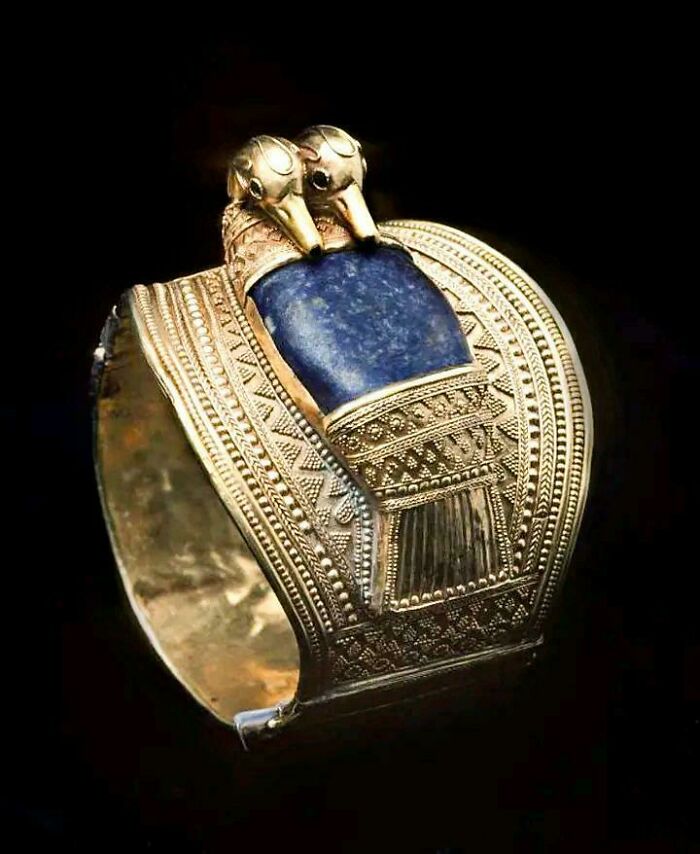
A treasure fit for a king: this solid gold bangle, hinged on one side and clasped on the other, once adorned the wrist of Ramesses II (Ramesses the Great). The upper curve is crowned by a double-headed duck whose shared body is a single, richly colored piece of lapis lazuli framed by polished gold. The twin heads and the spread tail are rendered in finely carved gold, worked with delicate granulation and wire detail.
Inscribed beside the clasp are the royal cartouches of Ramesses II and the words “right” and “left” — a clear indication that these were not simply votive temple offerings but the actual bracelets worn by the king before they were dedicated to the goddess Bastet of Bubastis.
Discovered in 1906 among the treasures of Tell Basta (ancient Bubastis), the piece dates to the New Kingdom, 19th Dynasty (reign of Ramesses II, c. 1279–1213 BC). The bracelet is catalogued in the Egyptian collections as JE 39873 and has been displayed in the Egyptian Museum, Cairo. )
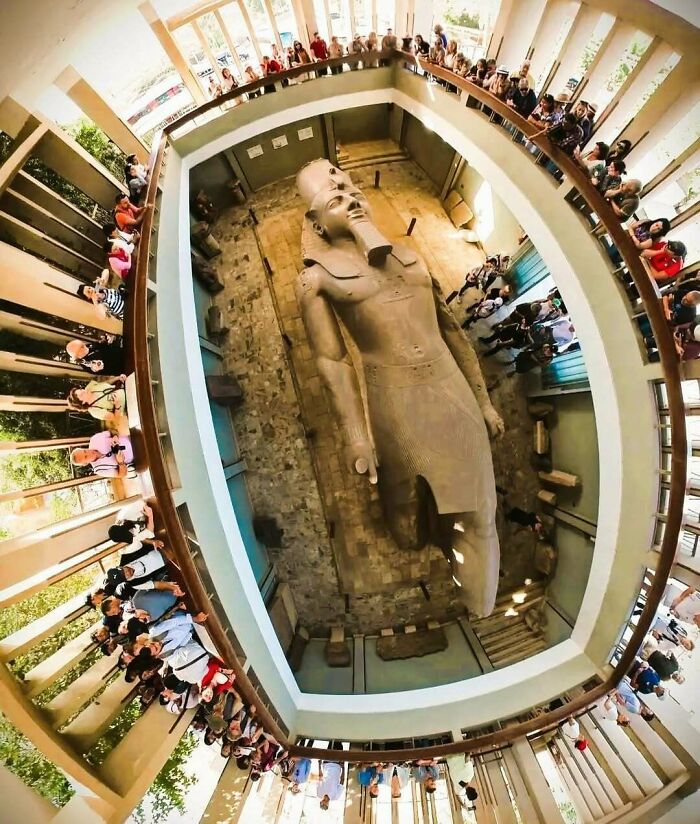
Abu Simbel was built in the 13th century BC in Nubia, on the west bank of the River Nile. It took 20 years to build the massive monument that includes two massive temples and a smaller one for Ramses' wife, Nefertari.
In the 1960s, after the water began to rise in Lake Nasser due to the Aswan High Dam, an international team of engineers moved Abu Simbel higher up on an artificial mountain so it wouldn't be submerged. They disassembled the monument piece by piece in what experts today call an incredible feat of engineering. It now sits 60 meters above its original location.
What's your favorite fact about Egypt that you've learned today, Pandas? Is it about ancient Egyptian architecture, art, or history? Let us know in the comments! If you find out even more fascinating stuff about Ancient Egypt, check out these stunning Egyptian artifacts--and the mystery behind how the Giza pyramid was built!
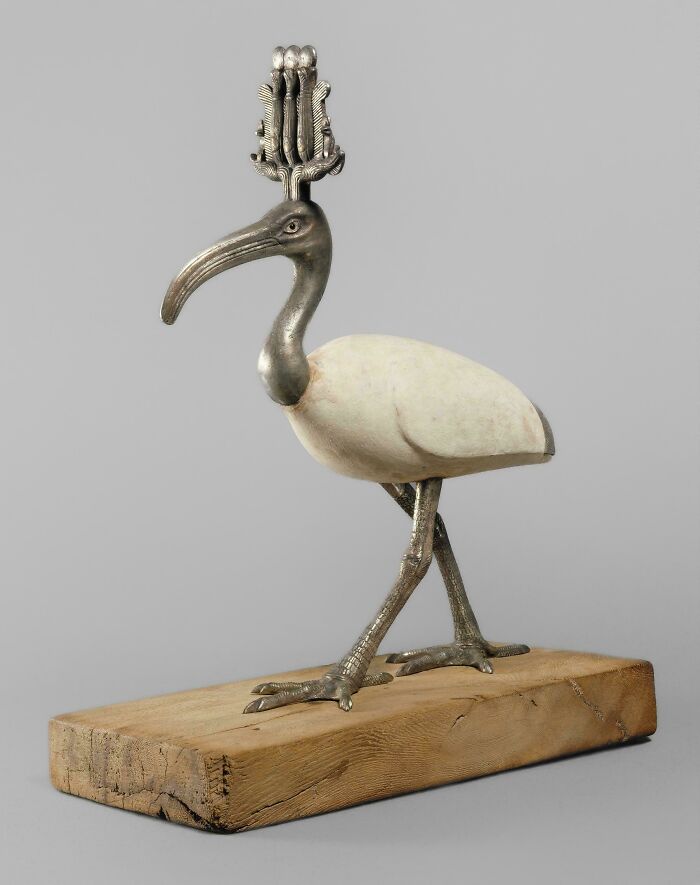
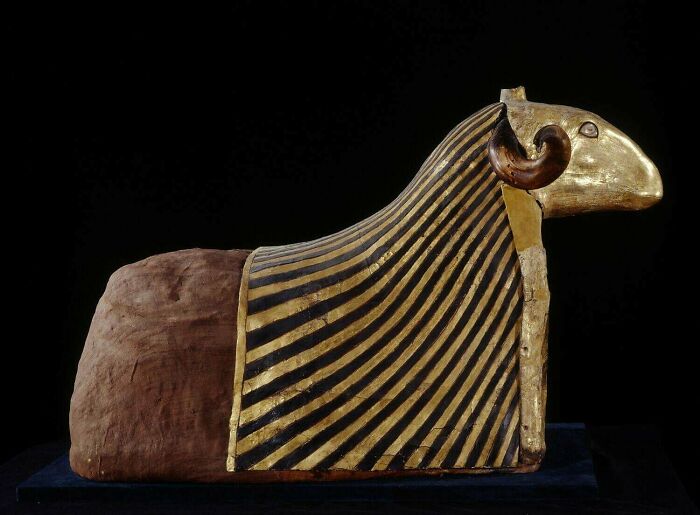
God Thot as an Ibis 6th year after Christ on view: Kunsthistorisches Museum, Ägyptisch-Orientalische Sammlung Room IV
In addition to the baboon, the ibis is the sacred animal of the god Thot. As the embodiment of wisdom and writing, Thot was the patron saint of the scribes. Thousands of Ibis mummies were found at the various worship sites of the Thot. Votive statues were also used in the cult. The body of this statuette is made of wood, which has been covered with fine stucco. The head with the Atef crown, the neck, the tail feathers and the legs are cast of silver. The eyes are placed on stucco with black glass.
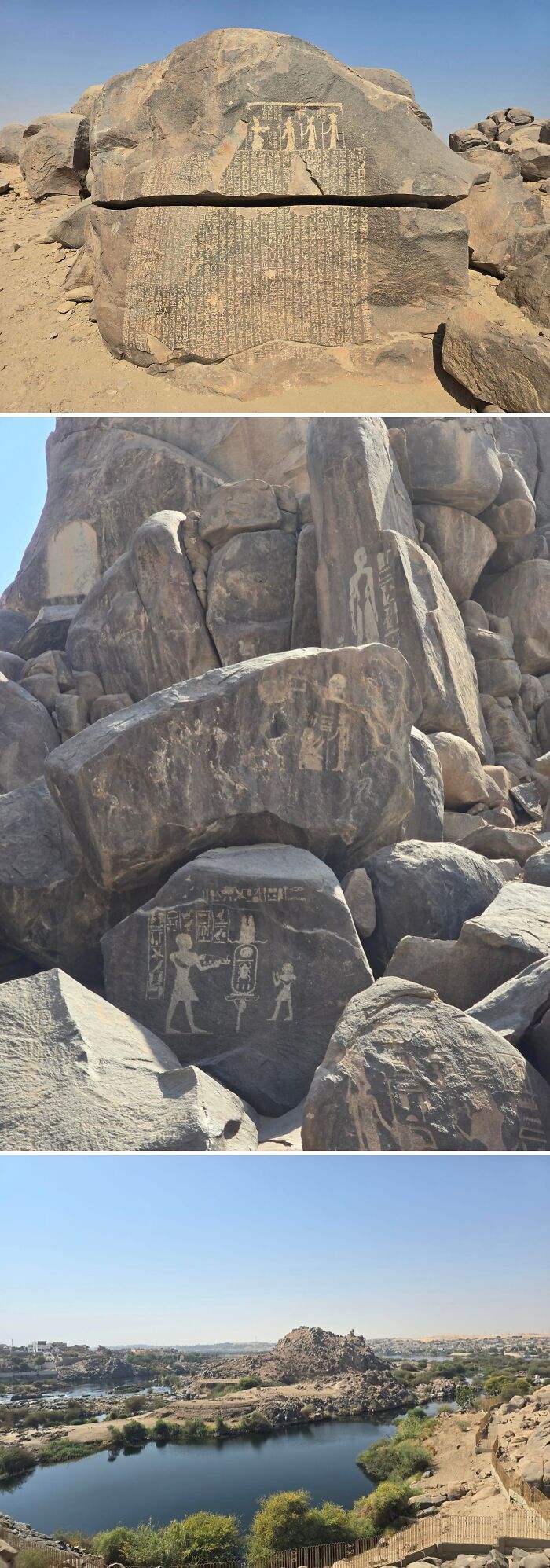
Sohail Island, home to the famine stela, a rock carved in Ptolomy V's time which discusses a 7 year drought and famine from 2500 years earlier, in the reign of King Djoser. Djoser, under guidance from Imhotep, makes offerings to the God Khnum to send the waters. All ends well. Given, in the time of Ptolomy, the priests of Khnumn were fighting the priests of Isis for power, was this really a historical memory or a desperate reminder of Khnum's power?
You Might Also Like: 41 Funny Photos Without Context That Get Weirder The Longer You Look At Them
































 No fees, cancel anytime


![Ramesseum: Temple Of Pharaoh Ramesses The Great [oc]](https://static.boredpanda.com/blog/wp-content/uploads/2025/12/693290382204a_jmppm2fed35f1-jpeg__700.jpg "Ramesseum: Temple Of Pharaoh Ramesses The Great [oc]")