Get Premium
Dark mode theme is available exclusively for premium users. Learn more about the benefits of subscribing.
No fees, cancel anytime.

 Dark Mode Ad-Free Browsing Unlimited Content
 Ad-Free Browsing Unlimited Content Dark Mode
Join 1.2 million Panda readers who get the best art, memes, and fun stories every week!
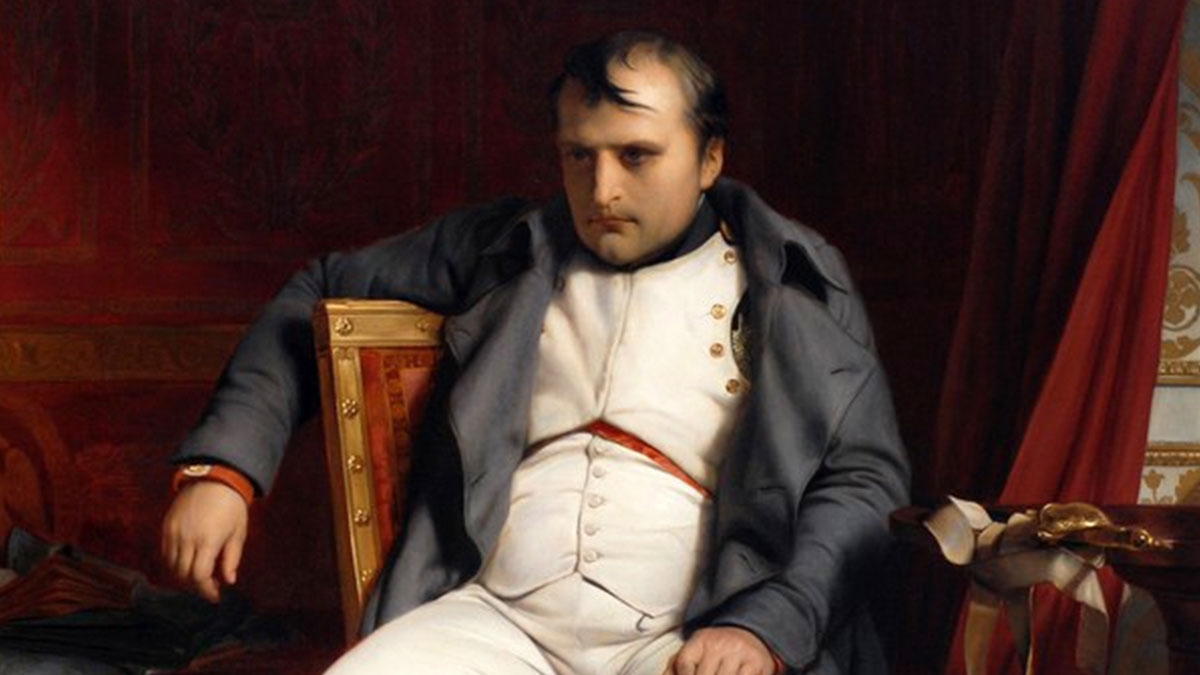
The question of how useful AI is or isn’t has been raging for some time, but there is no denying that it can help look at the sort of data that would take a human hours or even days in just minutes. So it shouldn’t come as a surprise that it’s used in medical research or even for decoding ciphers that have stood uncracked for years. But sometimes hype gets ahead of reality.
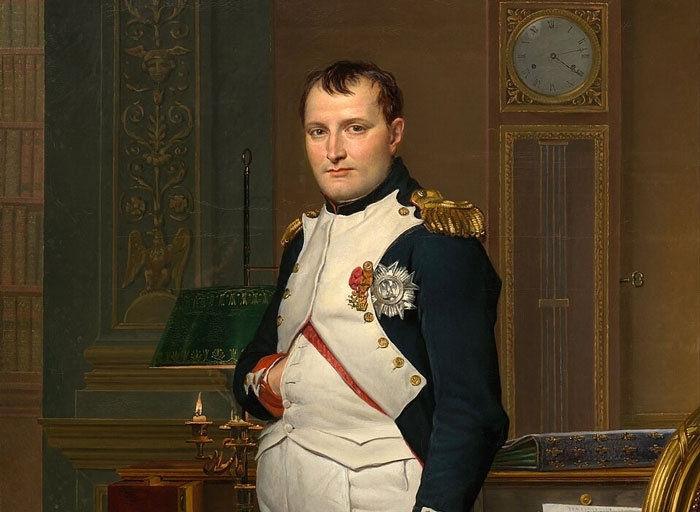
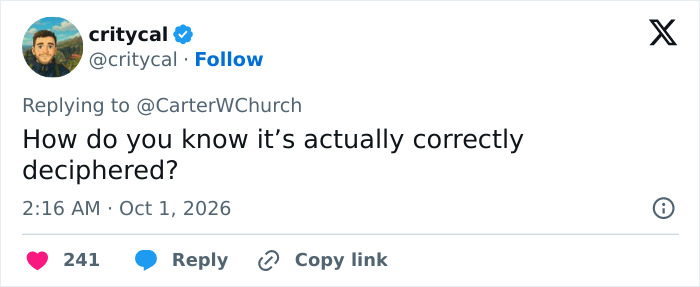
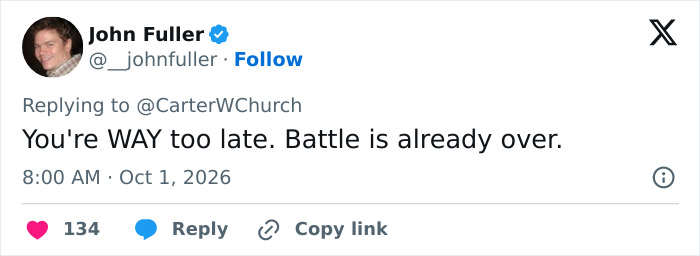
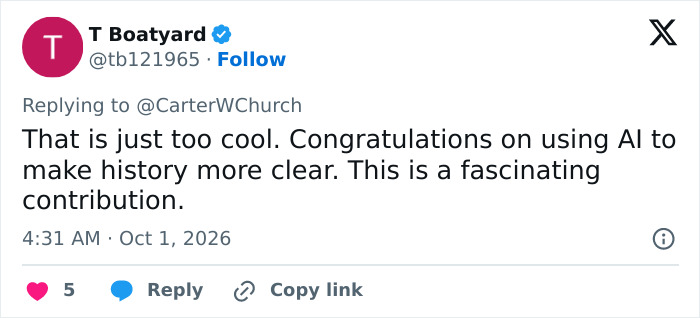
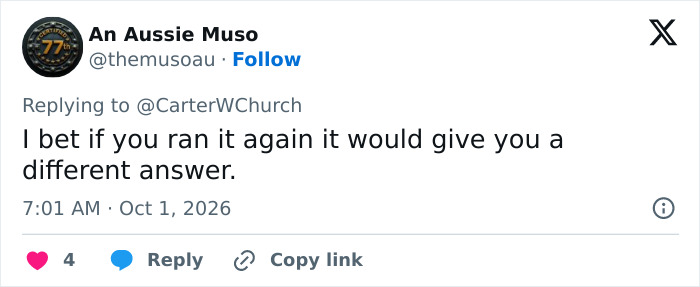
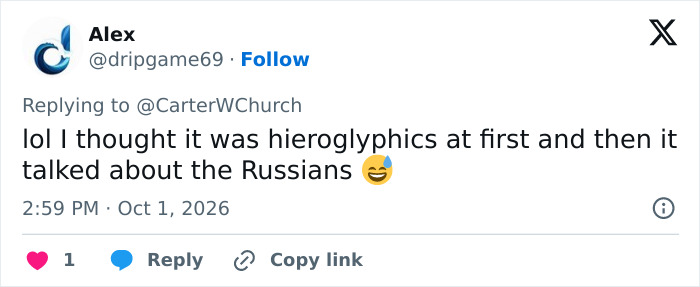
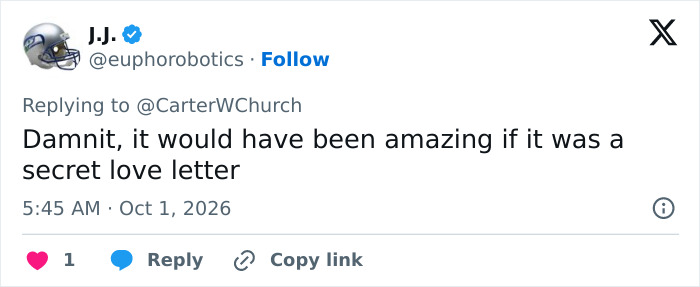
An AI engineer claimed to have deciphered a 217 year old letter from Napoleon to one of his generals using Open AI’s GPT-6 Astra to crack its code. However, some sceptics noted that the letter had already been decoded years ago and was available to read for anyone curious.
I used GPT-6 Astra to break an unsolved cipher to one of Napoleon’s generals that had gone unread for 217 years.
What makes this impressive isn’t actually the codebreaking, but that Astra completed the entire multi-modal workflow in ~6 hours from a single image and goal.
1/6🧵 https://t.co/vyiGKOsrHq
— Carter Church (@CarterWChurch) September 30, 2026
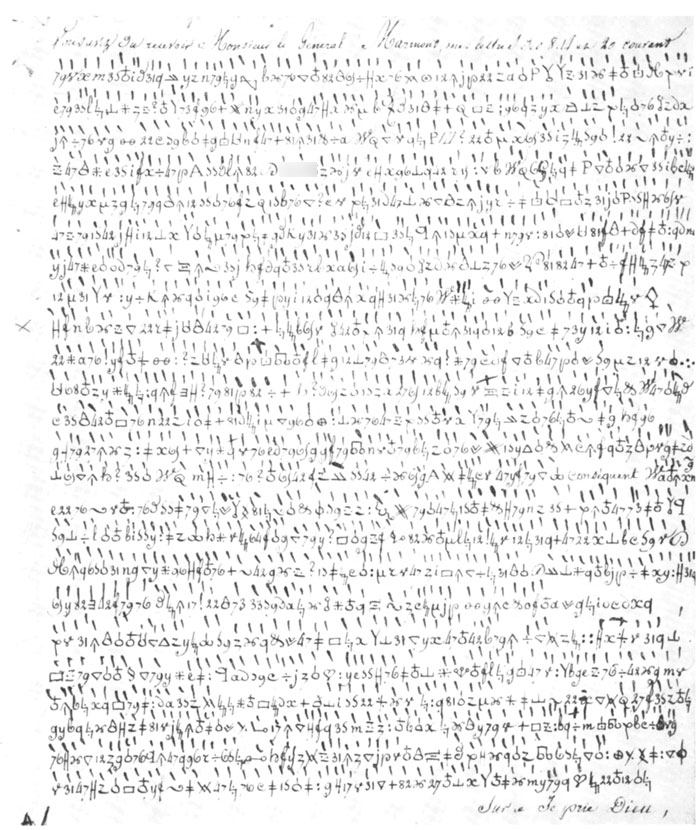
The letter to Marshal Marmont opens with one line of plain French, then 24 rows of numbers, letters and invented symbols.
It sat on Cryptiana’s Unsolved Historical Ciphers list for decades. Last week, Satoshi Tomokiyo officially confirmed this solution and marked it solved.
2/6 pic.twitter.com/enhIZ8vfzl
— Carter Church (@CarterWChurch) September 30, 2026
From one prompt and one image, Astra:
– Transcribed 1,300 hand-drawn signs.
– Found a partial key previously unconnected to this letter
– Cracked the rest with its own simulated-annealing solver.
– Cross-referenced other surrounding letters to correct the published date.3/6 pic.twitter.com/9TfQysmMGB
— Carter Church (@CarterWChurch) September 30, 2026
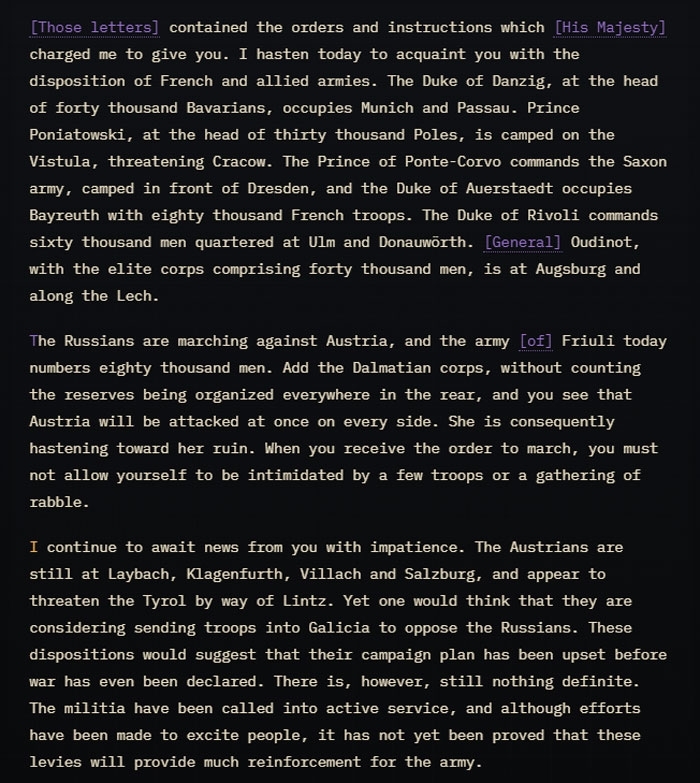
It’s a war briefing sent two weeks before Austria invaded. It also fills a gap:
Napoleon’s actual order in his 1865 memoir breaks off mid-sentence: Marmont mustn’t be held back by “a handful of …”
This letter contains the remainder, intact: “a gathering of rabble.”
4/6 pic.twitter.com/701vJMKFQ1
— Carter Church (@CarterWChurch) September 30, 2026
Astra’s multi-modal execution is what’s actually impressive in this.
The cipher itself isn’t difficult, and cryptographers could have cracked this easily given the time/energy. But, the work to transcribe, catalog, translate, then crack is involved and multi-disciplinary.
5/6
— Carter Church (@CarterWChurch) September 30, 2026
According to Live Science, Carter Church, an AI engineer at the cybersecurity firm SentinelOne, gave GPT-6 Astra one prompt and one low resolution scan, and roughly six hours later he had a readable message. The scan came from a French army journal printed in 1969. The message itself was a troop briefing sent in 1809 by Napoleon’s stepson Eugène to Marshal Marmont. Euronews is careful to note that Napoleon did not write it himself.
So how could a chatbot manage this? Think of it as several jobs that normally need several specialists. The first is reading. The cipher runs to about 1,300 handwritten symbols, and a model that can look at images has to decide which squiggles are really the same sign drawn twice. Church’s own write up says Astra chopped the image into rows and sorted that out before it attempted any codebreaking. The second job is cryptography. This was a homophonic cipher, meaning common letters are given several different symbols so a simple frequency count gives a muddy picture. The usual workaround is to guess a key, score how much the result resembles French, tweak a few symbols and score it again, over and over. A report carried by Yahoo Tech says the model used a method called simulated annealing for this sort of trial and error. A model that can write and run its own code can repeat that cycle thousands of times. The third job is checking. Guesses get compared with Marmont’s known writings and with the historical record, and a wrong key quickly collapses into nonsense. Church argues that this is why the result can be trusted, since an incorrect key is very unlikely to produce coherent French about real regiments.
Now for the part where the tidy headline gets a little untidy. Live Science reports that Astra located a partial key table compiled by cryptology historian Daniel Tant that explained 33 of the symbols, roughly a third of the letter. Church says the table was filed under a slightly different general’s name, possibly by mistake, and that the model connected the dots through its own web research. That is clever, but it also means the job started with a third of the answer already written down somewhere. It sits awkwardly beside reports claiming the key had been lost entirely, and it makes the phrase “one prompt and one image” sound rather simpler than the process was.
The contents raise a second question. Michael Rowe, a researcher in European history at King’s College London, told Live Science that Napoleon’s original correspondence with Eugène already described what the coded message should contain. He found the result impressive and likened it to a Rosetta Stone for testing AI, because you can check the machine against something you already know, assuming the AI actually decoded the message and it’s not all hype. He also noted that the message “doesn’t tell us anything new.” That is a very different thing from a long buried secret finally seeing daylight. If you want to see an alternative take, scroll down.
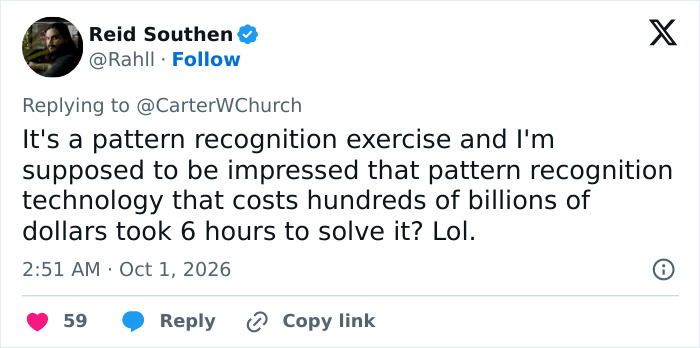
Then there is the question of framing. The six hour figure covers the run, and it is fair to ask what came before and after it. According to the same article, Church went looking for a cipher worth cracking as a showcase for the model, so this was a deliberate demonstration rather than a blind attempt. He also told the outlet that trained cryptographers could have solved it without much trouble given enough time.
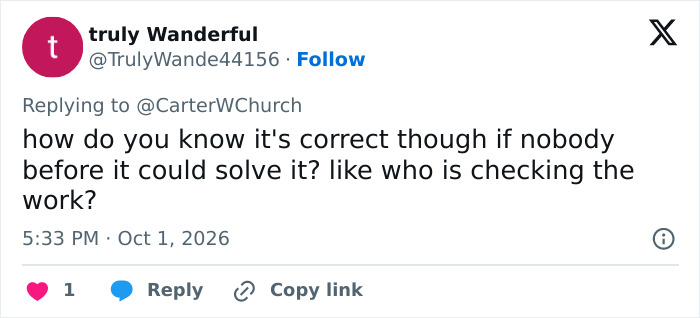
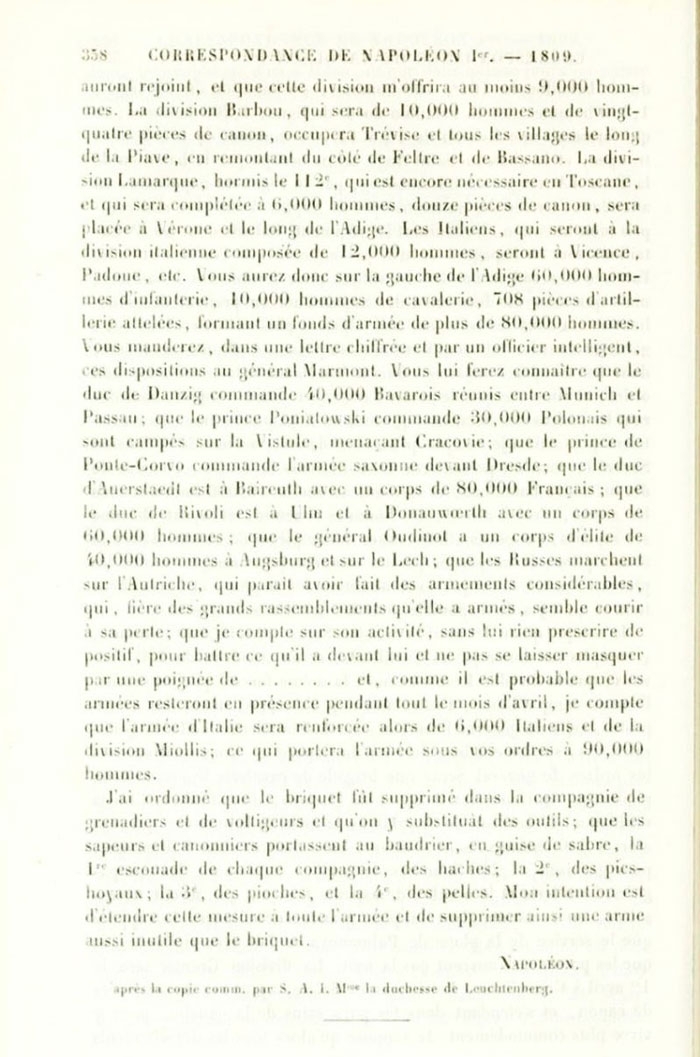
That brings us to the sceptics who say the letter was decoded long ago. Euronews reports that several researchers tried over the decades but none published a full decipherment, and Church describes the cipher as unsolved. Both positions can only be true if an earlier reading never made it into print, and so far the mainstream coverage does not point to one. Cryptiana, a site that tracks unsolved historical ciphers, now lists the letter as solved after its maintainer Satoshi Tomokiyo confirmed Church’s result, which counts for something. Still, a list of unsolved ciphers can only reflect what its maintainer has heard about, and a partial table filed under what may be the wrong name shows how easily material goes astray. If an earlier decipherment exists, someone should simply show it.
So what should you take from all this? The solid part is still impressive. One model read a blurry image, tracked down a relevant reference, wrote its own code and tested its ideas against history, and Church published his scripts so others can rerun the work. The shakier part is the notion that Napoleon’s “secrets” were unlocked from a standing start. Treat it as a strong demonstration of speed and stitching things together, and wait for independent historians and cryptographers to weigh in before you repeat the 217 years of silence line at dinner.
It’s a lie. AI deceives you. Study: https://t.co/WrTdya4hwb
— Maxim Yunusov (@Max_Yunusov) October 2, 2026

By entering your email and clicking Subscribe, you're agreeing to let us send you customized marketing messages about us and our advertising partners. You are also agreeing to our Privacy Policy.
Thank you! You've successfully subscribed to newsletters!
































 No fees, cancel anytime






30
1