Get Premium
Dark mode theme is available exclusively for premium users. Learn more about the benefits of subscribing.
No fees, cancel anytime.

 Dark Mode Ad-Free Browsing Unlimited Content
 Ad-Free Browsing Unlimited Content Dark Mode
Join 1.2 million Panda readers who get the best art, memes, and fun stories every week!

Often, many of us grow up listening to fascinating stories from our grandparents. Some are funny, some are dramatic, and some sound so unbelievable that they could easily be the plot of a movie. There are the classic tales about walking miles to school, making do without modern technology, or growing up in a world that looked completely different from the one we know today. No matter what the story is about, there’s something special about hearing firsthand accounts of the challenges, victories, and experiences that shaped the people who came before us.
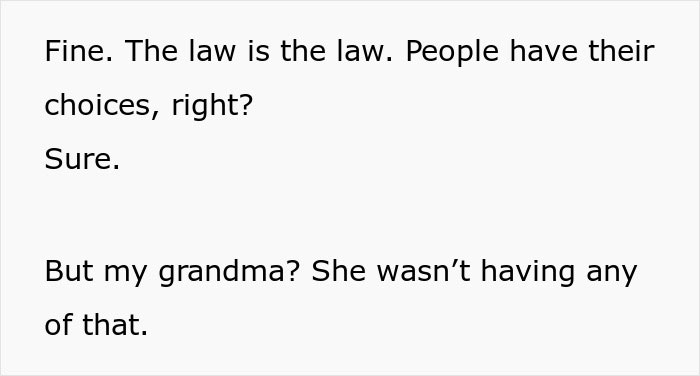
For one woman, however, her grandmother’s story is about much more than nostalgia. It’s a story of courage, determination, and standing up for what she believed was right. The woman shared how her grandmother became an advocate for women’s rights at a time when many people were afraid to speak up. According to the family, she visited more than 400 stores, educating pharmacies about the importance of allowing women to make decisions about their own bodies and futures. Keep reading to discover the remarkable story of a woman who refused to stay silent and left a lasting impact on those around her.
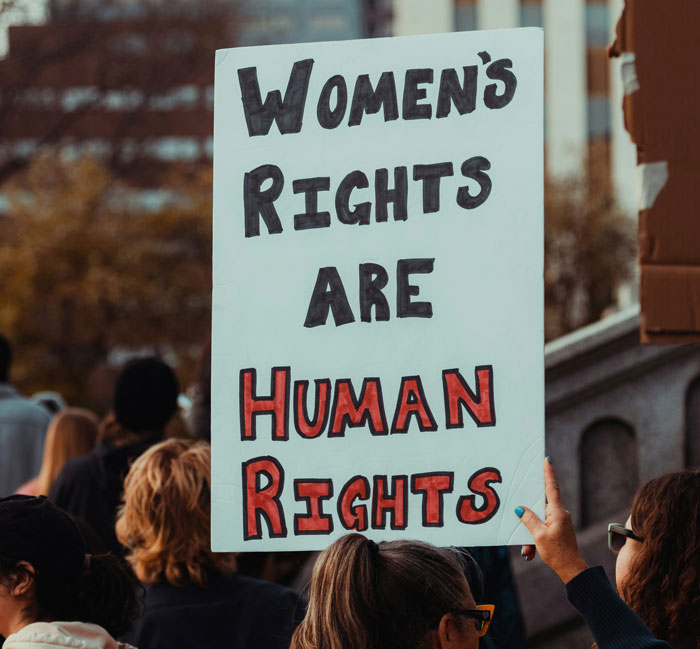
Image credits: Colin Lloyd / Unsplash (not the actual photo)
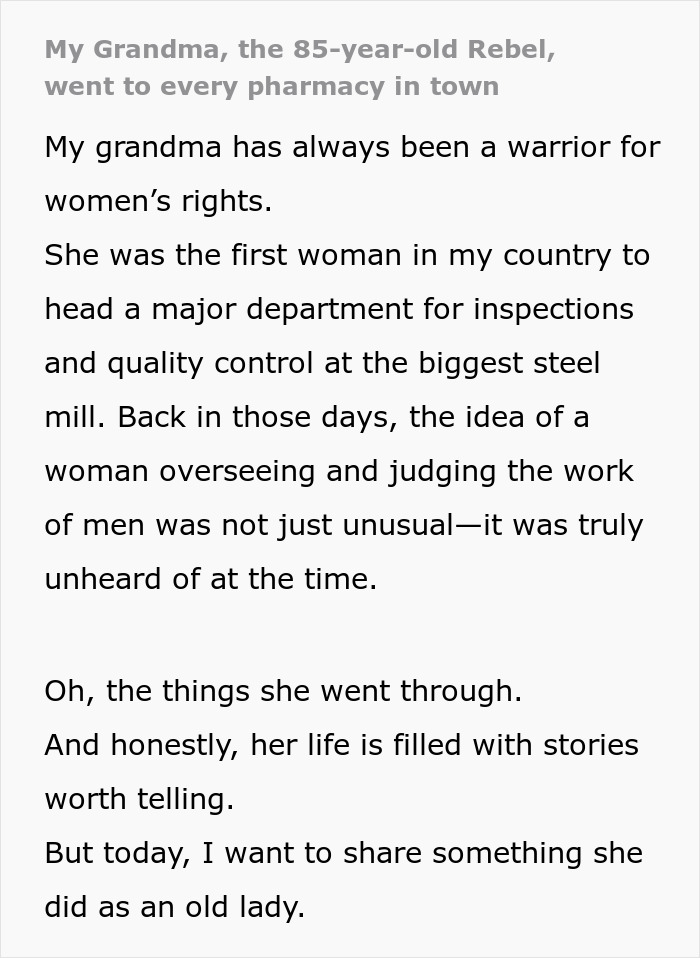
Image credits: aleksandarlittlewolf / Magnific (not the actual photo)
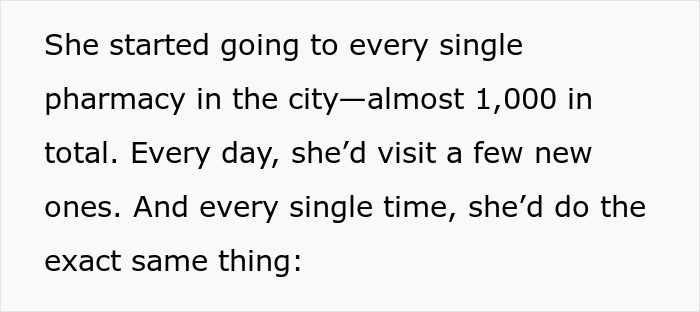
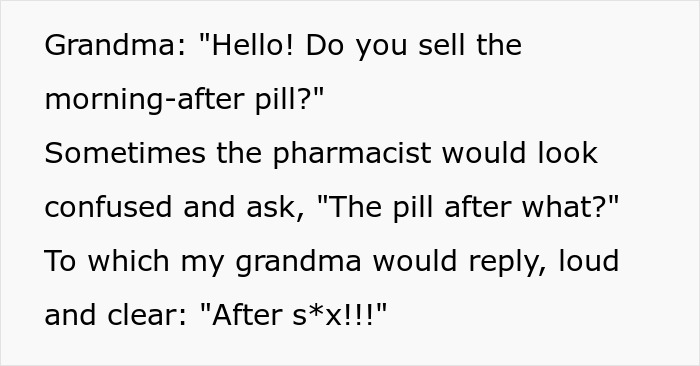

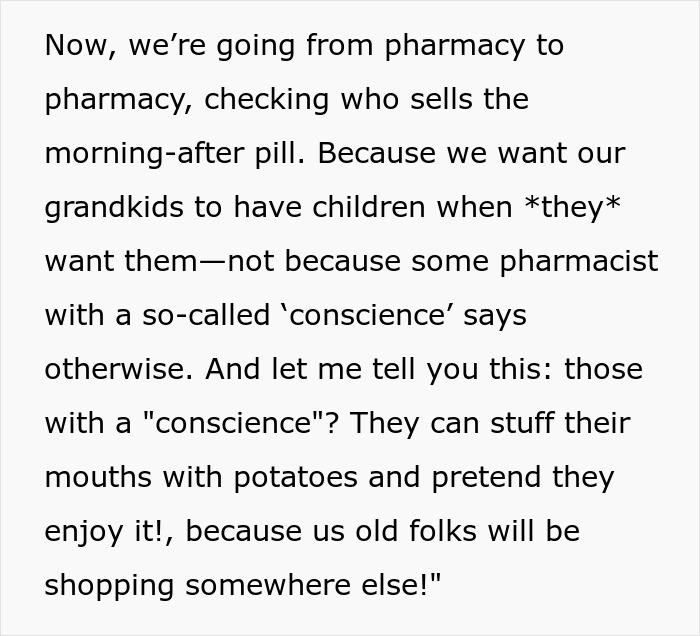
Image credits: halfpoint / Envato (not the actual photo)
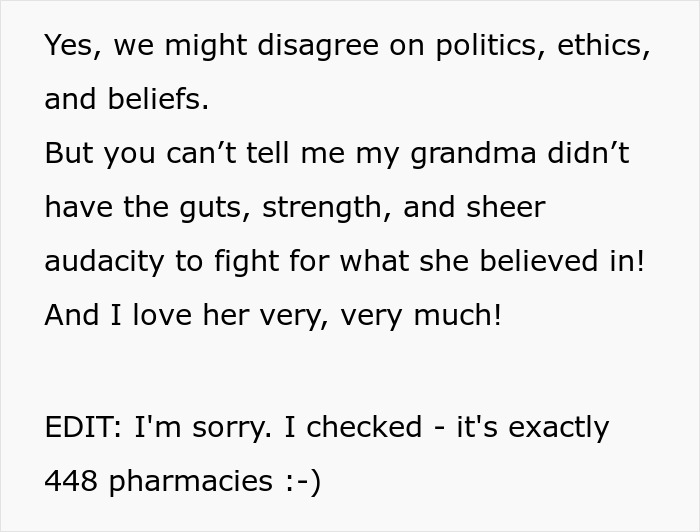
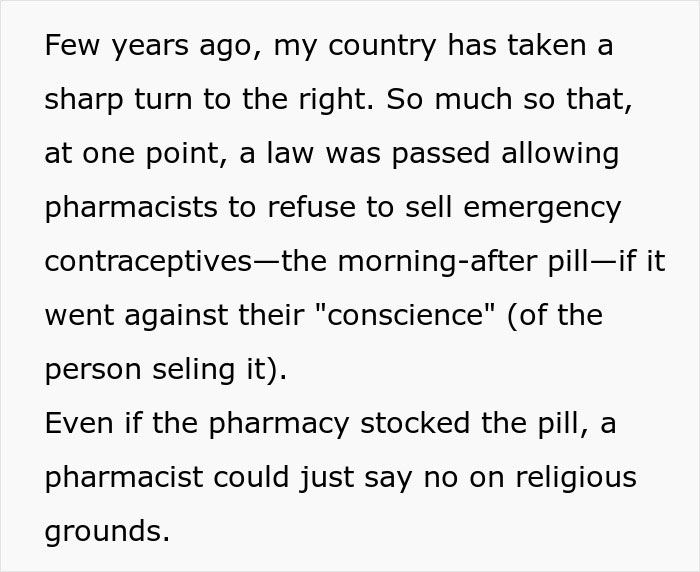
Image credits: Liv_hanna
“Don’t wear that.” “Don’t stay out so late.” “Don’t talk like that.” If you’ve heard some version of these phrases more times than you can count, there’s a good chance you’re a woman. For generations, women around the world have faced rules, expectations, and limitations that often didn’t apply to men. Whether it was restrictions on education, careers, voting rights, clothing choices, or decisions about their own bodies, women have repeatedly had to fight for freedoms many people now take for granted. While tremendous progress has been made over the years, many of these conversations continue today. The history of women’s rights is filled with individuals who challenged social norms and pushed for change. Their efforts helped create opportunities that benefit millions of women today. And as this story shows, some of those advocates made a difference one conversation at a time.
One issue that has sparked debate for decades is access to emergency contraception, often known as the morning-after pill. For many years, obtaining emergency contraception was far more difficult than it is today. Part of the controversy stemmed from widespread confusion between emergency contraception and abortion. In reality, the morning-after pill works by delaying or preventing ovulation and does not terminate an existing pregnancy. However, misconceptions about how it works contributed to significant stigma surrounding its use. Many people incorrectly viewed it through the lens of larger political and moral debates, making open discussions difficult. As a result, some women felt embarrassed or reluctant to seek it out even when they needed it. Misunderstanding often creates barriers, and emergency contraception was no exception. Education has played a key role in helping people better understand its purpose and function.
Beyond misinformation, several other factors have historically limited access to emergency contraception. Religious beliefs, political ideologies, cultural attitudes, and restrictive regulations have all influenced how easily people could obtain it. In some places, women faced age restrictions, prescription requirements, or social judgment when seeking emergency contraception. Yet healthcare experts continue to emphasize that timely access can be incredibly important.
Kelly Cleland, Executive Director of the American Society for Emergency Contraception, highlighted this importance in an interview with The Progressive. She explained, “Any delays in accessing EC can mean the difference between becoming pregnant and preventing pregnancy.” Her statement underscores one of the most important aspects of emergency contraception: timing matters. Unlike many other medications, emergency contraception becomes less effective the longer a person has to wait. Even short delays caused by transportation issues, pharmacy restrictions, or administrative barriers can reduce its effectiveness. This is why many healthcare advocates support making it easily and quickly accessible. When people are already dealing with stress and uncertainty, additional obstacles can make an already difficult situation even harder. Ensuring prompt access allows individuals to make timely healthcare decisions for themselves.
Cleland also emphasized that barriers can be especially difficult for younger people. “This is especially important for teenagers,” she noted. “They are usually already stressed out because they had unprotected intercourse or were assaulted, and having some pharmacist force them to jump through hoops, show an ID, and ask for the pills out loud, makes everything so much worse.” Teenagers often face unique challenges when seeking healthcare, including concerns about privacy, transportation, judgment, and lack of information. For someone already experiencing anxiety or fear, additional scrutiny can discourage them from seeking help altogether. Healthcare professionals and advocates argue that compassionate, accessible care is critical in these situations. Reducing unnecessary barriers can help ensure that people receive support when they need it most.
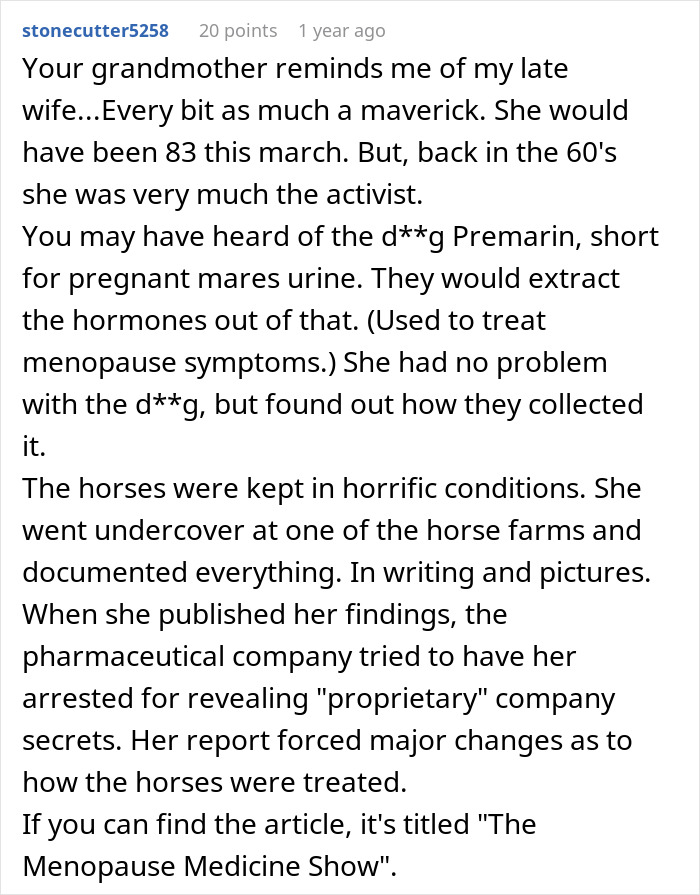
Deborah Evans, a pharmacist with more than 30 years of experience, echoed similar sentiments in an interview with EllaOne. She pointed out that hormonal emergency contraception has been available in the United Kingdom for nearly four decades and has provided an important option for women and people with uteruses. As both a healthcare professional and a mother, she expressed appreciation for having another option available to help people manage their reproductive health. Evans described the introduction of emergency contraception through pharmacies as a landmark moment in women’s healthcare. Easy, walk-in access helped give women more autonomy and control over decisions affecting their own bodies. For many advocates, that accessibility represented a significant step forward in reproductive healthcare.
Today, access to emergency contraception has improved in many countries, although availability still varies depending on local laws and regulations. In some places, it can be purchased directly from pharmacies without a prescription, while other regions continue to impose restrictions. Healthcare experts generally agree that providing accurate information and timely access allows people to make informed decisions about their reproductive health. Increased public awareness has also helped reduce some of the stigma that once surrounded emergency contraception. While debates continue in certain areas, many healthcare organizations view it as an important component of reproductive healthcare. Education, accessibility, and informed choice remain central themes in these discussions. Ultimately, ensuring people understand their options empowers them to make decisions that are best for their own circumstances.
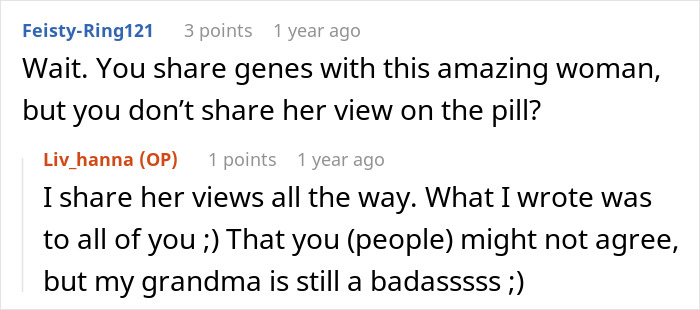
Coming back to this particular story, the 85-year-old woman showed remarkable determination by standing up for a cause she believed in. Regardless of how challenging her views may have been at the time, she was willing to spend time educating others and advocating for what she felt was an important issue. Fighting for greater awareness, access, and personal choice takes courage, especially when facing opposition. Her story serves as a reminder that social change is often driven by people who are willing to speak up and take action. Sometimes, those efforts begin with something as simple as having conversations. What are your thoughts on her story, Pandas? Do you think individual activism can make a meaningful difference in shaping society over time?
















By entering your email and clicking Subscribe, you're agreeing to let us send you customized marketing messages about us and our advertising partners. You are also agreeing to our Privacy Policy.
Thank you! You've successfully subscribed to newsletters!

Yikes. The comment about recording the stories from grandma. I wish I had thought of it 🤦🏻♀️

How does the "morning after" pill go more against someones conscience than abstinence? Both do not stop a pregnancy but just prevent it happening in the first place. If your god is ok with the one, they will be ok with the other.
Besides I dont think gods should have quite THAT much say about s*x and contraception - its human stuff, they should stick with rotating the spheres and keeping time flowing and the likes.
Load More Replies...
oh, the conscience scheisse.. or some other wacky stuff.. welcome to Poland, where certain pharmacies will not sell you certain medications on same grounds or some other superstitions (can't get your ADHD pills here because we don't sell SUCH HORRID stuff, for instance).. but it is a very beneficial act of someone's "conscience" to interfere with how someone cares about their health.. so maybe those "conscience-based" or otherwise preachy-preachy pharmacists should change their hobby and seek other careers, like work in or for a monastery
Yikes. The comment about recording the stories from grandma. I wish I had thought of it 🤦🏻♀️
How does the "morning after" pill go more against someones conscience than abstinence? Both do not stop a pregnancy but just prevent it happening in the first place. If your god is ok with the one, they will be ok with the other.
Besides I dont think gods should have quite THAT much say about s*x and contraception - its human stuff, they should stick with rotating the spheres and keeping time flowing and the likes.
Load More Replies... oh, the conscience scheisse.. or some other wacky stuff.. welcome to Poland, where certain pharmacies will not sell you certain medications on same grounds or some other superstitions (can't get your ADHD pills here because we don't sell SUCH HORRID stuff, for instance).. but it is a very beneficial act of someone's "conscience" to interfere with how someone cares about their health.. so maybe those "conscience-based" or otherwise preachy-preachy pharmacists should change their hobby and seek other careers, like work in or for a monastery
































 No fees, cancel anytime












41
12