Get Premium
Dark mode theme is available exclusively for premium users. Learn more about the benefits of subscribing.
No fees, cancel anytime.

 Dark Mode Ad-Free Browsing Unlimited Content
 Ad-Free Browsing Unlimited Content Dark Mode
Join 1.2 million Panda readers who get the best art, memes, and fun stories every week!
From bootlegging to million-dollar empires, mobsters have always captured the public’s interest and disdain. The household names in the crime underworld don’t just rake in millions; they build dynasties, spread fear, and often become villains. While some take over entire cities, others run global enterprises, but all of them leave behind stories of bloodshed and betrayal. Whether they’re charming masterminds or merciless tyrants, some mob bosses have sparked movies, books, and endless debate. We’ve compiled a list of 5 of the most infamous mob bosses in history who truly ruled organized crime.
This post may include affiliate links.
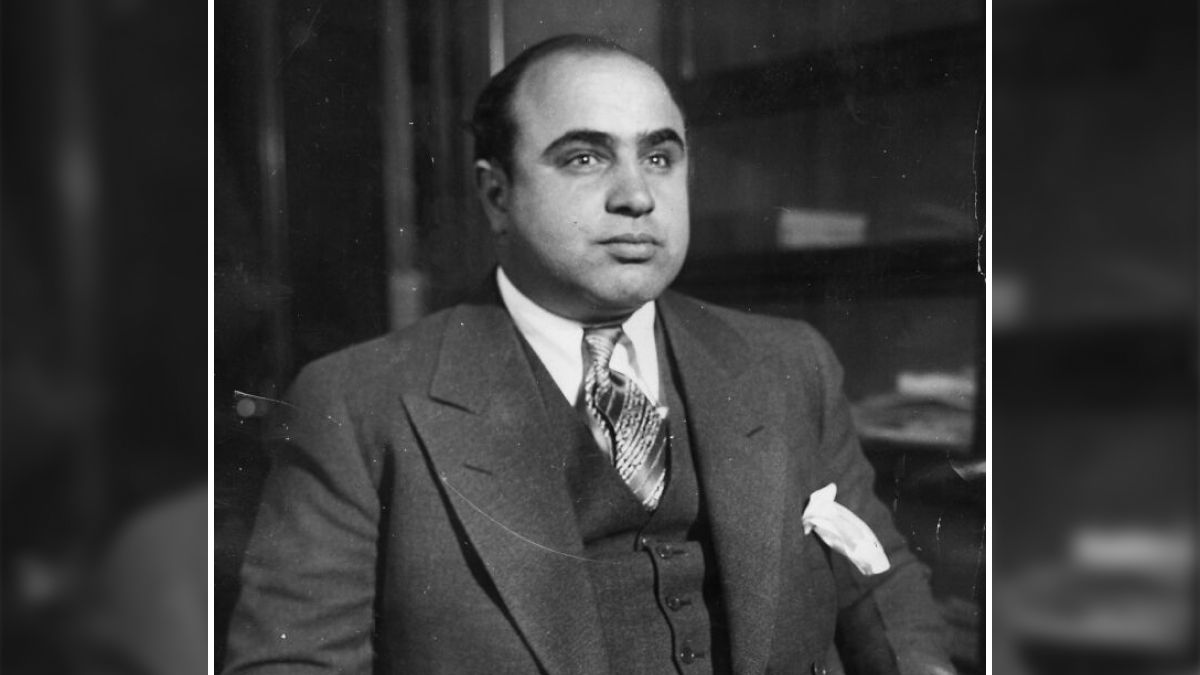
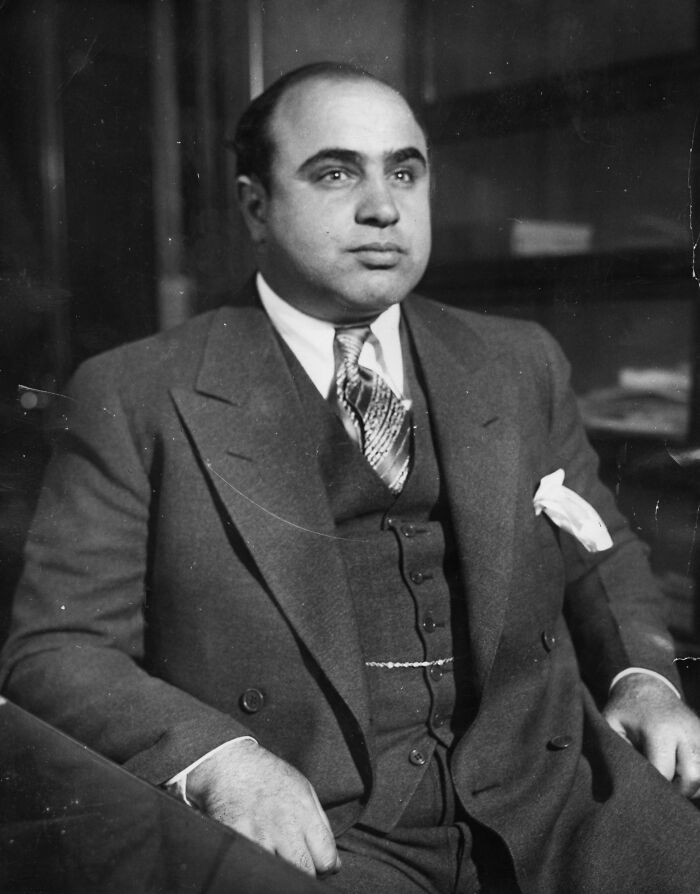
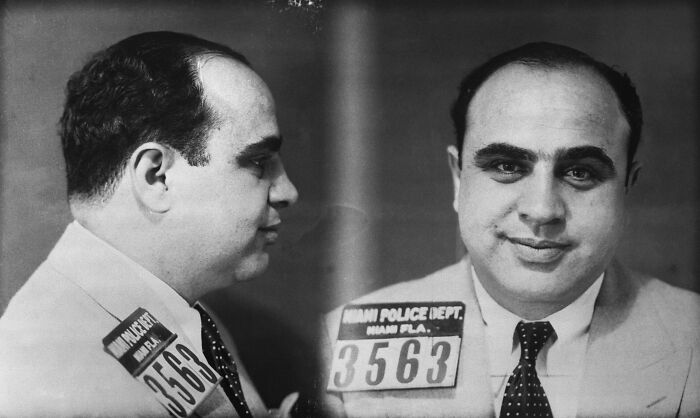
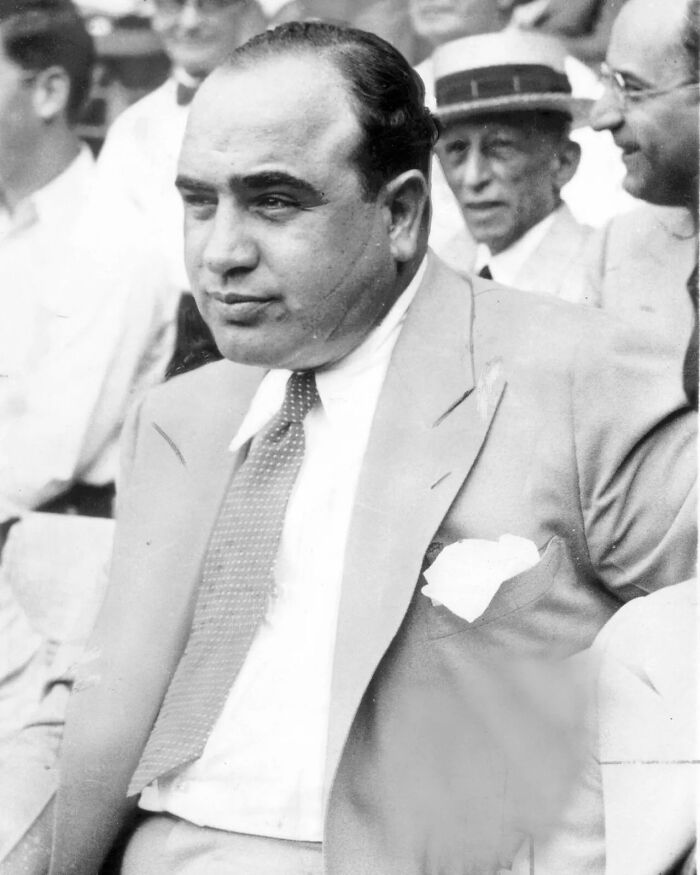
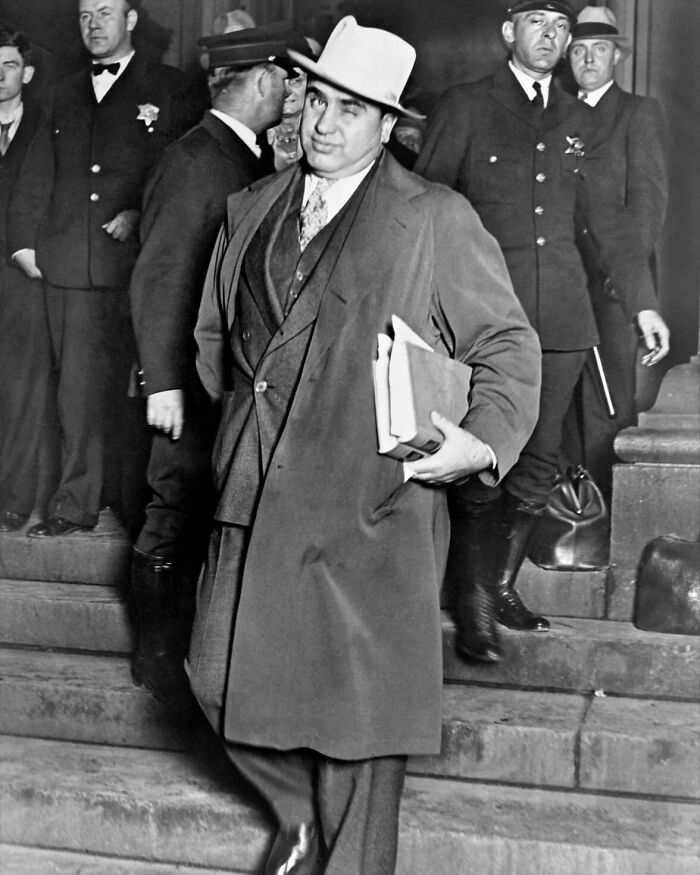
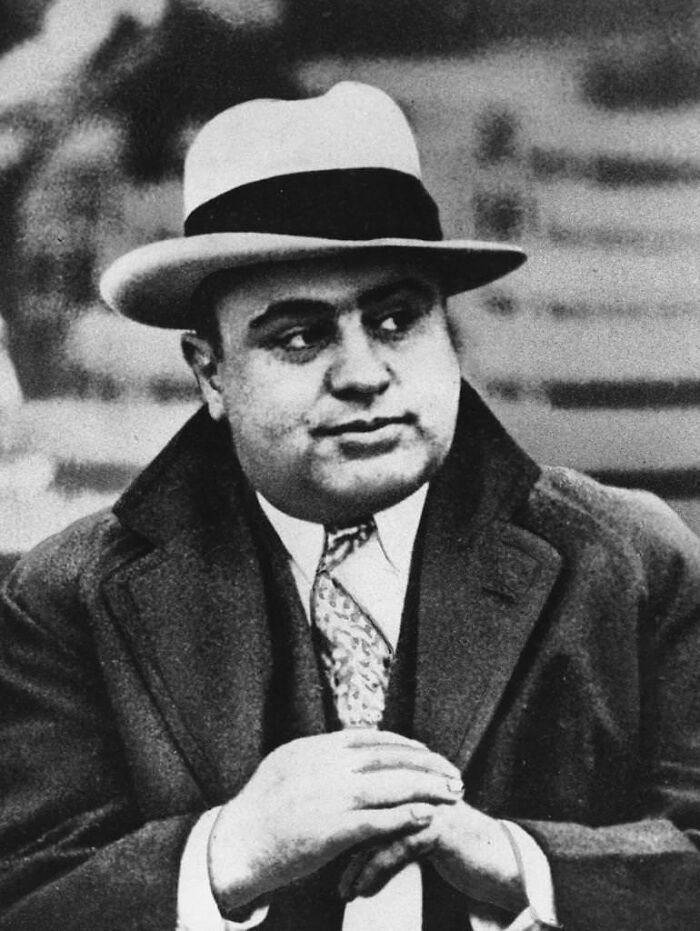
Nicknamed “Scarface”, Al Capone has to be one of the most notorious mob bosses in the world. He grew up in Brooklyn, New York, but in his early twenties, after moving to Chicago, he was pulled into organized crime. It was then that Capone made millions by running illegal operations during the Prohibition era as the boss of the Chicago mob.
By the time he turned 26, Capone ran Chicago’s criminal world, and his mob thrived on violence. From destroying non-compliant establishments to putting out contracts on rivals, he got away with all kinds of intimidation with the protection of dirty cops and politicians. Capone was also responsible for the surge in “gentlemen’s clubs” in the 1920s.
Surprisingly, Capone’s downfall wouldn’t come from his violent reputation, but from his flashy lifestyle instead. Despite his attempts to offset his crimes with generous charitable donations, the federal government eventually nabbed him for tax evasion, amounting to a whopping $215,000 (about $4.5 million today) in 1931, leading to an 11-year prison sentence.
After serving seven years of his sentence, Capone was paroled in 1939 due to untreated neurosyphilis, which was badly deteriorating his health. Following his release, he was treated at Baltimore's Union Memorial Hospital until his discharge in 1940. By then, Capone’s hold on Chicago and status as mob boss were long gone, and he spent his days out of the spotlight in Palm Island with his family.
While in Palm Island, Capone’s health took a turn for the worse, and in 1946, his physician confirmed that his mental capabilities had deteriorated to those of a 12-year-old. Sadly, just a year later, his heart failed due to a stroke, and this would prove fatal. Capone’s passing ultimately marked the end of an infamous era in America’s criminal world.
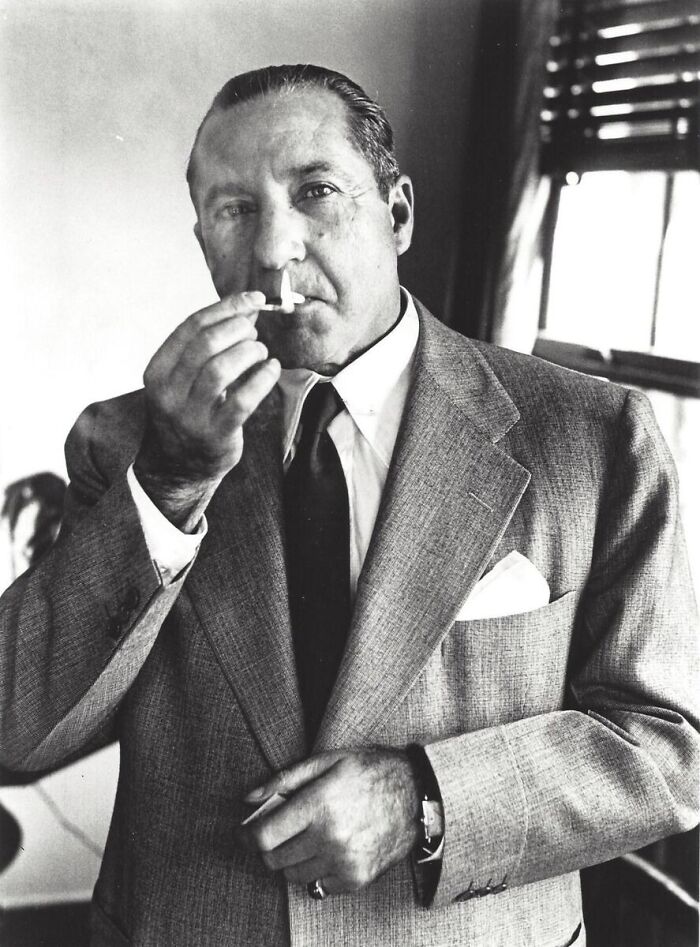
Dubbed “The Prime Minister of the Underworld," Frank Costello used connections and influence to gain power, rather than use violence. He was born in Italy, but grew up in New York City, getting involved with street gangs early on in his teens. This gang involvement eventually escalated into Costello’s involvement in organized crime.
After Costello became close friends with Lucky Luciano, leader of Manhattan's Lower East Side gang, the pair later went on to modernize the Mafia organization in America. Costello made most of his millions through bootlegging and gambling during Prohibition, and unlike other mobsters, he preferred bribery to bloodshed as a means to get ahead. It was this strategy that gave him a strong hold over police departments and even politics.
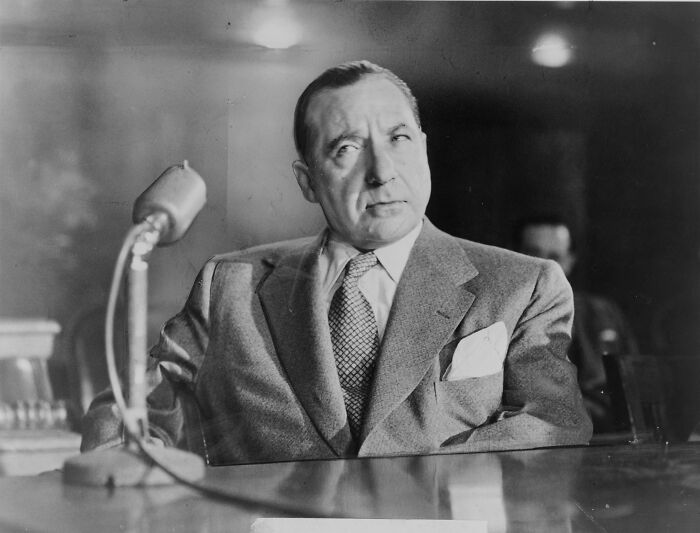
Costello certainly earned his reputation as one of the most powerful mob bosses of his time, partly due to his calm and professional demeanor. Sadly, this demeanor wouldn’t save him from public scrutiny during the Kefauver Hearings on organized crime, when he refused to cooperate with the Senate. Similar to Capone, tax evasion would soon land Costello a five-year prison sentence.
In 1957, a year after Costello appealed his conviction and was released on bail, rival mob boss Vito Genovese tried to overthrow him and even take his life. While he survived this attempt on his life, it would scare him enough to relinquish control to Genovese and retire from the underworld.
Even though Costello took a step back from the mob life, he maintained his influence behind the scenes and continued beneficial relationships with powerful individuals. This kept him wealthy till his passing due to a heart attack in 1973, and strengthened his reputation as “The Prime Minister of the Underworld," who chose connections over violence.
Known as the king of drug trafficking, Pablo Escobar became one of the most infamous drug lords in the world. He was born in Rionegro, Colombia, but grew up in Medellín. It was here that Escobar got into gang life and violent crimes before joining the drug trade in the ‘70s.
Escobar’s cartel, known as the Medellín Cartel, ruled the drug trade worldwide as the largest supplier of an infamous illegal substance. Because of the high demand, he became one of the wealthiest individuals on the planet, raking in millions of dollars each year. Most politicians, and even law enforcement, feared his “plata o plomo” approach, meaning “silver or lead,” which he used to force them into accepting bribes.
The Medellín Cartel was a law unto itself, wreaking havoc across Colombia and terrorizing anyone who refused to comply. Despite his notoriety, his generosity towards the community in terms of providing housing, schools, and even sports fields garnered their admiration. Support for him was so strong that he managed to campaign and was eventually elected as a member of Colombia’s Congress.
Escobar’s criminal ties soon caught up with him in Congress, with pressure from the Minister of Justice leading to his removal from office. By 1985, Escobar was wanted and faced serious charges that could get him extradited to the U.S., and to fight this, he founded the Los Extraditables Organization. Only after this organization caused over 100 fatalities did the Colombian government offer Escobar a deal to serve out a reduced sentence at the luxurious self-built prison called La Catedra.
After the government planned to move Escobar to a regular prison in 1992, he escaped and spent 16 months evading the police. This was until December 2, 1993, when his life was ended during an intense police chase. Although Escobar’s passing marked the end of the Medellín Cartel, his reputation as one of the most powerful mob bosses lives on.
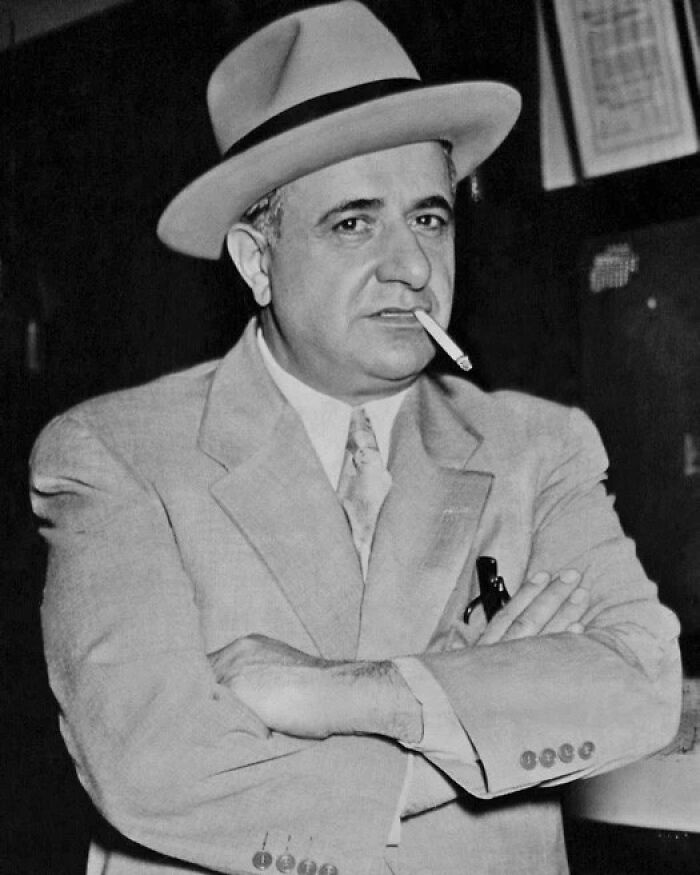
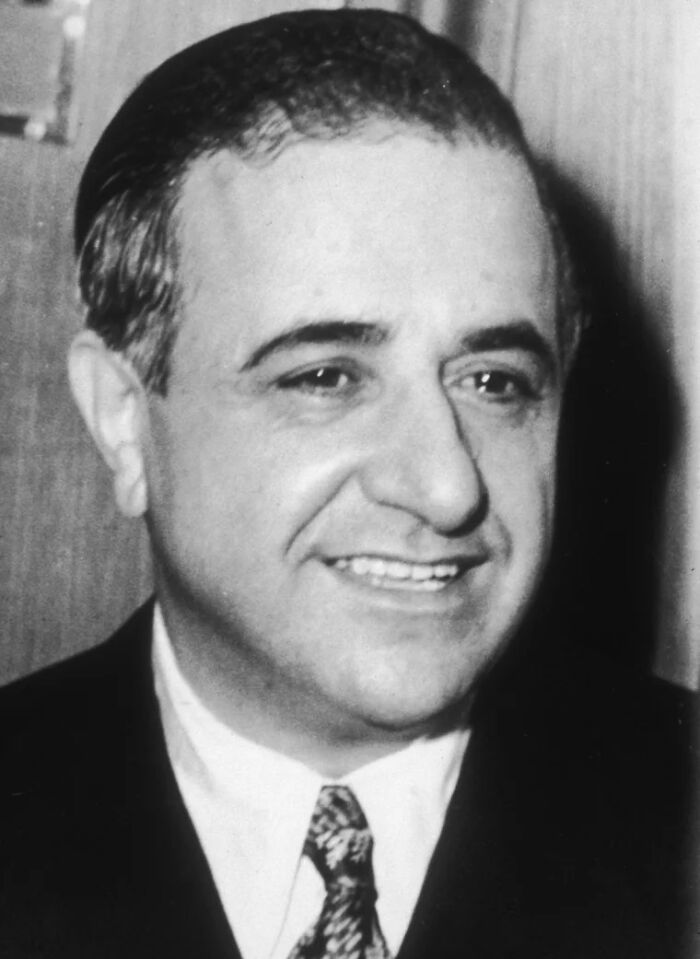
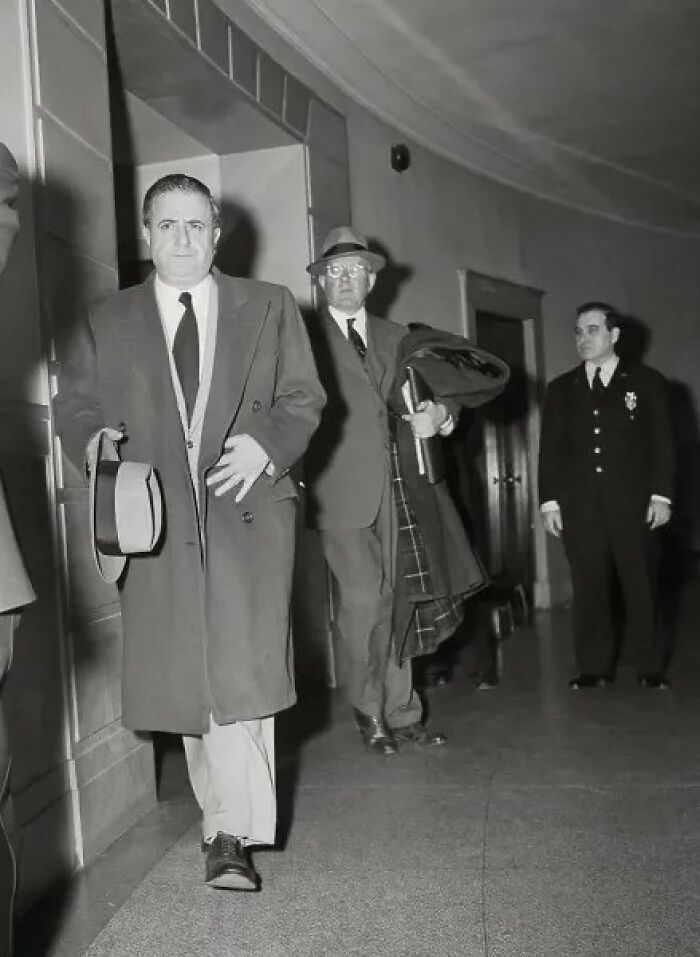
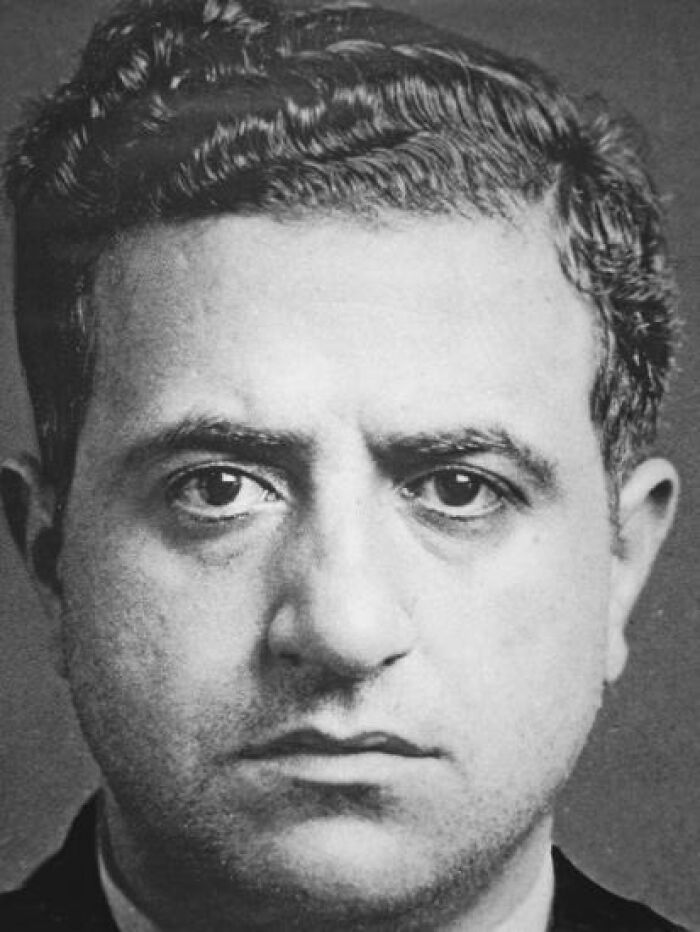
Known for his ruthless and menacing nature, Albert Anastasia earned his reputation as one of the most terrifying mob bosses in history. Born in Italy in 1902, he immigrated to New York City as a teen and worked illegally as a longshoreman. It wasn’t long until he committed violent crimes and got involved in the underworld.
As a founding member of the infamous enforcement group Murder, Inc., Anastasia gained notoriety for the hundreds of contracts he put out on people in the 1930s to the 1940s. With the likes of Lucky Luciano, Frank Costello, and Vito Genovese as close associates, Anastasia quickly became an influential figure in the crime underworld.
Earning the nicknames “The Earthquake,” “The One-Man Army,” and “Mad Hatter,” Anastasia eventually took charge of the Mangano family. With his merciless temper, he refused to stay behind the scenes like most mobsters, preferring a hands-on approach that involved using force to get things done.
Despite his hair-raising reputation, Anastasia's love for violence made him fall out of favor with many within the Mafia. Labelling him a wildcard and accusing him of violating Mafia codes, Vito Genovese turned Anastasia’s allies against him in an attempt to gain control of his family. It was this same conspiracy that also led to Genovese taking control of Costello’s family.
In 1957, Anastasia lost his life while sitting in his barber’s chair in Manhattan, ending his reign as head of the Anastasia family. After his passing, Carlo Gambino took control of his family, effectively renaming it the Gambino crime family, marking the start of a new era for the underworld in New York City.
Dubbed the father of modern organized crime, “Lucky” Luciano was the first official boss of the Genovese family and the founder of the Commission (a governing body that divided mob territories). He was born in Sicily in 1897, but spent his childhood in New York City. At just 14 years old, Luciano started his own gang and later got involved in organized crime during Prohibition.
To Luciano, organized crime was a business, which is why he created The Commission to avoid conflict and put a stop to the messy power struggles within the underworld. While working closely with other mob bosses like Costello, Luciano also formed partnerships with Jewish and Irish syndicates, breaking ethnic barriers within organized crime groups.
Despite trying to stay out of trouble, Luciano still made it onto law enforcement’s radar. In 1936, the prosecution finally convicted him of organizing illegal ‘adult services’. For this, he was given a 30-50-year prison sentence. Luciano continued to run his family from behind bars, often relaying orders through his acting boss, Genovese.
During World War II, after serving just 10 years of his sentence, Luciano made a deal with the U.S. government to provide intelligence and safeguard New York’s docks. As part of the deal, he was to be deported to Italy, never to return to America. As a result, Luciano eventually settled in Naples and continued his work from there.
Luciano maintained his influence on operations even though he was miles away from New York City. Although he successfully settled in Naples, he was still under strict police supervision. Sadly, in 1962, while traveling to meet with an American Producer who was making a film of his life, Luciano suffered a fatal heart attack at the Naples airport. Even after his passing, he’s still known as the man who transformed the underworld into a global criminal organization.




















 No fees, cancel anytime