Get Premium
Dark mode theme is available exclusively for premium users. Learn more about the benefits of subscribing.
No fees, cancel anytime.

 Dark Mode Ad-Free Browsing Unlimited Content
 Ad-Free Browsing Unlimited Content Dark Mode
Join 1.2 million Panda readers who get the best art, memes, and fun stories every week!
Generosity is a wonderful thing. But when boundaries aren’t clearly defined, people often start viewing extraordinary favors as basic rights.
One woman learned this lesson the hard way while planning a dream family getaway to Europe.
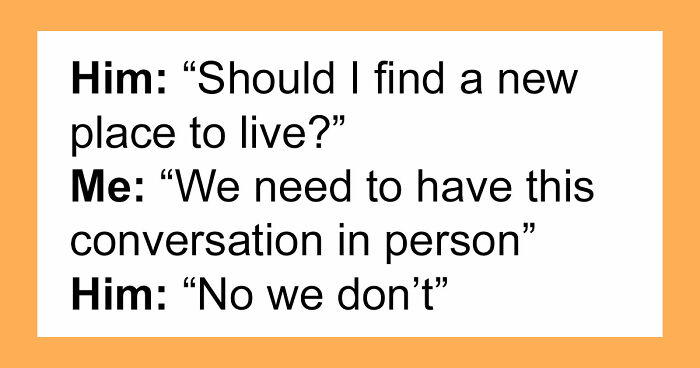
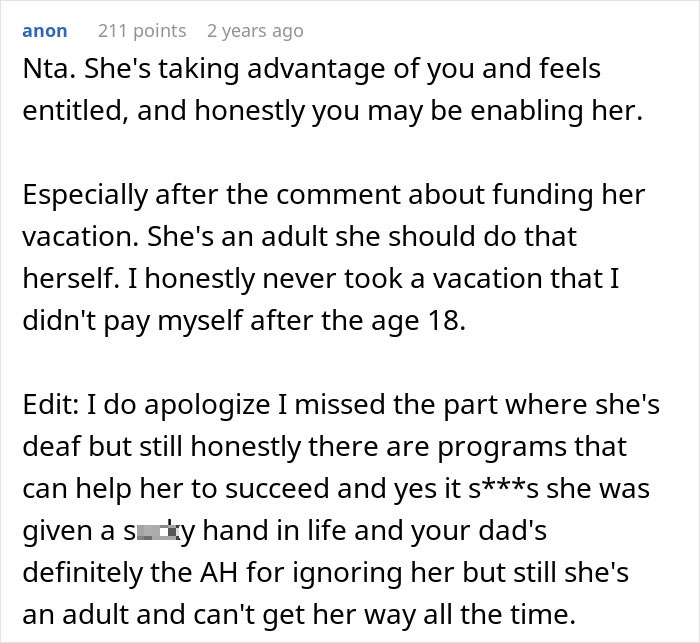
Sharing her story online, she said it all began when her adult sister assumed she would get a free ride to Europe. The sister even threw a tantrum when she realized the family was taking their nanny instead.
The real crisis, however, hit after they arrived. Below is the full story of the drama that unfolded and why the woman was forced to make some tough calls.
Image credits: Kampus Production / Pexels (not the actual photo)
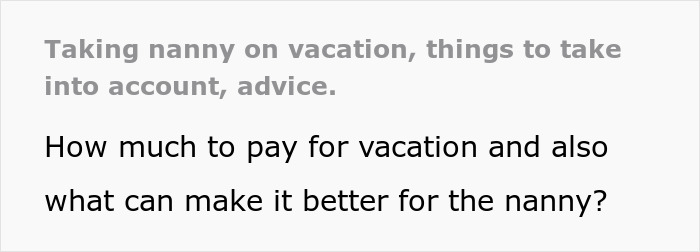
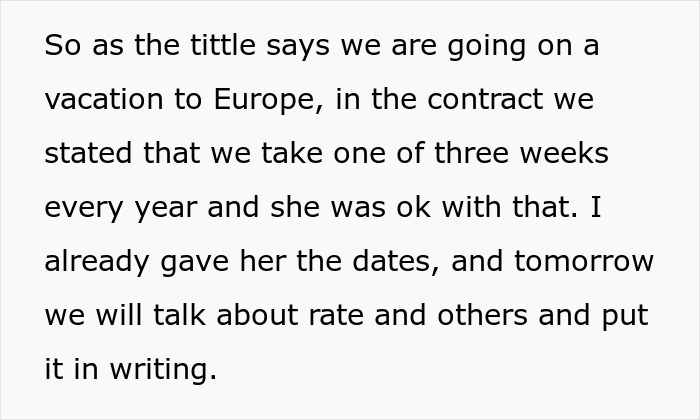
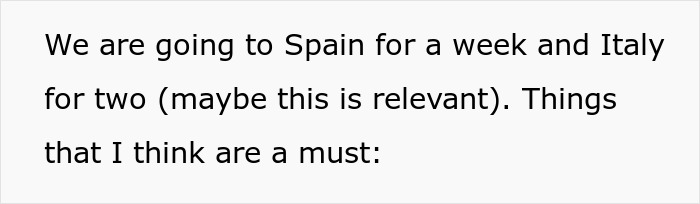
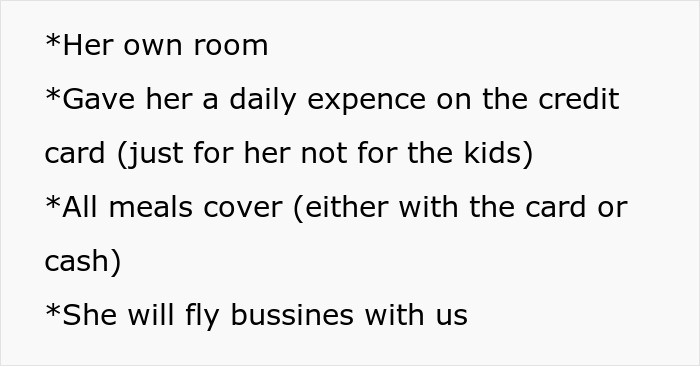
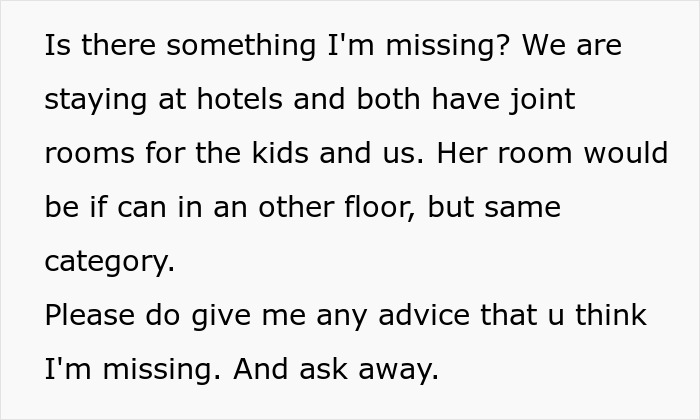
Image credits: Agung Pandit Wiguna / Pexels (not the actual photo)
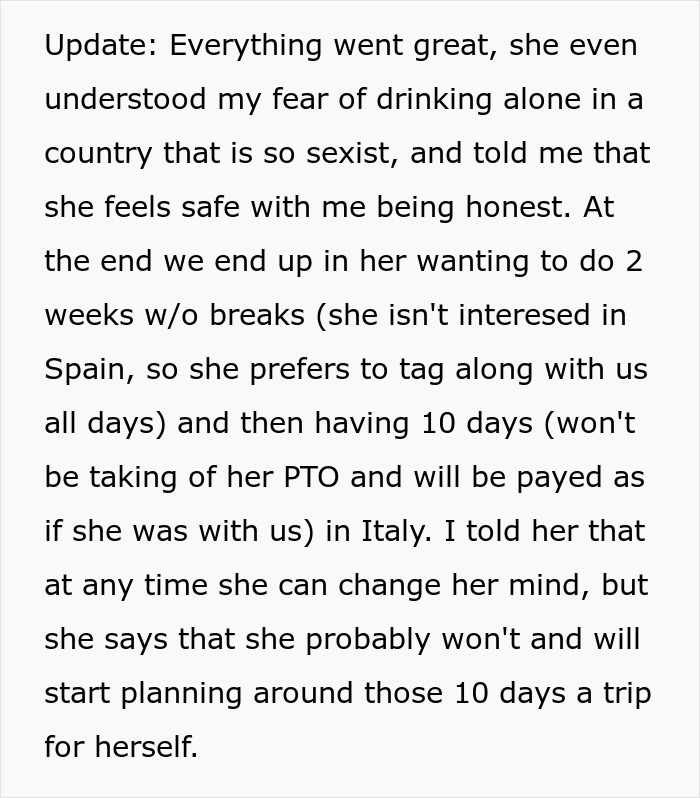
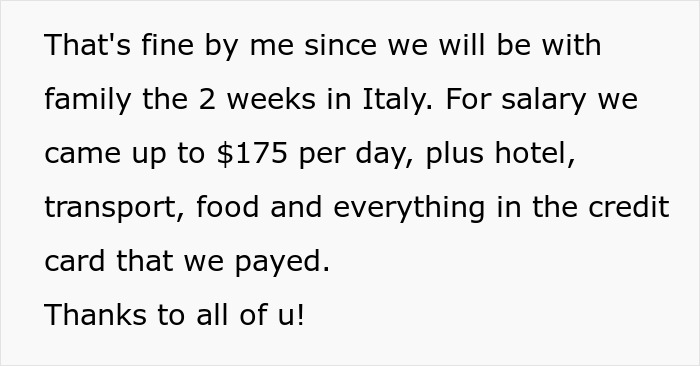
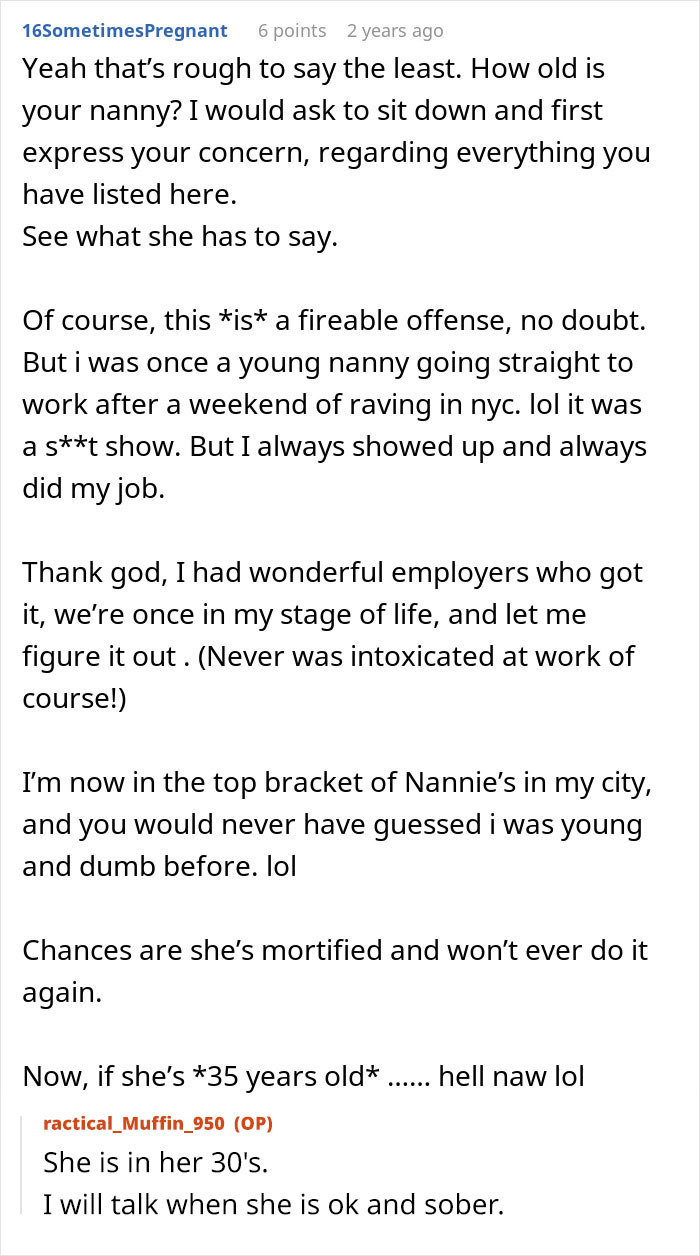
Image credits: ractical_Muffin_950
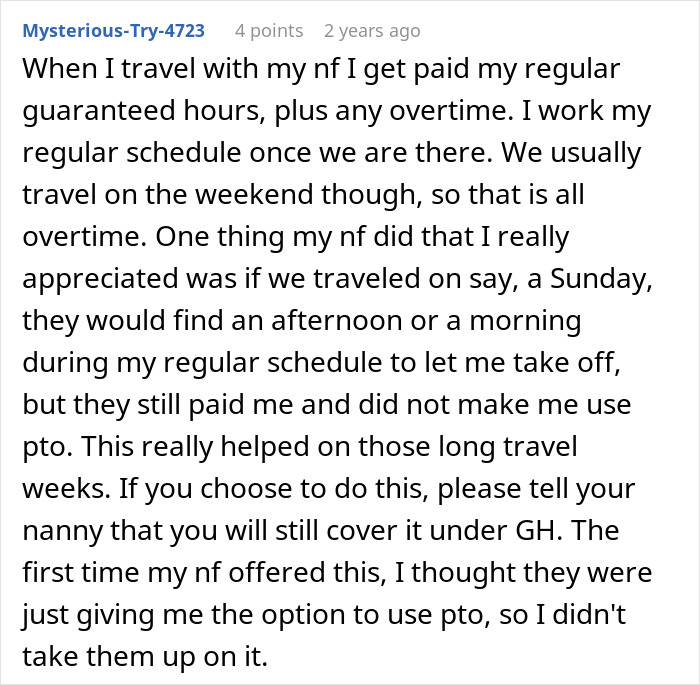
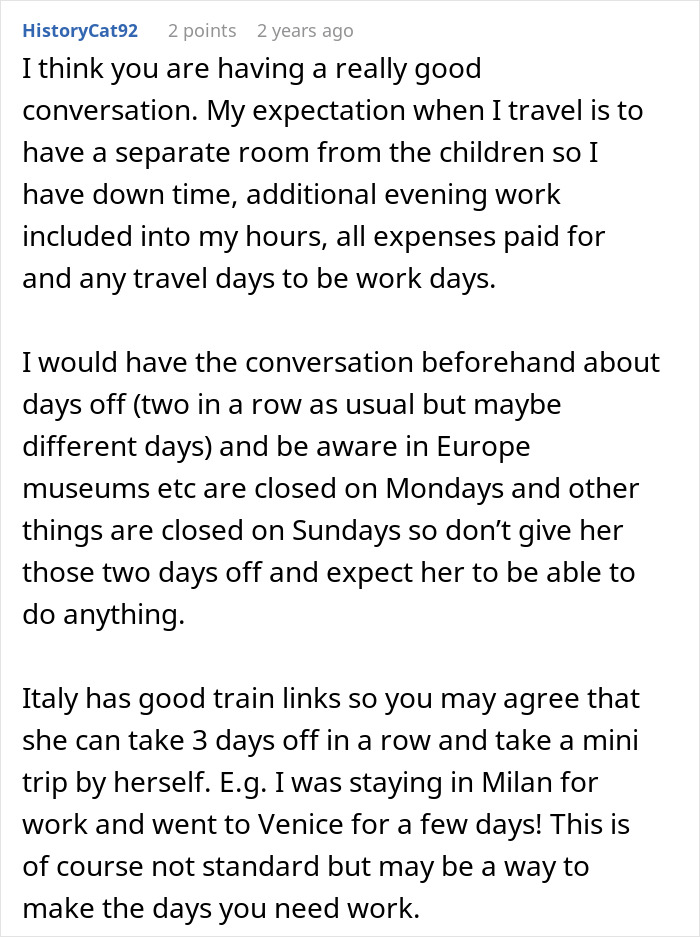
Image credits: Andrea Piacquadio / Pexels (not the actual photo)
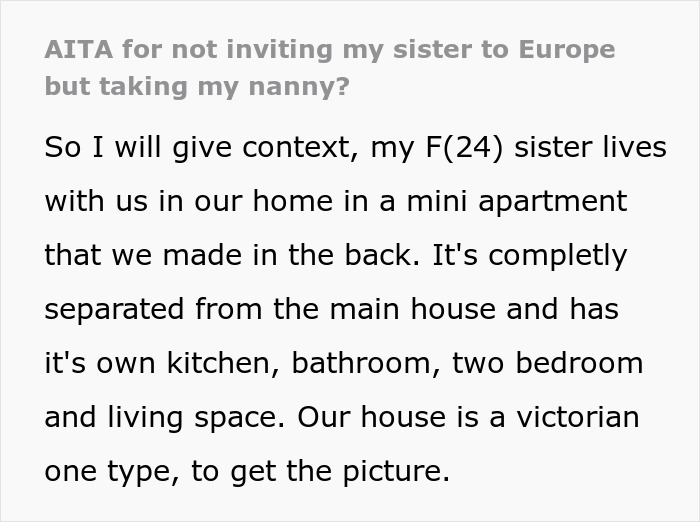
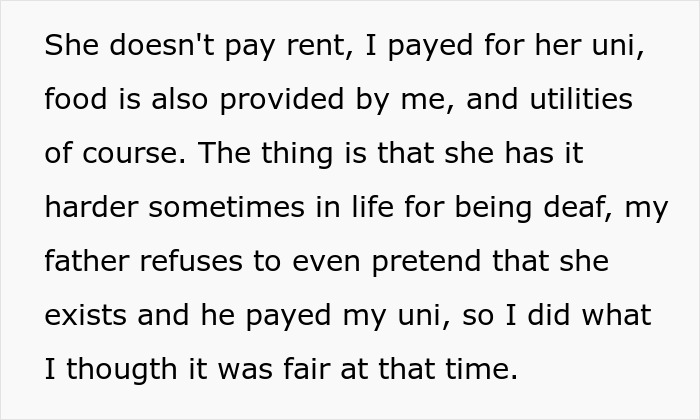
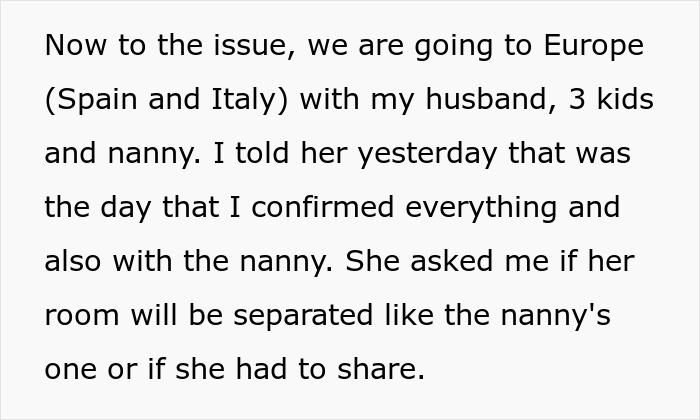
Image credits: Vitaly Gariev / Pexels (not the actual photo)
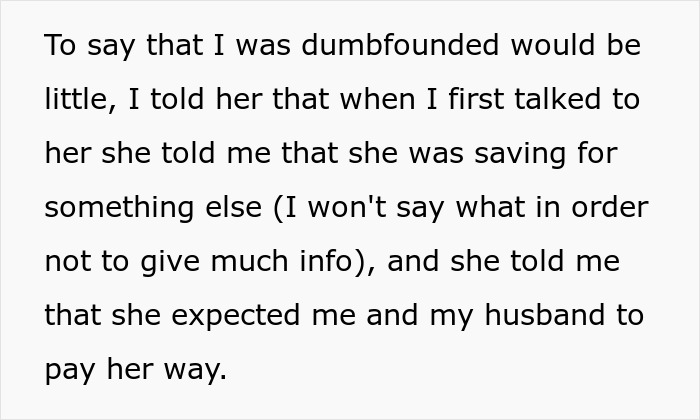
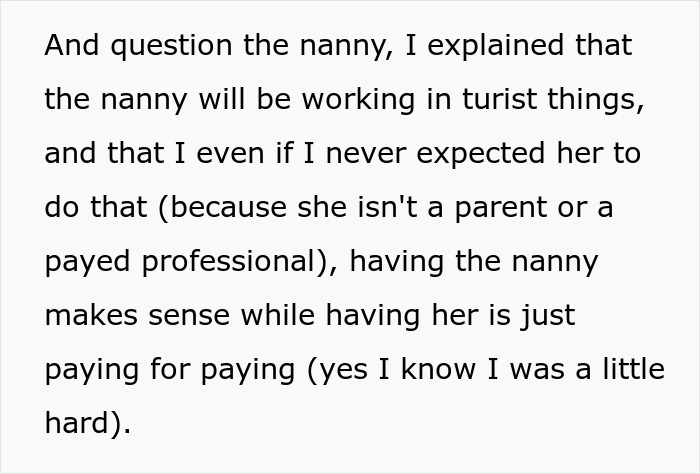
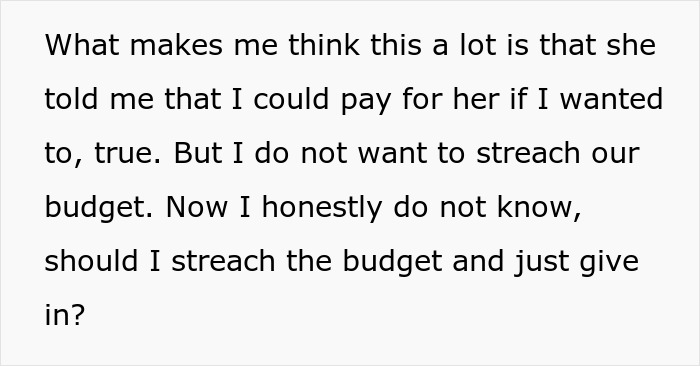
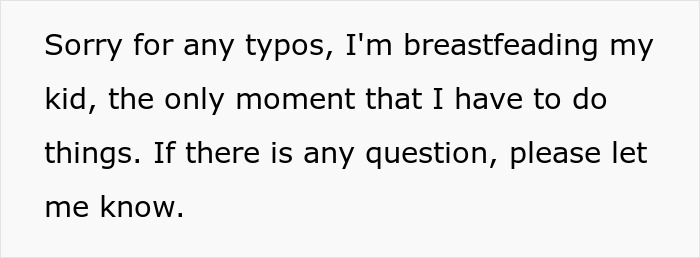
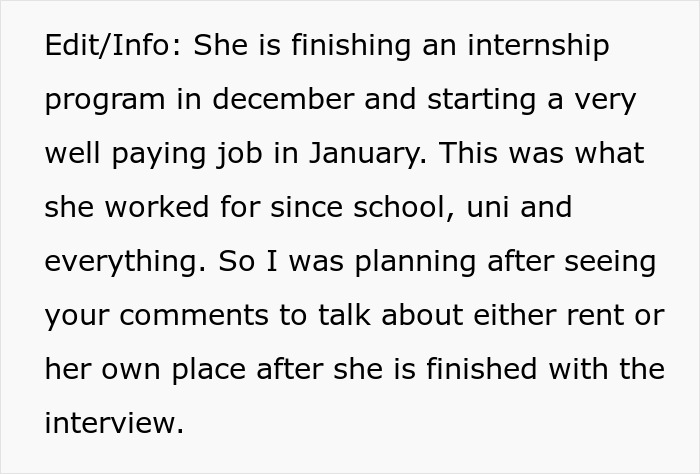
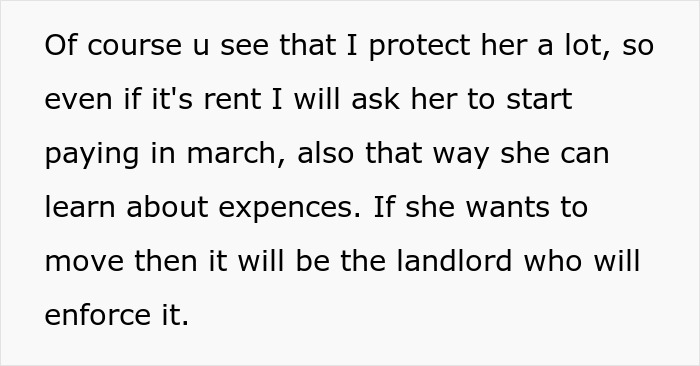
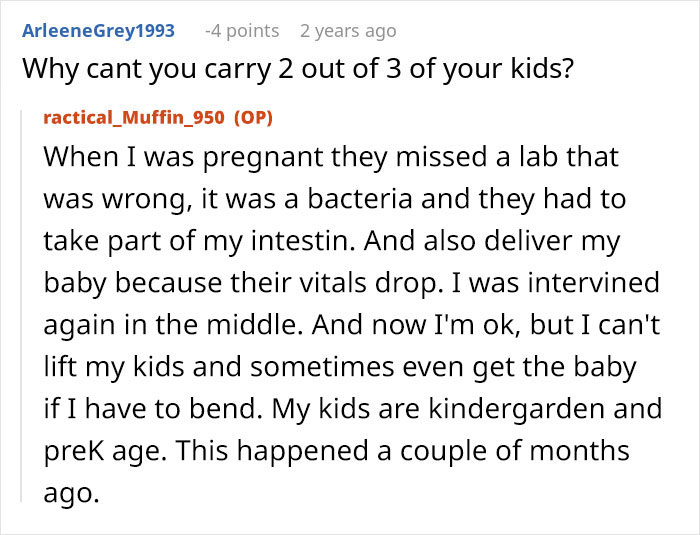
Image credits: ractical_Muffin_950
Few things drain your energy faster than dealing with someone who thinks the universe is in their debt. We see it all the time: people who feel deeply wronged the moment they aren’t handed the best seats, the free rides, or the unearned passes.
This is self-entitlement in action. It is a belief that one’s own desires automatically take priority over everyone else’s resources, time, and boundaries.
However, entitlement doesn’t always come from a place of pure selfishness or greed.
Studies show it can stem from blurred boundaries, emotional insecurities, or a history of over-protection.
“Although they may come across as having a bold personality or a great sense of self-confidence, many people with a sense of entitlement can experience personal insecurities. The attention-seeking behavior they may exhibit can also isolate them from loved ones in their lives, which can lead to further distress,” says counselor Laura Angers Maddox.
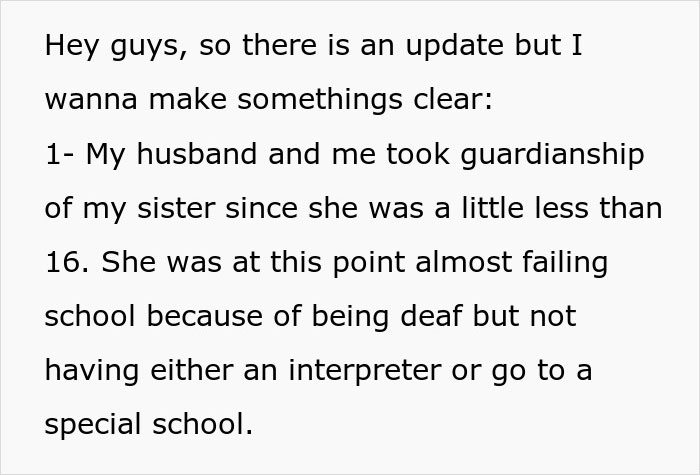
Because the author stepped into a parental role during her teenage years, the younger sister might not have developed a clear understanding of financial independence, or sibling boundaries.
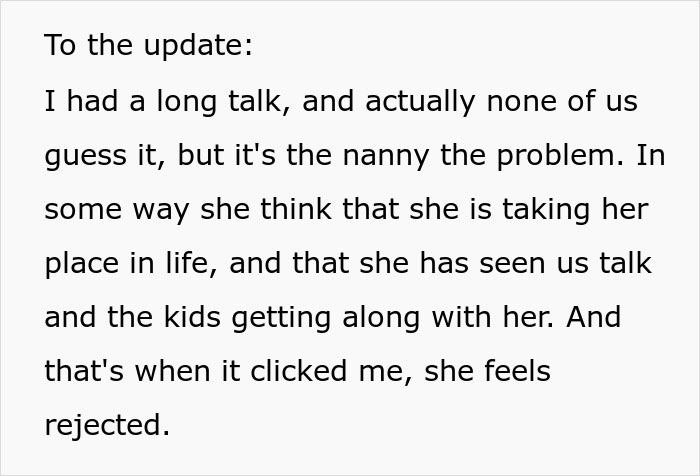
Seeing their nanny get a seat on the plane also triggered a deep fear of displacement, leaving her feeling “rejected.”
Anxiety and low self-esteem can also drive someone to act entitled. When people feel inadequate or are terrified of losing control, entitlement becomes an armor. It is a way to shield themselves from their deepest insecurities.
Image credits: kaboompics / Pexels (not the actual photo)
When someone is truly entitled, they hold everyone around them to impossibly high standards and get angry the moment people fail to deliver.
Studies show that entitled people often stay hyper-focused on what they feel they are still owed. They also fail to appreciate what they already have, and their attention is always fixed on what is missing rather than what is right in front of them.
Experts suggest using gratitude to break this cycle of dissatisfaction.
Psychologist Dr. Abby Medcalf believes that people should have open conversations with those around them, instead of relying on assumptions.
“Clear communication beats assumptions every time because unspoken expectations are the breeding ground for resentment. You want to replace vague assumptions with clear, collaborative agreements,” she adds.
She also suggests working on self-esteem by celebrating small wins and finding joy in every-day accomplishments. “This means you need to cultivate internal validation. Entitlement can arise when we seek external validation for our worth. Learning to affirm yourself reduces dependency on others to fulfill unrealistic expectations.”

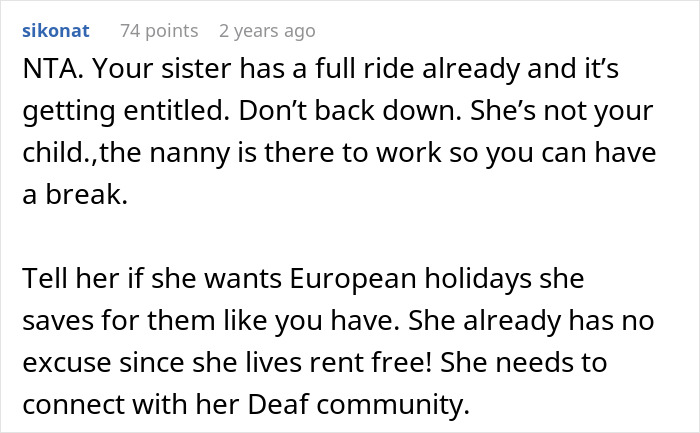
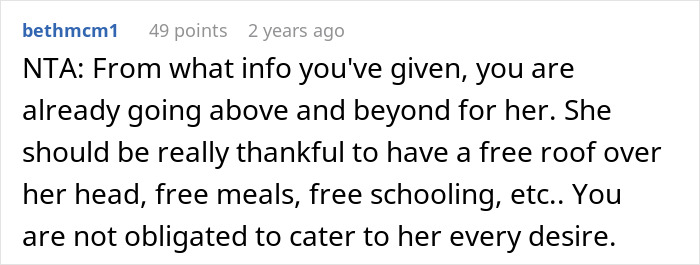
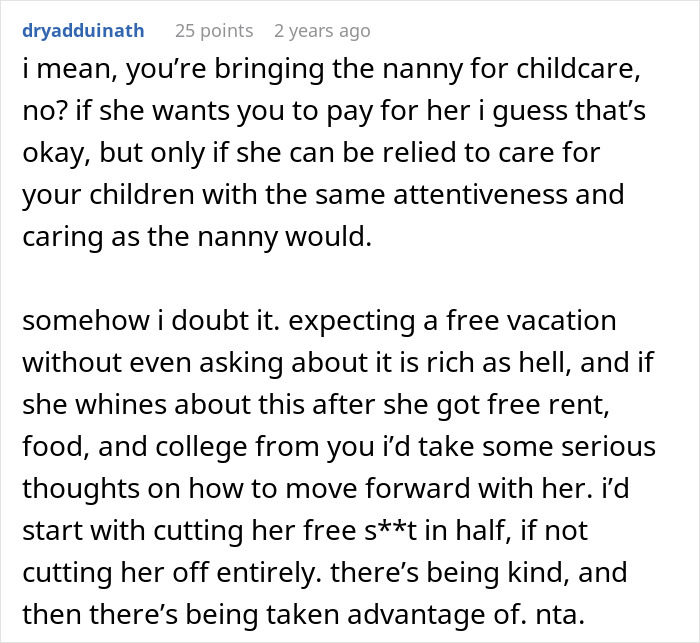

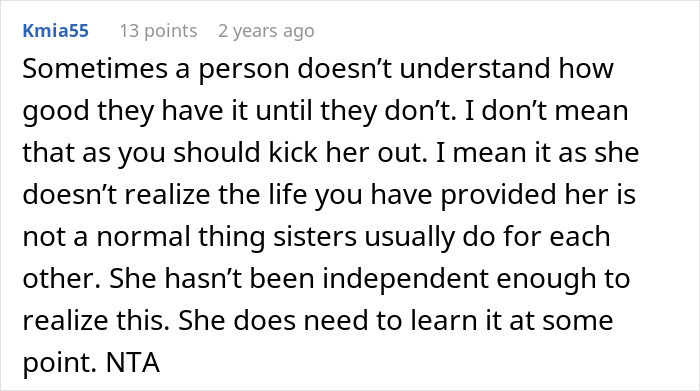
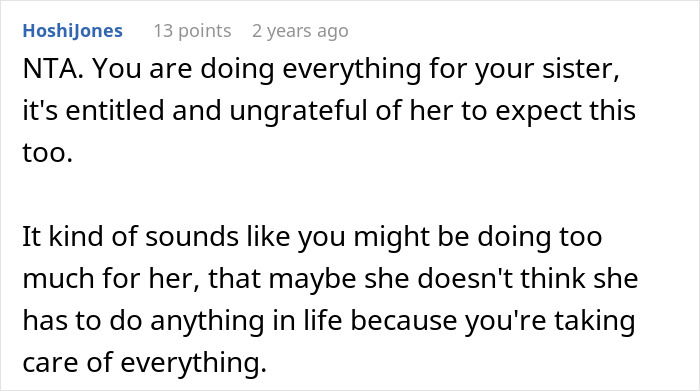
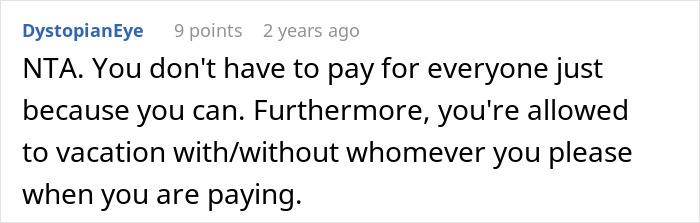
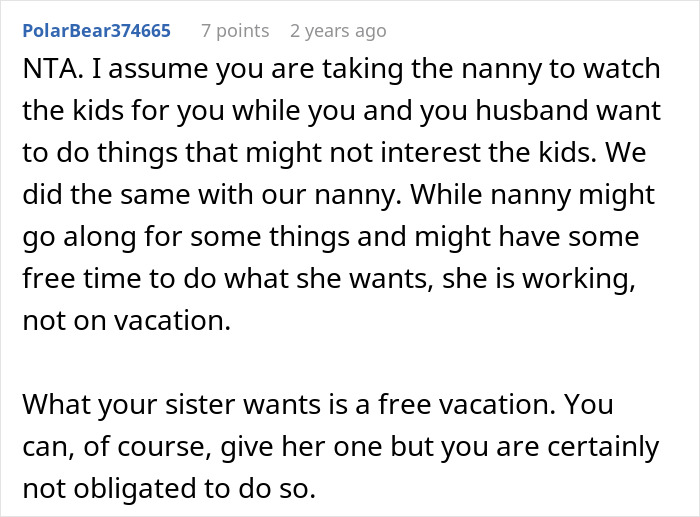
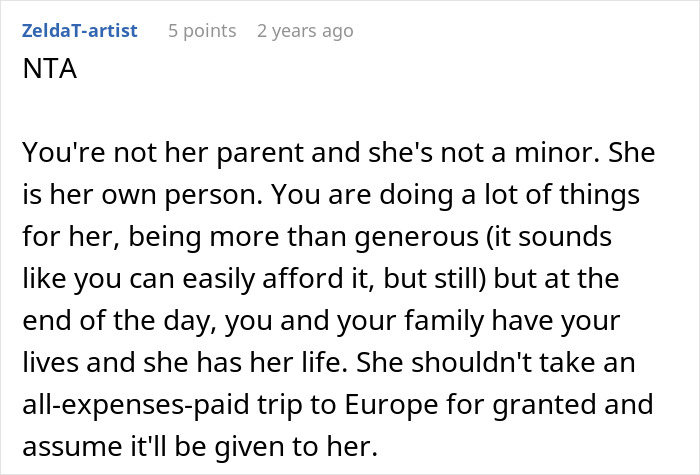
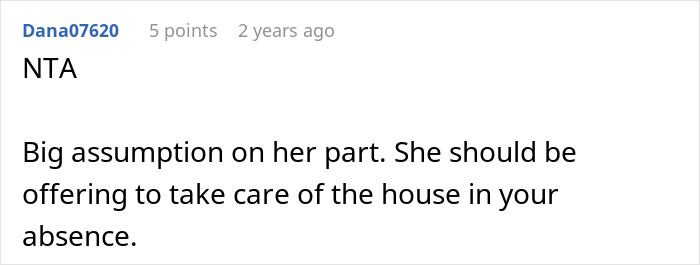


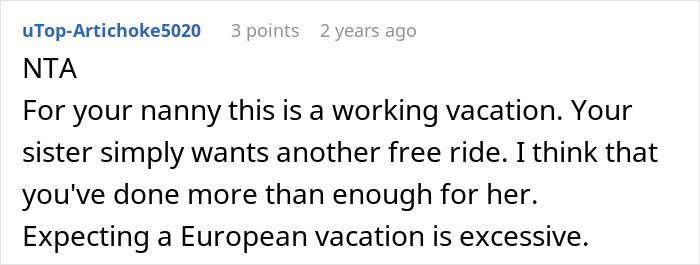

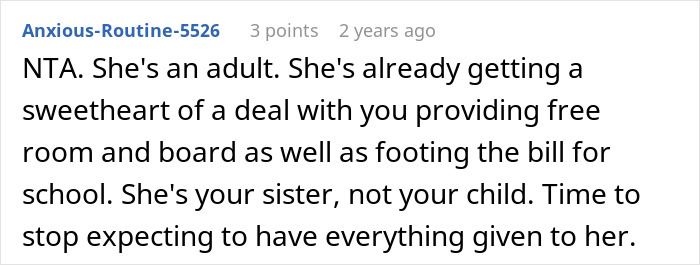
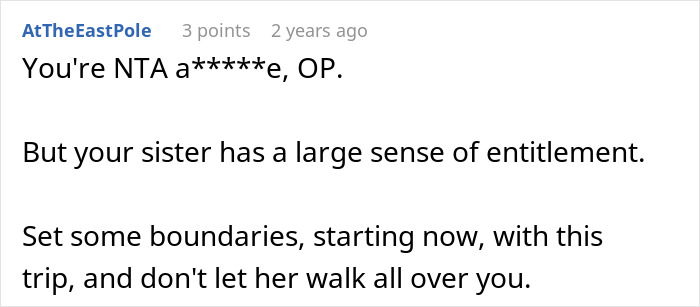
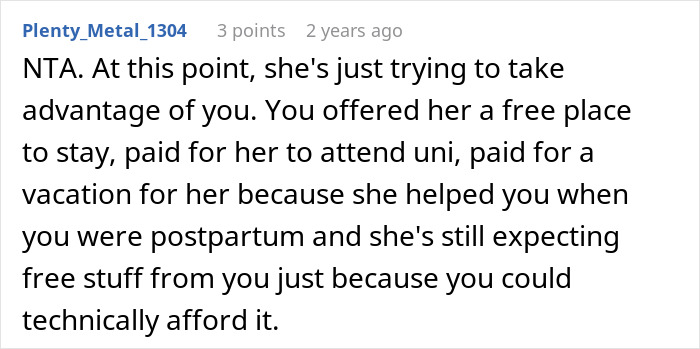
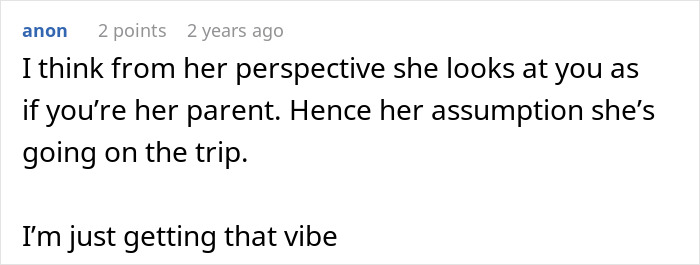
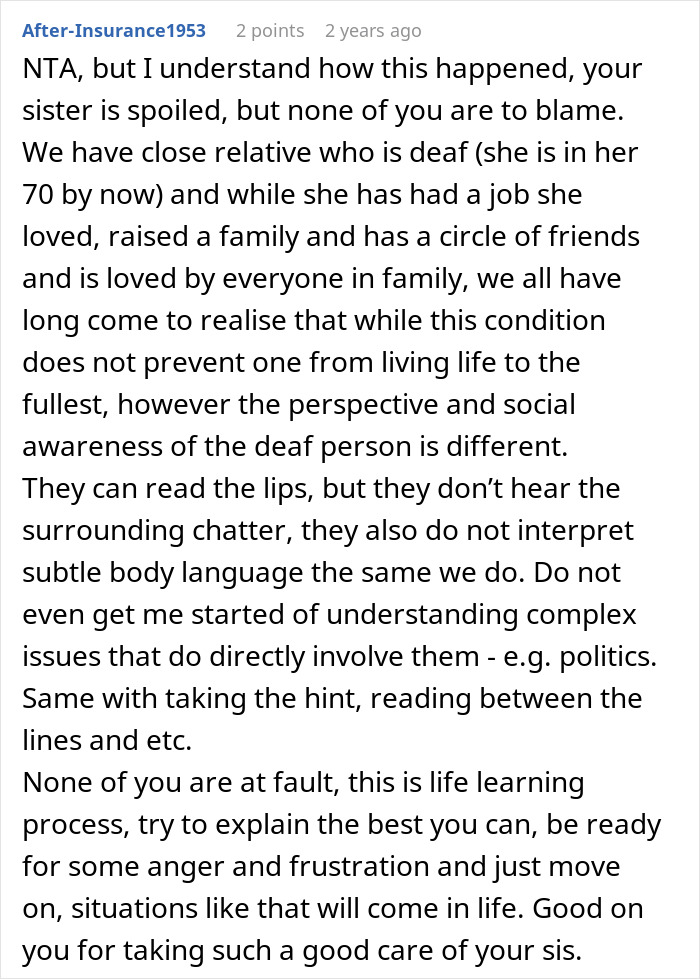
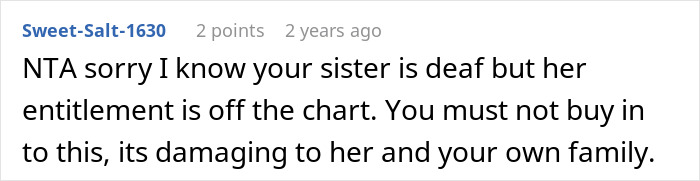
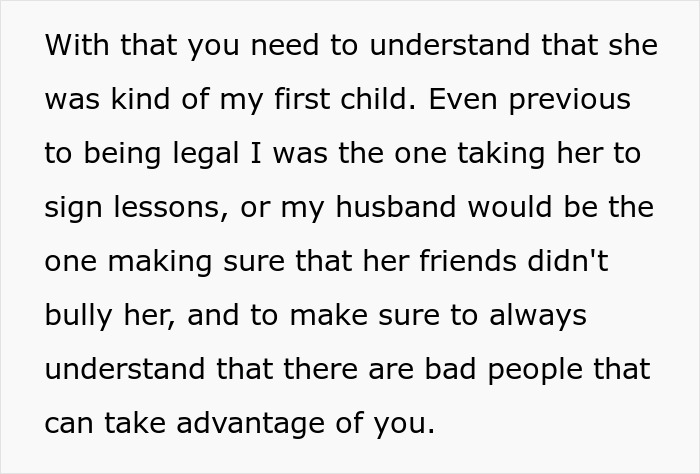
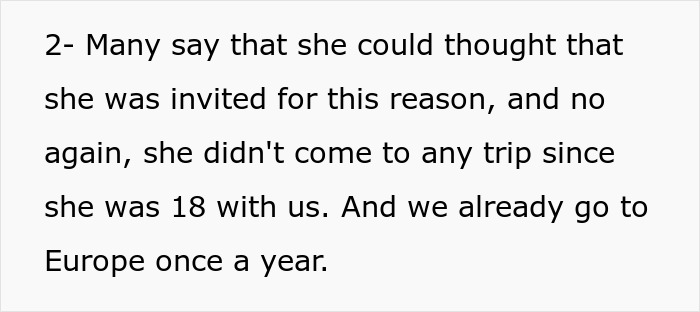
Image credits: kaboompics / Pexels (not the actual photo)
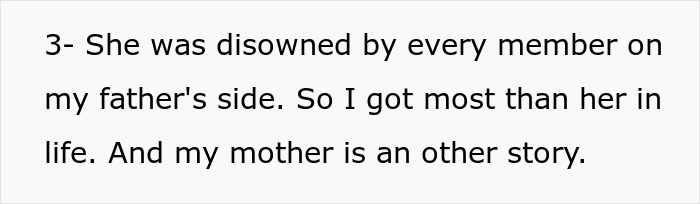
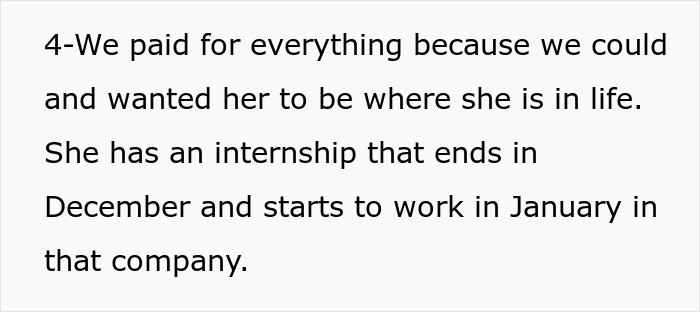
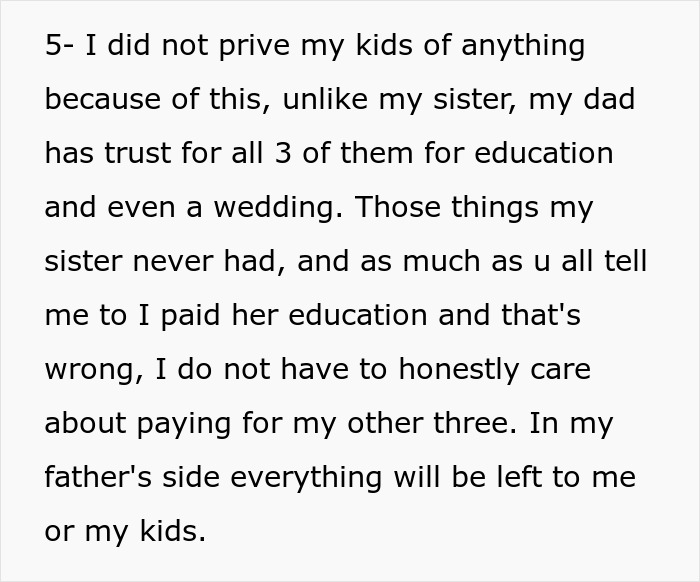
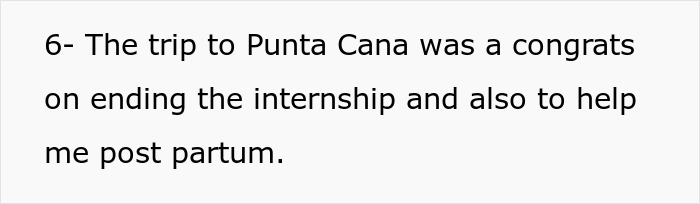
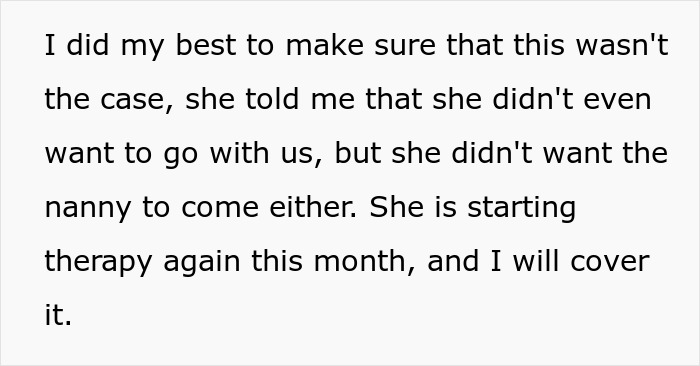
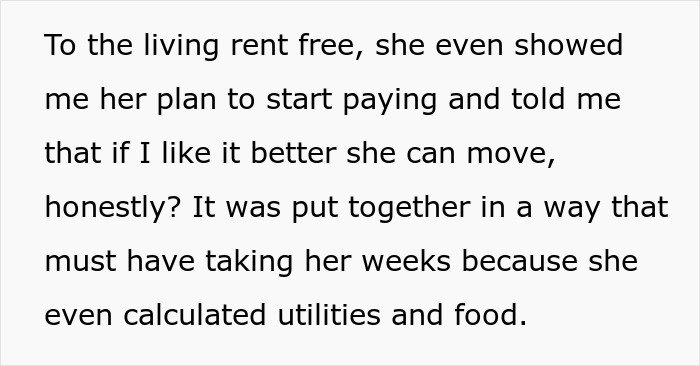
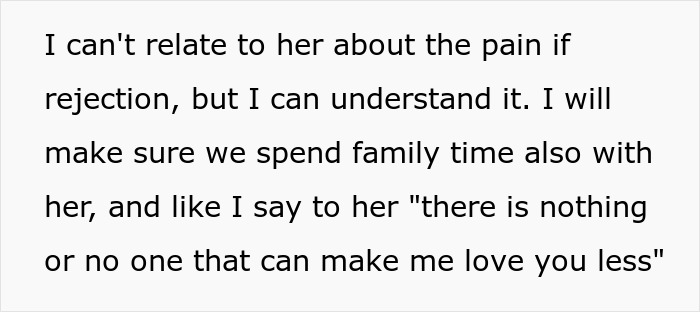
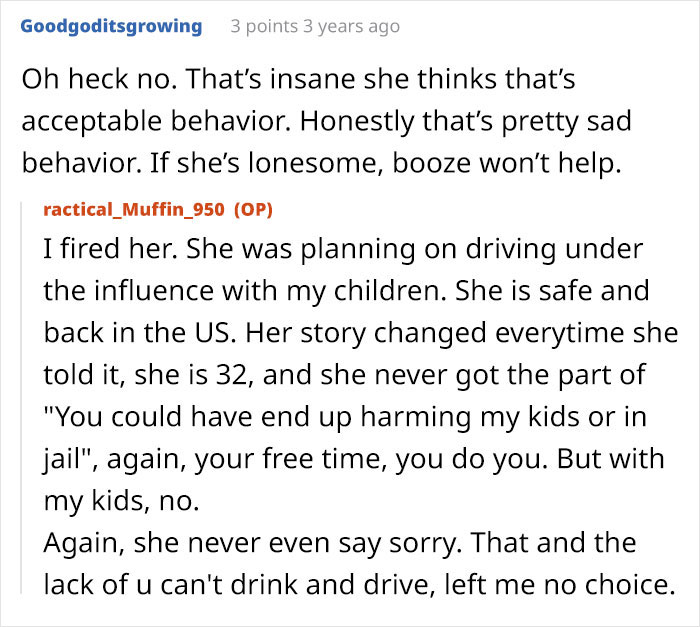
Image credits: ractical_Muffin_950
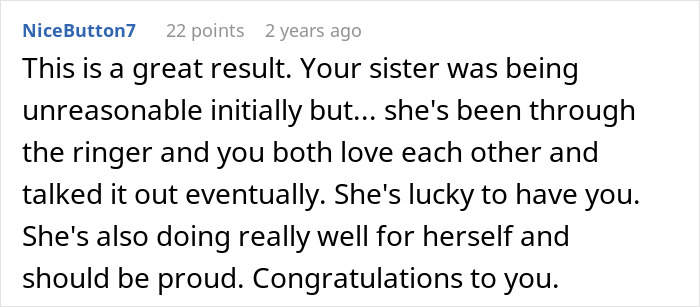
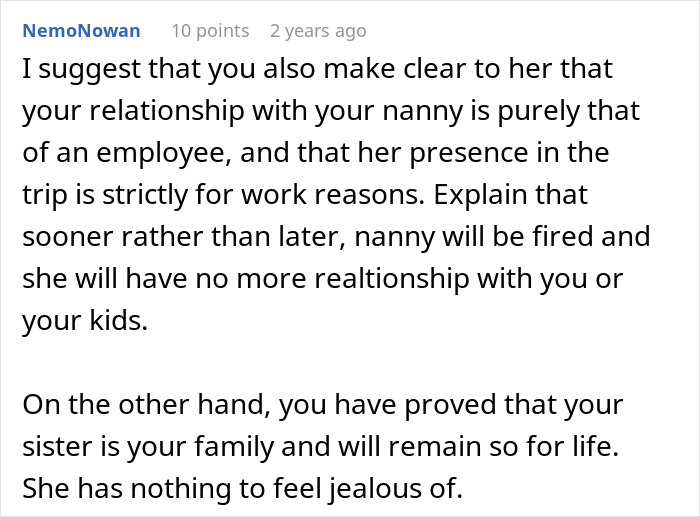
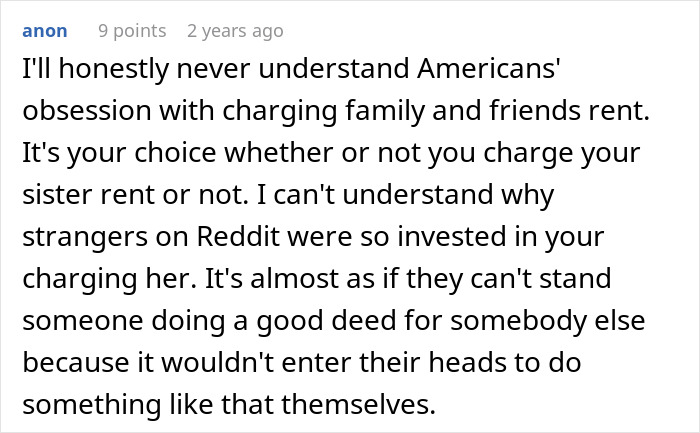

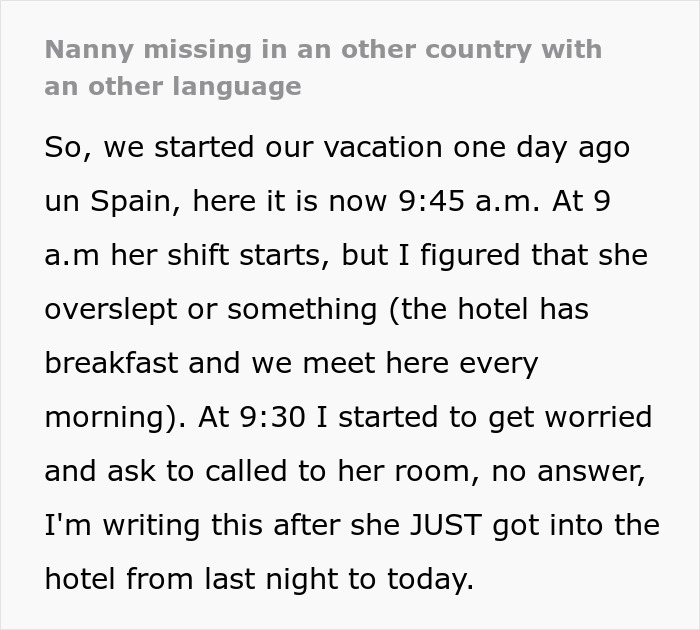
Image credits: MART PRODUCTION / Pexels (not the actual photo)
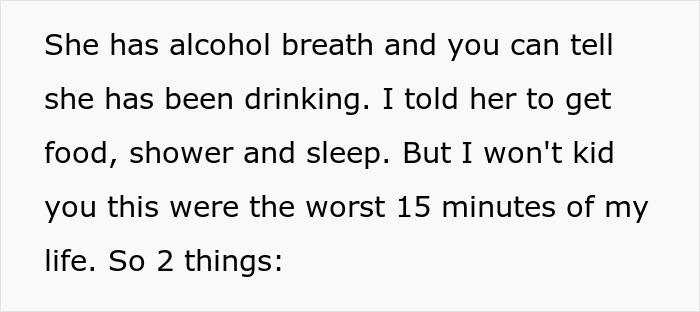
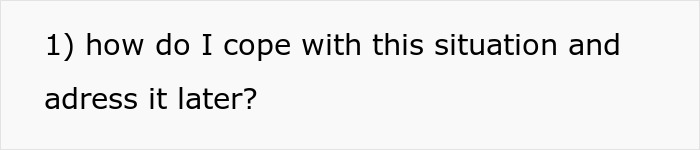
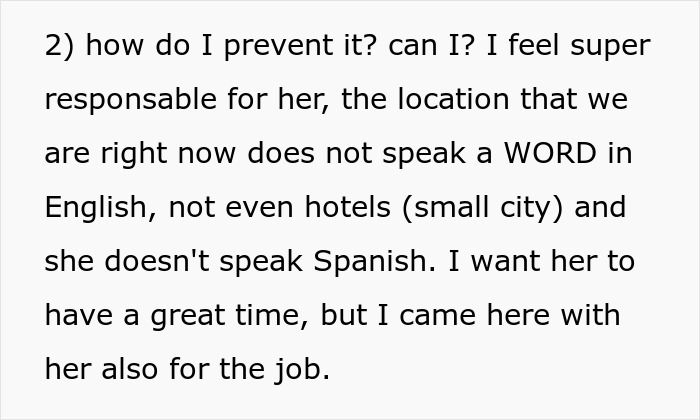
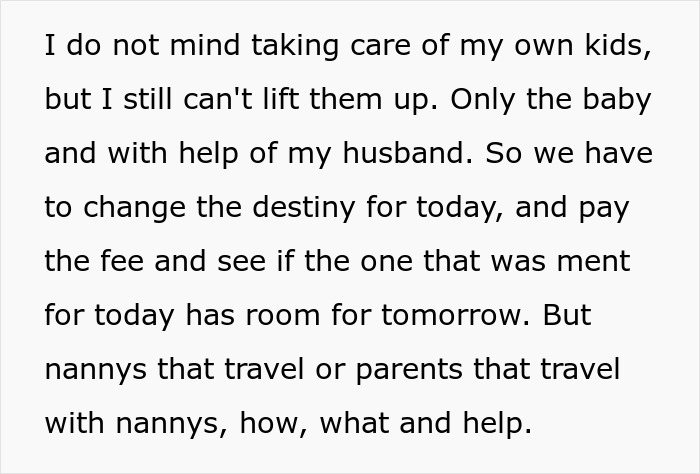

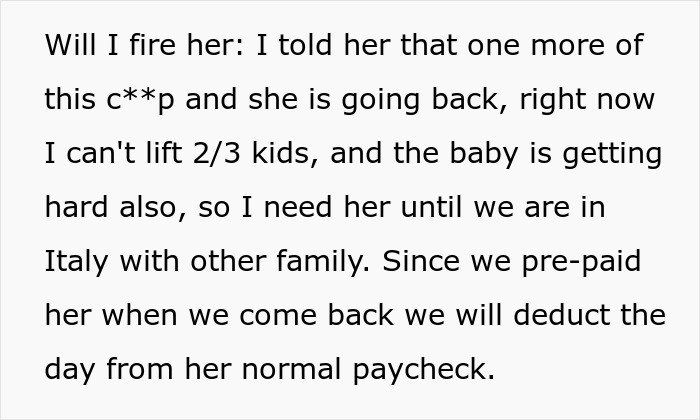
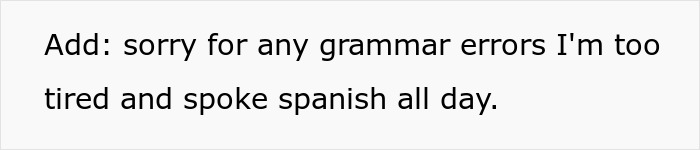
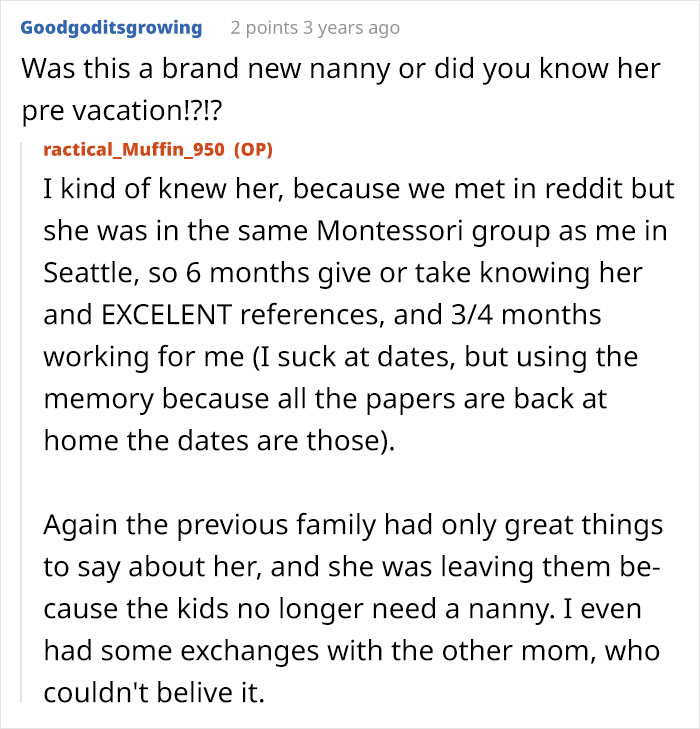
Image credits: ractical_Muffin_950
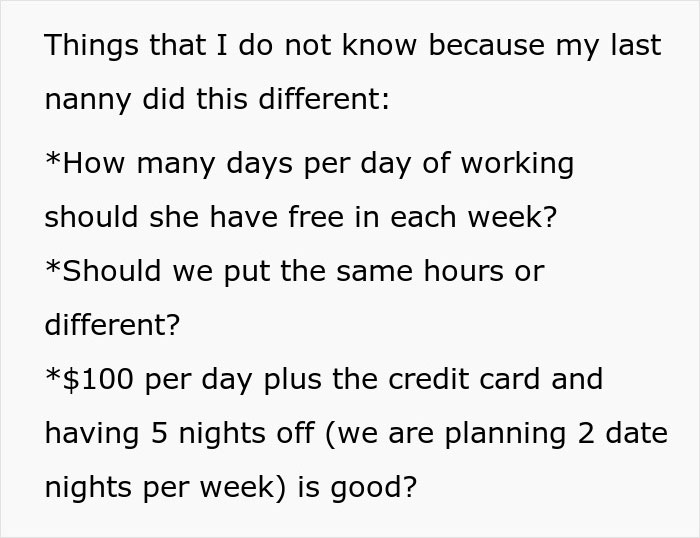
Hiring a nanny is far more than just filling a job opening. Beyond managing schedules and supervising playtime, a good nanny becomes a trusted figure who actively supports a child’s learning and emotional development.
The US Bureau of Labor Statistics estimates there are over 1.2 million nannies and child care workers in America, with many working for multiple families or in part-time/nanny-share arrangements.
In a study published by Bristol University Press, sociologists examined why middle- to upper-income parents hire private in-home care. They found that hiring a nanny enables parents — particularly mothers in demanding careers — to fulfil a dual-earner ideal without feeling like they are sacrificing good parenthood.
Rather than adapting their family to a daycare’s fixed opening hours and nap schedules, parents often hire a nanny to build a routine around the child’s natural temperament and needs.
From a family economics standpoint, once a household has two or three young children under age 5, paying for multiple full-time daycare slots, after-school pickups, and summer programs often equals or exceeds the salary of a single dedicated nanny. A nanny simplifies logistics into a single, centralized caregiver for the entire household.
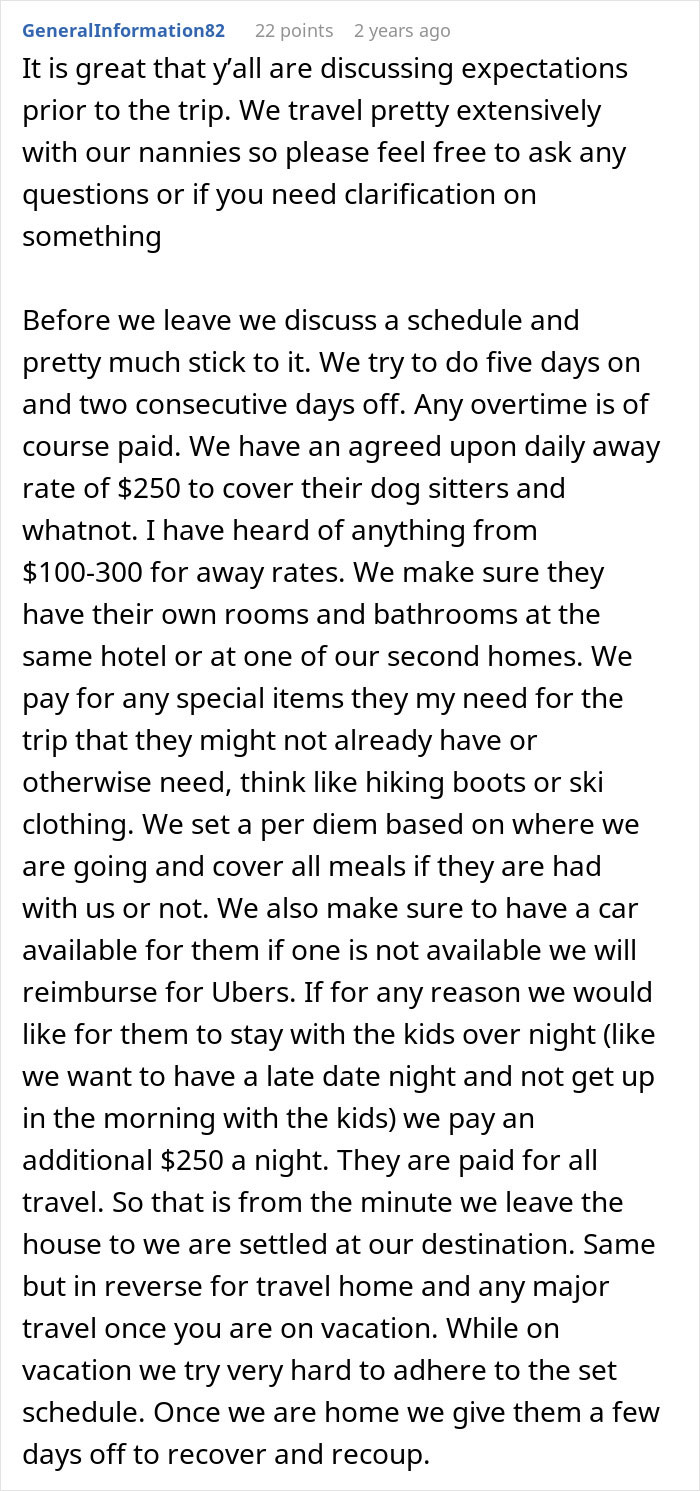
“Your nanny needs to be someone that you can live with for the duration of the trip, often in tight quarters, as well as someone your kids will listen to,” says travel writer and editor Lissa Poirot.
Nannies are formal employees protected by labor laws, tax regulations, and standard employment contracts. When a family hires a nanny, they enter a professional contract — which makes erratic behavior a serious performance issue.
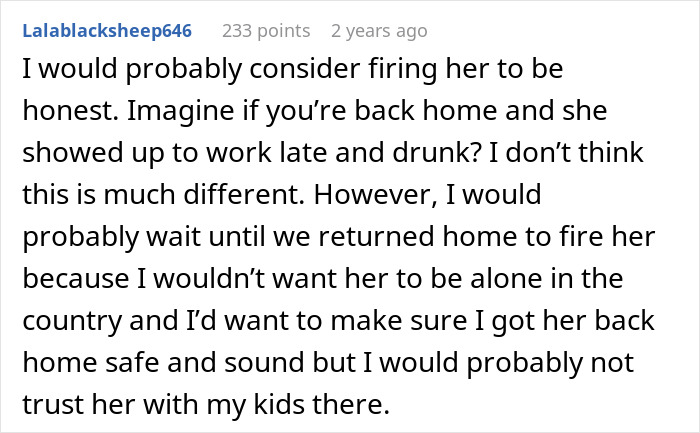
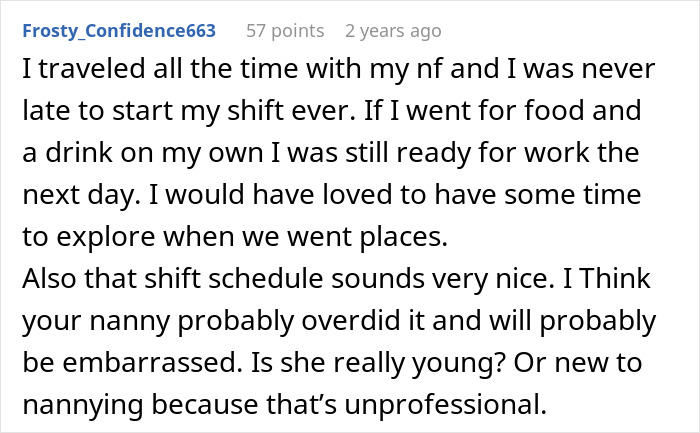
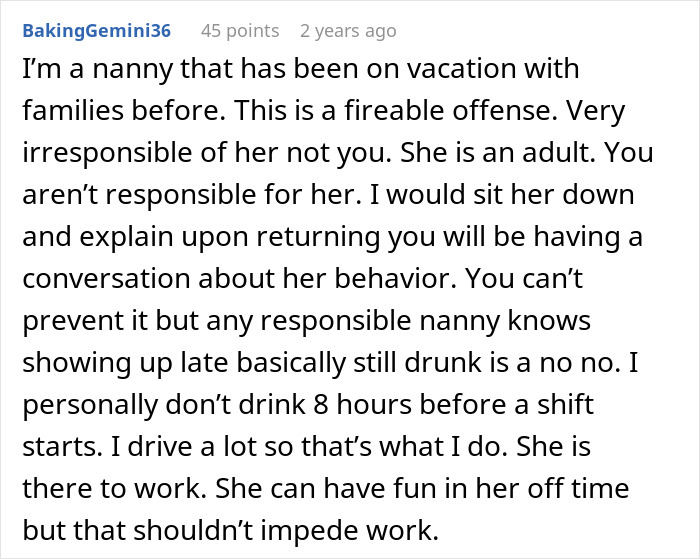
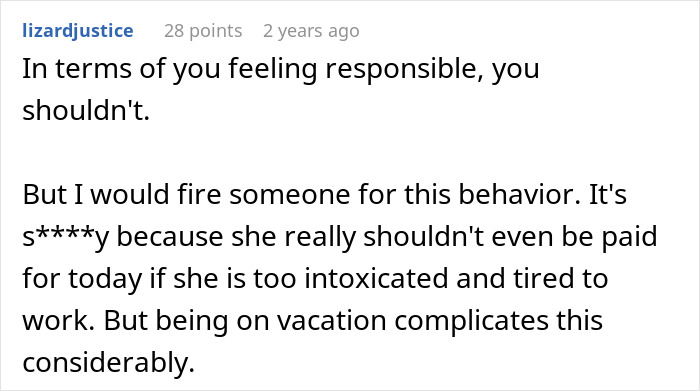
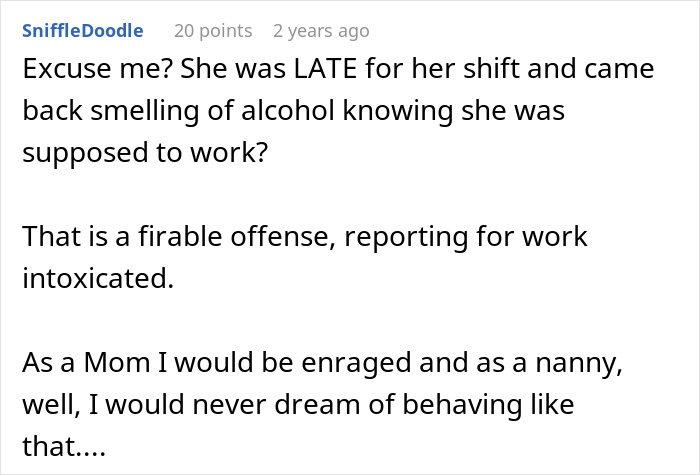
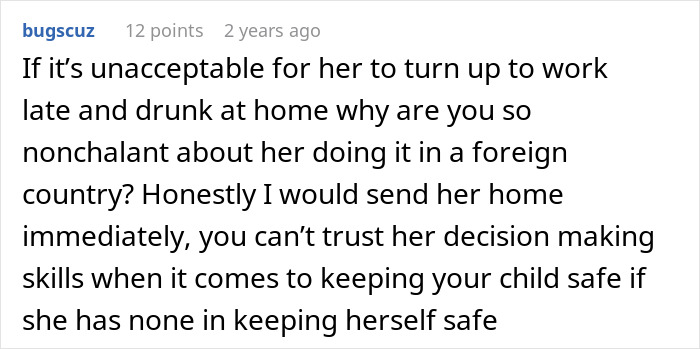
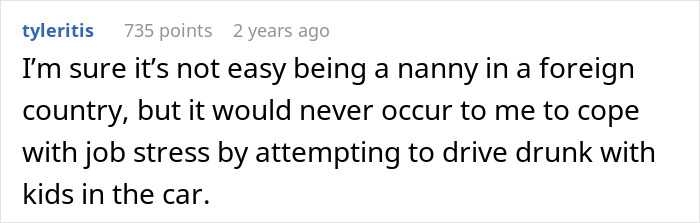
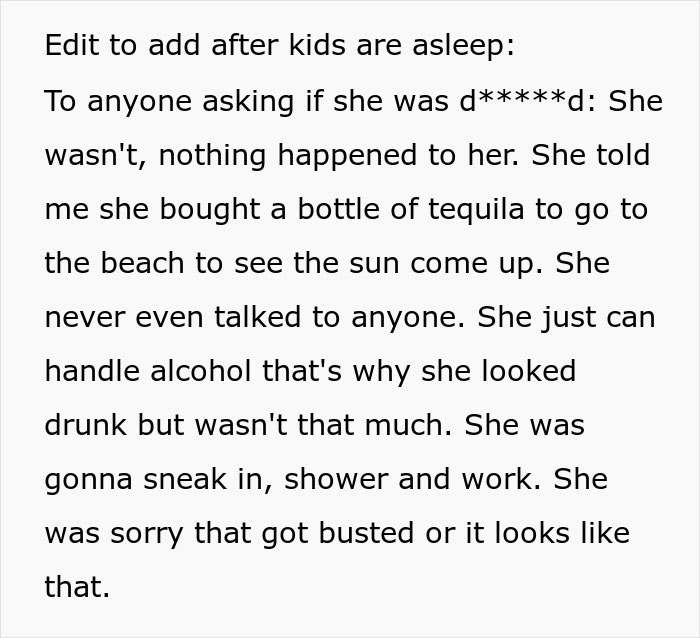
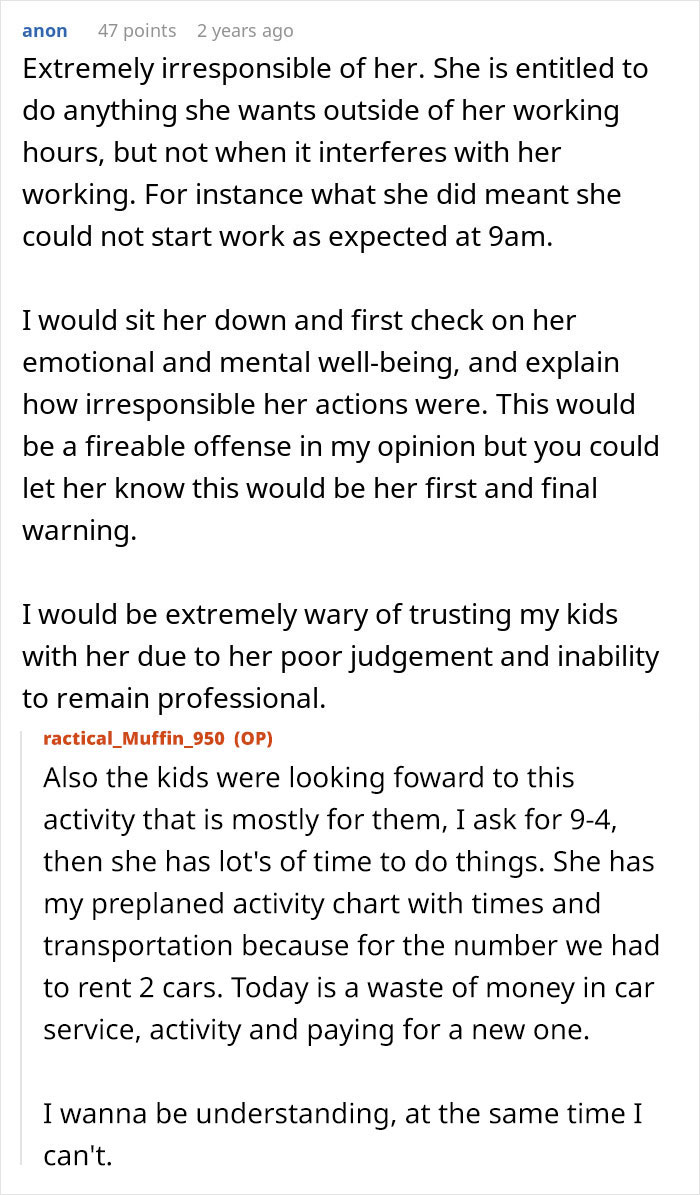
Showing up late, drinking right before a shift, and acting recklessly are not small mistakes; they are major red flags that signal a deeper performance problem.
Experts note that bad employees often exhibit chronic unreliability and impaired judgment long before they are fired.
To make matters worse, entitled workers frequently confuse job perks with personal privileges. When given generous benefits such as paid international travel or private hotel rooms, such employees might start treating a work assignment as a personal vacation.
When an employee crosses those boundaries, experts say that employers must act fast and set firm limits. Ignoring reckless behavior only enables it.
“When managing difficult employees, leaders sometimes focus too narrowly on the individual and overlook the organizational structures that helped create the problem. One frequent culprit is the absence of clear accountability,” says Katie Shonk, a research associate at Harvard Business School and the Harvard Kennedy School.
“That means telling employees early — during planning stages, not after problems arise — that they will be expected to explain and justify their decisions as work progresses. When people know how they will be evaluated, they are less likely to engage in disruptive behavior,” she adds.
Navigating these situations is never easy, but drawing a line in the sand is essential.
Whether you are managing a corporate team or relying on a caregiver to help lift your children, setting clear expectations early is the only way to protect your peace of mind.





By entering your email and clicking Subscribe, you're agreeing to let us send you customized marketing messages about us and our advertising partners. You are also agreeing to our Privacy Policy.
Thank you! You've successfully subscribed to newsletters!


I am so glad BP is bringing to light real world problems we all have with our domestic staff.


That nanny had a good thing going and she ruined it for herself. The family sounds like they'd be great to work for and are truly concerned about her wellbeing. How stupid.

What am I missing? These people are immensely privileged, must have had paid-for educations at private schools... and the mother can't spell to save her life. Yikes.
I am so glad BP is bringing to light real world problems we all have with our domestic staff.
That nanny had a good thing going and she ruined it for herself. The family sounds like they'd be great to work for and are truly concerned about her wellbeing. How stupid.
What am I missing? These people are immensely privileged, must have had paid-for educations at private schools... and the mother can't spell to save her life. Yikes.




























 No fees, cancel anytime















27
9