Get Premium
Dark mode theme is available exclusively for premium users. Learn more about the benefits of subscribing.
No fees, cancel anytime.

 Dark Mode Ad-Free Browsing Unlimited Content
 Ad-Free Browsing Unlimited Content Dark Mode
Join 1.2 million Panda readers who get the best art, memes, and fun stories every week!

After childfree people hit a certain age, there are usually one or two relatives who routinely bring up the topic whenever they meet. “So, have you changed your mind about kids?” “But what is your purpose in life?” “There won’t be anyone to take care of you when you’re old!”
As annoying as these exchanges can be, they’re still only words. It’s completely different when someone starts actively influencing your life, not just to change your mind, but to get you pregnant!
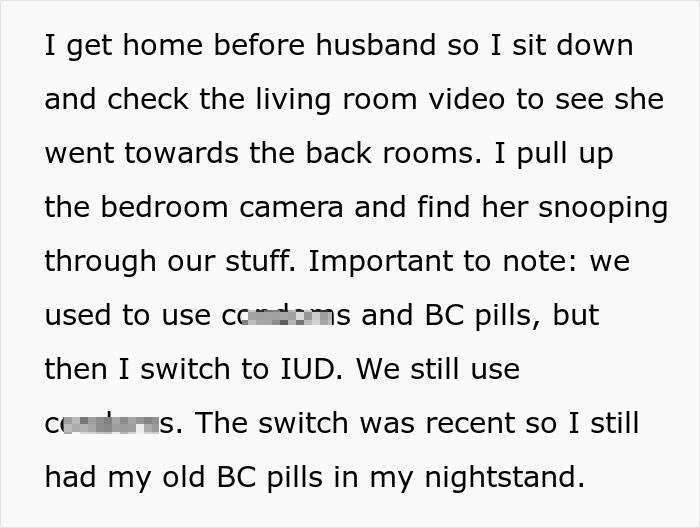
One woman turned to the internet with a heartbreaking story. Her toxic mother-in-law had been craving a grandchild so much that she started sabotaging the woman’s birth control pills and condoms. And she may have succeeded if it wasn’t for the secret security cameras in the house.
Image credits: MART PRODUCTION / Pexels (not the actual photo)

Image credits: Jakub Zerdzicki / Pexels (not the actual photo)

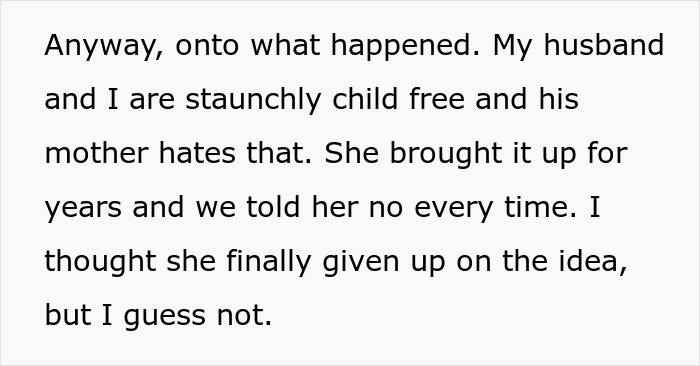
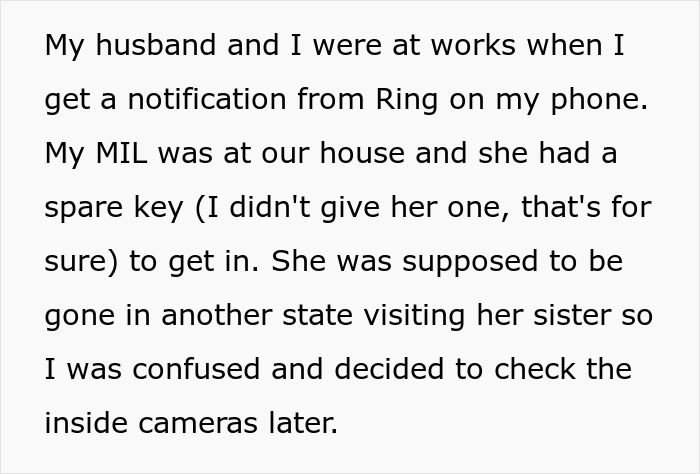
Image credits:Teona Swift / Pexels (not the actual photo)
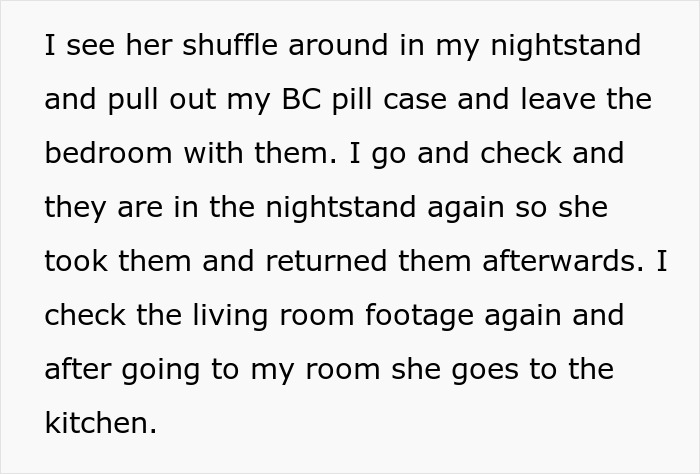
Image credits: Anna Tarazevich / Pexels (not the actual photo)
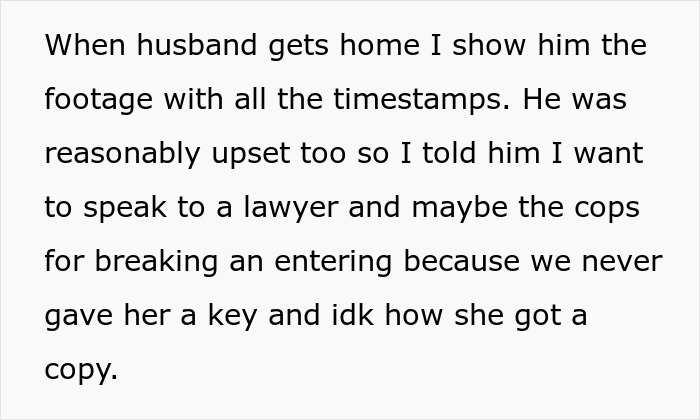
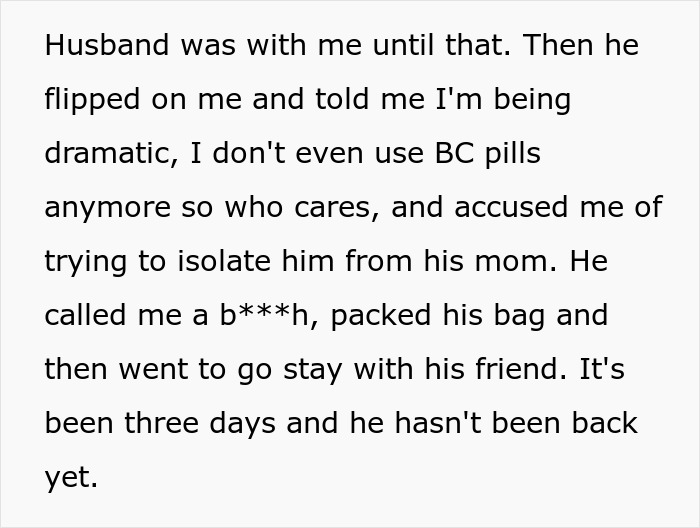
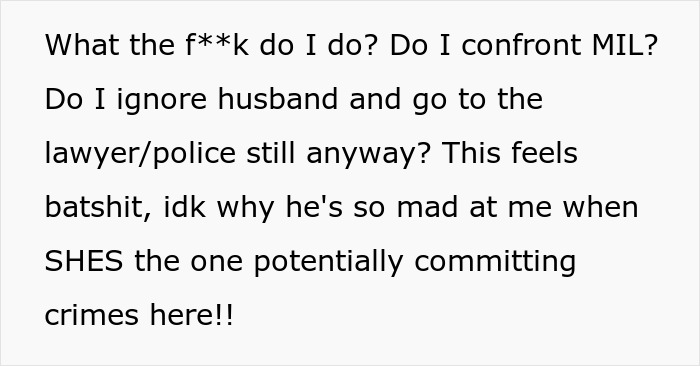
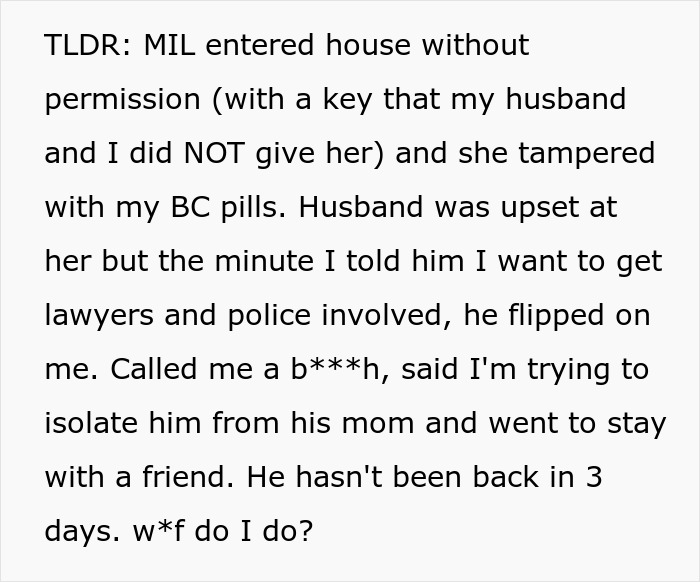
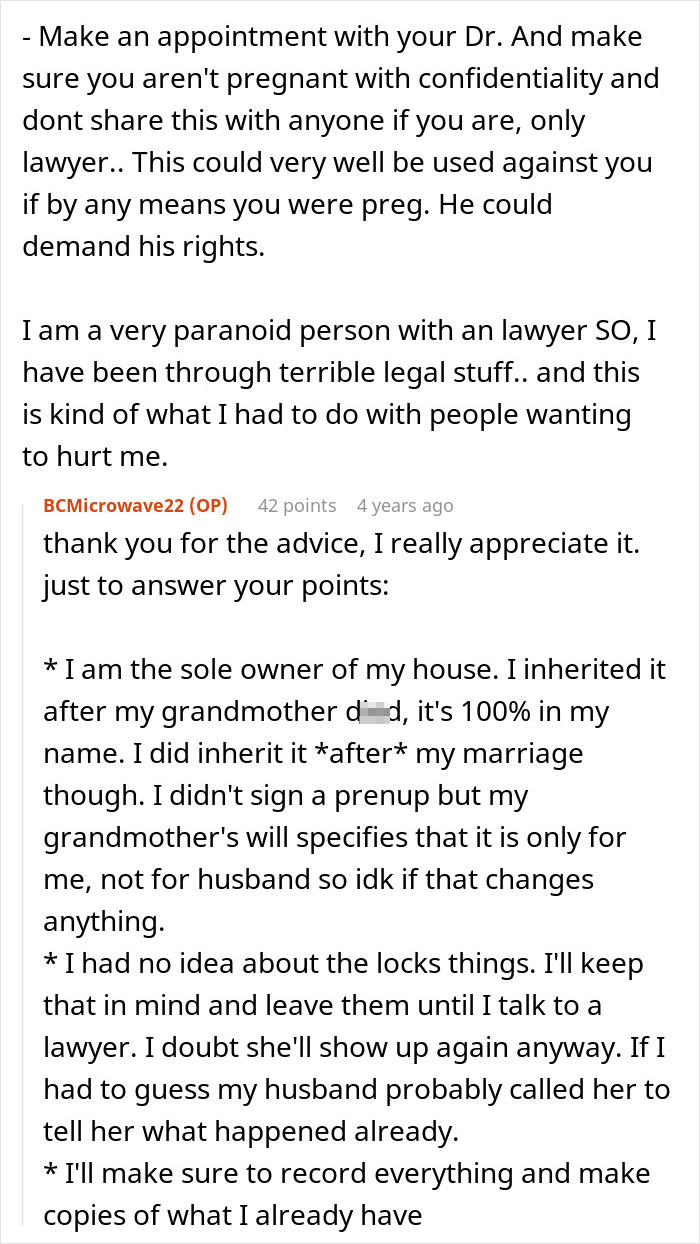
Image credits: BCMicrowave22
Image credits: kaboompics / Pexels (not the actual photo)
This story is an appalling example of reproductive coercion—a behavior that interferes with a woman’s autonomous decision-making regarding her reproductive health.
The three main interconnected forms of reproductive coercion are birth control sabotage, pregnancy coercion (threatening or pressuring a partner to get pregnant), and abortion coercion (threatening or pressuring a partner to get or not get an abortion).
Anne P. DePrince, Ph.D., a clinical psychologist and distinguished university professor at the University of Denver, is an expert in trauma and violence against women and children.
According to DePrince, estimates suggest that up to 1 in 5 women experience reproductive coercion.
“Women marginalized by race/ethnicity, education, economic status, and sexuality are at higher risk of reproductive coercion than peers,” she explains. “In turn, reproductive coercion is linked to factors that can impact unintended pregnancy, such as not having health insurance.”
Since the 1990s, DePrince adds, many cross-sectional studies have documented links between reproductive coercion and intimate partner exploitation, including physical as well as sexual victimization. This means that for many women, reproductive coercion happens in the context of ongoing abusive relationships, leading to serious consequences.





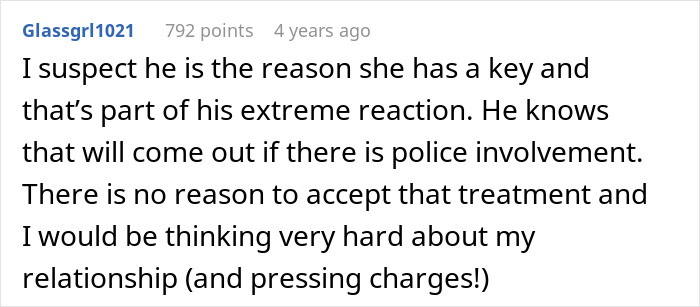
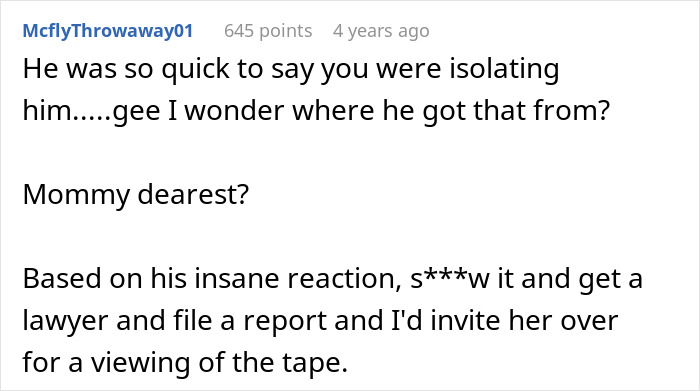
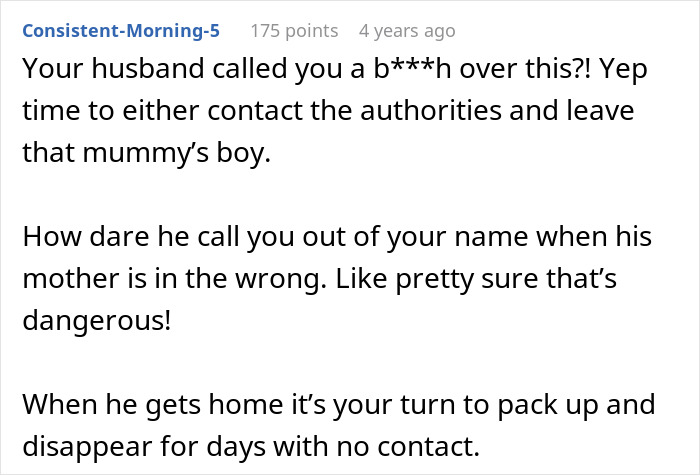
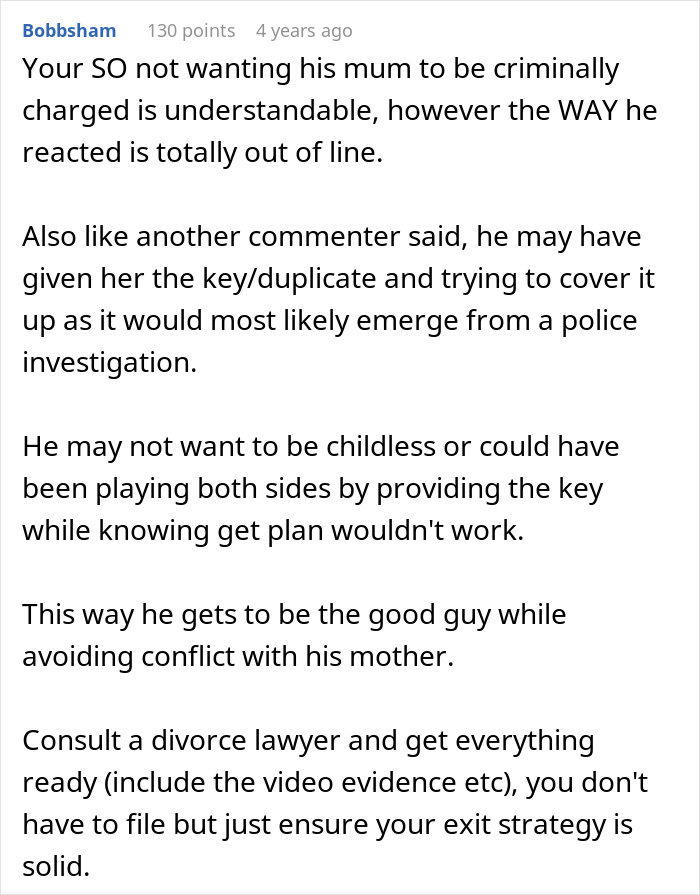
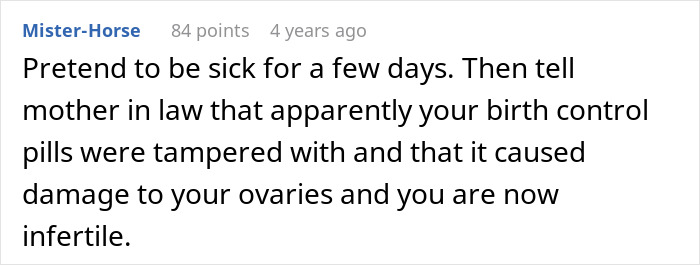


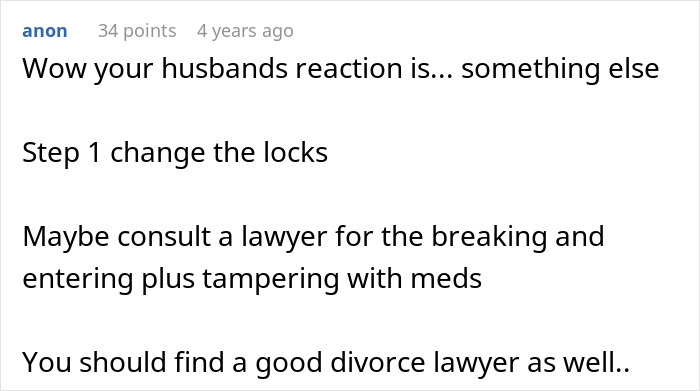

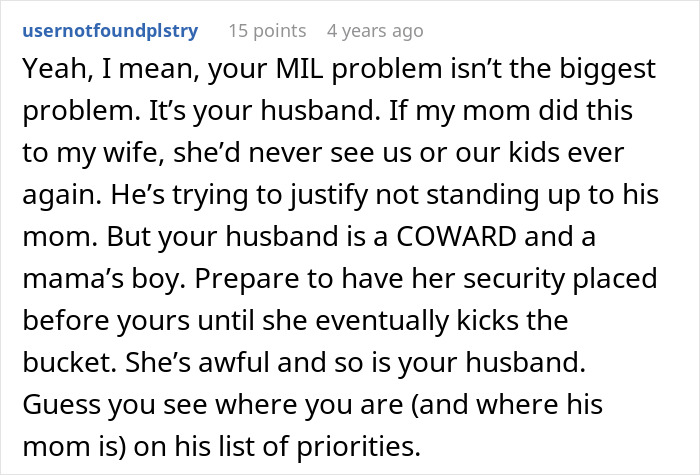
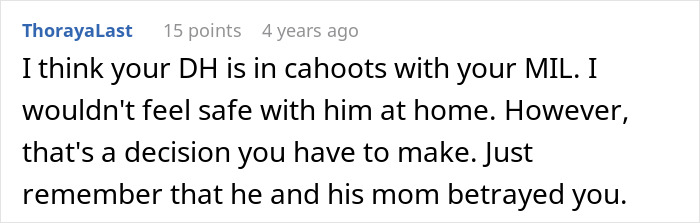
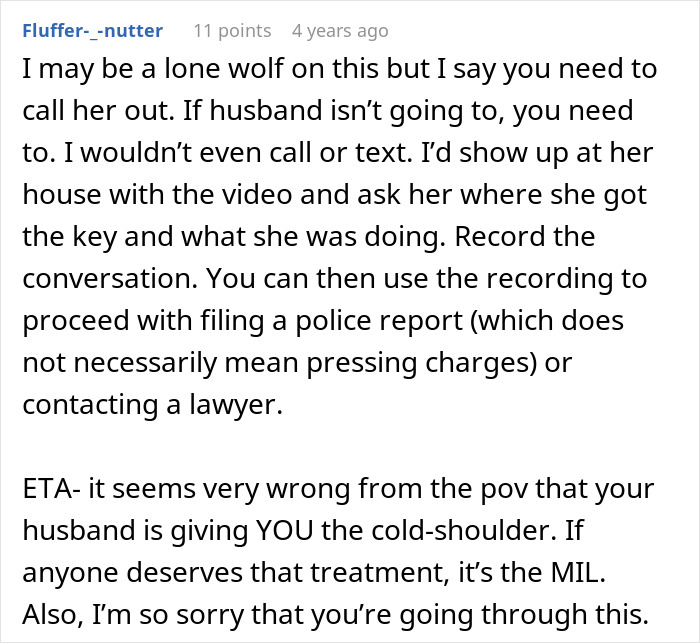

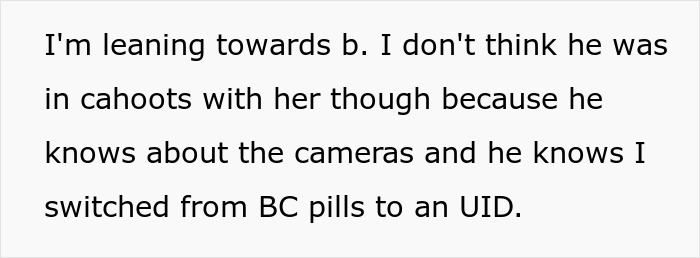
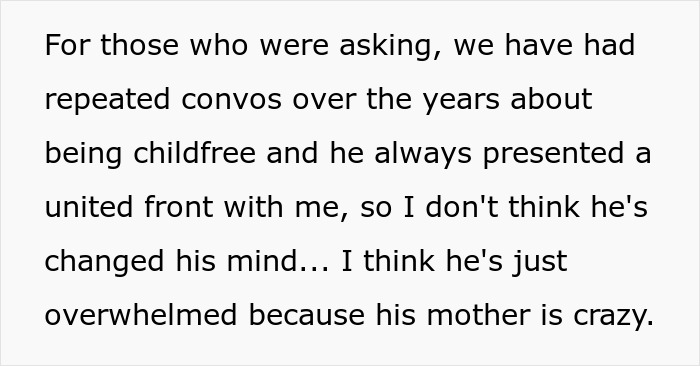
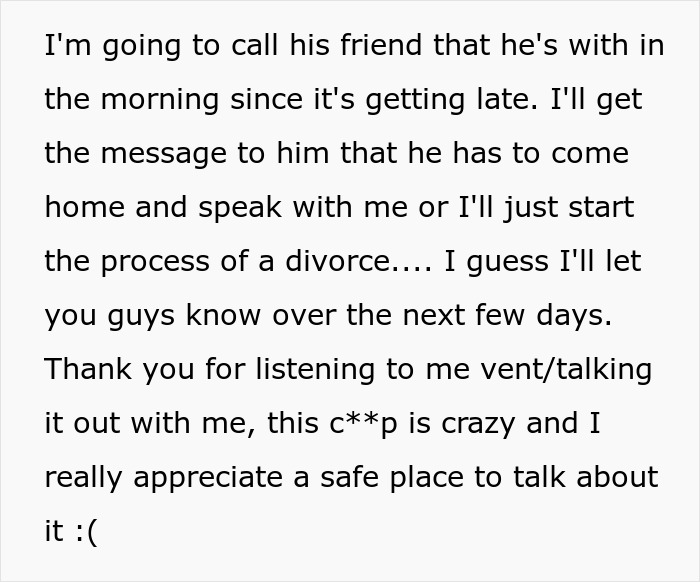
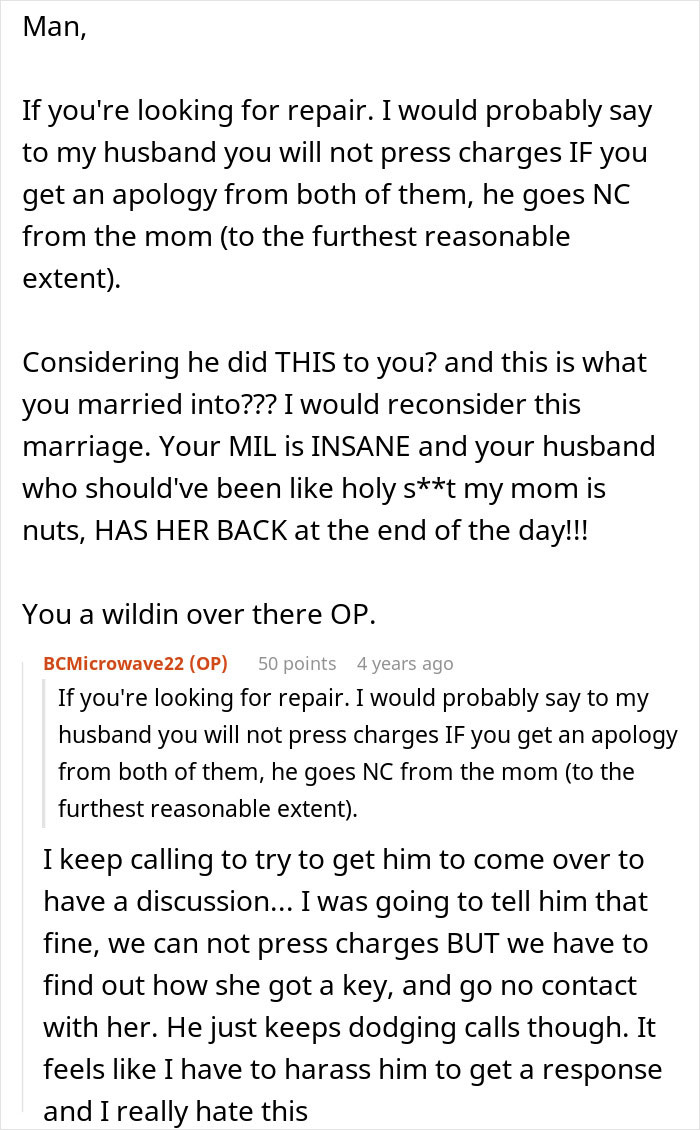
Image credits: BCMicrowave22
Image credits: Vitaly Gariev / Pexels (not the actual photo)
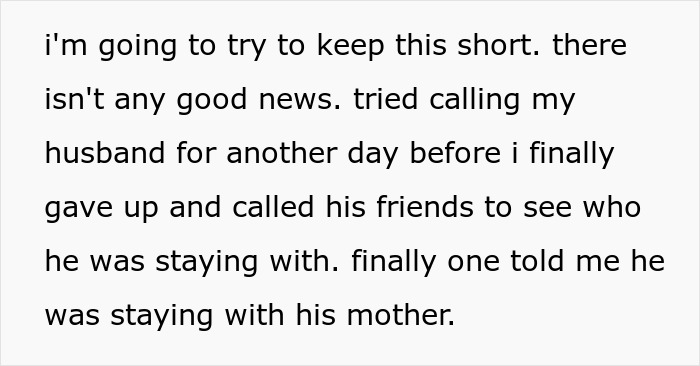
Image credits: Sven Brandsma / Pexels (not the actual photo)


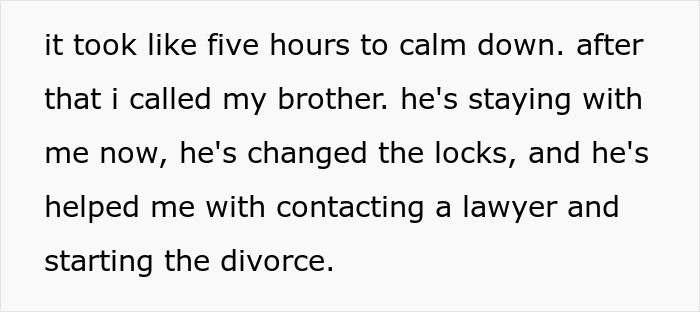
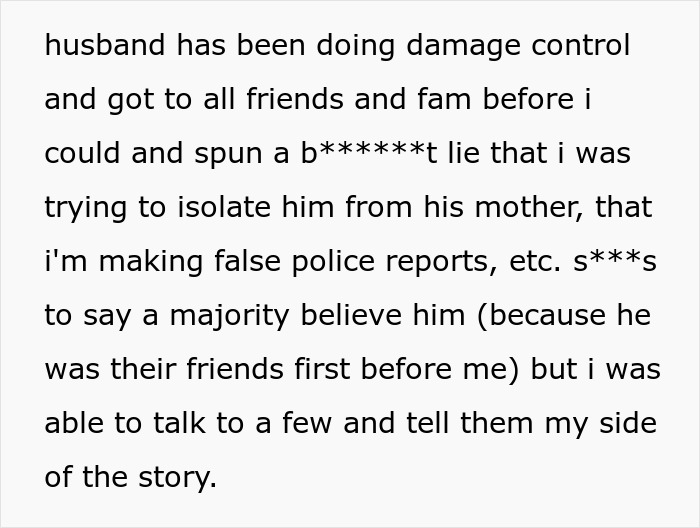
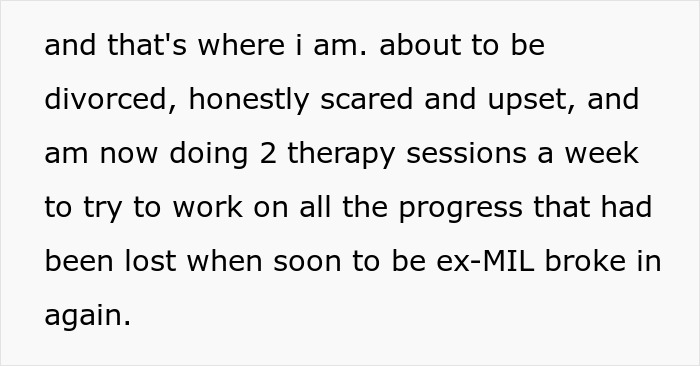
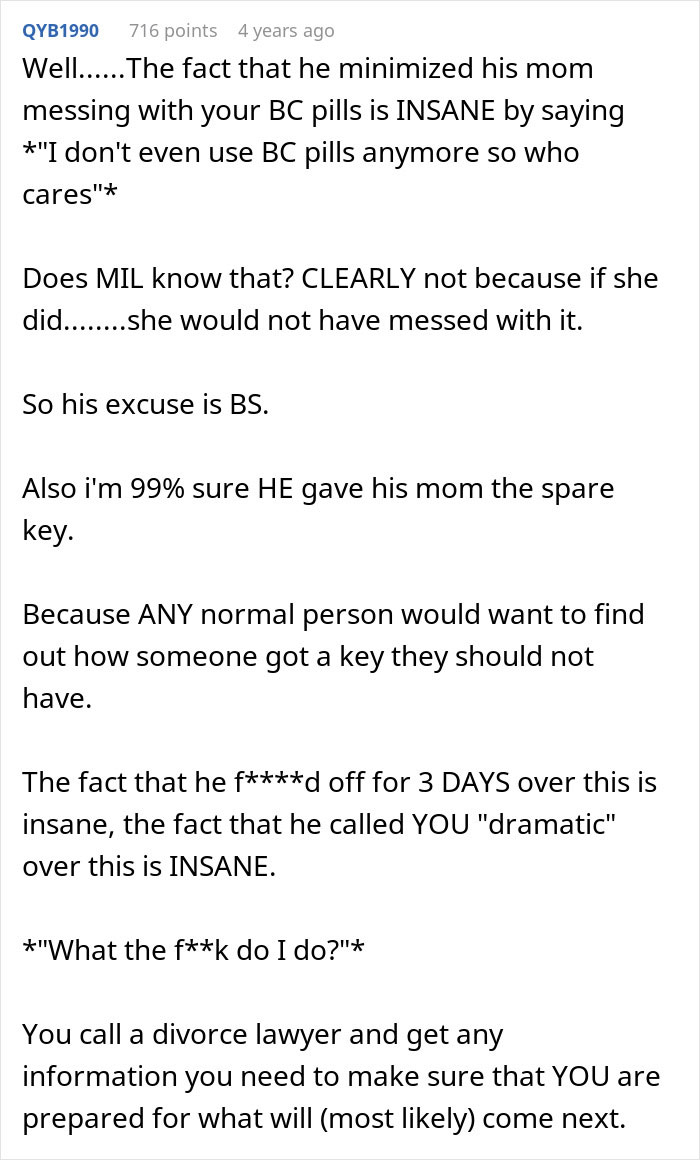
Image credits: BCMicrowave22
Image credits: RDNE Stock project / Pexels (not the actual photo)
Pop culture often portrays women as baby-seeking, family-craving, biological-clock-ticking time bombs. But as we just saw, the reality can be quite different.
In fact, research suggests that childfree men, not women, are more likely to say they want to be parents someday.
Just over one-fifth (21 percent) of childfree women aged 18–34 polled by the Pew Research Center said they don’t ever want to be parents, compared to 15 percent of men. Conversely, 57 percent of men said they want to have children someday, versus 45 percent of women.
Marina Adshade, an assistant professor of teaching at the University of British Columbia who specializes in economics and gender, says this trend isn’t new, either.
“I’m fascinated personally by this kind of societal myth that we have that women throughout all time immemorial have just been desperate to become mothers, and that men are resistant to parenthood,” explains Adshade, who is also the author of Dollars and Sex: How Economics Influences Sex and Love. “This is a very, very strange perspective because children have always been an enormous amount of work for women.”
It’s what is known as the “motherhood penalty.” According to PricewaterhouseCoopers’ 2023 Women in Work Index, mothers experience a 60 percent drop in income in the decade after their first child is born compared to men.
Never mind the physical burden of pregnancy and childbirth!
So it’s not surprising that men are more likely to want children, Adshade says.
“How delightful to have somebody else do all the work?”
And if you can’t even talk about it honestly with your partner, the marriage is already over long before the birth control is sabotaged.













By entering your email and clicking Subscribe, you're agreeing to let us send you customized marketing messages about us and our advertising partners. You are also agreeing to our Privacy Policy.
Thank you! You've successfully subscribed to newsletters!


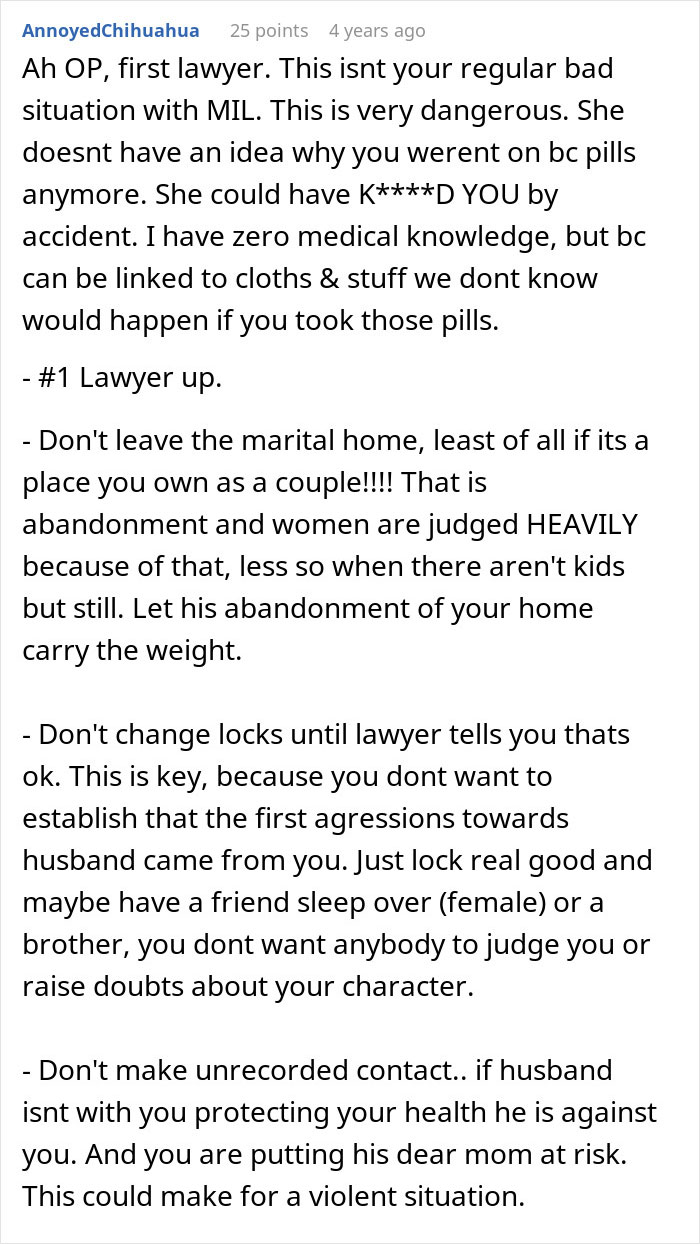
This isn't the first story I've heard about MILs doing this. If I don't want kids, and I haven't had a tubal ligation, I'll immediately get an abortion if I turn up pregnant. What are these old bats thinking? That the wife will suddenly jump for joy and be happy to be going through a forced pregnancy? And if my state didn't allow abortion? Well, I wouldn't be living in that state, or I'd hop on a bus to go get one.


This isn't the first story I've heard about MILs doing this. If I don't want kids, and I haven't had a tubal ligation, I'll immediately get an abortion if I turn up pregnant. What are these old bats thinking? That the wife will suddenly jump for joy and be happy to be going through a forced pregnancy? And if my state didn't allow abortion? Well, I wouldn't be living in that state, or I'd hop on a bus to go get one.

































 No fees, cancel anytime





















33
14