Get Premium
Dark mode theme is available exclusively for premium users. Learn more about the benefits of subscribing.
No fees, cancel anytime.

 Dark Mode Ad-Free Browsing Unlimited Content
 Ad-Free Browsing Unlimited Content Dark Mode
Join 1.2 million Panda readers who get the best art, memes, and fun stories every week!
Just when you think you’ve seen every wild creature or mind-bending landscape the planet has to offer, the internet drops something that can completely blow your mind.
That’s because nature can be weird, beautiful, breathtaking, and straight-up bizarre all at the same time.
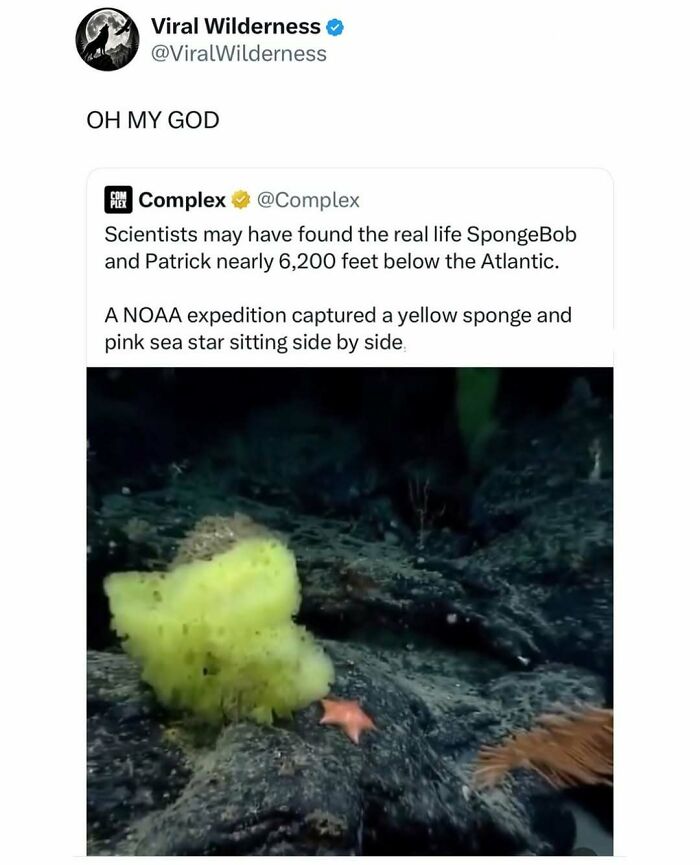
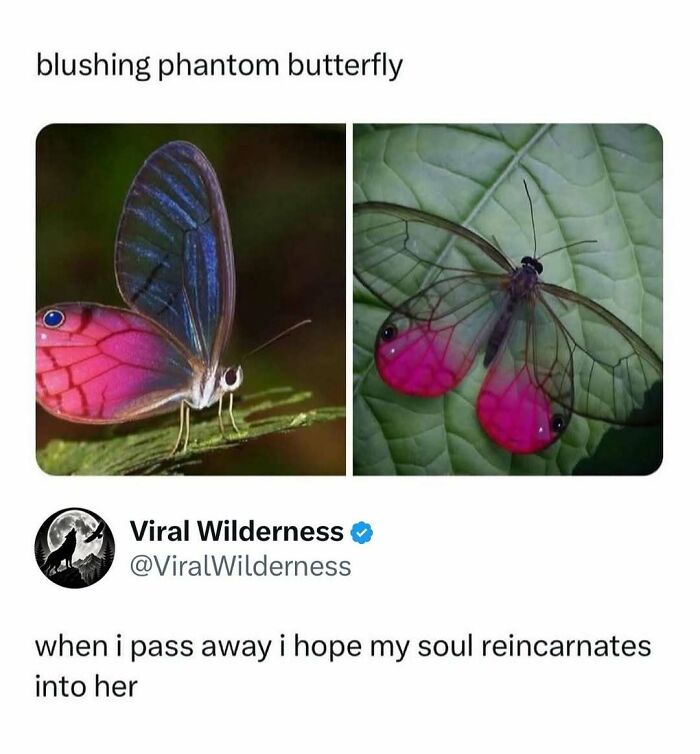
For example, scientists literally stumbled upon a bright yellow sponge hanging out right next to a pink sea star at the bottom of the ocean, giving off absolute real-life SpongeBob and Patrick vibes. And if ocean buddies aren’t your thing, there’s a butterfly floating around out there with wings so crystal clear they look like glass.
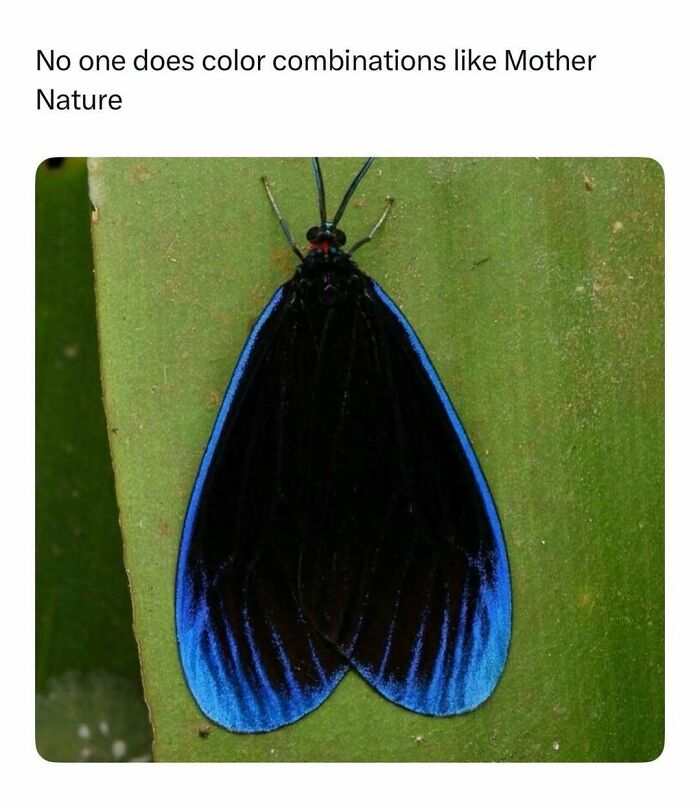
Moments like these are a gentle reminder that Mother Nature has a pretty top-tier design team. To prove that, Bored Panda has put together a collection of the absolute best posts about nature, the wilderness, and animals. Whether you’re here to learn a cool random fact or just need a wholesome pick-me-up to brighten your day, we’ve got you covered.
This post may include affiliate links.
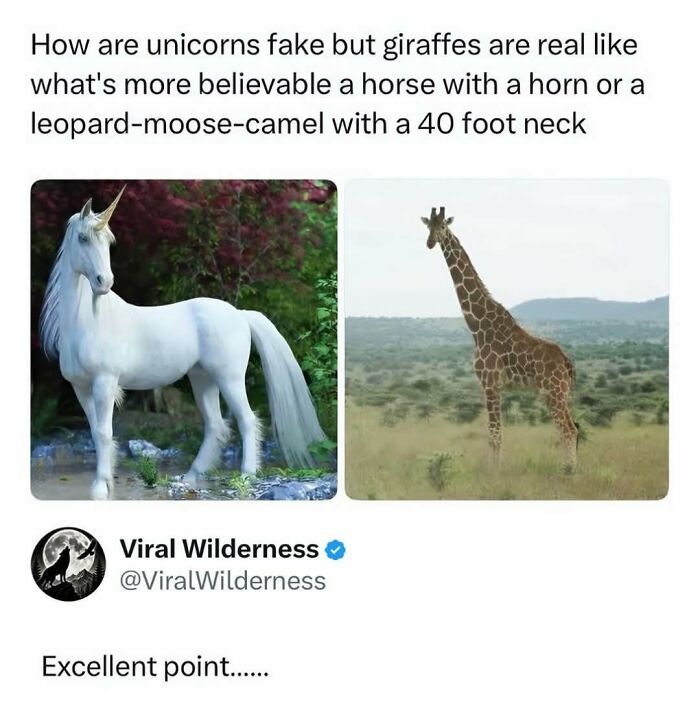
We like to think we have pretty wild imaginations, but we’ve got nothing on Mother Nature. Just look at the memes making fun of modern biology. We came up with the idea of a unicorn — which is literally just a regular horse with a single horn slapped onto its forehead — and decided that was far too fake to exist.
But then evolution has literally given us as strange an animal as the giraffe: a towering, spotted giant with a six-foot neck, fuzzy little head horns, and a supercharged cardiovascular system.
Beyond strange body parts, many animals also boast fascinating survival techniques. For example, horned lizards can shoot blood out of their eyes to intimidate hungry predators, or frogs can freeze solid all winter and come back to life in the spring.
Around 300 years ago, Swedish scientist Carl Linnaeus set out to name every single living thing on Earth. He created the two-word naming system we still use today and personally classified over 10,000 plants and animals. It earned him the title of the father of modern taxonomy.
Since then, researchers haven’t stopped searching. A recent University of Arizona-led study shows that scientists are now finding new species faster than ever — adding more than 16,000 to the list every single year.
Just this past week, a team of international researchers revealed Leopardus tilcayo, a rare wild cat living in Bolivia’s Yungas cloud forest. It marks the first new cat species discovered in over a century. By running DNA tests on both old museum bones and living animals, scientists proved that South America’s tiger cats are actually five totally separate species, bringing this hidden wildcat into the spotlight.
So exactly how many species actually share this planet with us? You’d think by now we’d have an exact number written down somewhere. But science still doesn’t have a solid answer, and figuring it out is way harder than it sounds.
When you factor in all the animals, plants, fungi, and tiny microscopic creatures out there, the task becomes almost impossible. Because of this, the estimates vary wildly, ranging anywhere from 3 million to a mind-blowing 100 million species.

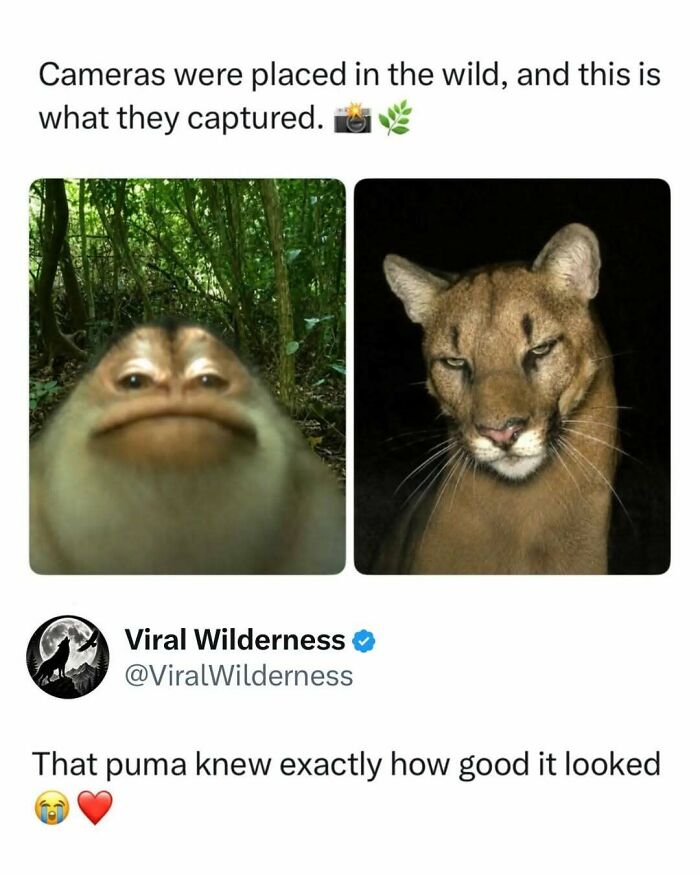
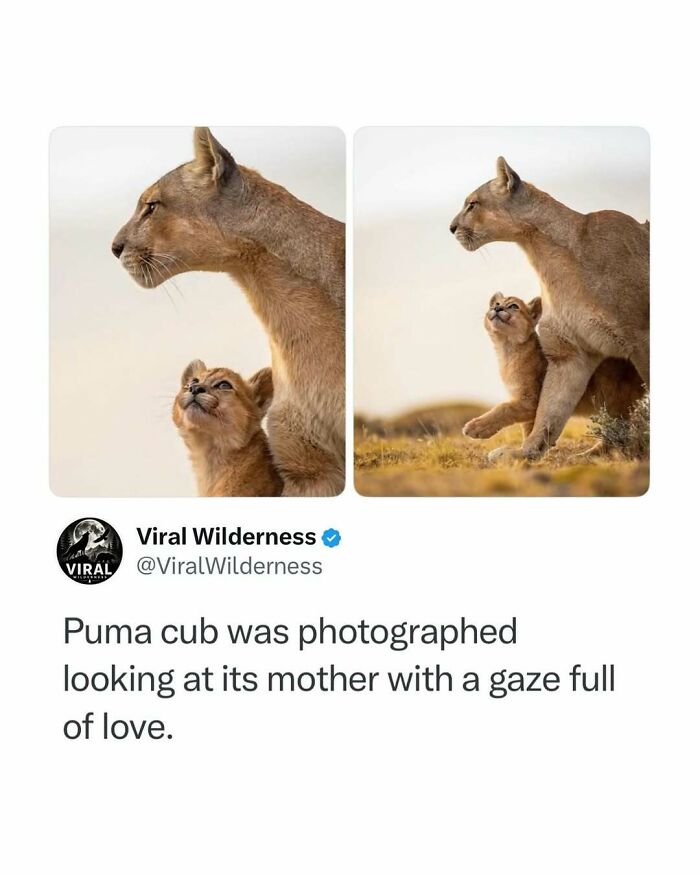
That puma is judging not only you but your ancestors and everyone after you. They’ve all been found lacking
To help make sense of it all, a study published in PLoS Biology tried to narrow things down. They estimated roughly 8.7 million species of complex life (like plants, animals, and fungi), leaving out bacteria and viruses. Out of those, about 2.2 million live deep in our oceans.
The real kicker is that humans have only cataloged about a fraction of species over the last 250 years — an estimated 86% of land species and 91% of ocean creatures are still out there waiting to be found.
The IUCN Red List updates its numbers each year as new species are discovered. Their latest tally from 2025 sits at around 2.17 million officially described species. This includes over 1 million insect species, more than 12,000 reptiles, over 11,000 birds, and roughly 6,000 mammals.
“As the famous ecologist Robert May said, if visiting aliens asked us how many species live on our planet, we would have no definitive answer… The true number may be in the tens or hundreds of millions or even the low billions,” says John Wiens, a professor in the University of Arizona Department of Ecology and Evolutionary Biology.
“Right now, most new species are identified by visible traits. But as molecular tools improve, we will uncover even more cryptic species — organisms distinguishable only on a genetic level. This is especially promising for revealing more unique bacteria and fungi.”
Figuring out who we share our planet with isn’t just about making a big list — it actually matters for our future and survival. Every single species could hold the secret to solving major human problems, like curing diseases, inspiring breakthrough technologies, creating new materials, or keeping our ecosystems healthy and balanced.
For example, recently scientists found what some are calling a “holy grail” genetic discovery. By studying creatures like axolotls, zebrafish, and mice, researchers uncovered a shared set of genes that could one day help humans regrow lost limbs and revolutionize regenerative medicine.
The scary part is that we are wiping species out so fast that many will disappear forever before we even know they exist. Right now, species are vanishing at a rate not seen in 10 million years, pushing more than a million of them straight to the brink.
And we have ourselves to blame. Human activity is driving this extinction crisis, eating up natural habitats, polluting the environment, and cranking up global warming.
As scientist Camilo Mora put it: “There could be hundreds of species right now, as we speak, that mathematically we know are disappearing. And unfortunately, we didn’t even get the chance to know who they are.”
When an animal goes extinct, we lose way more than just that one creature. Millions of years of evolution vanish in an instant — taking unique genes, behaviors, and special relationships with other living things right along with it.
Every species has a job to do, and when it disappears, its role in nature breaks down. Plants lose their pollinators, soil stops getting rich nutrients, forests miss out on natural fertilizer, and prey populations can spiral totally out of control. When one piece vanishes, the whole system takes a hit.

Every goofy creature or weird plant on this list is living proof that Earth is full of wonder and mystery — and something worth protecting.
You don’t have to move to the rainforest to make a real difference, though. Tiny daily choices like planting native flowers for local bees, cutting down on single-use plastics, and supporting sustainable brands can help keep critical habitats safe. Even just sharing a cool wildlife fact can help build a world that cares.
So keep scrolling and let us know in the comments which wild wildlife fact amused you the most.
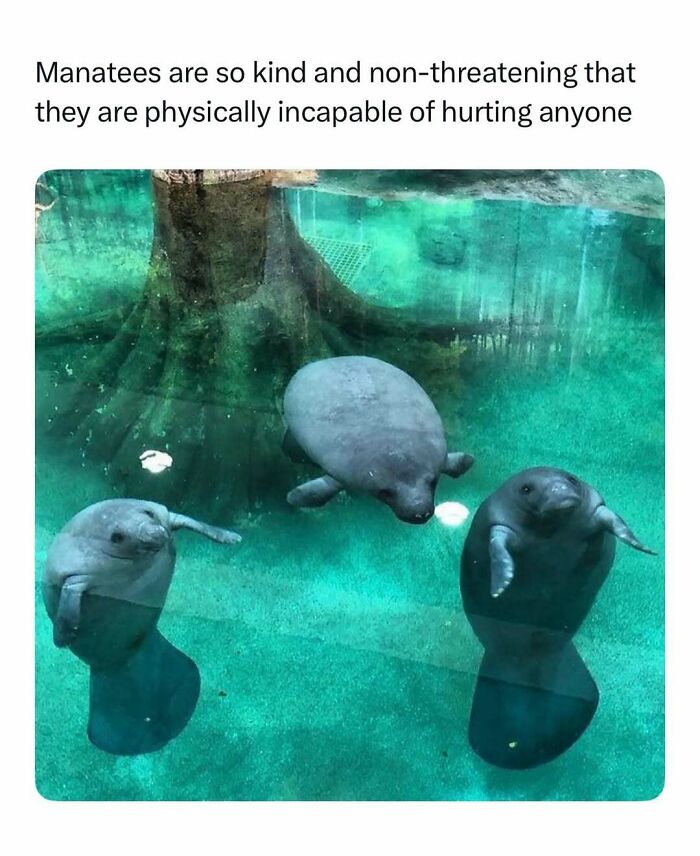
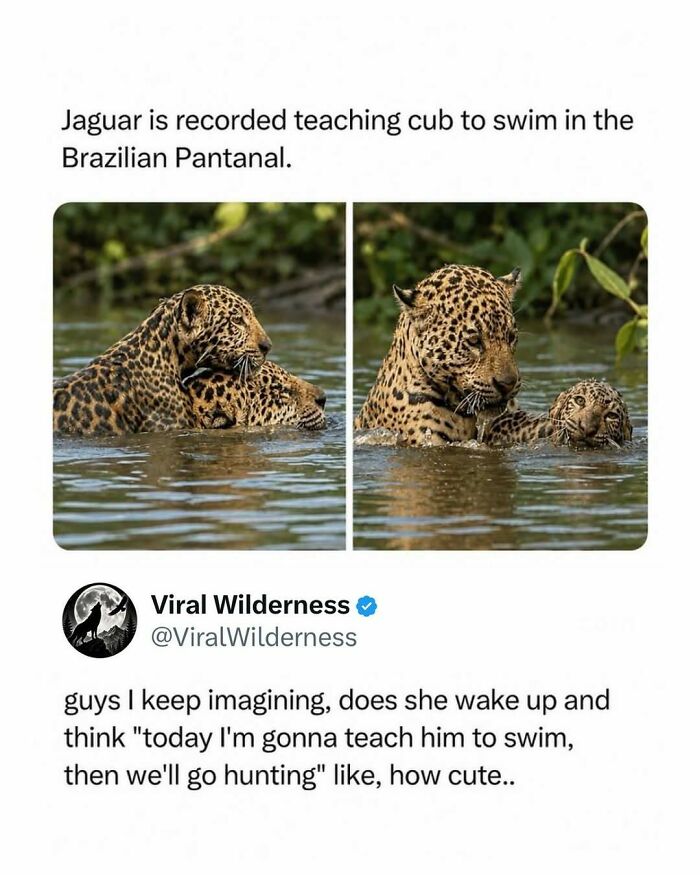
And phuck those people who drive their motorboats through the swamps and maim and kill these gorgeous sweet creatures.
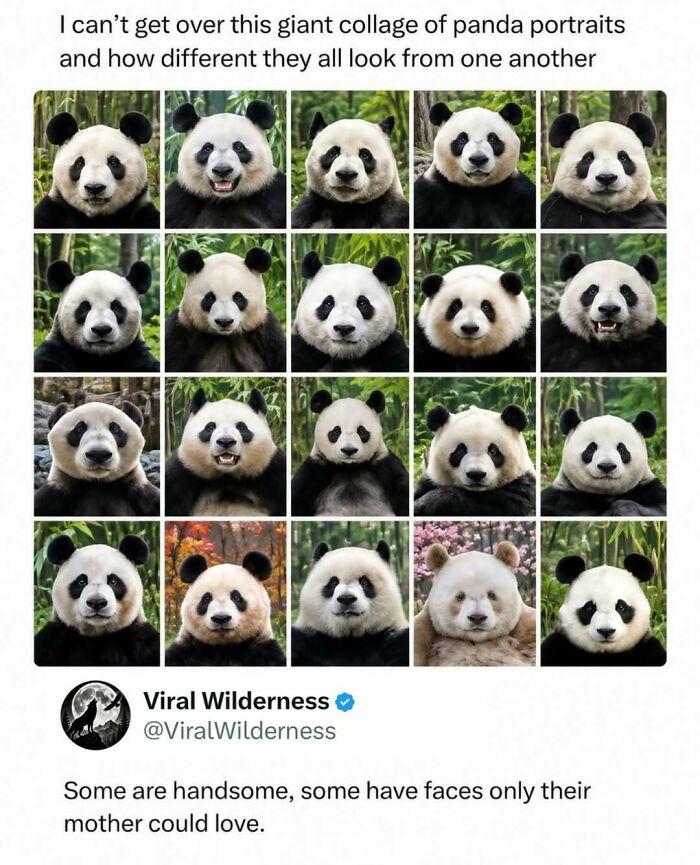
I don't see even ONE that I think is unattractive, and I am not even a mother.
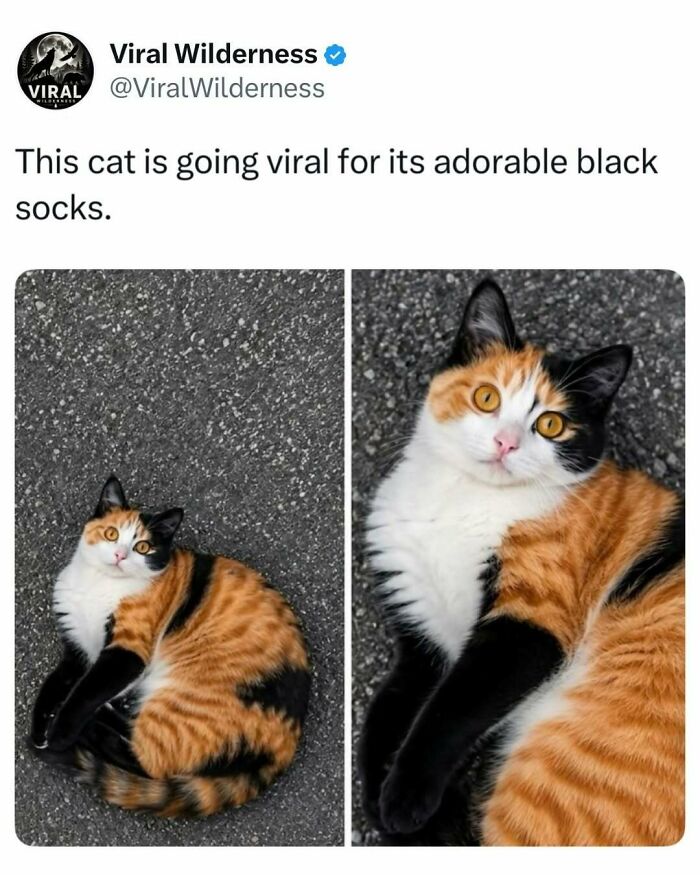
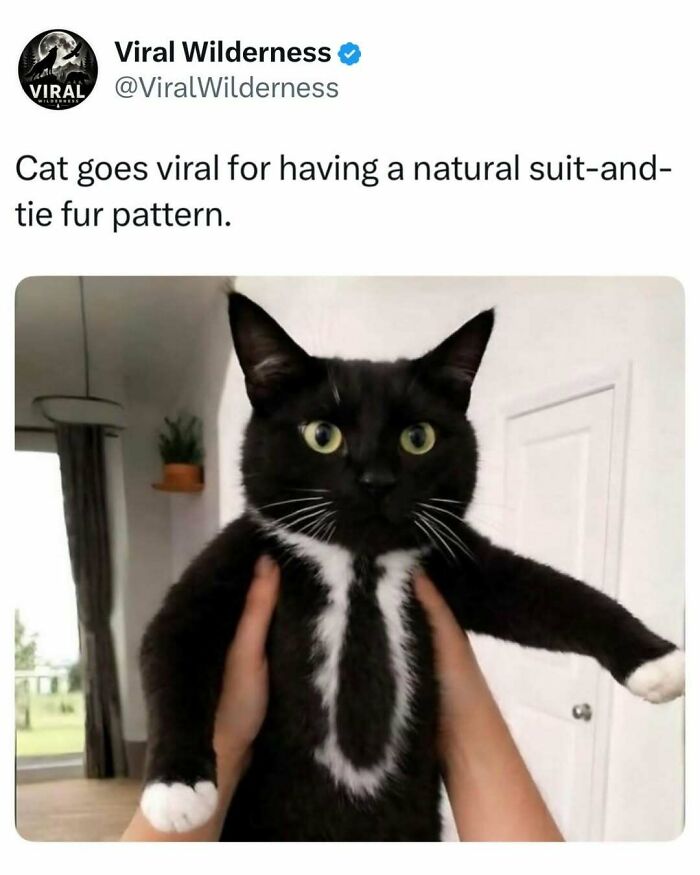
My little cat Torchon does exactly this at times. It is so cute to see.
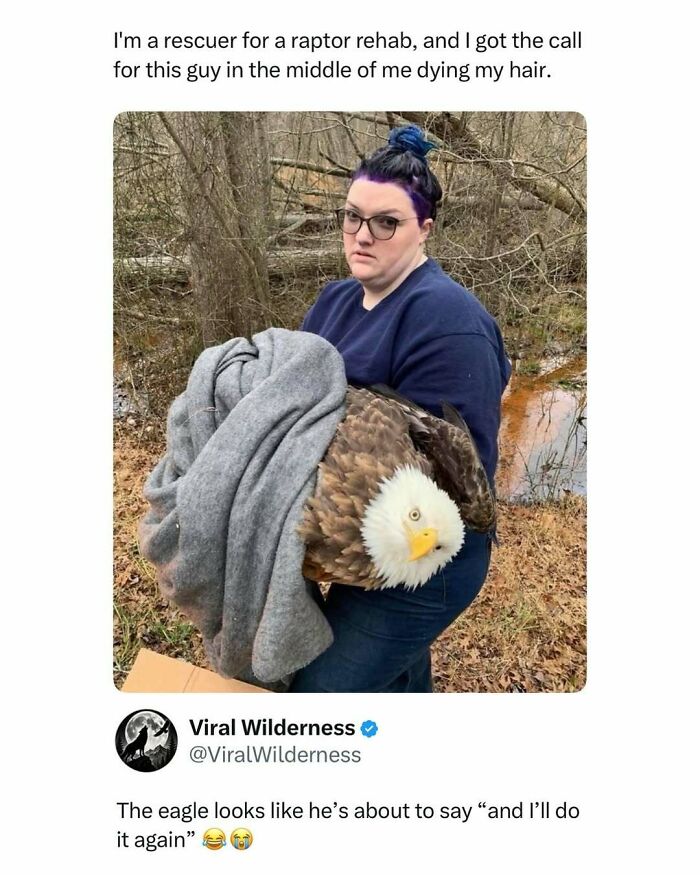
Her facial expression is priceless. And what a hero for working with such a large bird as this with strong, sharp claws, wings that can stun you, and a beak that can tear flesh open!

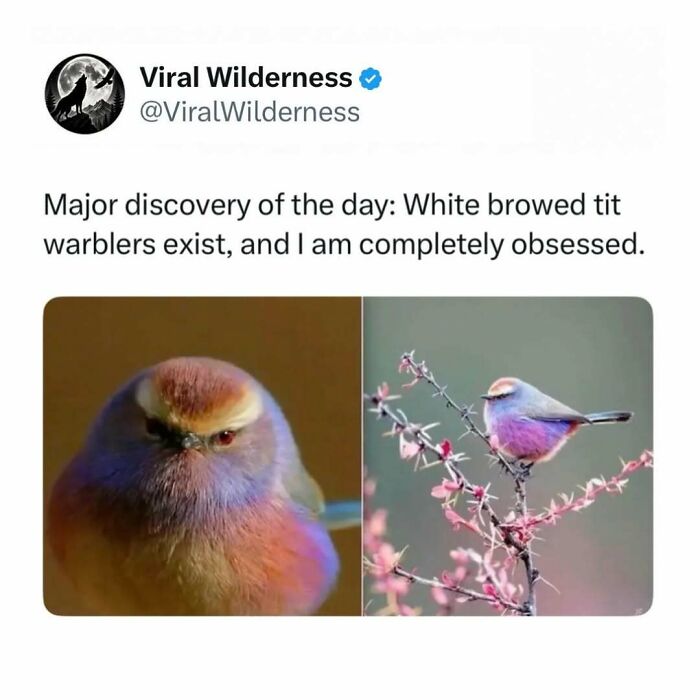
Who names these birds? "What will we call it? Does it have any striking features or colours? Ooh yes - it has a sort of a white eyebrow if you look closely!"

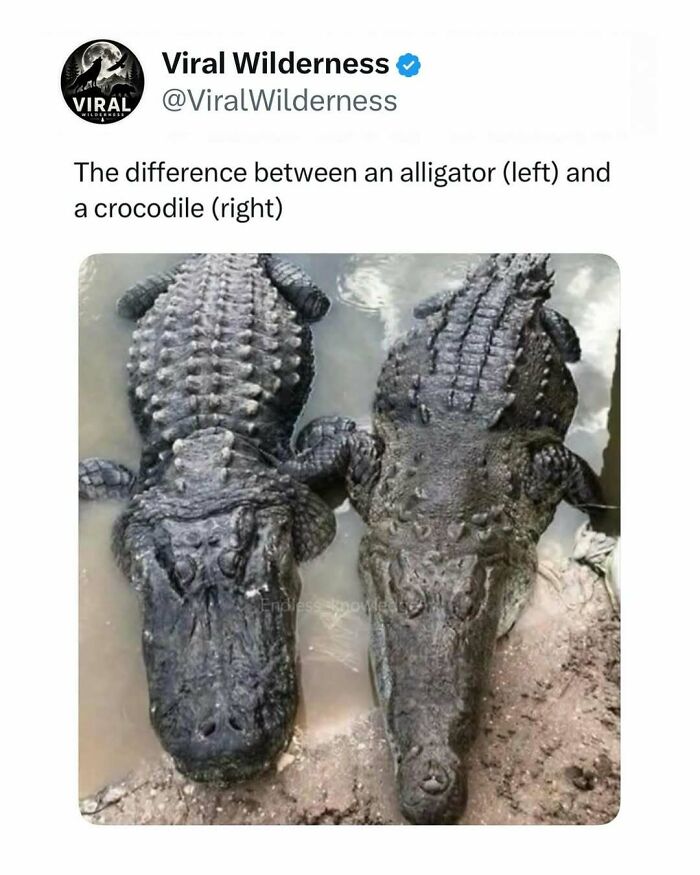
The one on the left will see you later, but the one on the right will see you in a while
Well, I didn't remember THAT part of it! That breaks my heart! 💔
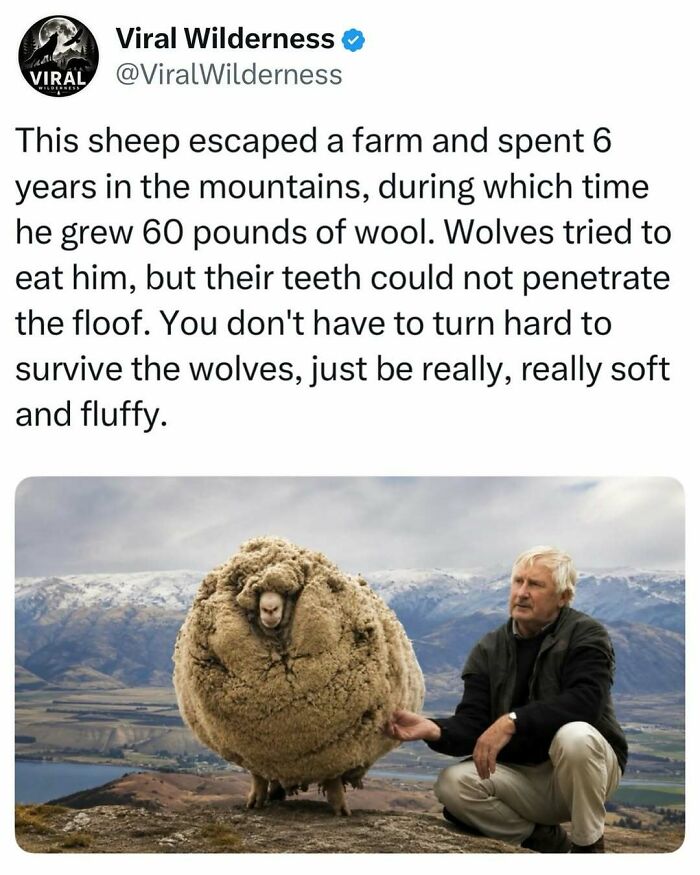
Reverse image search shows that this is Shrek. But as for the wolves trying to eat him. I don't think so. There are no wolves in New Zealand!
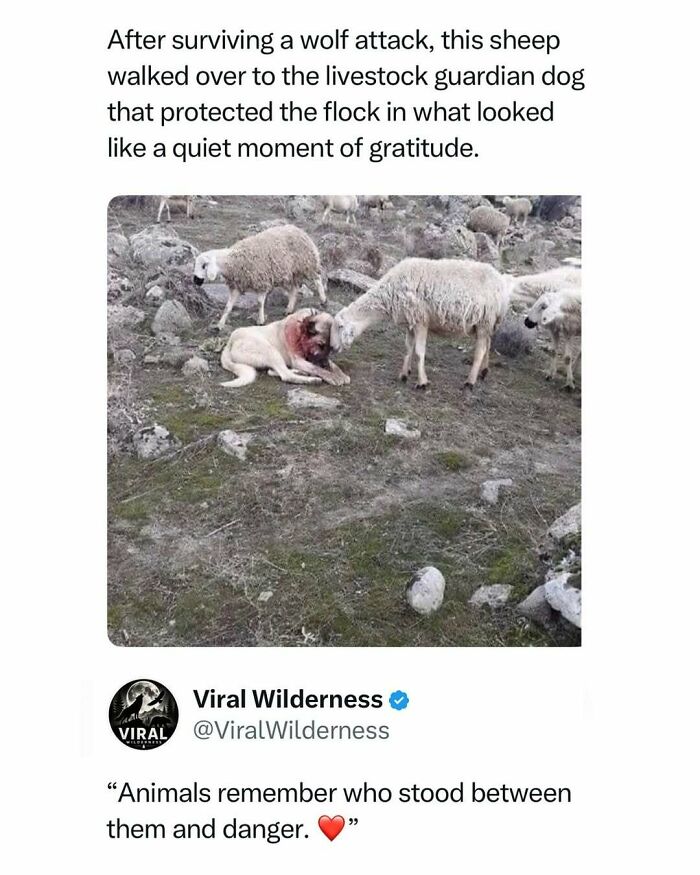
Oh no!! That poor dog is being to,rtured by being made to listen to The Smiths...
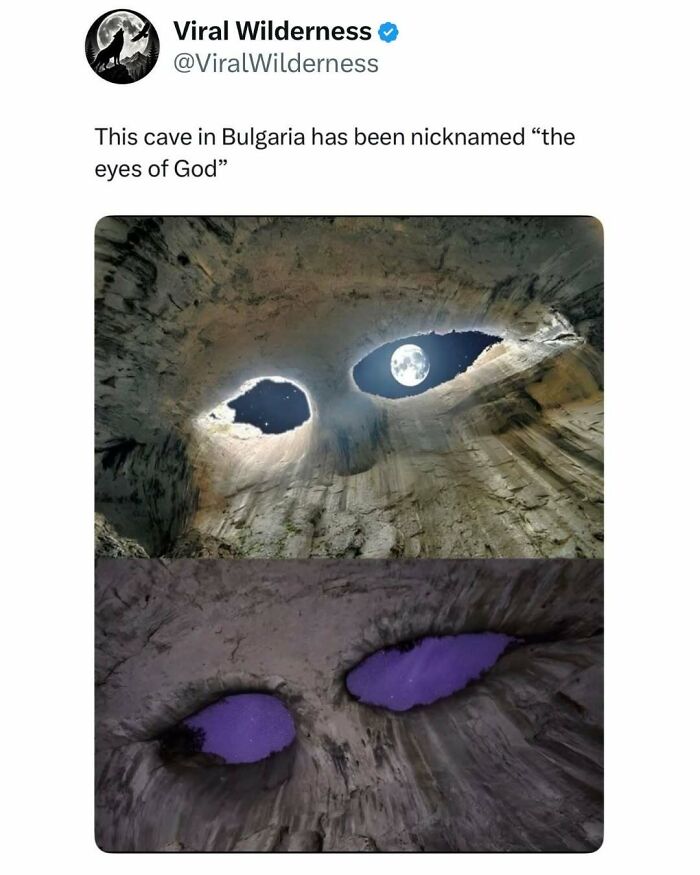
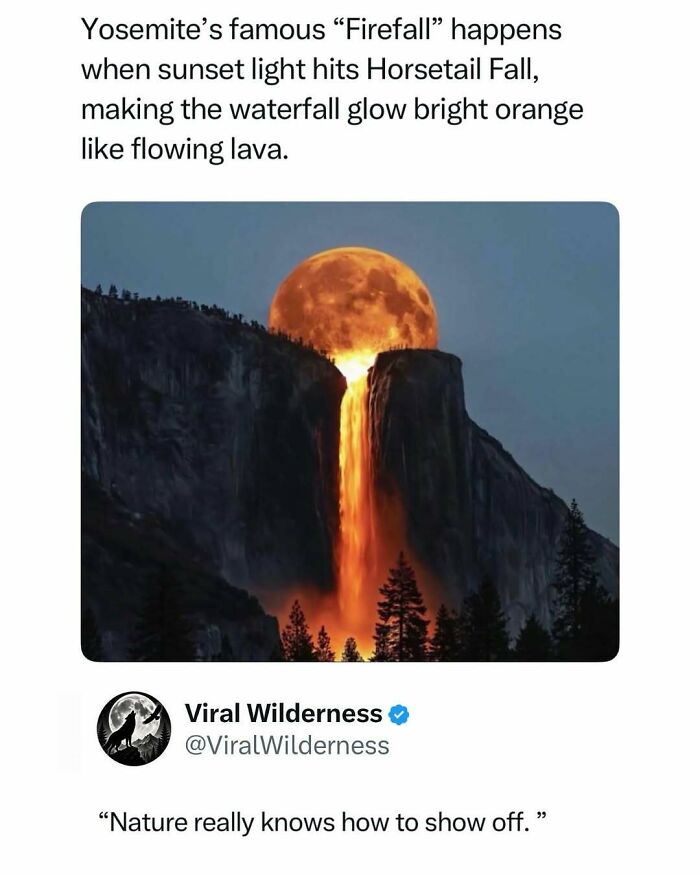
If I remember correctly, the photo with the moon in it was "adjusted" to add the moon and some people were not very happy about it.
This is the reality about where most of our meat comes from. North America in particular has lost touch with where its food comes from
I fall for this Every Damn Time, even when I know it's coming.

This "image" does not make me want to fight, or think or do anything but to look away in abject horror.

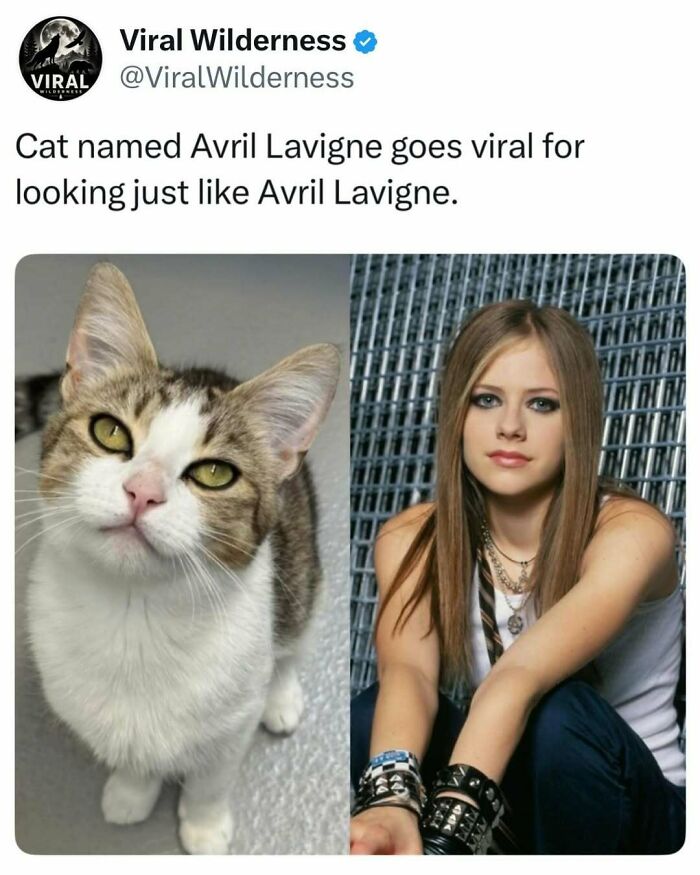
Fabulous! Not one "celebrity" in the bunch! The REAL celebrities that we want to see are the animals!
Fabulous! Not one "celebrity" in the bunch! The REAL celebrities that we want to see are the animals!

































 No fees, cancel anytime