Get Premium
Dark mode theme is available exclusively for premium users. Learn more about the benefits of subscribing.
No fees, cancel anytime.

 Dark Mode Ad-Free Browsing Unlimited Content
 Ad-Free Browsing Unlimited Content Dark Mode
Join 1.2 million Panda readers who get the best art, memes, and fun stories every week!
Hidden deep within Southeast Asia lies one of the world’s most mysterious and biologically rich regions, the Annamite Mountains. Stretching across Laos, Vietnam, and into northeastern Cambodia, this remote forest range has long remained largely unexplored. But a recent 2025 camera-trap survey, led by Fauna & Flora in collaboration with local and global partners, has offered a rare glimpse into the incredible biodiversity that thrives there.
Often referred to as the “Amazon of Asia,” the Annamites are home to some of the rarest animals on the planet, including the Annamite striped rabbit and the almost mythical saola. The newly released images not only showcase these remarkable creatures but also provide valuable insights into their behavior and habitats.
At the same time, this fragile ecosystem faces growing threats from deforestation and habitat loss, putting both wildlife and local communities at risk. Scroll down to explore the fascinating animals captured during the survey and discover what makes this region so unique.
More info: fauna-flora.org | Instagram | Facebook | youtube.com | tiktok.com
This post may include affiliate links.
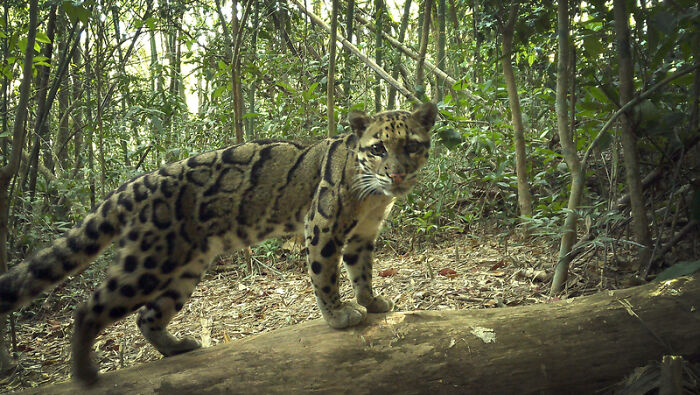
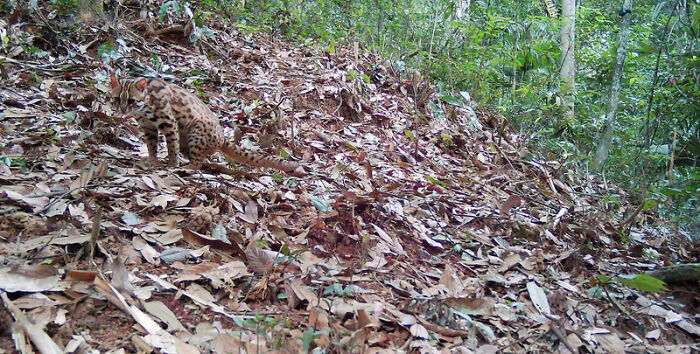
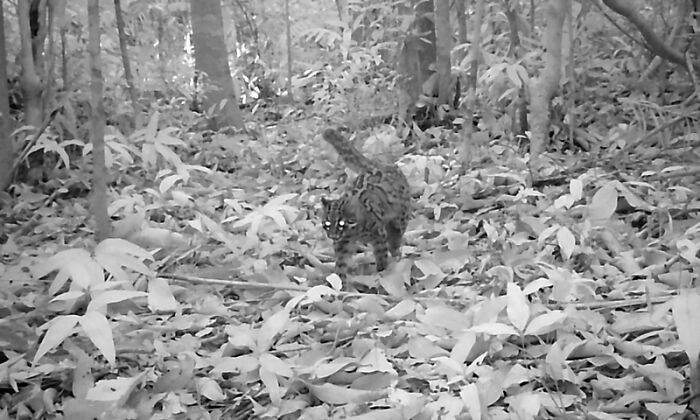
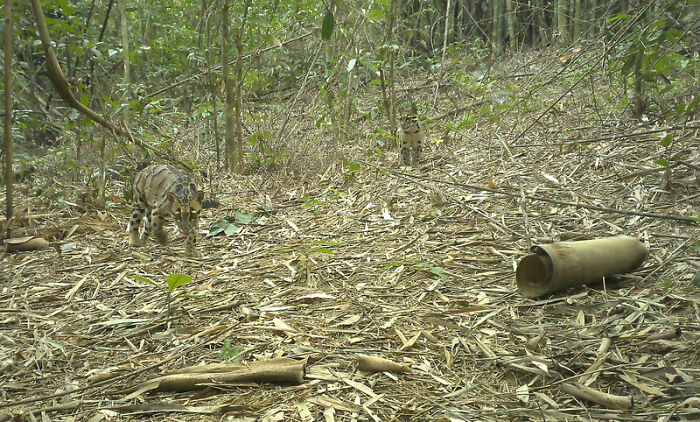
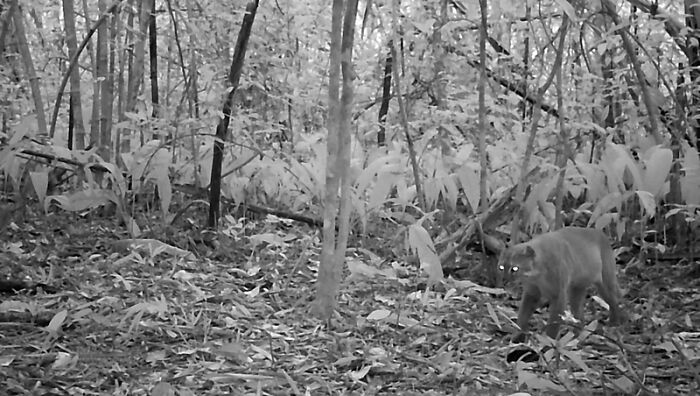
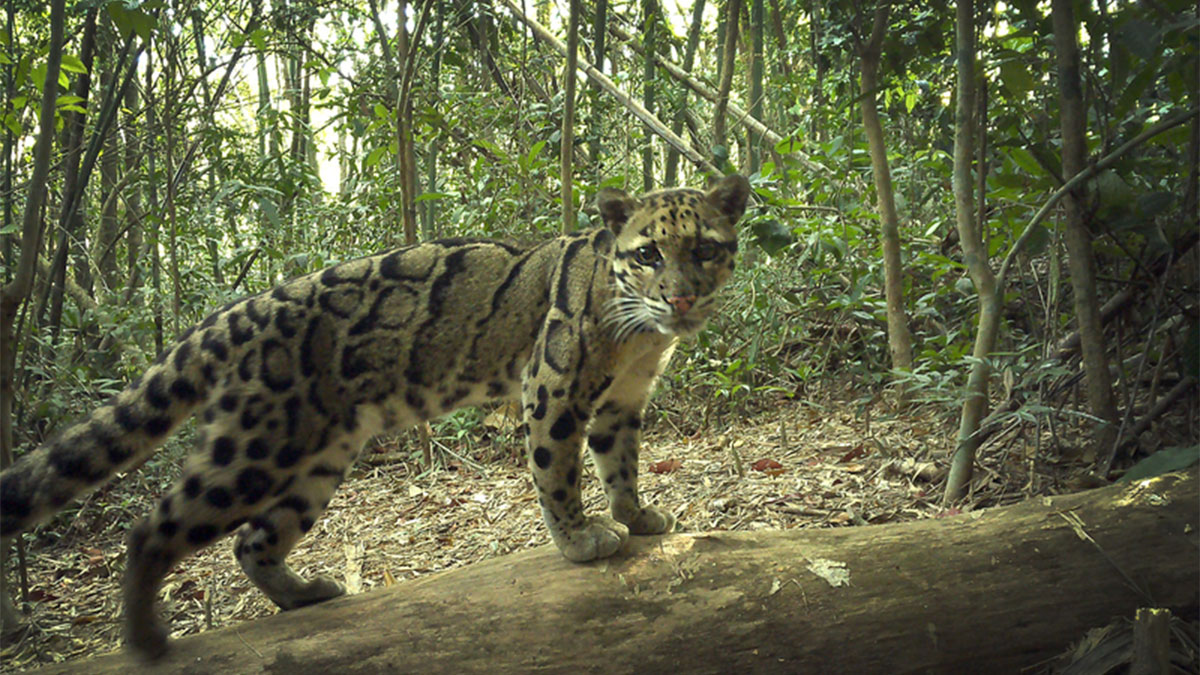
The beautiful markings on their coat make clouded leopards a prime target for the illegal wildlife trade. They are trafficked alive as exotic pets, and their pelts are sold illegally for decoration and luxury clothing. It is thought that clouded leopards are also k***ed for their teeth, claws and bones, which are passed off as tiger parts.
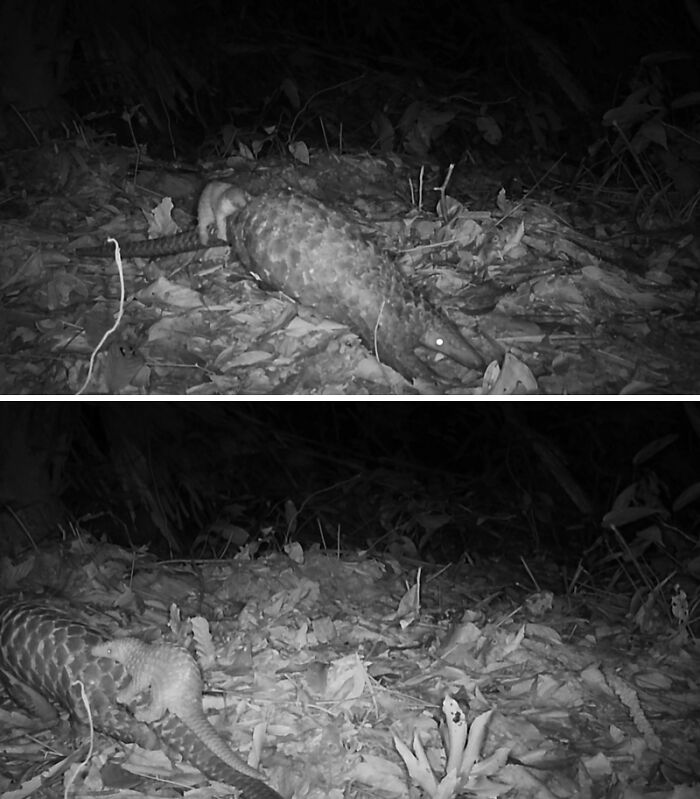
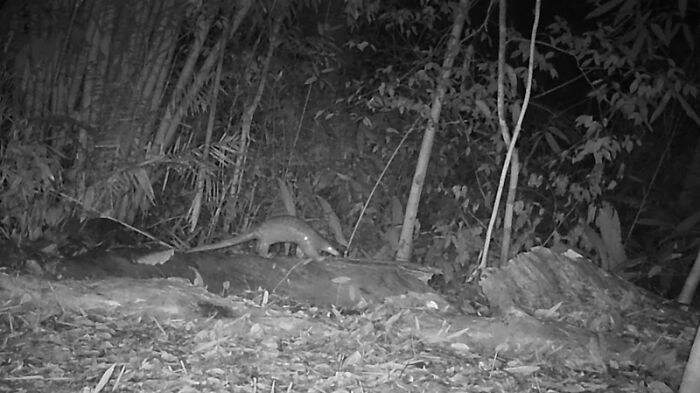
Affectionately known as pangopups, baby pangolins hitch a ride on their mum’s tail. The critically endangered Sunda pangolin, pictured here, is one of eight species of pangolin. These scaly anteaters are the world’s most trafficked mammal, targeted for their meat and scales.
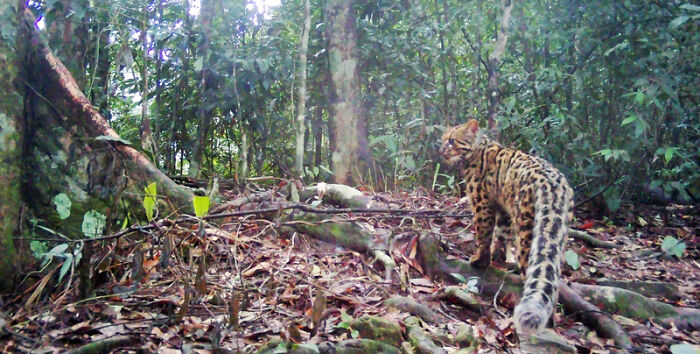
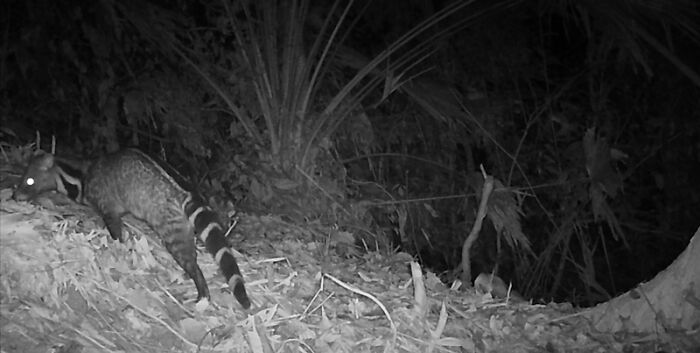
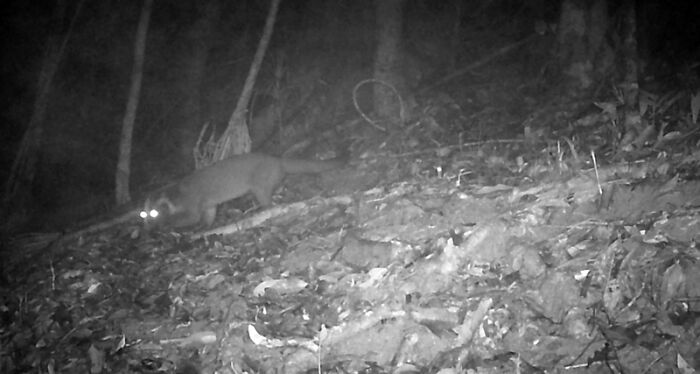
Named for their exquisitely patterned coats, marbled cats are expert tree climbers. Their thick, bushy and unusually long tail serves as a counterbalance as they move through the forest canopy in search of birds and squirrels.
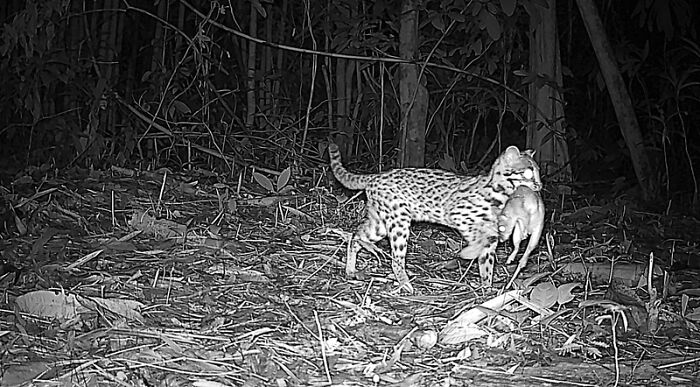
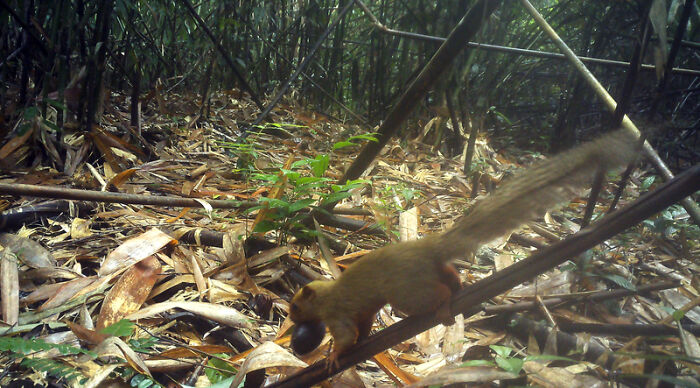
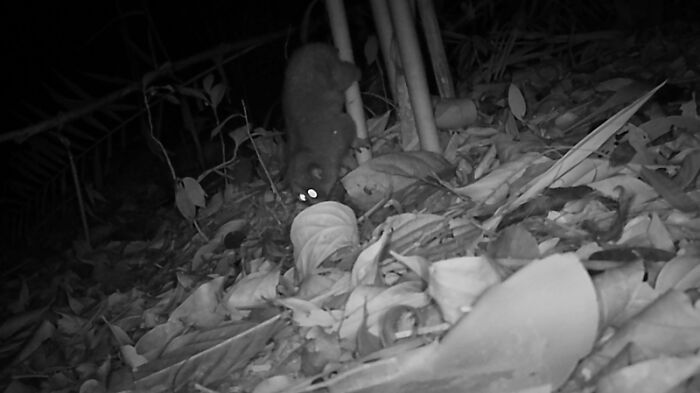
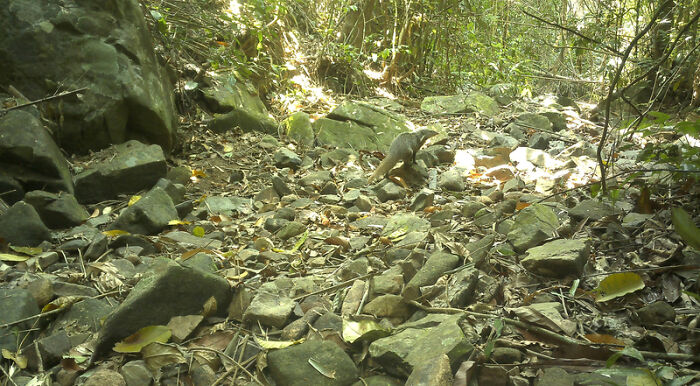
The Asian leopard cat, pictured here with its rodent prey, is unfortunately heavily traded and has become the feline equivalent of the canary in the coal mine, acting as an early-warning system for the surging black market in exotic pets. There is growing concern about the numbers being illegally traded, with wild-caught individuals being bred with domestic cats to produce hybrid Bengal cats.

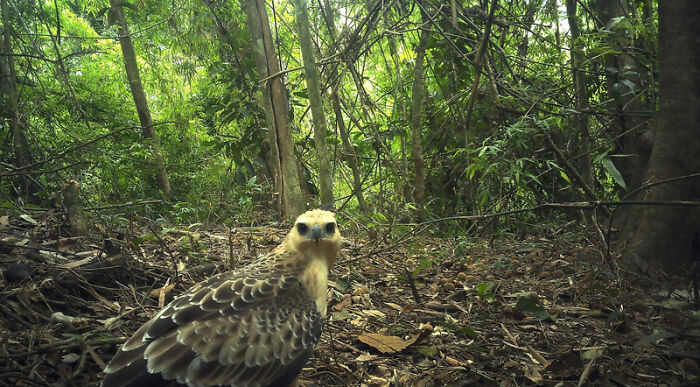
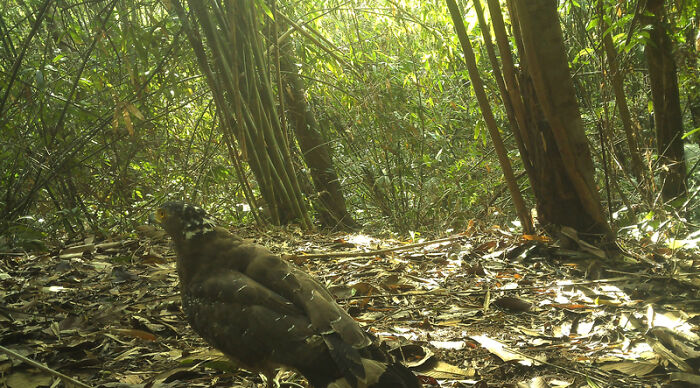
What does it change in to? The Changeable Hawk-eagle (Nisaetus cirrhatus) is a widespread, medium-large bird of prey in Asia, known for its variable plumage, which ranges from pale to dark, and can include a crest or lack thereof, giving it the "changeable" name. It's an adaptable, diurnal raptor found in forests and plantations, preying on small mammals, birds, and reptiles, and is characterized by its loud, high-pitched calls.
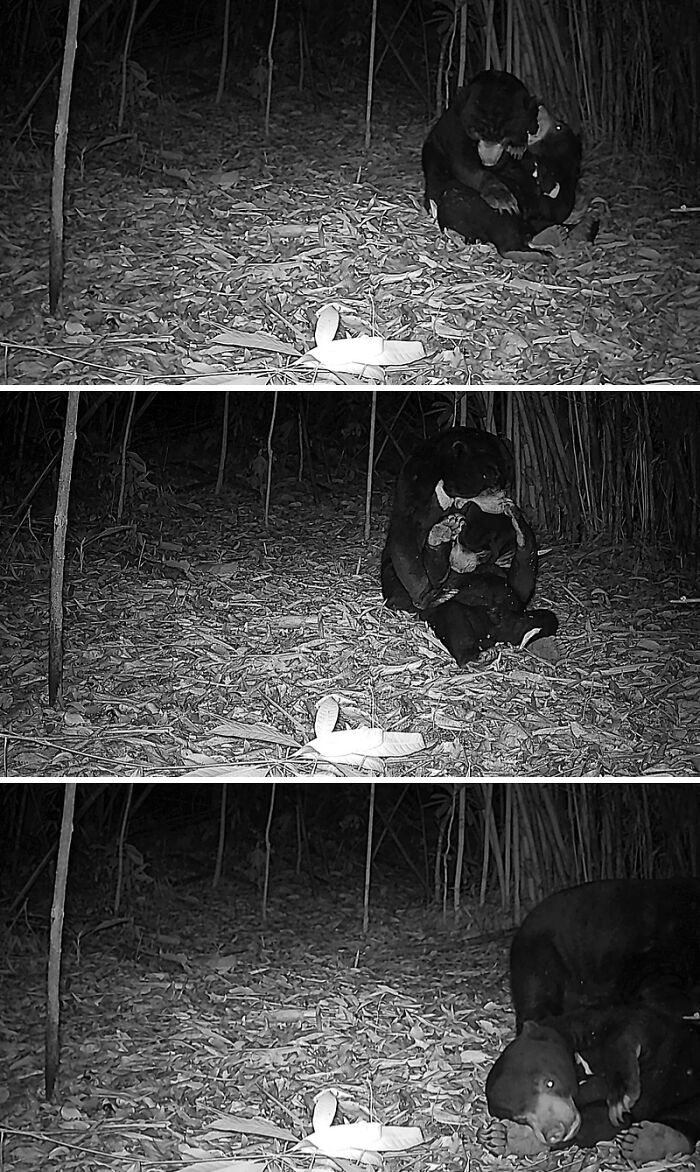
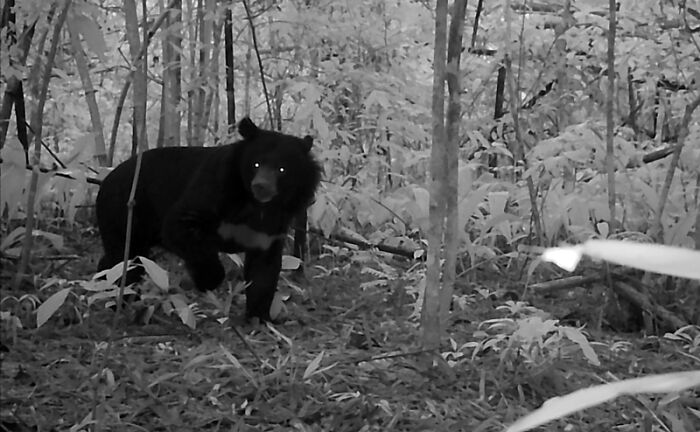
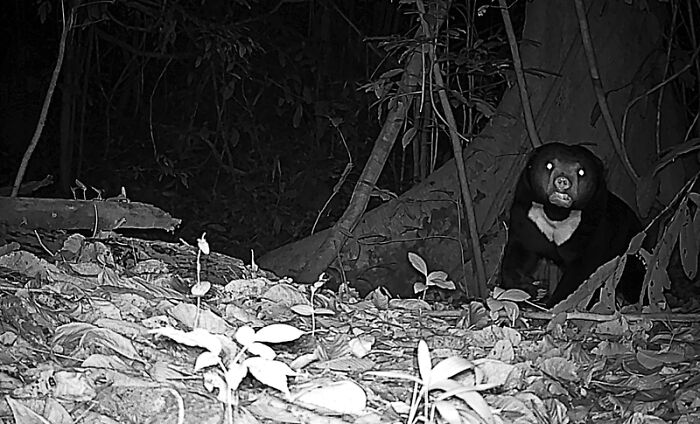
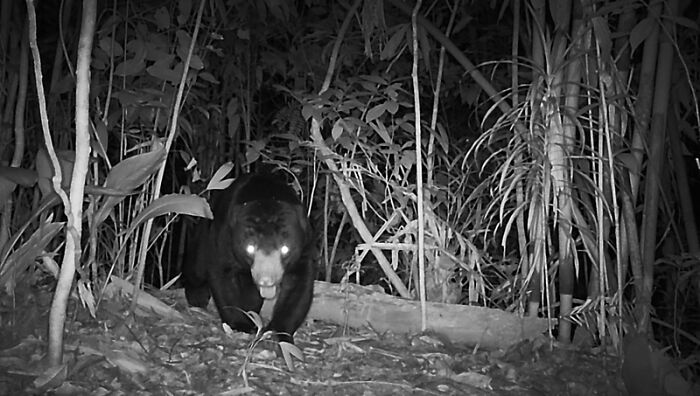
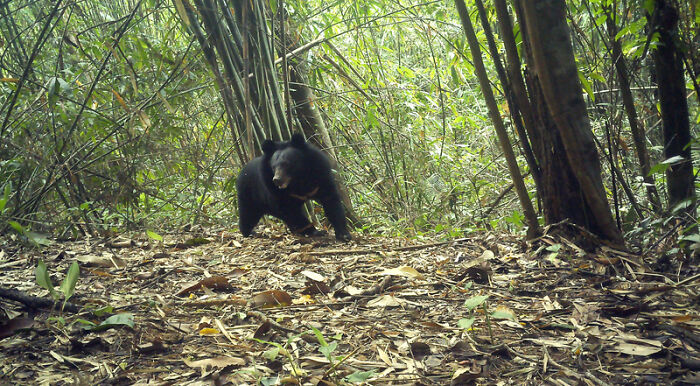
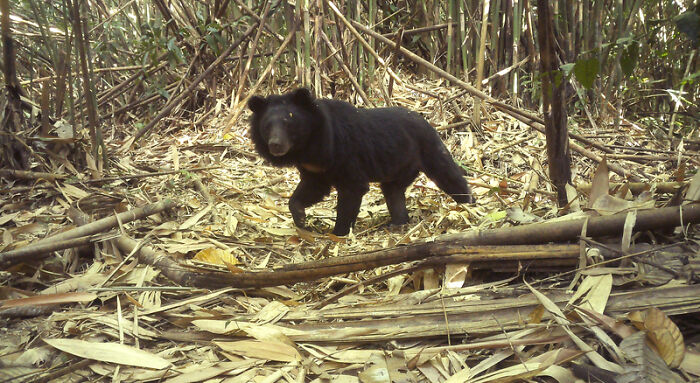
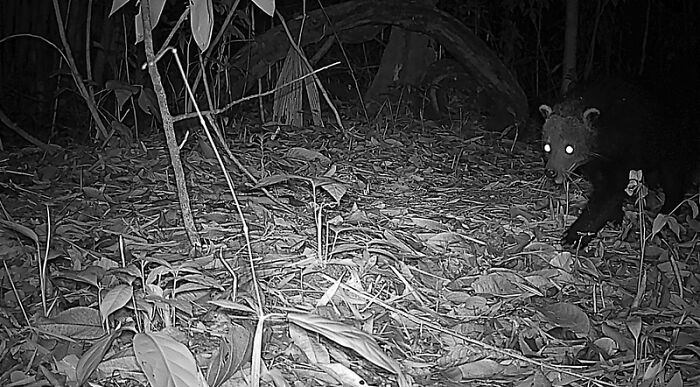
Named for their distinctive orange-yellow chest patch, these play-fighting sun bears have poor eyesight and hearing, but a powerful sense of smell. Their claws are strong enough to rip open a concrete-hard termite mound or excavate a bees’ nest. Sun bears are threatened by deforestation and, in particular, poaching for their gall bladder and paws to supply the illegal wildlife trade.
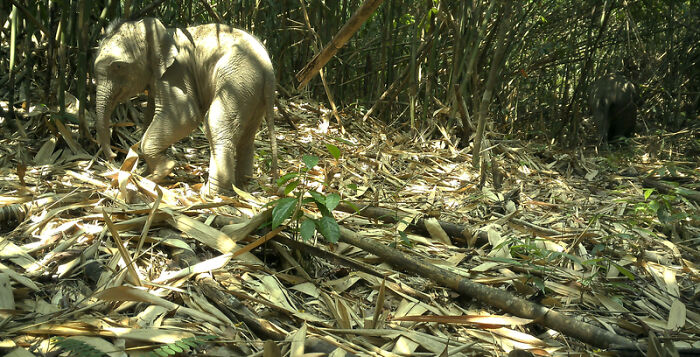
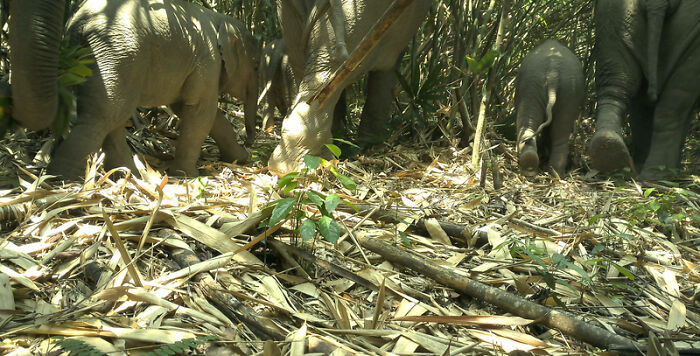
Asian elephants need room to roam. Forest fragmentation is arguably the single greatest threat they face because it increases their exposure to poaching and to human-elephant conflict. Protecting and connecting the remaining forested landscapes in their range is critical to their long-term survival.
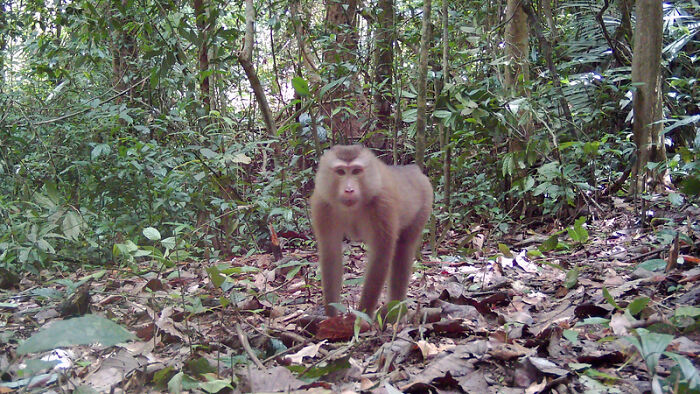
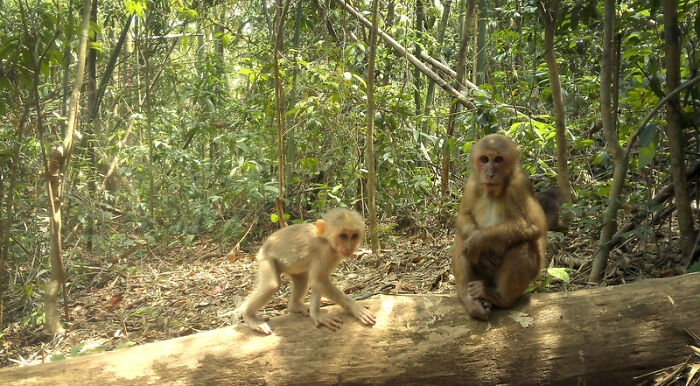
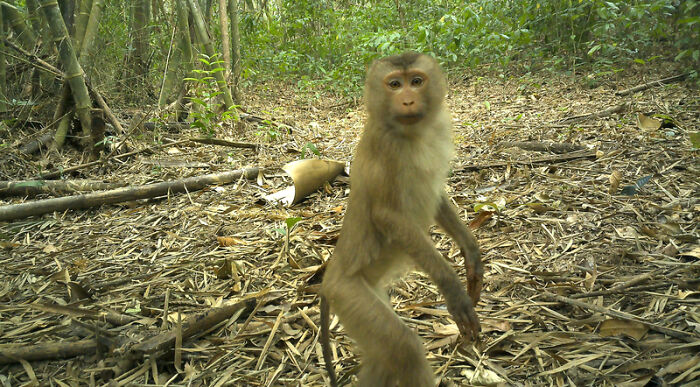
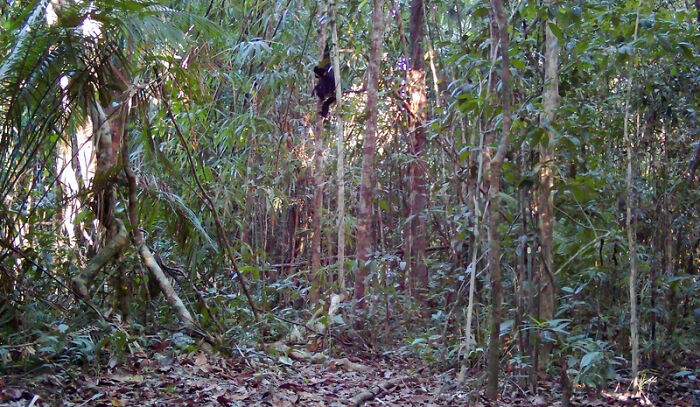
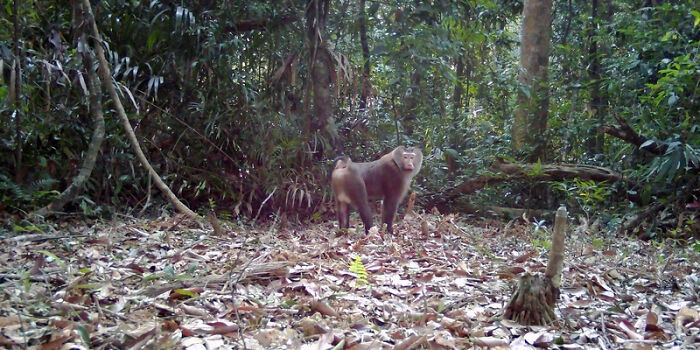
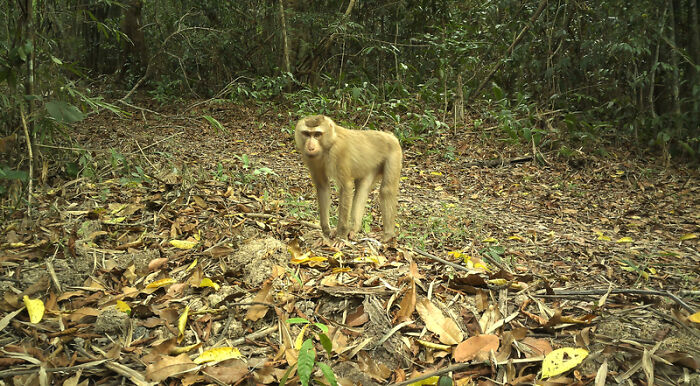
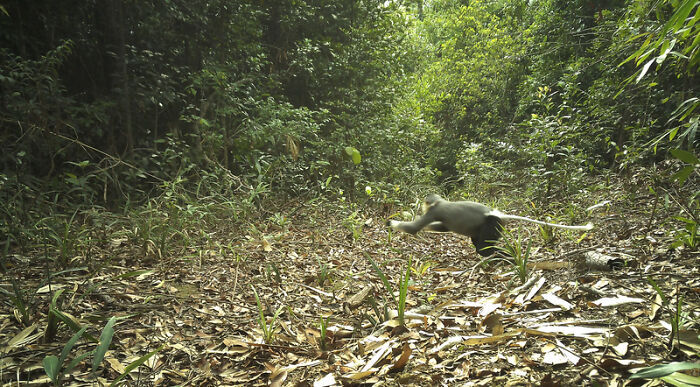
A mother and baby stump-tailed macaques perch on a fallen tree. Distinguished by their short, hairless tail, stump-tailed macaques spend much of their time feeding on fallen fruit on the forest floor, though they are perfectly capable climbers.
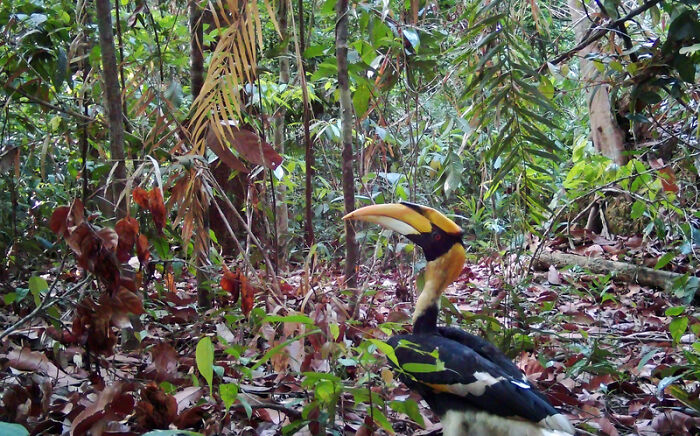
More typically seen in flight, or feeding on fruit high in the forest canopy, great hornbills play a crucial role as seed dispersers. This and other hornbill species are sometimes called ‘barometers of biodiversity’ because the presence of these threatened birds is a strong indicator of a healthy forest.
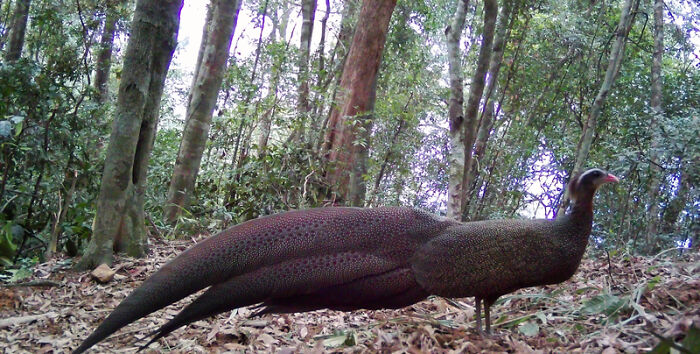
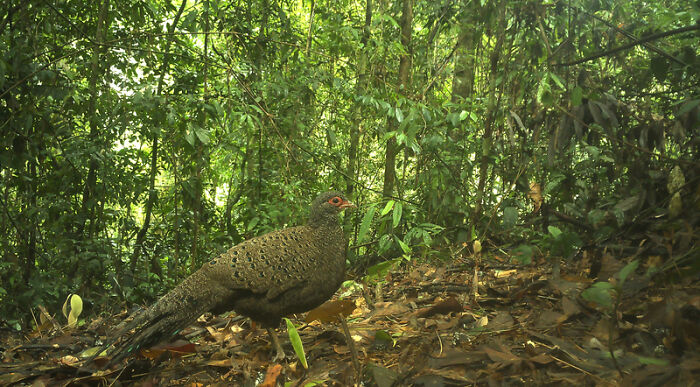
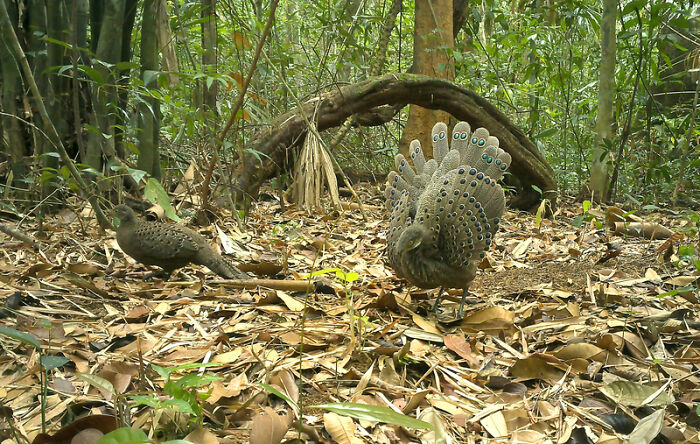
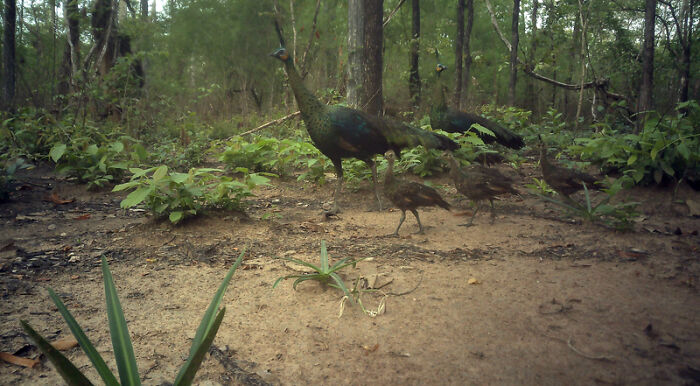
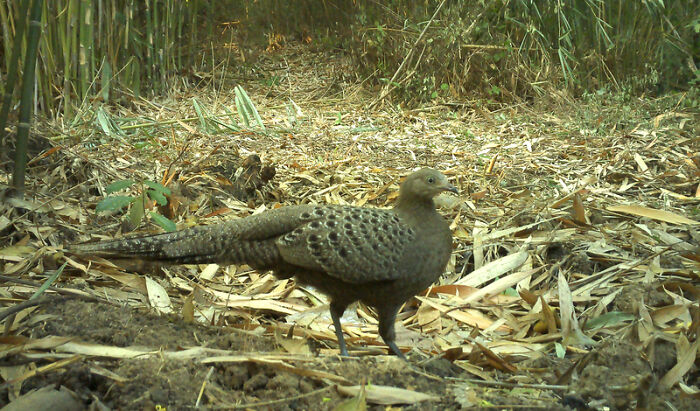
A male peacock-pheasant attempts to impress watching females by flaunting his iridescent ocelli (eyespots) and strutting his stuff on the dance floor he has created among the forest leaf litter.
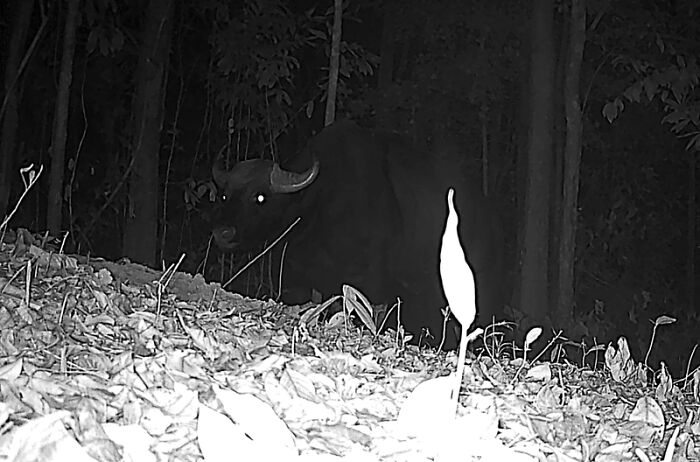
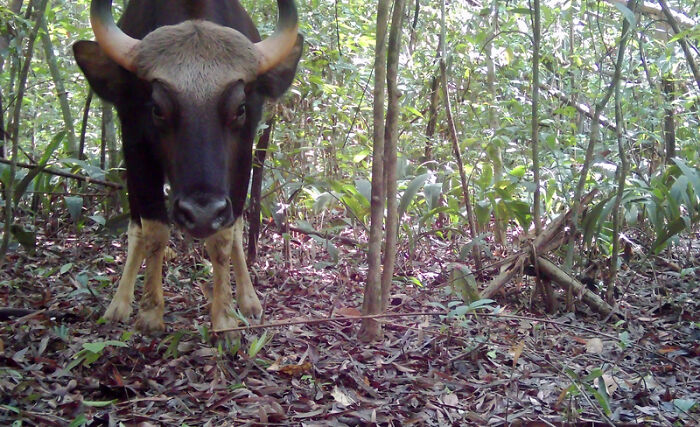
The gargantuan gaur is the largest of all wild cattle species. Seemingly a cow on steroids, it’s the bovine equivalent of a musclebound gym bunny. These formidable animals still survive in small, fragmented herds in mountainous forests in Southeast Asia.
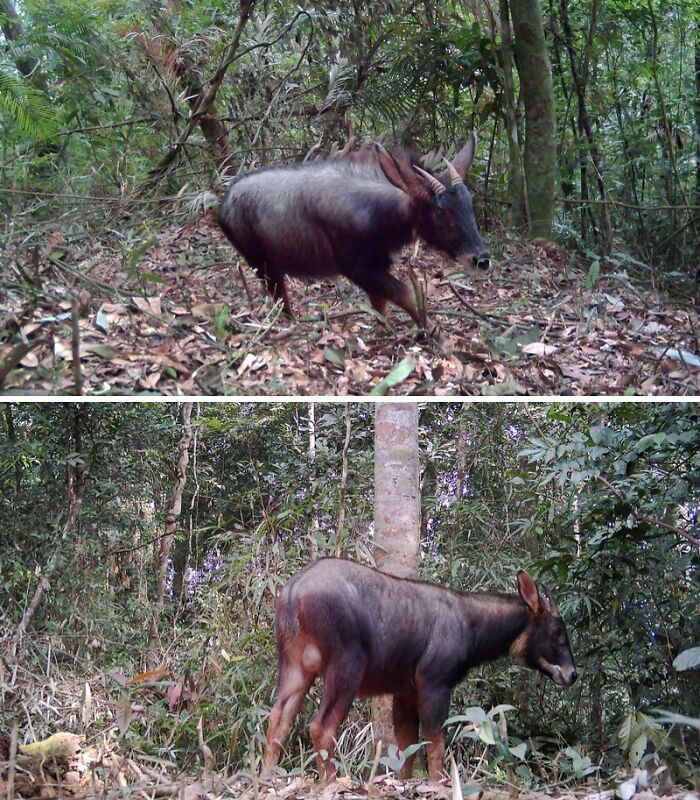
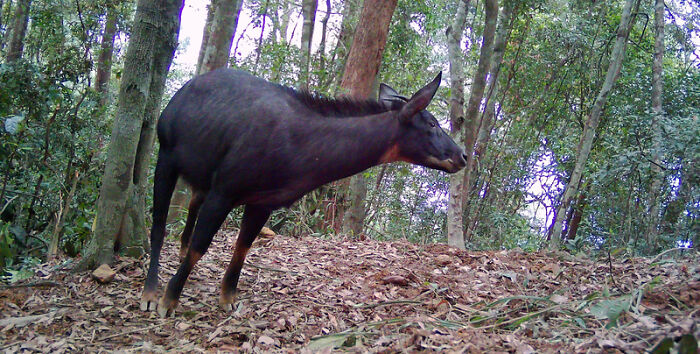
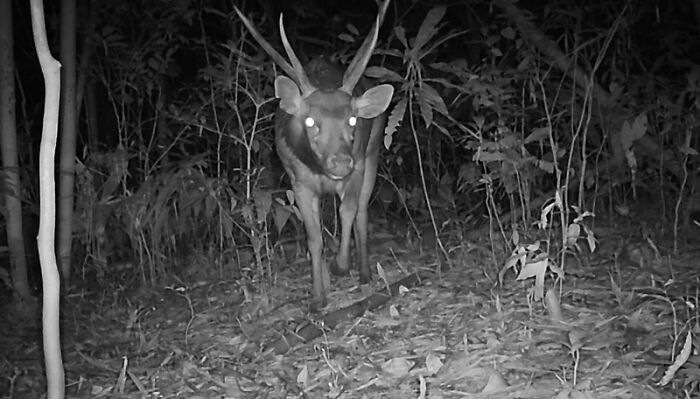
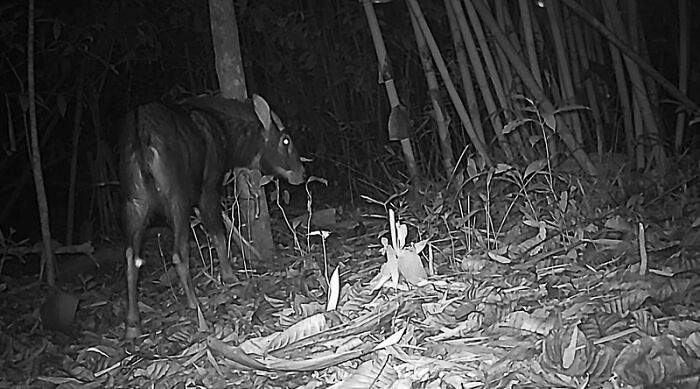
Looking like a bizarre cross between goat and antelope, the shy, elusive serow is a medium-sized mammal that favours rocky, forested hillsides. Blackish in colour with a conspicuous mane, a slight beard and a pair of short horns, it is targeted by hunters for its meat and horns.
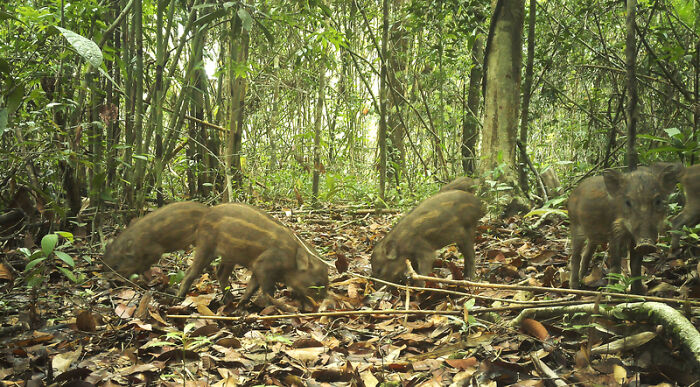
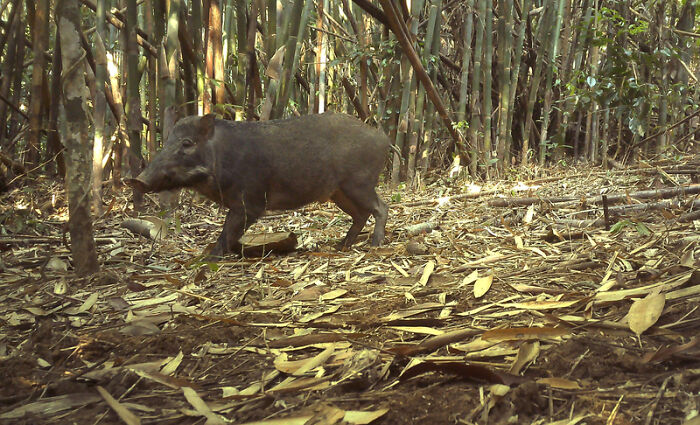
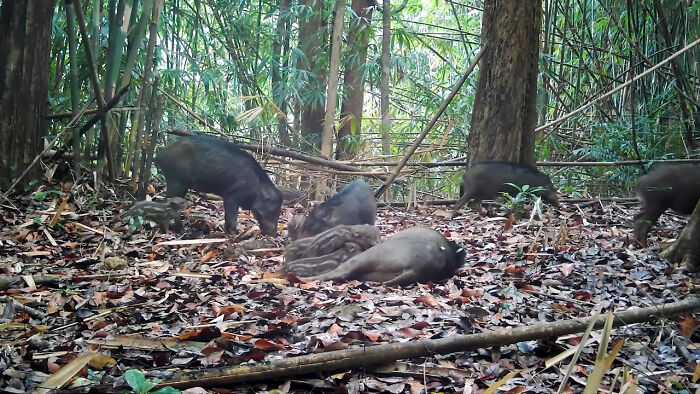
The wild boar is one of the most widespread mammals in the world but is thought to have originated in the forests of Southeast Asia. This intimate insight into wild boar family life shows an extended family group of sows and their young – known as a ‘sounder’.

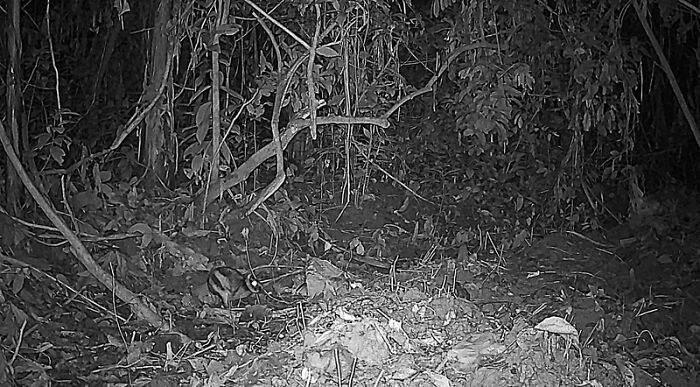
The Annamite striped rabbit was unknown to science until 1996, when several dead specimens were seen in a market in Laos. Very little is known about this intriguing but endangered species, which is rarely encountered in the wild and has been captured on camera only a handful of times.
I learnt about three of these for the first time just last night in the TV series "Mysteries of the Mekong". Watch it if you possibly can. Many of the animals here are completely new to me.


I've never seen or heard of many of these. This was a great post. Thanks, Community Panda.
I learnt about three of these for the first time just last night in the TV series "Mysteries of the Mekong". Watch it if you possibly can. Many of the animals here are completely new to me.
I've never seen or heard of many of these. This was a great post. Thanks, Community Panda.






































 No fees, cancel anytime