Get Premium
Dark mode theme is available exclusively for premium users. Learn more about the benefits of subscribing.
No fees, cancel anytime.

 Dark Mode Ad-Free Browsing Unlimited Content
 Ad-Free Browsing Unlimited Content Dark Mode
Join 1.2 million Panda readers who get the best art, memes, and fun stories every week!

27submissions
1week left

There are a lot of different ways to be kind, and there are a lot of different ways to be masculine. But in both cases, what matters most is trying your best to do the right thing.
Most people know what that looks like. The hard part is following through when it’s more convenient not to.
The subreddit ‘Men Of Purpose’ is an online community for those who believe that the purpose of life is a life of purpose.
“We choose direction over drift and meaning over comfort, growing stronger together through discipline, self-mastery, and shared accountability,” the community introduces itself in its ‘About’ section.
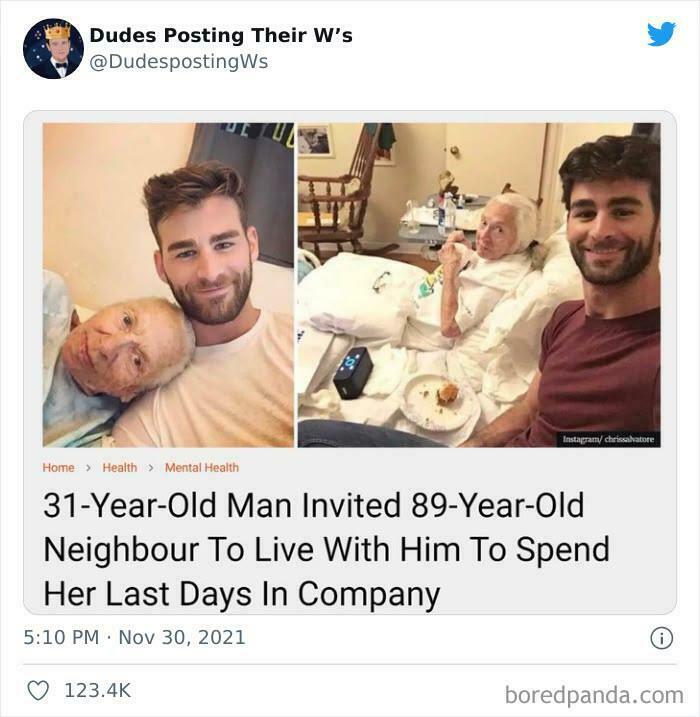
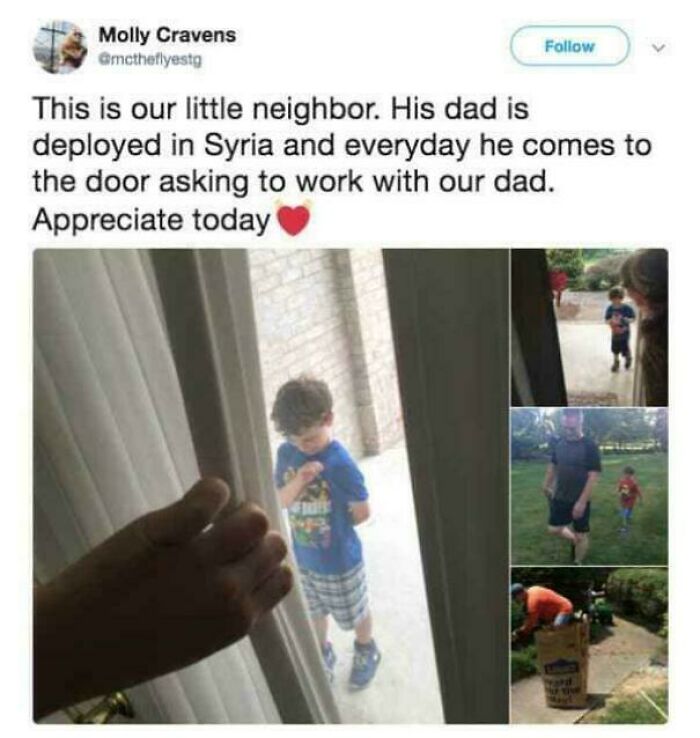
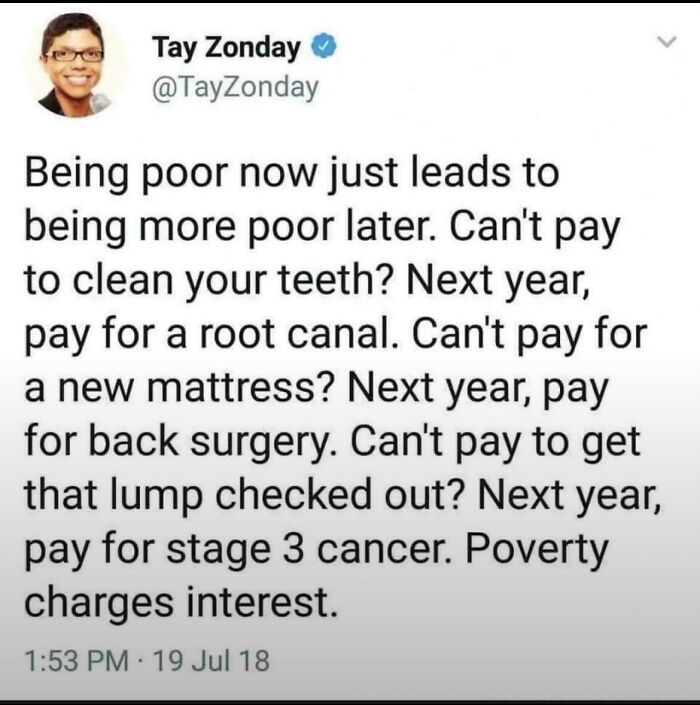
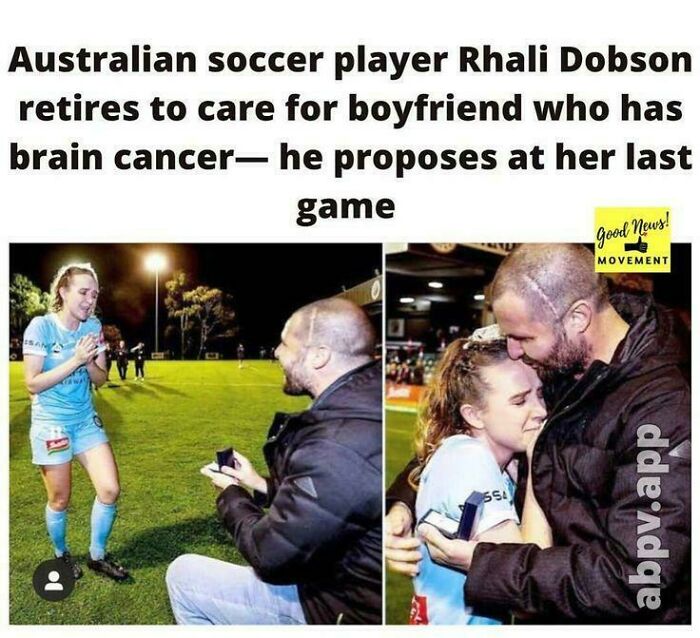
And to keep each other motivated, members regularly share inspiring examples of choosing responsibility over excuses. Here are some of our favorite posts.
Click here & follow us for more lists, facts, and stories.
This post may include affiliate links.
Examples like these are especially important now that the manosphere is casting nets on young men not just online, but also in real life.
A new study has identified what researchers call the “M factor,” a syndrome categorized as a cluster of attitudes linked to misogyny, male supremacy, violence, and opposition to gender equality.
“The M factor reflects an attitude that sees ‘true masculinity’ as under threat. It is associated with notions of male supremacy, a propensity for violence, misogyny, contempt for sexual minorities, and opposition to gender equality,” said study leader Denis Ribeaud, a criminologist and sociologist at the Jacobs Center for Productive Youth Development at UZH.
Researchers from the University of Zurich worked in collaboration with Mencare, the umbrella organization of Swiss men’s and fathers’ groups, to survey more than 6,000 people ages 16 to 64 about masculinity, gender roles, sexuality, family life, relationships, and experiences with violence.
They wanted to examine how ideas about masculinity are evolving as the manosphere — a network of influencers, online communities, and social media channels promoting forms of extreme masculinity and male dominance — continues to grow.
“Our data show that all these views are closely linked and can be traced back to a common underlying attitude,” Ribeaud added.
According to the results, 20% of men and 7% of women surveyed fell into the group with high M factor scores.
These people are more likely to exhibit problematic or violent behavior. The factor is widespread in the youngest age group: almost 1 in 3 men ages 18 to 24 (31%) belong to the group with the highest scores.
M-factor scores were also higher in suburban and rural areas than in cities.
Men with a low level of education, low professional status, and low income were overrepresented in the group with high M-factor scores
Among men ages 18 to 24 with an apprenticeship qualification, almost one in two falls into this group (47%). The reverse is also true: the higher a person’s level of education and the better their prospects in life, the lower their M-factor score.
According to the authors of the study, men whose fathers were born in countries that are characterized by more patriarchal social structures have higher M-factor scores.
Such structures are particularly common in places where rule-of-law institutions are less firmly established, they said. Men from such backgrounds may be less familiar with, or more skeptical of, Western norms of equality. If they also experience exclusion and limited social participation, this can trigger a counterreaction in which a restrictive and dominance-based concept of masculinity becomes a seemingly reliable anchor for their self-esteem.
High M-factor scores are linked to a greater likelihood of following “traditional” divisions of labor within families and relationships, in which women are more likely to perform the majority of care work, while men are much more likely to be the sole breadwinners.
Such men are also more likely to view the roles of fathers and mothers as fundamentally different, and to believe that boys and girls need to be raised in very different ways.
Additionally, these men think authoritarian behavior and violence are justified in raising kids.
High M-factor scores were also associated with an increased likelihood of violence in romantic relationships.
“The M factor is a consistent risk factor for intimate partner violence—in terms of perpetrating and experiencing it, and across both sexes: men and women with high M-factor scores are more likely to report having committed but also experienced violence in their relationships,” Ribeaud explained.
“This is not contradictory. Those who see male supremacy, contempt for women and controlling behavior as normal are at greater risk of being on both sides of this dynamic.”
“‘Masculinity’ is a relatively new way of thinking about men,” said Catherine Aponte, Psy.D., who previously was a clinical psychologist and an adjunct professor at Spalding University.
“Since the feminist movement of the ’70s, there has been an ever-growing number of different ‘masculinities,’ such as inclusive masculinity, caring masculinity, toxic masculinity, flexible masculinity, and hegemonic masculinity. Not surprisingly, the idea of a ‘crisis in masculinity is now in vogue.”
To help men define their own view on the topic, Aponte suggested to:
After thinking about these points, “you may now ... ask yourself what social value the idea of ‘masculinity’ holds for you,” Aponte added. “And, how important is being masculine to your self-concept?”
You might also like: 25 husbands of 'Bridezillas' share what their marriages were like
























 No fees, cancel anytime