Get Premium
Dark mode theme is available exclusively for premium users. Learn more about the benefits of subscribing.
No fees, cancel anytime.

 Dark Mode Ad-Free Browsing Unlimited Content
 Ad-Free Browsing Unlimited Content Dark Mode
Join 1.2 million Panda readers who get the best art, memes, and fun stories every week!
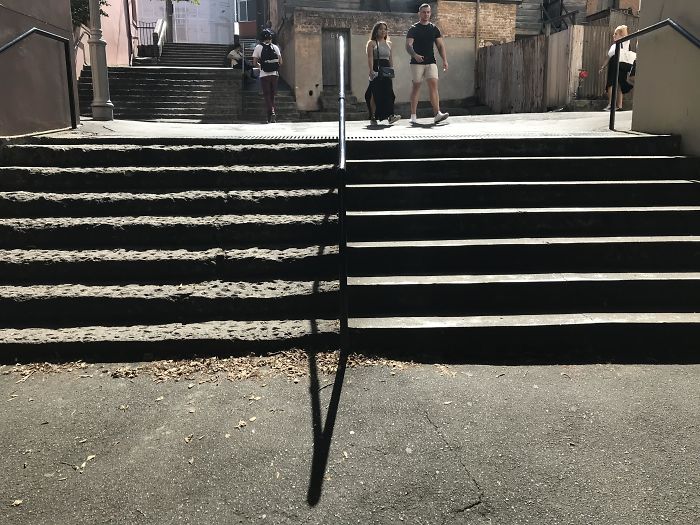
“Time and tide wait for no man” is one of our oldest sayings, pre-dating modern English and going all the way back to 1225. A true classic, this saying has stood the test of time because of it's simple, fundamental truth; when it comes to longevity, basic is always better.
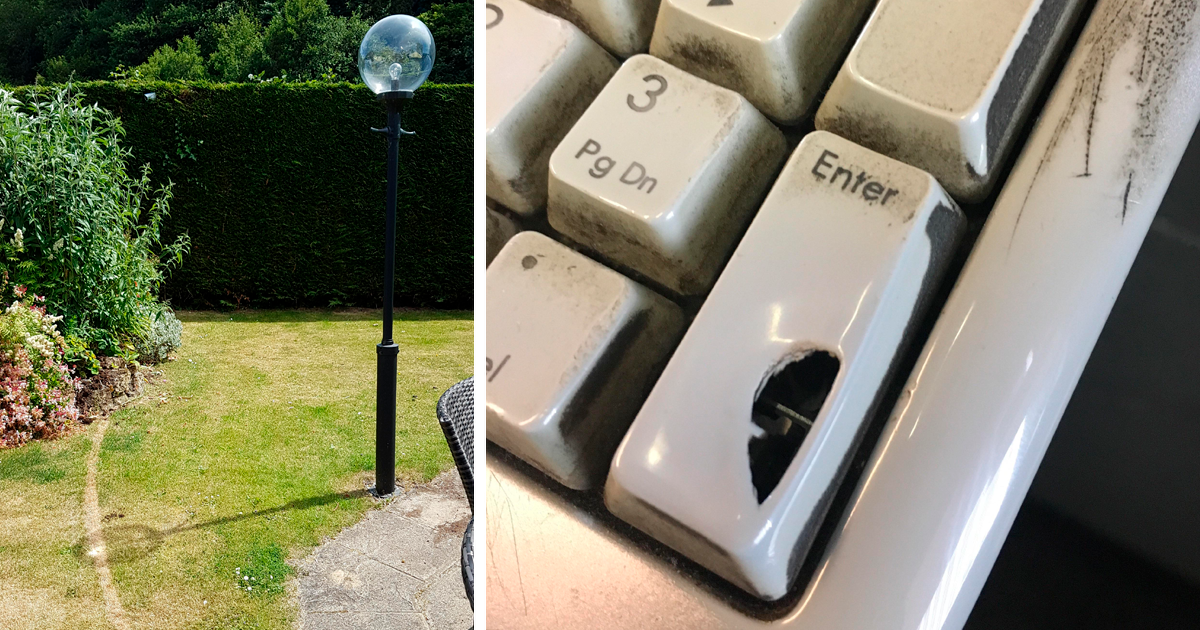
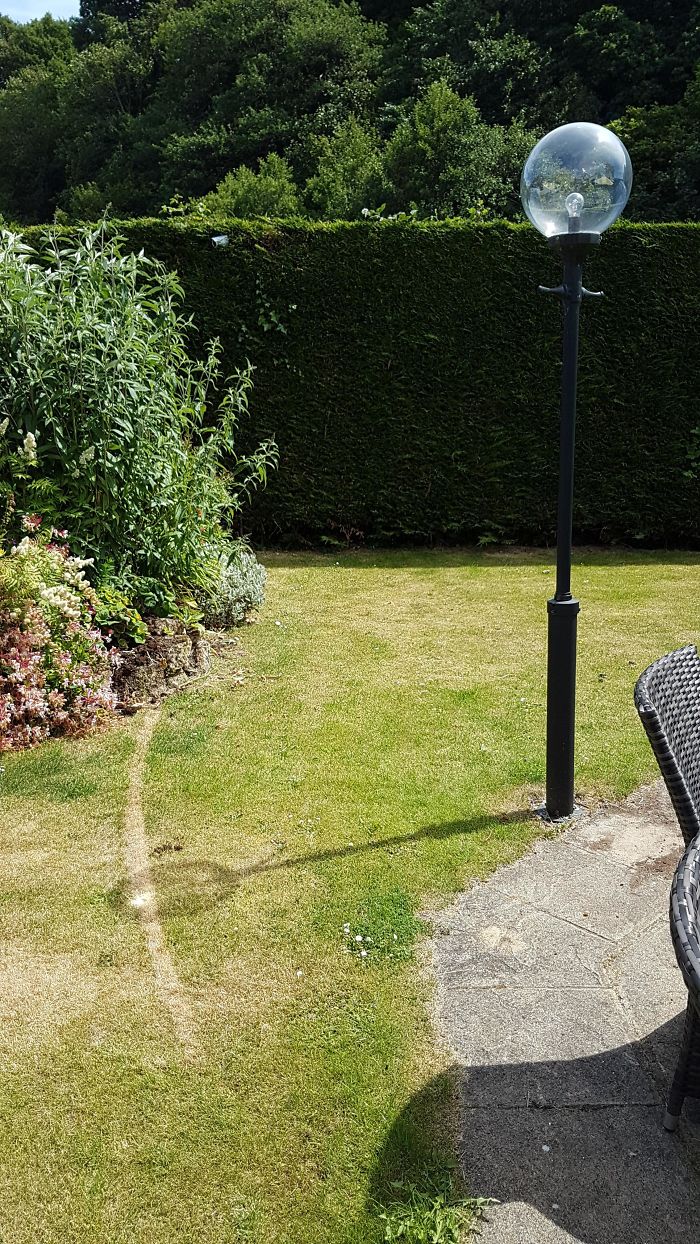
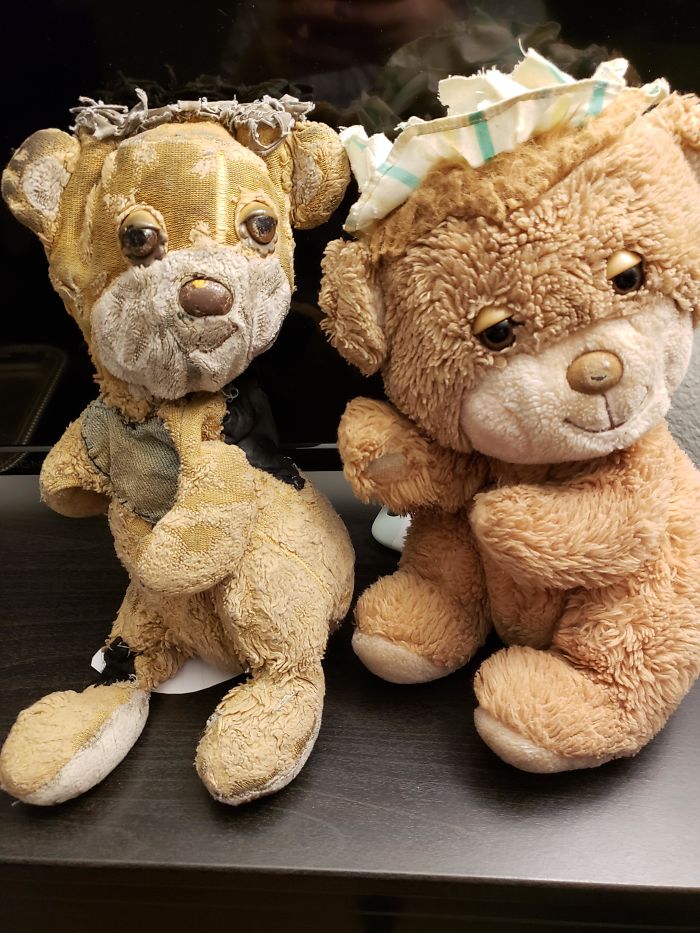
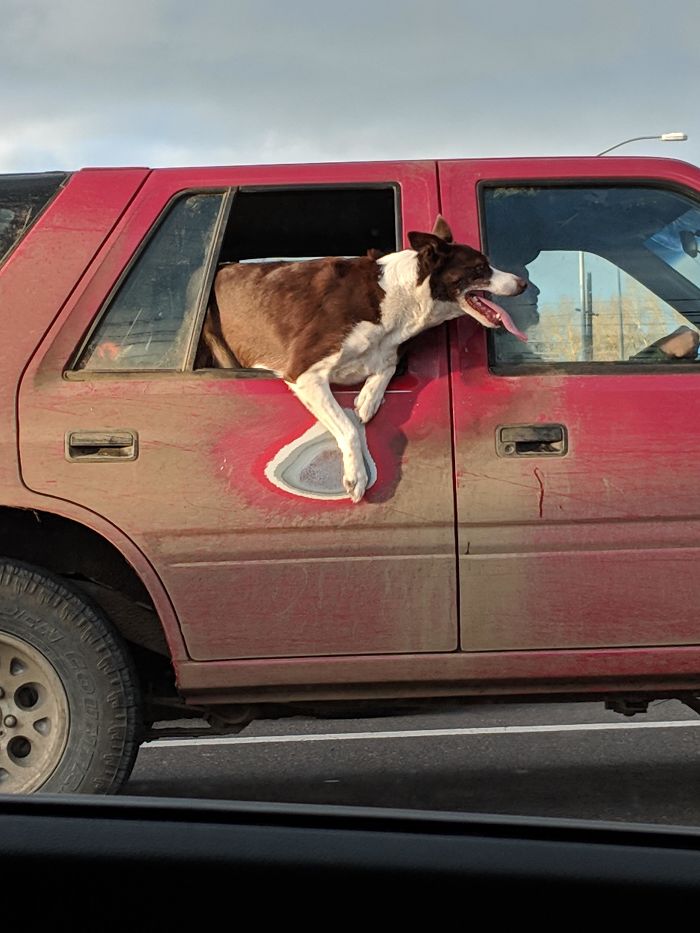
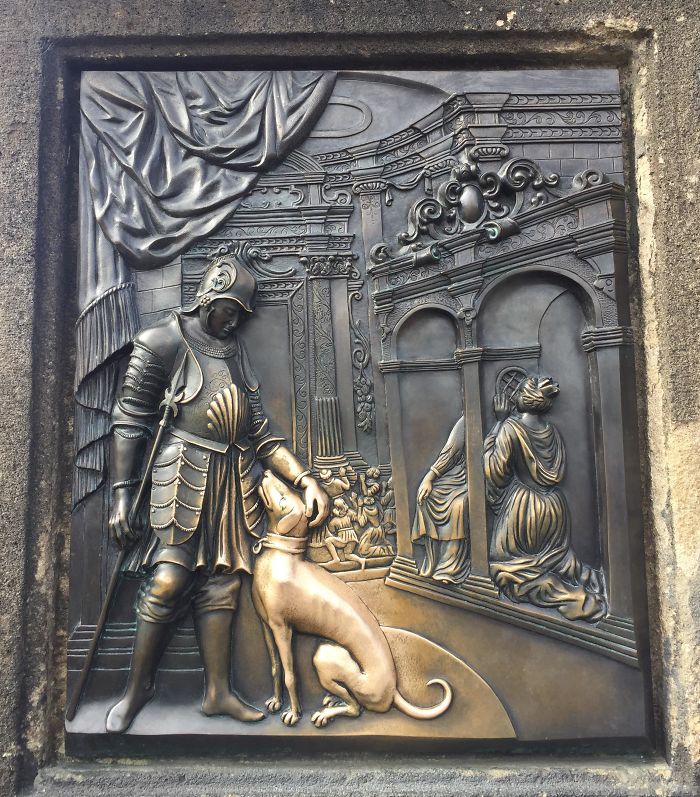
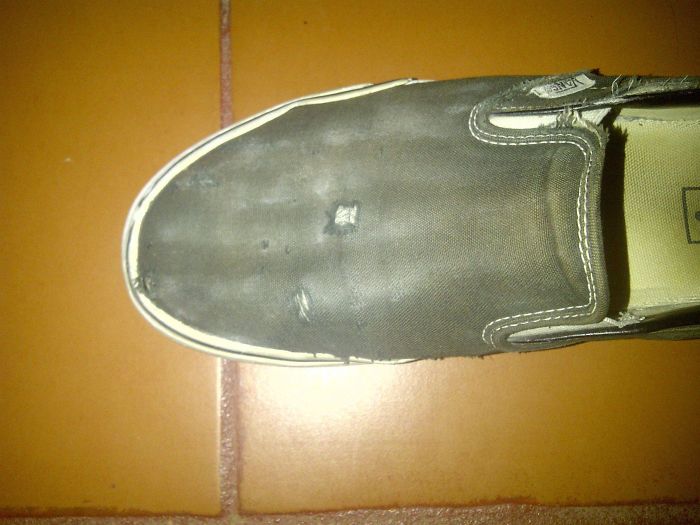
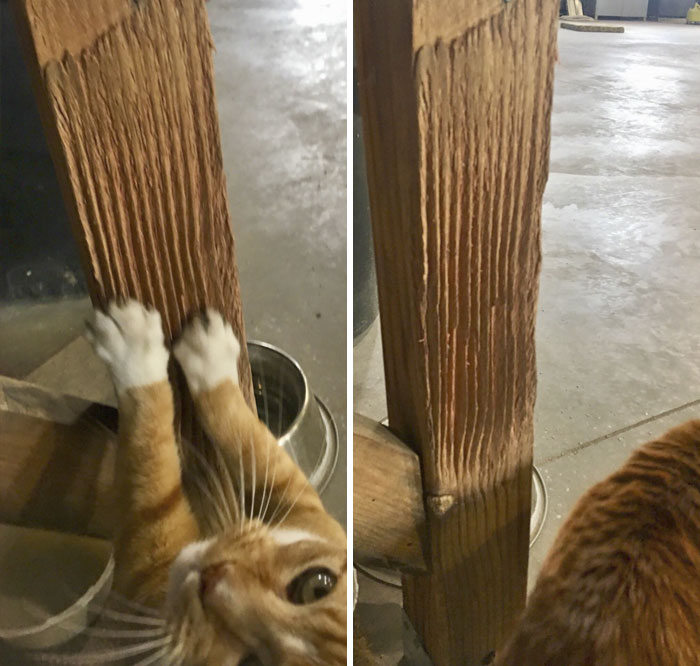
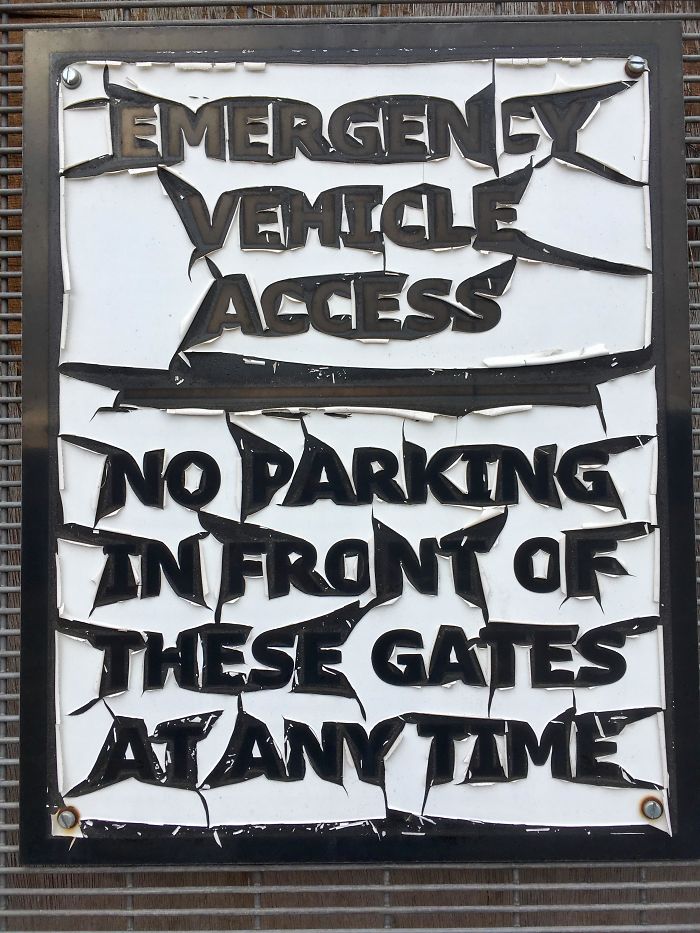
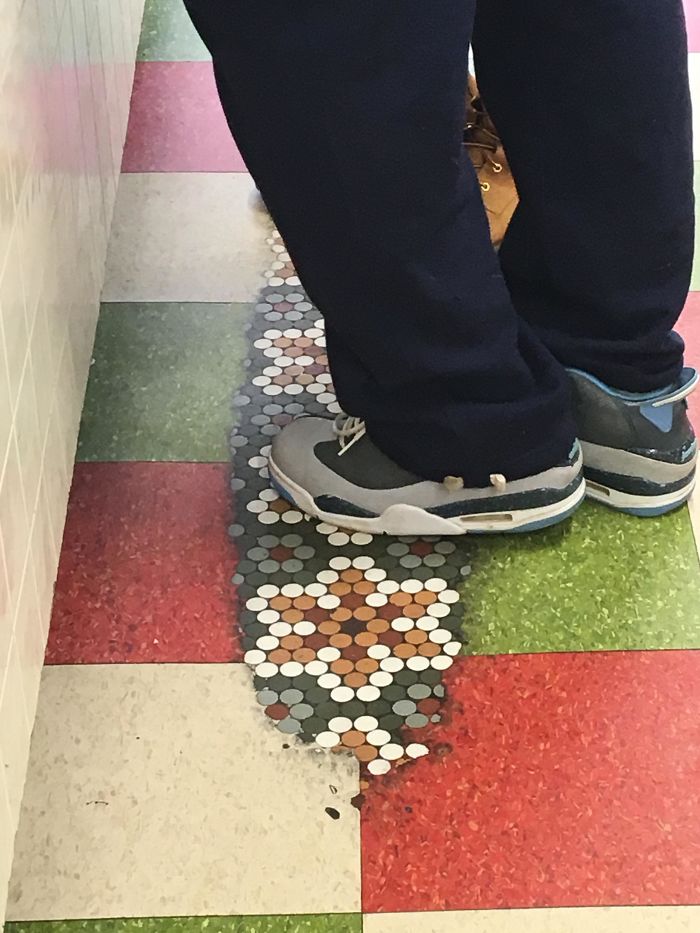
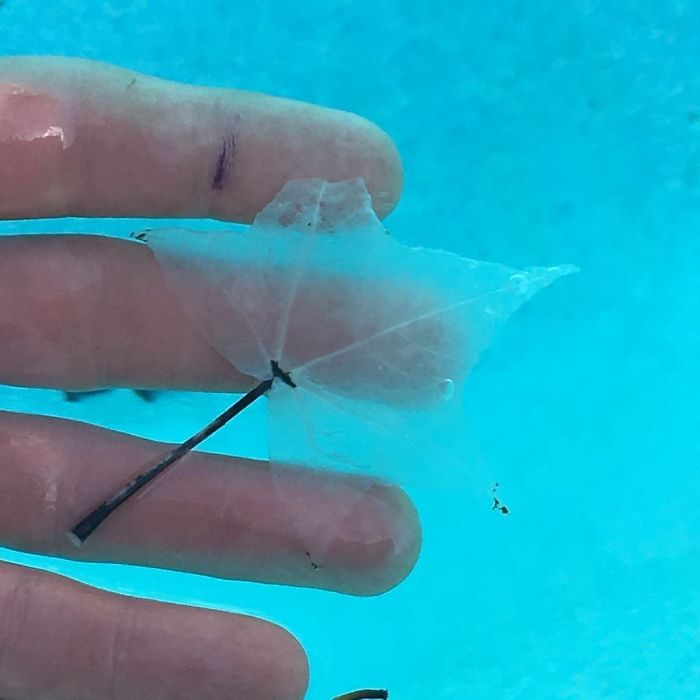
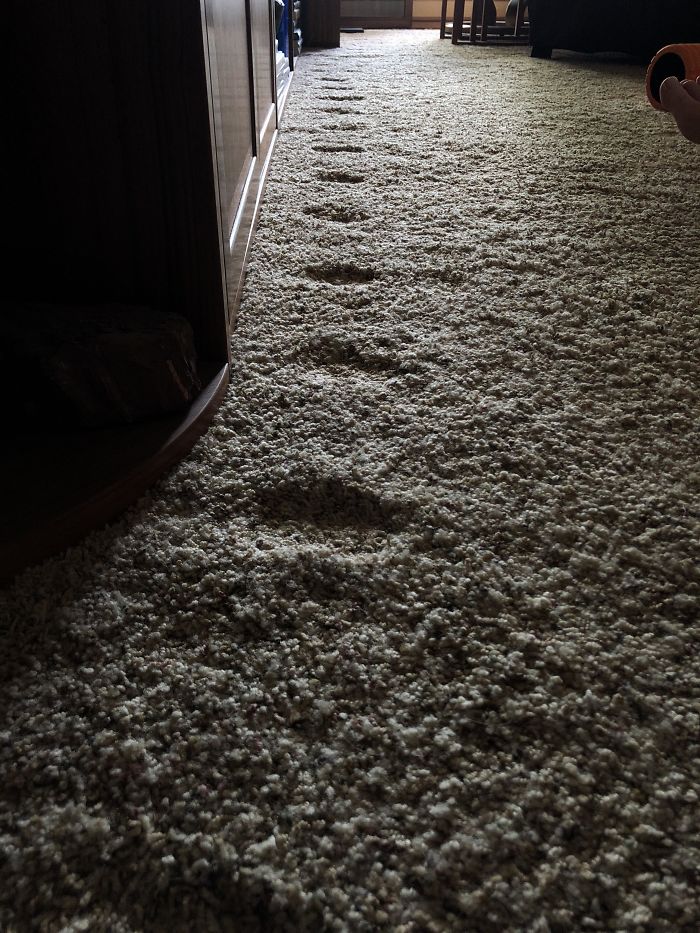
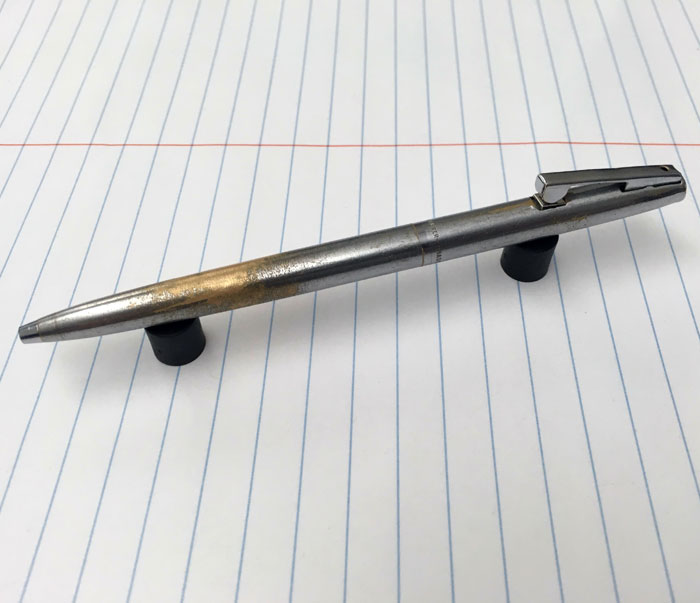
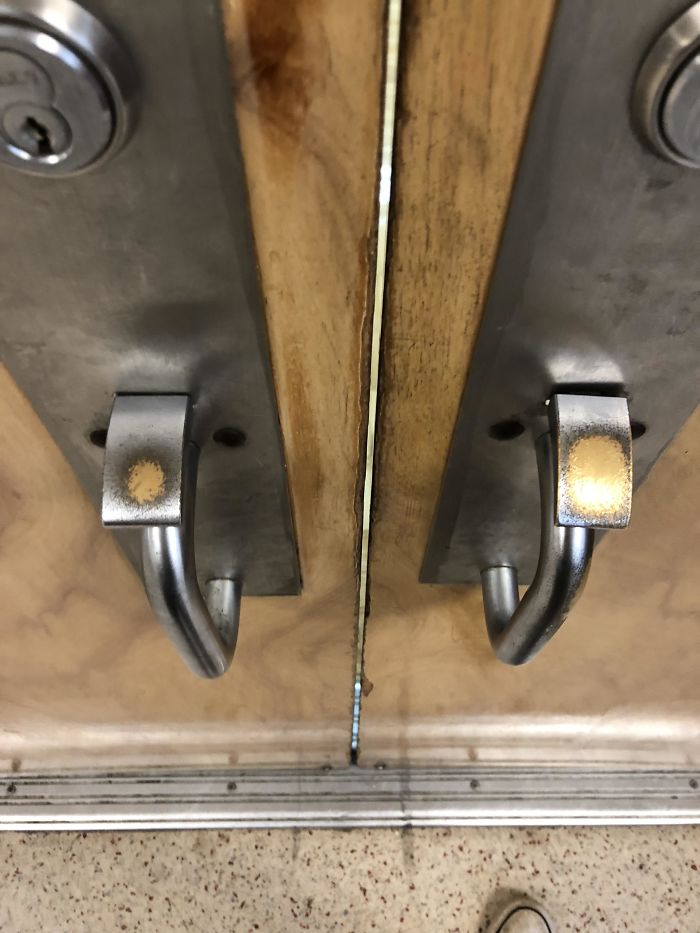
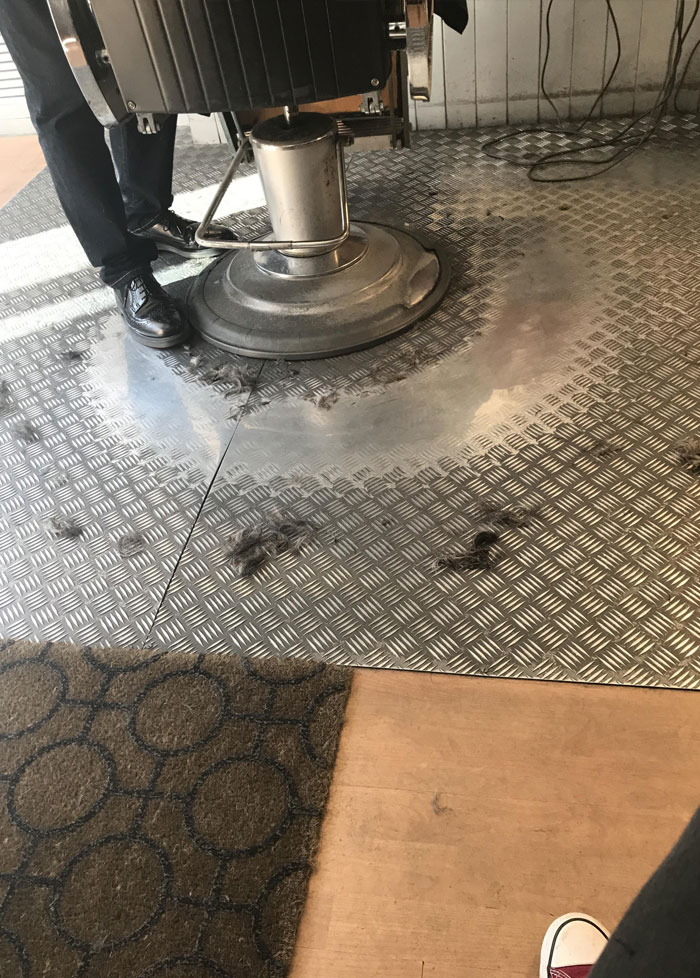
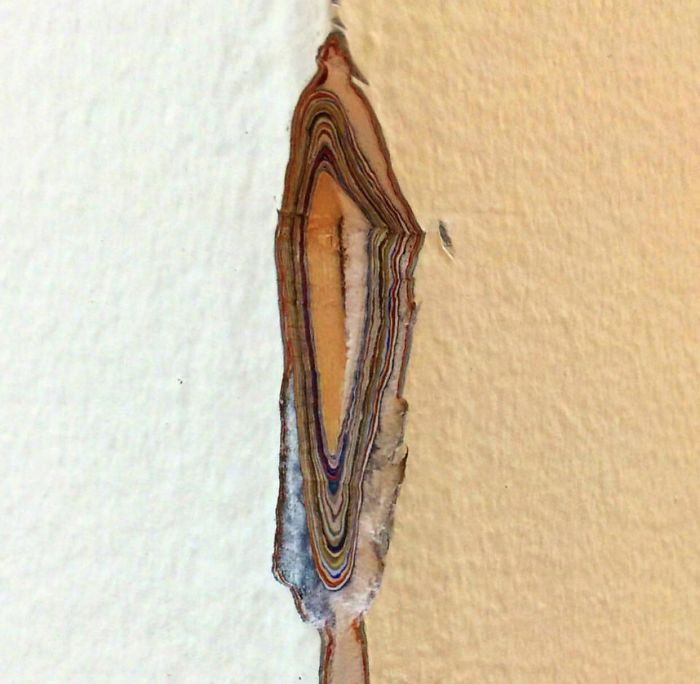
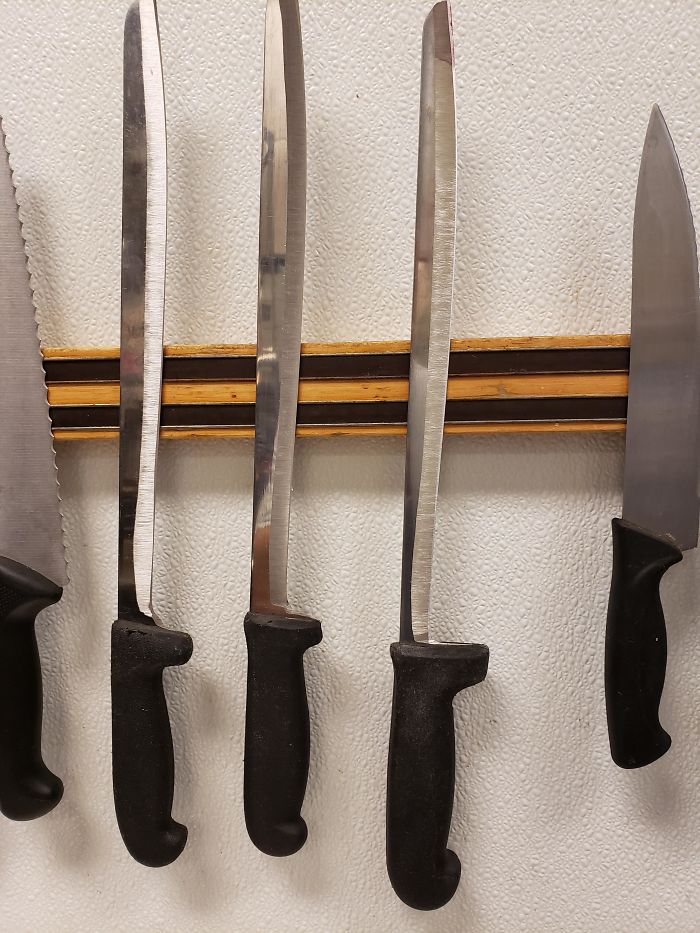
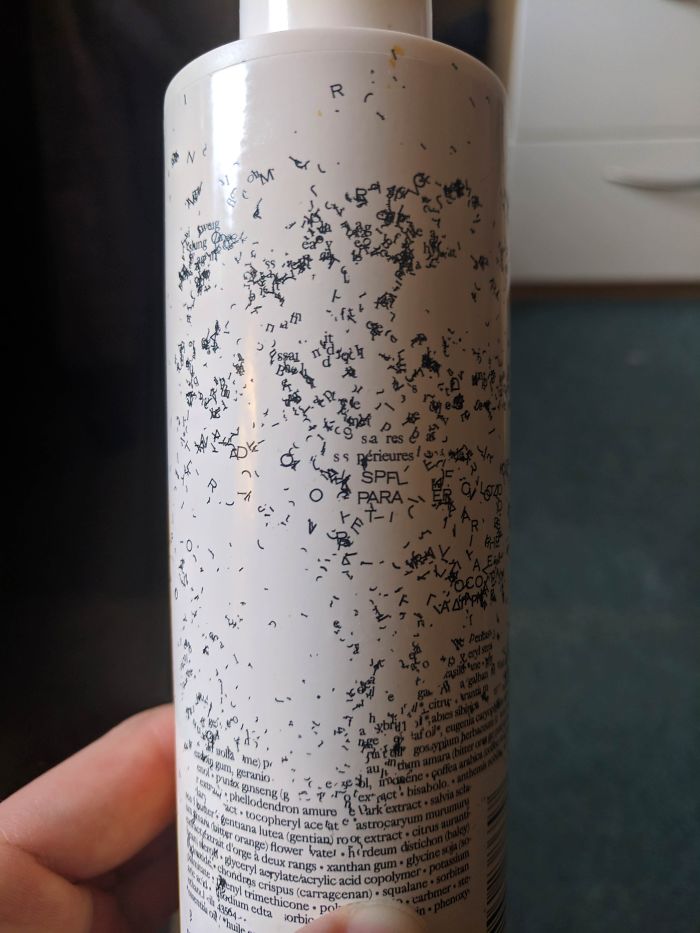
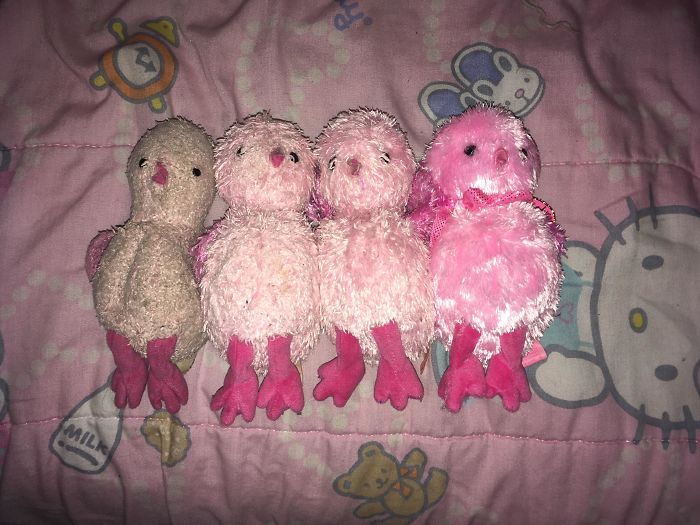
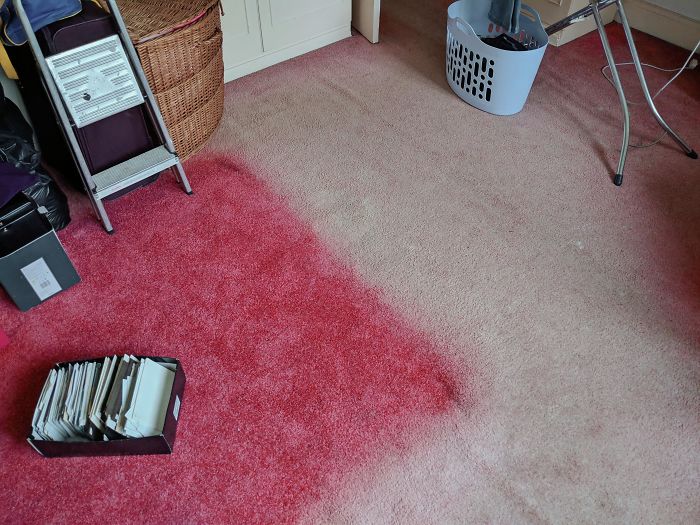
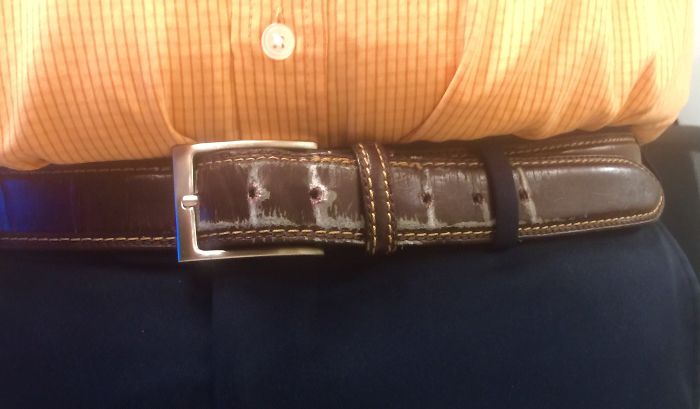
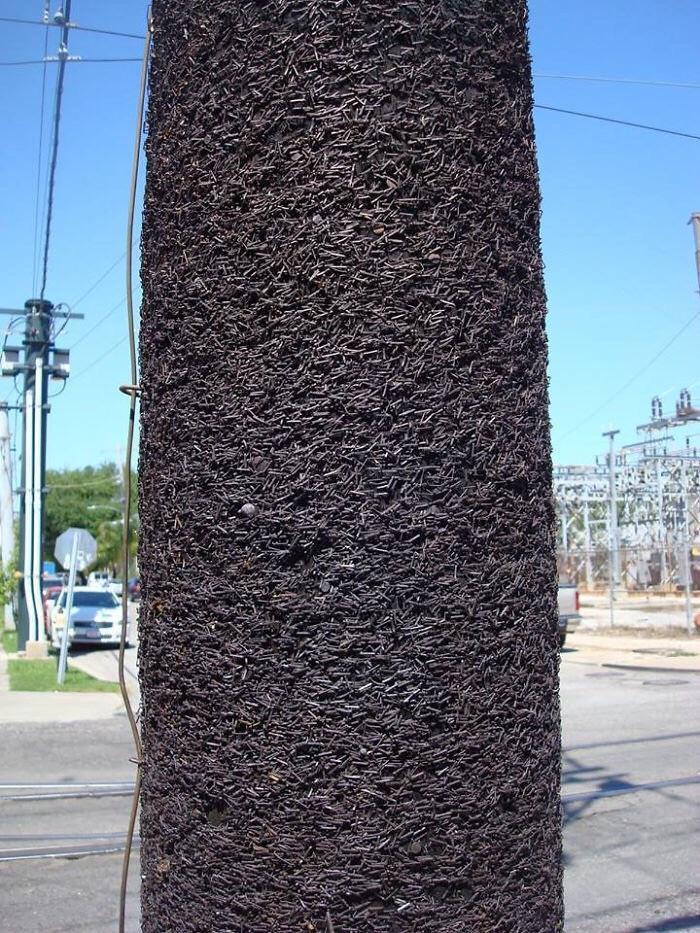
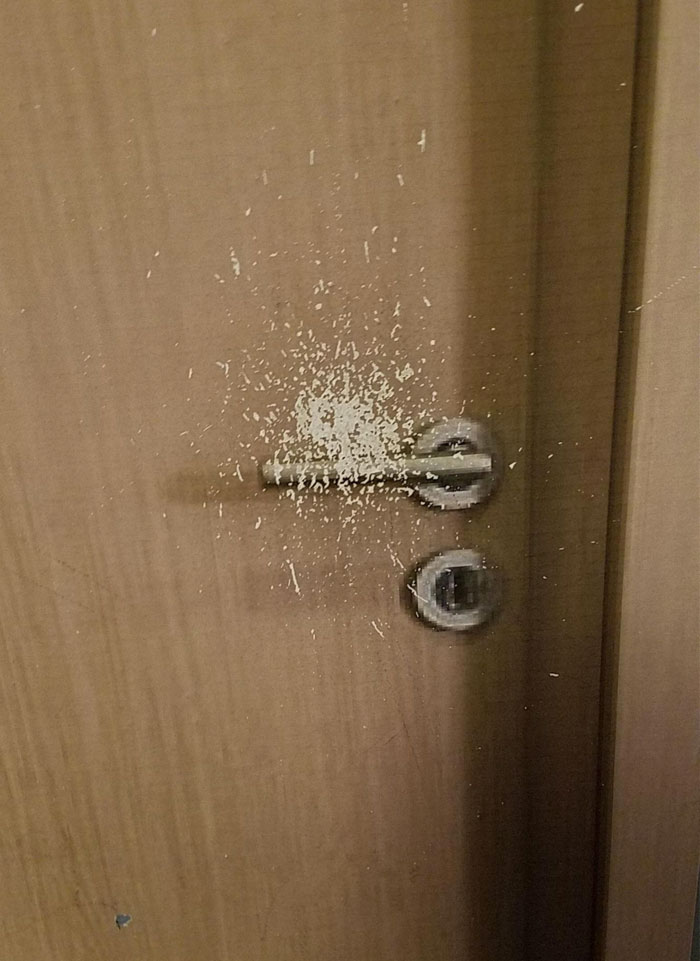
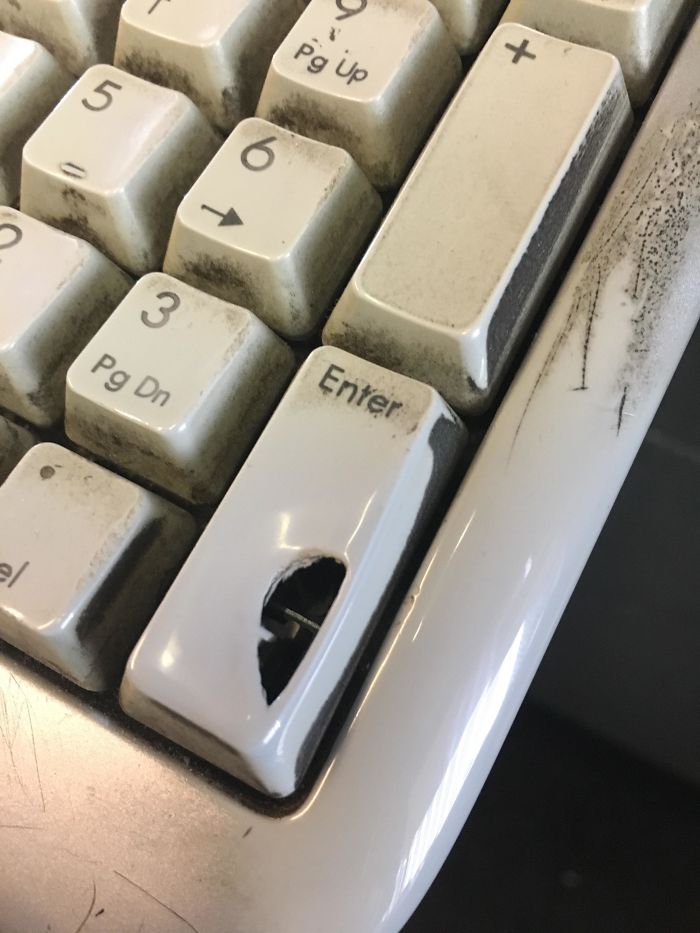
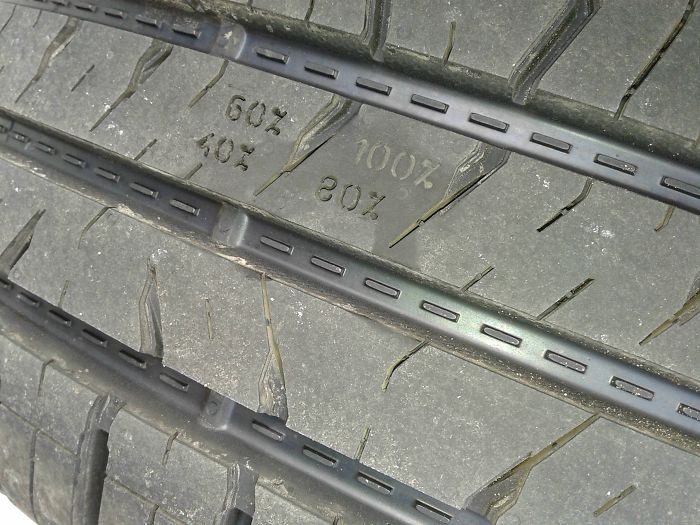
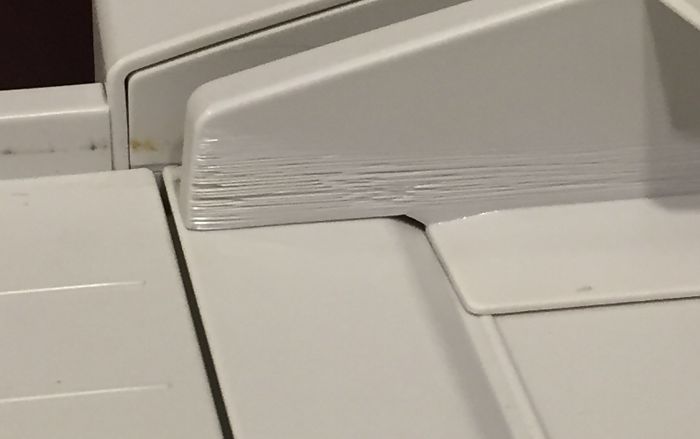
This list, compiled by Bored Panda, is an ode to all kinds of things that have faced up to the unstoppable force of time, and survived. Their strange, ethereal beauty lies in the stories that they tell; the wear and tear of gravity, friction, repeated use and weather gives you a definite idea of the kind of existence these objects have experienced over the years, and tell a lot about those that used them!
Scroll down below to check out this fascinating list for yourself, as well as previous posts here and here, and let us know what you think in the comments!
Discover more in 30 Things Worn Down Over Time That Tell Interesting Stories (New Pics)
Click here & follow us for more lists, facts, and stories.
This post may include affiliate links.
Wear and tear is damage that naturally and inevitably occurs as a result of normal wear or aging. It is used in a legal context for such areas as warranty contracts from manufacturers, which usually stipulate that damage from wear and tear will not be covered.
Wear and tear is a form of depreciation which is assumed to occur even when an item is used competently and with care and proper maintenance. For example, repeated impacts may cause stress to a hammer's head. This stress is impossible to prevent in the normal use of the tool for its designed task, and any attempt to avert it impedes its functionality. At the same time, it is expected that the normal use of a hammer will not break it beyond repair during a reasonable life cycle.
Source: Wikipedia
The phenomenon of wear and tear reflects the second law of thermodynamics, in which objects stray from their original form and function over time unless energy from an external force is used to maintain them. If restoration is impossible an object is regarded as consumable. Parts that are designed to wear inside a machine, like bearings and O-rings are intended to be replaced with new ones; consumables like paper, cardboard, fabrics, and product packaging are designed with a service life commensurate with their intended use. For example, grocery stores may issue customers a paper or plastic sack to carry out groceries, but it is intended that the sack will have a short lifespan before wear and tear would cause it to fail.
Durable goods (e.g. automobiles, heavy machinery, mainframe computers, musical instruments, handguns, water heaters) are designed with wear parts that are maintained generally by replacement of parts. One way to determine if a good is durable or not is whether a service technician or repairman would typically attempt repairs on it. A specialist may need to be consulted, such as an auto mechanic, a computer technician, a luthier, a gunsmith, or a plumber. An automobile's engine may be repairable with a simple adjustment or replacement of a single and inexpensive broken part. Similarly, an electric water heater element that fails from years of wear and tear may be replaced rather than the entire water heater.
Whereas an automobile needs consumable fuel and lubricants to operate, components such as tires, seats, and paint are subject to wear and tear and typically are not covered under any warranty when subjected to normal use.


























 No fees, cancel anytime