Get Premium
Dark mode theme is available exclusively for premium users. Learn more about the benefits of subscribing.
No fees, cancel anytime.

 Dark Mode Ad-Free Browsing Unlimited Content
 Ad-Free Browsing Unlimited Content Dark Mode
Join 1.2 million Panda readers who get the best art, memes, and fun stories every week!
It’s true that you learn something new every day. And with the help of the internet, it’s never been easier. It’s brimming with information on anything and everything, which is why most of us have no problem finding material about even the most niche of topics.
In addition to specific subjects, you can also find plenty of random facts that you didn’t even think you might be interested in. For instance, did you know that ‘Crab mentality’ got its name from actual crab behavior? Or that being exposed to music can influence the taste of aging cheese?
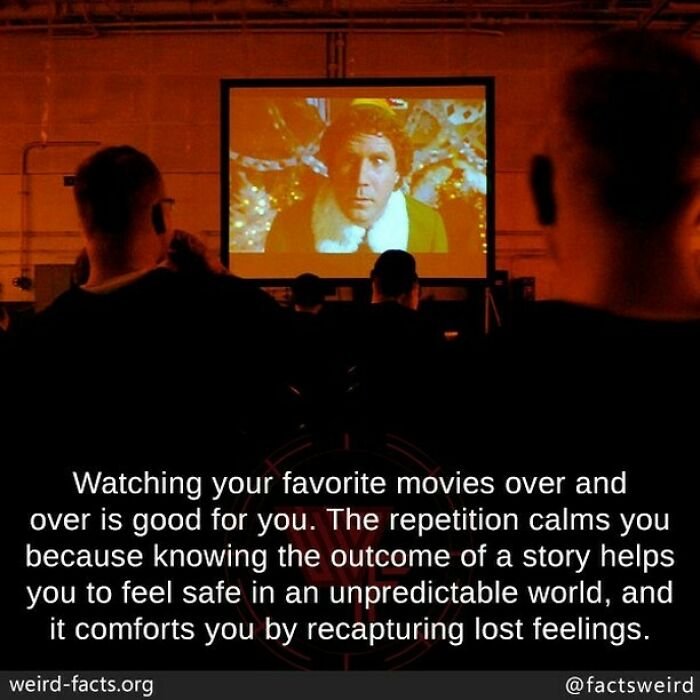
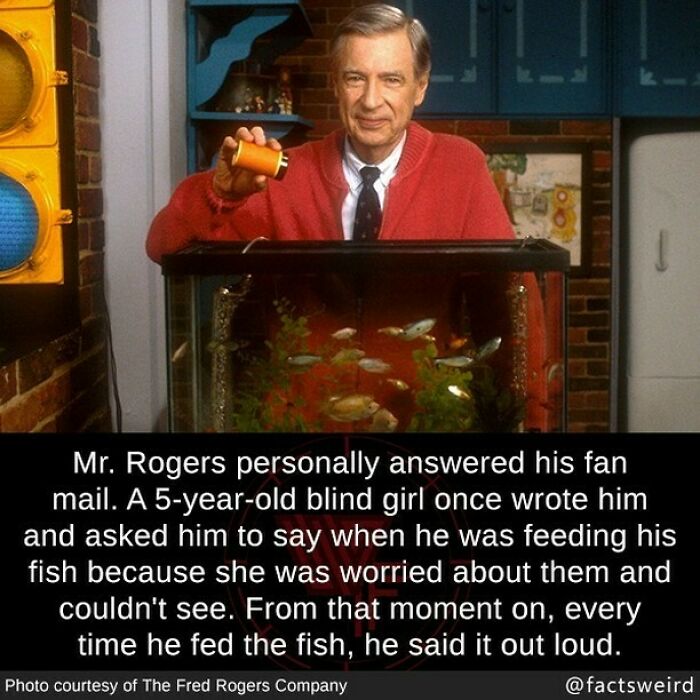
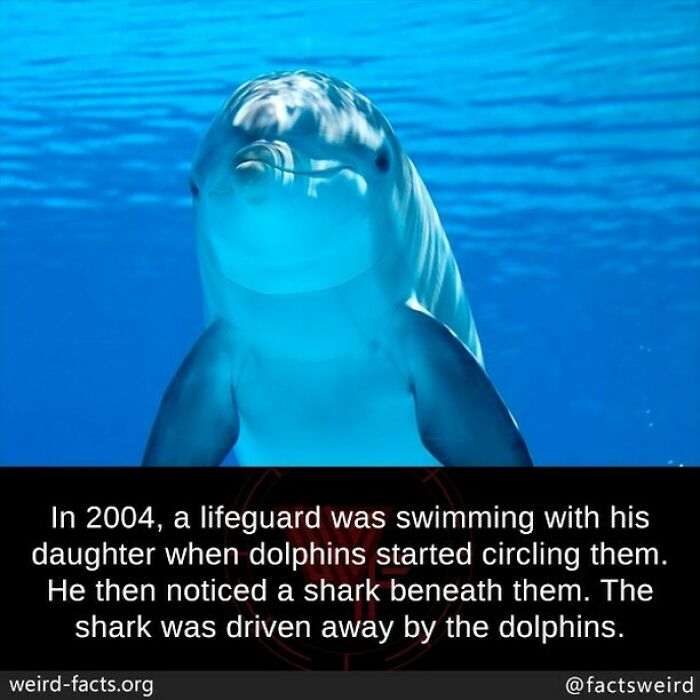
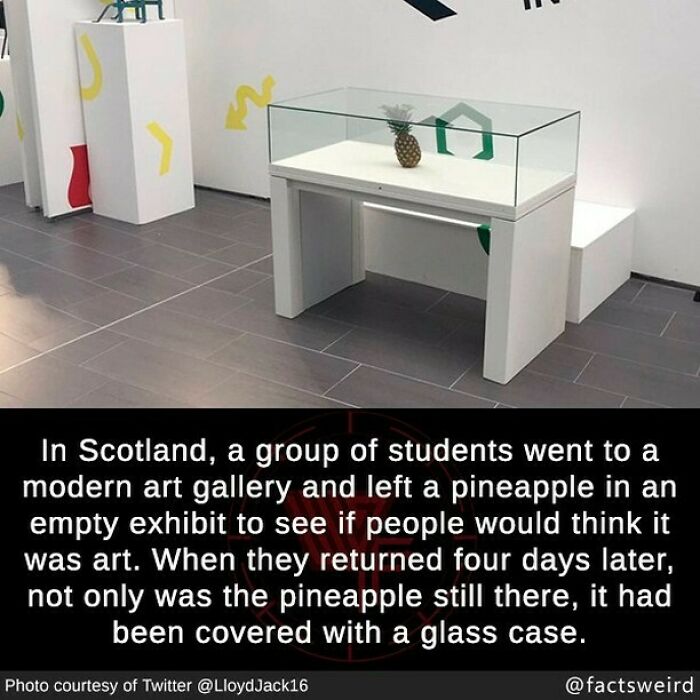
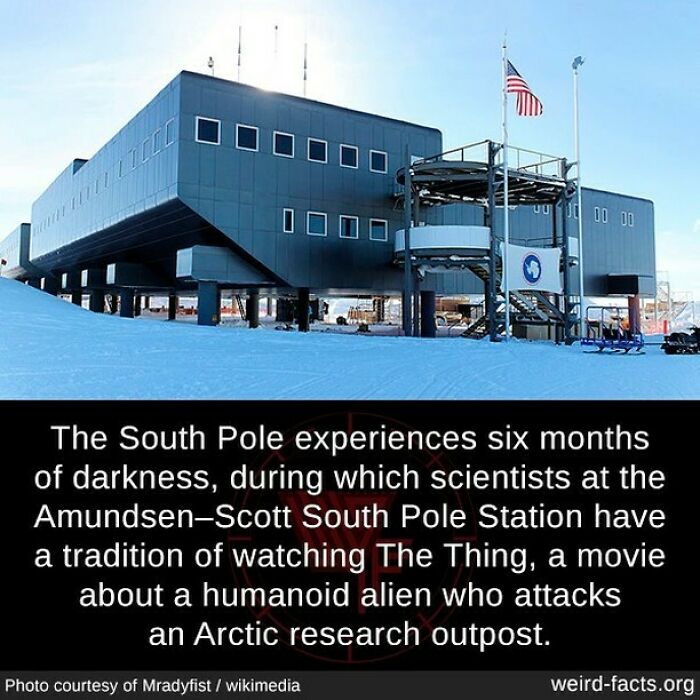
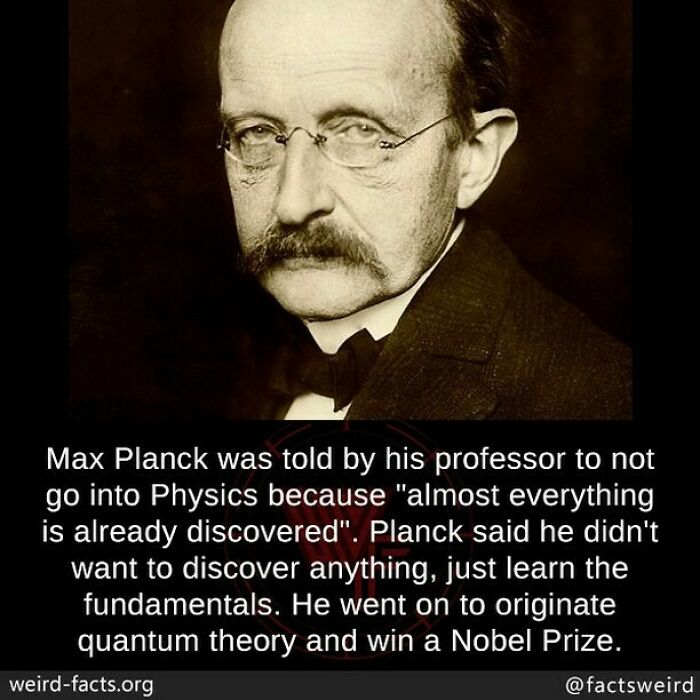
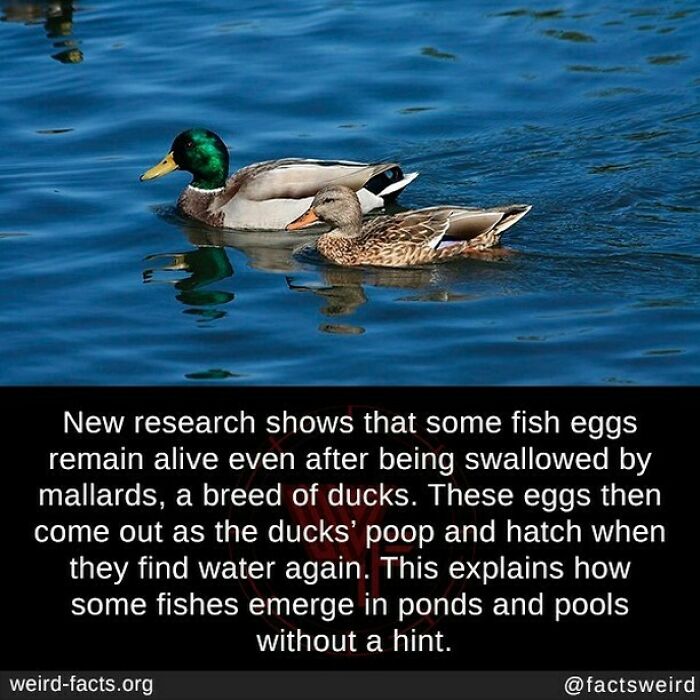
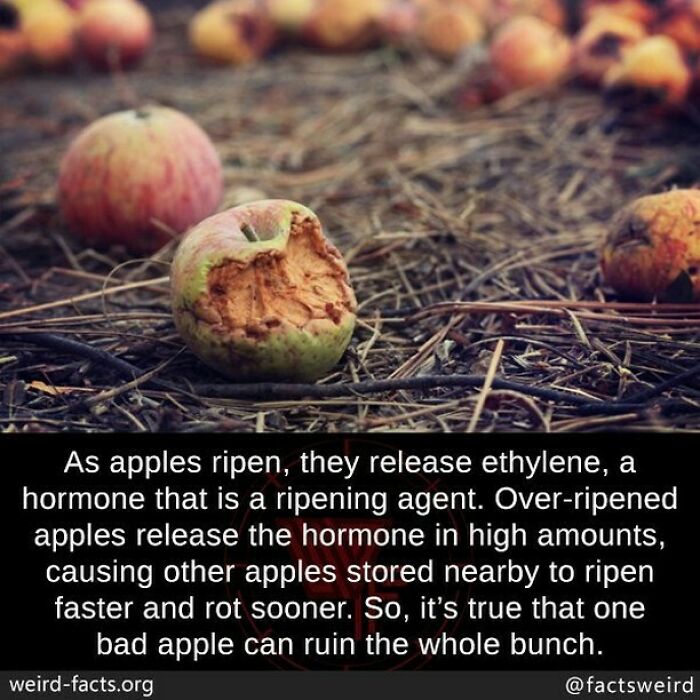
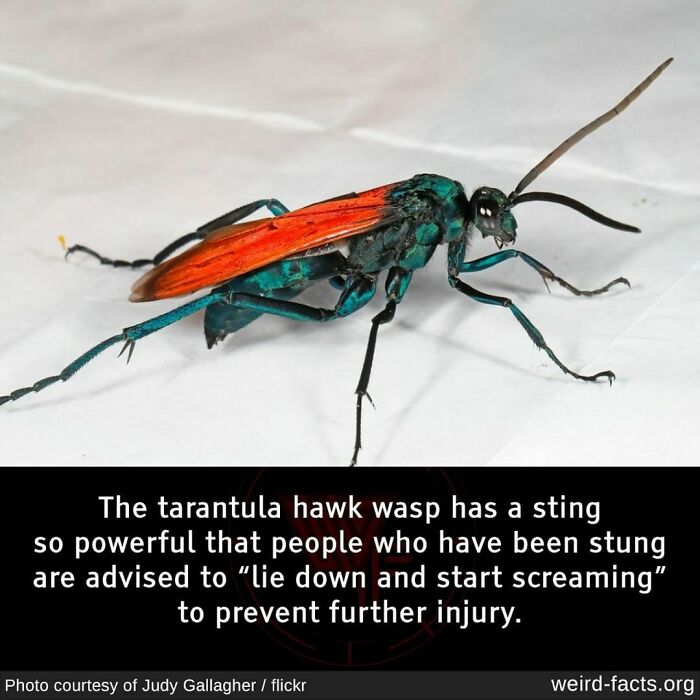
This and similar pieces of information can be found on the ‘Weird Facts’ Facebook page. We’ve gathered some of their most interesting and random facts on this list for you to get acquainted with. Ranging from surprising to shocking, and everything in between, they ought to be your ‘something new’ for today.
Bored Panda has reached out to the creator of ‘Weird Facts’ and they were kind enough to answer a few of our questions. You will find their thoughts in the text below.
More info: Facebook | Instagram | Pinterest
Click here & follow us for more lists, facts, and stories.
This post may include affiliate links.
Up and running for nearly 10 years already, the Facebook page has garnered a fan base of over 6 million followers. Their posts, covering everything from natural phenomena to famous people, animal behavior and so much more, ensure that there’s a little bit of everything for everybody.
Sharing interesting information is what encouraged the founder of the page to start it. They told Bored Panda: “I love reading facts and interesting stories about people or things and I like to share these facts or stories with others. So for fun, I started this page, and now over 5m people follow us on Facebook and other social media sites.”
“We like to share mostly fun facts because they bring smiles to the reader,” the founder pointed out. However, they said that there’s other types of “useful and useless info” on their page as well. And indeed, some random facts might seem more useful when it comes to the day to day; however, that doesn’t make the rest of them any less interesting.
The creator believes that such information can benefit followers in numerous ways, as you never know when it might come in handy in real life. “These are also conversation starters between people,” they added.
You might be wondering, what drives our interest in such random facts? Or in seeking new information in general? The answers lie in the way our brain is wired.
Brain World Magazine pointed out that it’s the novelty of it all that makes us happy. Research on brain health and longevity revealed that facing new things, be it experiences, skills, knowledge, or anything else, is followed by a rush of dopamine—a chemical that’s known for making you feel good.
According to Brain World Magazine, humans, like most mammals, instinctively prefer novelty as long as it doesn’t pose a threat of some sort. (And unless your computer is guarded by dragons, browsing random facts online sounds like a pretty safe thing to do.)
But over time, instinct alone became not enough; as our brain developed, we started analyzing the experiences and learning from them. And since new experiences made us feel good, so did learning about them.
Therefore, whether it’s reading a book with unexpected plot twists, learning about an interesting topic at school, or familiarizing yourself with random facts—it’s all novelty to our brain, which makes us somewhat happy.
The Brain World Magazine article also pointed out that the way new experiences and information stimulate the brain affects our memory as well. While the ordinary days from your past might get lost in the haze, those that presented unexpected events seem clearer on memory lane.
According to Science Daily, it takes both the familiar and the unexpected to form the most memorable events. Based on psychology professor Dr. Sederberg’s insight, they arise when something rather unpredictable happens in a familiar context.
In an article for Psychology Today, Shahram Heshmat, an emeritus professor at the University of Illinois Springfield, emphasized that emotions play an important role here as well. He stated that emotionally charged events are remembered better than neutral ones and pointed out that “nothing focuses the mind like surprise”, coming back to the importance of novelty.
Both of these might add to the fact that we often remember a shocking thing we saw online last week better than what we had for lunch yesterday. And unsurprisingly, the internet is full of such astonishing, inspiring, heartbreaking, and in other ways emotionally charged news.
The ‘Weird Facts’ Facebook page is just a teeny tiny fraction of all the random information online. According to Statista, back in 2020, the total amount of created, captured, copied, and consumed data globally reached 64.2 zettabytes.
If you’re interested in how much a zettabyte actually is, it’s a thousand exabytes. If that’s of no help, it’s also equal to a billion terabytes, which equates to a trillion gigabytes.
No matter which way you look at it, it’s a humongous amount of data, which means you ought to find the information you’re looking for. Plus, something completely unrelated, yet likely not less interesting; maybe even shocking enough to stick in your long-term memory.
Scientists have gone as far as analyzing how much of the 64.2 zettabytes a person’s brain processes on the day to day. The answer is roughly 74 GB per diem; and to make matters worse, the number is believed to grow by 5% each year.
The amount of data we process each day includes social media as well, which has the power to, over time, affect the structure of our brain. Houston Business Journal pointed out that it influences people’s social and emotional response, the capacity for attention and processing information, and, you guessed it right, memory. In addition to that, similarly to novelty, social media notifications also release dopamine, which makes people feel good and seek the feeling again.
Even though we can’t store nearly as much information as the internet does, some random facts stay in our heads nevertheless. And whether they come in handy at some point in life or not, the founder of ‘Weird Facts’ was right—they might be great conversation starters, at least.
If you’d like to see more of them, check out our previous post about the ‘Weird Facts’ Instagram account or browse this list that might pose the question ‘how the h**l do people know that’?
You Might Also Like: 46 awkward photos that are almost too painful to scroll through







































 No fees, cancel anytime