Get Premium
Dark mode theme is available exclusively for premium users. Learn more about the benefits of subscribing.
No fees, cancel anytime.

 Dark Mode Ad-Free Browsing Unlimited Content
 Ad-Free Browsing Unlimited Content Dark Mode
Join 1.2 million Panda readers who get the best art, memes, and fun stories every week!
46submissions
1week left
If you’ve been a reader of this site long enough, you’ve seen a wide variety of our articles that pretty much represent the current state of the internet. We’ve done wholesome content, some that isn’t as pleasant, and from time to time, we delve into the odd and confusing.
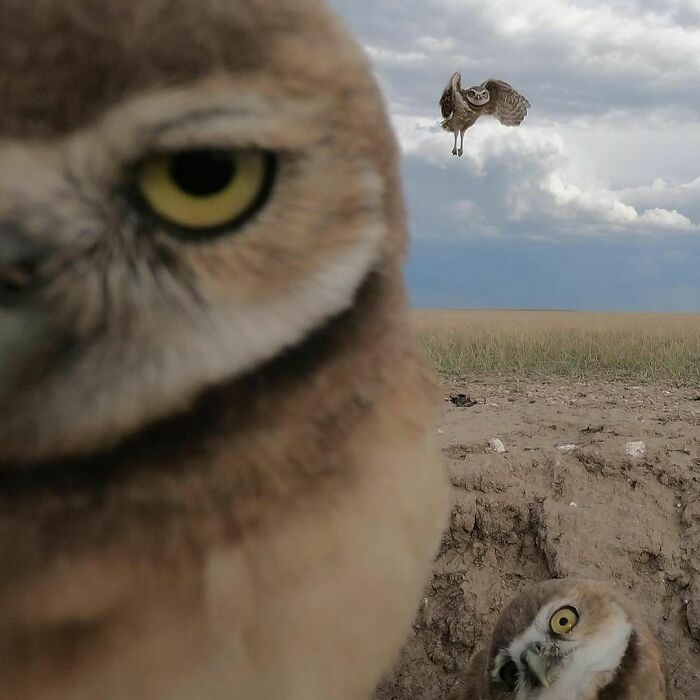
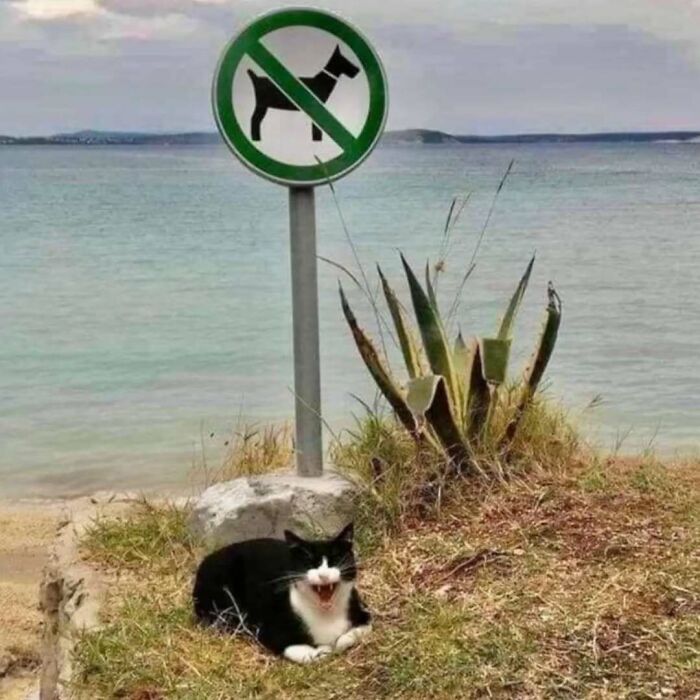
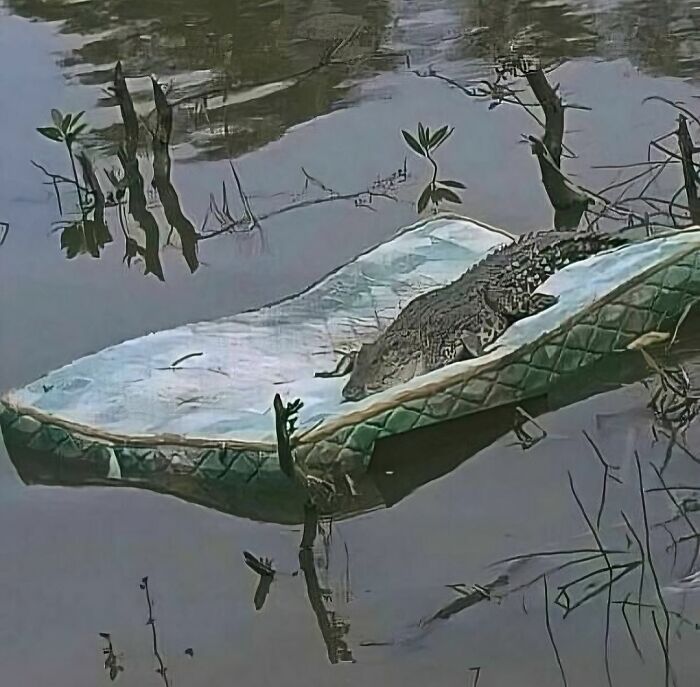
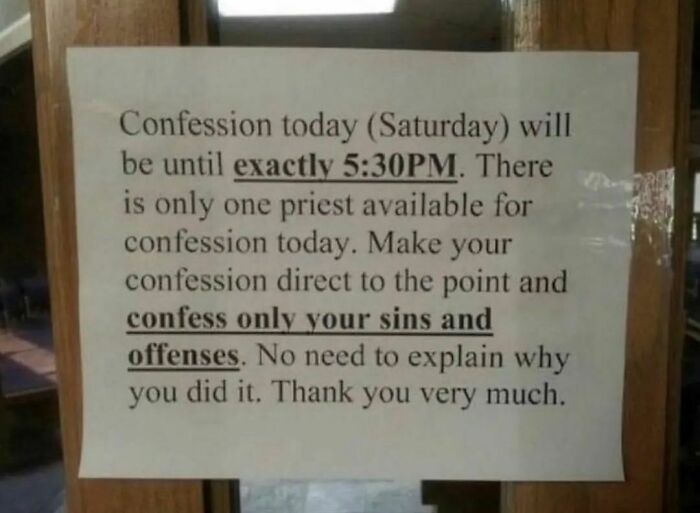
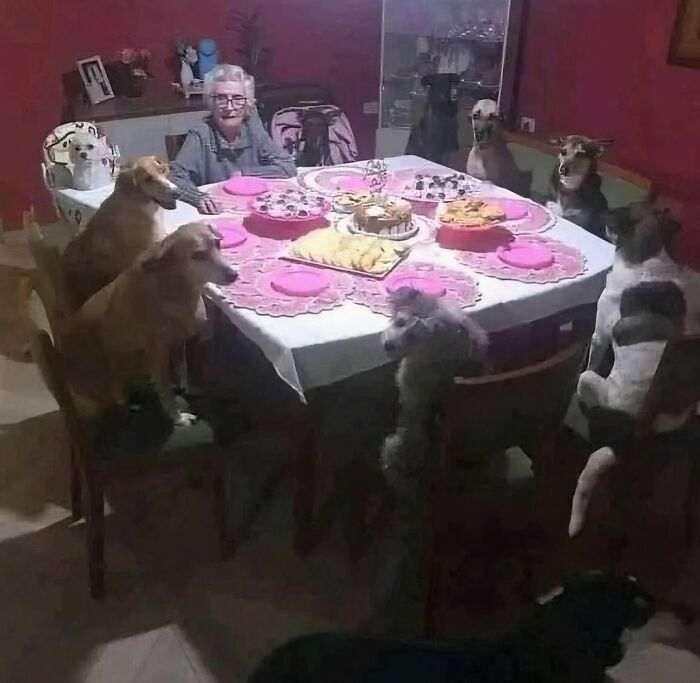
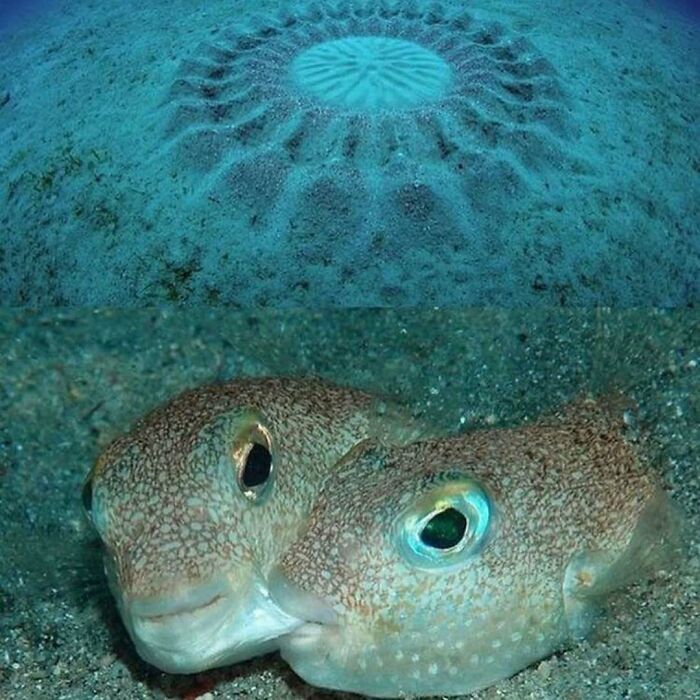
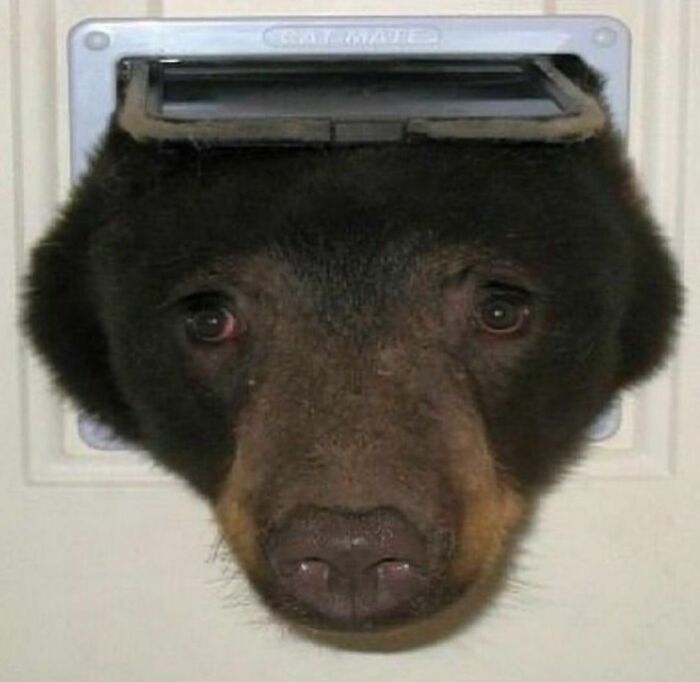
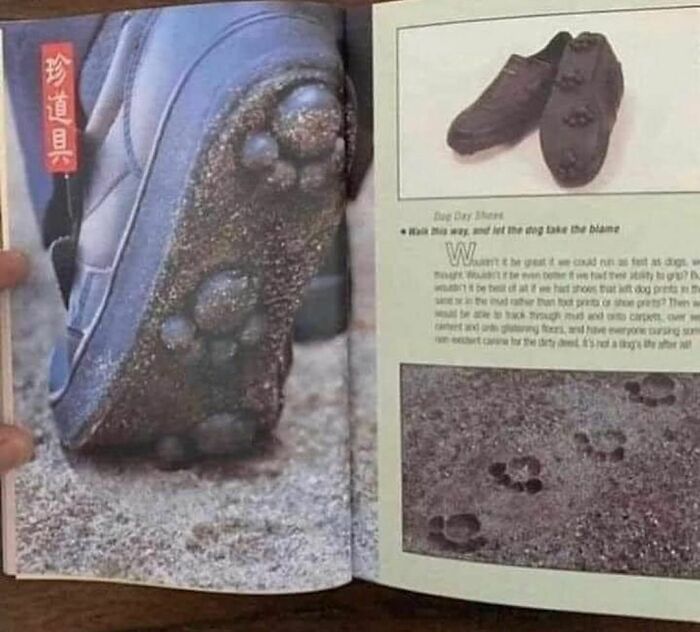
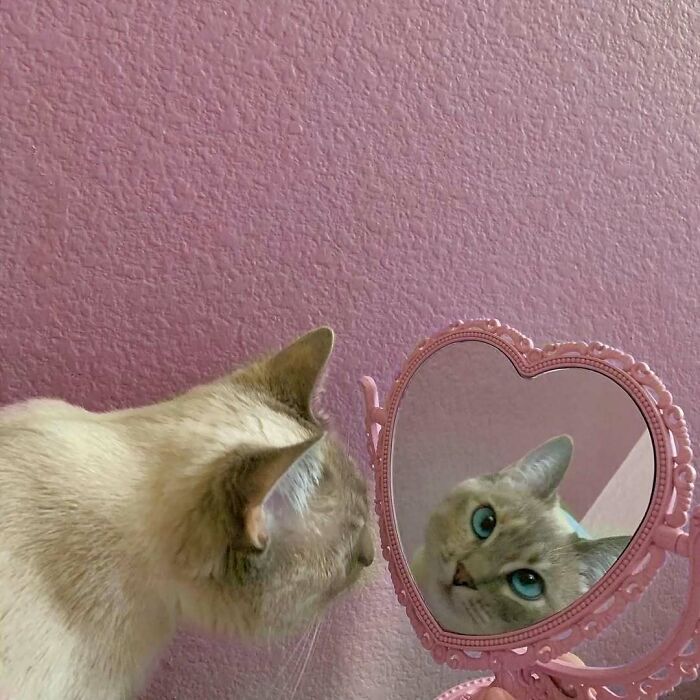
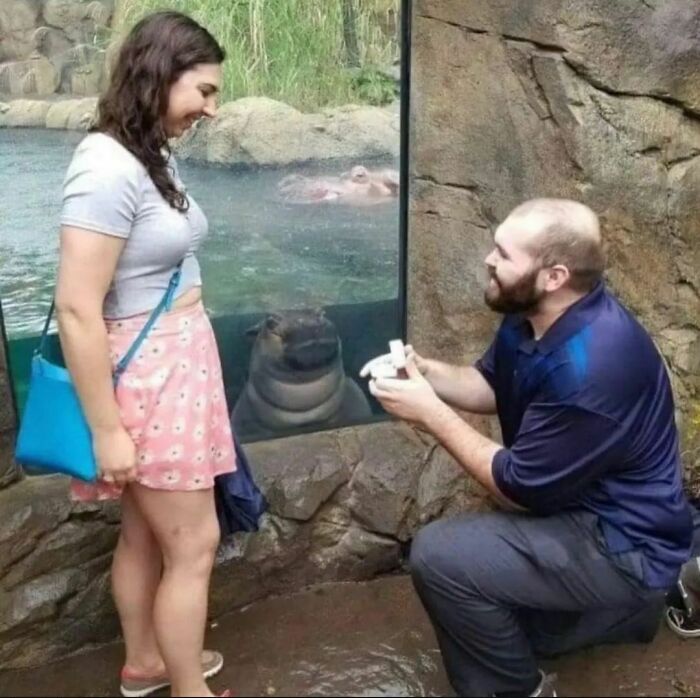
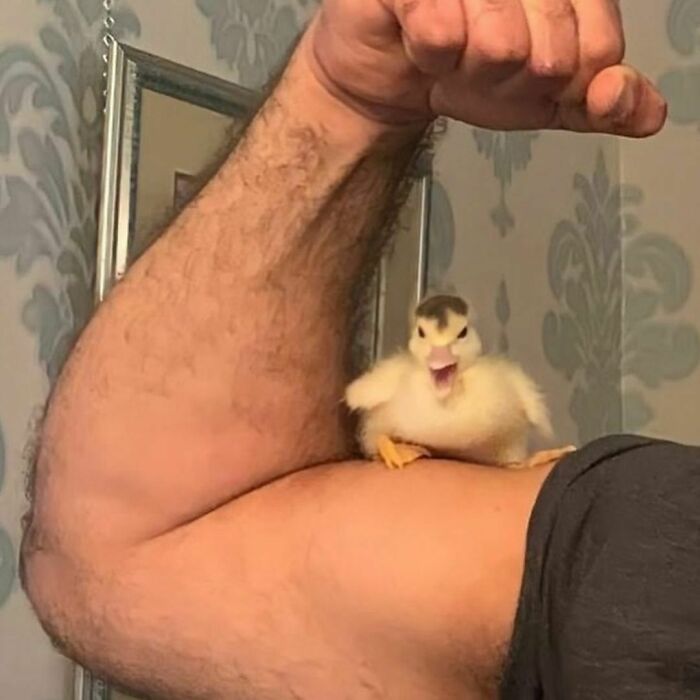
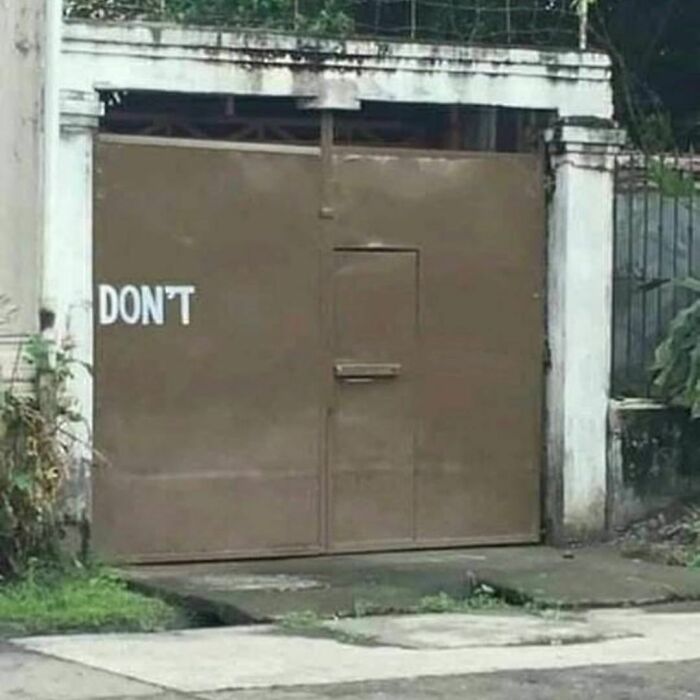
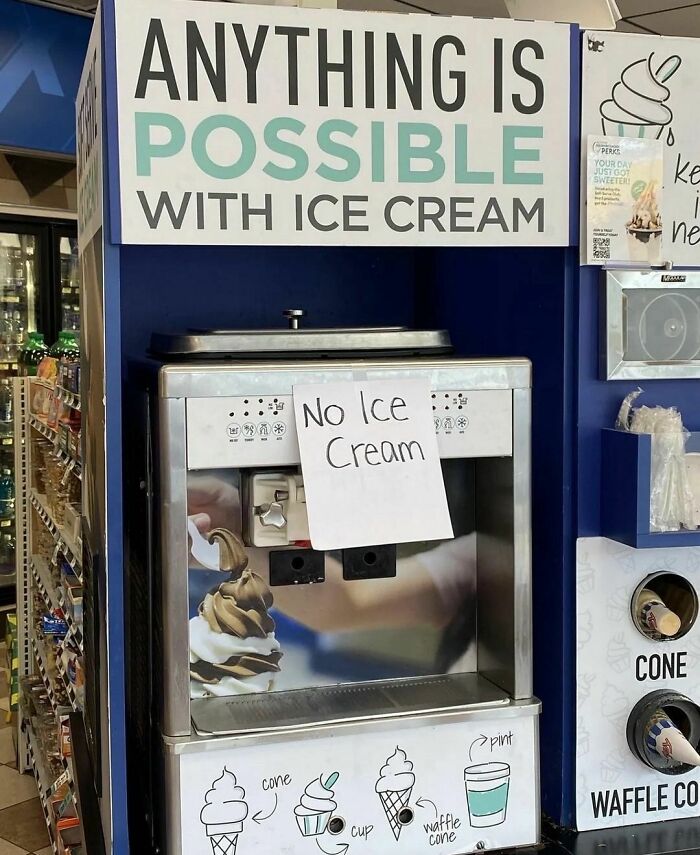
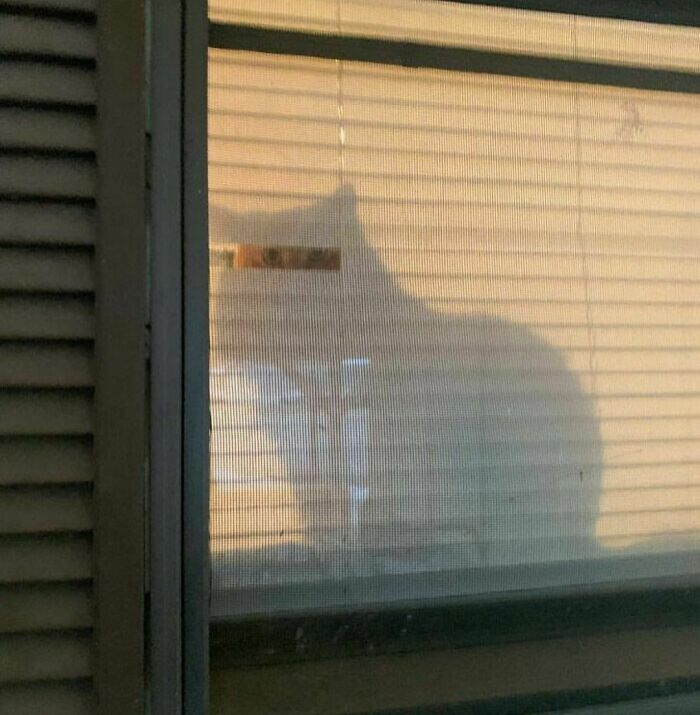
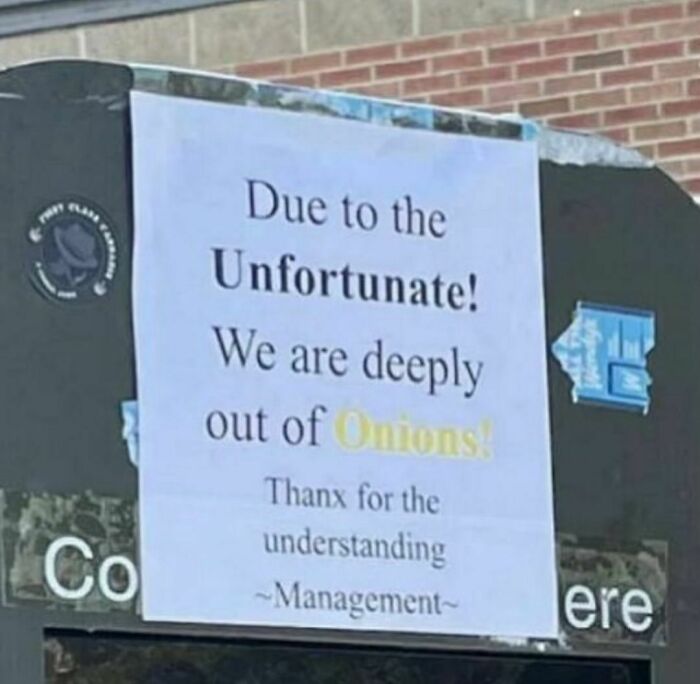
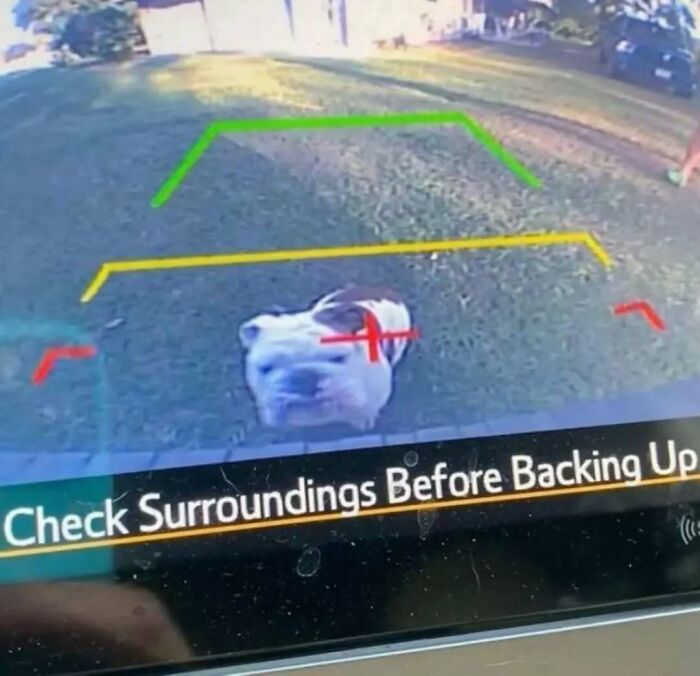
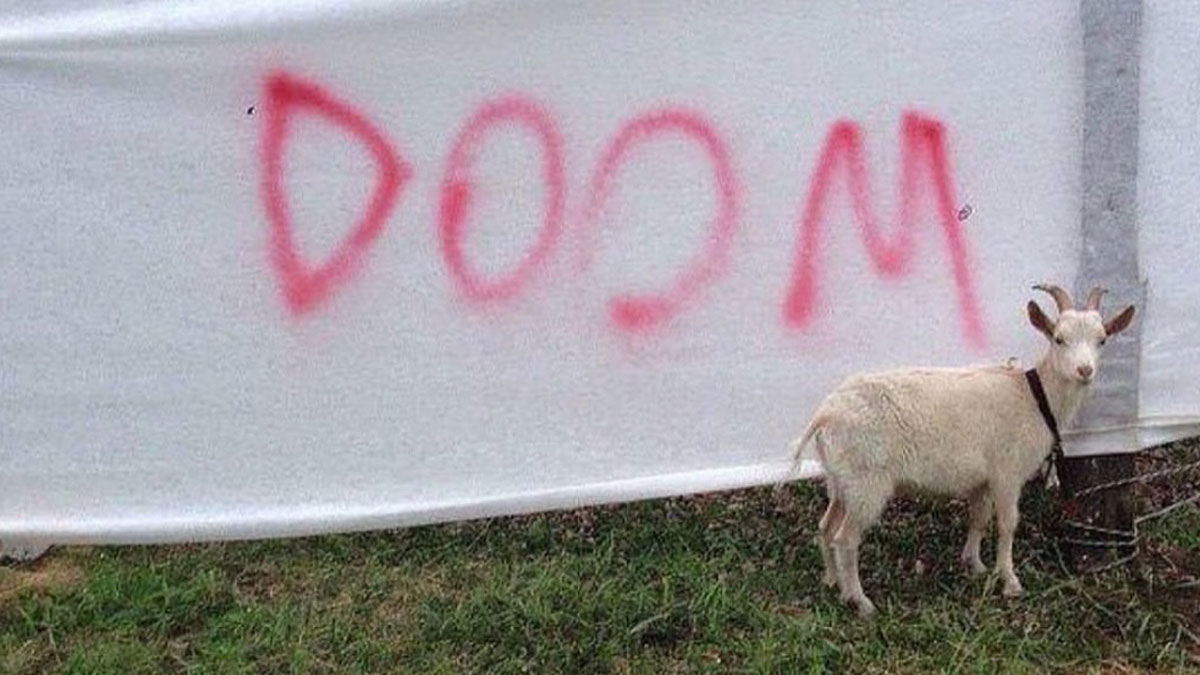
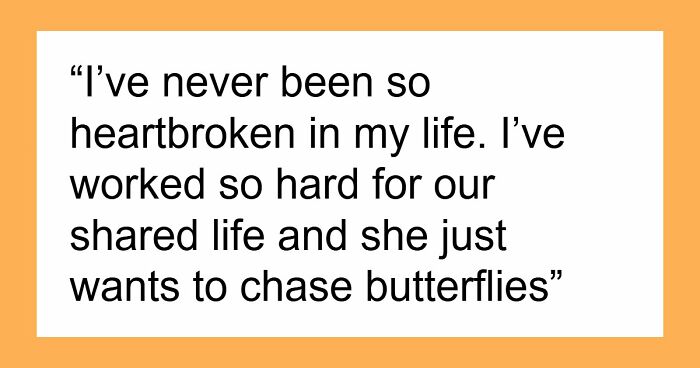
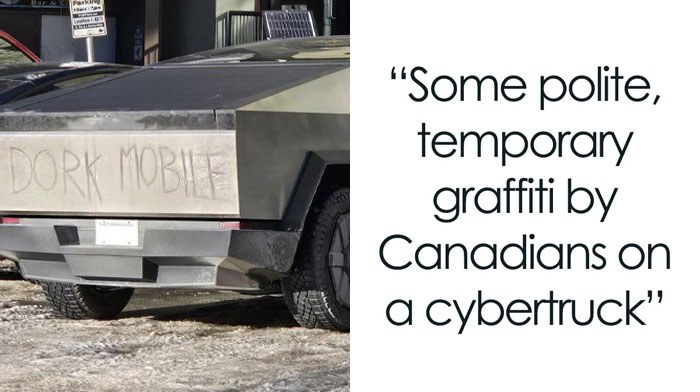
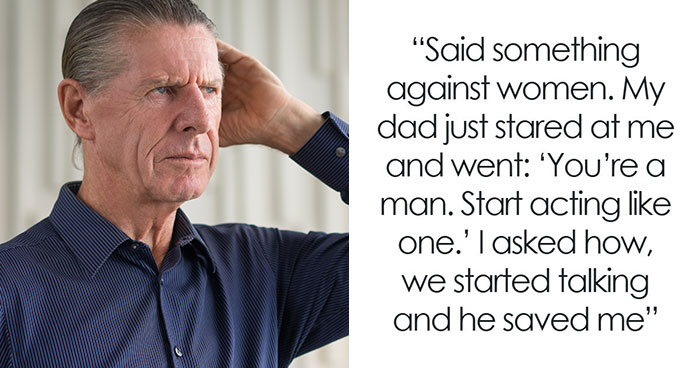
Take these photos, for example. We’ve collected them from the I Want To Leave OK Instagram account, a page with zero context that may evoke different emotions.
You may laugh or get weirded out, but ultimately, you may be overrun with a palpable sense of confusion and ask yourself, “What am I looking at?”
Click here & follow us for more lists, facts, and stories.
This post may include affiliate links.
Whether these photos befuddled you, induced laughter, or made you cringe, they grabbed your attention. That then begs the question: what about these types of content do people find so appealing?
According to market research expert Vasim Samadji, these images have enough shock value to trigger an emotion, even if it isn’t necessarily a positive one. That creates a sense of community among those who see and react to them.
There’s also the aspect of visual storytelling, even with the photos on this list that lack context. The weird imagery allows the viewer to create their own narratives, making it resonate with them.
According to DataDab, viral photos — regardless of context or the lack thereof — are relatable enough for people to have them resonate with their own experiences, values, or aspirations.
Given the seeming power of weird, cringey, and out-of-context photos, can they be used as a marketing tool? Samadji believes so, with the constant evolution of digital marketing trends. However, he offered a caveat: such types of content must be used correctly.
“By creating content that’s deliberately awkward or funny, brands can attract attention and generate buzz,” Samadji wrote.
However, using weird and cringeworthy content as a marketing tool can also hurt one’s brand reputation. To prevent this from happening, experts from the Vanderbilt University Owen Graduate School of Management advise engaging in social listening before, during, and after the campaign.
“This is especially true when marketing materials reference pop culture or target younger consumers, where trends change fast, and it’s easy to miss the mark,” communications specialist Lacie Blankenship wrote.
Now, we’d like to hear from you, readers. What was your first reaction upon seeing these photos? Were you bothered or entertained by the lack of context? Share your thoughts in the comments!
You Might Also Like: 46 relatable memes for anyone who’s had enough of people





























 No fees, cancel anytime