Get Premium
Dark mode theme is available exclusively for premium users. Learn more about the benefits of subscribing.
No fees, cancel anytime.

 Dark Mode Ad-Free Browsing Unlimited Content

 Ad-Free Browsing Unlimited Content Dark Mode

Join 1.2 million Panda readers who get the best art, memes, and fun stories every week!
Europe is full of famous castles, ancient ruins and iconic landmarks, but some of its most fascinating places rarely make it onto a typical sightseeing itinerary. Hidden beneath busy city streets, tucked away in forests or standing in the shadow of a troubled past, these destinations hold stories far darker and stranger than their appearance suggests.
Think underground bunkers built for a nuclear war that never came, a castle rumored to stand over a gateway to hell and an island where people were once forced to live apart from the rest of society. Some are steeped in local legends and tales of unexplained encounters, while others reveal the quieter, more unsettling corners of European history.
This article was researched and written by Siân Alison, a British travel writer based in Austria who holds a degree in International Tourism Management and specializes in dark tourism. If you’re looking for somewhere a little different to explore, the 15 destinations below offer a different kind of sightseeing, and they might just change the way you see the continent.
This post may include affiliate links.
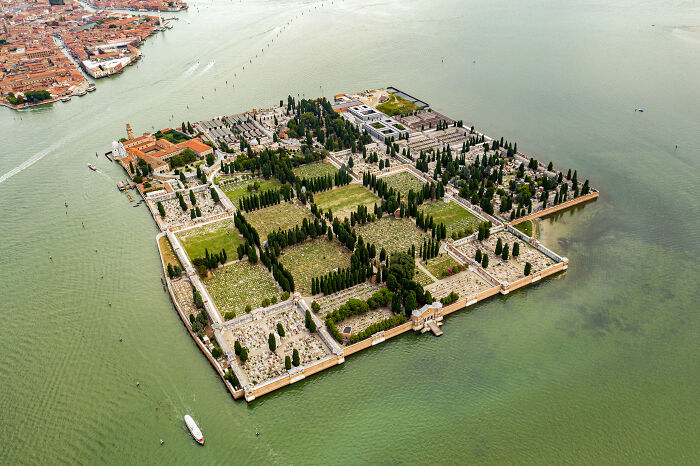
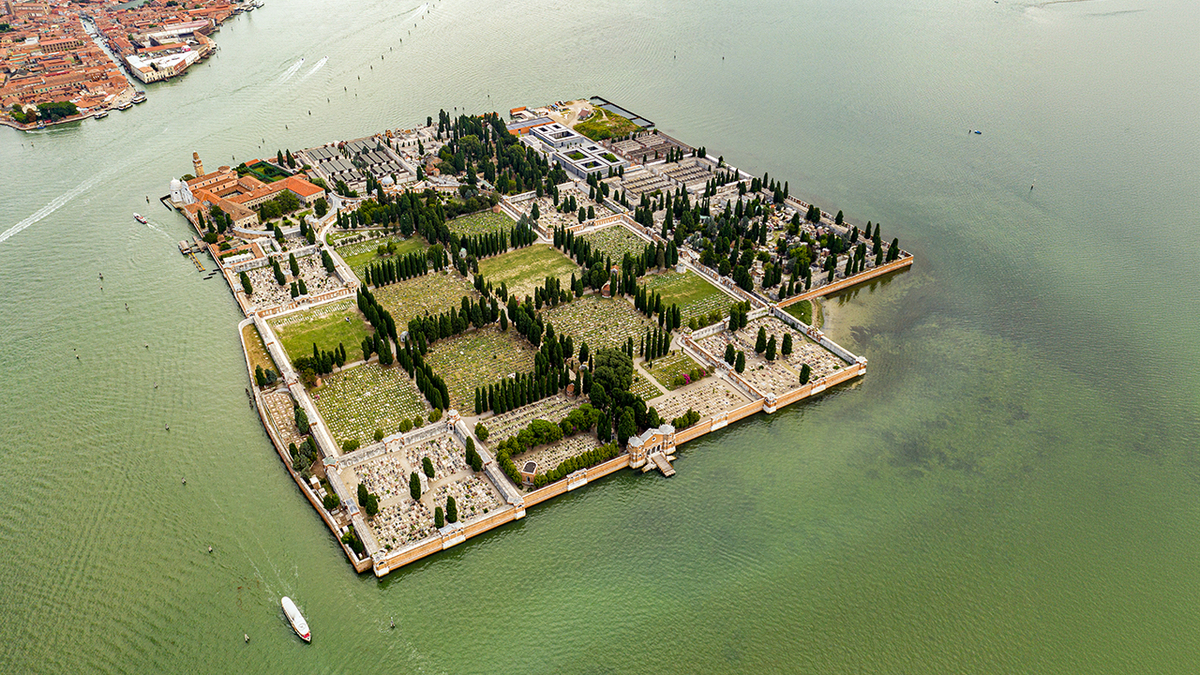
Just a short boat ride from the historic center of Venice, the island of San Michele serves as the city’s cemetery, separated from the crowded streets by the waters of the lagoon. It was established in the early 19th century, when Venice fell under Napoleonic rule and new regulations moved burials away from densely populated areas for public-health reasons.
Even reaching it requires a journey across the water. In the past, funeral processions crossed the lagoon in special funeral gondolas, some lavishly decorated to reflect the status of the person being laid to rest. Today, visitors arrive by vaporetto to wander among cypress-lined paths and the graves of famous figures, including composer Igor Stravinsky, ballet impresario Sergei Diaghilev and poets Ezra Pound and Joseph Brodsky.
The most unsettling part of San Michele, however, is that rest here isn’t always permanent. With space on the small island so limited, many burial plots are only leased for a set period. Once that time runs out, the remains may be exhumed and moved to an ossuary to make room for new burials.
What ties these places together isn’t ghosts or crumbling walls. It’s the way each one holds up a mirror to the fears, beliefs and hardships of the people who came before us. A chapel decorated with human bones shows how communities once made peace with mortality. A prison cell and a hidden Cold War bunker reveal how societies tried to control crime and prepare for catastrophe. And an island once reserved for those society chose to shut away is a reminder of how stigma can reshape entire lives.
Their stories couldn’t be more different, yet each one offers a rare window into the past, whether through carefully documented history, legends passed down through generations or traditions that honored those who were lost. Visiting them isn’t just about chasing a chill. It’s about understanding the parts of history that are often left out of the guidebooks.
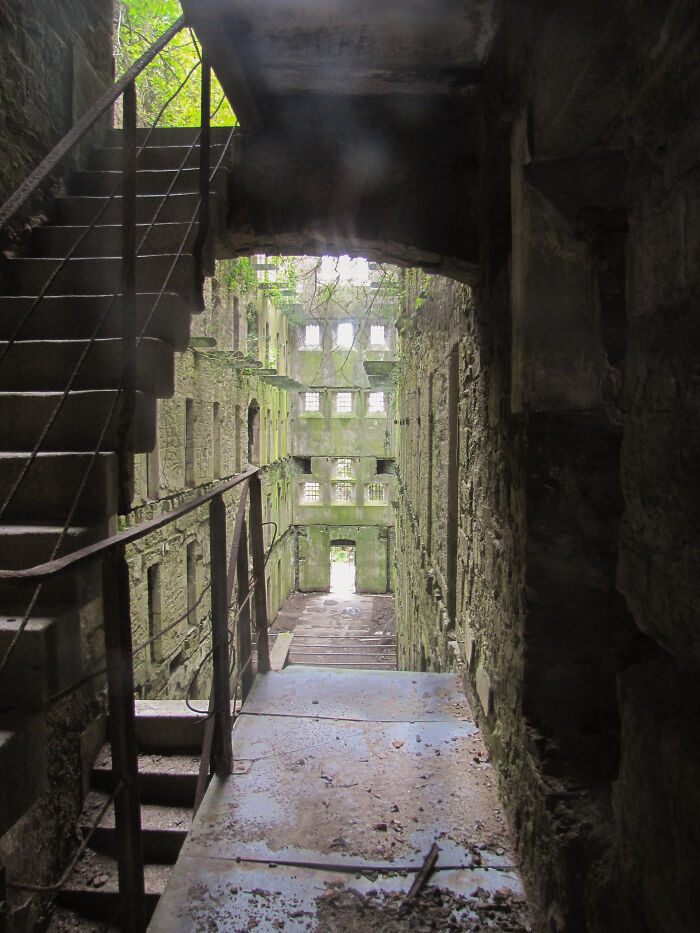
Bodmin Jail in Cornwall offers a rare and sobering glimpse into the darker side of Britain’s historic prison system.
Built in 1779 by prisoners of war and designed by Sir John Call, it was the first prison in Britain to hold inmates in individual cells, a sign of changing attitudes toward crime and punishment at the time. Over nearly 150 years, its stone walls held people convicted of a wide range of offenses, and more than 50 public hangings took place there before it closed in 1927. Its history even includes a surprising wartime role: in 1918 and 1919, the jail safeguarded some of Britain’s most important state records, including the Domesday Book.
Today, the former prison has been transformed into a visitor attraction and hotel that explores Cornwall’s criminal past. Guided tours share the stories of the people once held there and how the institution operated, while ghost-themed experiences lean into its reputation for unsettling encounters in the dark cell blocks.
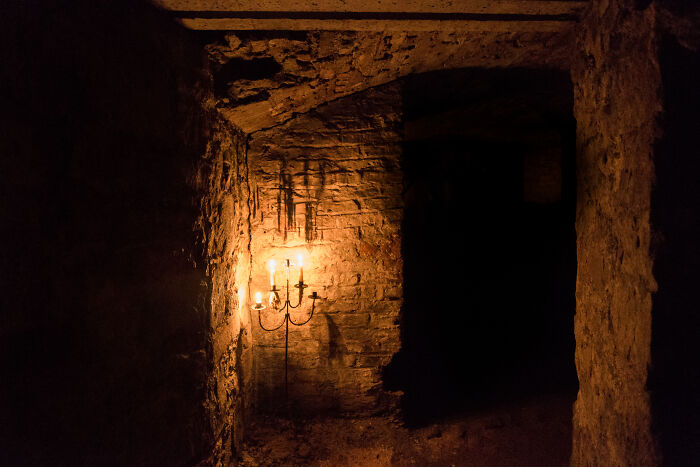
Beneath Edinburgh’s bustling streets lies a hidden world of stone vaults tucked into the arches of the South Bridge. Completed in 1788, the bridge’s 19 arches created a network of chambers that were first used as storage spaces and workshops by cobblers, merchants and tavern keepers. It didn’t take long for problems to appear. The vaults were damp, dark and poorly ventilated, and as businesses moved out, some of the city’s poorest residents moved in, crowding into chambers that offered little more than shelter.
Life underground was grim, and over time the vaults were abandoned and sealed off, largely forgotten until they were rediscovered in the 1980s. Today, the maze of chambers is one of Edinburgh’s most popular underground tours, helped along by its reputation for hauntings. Visitors and guides alike have shared stories of eerie encounters, sudden chills and unexplained figures in the darkened passageways.
But the vaults’ real history is unsettling enough on its own, without every ghost story needing to be true. Walking through them, just meters below the busy streets above, offers a rare and haunting look at a side of Edinburgh most people never see.

Give me a fire torch, some boots and let me pretend I'm Rick O'Connell.
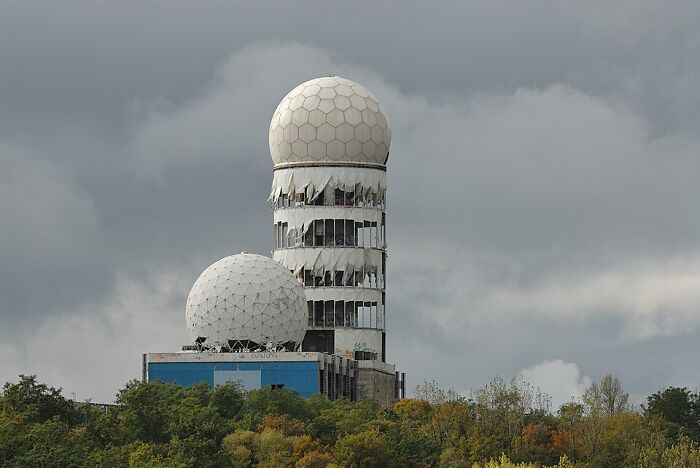
Built in post-war Berlin, Teufelsberg, whose name means “Devil’s Mountain,” is not a natural hill at all. It was made from rubble cleared from the bombed-out city after World War II and piled over an unfinished Nazi military college. During the Cold War, its summit became home to an Allied listening station, where American and British intelligence personnel used its distinctive radar domes to monitor communications deep behind the Iron Curtain.
The station closed in the early 1990s, after the Cold War ended, leaving behind a cluster of futuristic, slightly eerie structures rising above the surrounding forest. Today, the buildings are covered in graffiti, and visitors can explore the once-secret site on guided tours. Standing among the torn domes, it’s hard not to feel the weight of Berlin’s turbulent past and the secrets that were once quietly gathered here.
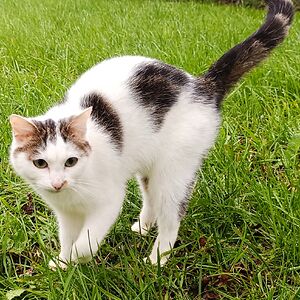
"piled over an unfinished N**i military college" - oohhh, niiiice. Quite a fitting end for the place, really.
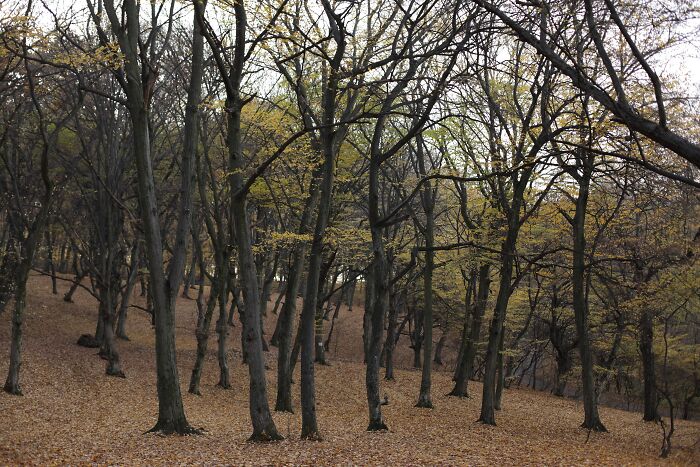
On the outskirts of Cluj-Napoca in Romania, Hoia-Baciu Forest has earned a reputation as one of the most mysterious woodlands in Europe, and a nickname to match: the “Bermuda Triangle of Romania.”
At first glance, it looks like any other forest, until you notice the trees. Many grow in strange, twisted shapes, bending and curling as if they were trying to escape. The heart of the forest’s legend is an almost perfectly round clearing where, locals say, very little vegetation ever grows. Over the decades, visitors and paranormal enthusiasts have reported glowing lights, sudden feelings of unease and other unexplained experiences there. Local folklore adds even stranger tales, including a shepherd said to have vanished along with his entire flock. The forest’s fame grew even more in 1968, when a photo of what was described as a UFO hovering above the trees spread far and wide. Still, all of these accounts remain stories and claims rather than scientific evidence of anything paranormal.
For anyone fascinated by where folklore ends and reality begins, Hoia-Baciu is a compelling place to explore, and a reminder of how myths, legends and the stories people tell can give a landscape an identity all its own.

Is this the forest Josh Gates explored on Destination Truth? Because if it is, that one was truly scary. One of their members was thrown backwards and ended up bleeding from the ear. When they played a tape they made there, something was saying his name.
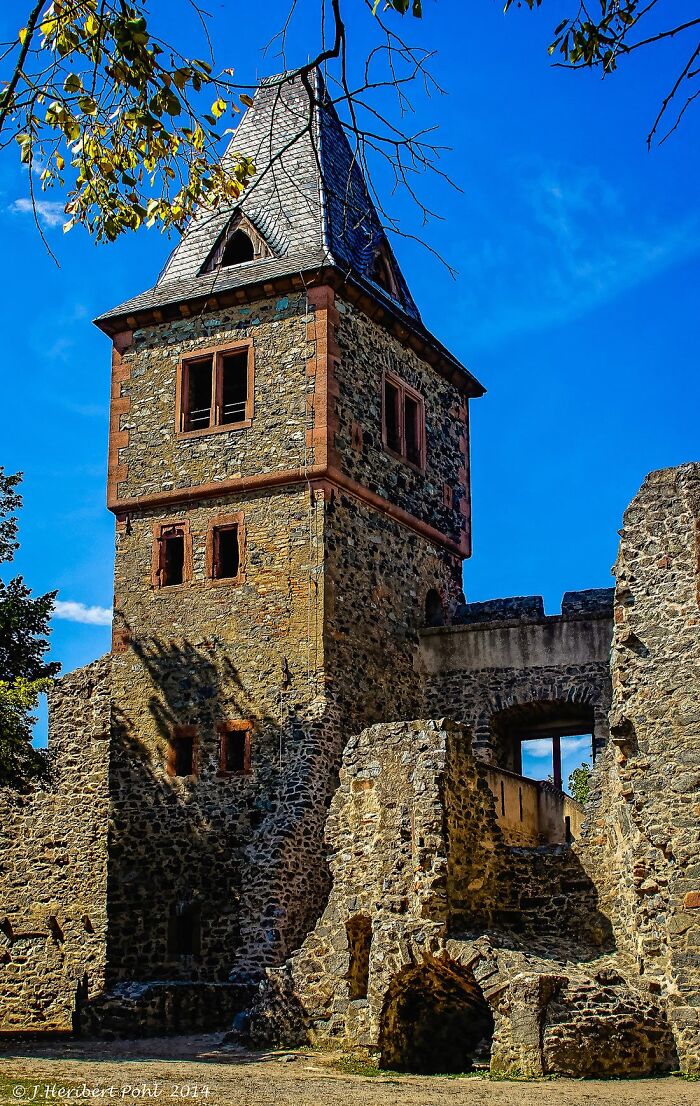
Perched on a wooded hilltop near Darmstadt, Germany, Frankenstein Castle looks like something straight out of a Gothic horror novel. Thanks to its name and moody setting, the medieval ruins have long been linked to Mary Shelley’s Frankenstein, though there’s no solid evidence that the castle directly inspired her famous story.
The castle’s real history is separate from the literary legend, and that’s part of what makes it so fascinating. Over time, places like this can become tangled up with popular culture, taking on new identities that go far beyond what actually happened within their walls. Frankenstein Castle has more than enough dark legends of its own, including the tale of a dragon said to have terrorized a nearby village and preyed on young women, until a knight from the castle rode out to slay it.
Then there’s Johann Conrad Dippel, an alchemist born at the castle in 1673. His obsession with alchemy and his search for an elixir of life fueled rumors that he was meddling with forbidden knowledge. Later legends went even further, linking him to disturbing experiments involving human remains, although there’s no reliable evidence that any of them took place at the castle. Perhaps fittingly, the ruins now host one of Germany’s best-known Halloween celebrations, drawing crowds who come for the castle’s spooky reputation, real or not.
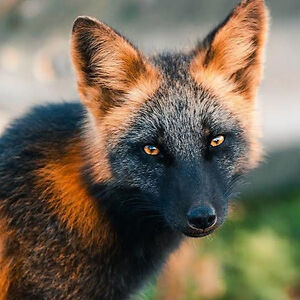
"Francsstone" would be the literal translation, after the ancient germanic tribe. Same reason why we call France "Frankreich" (Kingdom of the francs)
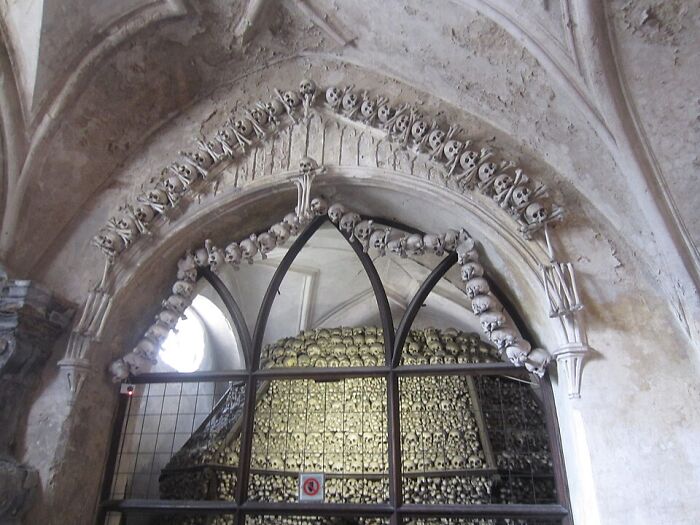
Hidden beneath the Cemetery Church of All Saints in Kutná Hora, Czechia, the Sedlec Ossuary is one of the most extraordinary and unsettling chapels in the world. Its interior is decorated with the bones of an estimated 40,000 to 70,000 people, arranged into elaborate designs. These include a coat of arms, garlands strung across the ceiling and a spectacular chandelier said to contain almost every bone in the human body.
The site’s story began in the 13th century, when, according to tradition, an abbot returned from the Holy Land with a handful of soil from Golgotha and scattered it over the cemetery. Almost overnight, it became one of the most sought-after burial grounds in Central Europe. When plague, famine and war later swept through the region, claiming countless lives, the cemetery quickly became overcrowded, and bones were eventually exhumed and stored in the chapel below. Then, in 1870, woodcarver František Rint was hired to bring order to the remains, creating many of the haunting arrangements visitors see today. He even signed his work in bone.
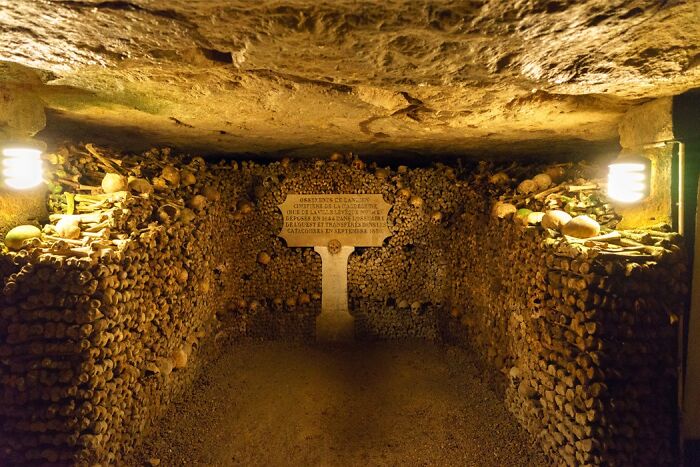
Deep beneath the streets of Paris lies one of the world’s most famous ossuaries, holding the remains of more than six million people. By the late 18th century, the city’s cemeteries had become dangerously overcrowded, and authorities decided to move the bones into the abandoned limestone quarries that run beneath the capital.
The first major transfers took place between 1785 and 1787, often at night, with carts of bones moving through the streets in solemn processions. In the early 19th century, the remains were carefully stacked into the striking walls of skulls and bones visitors see today. The Catacombs first opened to the public in 1809, and the visitor route now winds for about 1.5 kilometers, just a small part of the vast network of tunnels hidden beneath Paris.
There was a seriously weird, and quite creepy, movie set in the catacombs. "As Above, So Below".
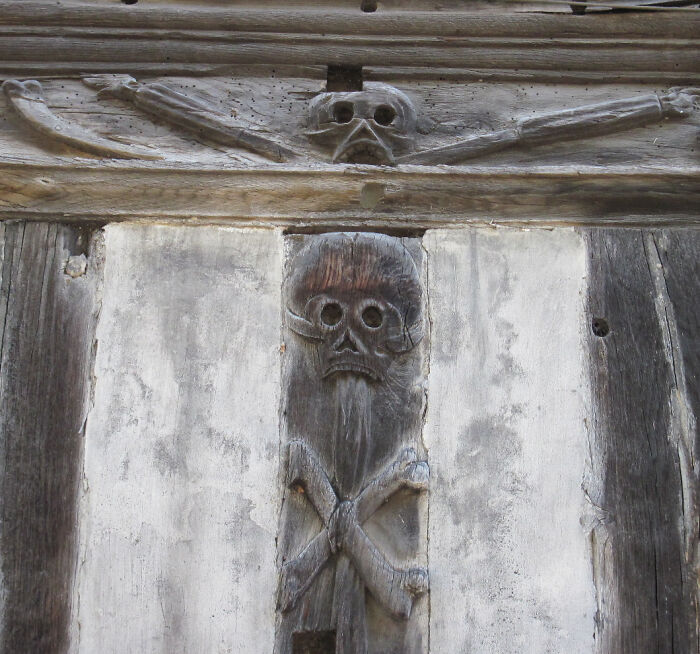
Hidden in the heart of Rouen, France, Aître Saint-Maclou began as a parish cemetery in the 14th century, when the Black Death swept through Europe and left the city struggling to bury its victims. In the 16th century, timber-framed galleries were built around the courtyard to serve as charnel houses, storing bones as the cemetery filled up.
What makes the site so unsettling is its macabre decoration. The wooden beams and stone columns are carved with skulls, crossed bones, coffins and gravediggers’ tools, alongside scenes from the medieval danse macabre, the Dance of Death, in which people of every rank are led away by skeletons. Perhaps the strangest detail is a mummified cat discovered within the walls, believed to have been placed there to ward off evil spirits and now displayed for visitors.
Over the centuries, the site took on an unexpected second life as a place of learning, with schools operating within its walls for generations, most recently Rouen’s school of fine arts. Today, visitors can wander through the restored courtyard and examine the eerie carvings up close. It’s a place where mortality was once part of everyday life, preserved in stone and timber as a reminder that, sooner or later, everyone joins the same dance.
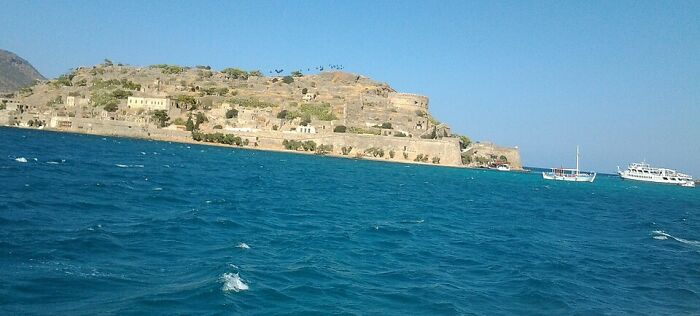
Off the coast of Crete, the small island of Spinalonga carries a quietly haunting history.
Long before it became known for anything else, the island was home to a Venetian fortress built in the 16th century. It’s best remembered, however, as one of Europe’s last leprosy colonies. From 1903 to 1957, people diagnosed with the disease were sent to Spinalonga to live apart from the rest of society, a reflection of the fear and stigma that surrounded leprosy at the time.
Yet despite their isolation, the residents refused to simply exist. They built lives on the island, forming friendships, falling in love and creating a community under incredibly difficult circumstances. Today, the abandoned homes, narrow streets and shared public spaces they left behind offer a moving glimpse into everyday life on the island.
Visitors can now walk through the settlement and learn about the people who once lived there, a story that reached millions of readers through Victoria Hislop’s bestselling novel The Island. But Spinalonga deserves more than to be called a creepy abandoned island. It’s a powerful reminder of exclusion, resilience and the very real human cost of social stigma.
We had a leprosy island here in Trinidad too, Chacachacare, small little island off the west coast.
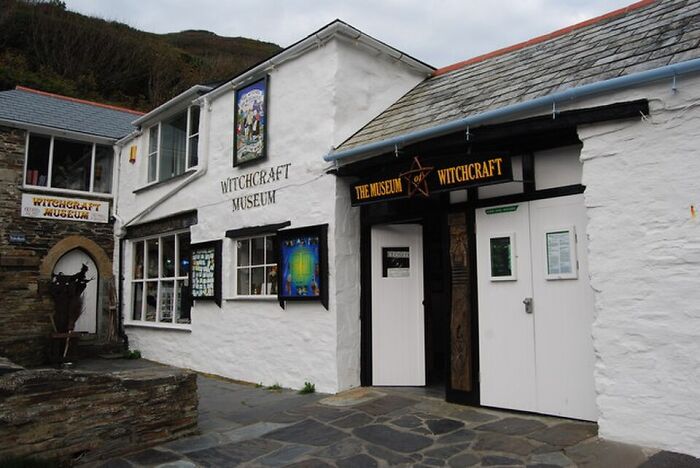
Tucked away in the Cornish village of Boscastle, the Museum of Witchcraft and Magic explores the history of British witchcraft, folk magic and magical practice through more than 3,000 objects and thousands of books. Its founder, Cecil Williamson, first opened the museum on the Isle of Man in 1951 before moving it to Boscastle in 1960, where it has offered a rare glimpse into beliefs and traditions that were often feared, misunderstood or persecuted.
Inside, visitors come face to face with ritual tools, spell books, charms and objects once tied to curses and protective magic. Some displays delve into the darker side of folklore and the long history of fear surrounding witchcraft, showing how ordinary household items could take on sinister meanings and how deeply fear of the supernatural has shaped human history.
Been there too! I wonder how much of the older things I saw are still around, as it got hit pretty hard by the flash floods in... 2004 was it?
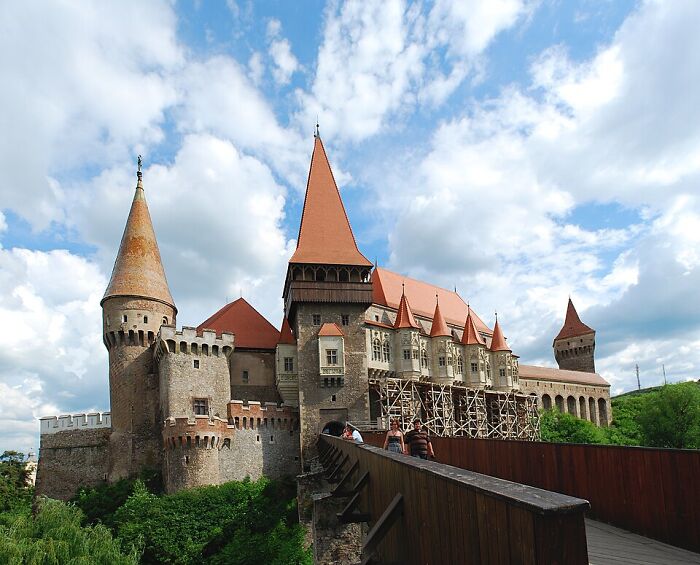
Rising above the town of Hunedoara in Romania, Corvin Castle looks like it was lifted straight from the pages of a fairy tale, or perhaps a nightmare. The medieval fortress was largely transformed in the 15th century under John Hunyadi, one of the region’s most powerful military leaders, and with its soaring towers, steep roofs and dramatic wooden drawbridge, it has become one of Romania’s most famous landmarks.
Over the centuries, the castle has gathered more than its share of legends. One claims that Vlad the Impaler, the ruler who inspired Dracula, was once held captive there. Another tells of Turkish prisoners who were promised their freedom if they dug a well through solid rock, only to be denied it after 15 years of labor. Stories like these have given the castle its mysterious reputation, though they’re best treated as folklore rather than documented history.
Beyond the legends, there’s plenty to explore, from its grand halls and Gothic architecture to rooms that once served military, residential and administrative purposes. Its eerie atmosphere has even caught Hollywood’s attention: parts of the horror film The Nun were filmed there. For anyone drawn to the darker side of European history, Corvin Castle shows how a real medieval stronghold can inspire centuries of stories, some rooted in fact and others in pure imagination.
Built in the 13th century deep in the forests of Central Bohemia, Houska Castle began as an early Gothic stronghold and was later remodeled in the Renaissance style. Today, however, it’s best known for a far darker claim: according to local legend, the castle was built over a bottomless hole leading straight to the underworld.
Over the centuries, the stories only grew stranger, with tales of half-human creatures crawling out of the pit and a mysterious black monk said to wander its halls. These legends earned Houska its reputation as the “gateway to hell,” though the supernatural claims remain folklore rather than historical fact.
Hidden among the trees of an Edinburgh suburb lies a place built for one of the most terrifying possibilities of the 20th century: nuclear war.
Barnton Quarry first served during World War II as part of Britain’s air defense system before becoming a secretive Cold War installation. Its underground complex was connected to the ROTOR radar network, which helped monitor potential threats from the sky, and the site was later adapted for civil defense and emergency government use. In the event of a nuclear attack, officials were expected to coordinate the country’s response from deep inside facilities like this one.
As the Cold War went on, Barnton’s existence became more widely known, and after it was abandoned, the bunker suffered years of neglect and fire damage. Restoration work has since brought it back to life, preserving a rare glimpse into a time when governments were planning for the end of the world as they knew it.
Walking through its corridors is unsettling in a quieter way than most haunted places. There are no ghosts here, only the knowledge that the bunker was built for a moment when ordinary life above ground could be wiped out in an instant. The most chilling part of the guided tour comes when visitors hear a real BBC announcement telling citizens what to do in the event of a nuclear attack.

Accompanying pic is a still from Top Gear S11E04. "Secret Nuclear Bunker"
Hidden beneath Gjirokastër Castle in southern Albania, this underground bunker was built in secret during the 1970s to protect local communist leaders in the event of a nuclear attack. Fittingly, Gjirokastër is also the hometown of dictator Enver Hoxha, whose regime grew so isolated and so fearful of invasion that it scattered more than 170,000 concrete bunkers across the country.
Stretching for around 800 meters, the tunnel holds 59 rooms designed for everything from government offices and sleeping quarters to power generation and water storage. There’s even a dedicated air-filtration room and a decontamination area, built to help those inside survive the aftermath of a nuclear strike.
Opened to visitors in 2015, the tunnel offers a chilling look at the preparations made for a war that never came.


Thanks, Egle. These provided interesting and original information.
Thanks, Egle. These provided interesting and original information.




















 No fees, cancel anytime