Get Premium
Dark mode theme is available exclusively for premium users. Learn more about the benefits of subscribing.
No fees, cancel anytime.

 Dark Mode Ad-Free Browsing Unlimited Content
 Ad-Free Browsing Unlimited Content Dark Mode
Join 1.2 million Panda readers who get the best art, memes, and fun stories every week!

28submissions
1week left

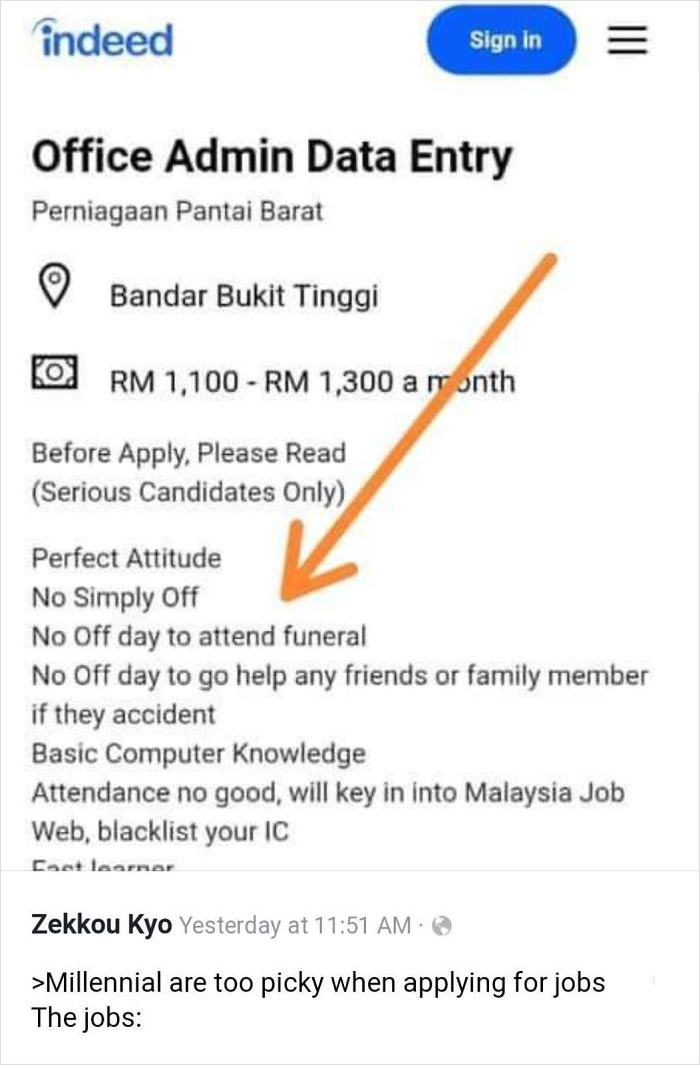
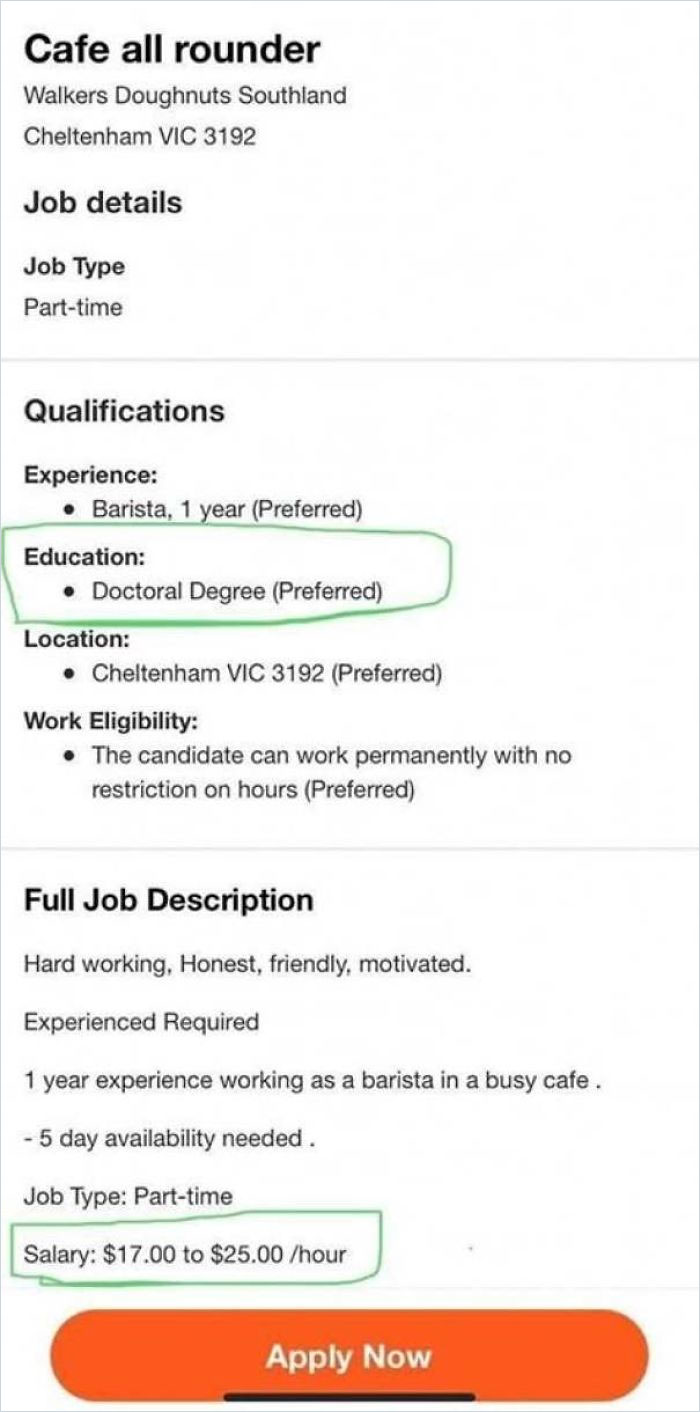
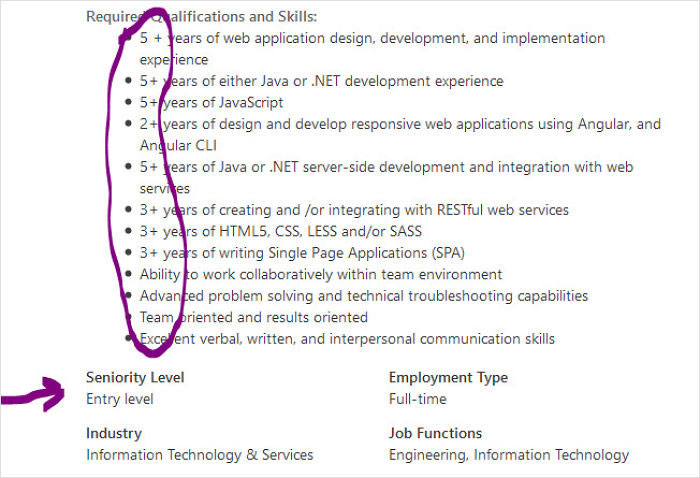
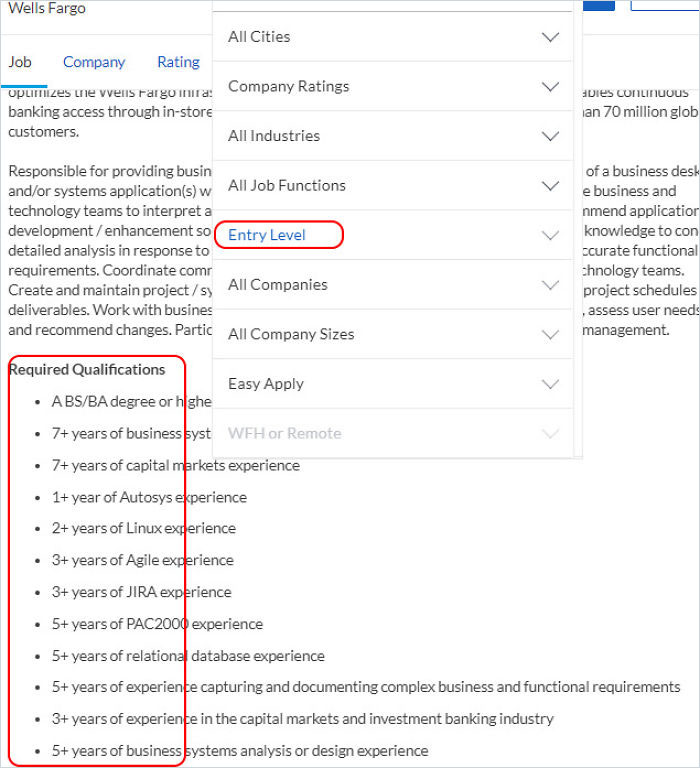
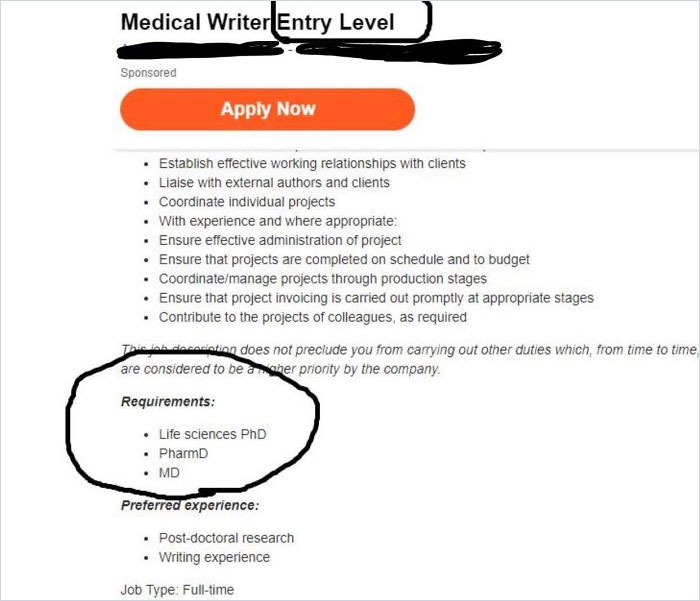
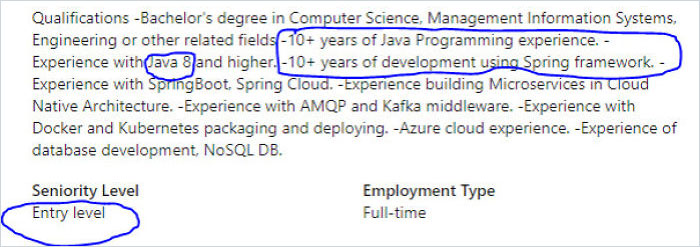
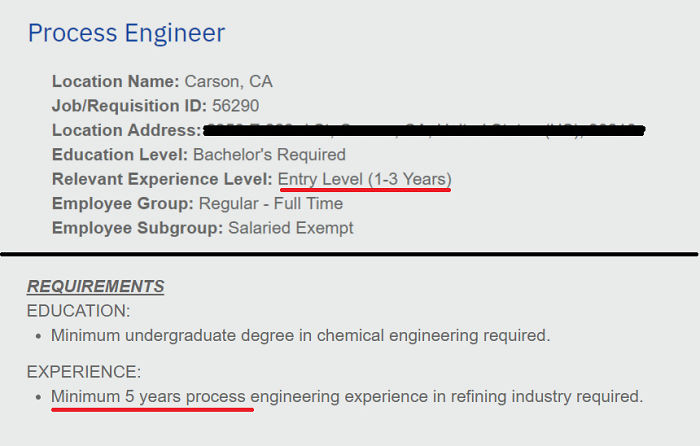
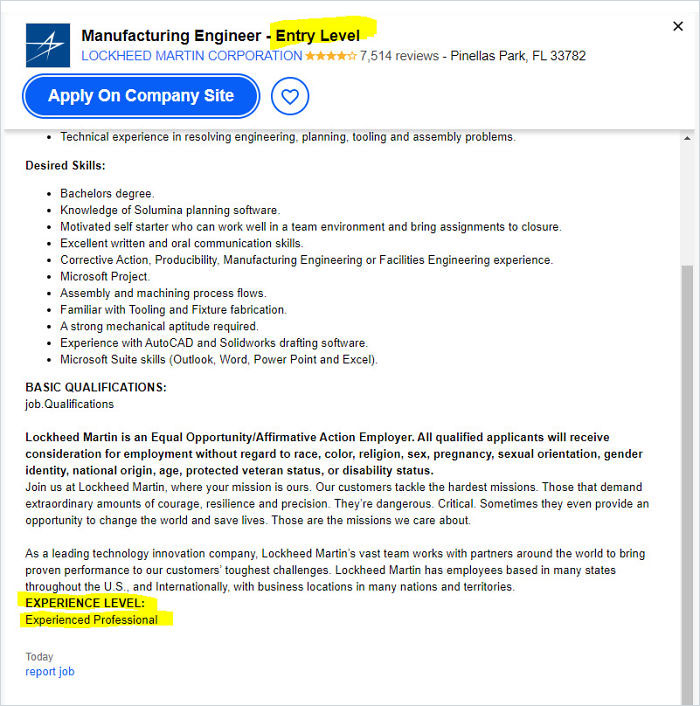
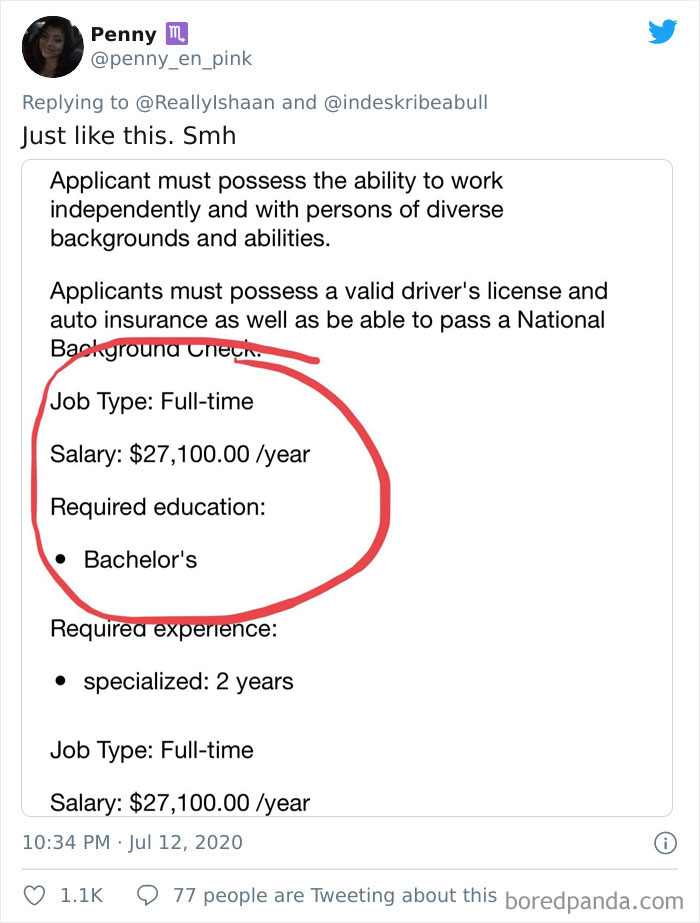
Far from every interview is a success and a lot of us have some nightmare stories to tell. But the nightmare usually starts with the first filter—actually qualifying for the job which can have high demands and low rewards. Sometimes, it can seem like even waiting tables and brewing coffee requires a Bachelor’s or a Master’s degree (talk about inflation, right?).
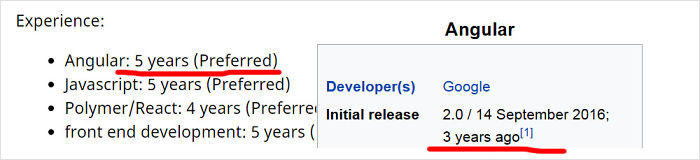
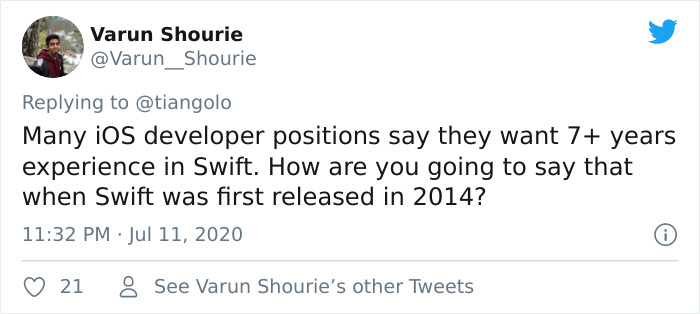
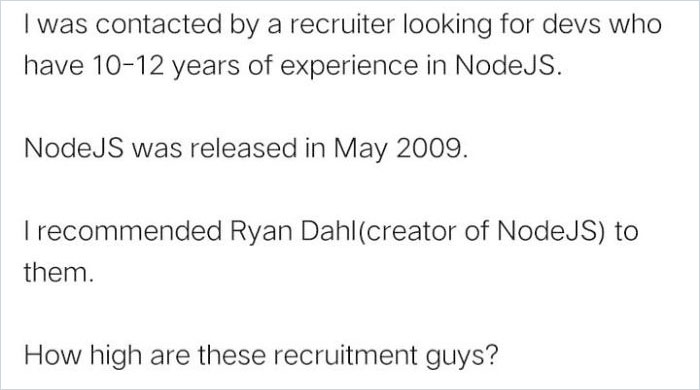
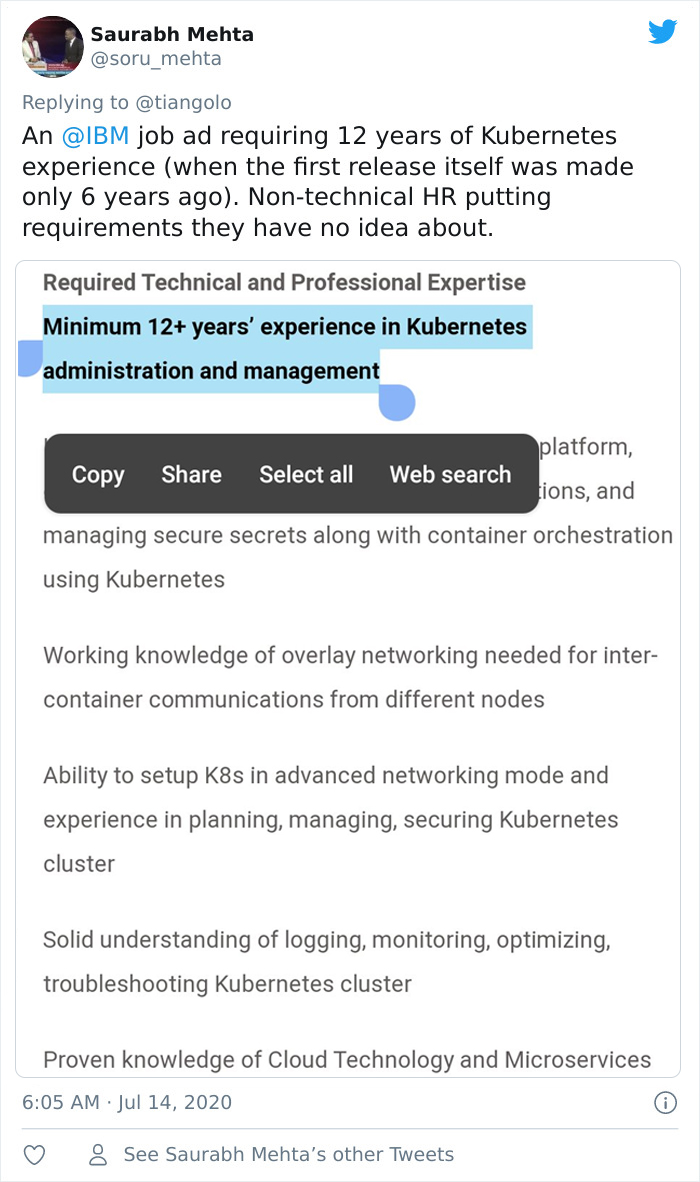
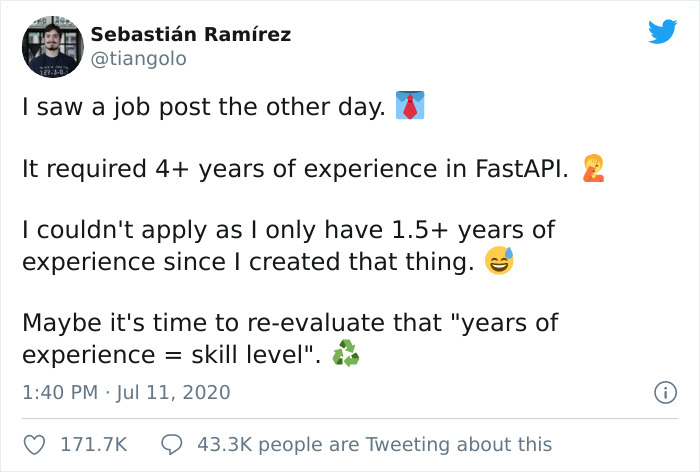
One of the people who posted about unrealistic expectations is Sebastián Ramírez, who created FastAPI 1.5 years ago. According to him, the job post requires 4+ years of experience in FastAPI and even he, the founder, couldn’t apply for the job. Which brings us to the main question: why do companies do this?
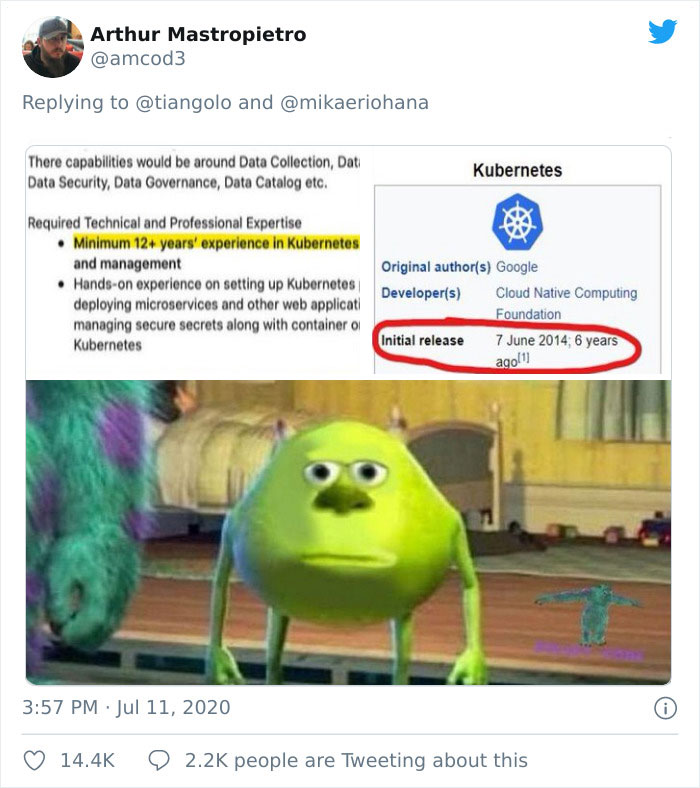
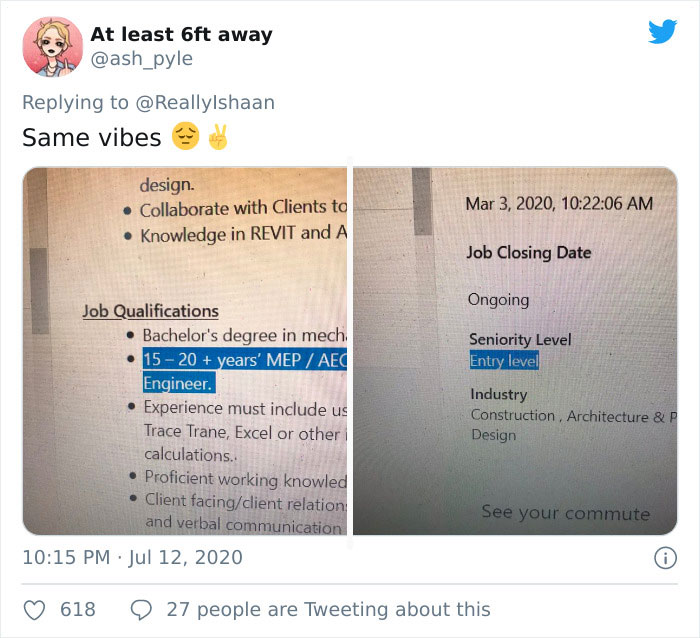
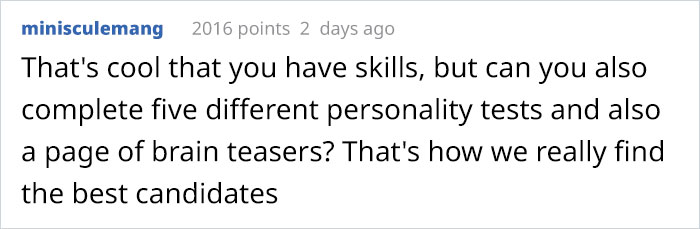
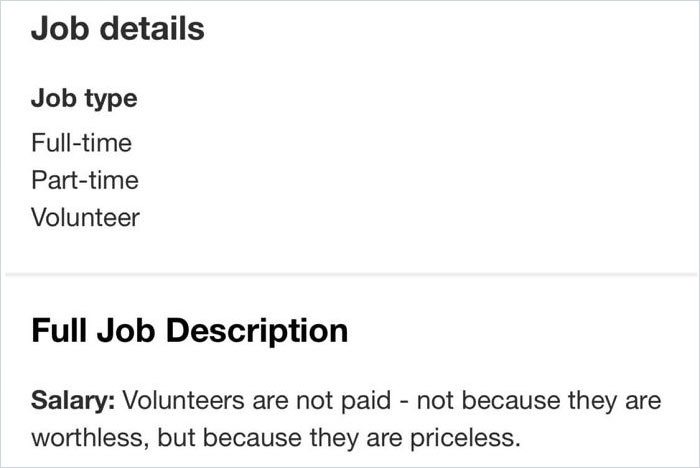
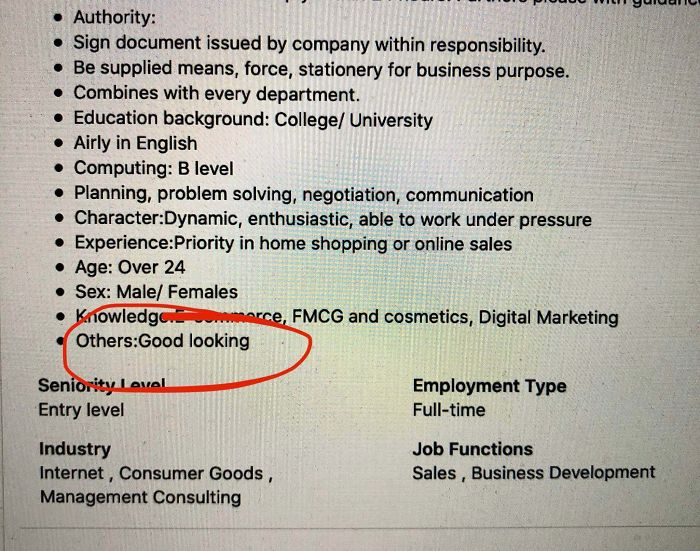
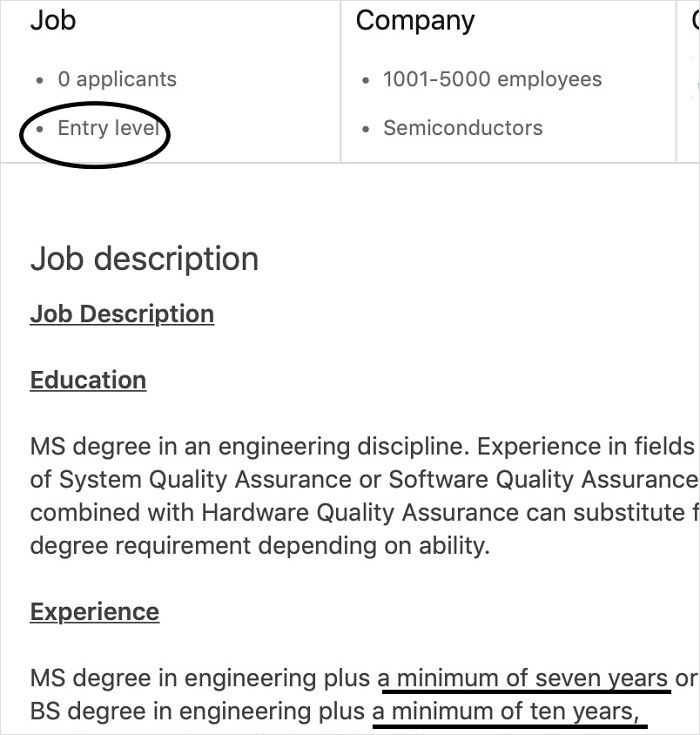
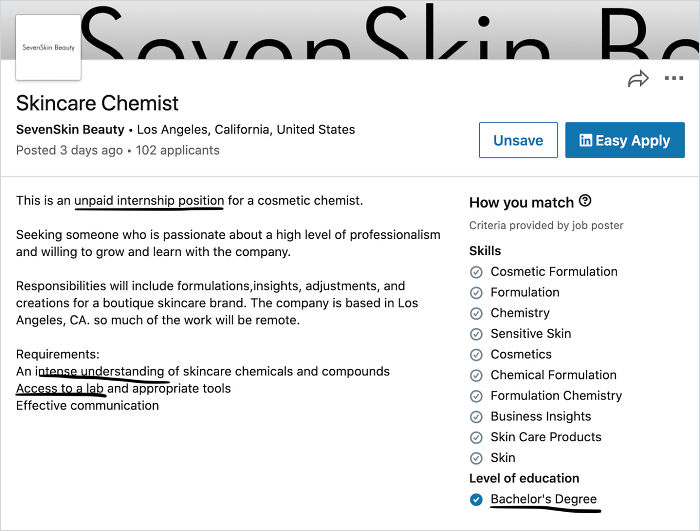
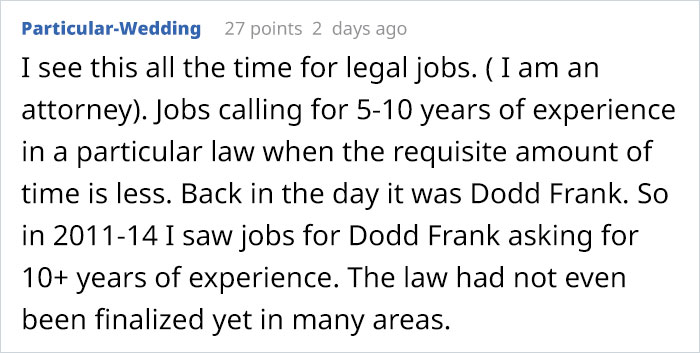
Inspired by Sebastián's post, we've collected examples of some of the most unrealistic criteria that recruiters have had while hiring professionals for job positions, so scroll down and upvote the ones that left an impression on you. We also know that this is something that a lot of you Pandas can relate to, so be sure to share your own job-hunting experiences in the comments. Read on for Bored Panda’s in-depth interview with Sebastián about companies setting unrealistic standards for potential employees.
Click here & follow us for more lists, facts, and stories.
This post may include affiliate links.
“I understand recruiters need to try and get the best candidates for their organizations, that's what they are trying to achieve. But they don't have a way to know beforehand who will be good at a certain job and who won't. So they have to resort to some type of proxy for that information,” Sebastián went into detail why some recruiters have very high and sometimes unrealistic expectations for potential employees.
“And probably for legacy reasons and status quo, the main proxies for that information have been a degree and ‘years of experience.’ It's simple and easy to measure, years of experience is just a number, and a degree is a specific name (or set of names).”
Sebastián then explained what the negative side effects of this type of thinking can be. “Those indicators don't really measure someone's ability to perform some tasks,” he said.
“A degree (or set of degrees) in many cases indicates that someone went to a specific physical location periodically for a long period of time, studying certain related subjects, reading and studying about those subjects, and finding a way to pass many, many exams. Those degrees for sure indicate perseverance doing that for years. And although it means that someone had available several ways to acquire some knowledge and skills, it doesn't necessarily mean that person was able to get them.”
He continued: “And then, the exams try to measure someone's ability to do something but are still a heavily simplified way to measure it, another proxy. And in cases, those passed exams to get a degree were measuring skills that might not necessarily be perfectly related to the ones the recruiter cares about.”
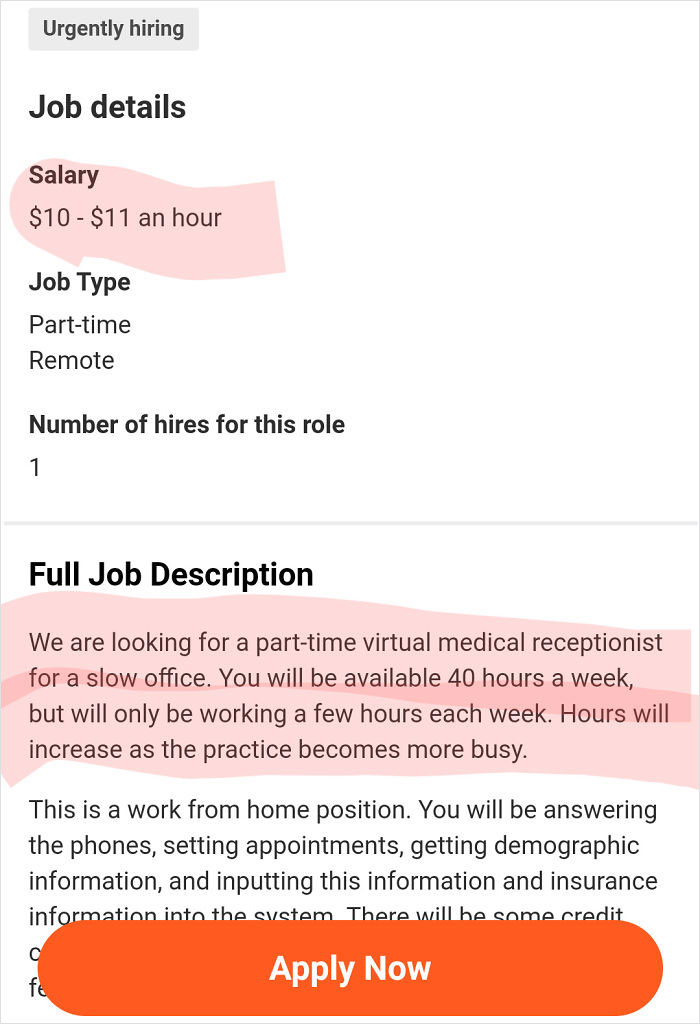
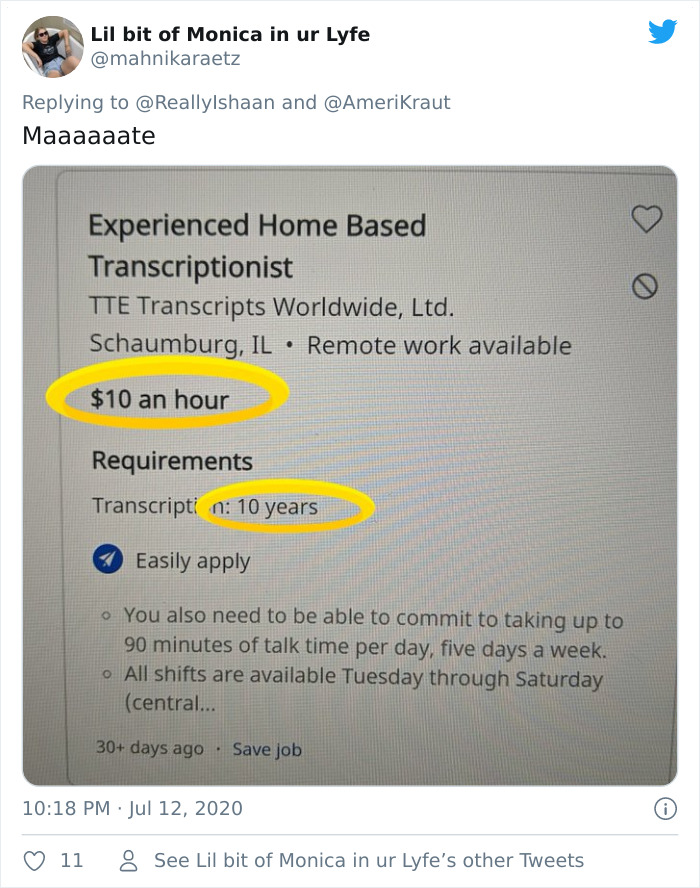
You have to be available 40 hours a week but you'll only get at maximum $100 a week. So no second job but $10 dollars an hour? You needed a degree too
According to Sebastián, its “highly admirable” when people are capable of learning a lot of skill sand studying a lot for a long time. “That is probably the actual objective of someone getting a degree. But the degree itself is not the only way to prove that someone did that. And in cases, it might not even be the best way to prove that,” he said.
“At the same time, someone else might acquire the needed skills for the required tasks, but not necessarily through the established ways to get a degree. This becomes even more evident in industries like technology, that move faster than what a rigid education system can always follow,” Sebastián told us.
“On the other hand, years of experience is another proxy that assumes that every person will find the same obstacles (or at least the same amount or type of obstacles) as any other person, learning the same ideas, developing the same skills. But the problem is that one person might keep doing the same thing for a long period of time, accumulating "years of experience" but not actually acquiring new skills. And at the same time, someone could quickly learn new technologies that allow them to perform different tasks more easily, learn how to perform many different tasks, or handle some complex problems and learn how to overcome some difficult obstacles, acquiring a lot of actual ‘experience’ and skills in a very short period of time.”
Looking for a job can feel like you’re in the Stone Age, hunting for an elusive, quick-footed, and surprisingly picky gazelle that will only let you catch it if you have the right, overinflated qualifications. You’re famished but the gazelle keeps taunting you: “No Master’s degree? No dinner!”
Replace the gazelle with recruiters who have unrealistic criteria while hiring professionals and you’re back in the 21st century, struggling to find a job during the (pardon my French) crapfest that is 2020.
We get it, recruiters want to find the ‘perfect’ candidate to fill each and every job opening. However, impractical expectations about the job market can do more harm than good: the person who can do the job well and with passion can also be someone who doesn’t qualify because their job experience is ‘insufficient.’ Or ‘wrong.’
British recruitment experts Brand Recruitment explained that companies want a proper return on investment. However, they often “don’t actually know what they’re looking for at all” while their job descriptions, especially for new positions can look like a “5-year-old’s Christmas list, with bullet point after bullet point of everything they MUST have.”
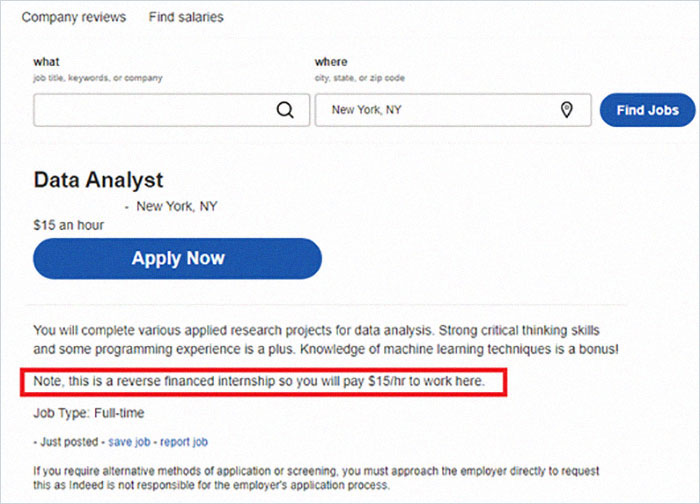
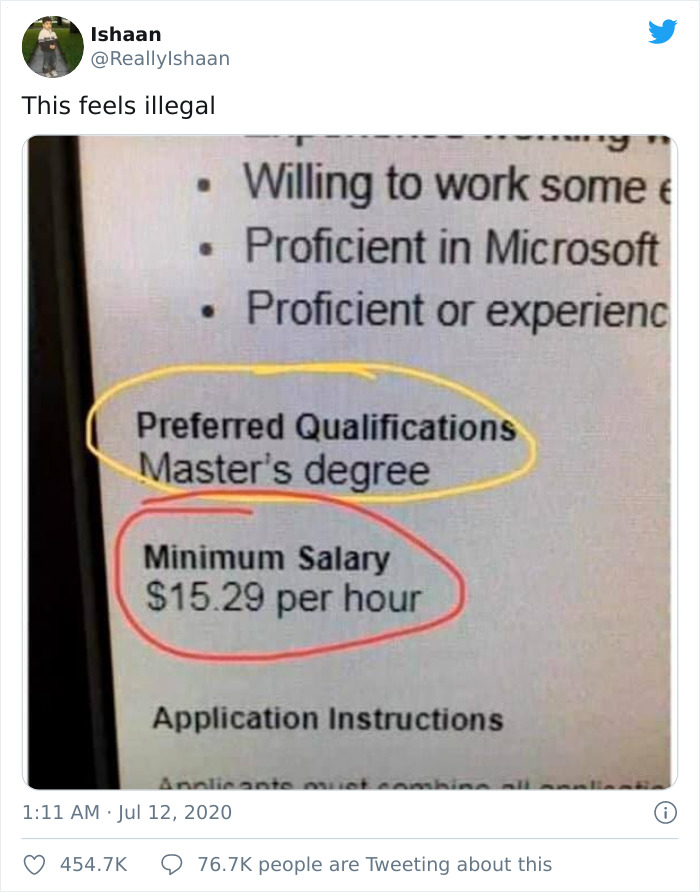
Recruiters also have to be realistic when it comes to actual job performance. Ideally, they want to find a new employee who can do their job immediately without any training. Contrast that to the idea that recruiters should find people who have a lot of potential but require nurturing and guidance. Unfortunately, hidden gems stay hidden and don’t get a chance to shine if companies only want a bunch of boxes ticked (and a Master’s degree for a 15 dollar hourly wage).






































 No fees, cancel anytime