Get Premium
Dark mode theme is available exclusively for premium users. Learn more about the benefits of subscribing.
No fees, cancel anytime.

 Dark Mode Ad-Free Browsing Unlimited Content
 Ad-Free Browsing Unlimited Content Dark Mode
Join 1.2 million Panda readers who get the best art, memes, and fun stories every week!

42submissions
Finished
Historians, much like X (formerly Twitter) users, love to argue. They constantly unearth new evidence, challenge established narratives, and reevaluate the past with fresh perspectives.
So, Reddit user SleepDeprivedCultist asked everyone on the platform to share what they believe are the largely forgotten moments that actually contributed a lot to shaping the world we live in — the so-called "losers" of the discourse, if you will.
Immediately, people started showing off their knowledge, and the thread, paradoxically, turned into yet another fight for the spotlight.
Click here & follow us for more lists, facts, and stories.
This post may include affiliate links.
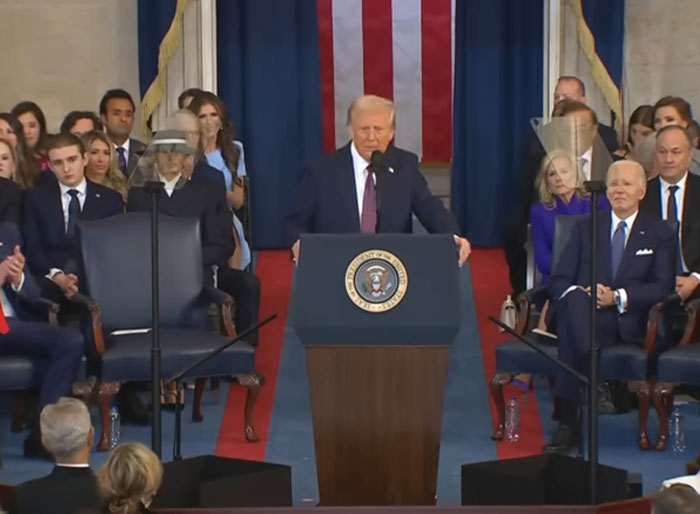 Trump's win this election. This was the most important election in over a hundred years, and almost no one realized it. I feel sorry for this nation's future. We had one chance to stop it, and no one even recognized the danger. It's f*****g stupid, and I really hate mass ignorance. It's so...so harmful. It'll take 50 to 100 years to fix what's happening now and what may happen over the next few years. Nothing will be the same. Everything will be worse than it should have been for very literally every single person alive right now. Your future is now worse, period, forever, until the day you die. Most folks will never comprehend this reality, and that's...disheartening. It means many will never even learn from it and simply assume this is normal. It is not. This is worse, vastly worse. And there's nothing I personally can do about it.
 Stanislav Petrov choosing to ignore an alarm that indicated that the US had fired 5 missiles towards Moscow. He disobeyed military orders and saved the world from nuclear war in 1983.
The fact that even seemingly important historical details remain in the background can partially be explained by looking at the sources from which people get their information.
A survey conducted by the American Historical Association revealed that the top three choices were documentary film/TV (69%), fictional film/TV (66%), and TV news (62%), many of which prioritize engaging narratives over accuracy.
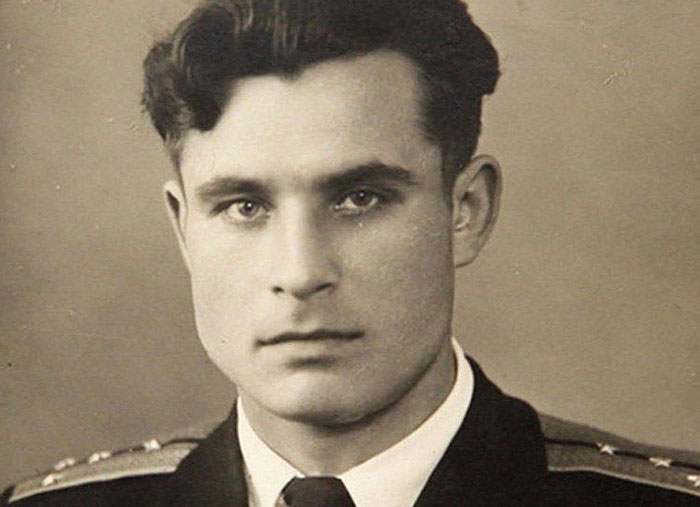 During the Cuban Missile Crisis, a Soviet sub near Cuba was being depth-charged by the U.S. Navy. Cut off from communication and overheating, the captain thought WWIII had started and wanted to launch a nuclear torpedo. Protocol required agreement from three officers. Two said yes. One man—Vasili Arkhipov—said no. He stopped the launch, surfaced the sub, and likely prevented nuclear war. The guy literally saved the world—and most people have never heard of him.
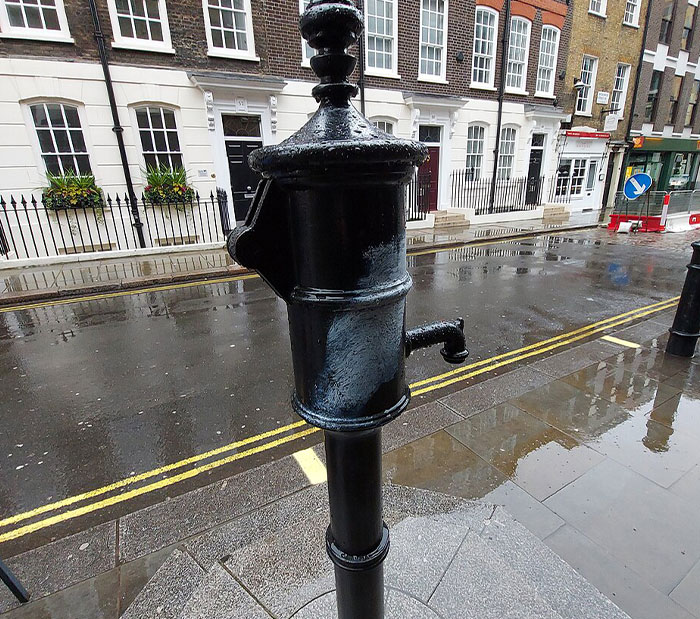 The broad Street cholera outbreak of 1854. The local doctor was convinced the disease was in the water. He had the handle of the water pump removed. Cases dropped dramatically.
This started 2 things scientific investigation of disease outbreaks and microbiology.
Something like that anyway.
Bezulba
And the map drawn to figure out what well was the problem is still used today as an example of visually presenting data.
Researchers also decided to gather data on the public's experiences with the subject at both the high school and college levels.
In high school, more than three-fourths of respondents reported that history courses were more about names, dates, and other facts than about asking broader questions about the past. However, 68 percent still said that their high school experiences made them want to learn more history.
Even for college courses, 44 percent of respondents indicated a continued emphasis on factual material over inquiry, but this was a turnoff for about one-fifth of them.
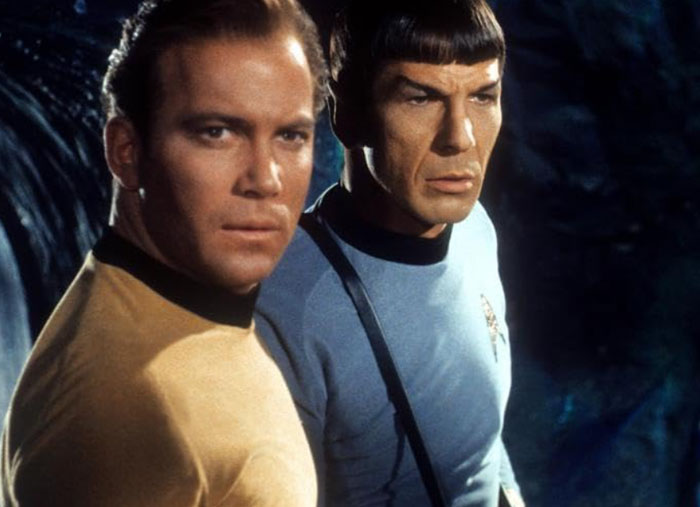 When Lucille Ball saved Star Trek. It was set to be canceled after the very first season but she bought the rights and started shooting at DesiLou studios. Star Trek gave us automatic doors and cell phones and the first televised interracial kiss and that franchise is still busting down barriers to this day and inspiring the new science minds of tomorrow. I am a Jedi, like my mother before me, but those Federation nerds got my respect.
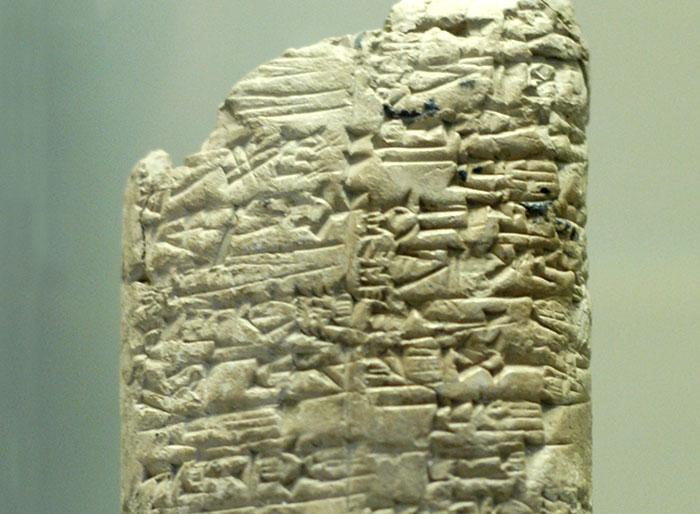 There was a day in deep dark history when someone had the idea of turning our spoken words into drawn symbols on, possibly, clay or rock.
We don't know who or when this happened, but it was the day that literacy was born.
Some much-welcome news is that, according to the aforementioned survey, the public sees clear value in the study of history, even relative to other fields.
Rather than asking whether respondents thought learning history was important—a costless choice—the researchers asked how essential history education is, relative to other fields, such as engineering and business. The results were promising: 84 percent felt history was just as valuable as those more professional areas.
Moreover, the numbers were pretty much constant across age groups, genders, education levels, races and ethnicities, political-party affiliations, and regions of the country. And the popularity of this Reddit thread is proof of that!
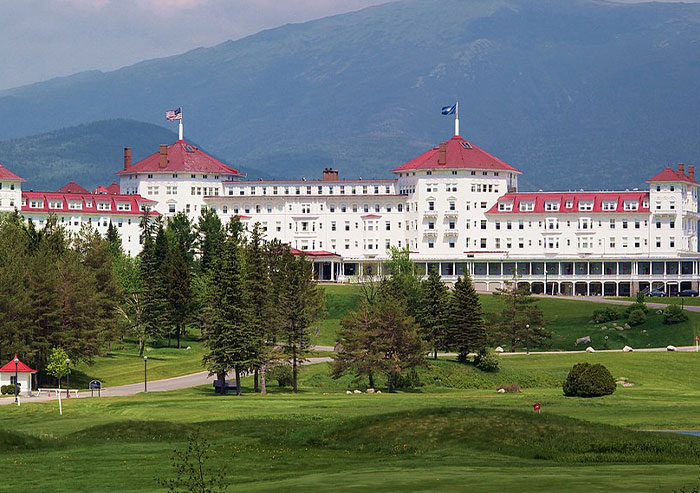 The Bretton Woods Conference. In 1944 some 730 delegates from all 44 Allied nations came together at a large hotel in New Hampshire to outlaw practices which are agreed to be harmful to the world prosperity. And so the international banking system was established, IMF was created, all currencies were required to be convertible for trade, and exchange rates were modified so that one nation would not be favored over another. All these actions led to the development of the World Bank.
Downside: The whole world's economy got teetered together forever, whereby one lunatic President's [private part] for tat tariff war, or to be more precise ego war, can lead to the whole world's economy going down the drain.
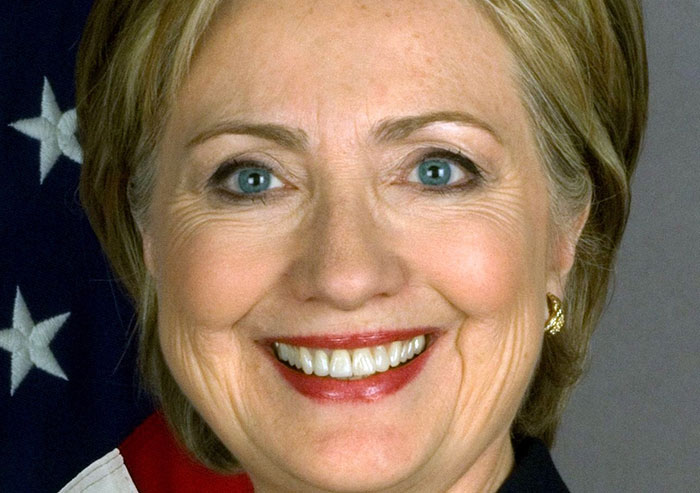 I think a lot about how Hilary Clinton possibly could have won the 2016 election if an investigation into her Emails wasn't opened up again because someone named Weiner couldn't stop sending sick pics.
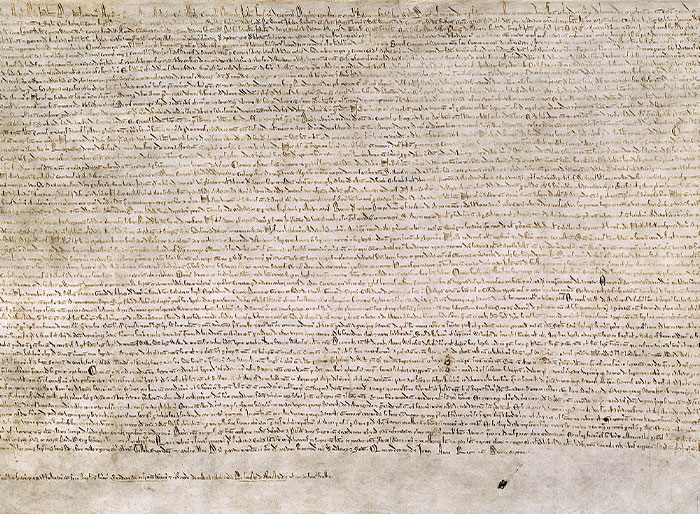 Magna Carta and all the subsequent treaties that recognised human rights...... the amount of ignorant people that don't realise how important those rights and principals are is astonishing. Also the way they are willing to renounce of deny this rights because it gets in the way of their beliefs.....
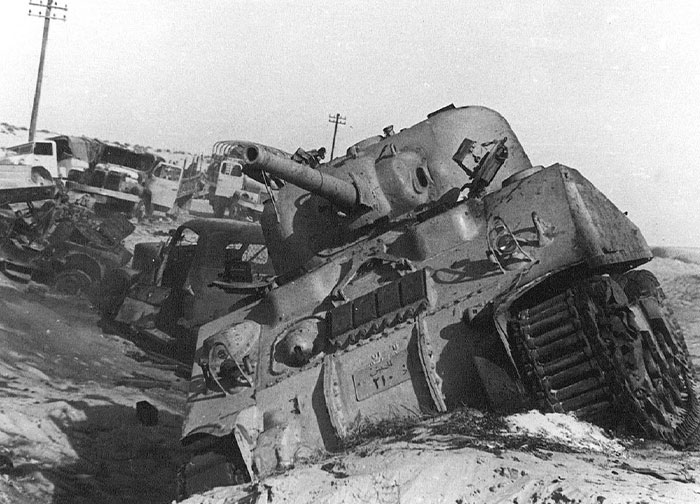 The Suez Crisis of 1956. It doesn’t get nearly the attention it deserves outside of history nerd circles, but it was basically the moment the UK and France officially lost their status as global superpowers, and the U.S. cemented itself as the dominant Western force.
Quick recap: Egypt’s President Nasser nationalized the Suez Canal, which had been controlled by British and French interests. In response, the UK, France, and Israel launched a secret military operation to take it back. They figured the U.S. would back them or at least look the other way.
Spoiler: the U.S. did not. Eisenhower was furious—they acted without consulting him, and he saw it as colonial overreach during the Cold War. So he used the full weight of American economic power to shut them down. Threatened to tank the British pound if they didn’t back off.
Why it’s significant: this was the geopolitical gut punch that showed the old European empires their time was up. From that point on, the U.S. and the USSR were the only true superpowers. It also pushed a lot of former colonies further toward independence and gave a big boost to non-aligned movements.
It wasn’t a huge [darn] war like WWII or Vietnam, but in terms of long-term impact on global power structures? Absolutely massive. Most people have no idea.
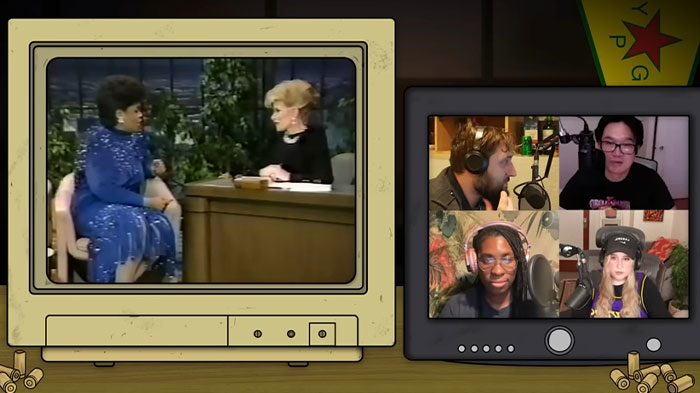 Behind the Bastards made a compelling argument that Oprah's coverage of Satanic Panic may have laid the groundwork for Qanon and Trump's presidency.
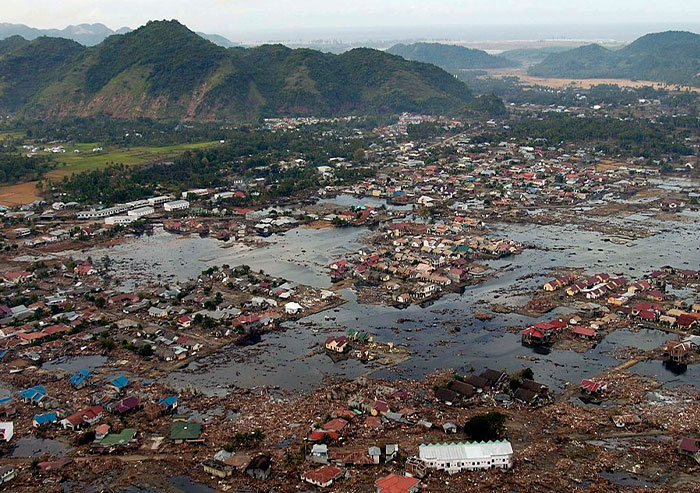 People seem to forget the Boxing Day Tsunami of 2004 when listing the most significant events of the 21st century. It's right up there with 9/11, Covid and Russia's invasion of Ukraine.
 When Rupert Murdoch launched Fox News in the USA, diminishing the value of truth and cementing the rise of fascism.
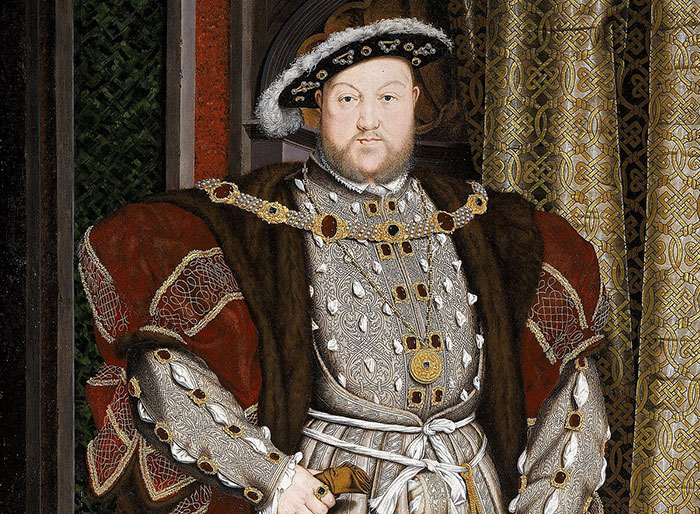 Henry VIII separating from the Roman Catholic church and having government rule over religion. It put power into the secular authority.
 Jeri Ryan getting cast as Seven Of Nine on *Star Trek Voyager*.
Her character is popular, her role is extended, she has to live in Los Angeles, straining her marriage with the up-and-coming Republican politician Jack Ryan in Illinois. They divorce in 1999.
In 2004, Jack Ryan is running for the Illinois senate seat(already held by a retiring Republican, Peter Fitzgerald). A judge decides to release the records of Ryan's divorce, which reveal that he'd repeatedly asked his then-wife Jeri Ryan to perform public s*x acts with him at B**M clubs in multiple cities in the mid-90s.
Ryan withdraws his candidacy for Senate over the scandal(because optics mattered back then), and his opponent, a little-known Democrat named Barack Obama is waved into the Senate unopposed.
The rest is history - Obama goes on a meteoric rise as the Senator from Illinois, culminating in being elected President just four years later; not only becoming the first black President in U.S. history, but defeating the very popular Republican John McCain who almost certainly would've defeated any other opponent whatsoever.
So the reason that Obama was President from 2008-2016 is because Jeri Ryan was cast as the cool Borg lady in a leotard on *Star Trek Voyager* in the '90s.
BackToWorkEdward
And it gets even more interesting the longer history dominoes onward from there too - without Obama, McCain's opponent almost certainly would've been Hillary Clinton(whom Obama defeated in the 2008 primary). If McCain had indeed defeated her, there's a good chance the Dems would've run a different candidate in 2016, and potentially beaten Trump. More likely, Trump doesn't run at all, because Mitt Romney or Sarah Palin have been waiting their turns to run in 2016 instead of the entire Republican base having become a witch's brew of racial hatred and conspiracy under Obama for eight years.
Alternately, without Obama, Hillary wins in 2008 and serves two terms, and a different D candiate runs in 2016 and actually defeats Trump(or whoever runs as the R instead).
The entire thing makes the mind boggle and like, it's literally all just down to the fulcrum of Jack and Jeri Ryan's marriage not falling apart in the late 1990s due to Star Trek commitments and sexual antics.
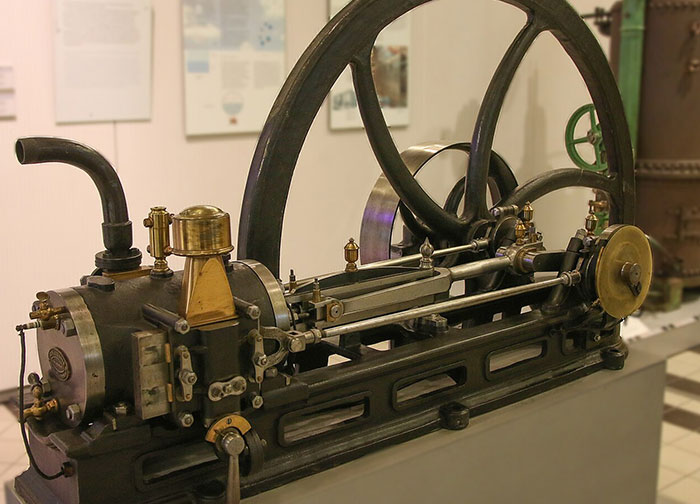 I feel like the internal combustion engine does not get enough love. It actually shapes the infrastructure of modern cities or what academics like to call the built environment.
It also helped lift a lot of people from poverty back in the day in the western world because it was linked to many industries that provided much needed jobs. Even today its doing the same in some African and Asian countries.
 Chinese loom and spinning wheel caused a chain reaction that lead to an abundance of paper and books. -connections with james burke.
 I'm guessing Adobe Flash shutting down, it got rid of all the childhood media we had...
Not to mention, **Adobe Flash itself**, it played an *extremely important* role in the early days of the internet, it was used for interactive webpages, advertising, animated videos (e.g Homestar Runner, Happy Tree Friends) and video games! (e.g Club Penguin, The World's Hardest Game).
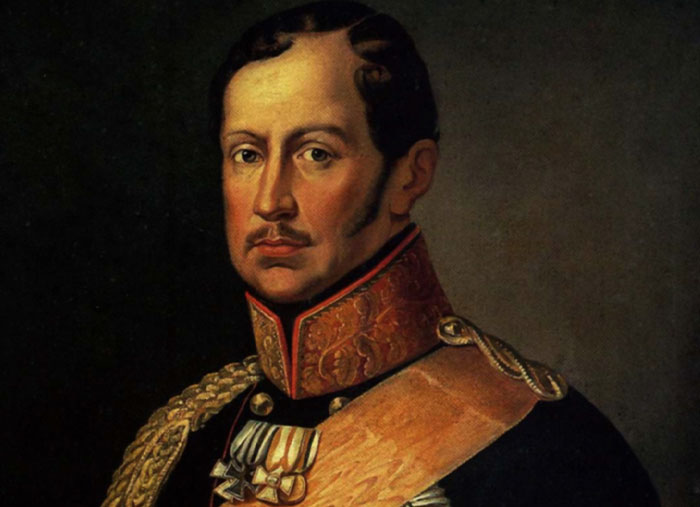 The 99 day reign of Frederick III of Prussia. WWI and everything after may never have happened if he'd not been fatally ill when he ascended the throne.
The downing of Korean Airlines Flight 007 by the USSR in 1983.
A passenger airliner that flew over restricted Soviet airspace due to a navigational error and was shot down. Afterwards, among many other things Reagan ordered the GPS system be released to the civilian world as a common good. Before then GPS was a US military technology and it being released to the public was intended to prevent something like this from ever happening again.
So a couple pilots in a cockpit f*****g up is why we have the ability to look up directions on our phone.
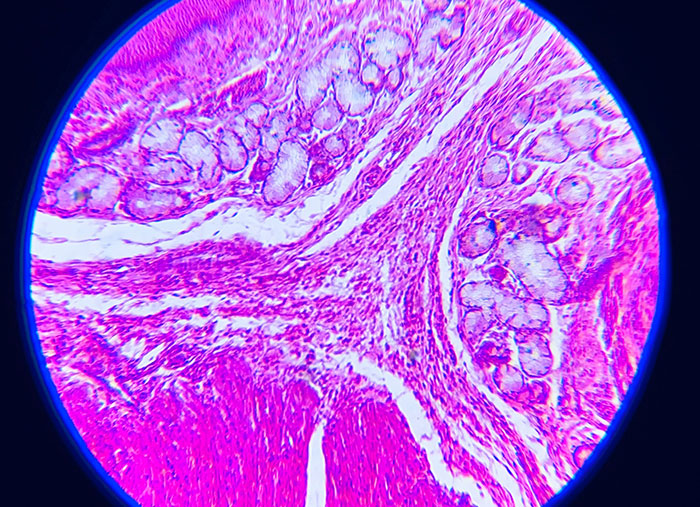 When the mitochondria stop being symbiotic bacteria in living bodies and became a naturally occurring organelle in the cells of living creatures.
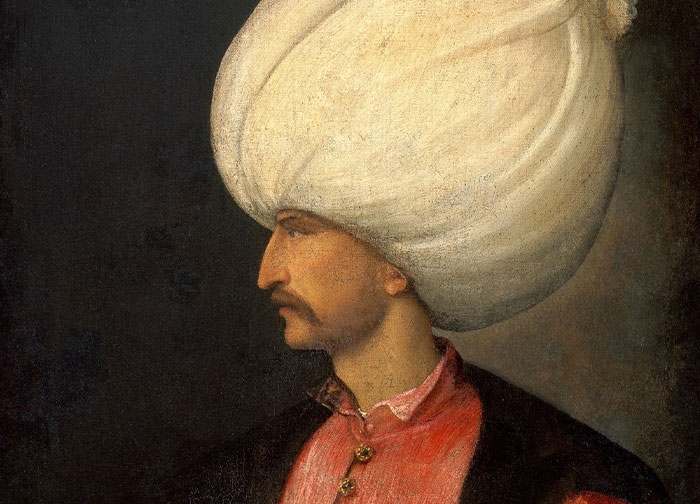 The siege of Szigetvár. Basically Suleiman the Magnificent was on the war path into Europe with an army of 50-100k Ottomans. They had to deal with the fortress of Szigetvár first to make sure they didn’t get flanked later. The fortress only had around 2-3k soldiers manning it. They managed to cause 20-30k casaulties over the span of a month holding out against the Ottomans, during which Suleiman died and the fortress was lost but it knocked the wind out of the Ottomans sails and they went back East. This battle and the 3000 Hungarians and Croatians are considered by some historians to have saved Western civilization.
 Facebook creating the share button. It created the whirlwind of misinformation that we have today.
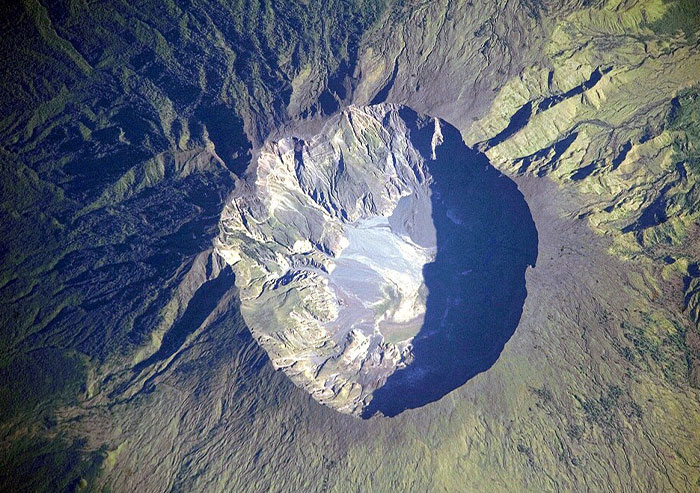 Eruption of Mount Tambora in 1815. It Caused volcanic winter in parts of Europe with food shortages and famine. Scared aristocrats were barred in their manors and were entertaining each other with stories. Thanks to them we have Frankenstein and Dracula. Horses moved from transport to food category, and people were forced to find other means of transportation and invented velocipede. People who starved in that time invented fertilizers that allow food to grow in horrible conditions.
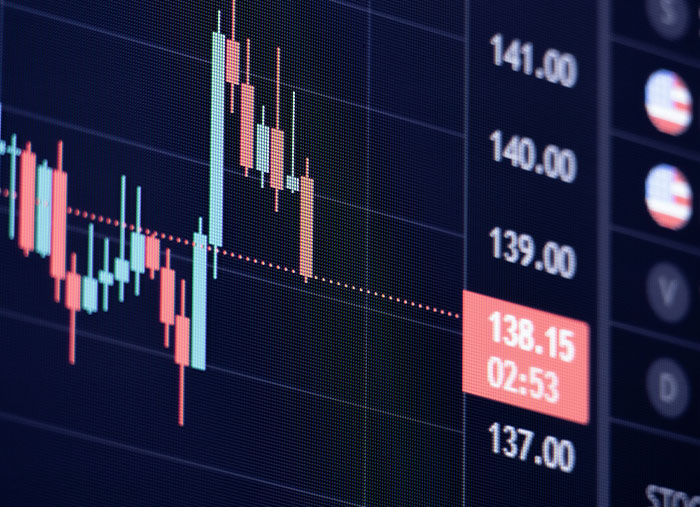 How close the 2008 crash came to actually fully crashing the market, like full on worse than the crash of the Great Depression. If I remember it came down to several hours.
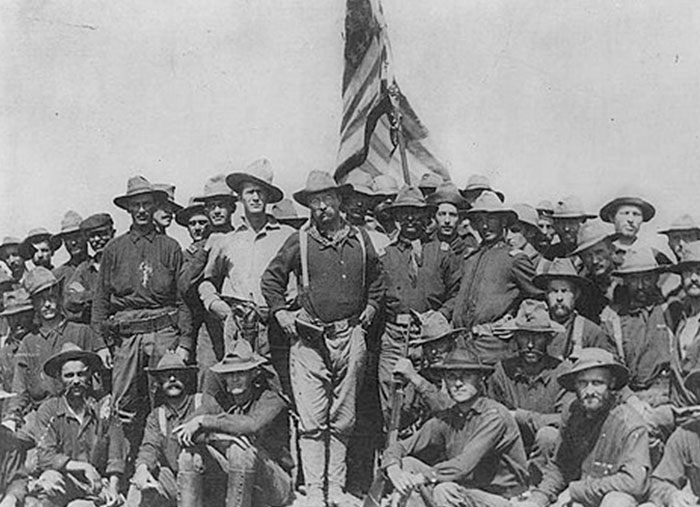 The Spanish-American War. It's a footnote for most people, but it set the US on the path it's on today.
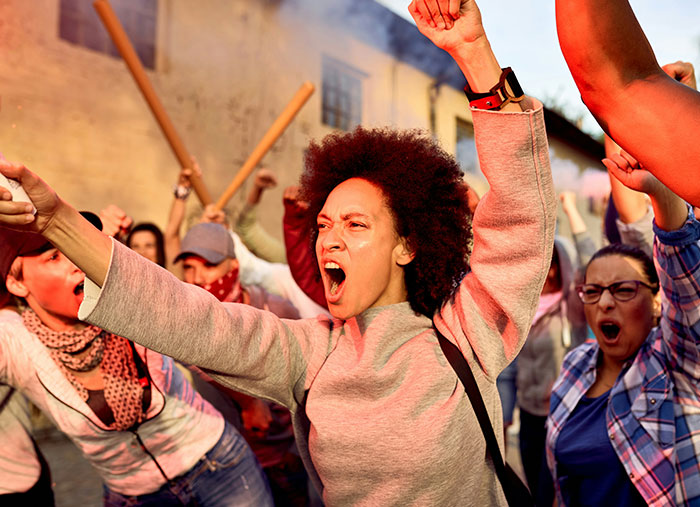 Facebook started the events feature in 2005 and groups feature in October 2010. In December 2010, Tunisia overthrew its government and revolution spread through the Arab world. Egypt, Libya, Syria…all organized through two features on Facebook.
Battle of the Teutoburg Forest. It was a pivotal event resulting in the end of Roman expansion into northern Europe, ending at the Rhine. Thus leading to the culture clash that continues between Southern and Northern Europe that continues to this day, and has led to so many other conflicts such as the Reformation and the Thirty Years War.
One of Herman Cortés’s rival conquistadors was a guy called Pánfilo de Narvaez. He turned up in Veracruz in 1520 with an African slave on board his ship, named Francisco Eguía. Eguía had smallpox and seems to be the first recorded case of the disease in the Americas.
The entire history of the Colombian exchange, colonialism, and the New World would have been drastically different if that infection had never taken hold.
I guess it was inevitable that *someone* would have brought smallpox to the Americas, but the people who did are mostly forgotten to history.
The invention of the humble shipping container. Maybe not a 'moment' per se but definitely an event. Nothing flashy but its impact is immense. Just try to imagine global trade today without standardized shipping containers. They completely revolutionized trade, making it faster, safer, and cheaper. Every item you see around you - chances are it arrived in your country in a shipping container. It's easy to take for granted now, but this system increased the efficiency of transport and reduced costs dramatically, effectively enabling globalization as we know it today.
The invention of the mechanical clock and the invention of the pendulumclock 350~ years later.
Seeing how much a lot od our systens now rely on accurate timekeeping and all the discoveries and inventions that were made because we kept creating more and more accurate timekeepers, this was massive breakthrough.
The Battle of the Metaurus (207 BC)
Hasdrubal Barca, brother of Hannibal, was on his way to reinforce him in Italy. He was defeated in this battle, which led to the decline of Carthage and secured the ascendancy of Rome.
The Tampa Crisis in Australia.
John Howard’s “We will decide who comes to this country and the way in which they come!” has impacted Australian politics for the last 20+ years, and has influenced immigration policy all over the world (and not in a good way).
f*** John Howard and his cruel policies.
You might also like: Forgotten history: 83 rare images that reveal how people used to live




















 No fees, cancel anytime