Get Premium
Dark mode theme is available exclusively for premium users. Learn more about the benefits of subscribing.
No fees, cancel anytime.

 Dark Mode Ad-Free Browsing Unlimited Content
 Ad-Free Browsing Unlimited Content Dark Mode
Join 1.2 million Panda readers who get the best art, memes, and fun stories every week!
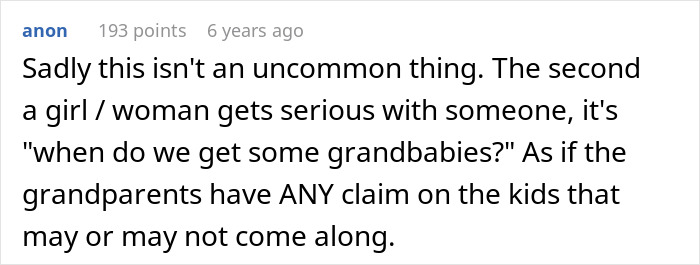
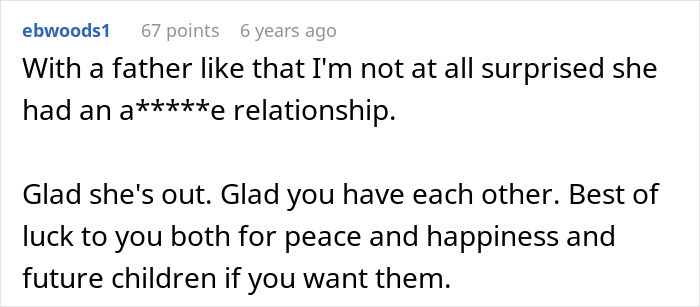
Most people would hear a loved one announce that they have left a toxic relationship and wonder if they’re safe, ask how they’re doing, and if they need anything. However, I said “most” because, apparently, not all family members think it’s a thing that should be celebrated.
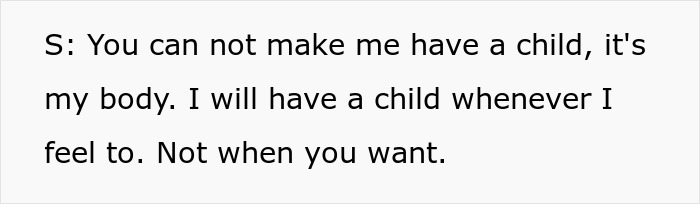
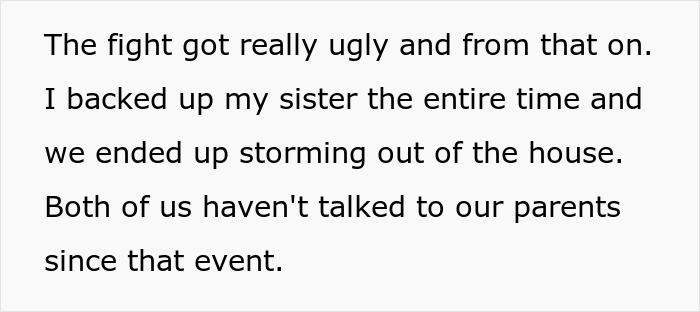
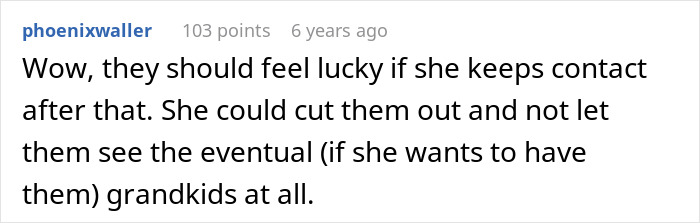
Getting out of a toxic relationship should mean finally having the freedom to decide what happens next. For the woman in this situation, that meant leaving a six-year relationship that had involved verbal and physical toxicity and beginning to rebuild her life. Unfortunately, her father apparently had a completely different idea of what her next chapter should look like.
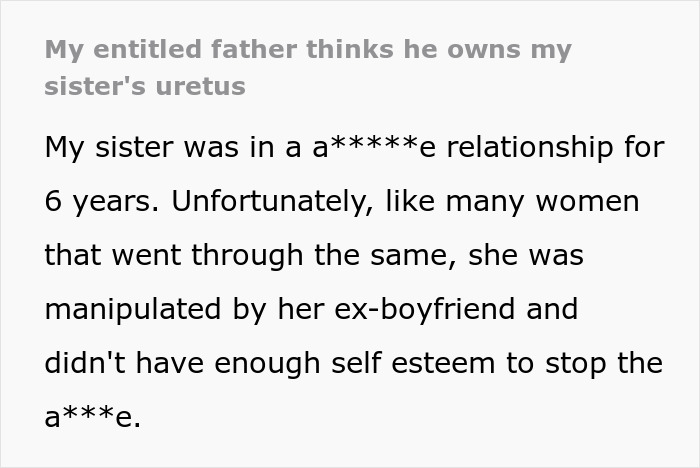
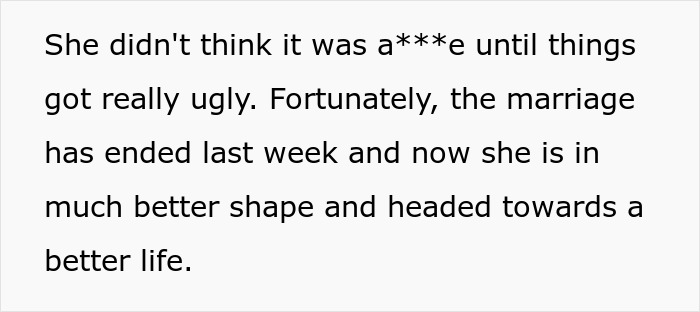
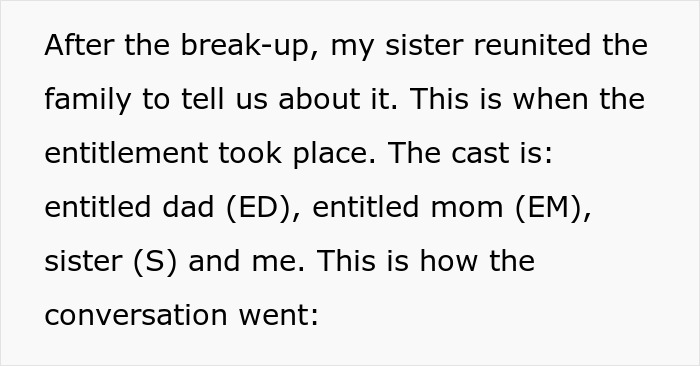
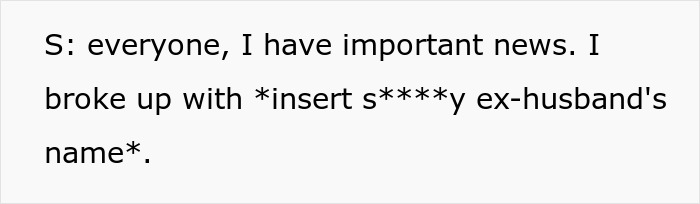

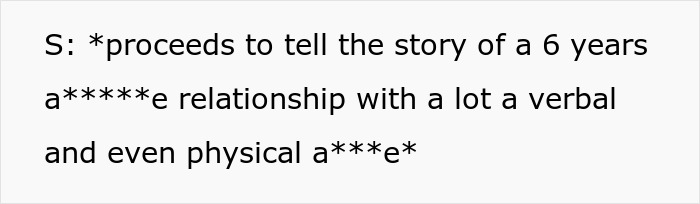


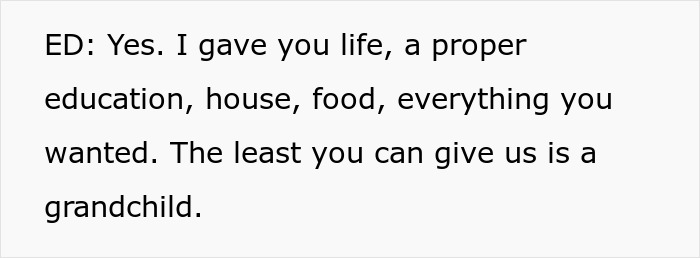
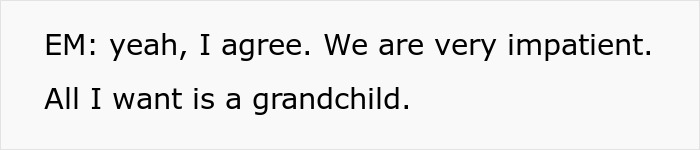
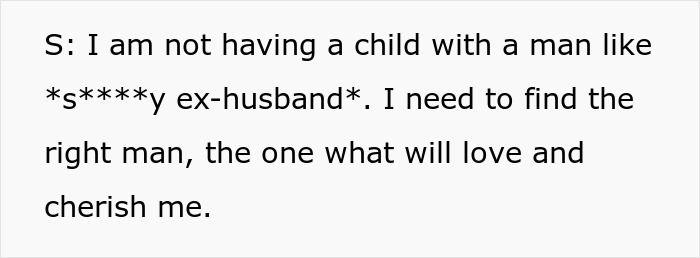
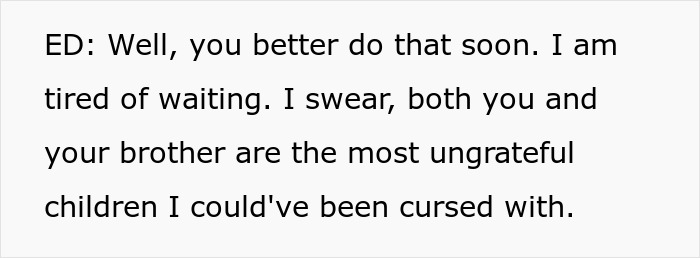
First off, leaving a toxic relationship is rarely as simple as deciding to walk away. Psych Central explains that survivors may have many reasons for staying, including the effects of manipulation, fear and the gradual erosion of their sense of worth. Maltreatment is also fundamentally about power and control, with toxic partners using different tactics to make the other person feel less valuable or less capable of making their own decisions.
That context helps explain why someone can remain in a harmful relationship for years without immediately recognizing the full extent of what is happening. And the recovery process does not automatically end when the relationship does. Survivors may need time to regain confidence, establish independence and figure out what they actually want from their lives after years of having their choices restricted.
Because of this, it’s very important, then, that they have support in making their own decisions and reclaiming control over their lives. For someone who has just left a toxic relationship, pressure from family members about another major life decision can therefore feel particularly intrusive.
Besides, having children is also a decision that belongs to the person whose body and future are directly involved. The United Nations Population Fund states that individuals have the basic right to decide whether they want kids, and to decide freely about the number, spacing, and timing of their children, without discrimination, coercion, or violence.
Pressure surrounding fertility can become especially complicated when it comes from people who are supposed to be part of someone’s support system. Further research describes reproductive coercion as behavior intended to control a person’s reproductive decisions, including whether they become pregnant or use contraception.
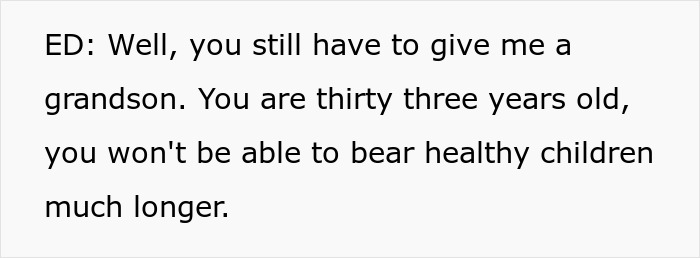
While the situation described in the post is not necessarily reproductive coercion in the clinical sense, the broader research shows why treating another person’s fertility as something the family is entitled to control can become a serious issue. The father’s claim that the woman was already running out of time also reflects a common oversimplification of fertility and age.
The American College of Obstetricians and Gynecologists says fertility does decline with age, beginning around 30 and becoming faster in the mid-30s, but it does not say that turning 33 suddenly makes healthy pregnancy impossible. ACOG also notes that many people have children in their late 30s and 40s, with individual circumstances playing an important role.
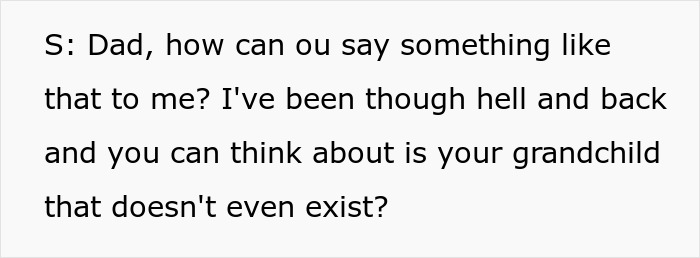
Ultimately, the bigger issue is not whether the woman ever wants children. She explicitly leaves that possibility open, saying she would rather wait until she finds someone who genuinely loves and cherishes her. That distinction matters because reproductive autonomy is not simply the right to say no to parenthood. It is also the right to decide if, when, and under what circumstances to become a parent.
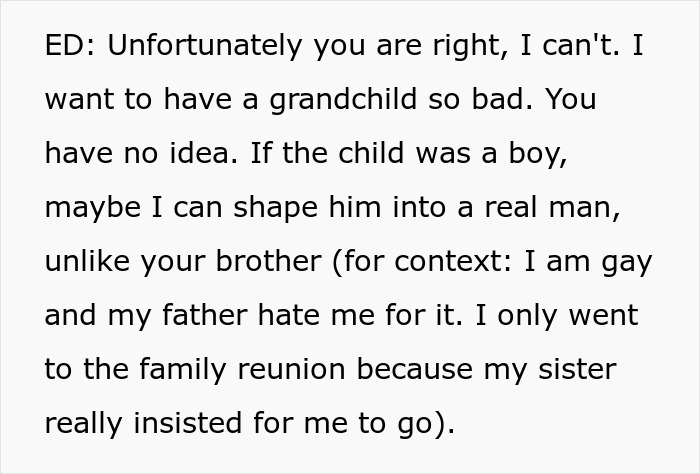
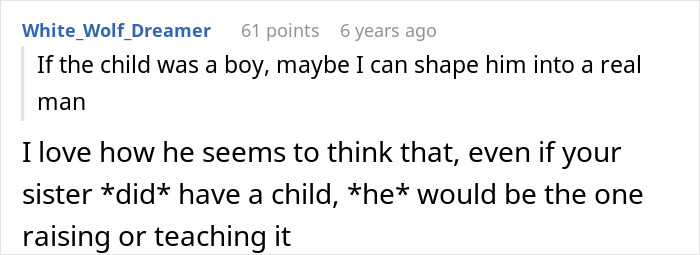
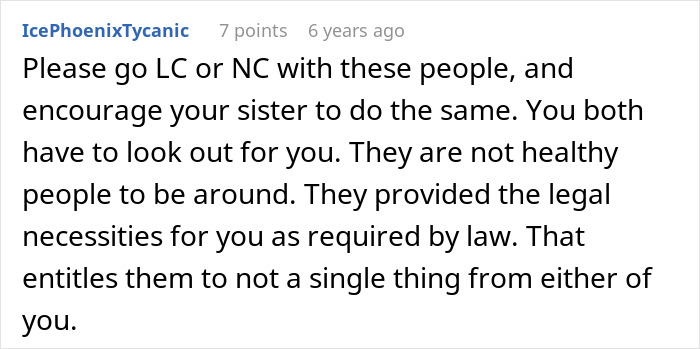
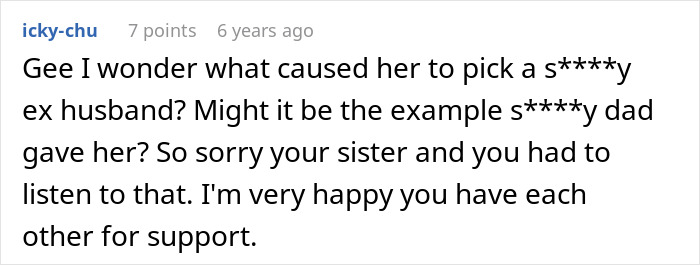
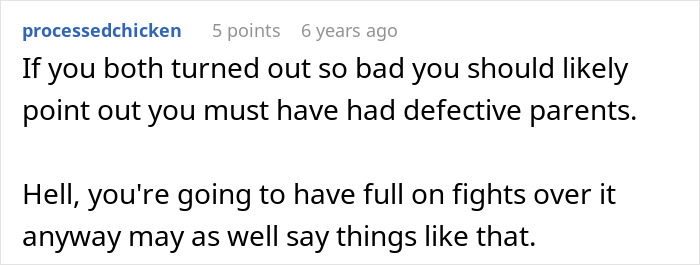
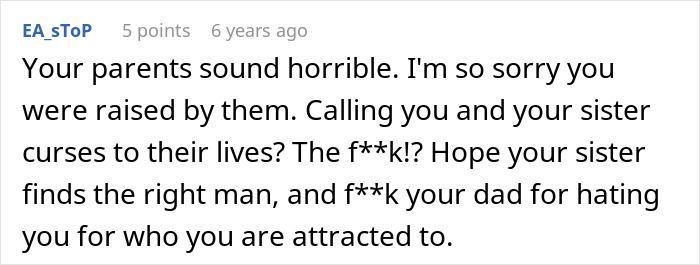
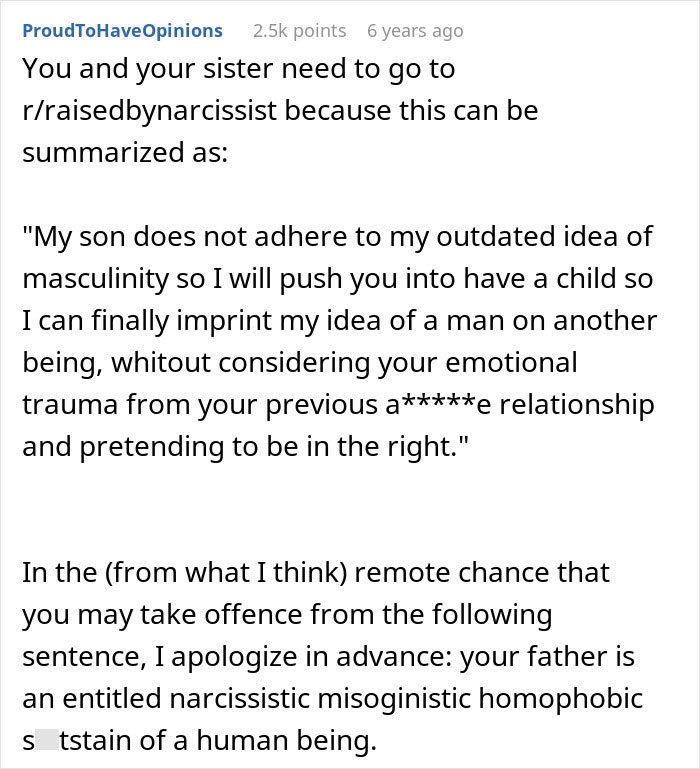
What do you think about this situation? Do you think the father’s comments about wanting to raise a grandson “into a real man” made the situation even worse? We would love to know your thoughts!


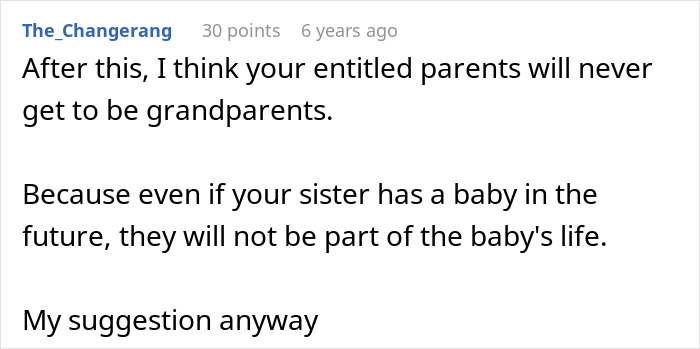
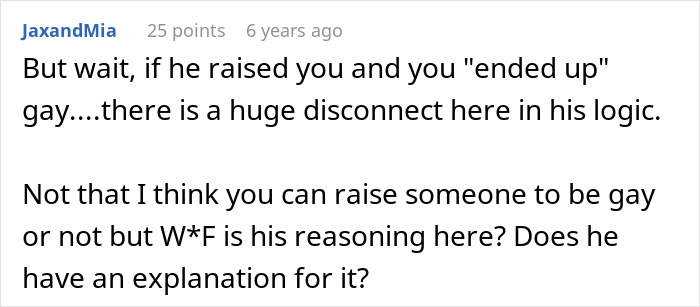

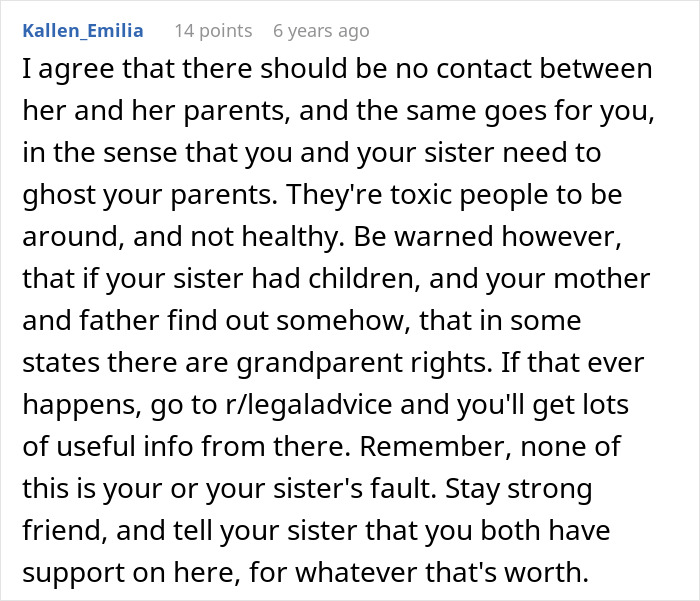

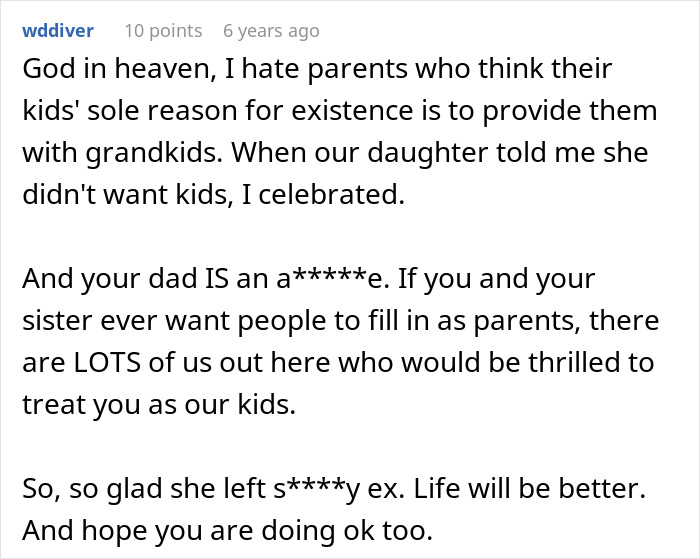




Entitled Dad "shaped" his biological son into a gay man, what makes him think any grandson could/would be "shaped into a real man" and not gay? Entitled and stupid!

Entitled Dad "shaped" his biological son into a gay man, what makes him think any grandson could/would be "shaped into a real man" and not gay? Entitled and stupid!











 No fees, cancel anytime








30
9