Get Premium
Dark mode theme is available exclusively for premium users. Learn more about the benefits of subscribing.
No fees, cancel anytime.

 Dark Mode Ad-Free Browsing Unlimited Content
 Ad-Free Browsing Unlimited Content Dark Mode
Join 1.2 million Panda readers who get the best art, memes, and fun stories every week!
Introduction
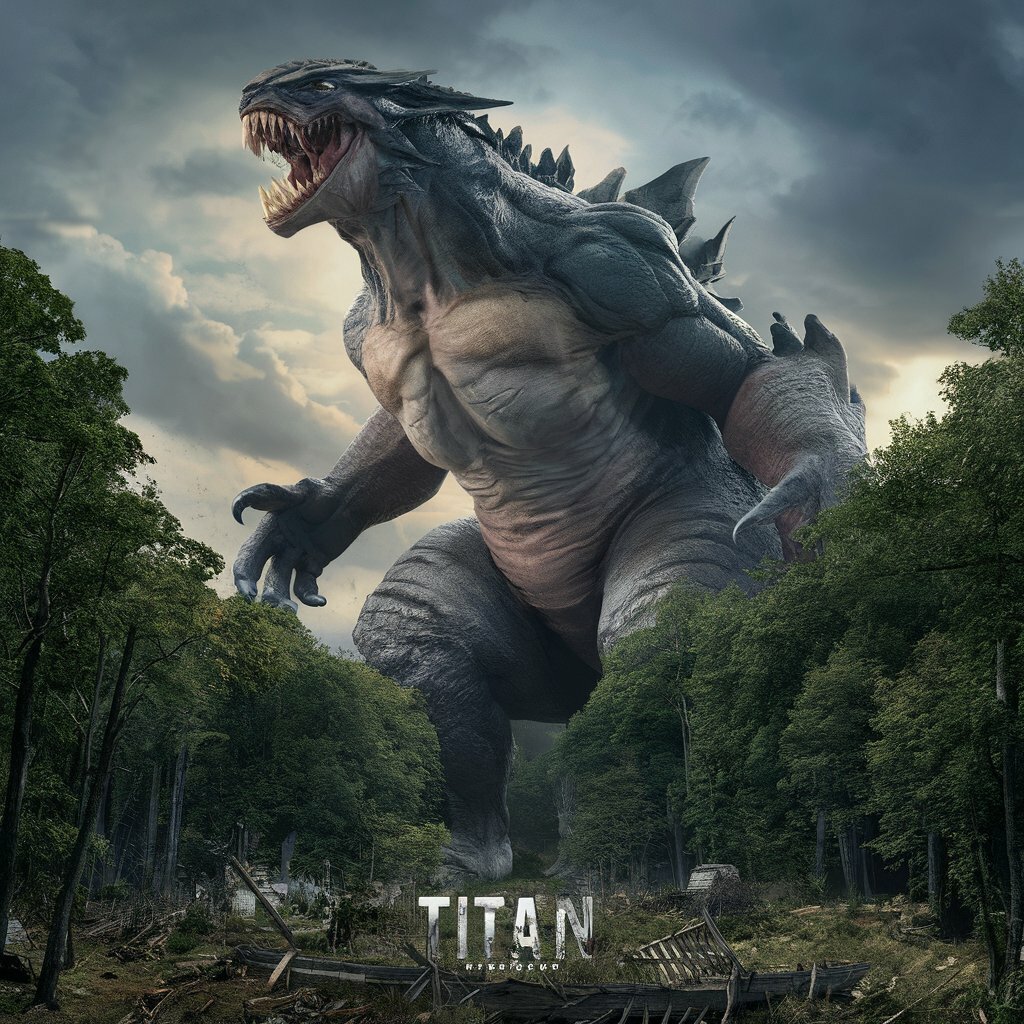
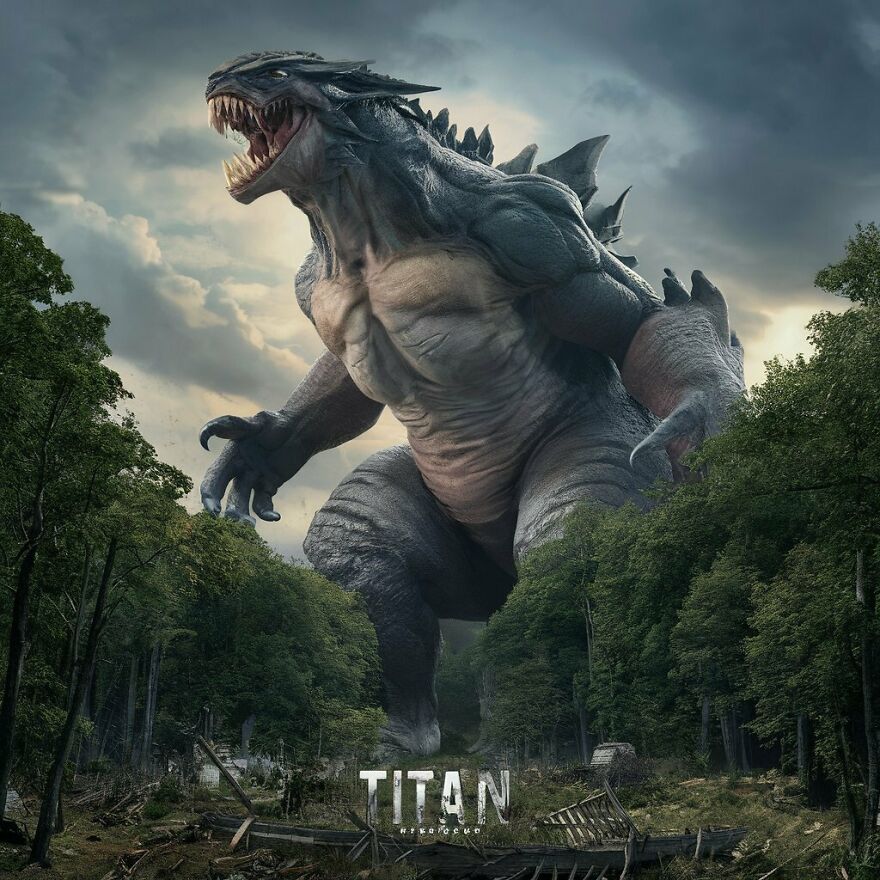
Who hasn’t felt a chill when seeing a gigantic kaiju emerging from the ocean on the big screen?
From Godzilla to the new titans of cinema, these colossal monsters have captured ou imaginations for decades. But have you ever wondered why we are so fascinated by them? You
may think that kaijus are just creatures from children’s movies or that their designs aren’t
stylized enough to wear on your clothes. However, kaijus represent much more than that; They
are a mix of fear, power and awe that transcends generations. In this blog, we will explore the
evolution of these incredible beings, their cultural impact, and how you can bring that fascination
into your everyday life with unique and stylish products. Keep reading and discover the
wonderful world of kaijus!
1. The Origins of the Kaijus: Godzilla and His
Contemporaries
Godzilla: The Beginning of Everything
Godzilla, known in Japan as Gojira, made his film debut in 1954 under the direction of Ishirō
Honda and with special effects by the legendary Eiji Tsuburaya. This iconic creature is not only
the most famous kaiju, but also one of the most recognized characters in film history. Born of
post-war nuclear fear, Godzilla is a prehistoric monster awakened and mutated by nuclear
testing in the Pacific Ocean. His first film, a classic of monster cinema, was a direct allegory to
the dangers and horrors of nuclear energy, especially in a nation that had experienced firsthand
the devastating effects of the atomic bombs on Hiroshima and Nagasaki.
Godzilla’s design, with his imposing figure, scaly skin, and atomic breath, captured the public’s
imagination and set a standard for future kaiju films. Over time, Godzilla has evolved from a
symbol of nuclear terror to a hero defending humanity against even greater threats, reflecting
changes in cultural perception and collective fears.
Other Classic Kaijus
While Godzilla reigned supreme, other kaijus also emerged to make their mark on cinema.
Mothra, a gigantic protective moth, debuted in 1961 and quickly became a favorite due to her
benevolent nature and mystical connection to the twin fairies, the Shobijin. Rodan, a giant
pterosaur, appeared in 1956, adding another layer to Toho’s growing roster of monsters.
Gamera, a flying turtle kaiju created by Daiei Film in 1965, was noted for being the protector of
children, gaining special popularity among the youngest
Each of these kaijus brought something unique to the genre. Mothra, with her themes of
environmental protection and spirituality, Rodan, with his impressive flight and devastating
destructive capacity, and Gamera, with his combination of ferocity and kindness, helped
diversify and enrich the kaiju universe, attracting an ever-growing audience. more espacious.
Online stores like https://Titan33.redbubble.com offer a wide variety of products with designs of
kaijus, mythology such as dragons, draken, giant robots, megalodon and monsters. You will find
a variety of products from t-shirts and sweatshirts with impressive illustrations, to mugs and art
prints, all with original and eye-catching designs. Whether you are looking for a special gift or an
exclusive item for yourself. This store is translated into four languages which are Spanish,
English, German and French. These pieces are not only unique and stylish, but they are also a
way to show your love for these iconic giants in your daily life.
2. The Golden Age of Kaijus: The 60s and 70s
Expansion and Popularity
During the 1960s and 1970s, kaiju achieved unprecedented popularity. Kaiju movies became
family events, with premieres drawing crowds to theaters. This golden era of monster cinema
saw a significant increase in film production, both in Japan and other parts of the world. The
genre expanded beyond Japanese borders, with monsters like Godzilla and his companions
becoming internationally recognized figures.
Films of this era not only focused on action and destruction, but also began to explore deeper
and more varied themes. From the fight against pollution and environmental preservation, to
international cooperation in the face of global threats, kaijus became vehicles to comment on
real problems in the contemporary world.
Innovations in Special Effects
The Golden Age was also a time of innovations in special effects. Eiji Tsuburaya, the master
behind Godzilla’s effects, continued to hone his craft, using detailed mock-ups, elaborate
monster suits, and practical effects to create breathtaking scenes of destruction. The
“suitmation” technique, where actors wore monster suits for combat scenes, became a hallmark
of the genre. These practical effects, combined with mock-ups of cities and landscapes, allowed.
the filmmakers to create action sequences that, while sometimes rudimentary, had an
unmatched charm and authenticity.
3. Renaissance and Modernization: The 80s and 90s
New Stories and Reinventions
In the ’80s and ’90s, kaiju experienced a significant revival. With a new generation of filmmakers
and emerging technologies, the kaiju genre was reinvented to appeal to a contemporary
audience. Movies like “Godzilla 1985” (or “The Return of Godzilla”) brought back the king of the
monsters in a darker and more serious version, aligning with the fears of the Cold War and the
Chernobyl disaster.
During this era, Gamera also underwent a notable transformation with the trilogy directed by
Shusuke Kaneko: “Gamera: Guardian of the Universe” (1995), “Gamera 2: Attack of Legion”
(1996) and “Gamera 3: Revenge of Iris” (1999). These films redefined the character, presenting
him with advanced special effects and a more mature, complex narrative, earning praise from
critics and fans alike.
Influence of Western Culture
The influence of Western culture on the kaiju genre also became evident around this time. Films
like 1998’s “Godzilla,” directed by Roland Emmerich, although met with mixed reviews,
demonstrated the global appeal of kaijus. This international collaboration and co-production
helped further popularize these giant monsters, making new audiences interested in the genre.
Additionally, the appearance of kaijus in Western comics and animated series, such as the
Godzilla animated series produced by Hanna-Barbera in the 1970s and the “Godzilla: The
Series” series of the 1990s, helped keep the popularity of kaiju alive. these monsters all over the
world.
Online stores like https://Titan33.redbubble.com offer a wide variety of products with designs of
kaijus, mythology such as dragons, draken, giant robots, megalodon and monsters. You will find
a variety of products from t-shirts and sweatshirts with impressive illustrations, to mugs and art
prints, all with original and eye-catching designs. Whether you are looking for a special gift or an
exclusive item for yourself. This store is translated into four languages which are Spanish,
English, German and French. These pieces are not only unique and stylish, but they are also a
way to show your love for these iconic giants in your daily life
4. Kaijus in the Digital Age: The 21st Century
Visual Effects Revolution
With the arrival of the 21st century, digital visual effects revolutionized the way we see kaijus on
screen. CGI technology allowed filmmakers to create even more impressive and detailed
monsters, as well as more epic and realistic destruction scenes. Films such as “Pacific Rim”
(2013), directed by Guillermo del Toro, took full advantage of these technologies, presenting
titanic combats between kaijus and giant robots with an unprecedented level of detail and
spectacularity.
The new “Godzilla” installments, starting with “Godzilla” (2014) directed by Gareth Edwards, and
followed by “Godzilla: King of the Monsters” (2019) and “Godzilla vs. Kong” (2021), have
redefined the image of the king of the monsters for modern audiences. These films have not
only improved in terms of visual effects, but have also delved into the mythology of kaijus,
exploring their origins and connections to other iconic monsters.
Expansion to Other Media
The digital age has also seen the expansion of kaijus into other media, including video games,
comics, and television series. Video games like the “Godzilla: Destroy All Monsters Melee”
series and “Pacific Rim: The Video Game” have allowed players to experience the thrill of
controlling these giant monsters in epic battles.
Kaijus have also found a home in comics, with publishers like IDW Publishing and Legendary
Comics launching series that expand the stories of Godzilla and other monsters. Additionally,
television series such as Guillermo del Toro’s “Trollhunters: Tales of Arcadia” and “Kong: King of
the Apes” have incorporated elements of kaijus, introducing these giants in exciting new
narratives.
5. The Cultural Impact of Kaijus
More than Monsters
Kaijus are much more than just giant, city-destroying monsters. They represent the fears, hopes
and aspirations of humanity. Since their creation, they have served as metaphors for various
social, political and environmental problems. Godzilla, for example, has been seen as an
allegory for nuclear fear, environmental destruction, and, more recently, climate change.
The cultural impact of kaiju extends beyond film and entertainment media. They have influenced
music, fashion and art, inspiring artists and designers to create works that reflect their power
and majesty. From songs and albums dedicated to these monsters, to fashion collections
featuring their iconic designs, kaijus have left an indelible mark on global pop culture.
Kaijus and Fashion
Finally, we get to how you can bring your love of kaiju into your everyday life. Kaiju-inspired
fashion has exploded in popularity, with t-shirts, sweatshirts, mugs, and art prints featuring
designs of your favorite monsters. These products are not only a way to express your
fascination with kaijus, but also to carry a piece of this rich cultural history with you.
Online stores like https://Titan33.redbubble.com offer a wide variety of products with designs of
kaijus, mythology such as dragons, draken, giant robots, megalodon and monsters. You will find
a variety of products from t-shirts and sweatshirts with impressive illustrations, to mugs and art
prints, all with original and eye-catching designs. Whether you are looking for a special gift or an
exclusive item for yourself. This store is translated into four languages which are Spanish,
English, German and French. These pieces are not only unique and stylish, but they are also a
way to show your love for these iconic giants in your daily life.
Conclusion
The evolution of kaiju, from Godzilla to the new giants of cinema, is a testament to their lasting
power and their ability to adapt and resonate with audiences throughout the decades. These
colossal monsters, which began as symbols of nuclear fear, have evolved to reflect a wide
range of human concerns and hopes. They have transcended cinema to influence fashion, art
and global pop culture, and remain an endless source of fascination and entertainmen
We hope you have enjoyed this journey through kaiju evolution and that you feel inspired to
explore more about these incredible beings. Don’t forget to visit our collection of products with
kaiju designs at https://Titan33.redbubble.com to take a piece of this fascinating world with you.
Until next time
More info: titan33.redbubble.com



































 No fees, cancel anytime





-4
0