Get Premium
Dark mode theme is available exclusively for premium users. Learn more about the benefits of subscribing.
No fees, cancel anytime.

 Dark Mode Ad-Free Browsing Unlimited Content
 Ad-Free Browsing Unlimited Content Dark Mode
Join 1.2 million Panda readers who get the best art, memes, and fun stories every week!
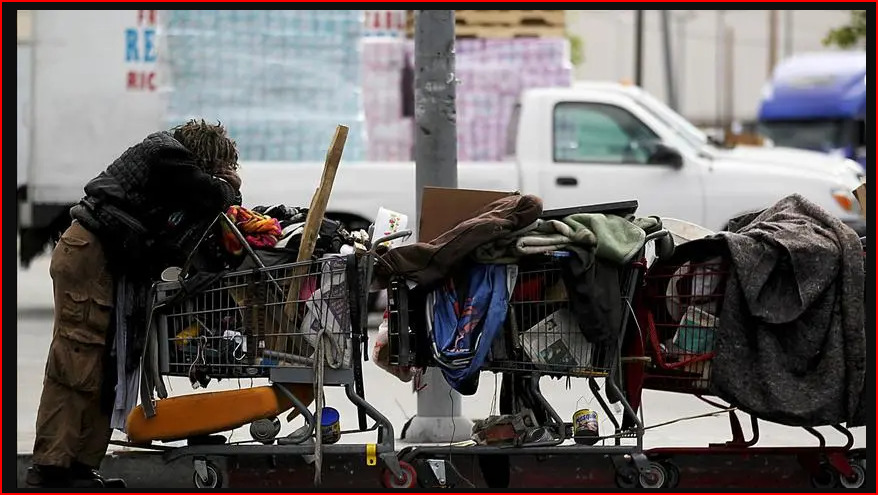
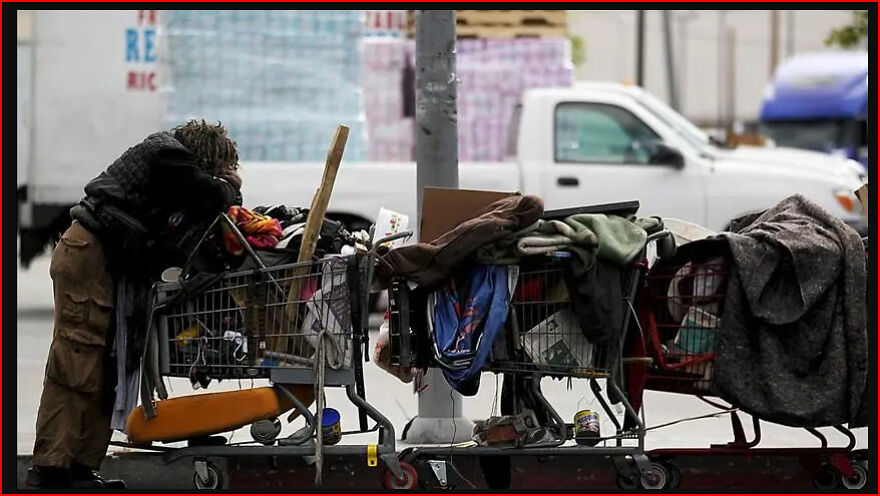
Homelessness is often described as a “catch-22” — a complex, self-perpetuating problem with no simple solutions. Those experiencing homelessness frequently find themselves in a downward spiral, battling obstacles that make it nearly impossible to break free from their circumstances. Employment and housing, two of the most basic requirements for stability, are often out of reach due to practical barriers and societal stigma. These challenges, in turn, take a heavy toll on mental health and can drive some individuals toward substance abuse as a means of coping. Yet, society often perceives homelessness through a narrow lens, assuming all unhoused people are drug addicts, mentally ill, or criminals, which only deepens the cycle of exclusion.
At the core of the homelessness crisis lies a pernicious cycle between employment and housing. One typically cannot be secured without the other, locking individuals in a hellish paradoxical loop.
Securing a job is a formidable task for anyone, but for those without a permanent address, it can be nearly impossible. Many employers require a stable mailing address, a phone number, or even a bank account for payroll deposits — resources out of reach for people living on the street or in shelters. Clean clothing, reliable transportation, and proper identification are additional hurdles.
Obtaining housing is often contingent upon having employment and a steady income. Landlords require proof of income, a security deposit, references, and sometimes a clean credit history. These requirements can be insurmountable for individuals who have been unemployed or whose financial situation has deteriorated due to extended periods without housing.
This mutual dependence between employment and housing creates a catch-22: you need a job to afford housing, but it’s nearly impossible to get a job without an address or a stable living situation. This paradox traps individuals, making it extraordinarily difficult if not impossible to escape homelessness once it begins. This really takes a toll on a person’s mental and emotional health.
The constant struggle to meet basic needs, the uncertainty of each day, and the social isolation that often accompanies homelessness are severely detrimental to mental health. Anxiety, depression, PTSD and other mental health challenges are prevalent, sometimes emerging as a direct result of life on the street. Challenges like,
•Chronic Stress: The daily fight for survival — for food, shelter, safety — places a tremendous psychological burden on individuals. Every day they are in a constant state of anxiety.
•Social Isolation: The loss of friends, family and community ties and the stigma associated with homelessness often lead to profound loneliness.
•Lack of Access to Care: Without insurance, identification, or transportation, accessing mental health care is often out of reach.
A person who becomes homeless after losing a job may initially be resilient, but as weeks turn into months, the relentless stress and alienation can erode their sense of hope and self-worth, leading to the onset of anxiety or depression which often leads to suicide. The sad reality is most people don’t care if a homeless person takes their own life. It’s just one less drug addict in the world, right?
Substance abuse is both a cause and a consequence of homelessness. For some, addiction may contribute to the loss of housing and employment. For many others, however, substance use becomes a way to numb the pain of street life or to self-medicate the mental health challenges caused by homelessness. Being high is the only escape they might feel they have from the hell they face every single day.
Despite the complex, interlocking challenges that contribute to homelessness, society often views the unhoused through a lens of suspicion and blame. Many assume that all homeless individuals are drug addicts, mentally ill, or have criminal backgrounds. These stereotypes not only stigmatize but also shape public policy and individual interactions.
While substance abuse is prevalent in the homeless community, it is not universal, and often it ends up as a result rather than the root cause of homelessness. Mental health challenges are common, but not all unhoused individuals are mentally ill. Many develop issues after becoming homeless due to the trauma and stress of street life. Being treated as less than human and dismissed as if not even takes a toll on mental health.
Homelessness is not synonymous with criminality. Many unhoused people are law-abiding but are criminalized simply for existing in public spaces (e.g., anti-camping ordinances, loitering laws). Sometimes it is a result as well because people will get desperate and resort to crime just to survive. Such as property crimes and prostitution.
This stigma can deter people from seeking help and can influence the willingness of others to provide support or advocate for policy change. Society ends up viewing those who are homeless as less than human. Policies that are rooted in stereotypes often emphasize punishment over assistance, focusing on “cleaning up” public spaces rather than addressing root causes. Such as what Trump is doing right now. Many politicians are so far removed from spaces like these that they just don’t seem to comprehend its severity. They want it out of sight, so it is out of their mind.
Negative assumptions contribute to the isolation and invisibility of homeless individuals, making it even harder for them to reintegrate into society. Just think of how many times you passed by someone begging on the street for help as you were just trying not to make eye contact with them.
Progress toward ending homelessness requires recognizing and dismantling the catch-22 structures that trap individuals. This includes:
•Lowering barriers to employment (e.g., job programs that don’t require a fixed address, employment opportunities tied to supportive housing).
•Increasing access to affordable and supportive housing, including “Housing First” models that provide stable homes without preconditions. Many of the assistance programs in place now have overly complex application processes or unreasonably long waiting lists. For example, in Clovis New Mexico, the housing assistance program only allows people to apply for help on Tuesdays during certain hours. This is ridiculously unfair.
•Focus less on punishing poverty and turn our attentions on improving mental health and addiction services, making them accessible and responsive to the realities of homelessness.
•Challenging societal attitudes and advocating for policy changes based on understanding and empathy rather than stereotypes. Most people have never experienced homelessness so therefore they lack the understanding of just how truly difficult and sometimes downright impossible escaping it can be.
Homelessness is NOT a result of personal failure or moral weakness, but a complex social problem maintained by structural barriers, societal perceptions, and a web of interdependent challenges. To break this hopeless cycle, we must address the catch-22s at its core. People need to see those experiencing homelessness not as stereotypes, but with EMPATHY as the individuals they are. They too are deserving of dignity, compassion, and meaningful support.

































 No fees, cancel anytime







0
0