Get Premium
Dark mode theme is available exclusively for premium users. Learn more about the benefits of subscribing.
No fees, cancel anytime.

 Dark Mode Ad-Free Browsing Unlimited Content
 Ad-Free Browsing Unlimited Content Dark Mode
Join 1.2 million Panda readers who get the best art, memes, and fun stories every week!
29submissions
1week left
With all the special effects, makeup, and technology we have today, it’s easy to create an unsettling photo.
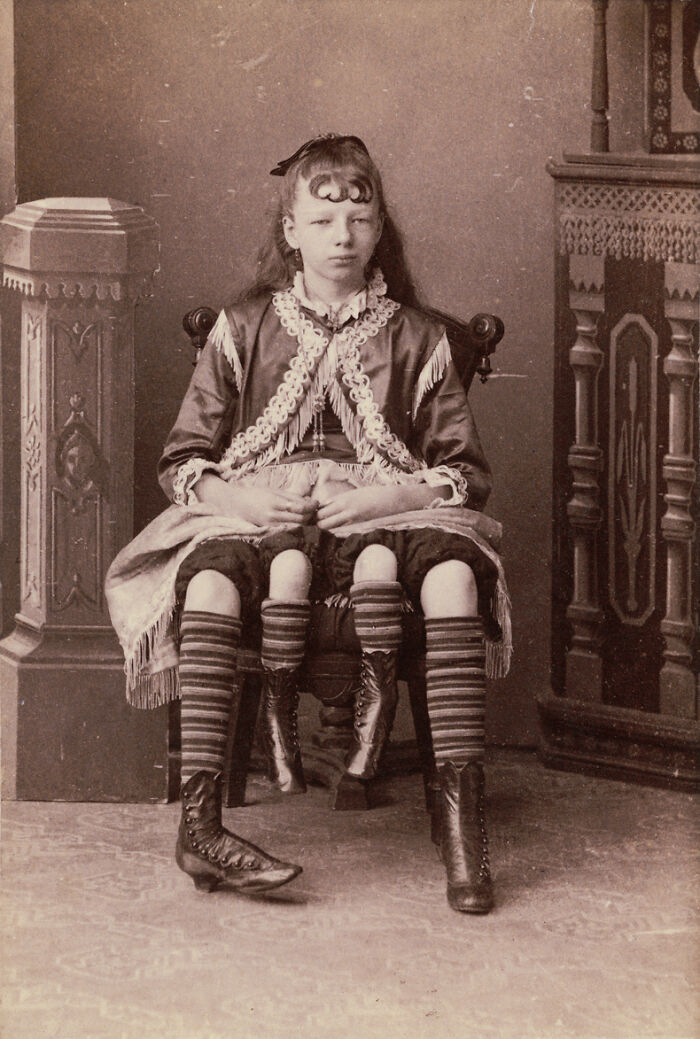
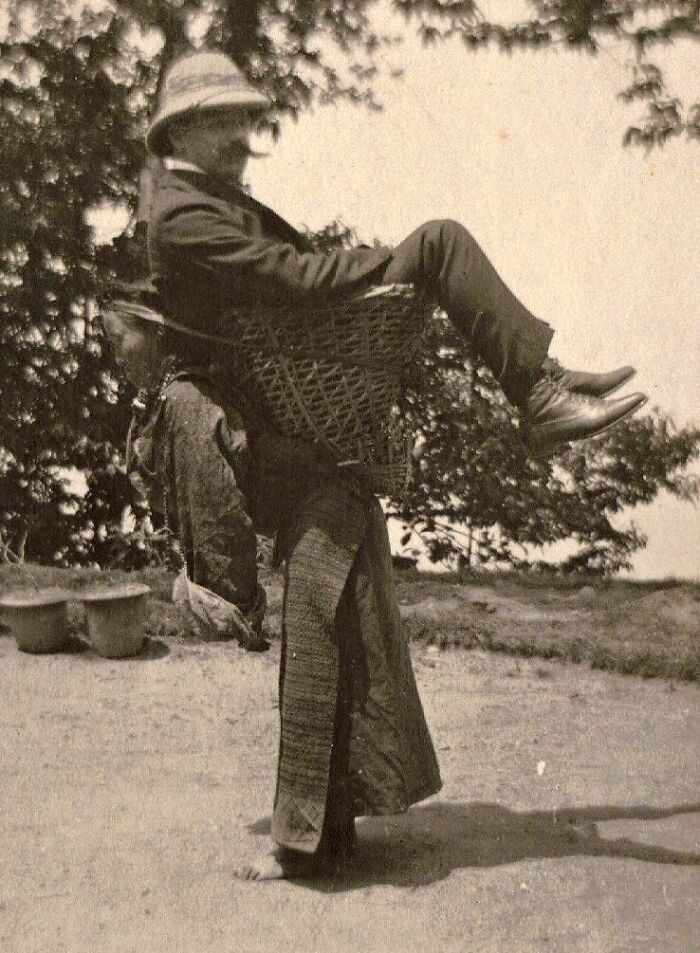
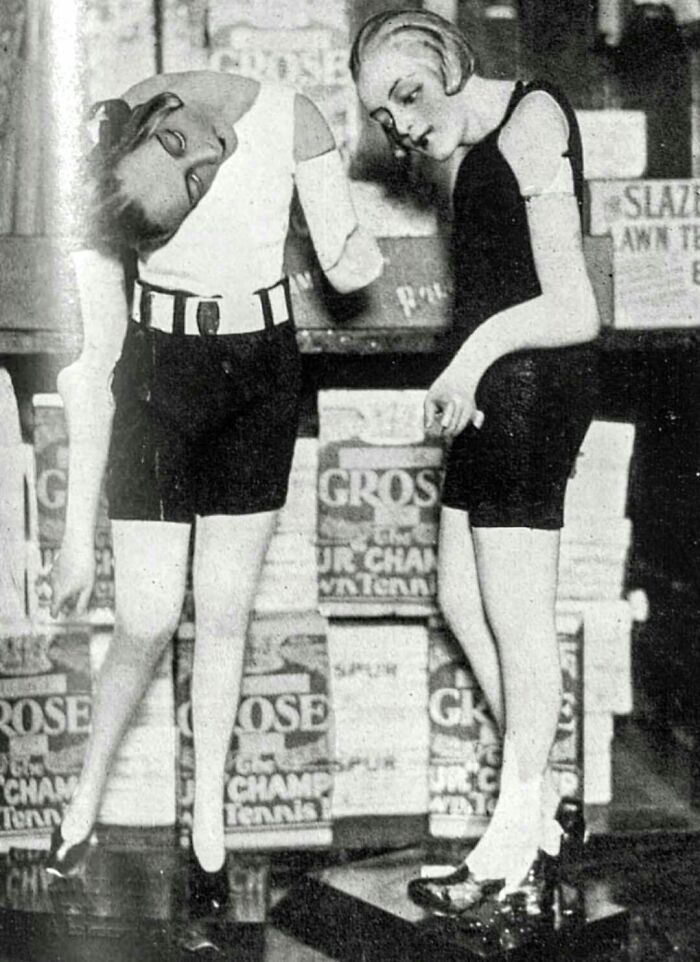
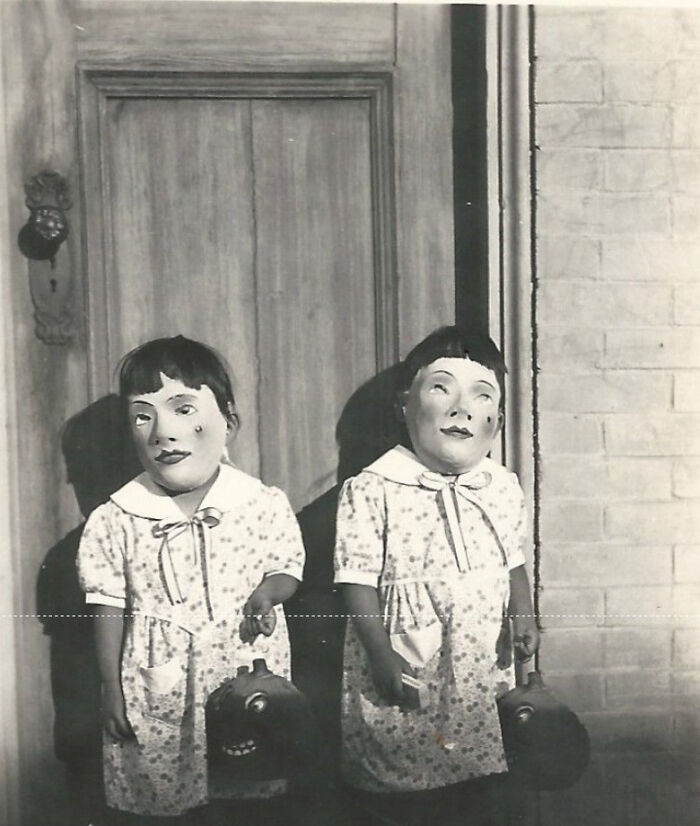
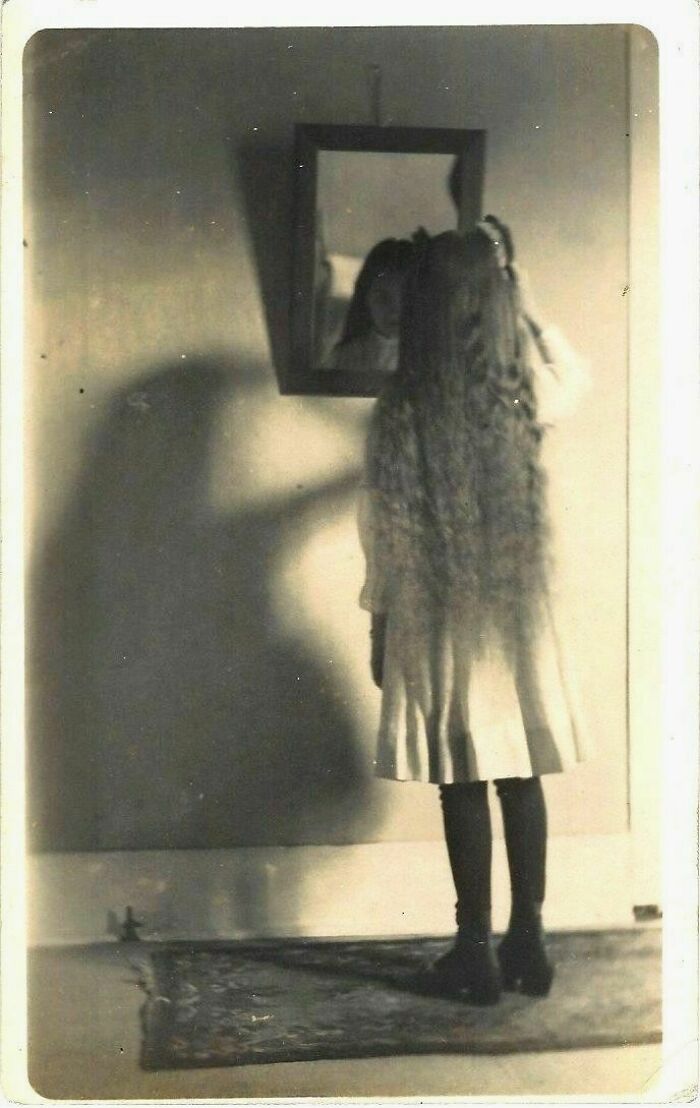
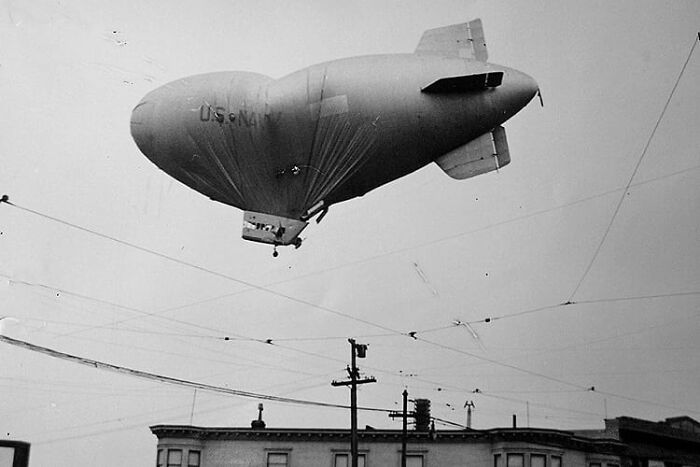
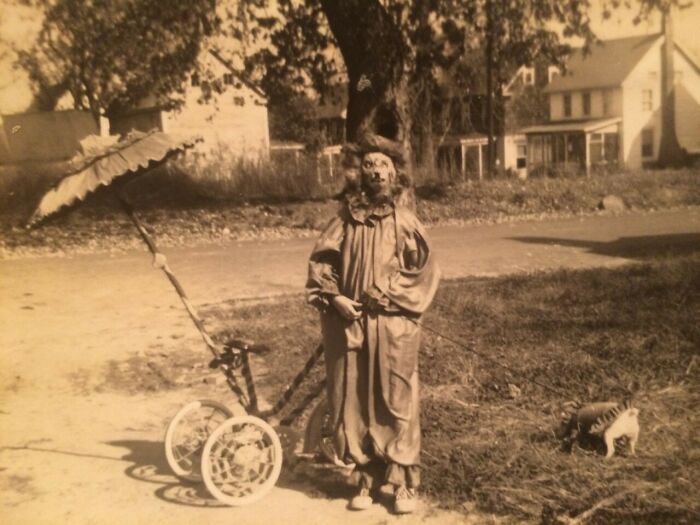
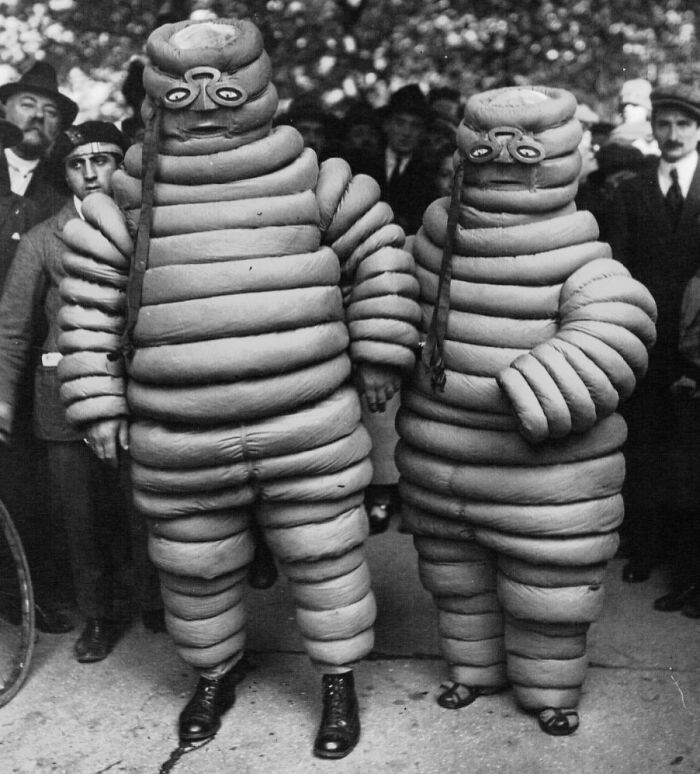
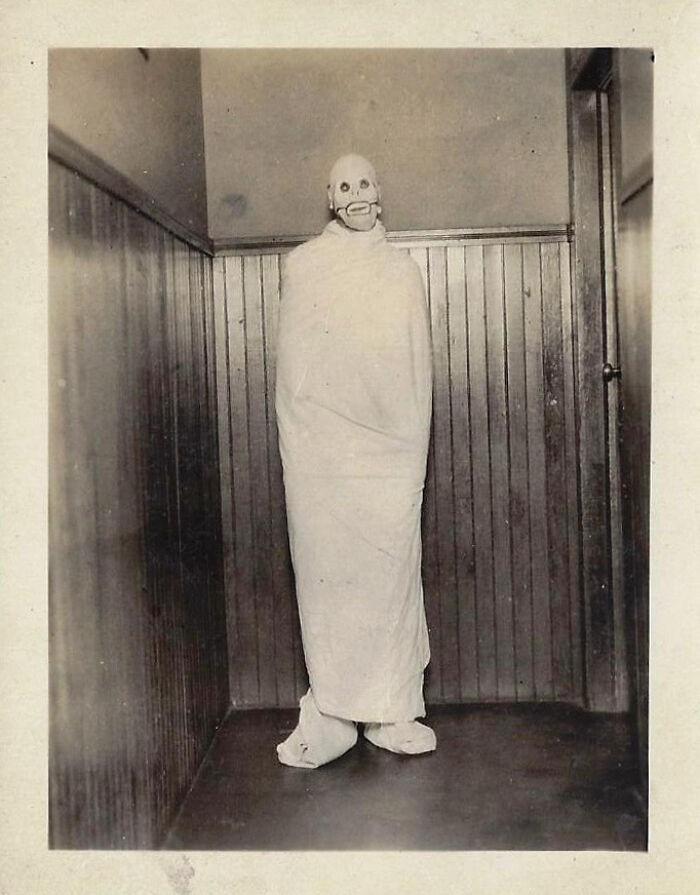
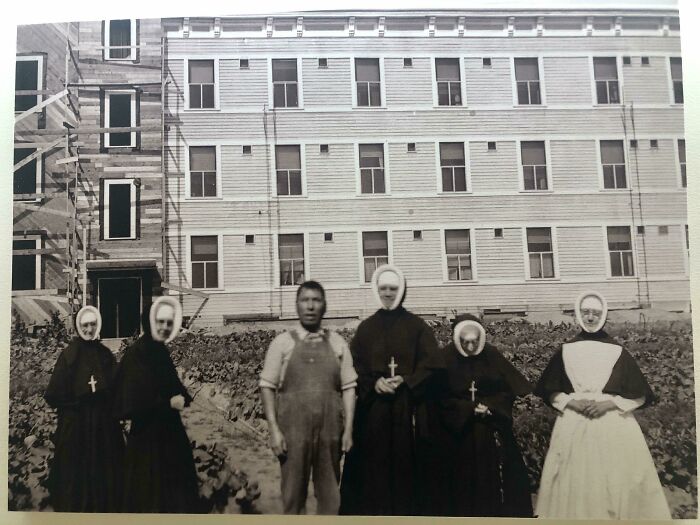
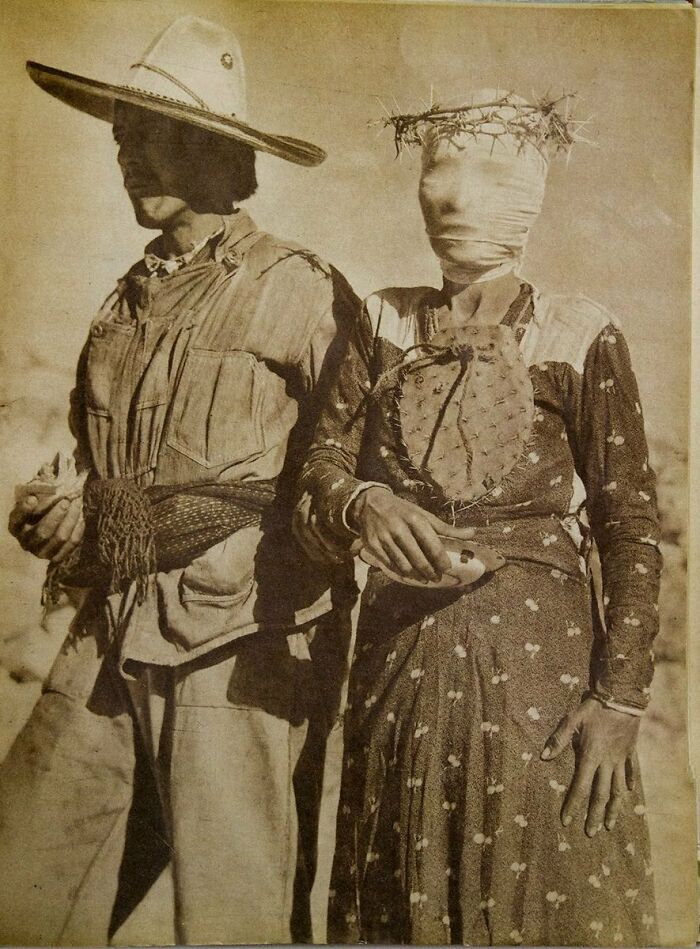
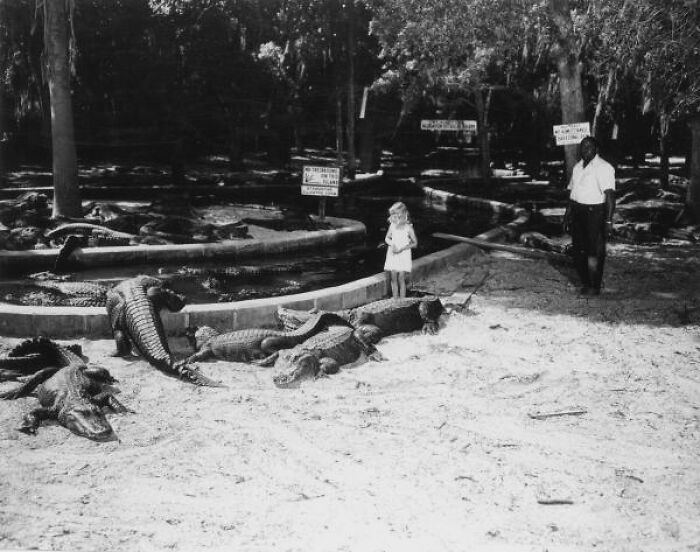
But somehow, modern images rarely feel as chilling as the ones from the past. There’s something about the grainy black-and-white film, the stiff poses, and the haunted expressions that makes these old photographs feel darker and more mysterious.
It almost feels like you’ve stumbled onto something you shouldn’t see. But you can’t help yourself.
So don’t—below, you’ll find a glimpse into that past, one that might make you want to keep the lights on while you scroll. Enjoy the spine tingles.
Click here & follow us for more lists, facts, and stories.
This post may include affiliate links.
Just because Photoshop didn’t exist back then doesn’t mean early photographers couldn’t get creative. In fact, they found plenty of ways to manipulate photos without any tech, relying on chemistry and careful handiwork.
As a result, their efforts produced images that were beautiful, strange, or downright scary, depending on what the photographer was aiming for.
One popular technique in the mid-19th century was hand-tinting black-and-white daguerreotype and carte de visite photographs.
Daguerreotypes, invented in 1839, used images on silver-plated copper and became widely popular during the Civil War era. If you’ve ever seen old photos with faded color, like the ones here, that’s how they were made.
In time, albumen prints, including cartes de visite and cabinet cards, became a go-to for photographers. The paper base provided a steady surface that made hand-coloring far easier than working with daguerreotypes.
Take, for example, these hand-colored albumen prints from late 19th-century Japan showing sumo wrestlers, women in kimonos, and even a man with a full back tattoo.
Photographers also developed techniques to make prints brighter and their subjects look more appealing.
A British photography journal from 1875, for instance, advised using a sharp, fine-pointed pencil to add highlights, and suggested brightening areas like cheeks that printed too dark by “cross-hatching with a rather blunted pencil.”
Victorians, in general, were quite fond of using the “Photoshop” of their era to look better on camera.
Beyond pencil scratchings that brightened faces, photographers used various tricks to slim waists, adjust necklines, reshape arms, and tweak features like mouths, hair, and eyes.
No Facetune required to look snatched.
They didn’t stop at beauty edits, either. Different photographers experimented with all sorts of effects to make images more interesting or downright eerie.
Techniques included distorted images, pinhole photography, mirror portraits, “magic vignettes,” artificial mirages, ghostly double exposures, silhouettes, and even staged “decapitated” headshots.
Of course, the next question is: how did they pull it off?
Take spirit photography.
In the early 20th century, a British man named William Hope gained fame in Spiritualist circles for allegedly capturing images of ghosts in his photos.
He formed a group called the Crewe Circle, taking advantage of grieving families who had lost loved ones in World War I and wanted proof their relatives were still near.
By 1922, Hope was making good money in London as a spirit photographer and medium, with supporters like Sir Arthur Conan Doyle, the creator of Sherlock Holmes.
But how did he actually create these ghostly images?
According to Nathaniel Stein, a photography fellow at the Philadelphia Museum of Art, the main trick was double exposure on photosensitized glass plates.
Photographers would first capture the “spirit” (often a person draped in fabric) and then use the same plate to photograph the sitter, resulting in a ghostly overlay that looked convincingly supernatural.
Alternatively, multiple negatives could be printed onto a single piece of photographic paper.
Eventually, skeptics exposed Hope’s photos as fakes, but for a time, people truly believed they were seeing the afterlife.
Then there were the headless portraits, first achieved around 1856 by Oscar Rejlander, a Swedish-born Victorian photographer known for pioneering photomontage and combination printing.
To create these eerie images, multiple negatives were layered and combined to make it appear as though the subject had been cleanly separated from their head.
So the next time you come across an old photo with a ghostly figure, a floating head, or an unsettling aura, you’ll know what was really happening behind the lens. The mystery might be solved, but the wonder and the chill remain. And maybe, that’s what makes them so unforgettable.
You Might Also Like: Proof in pictures: 48 moments nobody would have believed








 No fees, cancel anytime