Get Premium
Dark mode theme is available exclusively for premium users. Learn more about the benefits of subscribing.
No fees, cancel anytime.

 Dark Mode Ad-Free Browsing Unlimited Content
 Ad-Free Browsing Unlimited Content Dark Mode
Join 1.2 million Panda readers who get the best art, memes, and fun stories every week!

The global economy is not in the greatest of shapes, and millions of young adults can barely cover necessities like food and housing. In times like these, you would expect anyone offered a rent-free haven to show a baseline level of gratitude.
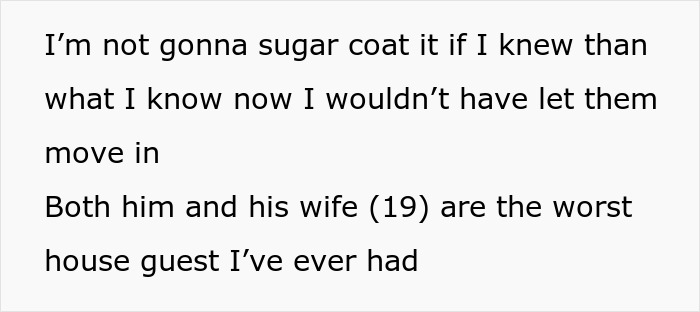
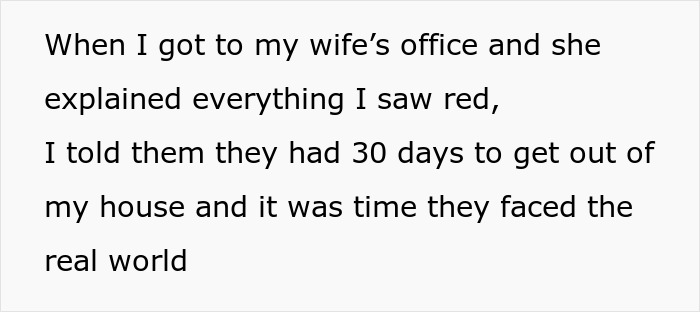
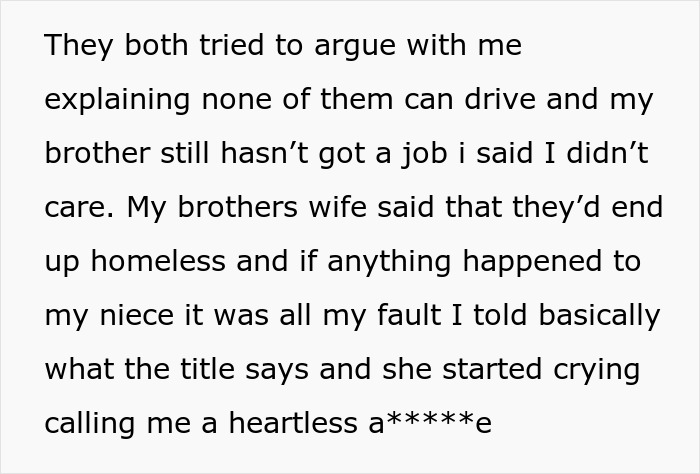
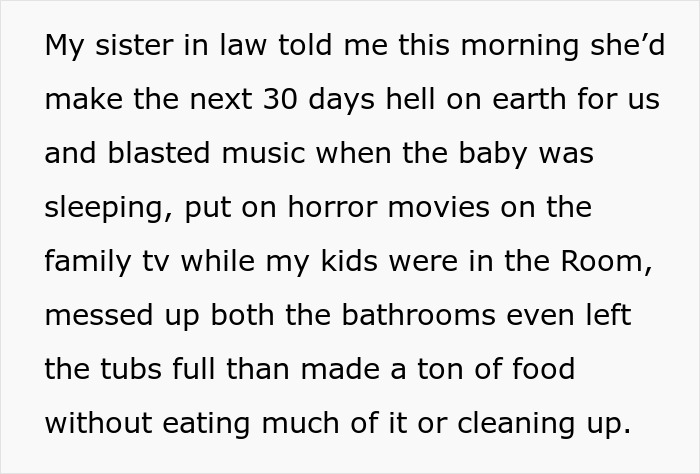
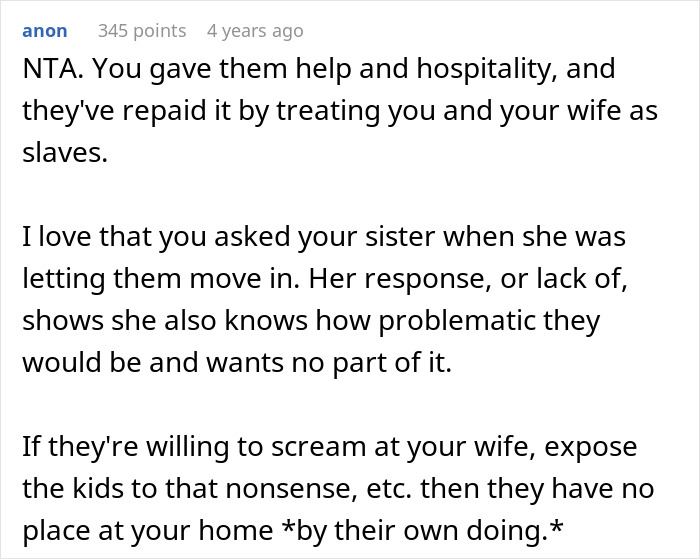
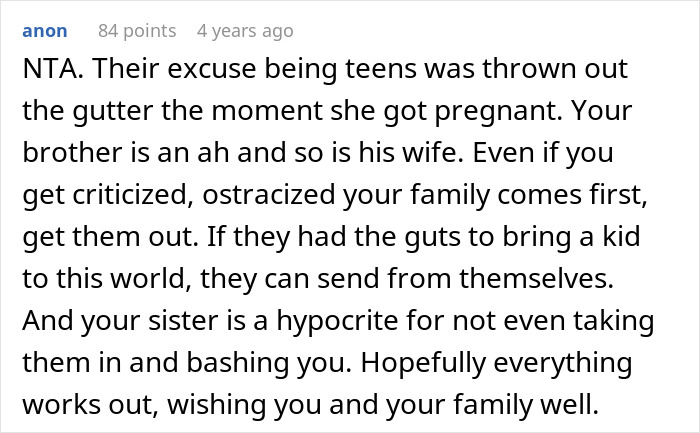
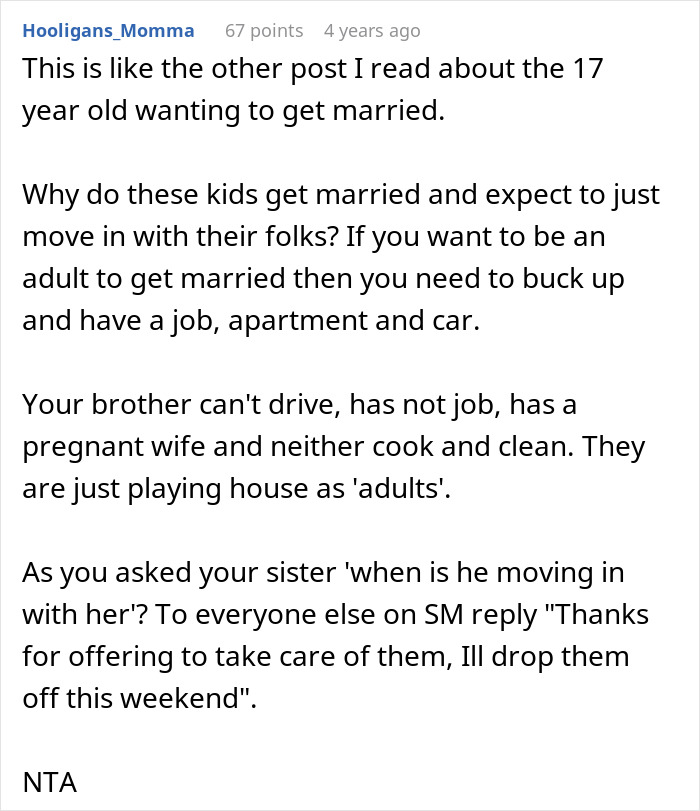
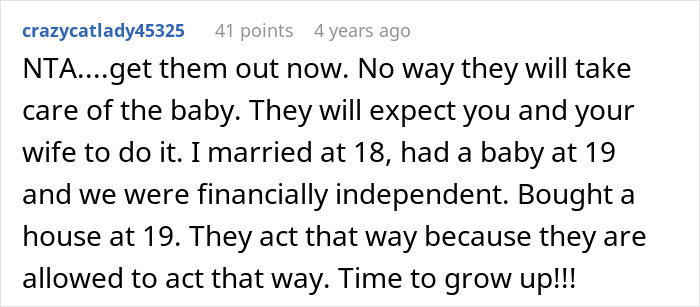
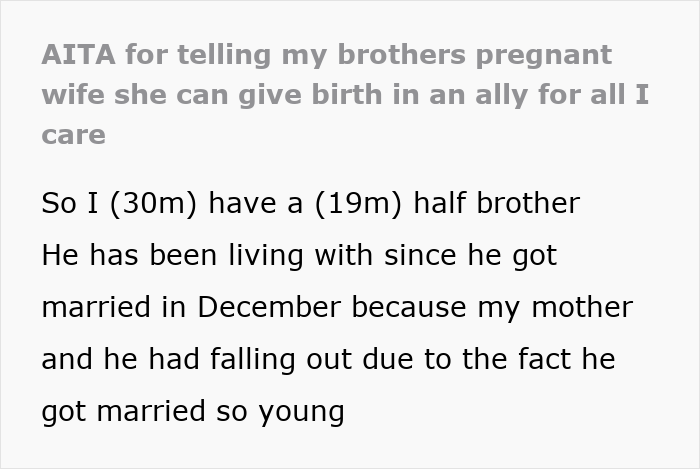
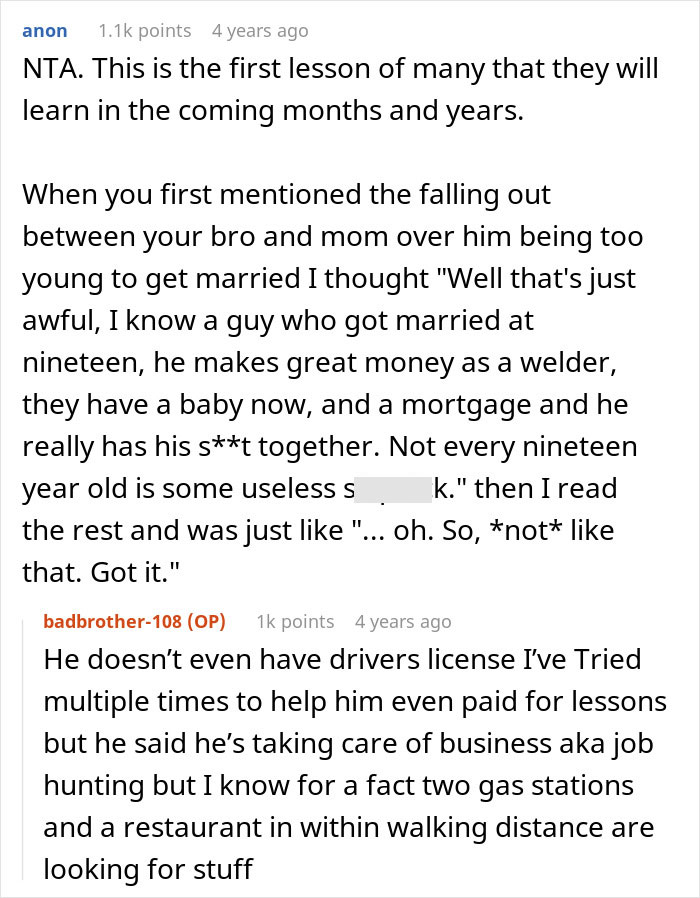
Instead, a 19-year-old unemployed man and his pregnant wife decided to treat his older brother’s house like a free five-star hotel.
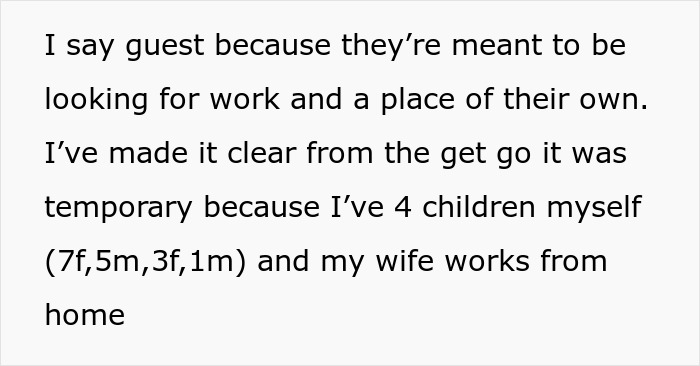
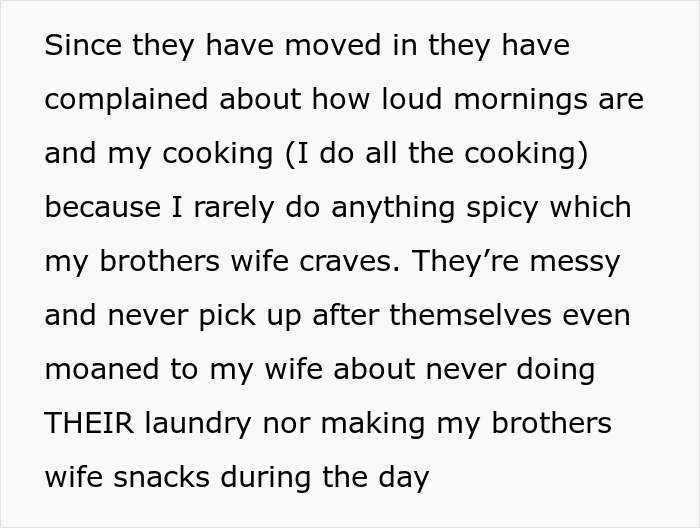
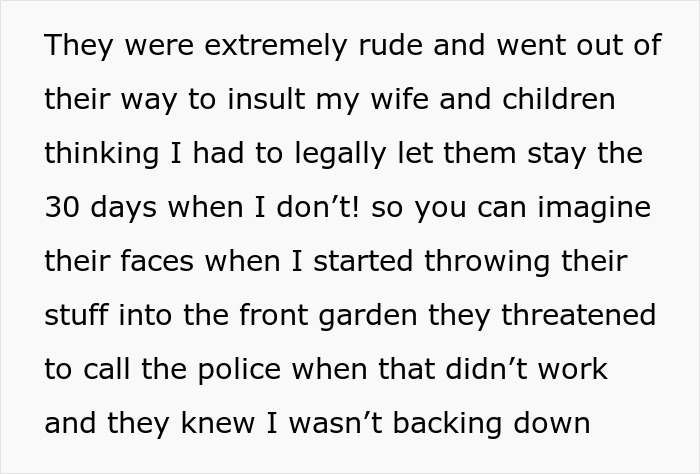
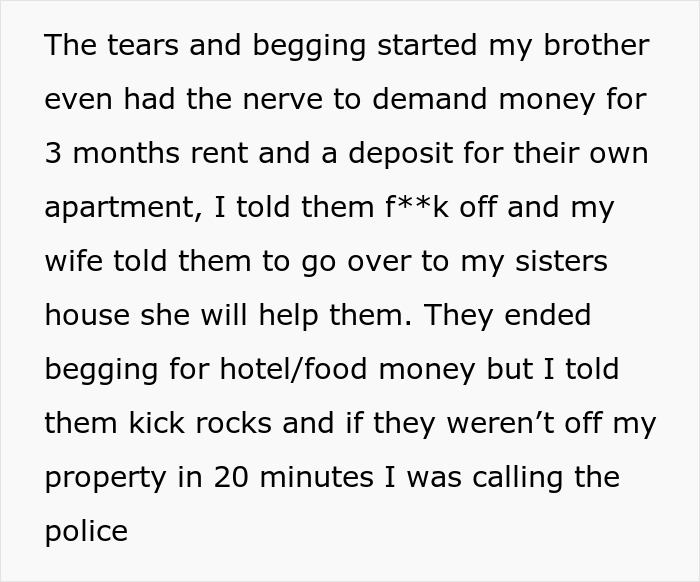
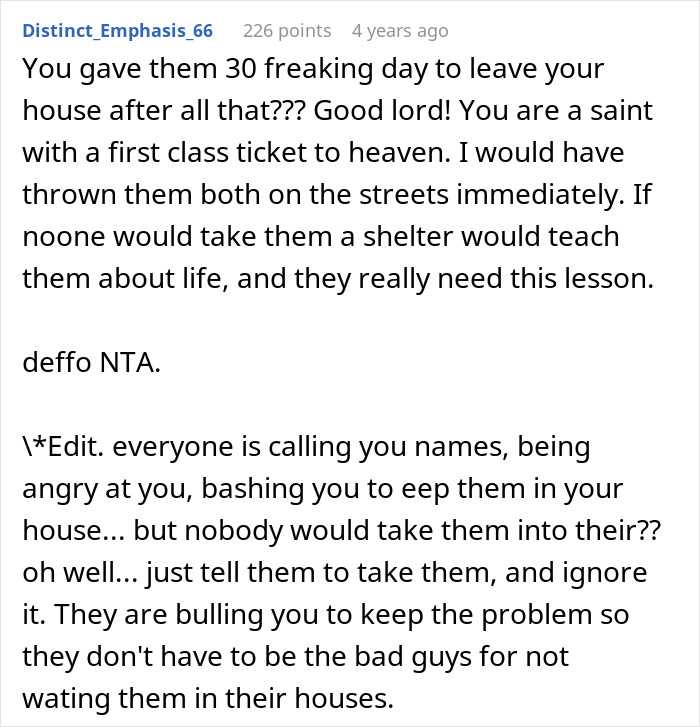
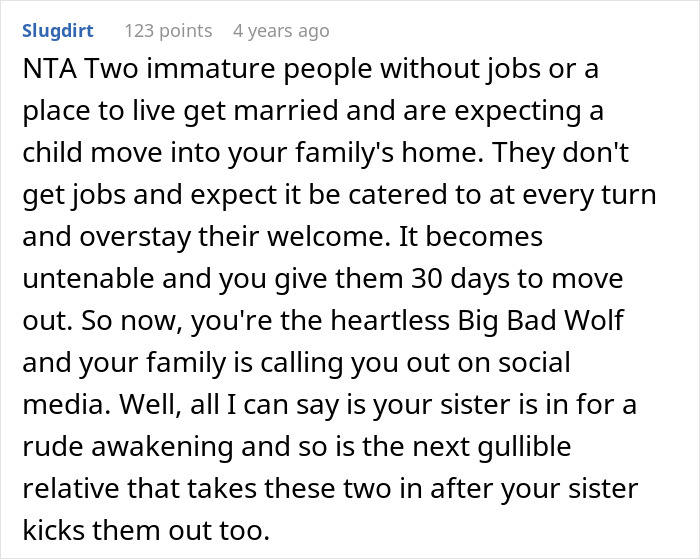
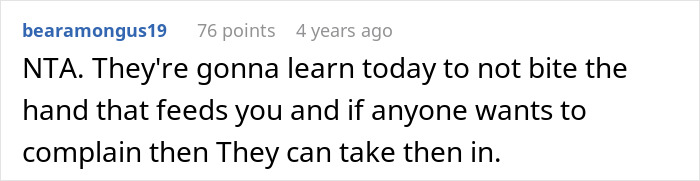
It all started when the host opened his doors to give the young couple a temporary place to get on their feet. But instead of looking for jobs or saving money, the pair left constant messes, demanded custom meals, and threw late-night tantrums — refusing to pay even a cent or lift a finger to help.
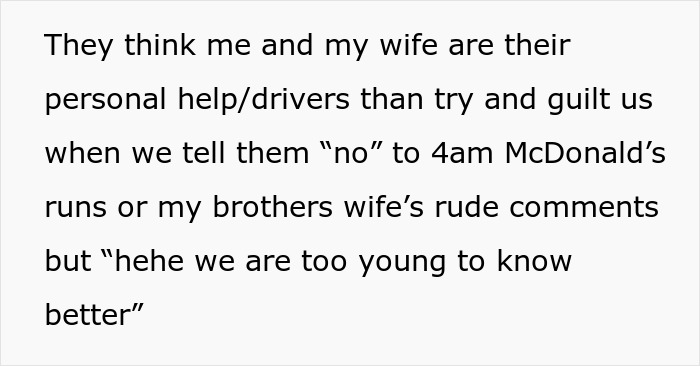
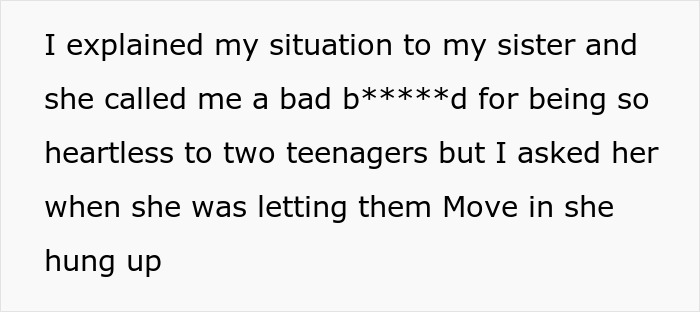
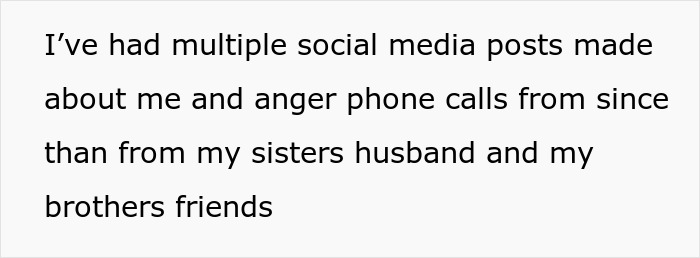
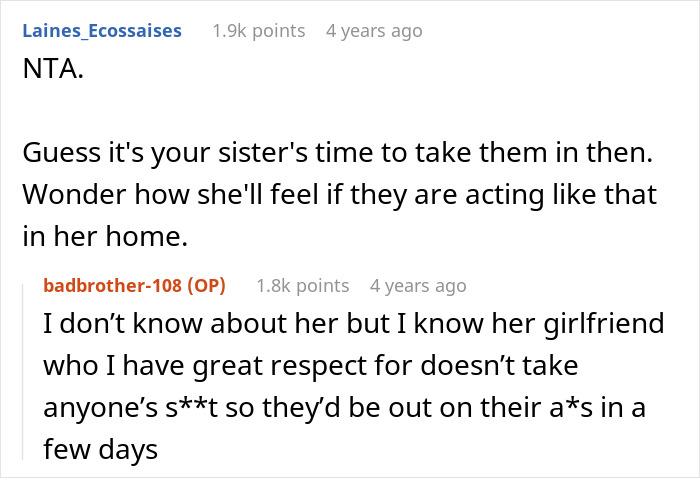
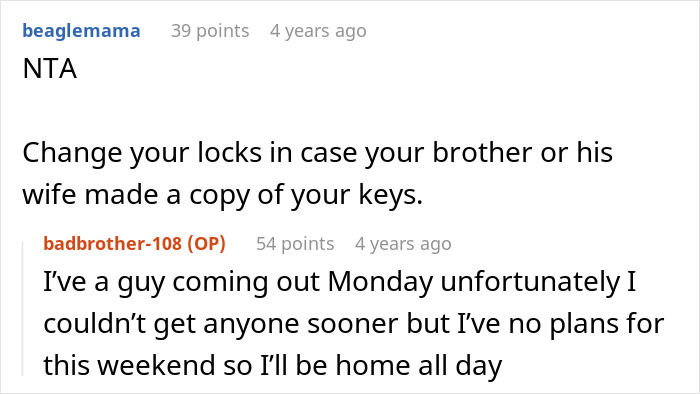
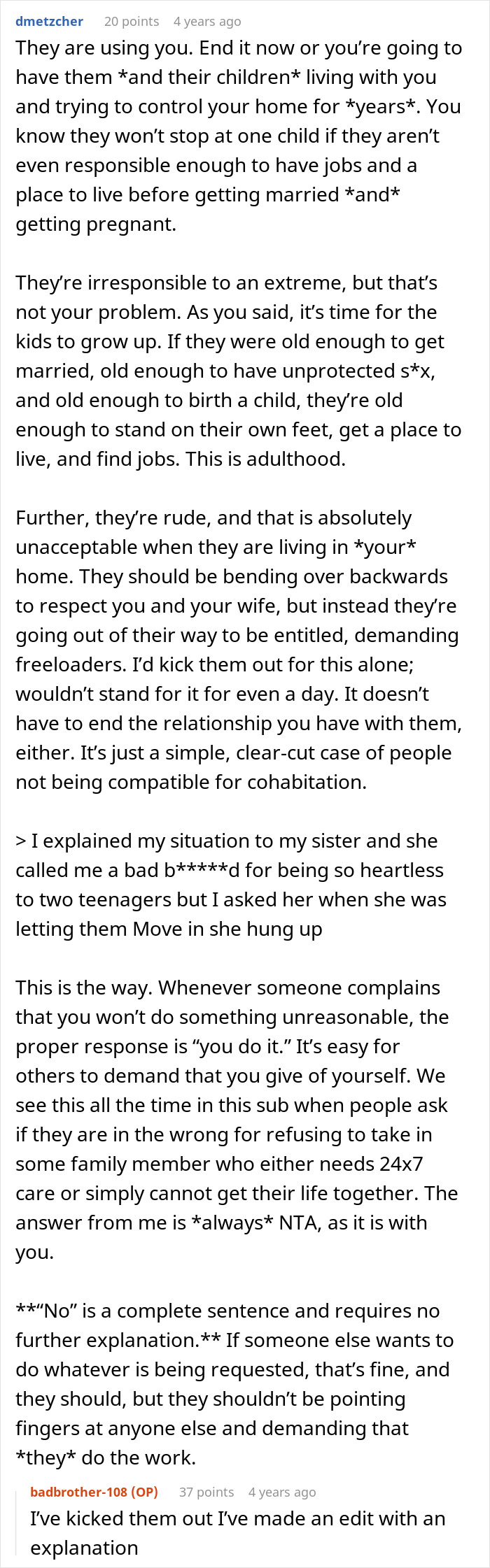
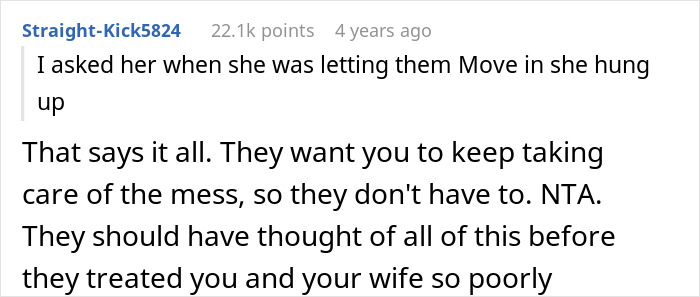
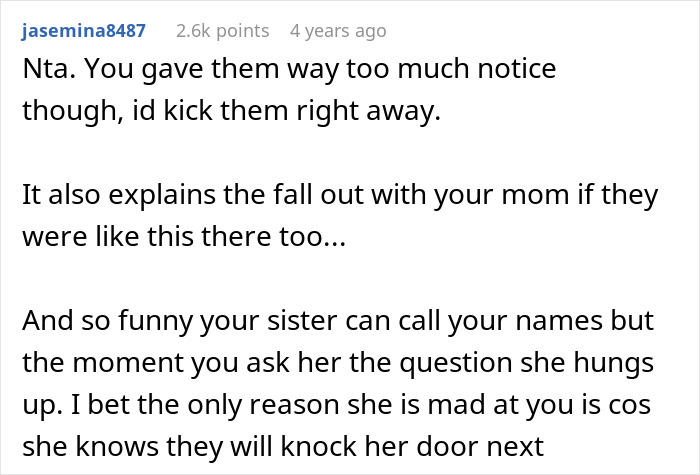
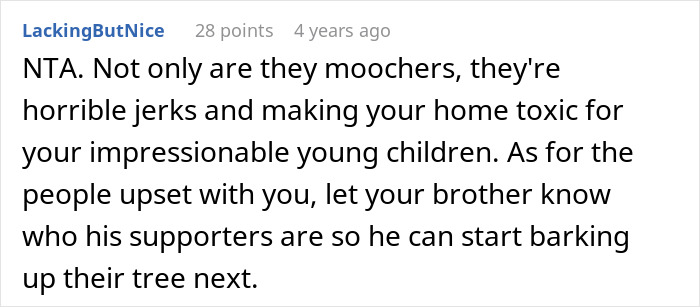
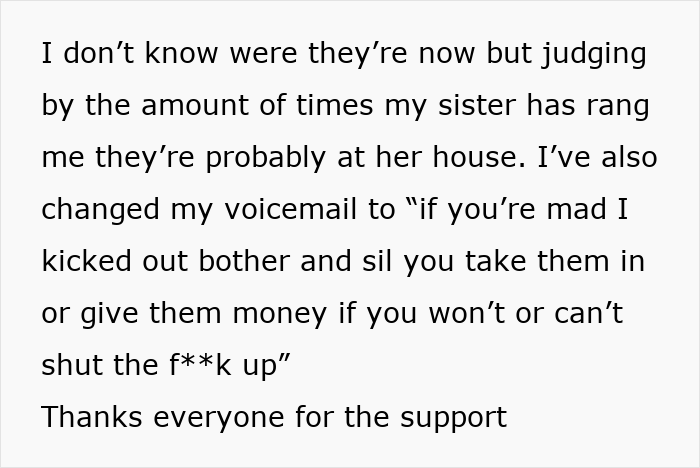
The man reached his breaking point when the younger brother and sister-in-law started harassing his wife and kids. Unable to take it anymore, he made a drastic decision and then turned to the internet to ask if he’d gone too far.
Read the full story to see just how far family entitlement can go.
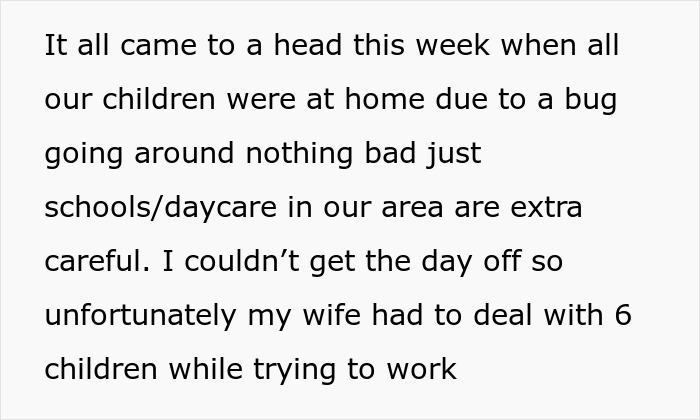
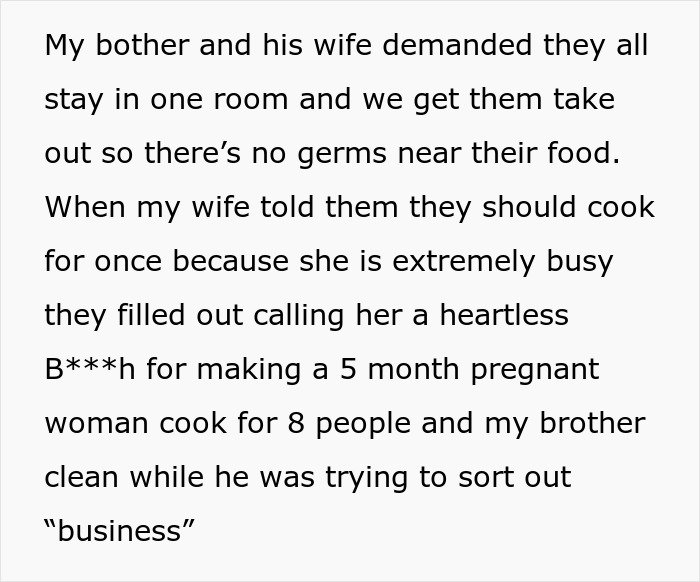
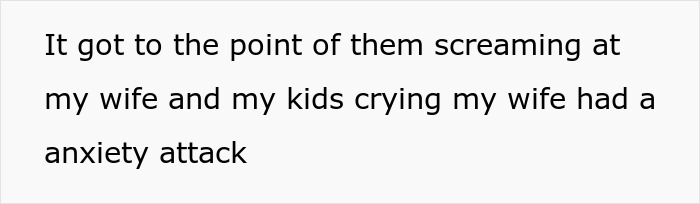
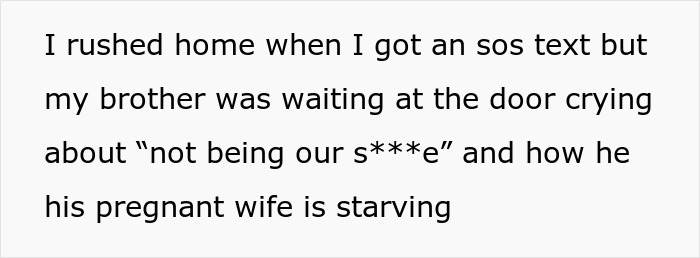

As the cost of living continues to rise and wage growth fails to keep pace, many young adults struggle to achieve even basic financial independence. As a result, families are stepping in more often to help.
A Pew Research Center report found that fewer than half of Americans aged 18 to 34 consider themselves financially independent. To help the rest scrape by, a 2025 survey found that 75% of parents help with basic daily expenses. This includes phone bills, groceries, or helping cover rent. On average, parents are throwing down about $7,000 a year just to keep their grown kids afloat.
Even among slightly older young adults — those in the 30-to-34 age bracket — nearly one in five still relies on parental assistance just to pay routine monthly bills.
To be fair, young adults face structural financial hurdles that earlier generations did not. Over the past three decades, Americans have seen only modest wage gains alongside significantly higher student loan debt. Housing in particular has become a massive burden. Americans under 35 who buy homes today carry at least $60,000 more in debt than buyers did 30 years ago, even after adjusting for inflation.
For many, moving out isn’t even an option. About a third of young adult Americans choose to live at home with parents or extended family to save money.
Even in the UK, more than one in three young men were living with their parents in 2025 — up from 26% in 2000, according to official data. Over 22% young women are also living with their parents.
This ongoing financial lifeline comes at a high cost for the families stepping up to help. Beyond the daily emotional strain on parents and older siblings, the financial drain can be severe.
In a survey by LIMRA, 17% of middle-aged Americans with significant savings admitted they continued supporting adult children over age 26 — even while knowing it actively jeopardized their own financial security. More than half of those helping out reported that funding their adult children had directly affected their retirement savings.
Because of these systemic roadblocks, many young people are delaying major life milestones like getting married or starting families. In 1993, roughly half of Americans in their late twenties were married. Bu 2023, that figure has plummeted to less than a third.
At the same time, most young adults who stay with family make a genuine effort to pull their weight. Surveys show that nearly three-quarters of adult children living at home actively pitch in, helping cover the rent, mortgage, or weekly groceries.
Yet while most young adults adapt to these hard times, others choose to use the economy as a convenient excuse for total entitlement.
Relational entitlement is the ingrained belief that you are automatically owed care, money, or shelter from family simply because of your shared bond.
In close relationships, especially among siblings, these unhealthy patterns develop so gradually that they start feeling normal. One relative operates on the unspoken assumption that help will always be available on demand — while the other quietly takes on responsibilities.
Studies show that people who fall into “the responsible one” role in sibling dynamics face high rates of emotional exhaustion and burnout. They often suffer in silence as their personal space, time, and finances are continually drained.
The good news is that these toxic family roles are learned behaviors, which means they can also be unlearned. Research shows that when relatives actively recognize these unfair patterns and set firm boundaries around shared responsibilities, long-term resentment drops significantly.
However, guilt is one of the most effective tools in the entitled sibling’s kit. Breaking that cycle requires the responsible sibling to accept playing the “villain” in the entitled relative’s story — a mentally grueling step, but often necessary for self-preservation.
“When someone challenges genetic relational entitlement, they are sometimes called selfish, ungrateful, and cruel. Yet, what if these resisters are actually healthy, insightful, and thriving people? Someone capable of choosing the people who make up their support system can select those who provide value and who can accept the value that they provide,” says Amanda Ann Gregory, a trauma psychotherapist.
At the end of the day, a sibling struggling to get on their feet deserves a hand. But a sibling who is acting entitled deserves a wake-up call.









By entering your email and clicking Subscribe, you're agreeing to let us send you customized marketing messages about us and our advertising partners. You are also agreeing to our Privacy Policy.
Thank you! You've successfully subscribed to newsletters!





















 No fees, cancel anytime













33
0