Get Premium
Dark mode theme is available exclusively for premium users. Learn more about the benefits of subscribing.
No fees, cancel anytime.

 Dark Mode Ad-Free Browsing Unlimited Content
 Ad-Free Browsing Unlimited Content Dark Mode
Join 1.2 million Panda readers who get the best art, memes, and fun stories every week!

Those with medical conditions know that school isn’t always the best place to have a medical emergency. When it comes to type 1 diabetes, over 2 million people in the U.S. have it, including around 314,000 children and adolescents. Still, many kids would probably attest that even grown-ups sometimes lack knowledge about it.
This middle-schooler had to deal with a particularly ignorant teacher. She was so entitled, in fact, that she confidently assumed his insulin pump tube was actually a headphone cord and had the gall to cut it during class. The repercussions, as expected, were chaos, a lot of yelling, and a lot of apologizing.
Image credits: Yianni Mathioudakis / Unsplash (not the actual photo)
Image credits: Vitaly Gariev / Unsplash (not the actual photo)
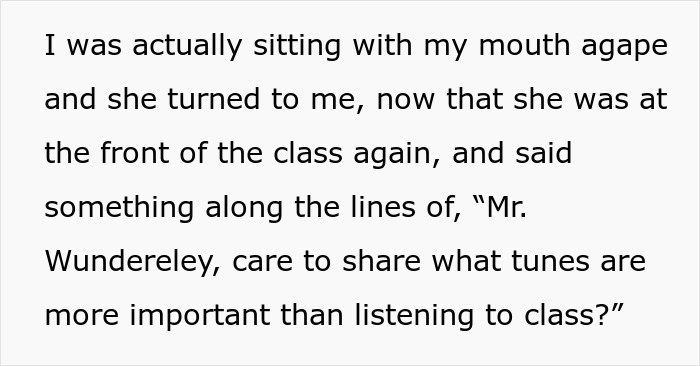
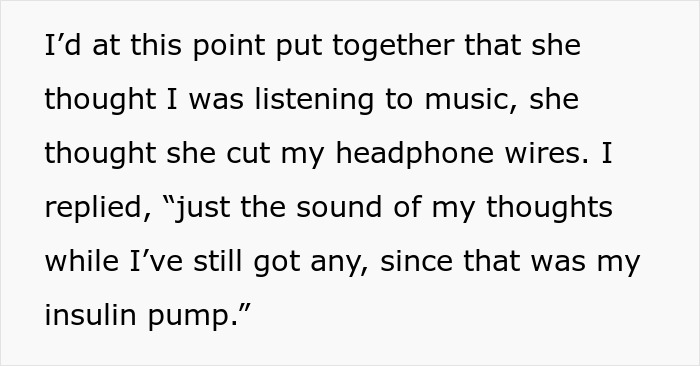
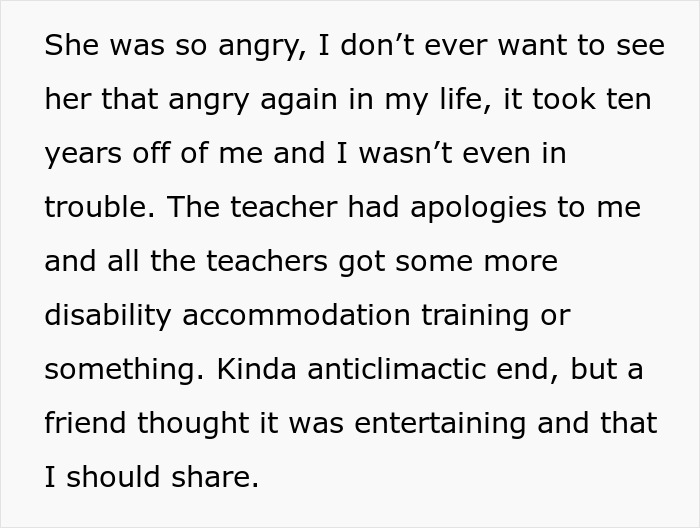
Image credits: Wundereley
Having a diabetes diagnosis can be difficult for a child. Kids spend half a day at school, meaning they’re not always in their parents’ care during emergencies. That’s why teachers and school staff should be trained on diabetes and the medical devices a student might need.
Gary Scheiner, the owner and clinical director of Integrated Diabetes Services and author of Think Like a Pancreas: A Practical Guide to Managing Diabetes with Insulin, says that children with diabetes need a predictable environment without interruptions. “The more consistent their daily lives, the more consistent and predictable the blood sugars will be.”
Insulin pump malfunctions happen, but most are accidental or due to the manufacturer. It’s seldom that someone else would put a diabetic person in danger like the teacher in this story did. In one six-year-long study, 68% of insulin pumps malfunctioned, but only 12% stopped working completely. Most of the malfunctions involve minor mechanical or minor defects.
Some might argue that teachers don’t necessarily need to know what to do during a medical emergency — that’s what school nurses are for. Unfortunately, most schools nowadays can’t say they have a school nurse on board. Research shows that only 39% of U.S. schools employ a full-time nurse, 35.3% employ a part-time nurse, and 25.2% have no school nurse at all.
There’s also precedent for individuals to demand that school staff be trained to accommodate their medical condition. In 2018, a New York court ruled that the New York City Department of Education failed to ensure the safety of its diabetic students. It ordered school systems to adopt a template plan for students with diabetes, ensuring that school staff members are trained to assist them, including teachers, administrators, bus drivers, nurses, paraprofessionals, and so on.
Although this particular story is from some years ago, it’s still quite relevant because of the teacher’s “No devices in class” attitude. While that’s quite a reasonable stance, it shouldn’t apply to medical devices, and teachers need to make sure they’re not banning devices that can save a student’s life.
Smartphones in the classroom can be a real problem for educators and students alike, so it’s understandable why teachers didn’t like them even back in the day, when it was only iPods, Walkmans, and the like. As of December 2025, 35 states and Washington, D.C., have banned K-12 students from using cell phones in classrooms.
But nowadays, when people can monitor their glucose levels on their smartphones, exceptions have to be made for students with Type 1 diabetes. In Canada, for example, parents must inform teachers and other staff members that their child’s device is medically necessary. The American Diabetes Association provides wallet cards for students with diabetes management devices that prohibit confiscation or restrictions on their use.

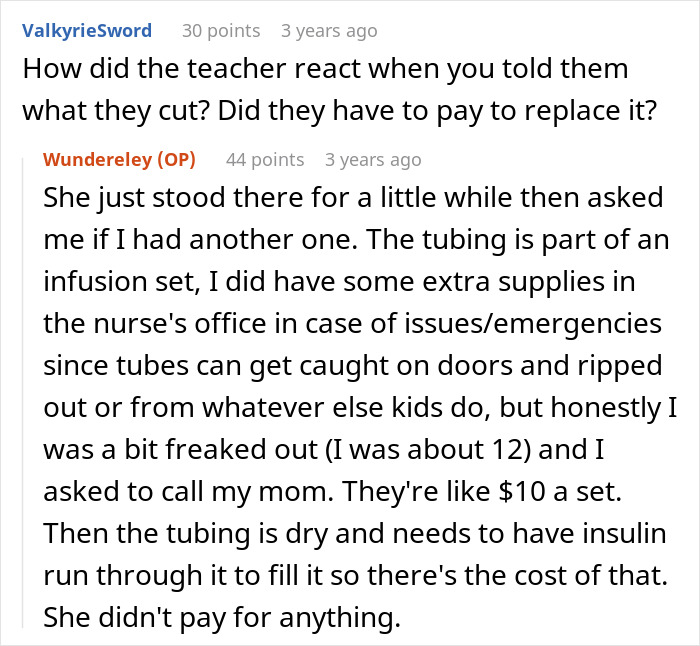

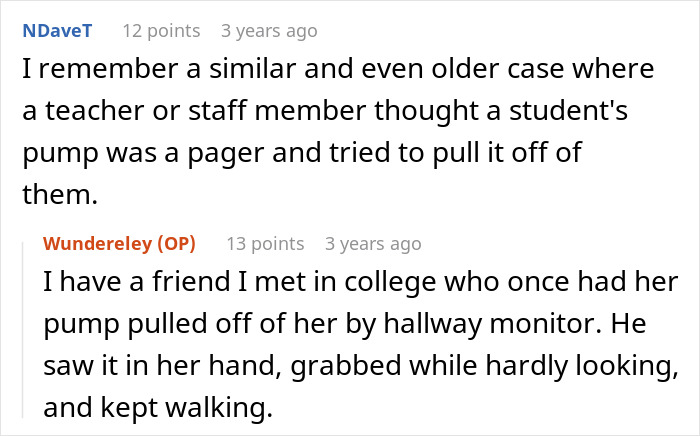
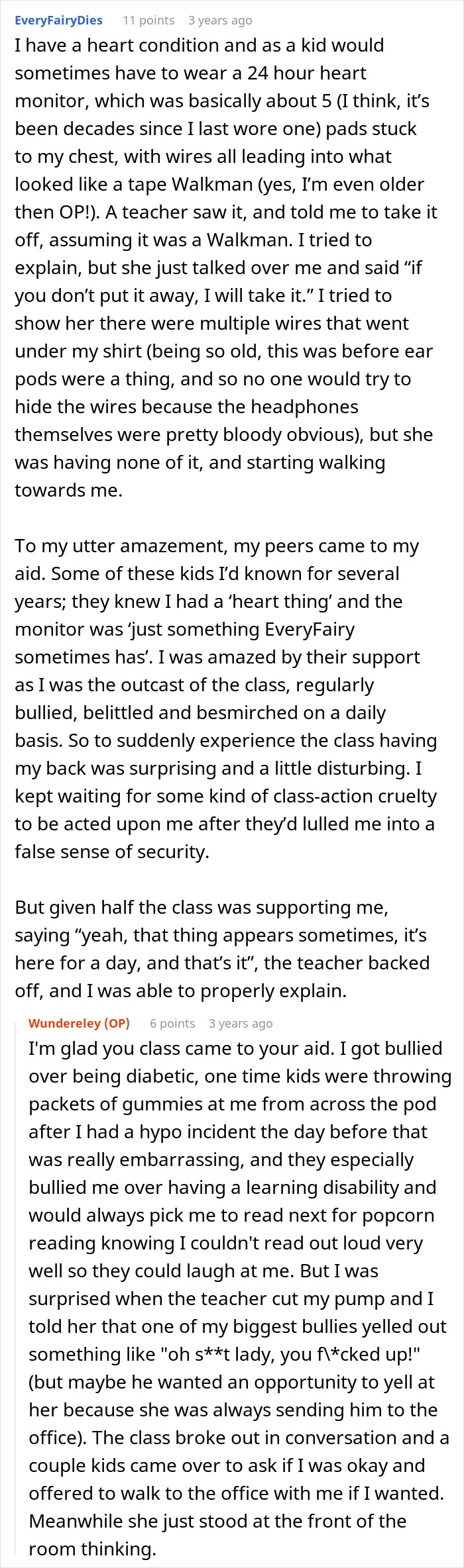
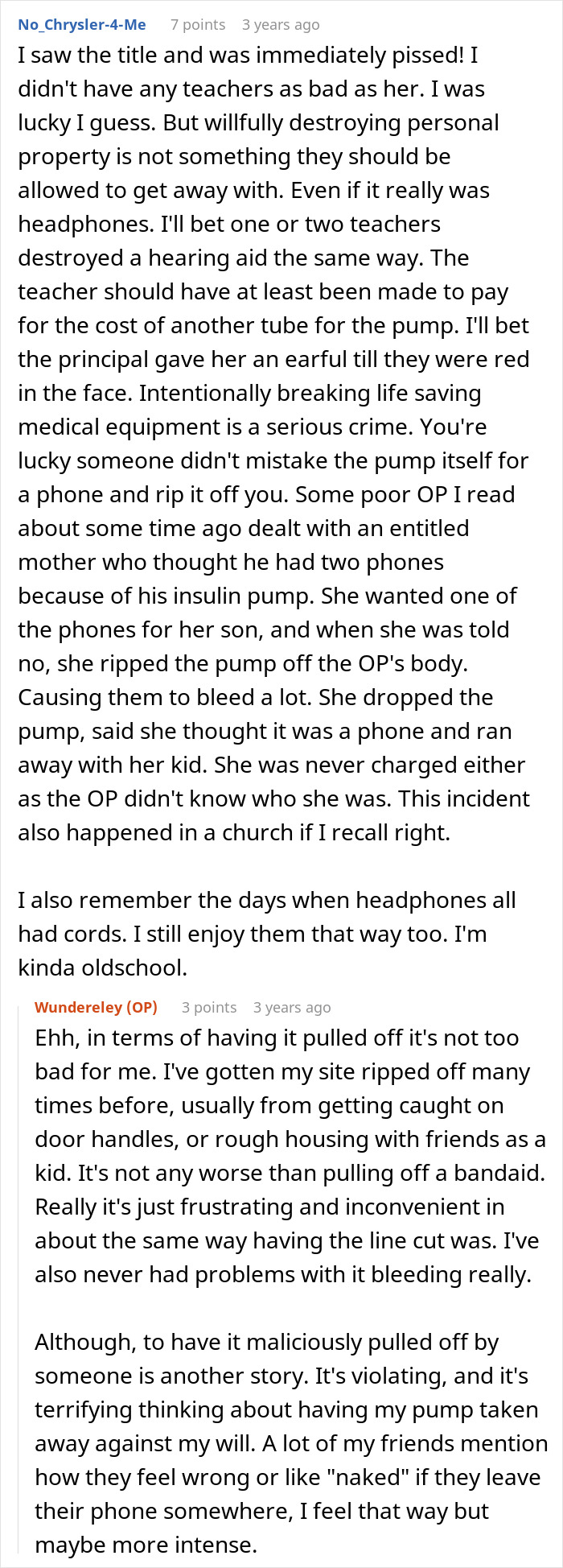
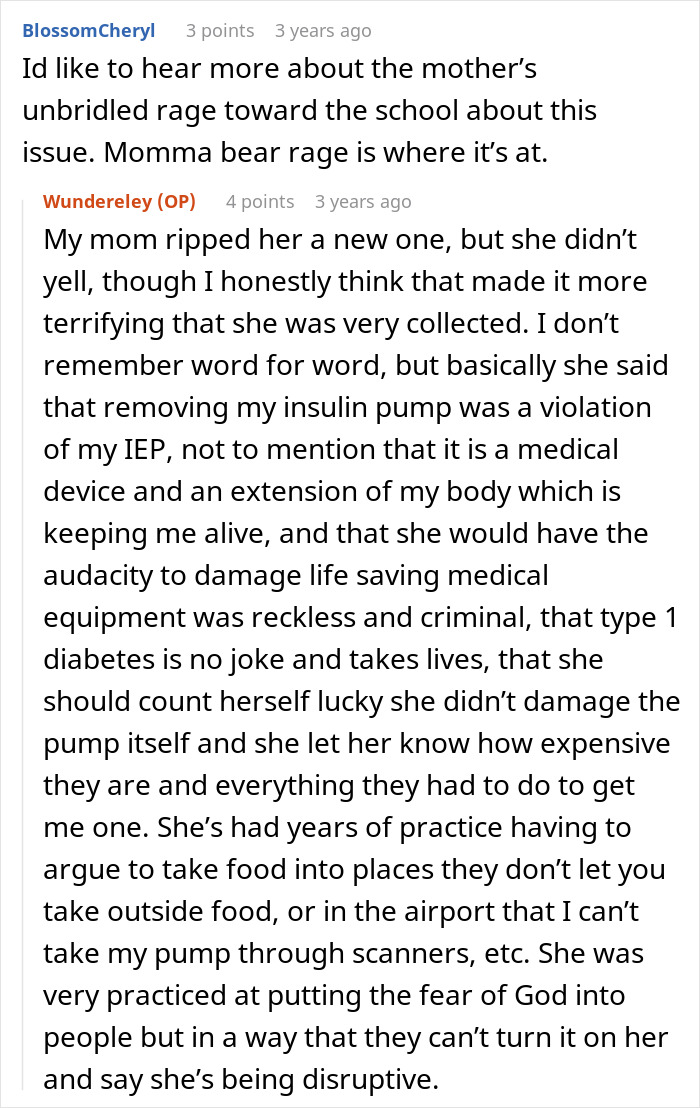

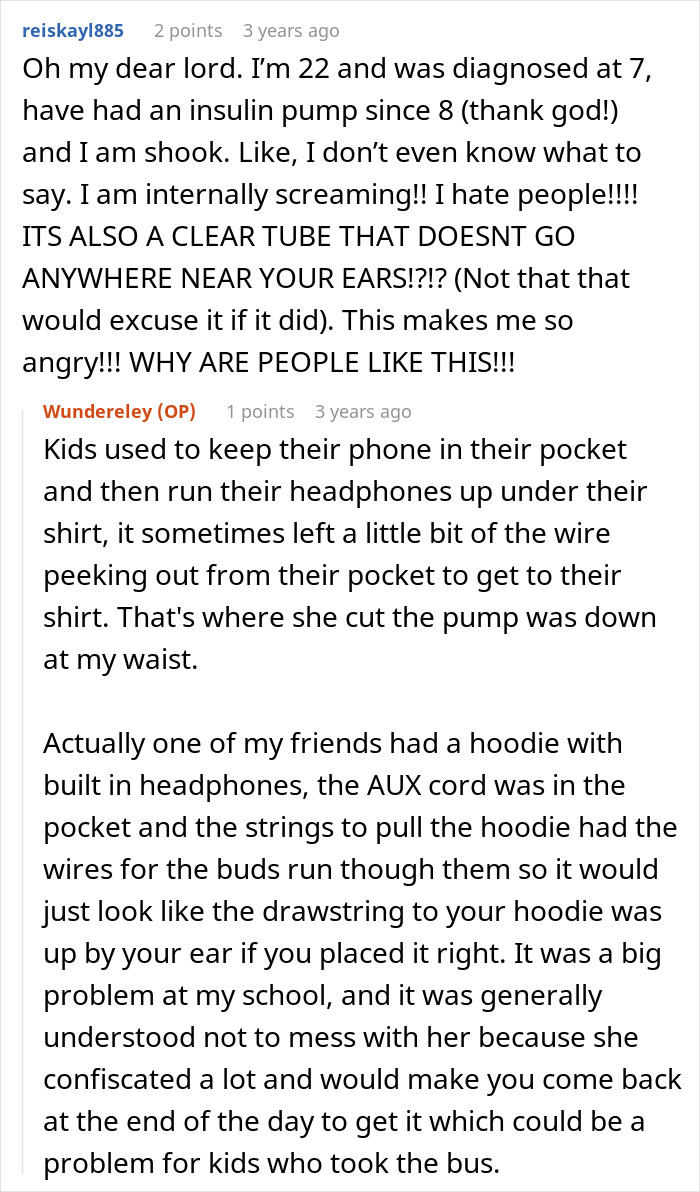






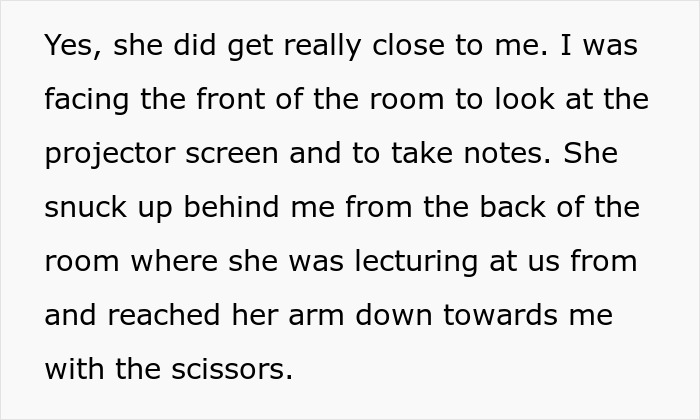
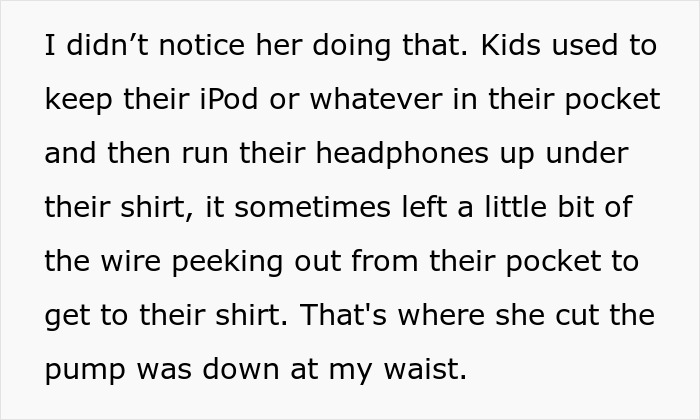
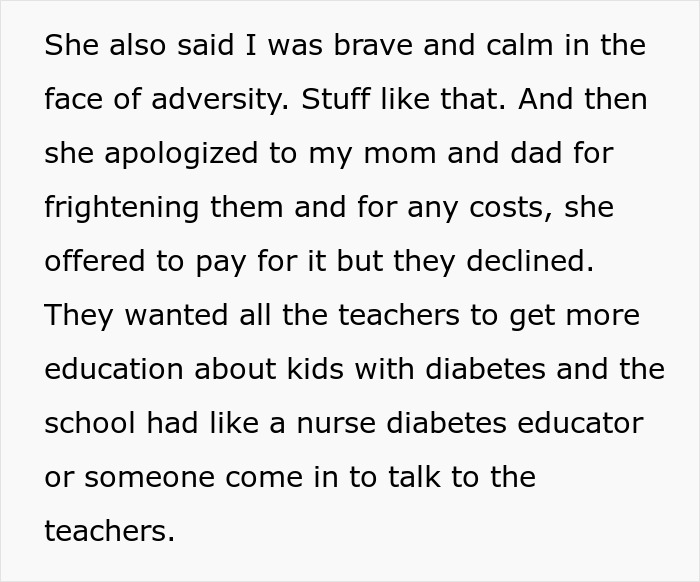
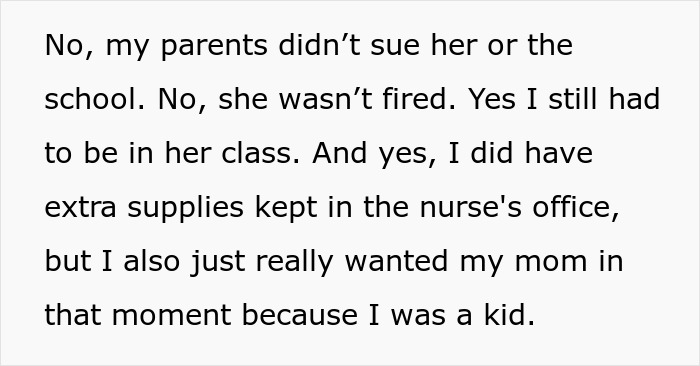
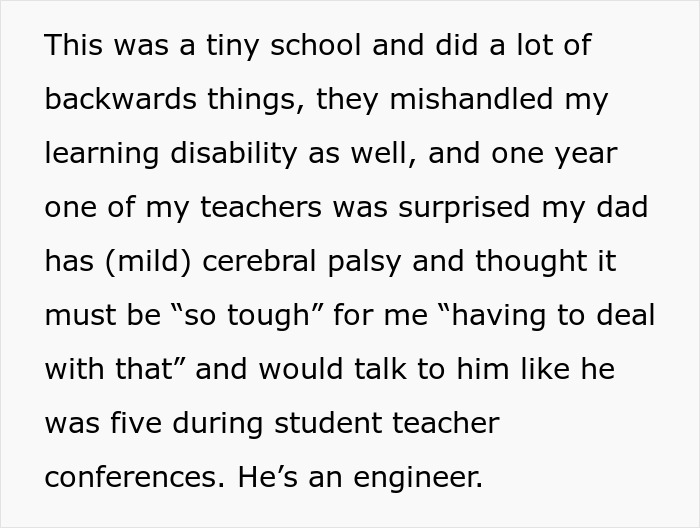
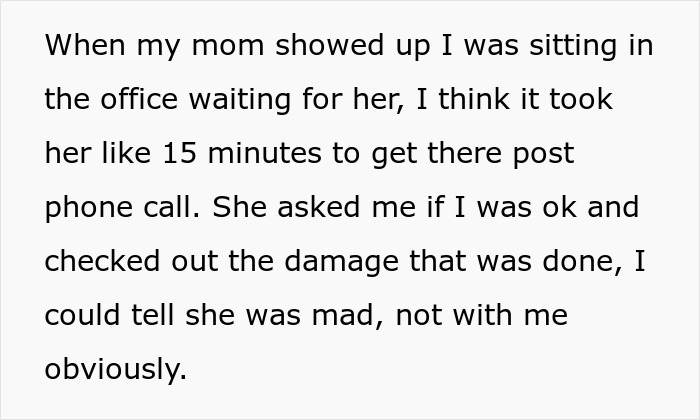
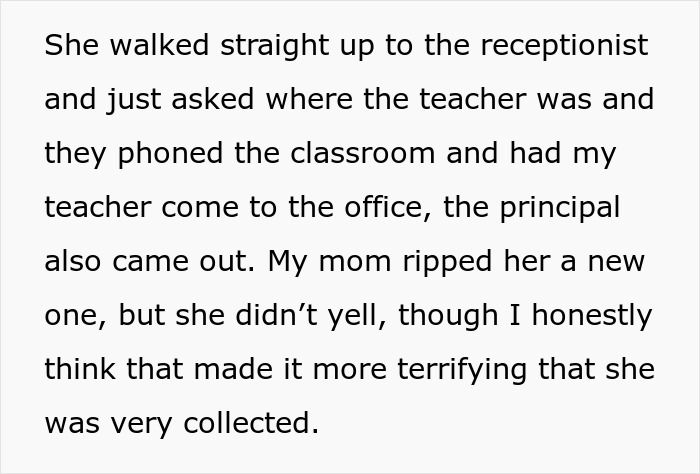

Image credits: Wundereley

By entering your email and clicking Subscribe, you're agreeing to let us send you customized marketing messages about us and our advertising partners. You are also agreeing to our Privacy Policy.
Thank you! You've successfully subscribed to newsletters!

Honestly, she should have been fired. Destroying people's property is unacceptable, but destroying a medical device because her being a bully took precedence over her using her brain... nah, there's a line and this is *way* over it

I am visually impaired (I have 15% vision in one eye and 20% in the other). I can't read what a professor writes on the board, so I either ask someone to dictate it to me or use an app that takes a photo and reads the text aloud so I can write it down. My college professors knew about my impairment, and the university president spoke with them, stating that I could use assistive tools to make things easier for me. But one professor once snatched my phone out of my hand and acted like a total jerk; he said he didn't understand how I could be visually impaired yet still use a phone and walk around without a white cane. Man, how do you explain that I’m not completely blind? I just need very large print or voice-assist software.

The number of people that don't realise that both the monitor and pump have needles that go into your body. My mum has live with T1 for 35+ years, and the monitor has been somewhat of a life changer, as before that she relied on how she felt as to when to do a finger p***k test - now the monitor will beep when she goes low.
Honestly, she should have been fired. Destroying people's property is unacceptable, but destroying a medical device because her being a bully took precedence over her using her brain... nah, there's a line and this is *way* over it
I am visually impaired (I have 15% vision in one eye and 20% in the other). I can't read what a professor writes on the board, so I either ask someone to dictate it to me or use an app that takes a photo and reads the text aloud so I can write it down. My college professors knew about my impairment, and the university president spoke with them, stating that I could use assistive tools to make things easier for me. But one professor once snatched my phone out of my hand and acted like a total jerk; he said he didn't understand how I could be visually impaired yet still use a phone and walk around without a white cane. Man, how do you explain that I’m not completely blind? I just need very large print or voice-assist software.
The number of people that don't realise that both the monitor and pump have needles that go into your body. My mum has live with T1 for 35+ years, and the monitor has been somewhat of a life changer, as before that she relied on how she felt as to when to do a finger p***k test - now the monitor will beep when she goes low.


































 No fees, cancel anytime








40
8