Get Premium
Dark mode theme is available exclusively for premium users. Learn more about the benefits of subscribing.
No fees, cancel anytime.

 Dark Mode Ad-Free Browsing Unlimited Content
 Ad-Free Browsing Unlimited Content Dark Mode
Join 1.2 million Panda readers who get the best art, memes, and fun stories every week!
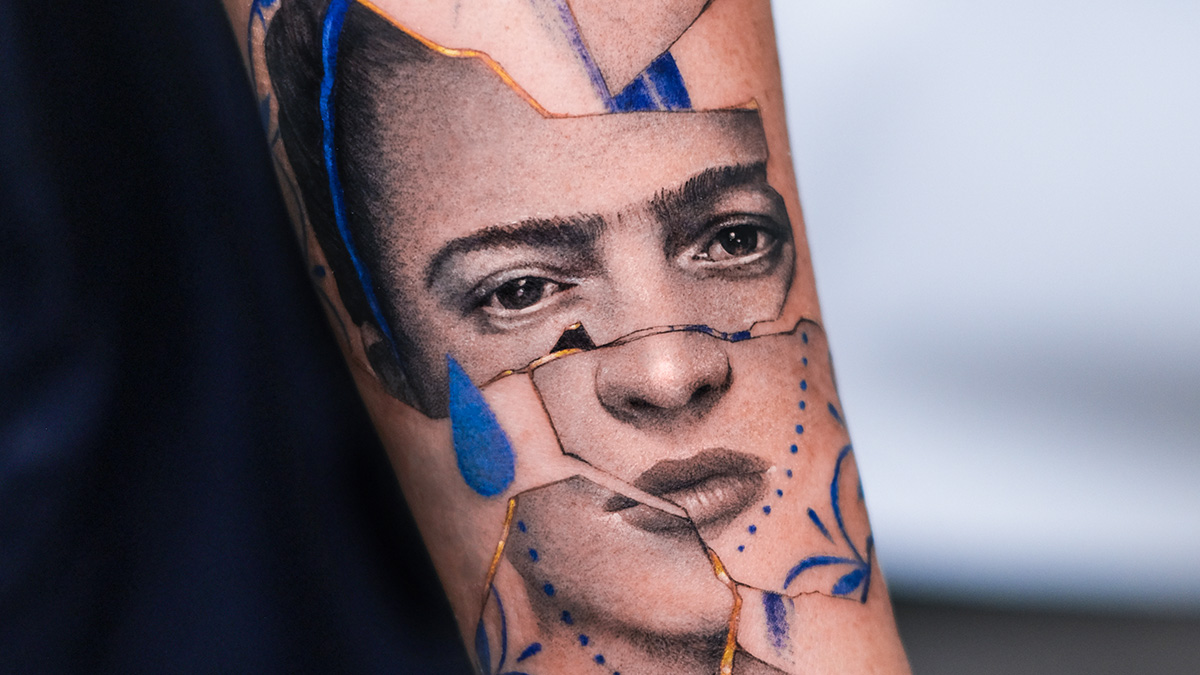
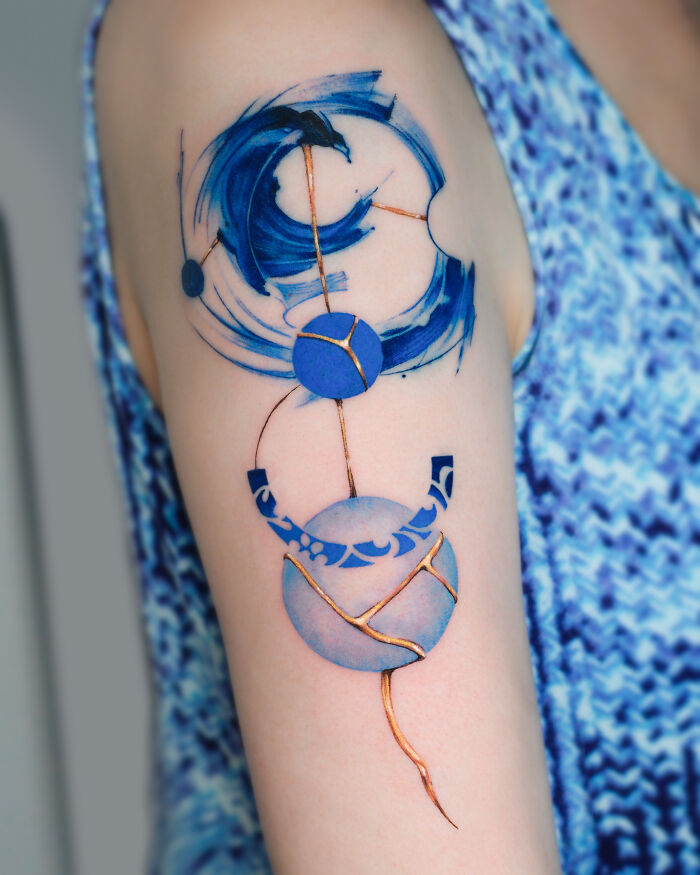
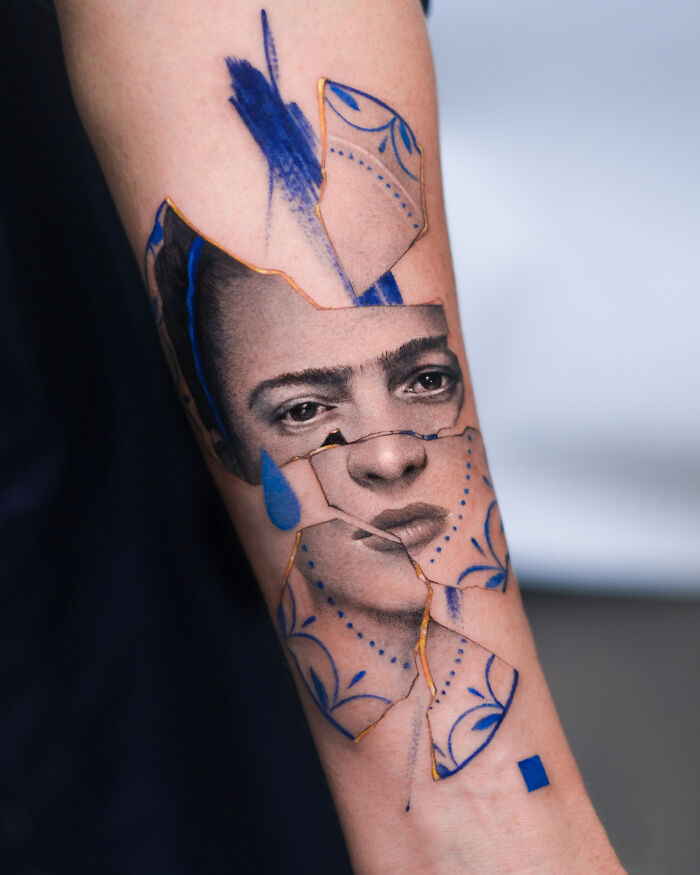
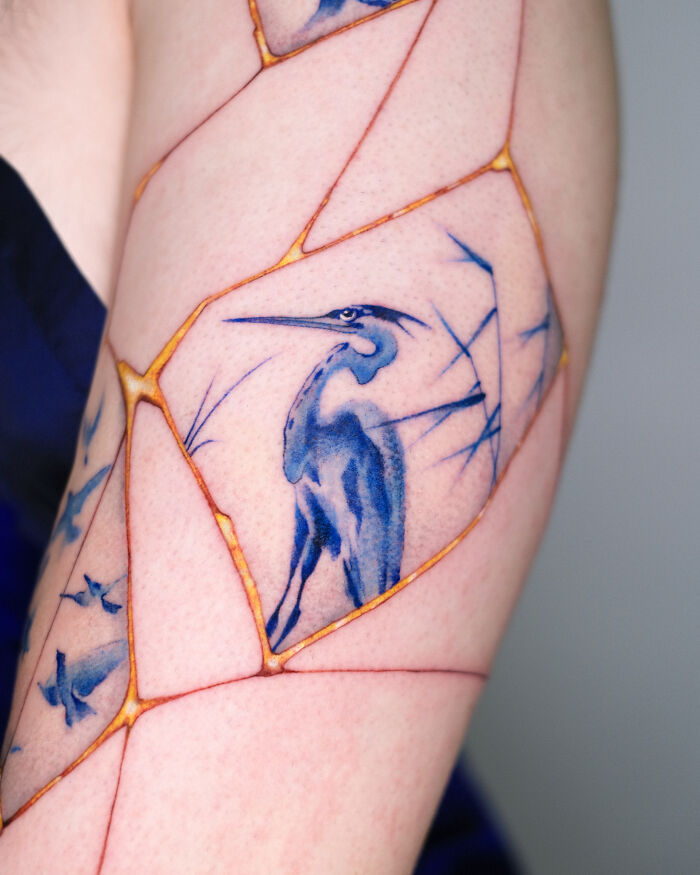
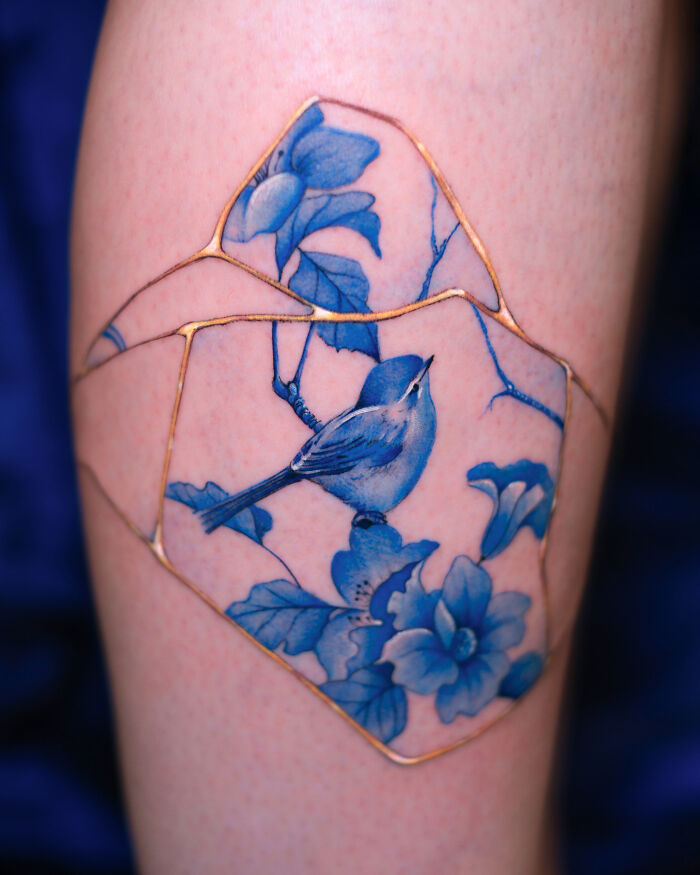
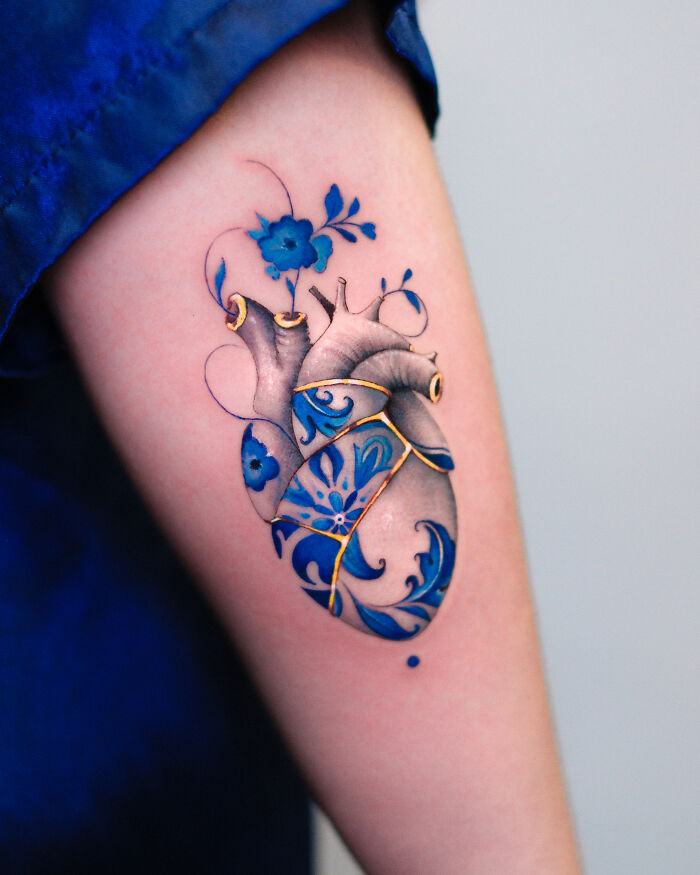
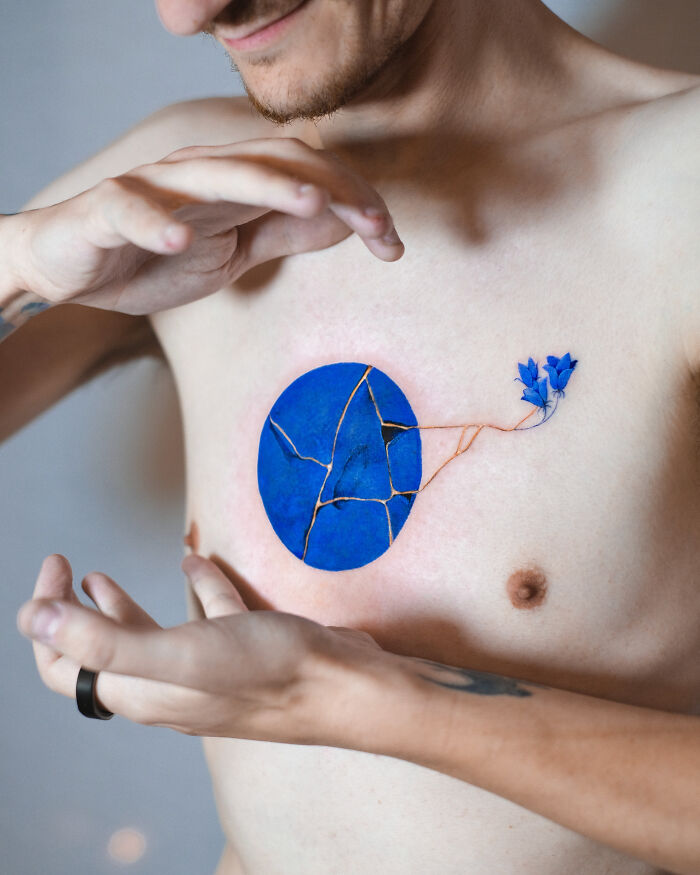
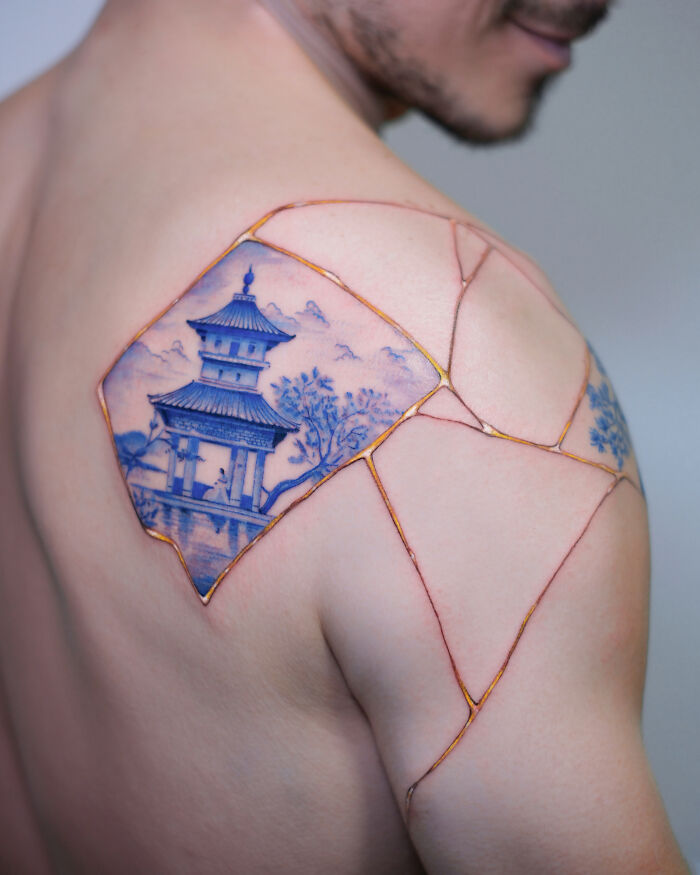
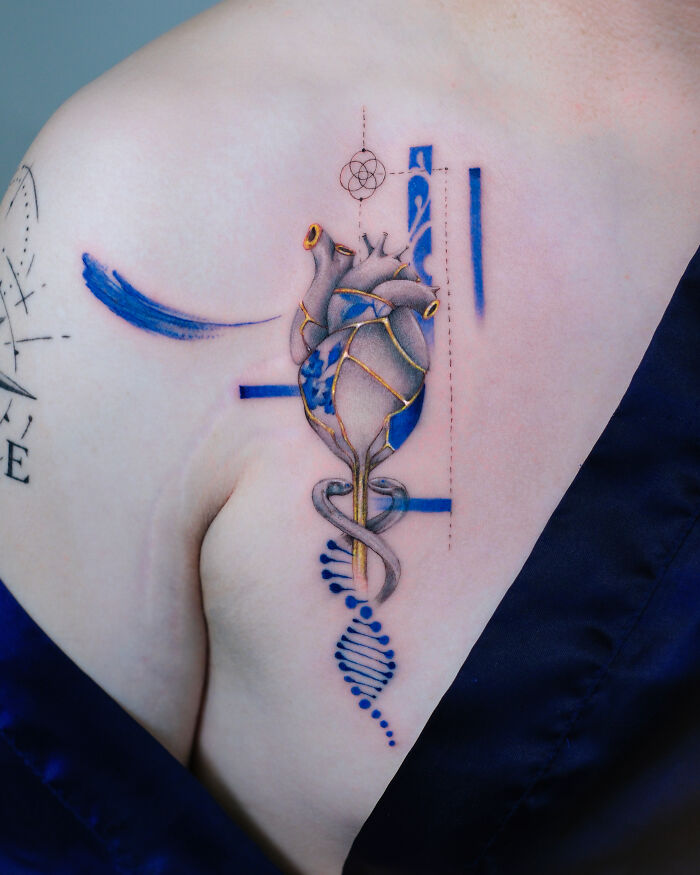
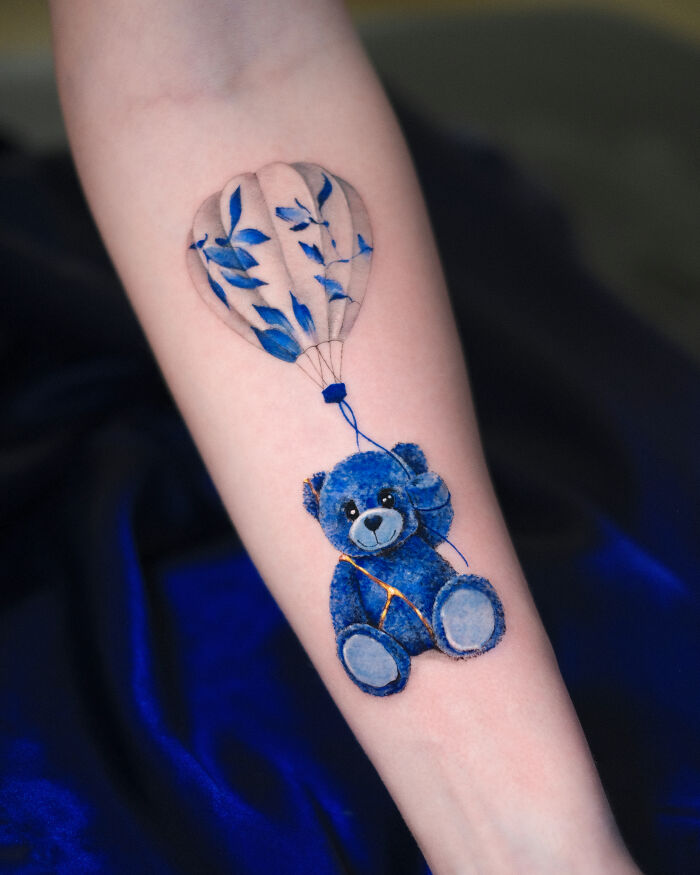
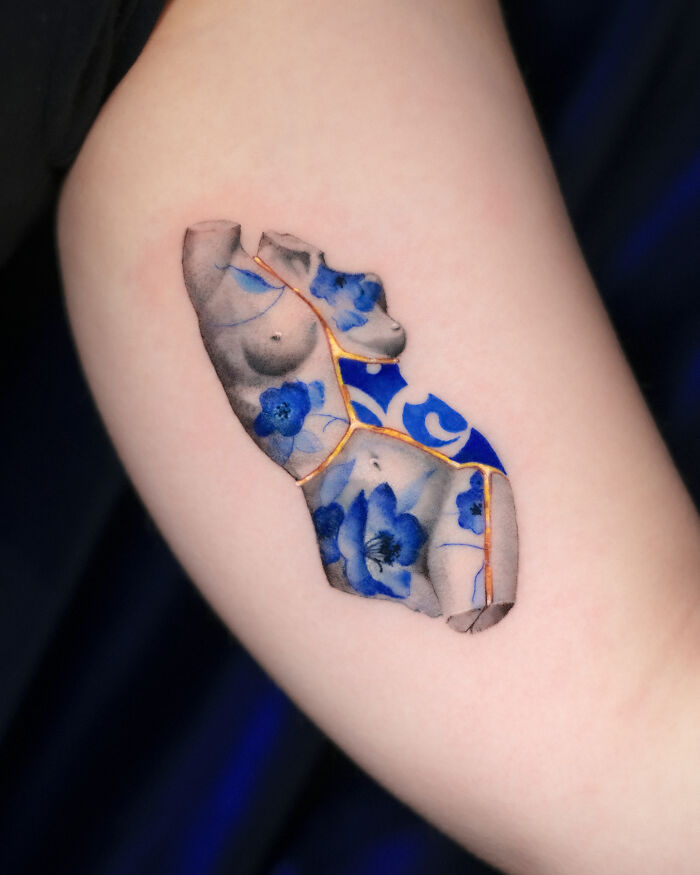
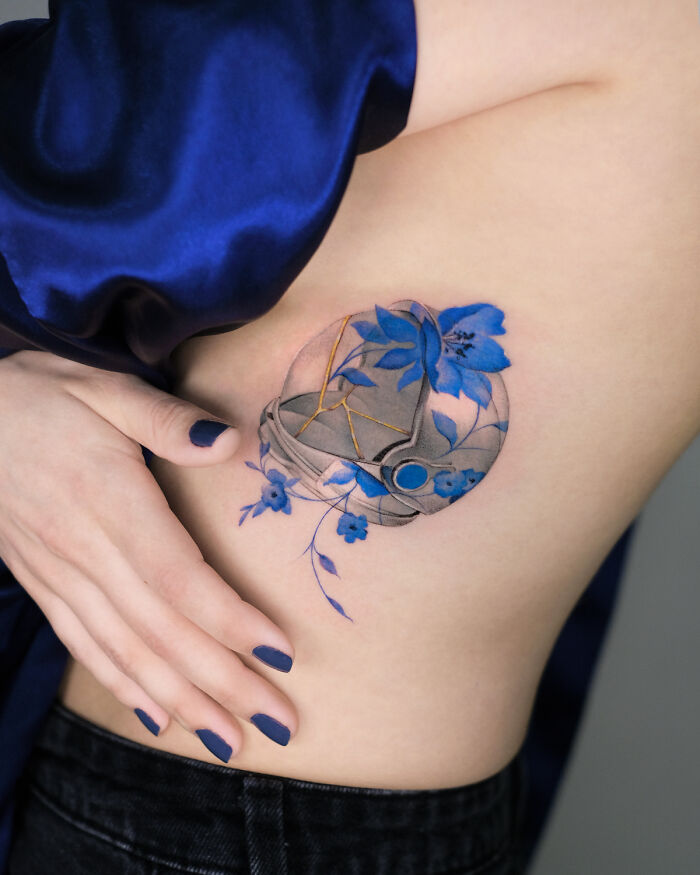
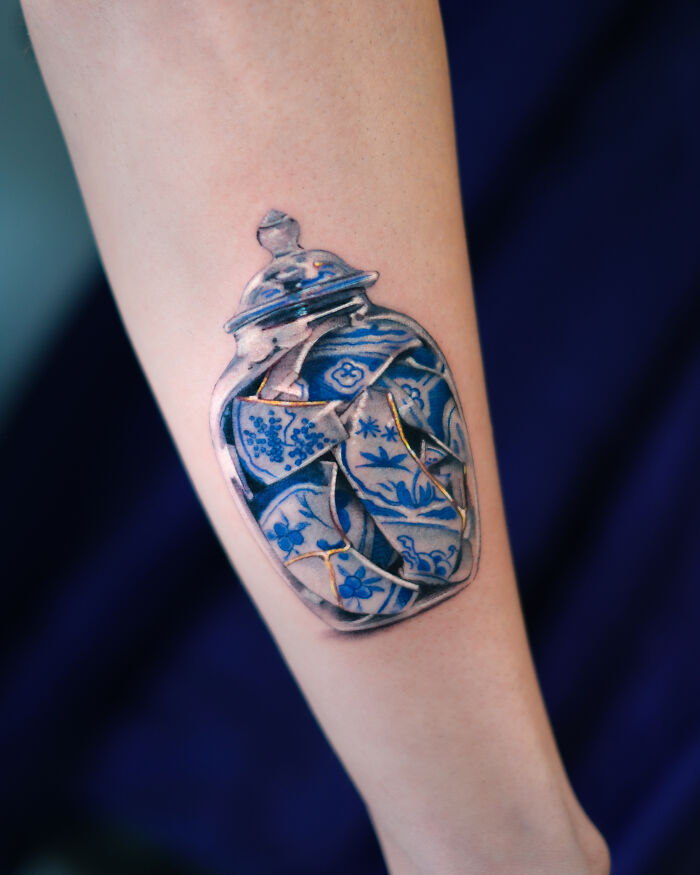
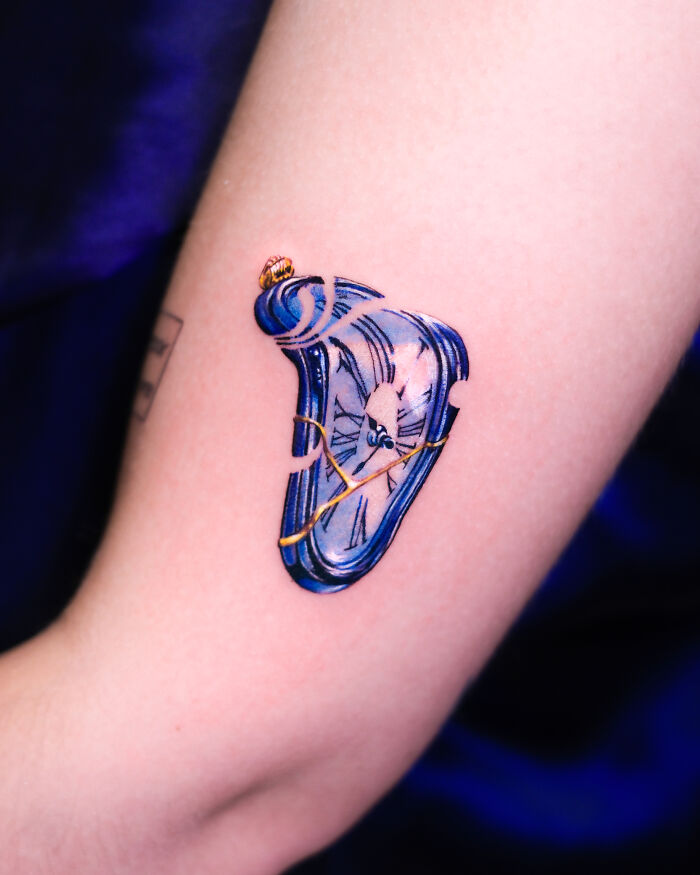
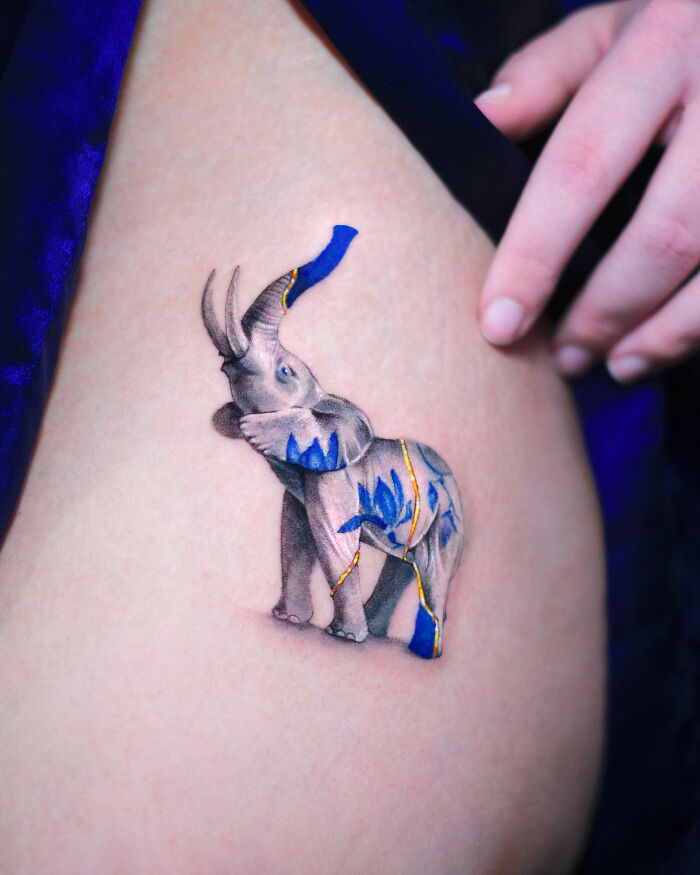
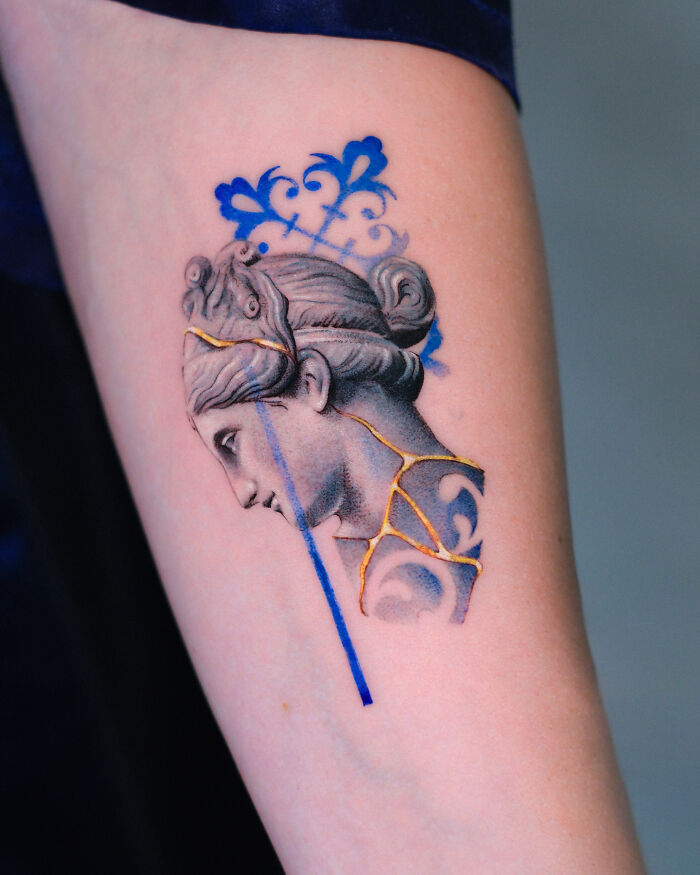
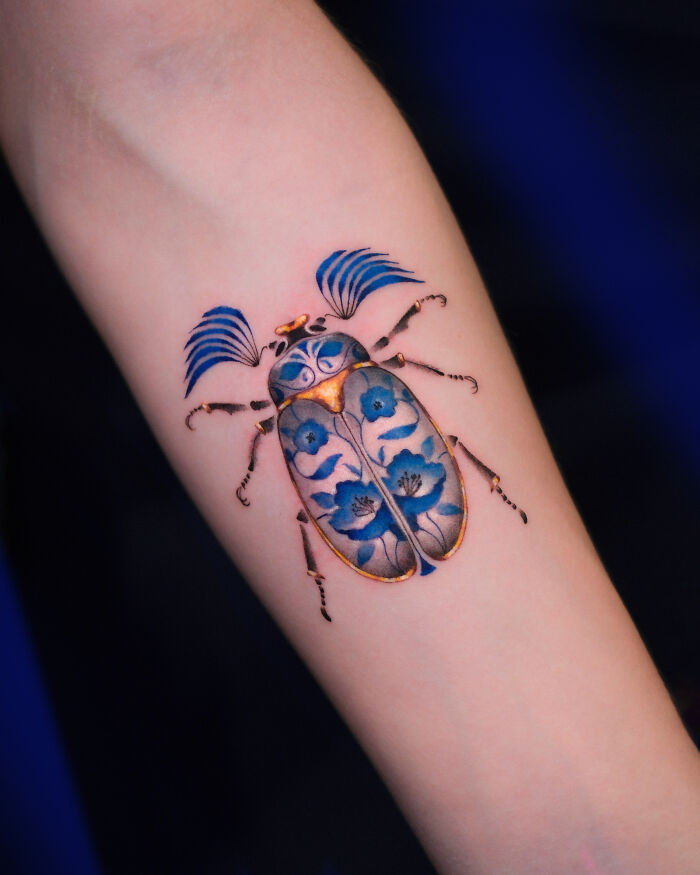
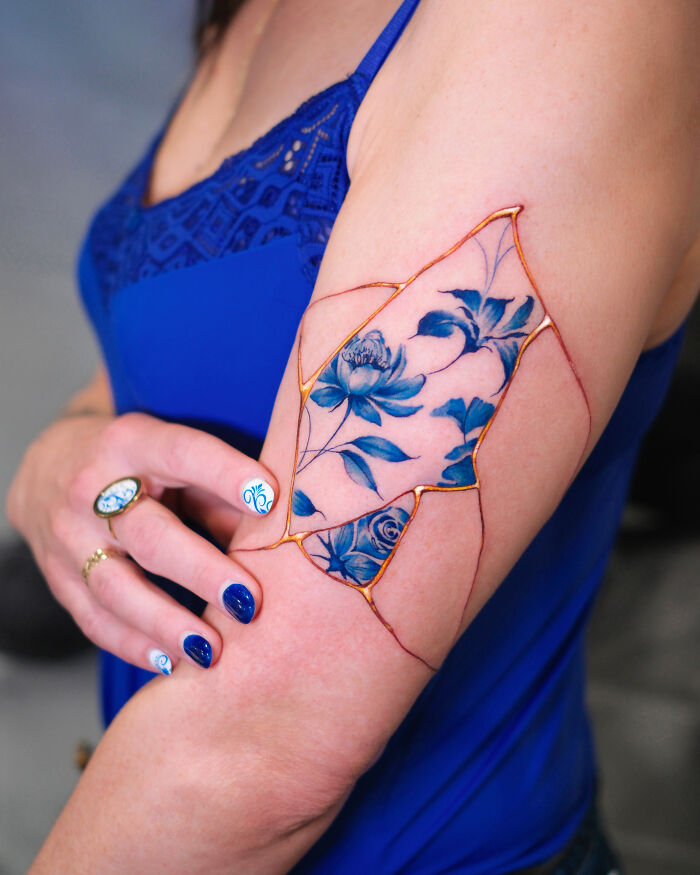
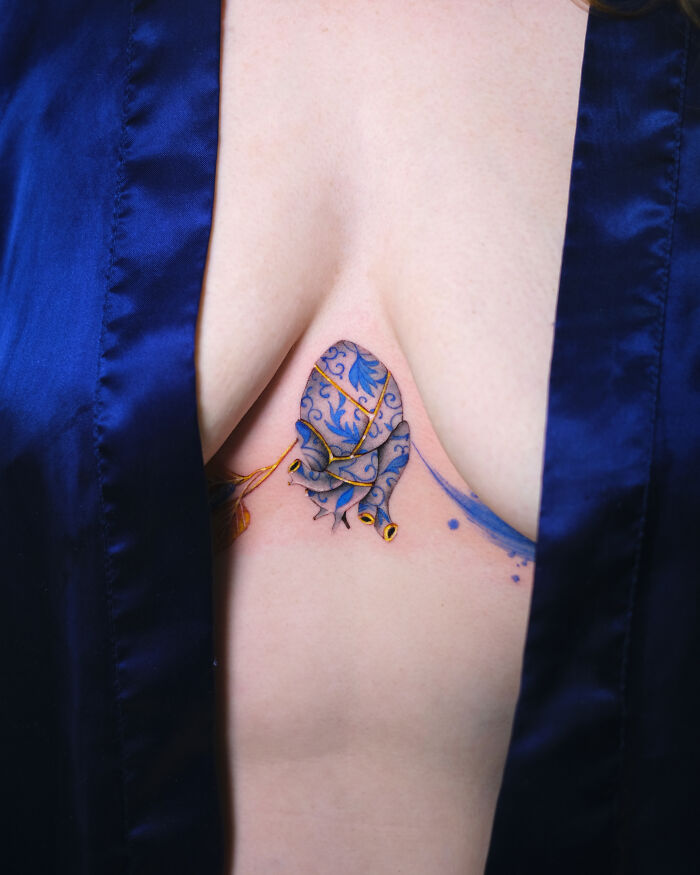
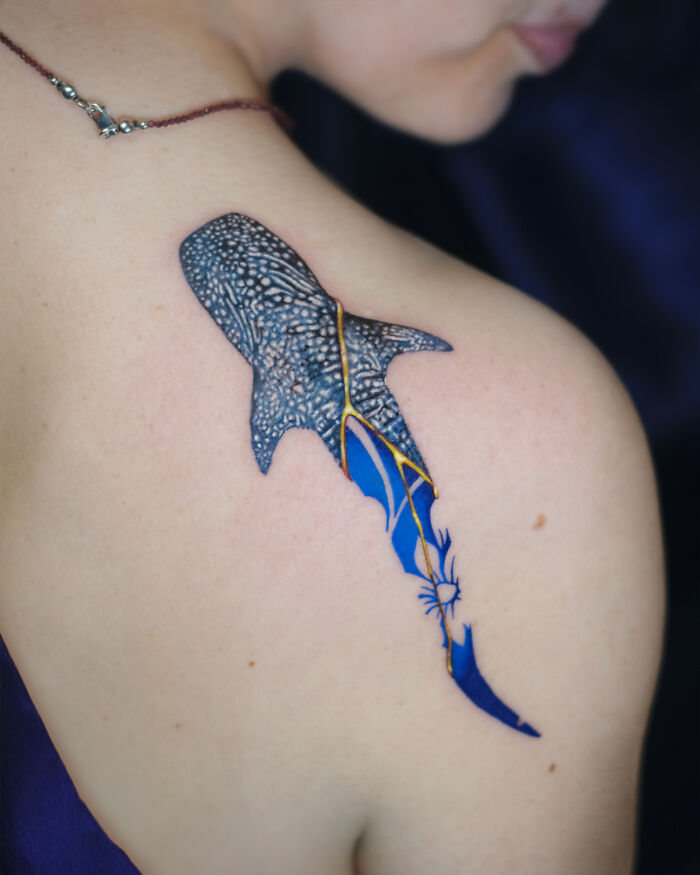
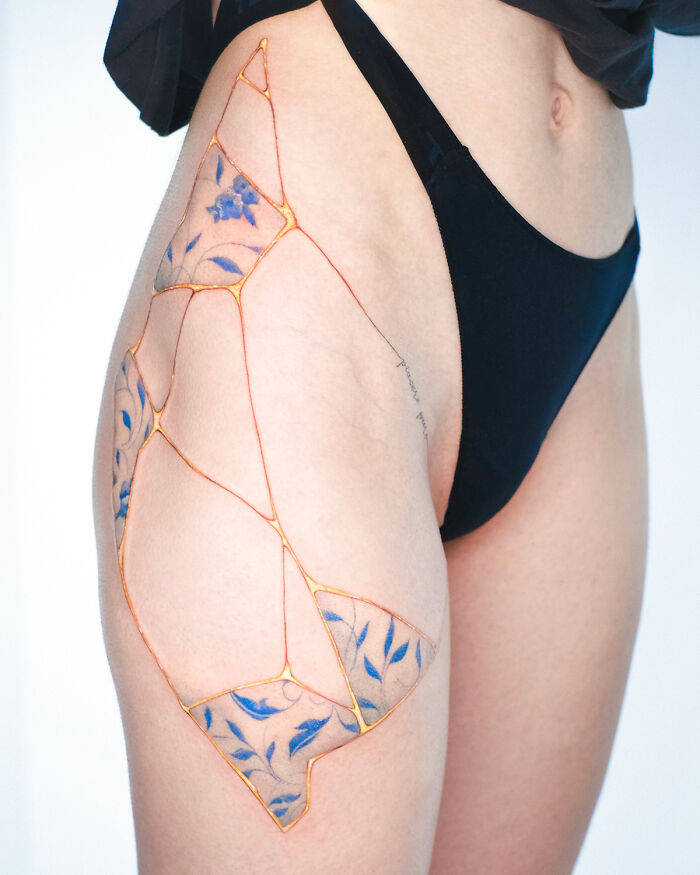
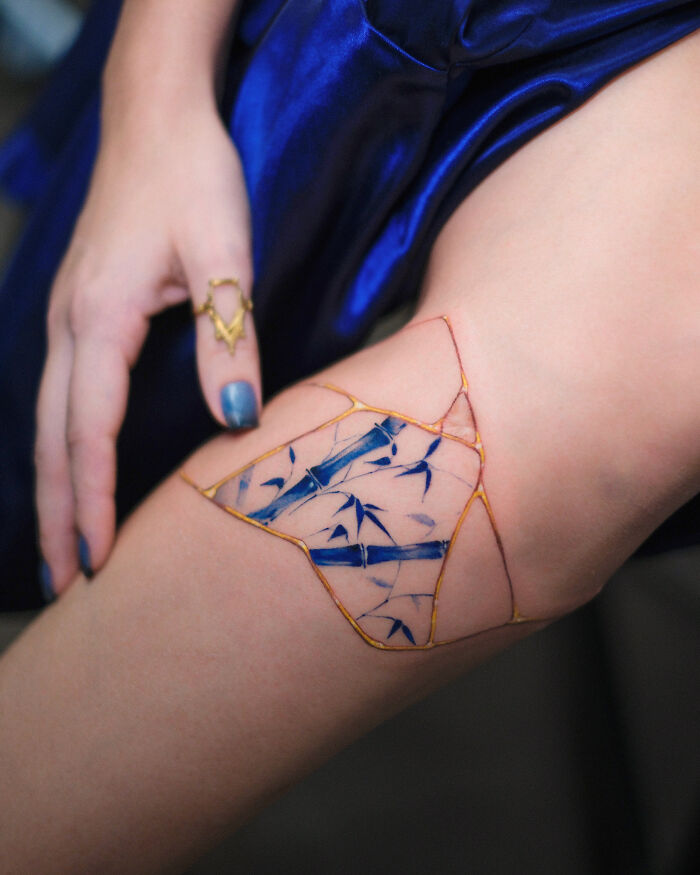
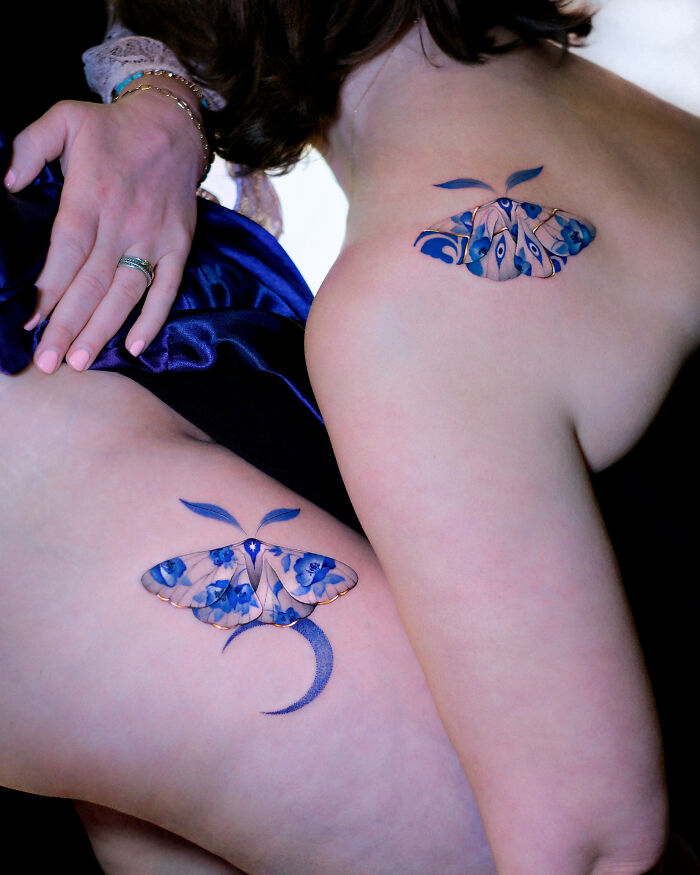
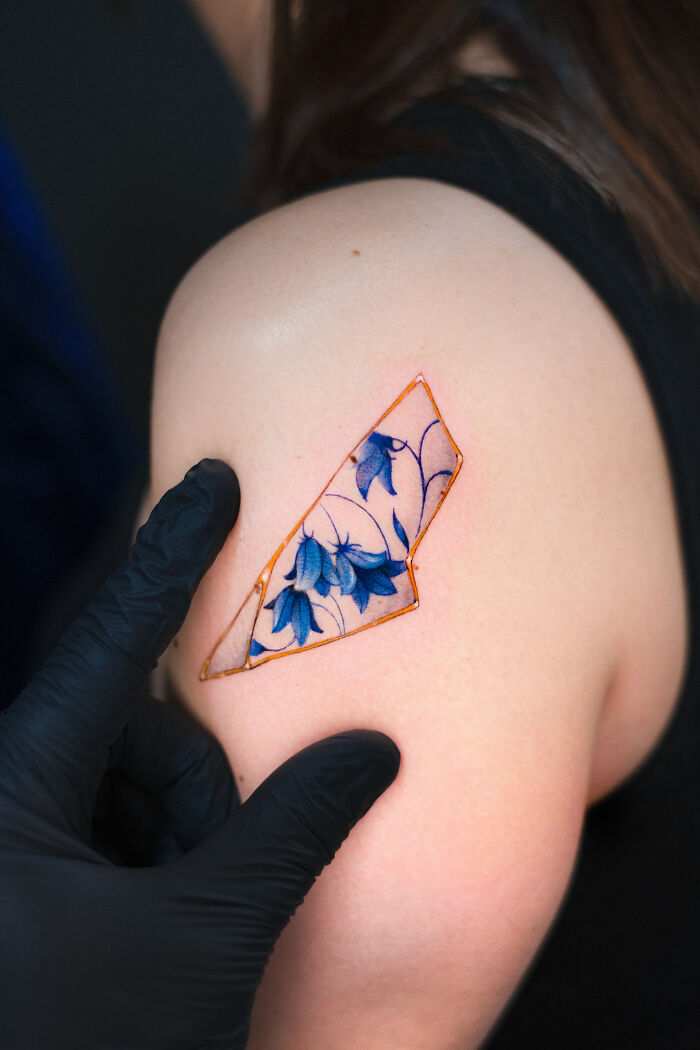
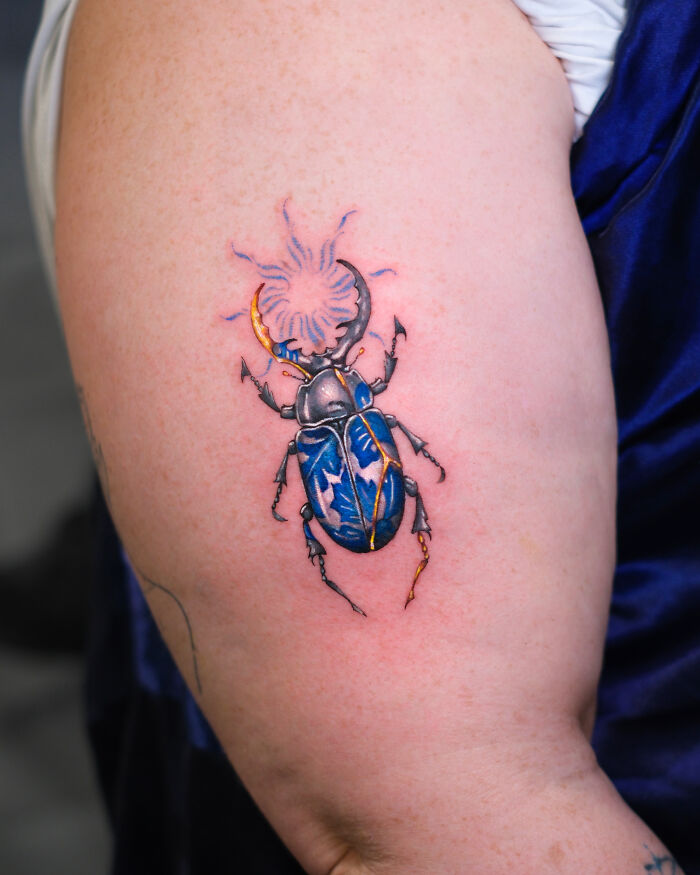
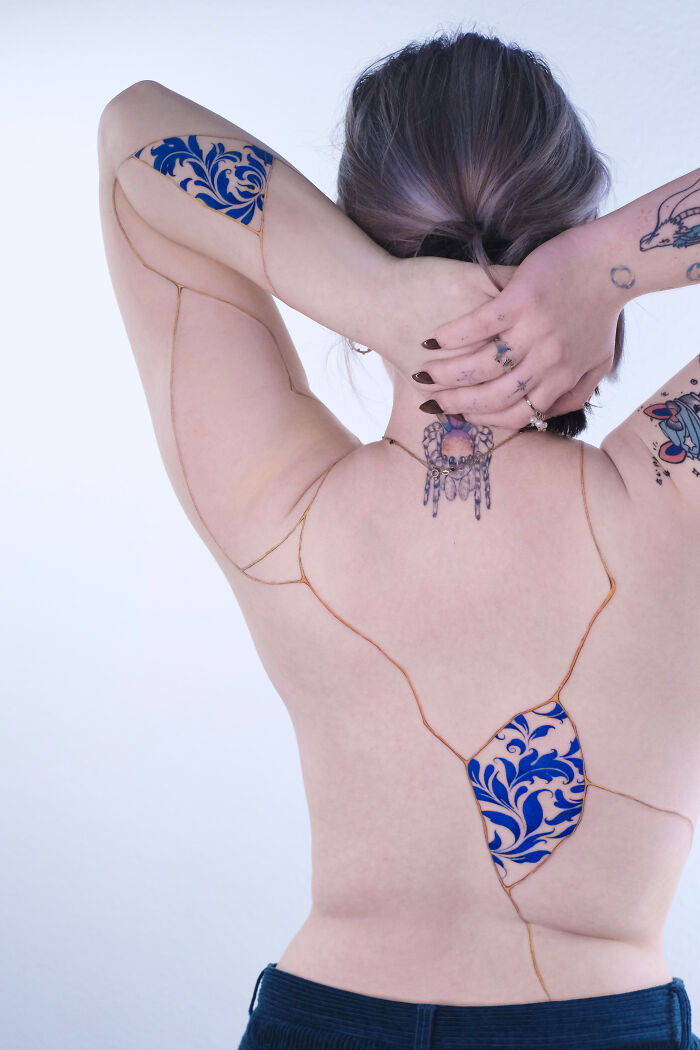
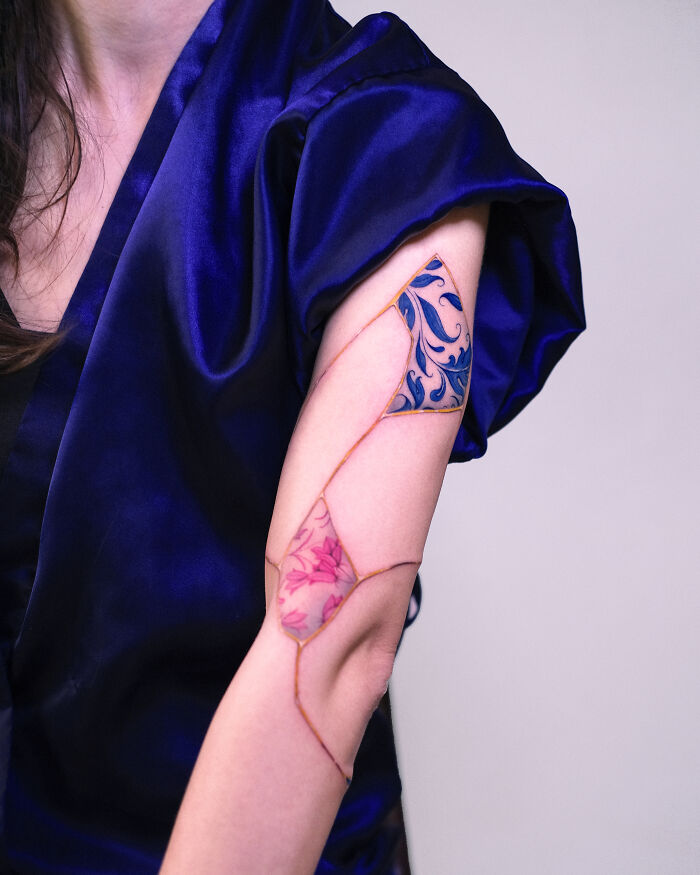
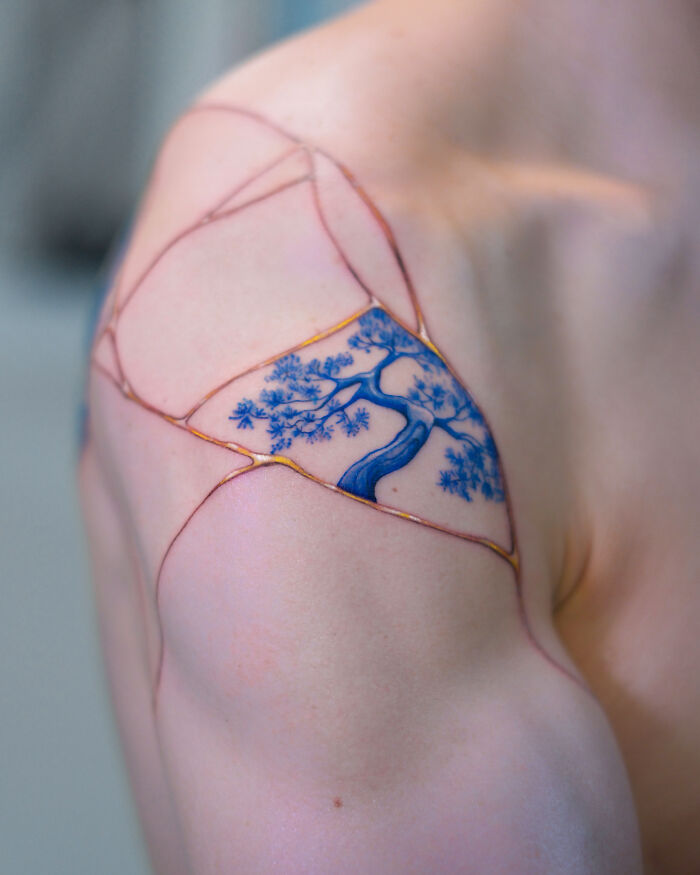
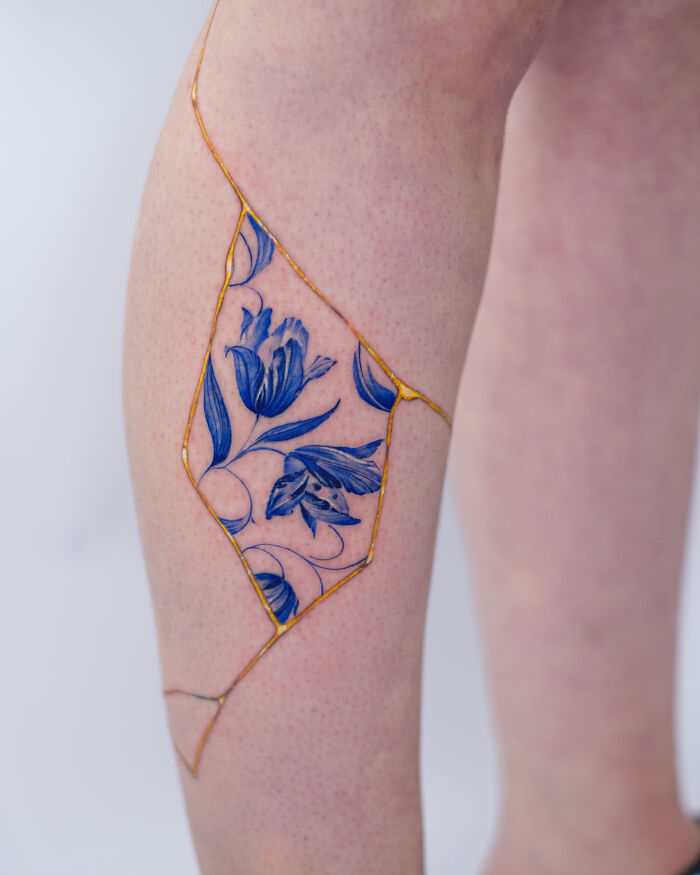
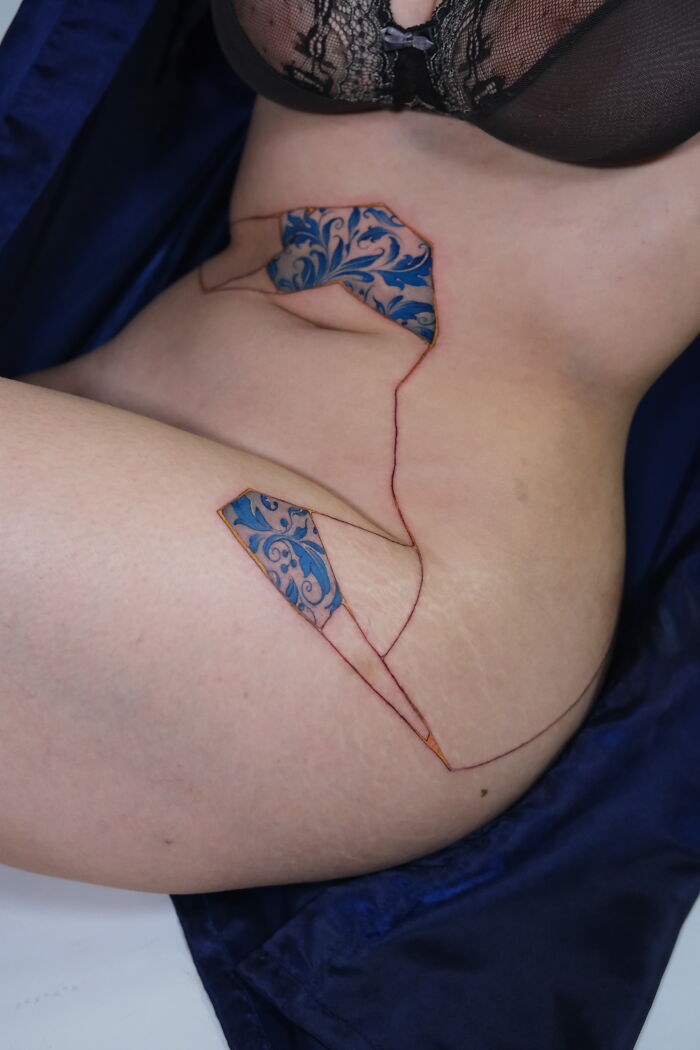
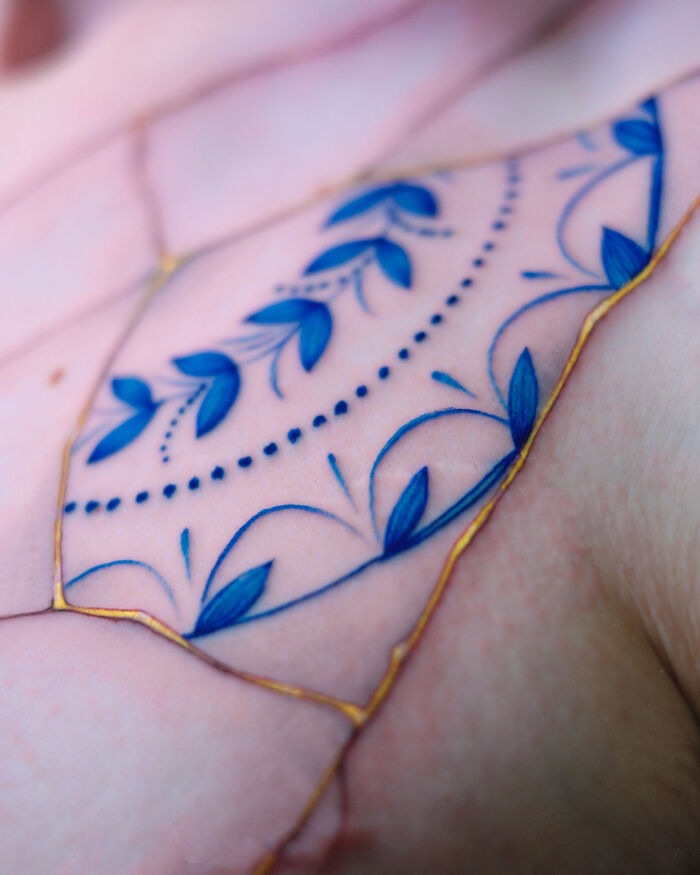
Antonio Sangre Blue, the artist behind 'Tatuaggi di Porcellana', approaches tattooing in an unusual way. His work, done almost entirely in cobalt blue, references the visual language of carefully hand-painted ceramics, with clean lines, balanced compositions, and a sense of quiet precision.
What anchors the work conceptually is its link to kintsugi, the Japanese practice of repairing broken ceramics in a way that makes the damage visible rather than concealed. Antonio translates that idea into tattoo form, using fracture-like lines not as an ornament, but as a framework. The result sits somewhere between fragility and permanence: skin treated as porcelain, and imperfection treated as part of the design rather than something to be corrected.
More info: tatuaggidiporcellana.com | Instagram | Facebook | tiktok.com
This post may include affiliate links.
Born in 1989 and raised around drawing and painting, Antonio was already immersed in creating long before he ever touched a tattoo machine. His training in goldsmithing shaped the way he approaches his work today - slow, precise, and attentive to detail. That sense of discipline still carries through in every line he creates. After moving to Rome in 2015 and beginning to tattoo in 2019, he launched 'Tatuaggi di Porcellana' just two years later, a project that would define his visual language and quietly resonate far beyond Italy, finding its way onto skin across cities like Paris, London, Berlin, and Los Angeles.
At the center of Antonio's work is a clear philosophy, one that moves beyond aesthetics. “Kintsugi taught me that a fracture is not the end of a story. It can also be the place where a new kind of beauty begins,” he explained in the interview with Bored Panda.
That idea runs through everything he creates. Tattoos here don’t attempt to hide damage, but instead acknowledge it as part of a person’s history. As Antonio puts it, “I’m interested in transforming what’s broken into something meaningful, something that can be worn with dignity.” In a culture often fixated on perfection, his work offers a quieter, more grounded perspective—one where healing doesn’t erase the past, but incorporates it into something new.

Surprised they are showing a nip, when they censor everything.







 No fees, cancel anytime