Get Premium
Dark mode theme is available exclusively for premium users. Learn more about the benefits of subscribing.
No fees, cancel anytime.

 Dark Mode Ad-Free Browsing Unlimited Content
 Ad-Free Browsing Unlimited Content Dark Mode
Join 1.2 million Panda readers who get the best art, memes, and fun stories every week!
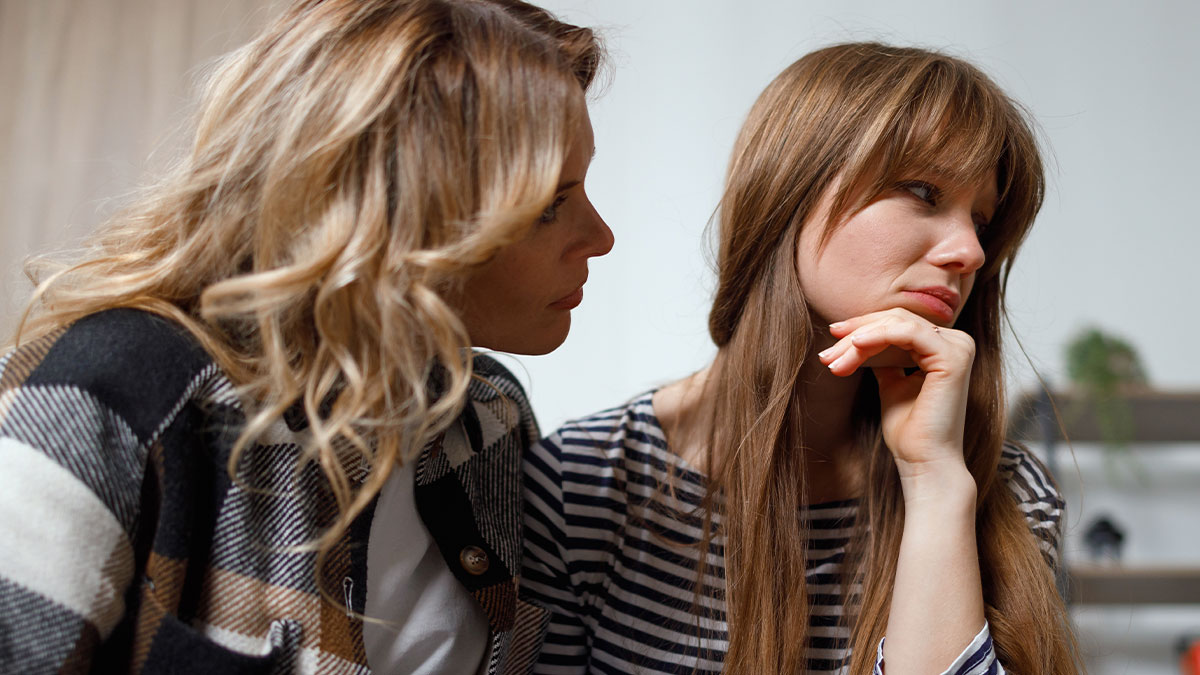
While adoption is a deeply meaningful step for many people, it isn’t always a clean handover. Family-based adoptions in particular can sometimes involve complicated boundaries and expectations.
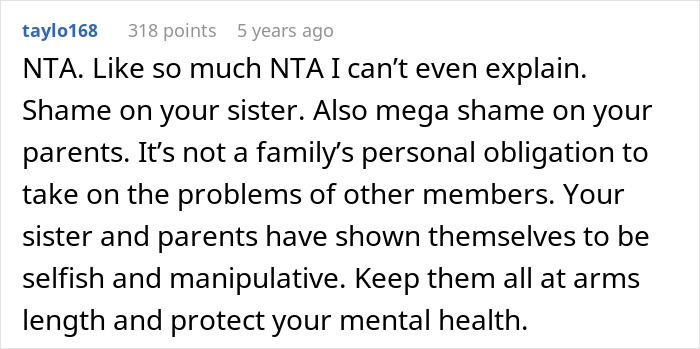
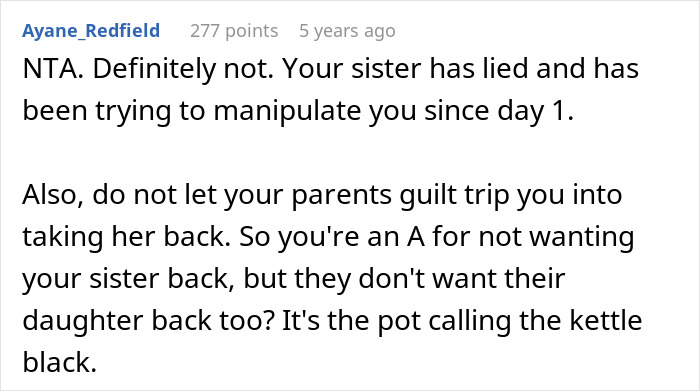
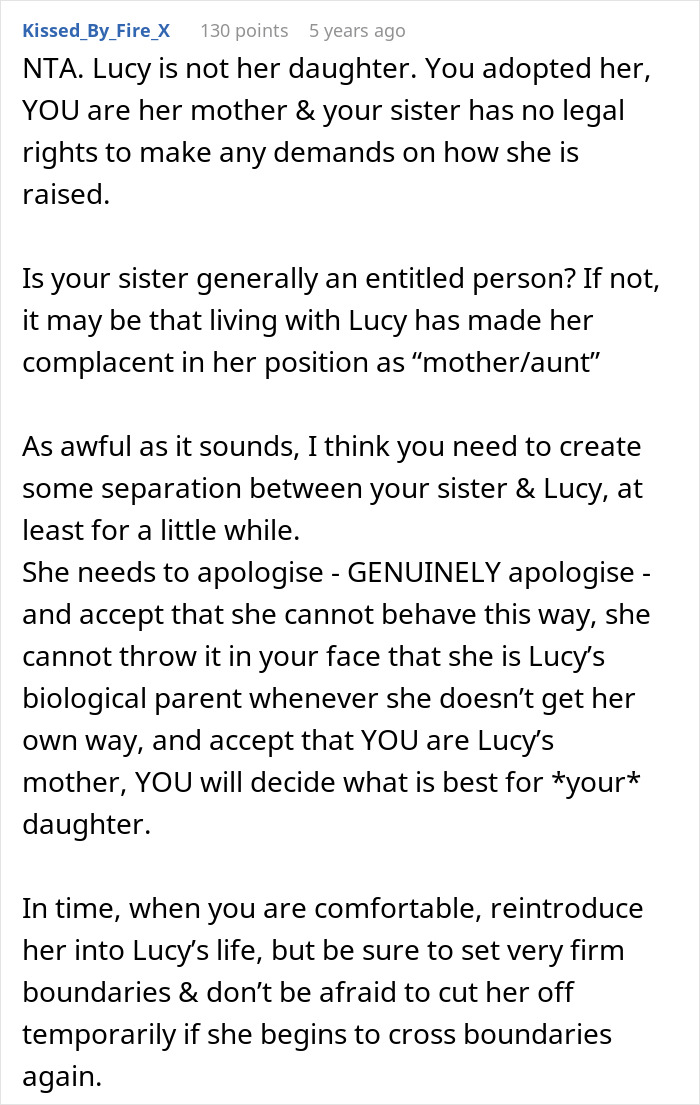
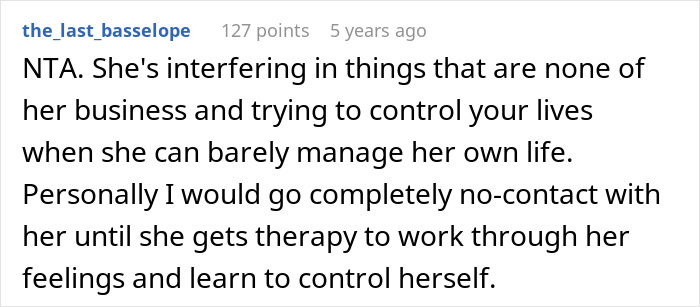
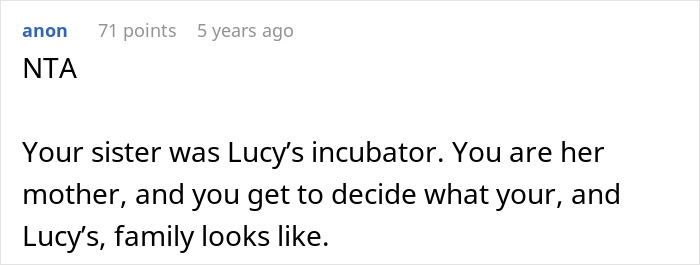
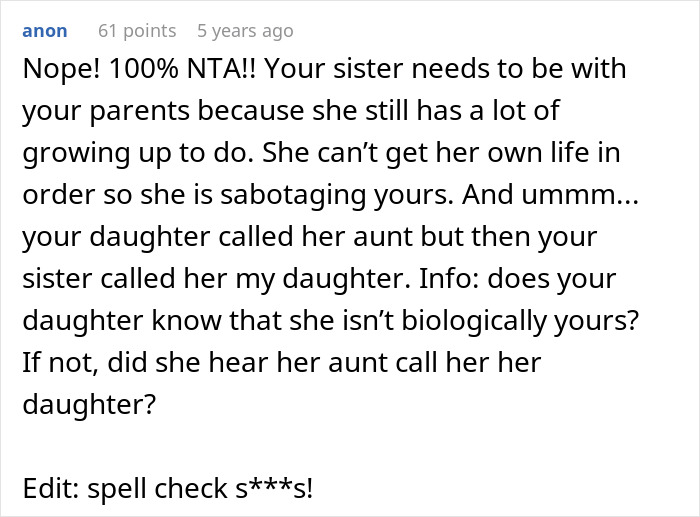
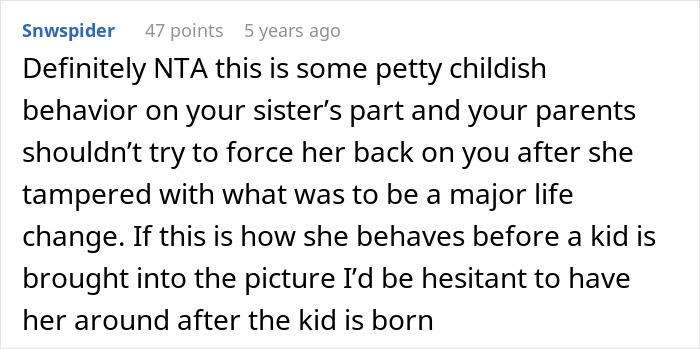
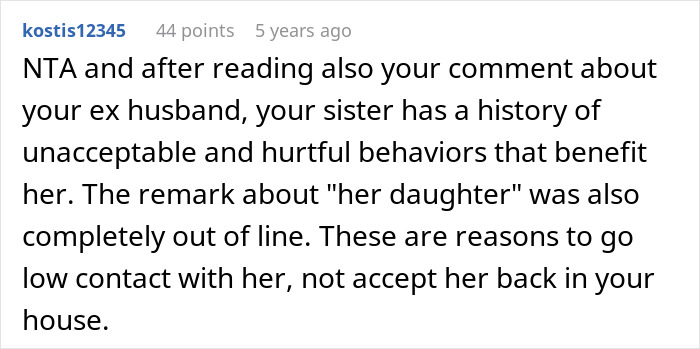
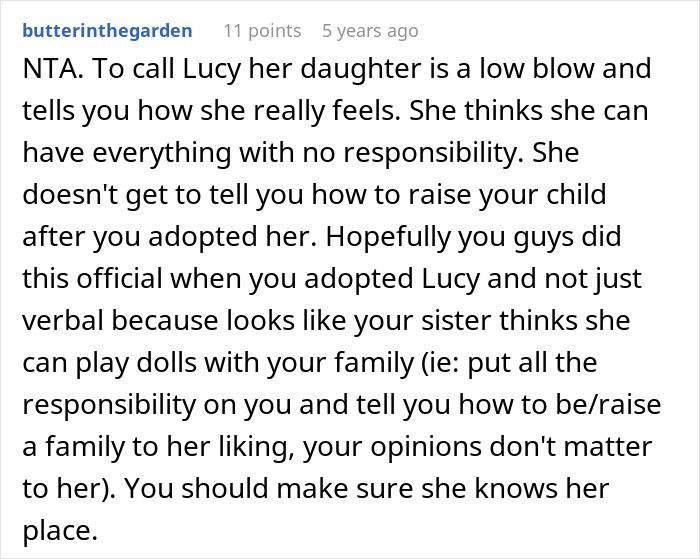
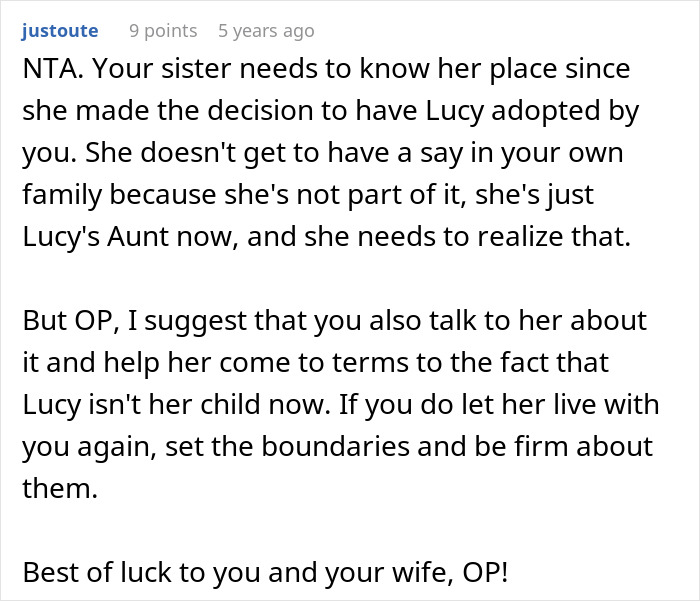
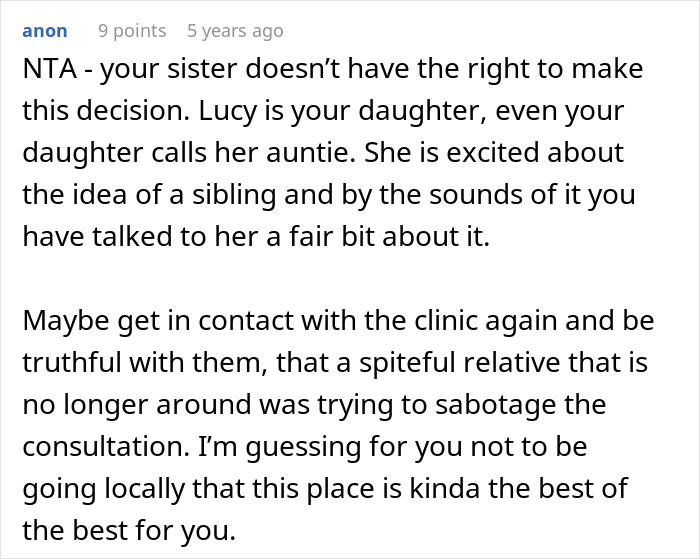
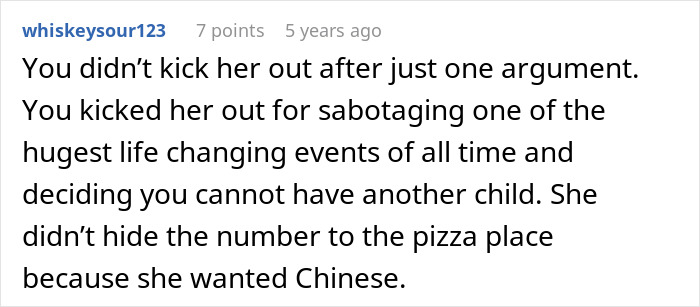
Take this Reddit story, for instance, where a woman shared that she adopted her sister’s child seven years ago. Everything was going smoothly until the woman decided to have another child.
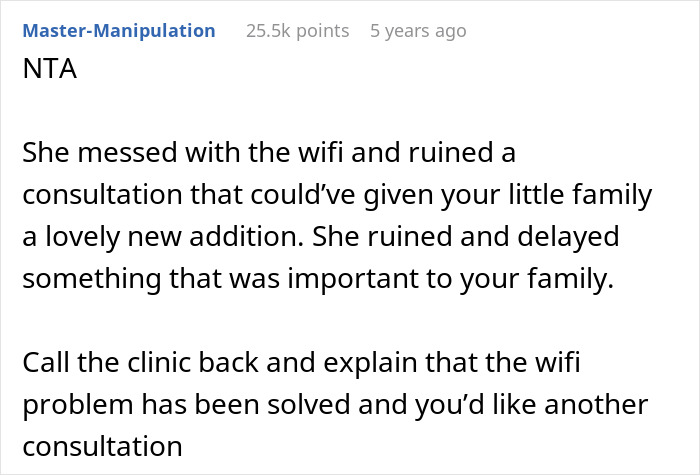
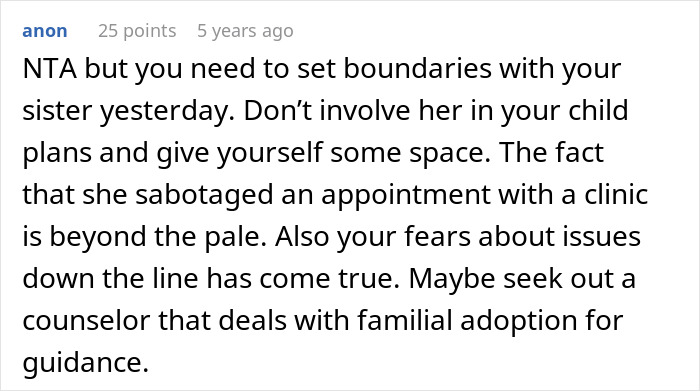
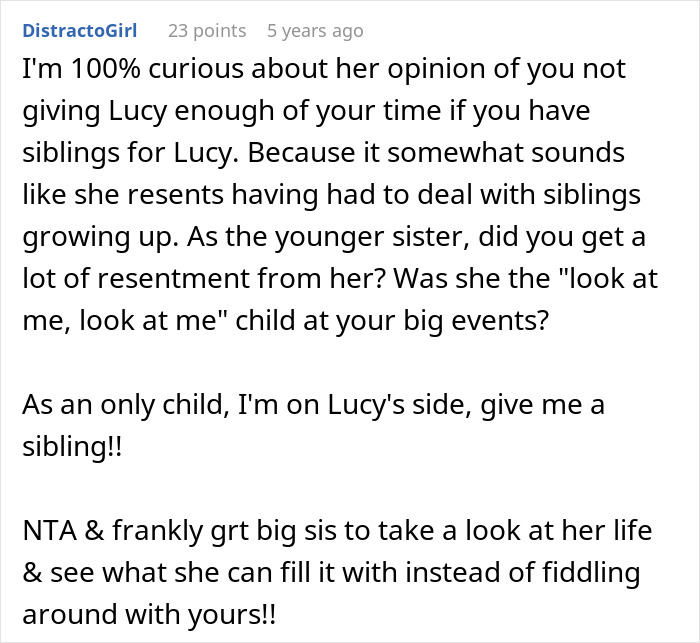
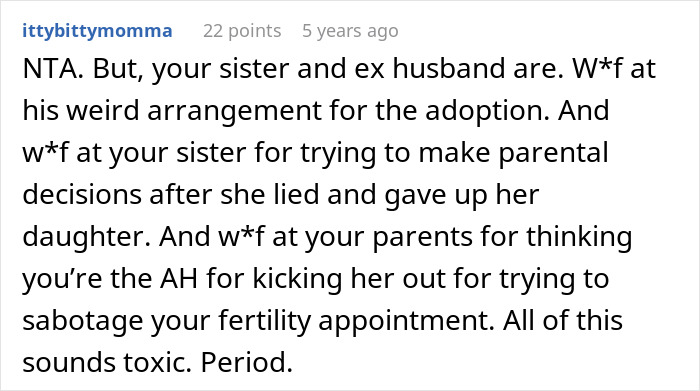
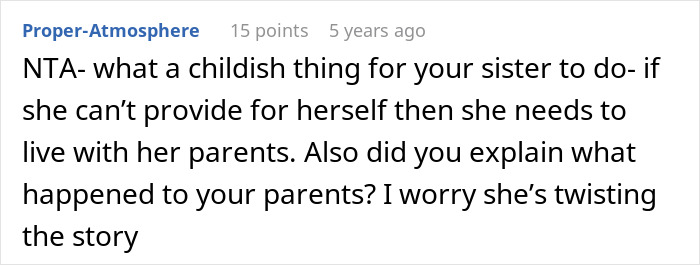
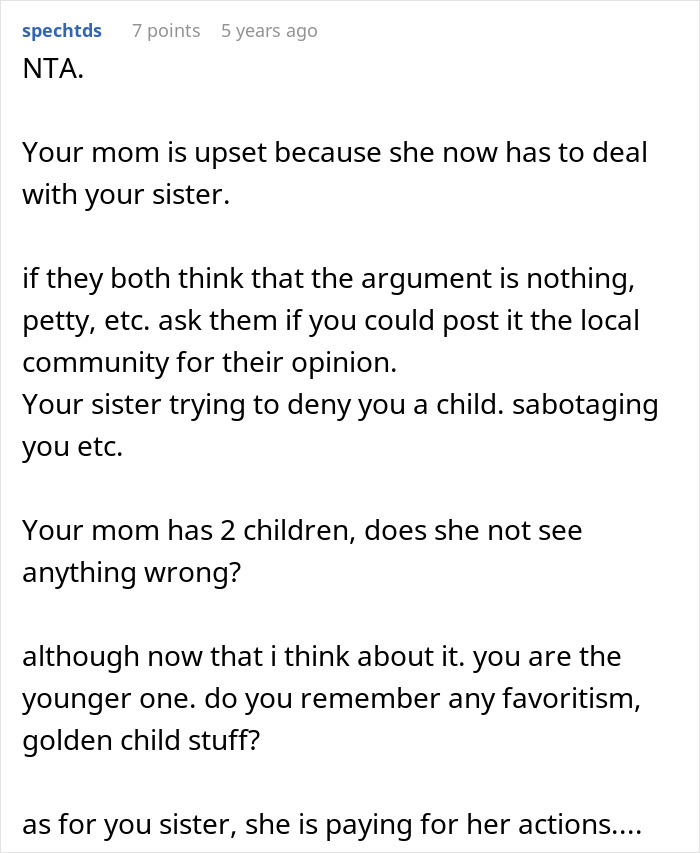
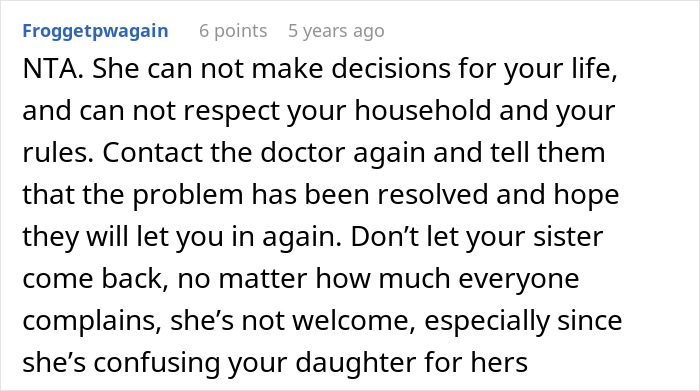
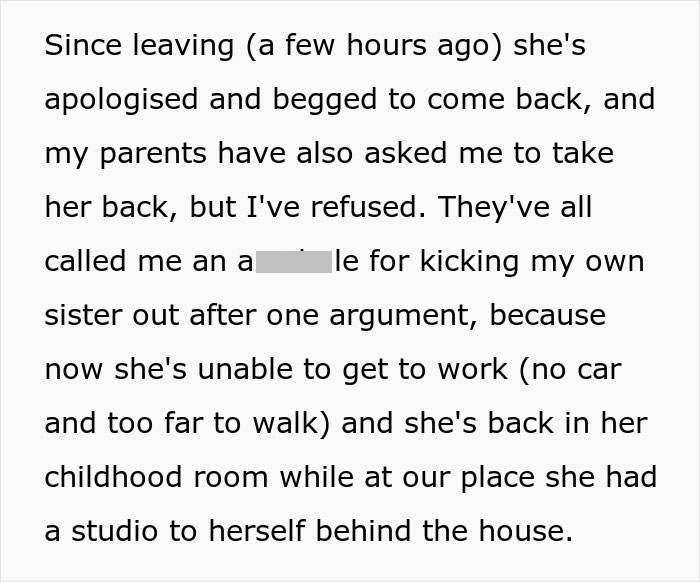
What followed was a major sabotage by the sister, including a disrupted fertility clinic meeting, a mysteriously misbehaving WiFi connection, and the innocent child caught in the middle of the family drama.
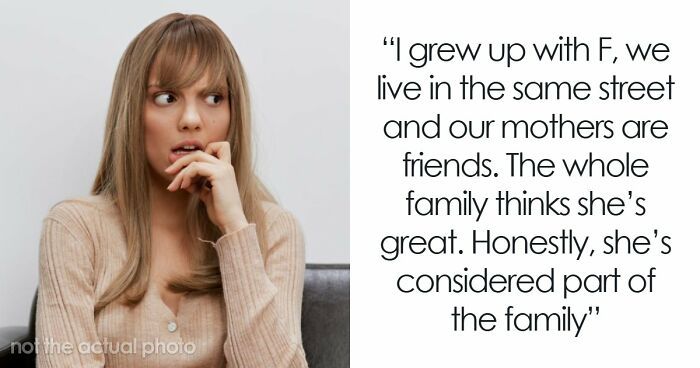
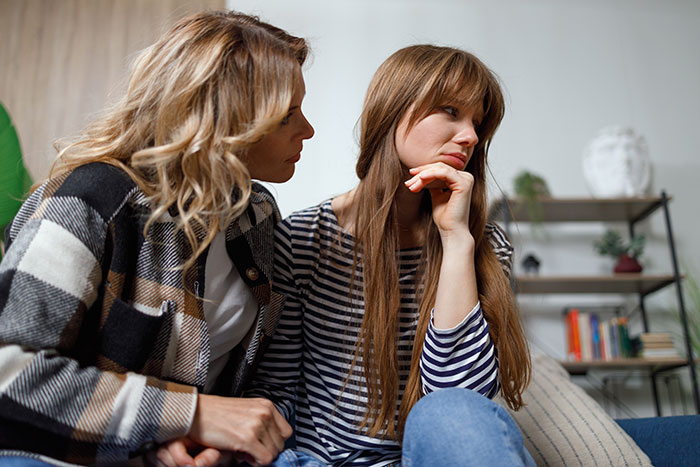
Image credits: borodai / Envato (not the actual photo)
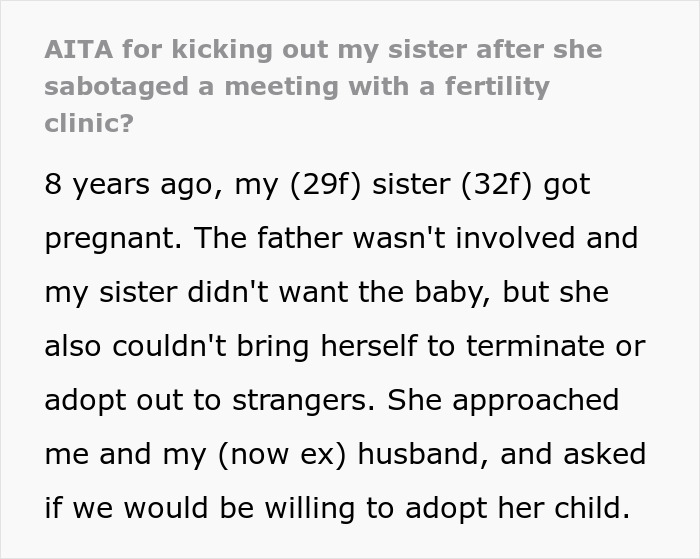
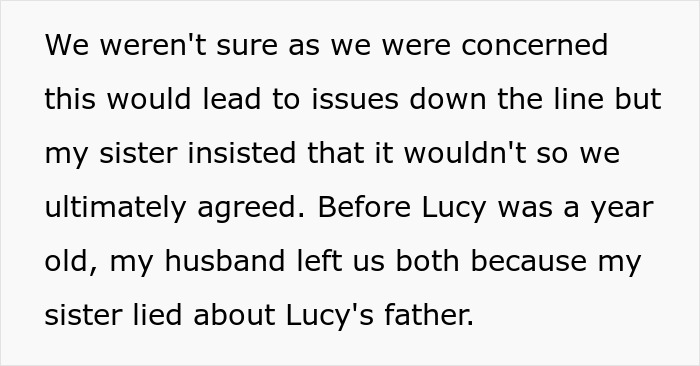
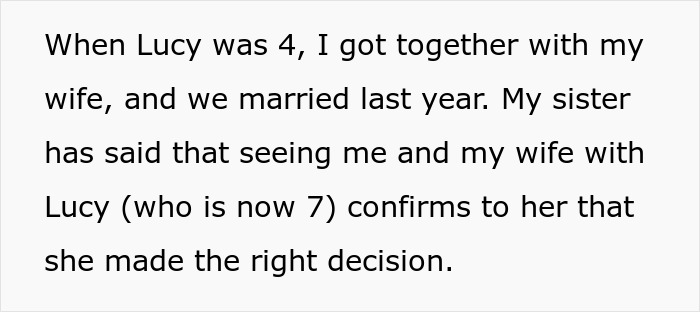
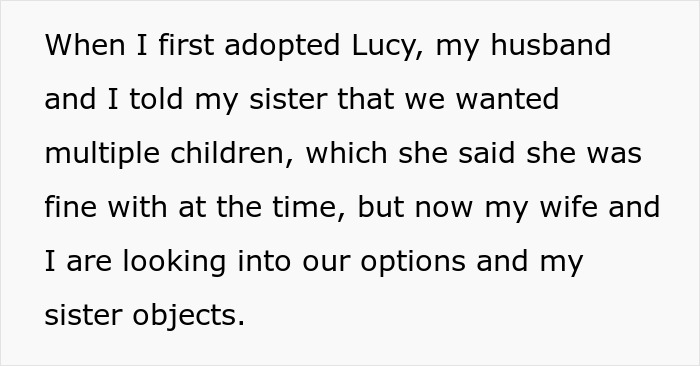

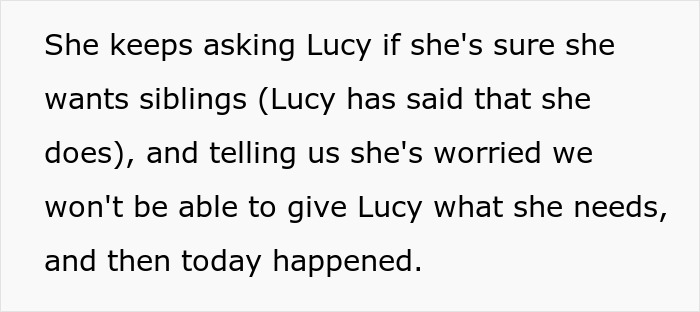
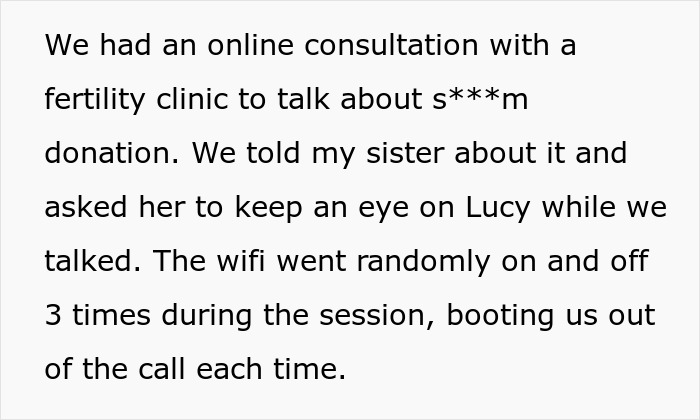

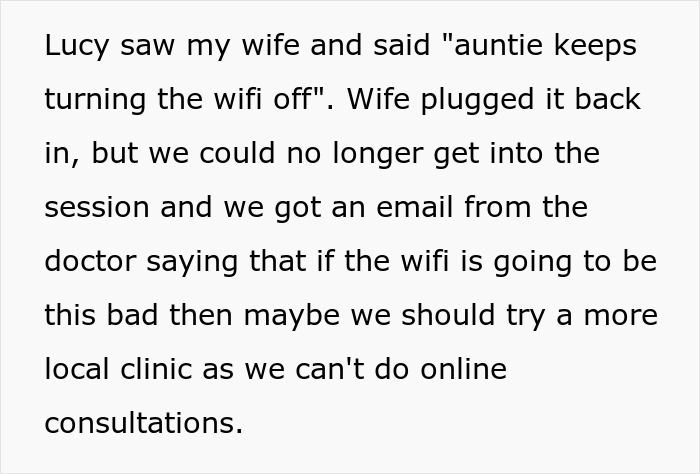
Image credits: Kelly Sikkema / Envato (not the actual photo)
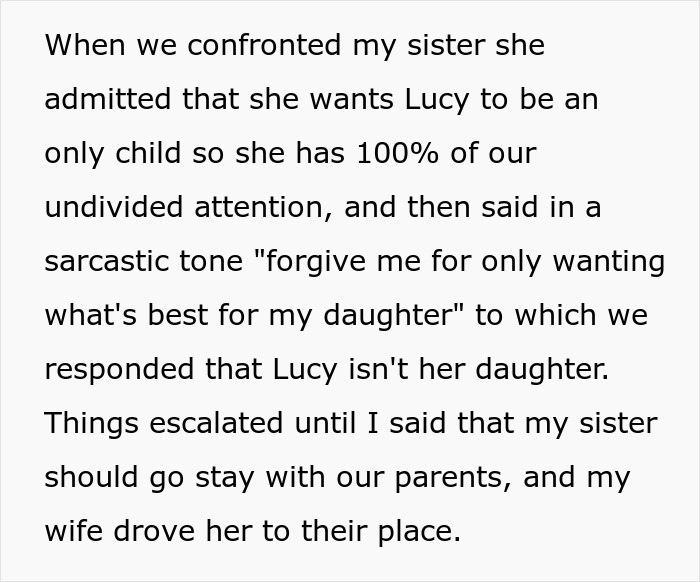

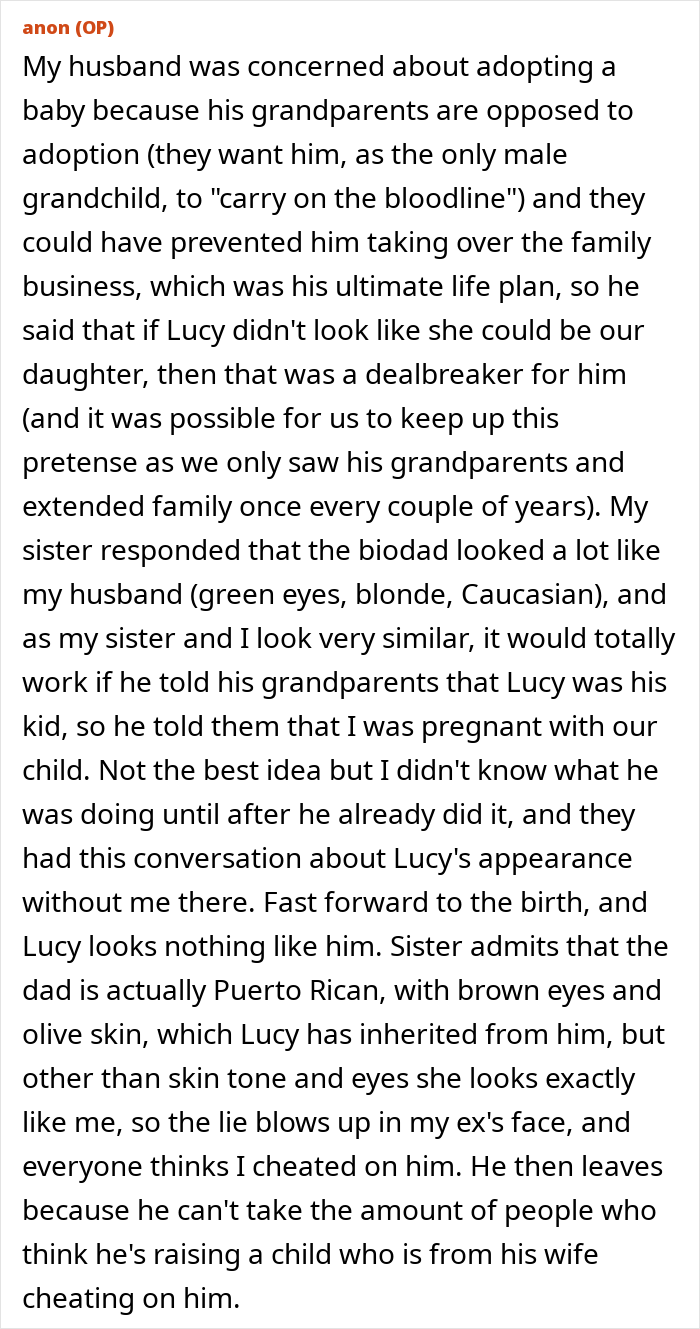
Image credits: anon
In a lot of countries, especially in earlier times when extended families lived close together or in the same household, kinship adoption wasn’t even seen as formal adoption in the way we know it now.
If a parent couldn’t raise a child due to financial issues, illness, relationship issues, or instability, the child would often just be raised by other family members.
Recent data from the US shows that at least about one-third (33%) of kids adopted from foster care were adopted by relatives or close family members. This number is even higher when you include children who are being raised by kin informally, without formal adoption paperwork.
Many kids are placed with grandparents, aunts, uncles, or other relatives first, and in a lot of cases, those arrangements later turn into adoption. But even when they don’t, kinship care still plays a major role in keeping children within their extended family network.
Research shows that knowing the birth family can actually be really good for adopted kids. Just understanding where they come from, their family history, and why their birth parents made the decision to place them for adoption can make a big difference.
“Positive child-and family-level outcomes associated with such placements include minimized trauma; improved child well-being and behavioral and mental health; maintenance of sibling relationships, especially for children with multiple siblings; and preserved cultural identity and community connections,” a study noted.
Kinship caregivers also often live close to the child’s birth parents, which makes it easier for kids to stay connected to their wider family and community.
Studies show that some level of contact, such as through letters, photos, or occasional visits, can actually benefit the child’s sense of identity. It can also reduce grief for birth parents, who often struggle with long-term loss when contact is cut off completely.
Some birth mothers who remained in contact with their child reported “significantly more satisfaction with their decision to relinquish.”
Adoptive parents who were okay with some contact also felt more confident and happy with the process.
“When we talk about openness and adoption, it’s truly a spectrum. You have some adoptions where, for instance, there are regular photos and letters or updates exchanged,” says author Nicole Chung, who has documented her experience growing up as a Korean American adoptee.
“But many of the birth parents I spoke with had extremely open adoptions, on sort of the other end of the spectrum. They had regular visits, and they would go on vacations with the adoptive family. They were like a regular presence in their children’s lives. So it really is a determination that’s made on a case-by-case basis. At the time of placement, what is the arrangement that the birth parents believe they want and that the adoptive families are comfortable with?” she adds.
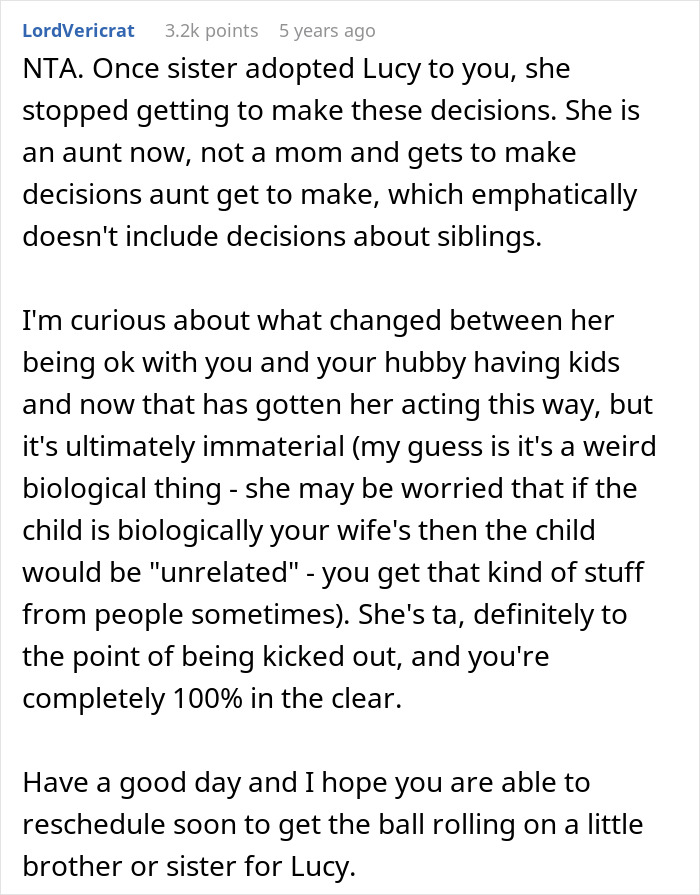
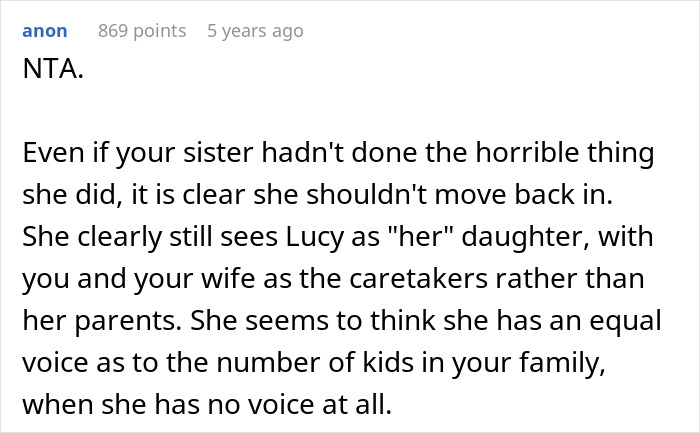
Legally, in most cases, an adopted child’s biological relatives cannot shape parenting decisions.
Once an adoption is finalized, the adoptive parents become the child’s legal parents. That means they make the decisions about schooling, healthcare, lifestyle, and yes, whether the child gets more siblings or not.
Of course, the birth parents must consent, and once rights are terminated, they no longer have legal decision-making authority. Some US states, however, provide a specific period during which they can revoke their consent for any reason.
A lot of birth parents who place a child for adoption within the family don’t experience it as a clean break. Even when they agree to adoption, the emotional reality can closely follow behind the legal one.
Experts describe it as something called “ambiguous loss.” It’s where someone is physically absent from your daily life, but still emotionally present. That can create lingering attachment, guilt, or a sense of responsibility that doesn’t fully go away.
So even years later, a birth parent might feel like they still have a voice in the child’s life. It’s more likely if the child is being raised by someone they know closely, like a sibling.
And in some cases, they can become quite controlling and manipulative. Especially if boundaries were never clearly defined from the start.
Studies show that what matters most isn’t just who is raising the child, but how stable and emotionally predictable the environment feels.
When kids are exposed to ongoing tension between adults who all feel entitled to the child in different ways, it can create chronic stress over time. A large review on foster care stability found that repeated conflict or placement uncertainty is linked with higher chances of anxiety, behavioral issues, poor academic performance, and attachment difficulties for the kids.
Even well-meaning ongoing involvement from birth relatives can sometimes become overwhelming if it isn’t clearly structured. It’s because children may feel pulled between two families instead of feeling secure in one stable base.
There are some tried and tested ways to navigate these situations, though.
Some parents send occasional letters or photo updates. Some do yearly meetups. Some involve mediators to set boundaries. Others keep contact minimal but respectful.
There isn’t one correct model… it’s more like trial and error, based on what keeps the child emotionally secure without turning the situation into a power struggle.
At the end of the day, adoption works best when everyone involved understands one thing clearly — the child’s mental and physical stability should be the main priority in the whole situation, before anything else.












By entering your email and clicking Subscribe, you're agreeing to let us send you customized marketing messages about us and our advertising partners. You are also agreeing to our Privacy Policy.
Thank you! You've successfully subscribed to newsletters!

And on things that didnt happen.... Basically the ex husband is the nieces dad and now mom is a lesbian and forgave her sister who cheated on her with her ex husband?!? 🙄

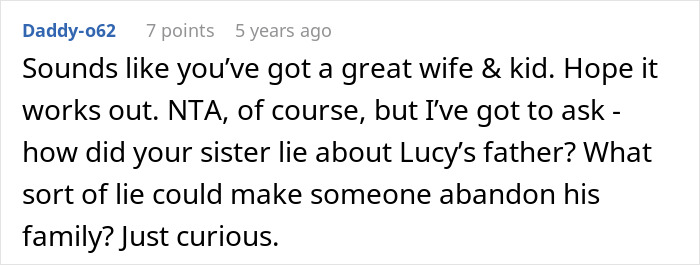
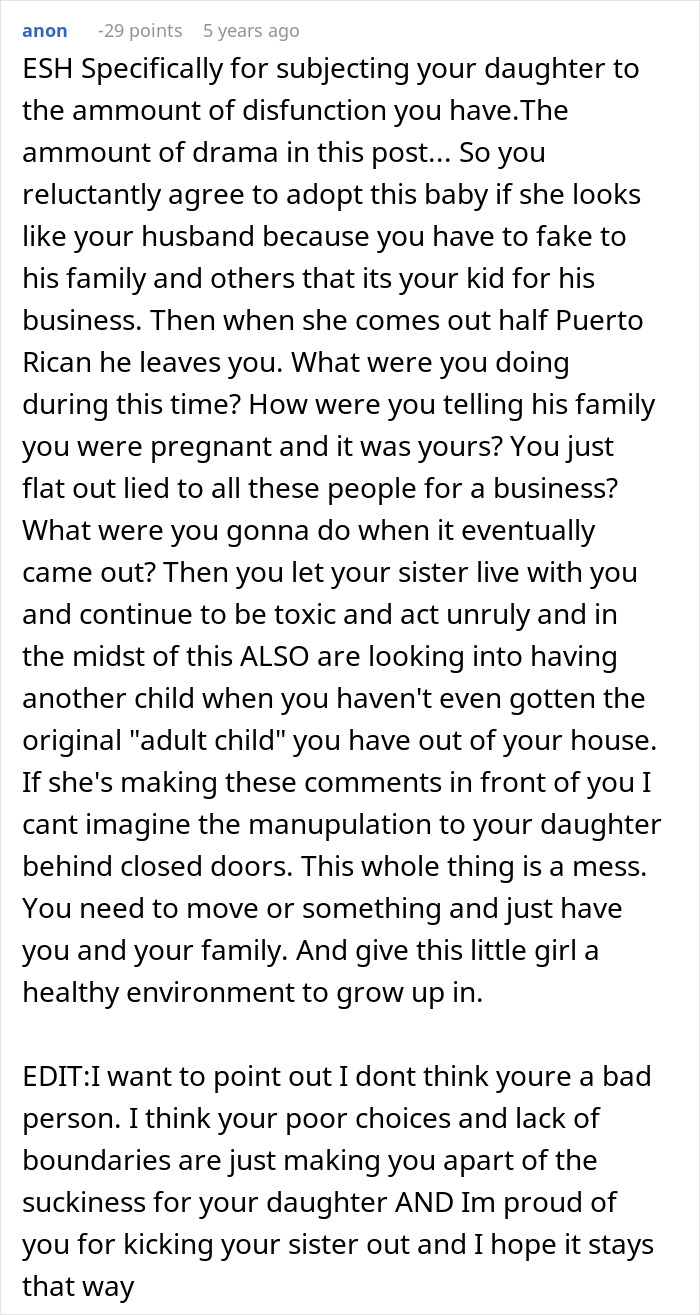
I know where you got that idea from that the ex husband was the father. There's this line "my husband left us both because my sister lied about Lucy's father." That also struck me as odd, and not only me, but also somebody over on reddit, so they asked why the identity of Lucy's father would cause OP's husband to leave. OP explained that the husband's family is against adoption, so he wanted to pass off Lucy as his bio child. The sister said the father was a white guy with green eyes and blonde hair, but he's actually Puerto Rican with brown hair and eyes, and that's what Lucy got. So his family assumed OP cheated on him and he's so weak he couldn't just come clean to his family, instead he left his wife and adopted child. Honestly, good riddance, I wouldn't want to be tied to such a spineless nepo baby. It's the first piece of text after the initial post on here. BoredPanda actually provided the explanation.
Load More Replies... And on things that didnt happen.... Basically the ex husband is the nieces dad and now mom is a lesbian and forgave her sister who cheated on her with her ex husband?!? 🙄
I know where you got that idea from that the ex husband was the father. There's this line "my husband left us both because my sister lied about Lucy's father." That also struck me as odd, and not only me, but also somebody over on reddit, so they asked why the identity of Lucy's father would cause OP's husband to leave. OP explained that the husband's family is against adoption, so he wanted to pass off Lucy as his bio child. The sister said the father was a white guy with green eyes and blonde hair, but he's actually Puerto Rican with brown hair and eyes, and that's what Lucy got. So his family assumed OP cheated on him and he's so weak he couldn't just come clean to his family, instead he left his wife and adopted child. Honestly, good riddance, I wouldn't want to be tied to such a spineless nepo baby. It's the first piece of text after the initial post on here. BoredPanda actually provided the explanation.
Load More Replies...



















 No fees, cancel anytime






31
2