Get Premium
Dark mode theme is available exclusively for premium users. Learn more about the benefits of subscribing.
No fees, cancel anytime.

 Dark Mode Ad-Free Browsing Unlimited Content
 Ad-Free Browsing Unlimited Content Dark Mode
Join 1.2 million Panda readers who get the best art, memes, and fun stories every week!
13submissions
1week left

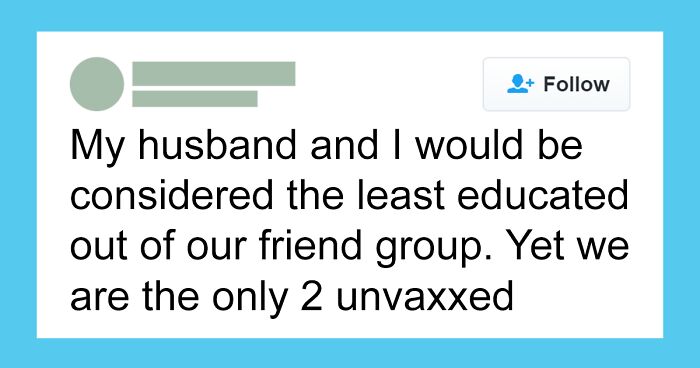
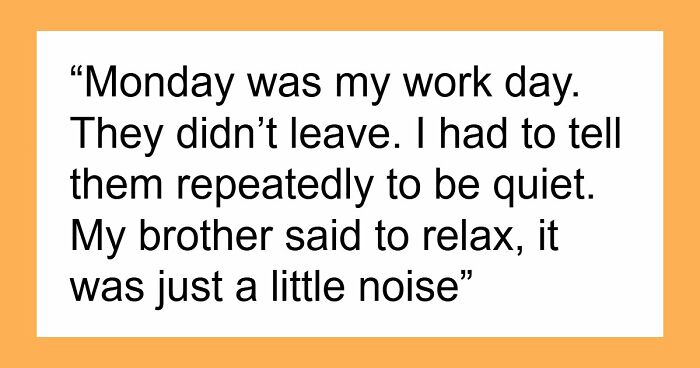
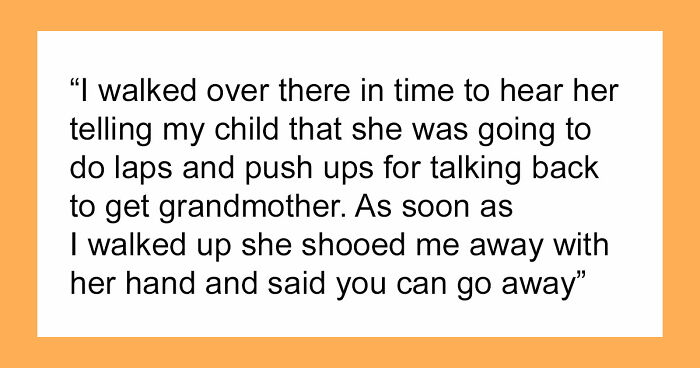
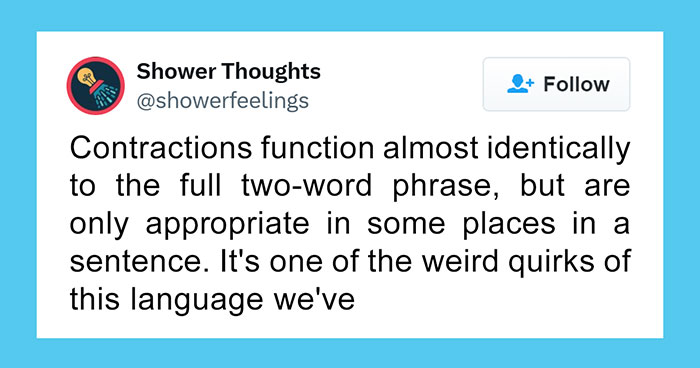
Internet detectives are never asleep and will continue to expose people sharing what they thought applied to others, yet in reality, unknowingly described themselves. Whether the subject matter touches on politics, human rights, or any topic in between, these posts haven’t gone unnoticed and were shared on the subreddit r/SelfAwarewolves.
Today, we have collected examples of people confidently sharing their thoughts, only to be humbled by the users in this online community. Or worse, stay ignorant of their mistakes. Either way, let us know your opinions on these claims and which ones made your eyes roll the most.
To learn more about self-awareness, Bored Panda reached out to Dr. Kinga Mnich, a social psychologist, who kindly answered our questions. Read the full interview below.
Click here & follow us for more lists, facts, and stories.
This post may include affiliate links.
Nowadays, there are more self-aware people than ever before, making it easier to spot those who are clueless. Dr. Kinga Mnich has shared her thoughts on the significance of self-awareness.
“Self-awareness is a central concept in social psychology, referring to the ability to recognize and understand one's thoughts, emotions, and behaviors. Self-awareness involves reflecting on one's motivations, beliefs, and values, and being mindful of how one's actions may affect oneself and others. This is especially important in the context of online interactions, where the dynamics of virtual communication are quite different from face-to-face conversations. The lack of self-awareness in online interactions often enables people to bluntly attack others without being aware of the consequences. Sometimes content can be internalized as one's own belief system due to exposure without reflection.”
Now, knowing that we cannot evolve further as people in life without at least a bit of self-awareness, we asked how people can develop and maintain mindfulness. Dr. Kinga Mnich replied: “Self-awareness is about understanding oneself, one’s strengths, weaknesses, and motivations. It involves looking inward to understand better how you can improve yourself and your relationships with others. The easiest way to start becoming self-aware is by taking more breaks before responding to something and asking yourself questions such as: Why am I thinking this? Am I really feeling this? What am I feeling? How is this connected to my values and beliefs?”
Also, to learn more about the differences between self-awareness and narcissism, feel free to read Dr. Kinga Mnich’s blog post.
It can be funny, sad, or even infuriating to see people so unaware of their actions that they manage to project on other people. Dr. Kinga Mnich sheds light on the causes behind such behavior.
“There are several psychological mechanisms and biases that cause people to unconsciously project their own traits or behaviors onto others while remaining unaware of their own actions. One such mechanism is projection bias, where individuals attribute their own thoughts, feelings, or motives to others without realizing it. This happens because people tend to assume that others think and feel the same way they do. Unfortunately, this bias can also lead to intolerance and discrimination because personal thoughts and beliefs are being understood as the only reality and truth.
Another contributing factor is cognitive dissonance, which occurs when individuals feel uneasy due to holding conflicting beliefs or attitudes. To reduce this discomfort, they may project their own undesirable traits onto others to maintain a sense of consistency in their self-image.”
And lastly, Dr. Kinga Mnich shared how the phenomenon of being "called out" or "exposed" for lacking self-awareness influences people's behavior or attitudes toward self-reflection: “It can go either way. It can lead to a moment of awakening and desire to learn more about themselves. Or it can increase the subsequent behavior because someone feels shamed and pressured.”



































 No fees, cancel anytime