Get Premium
Dark mode theme is available exclusively for premium users. Learn more about the benefits of subscribing.
No fees, cancel anytime.

 Dark Mode Ad-Free Browsing Unlimited Content
 Ad-Free Browsing Unlimited Content Dark Mode
Join 1.2 million Panda readers who get the best art, memes, and fun stories every week!
22submissions
Finished

People say that one little compliment can go a long way. Often, we forget that a genuine and kind remark towards another human being can greatly impact their day. In fact, it can even completely change the way a person sees themselves.
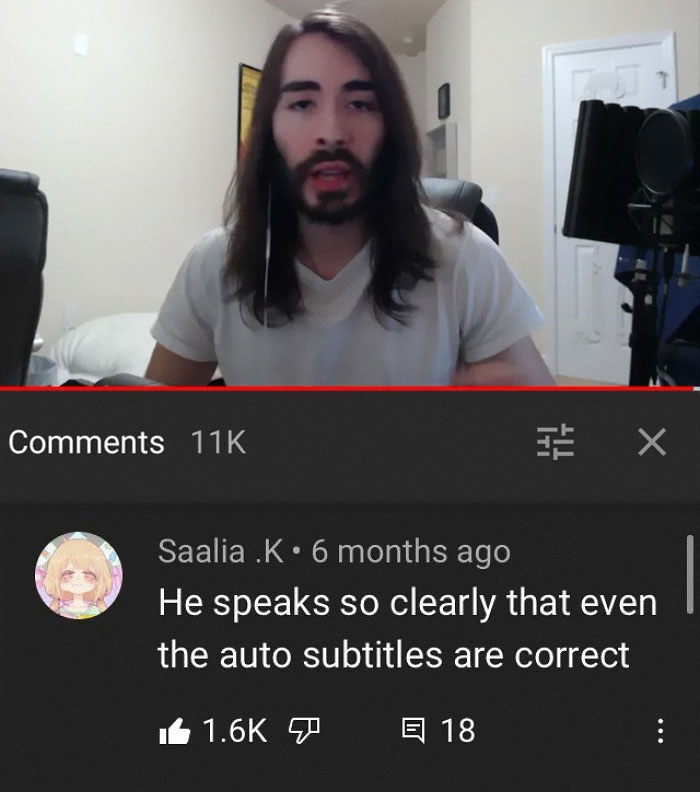
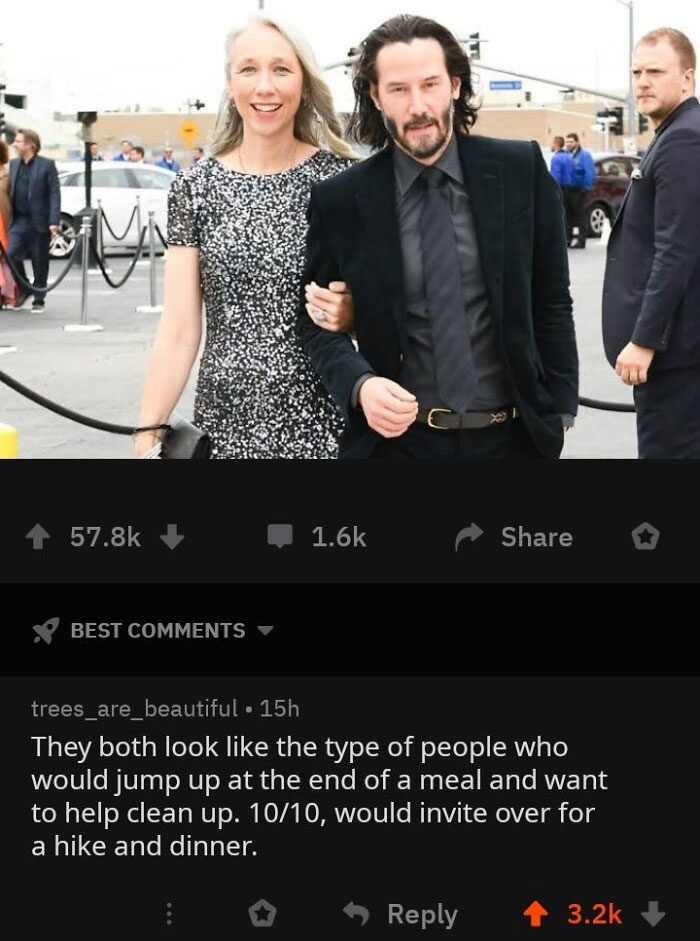
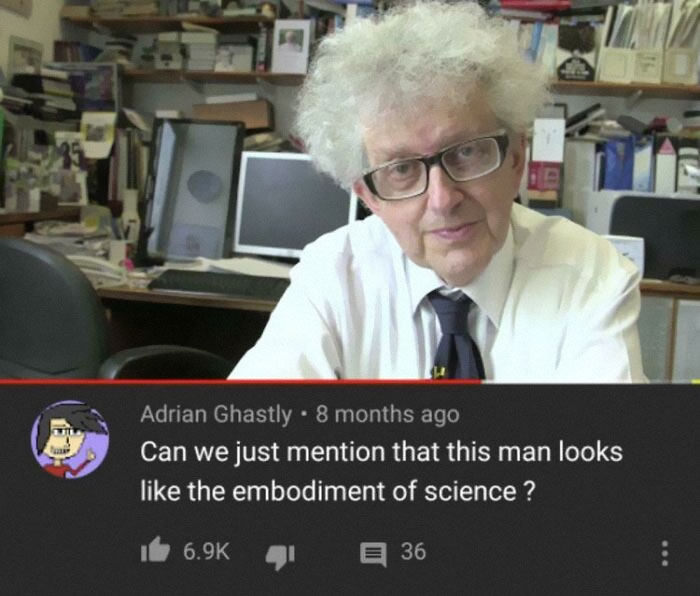
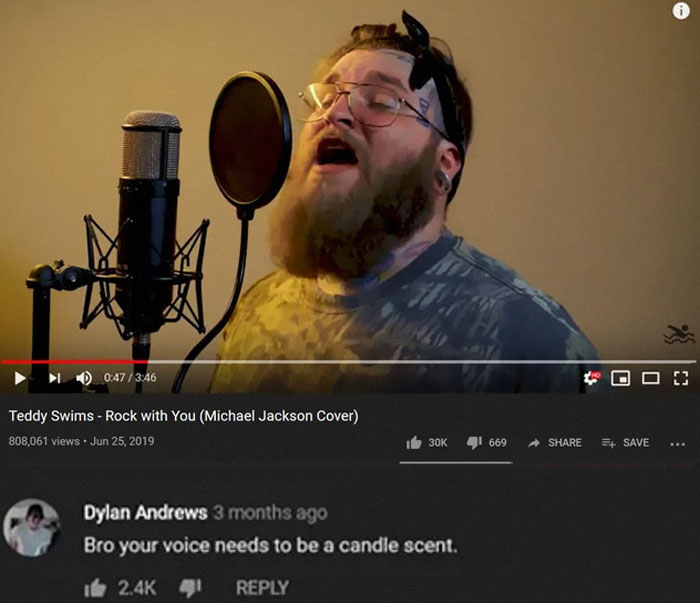
The subreddit Rare Compliments is here to remind you of that. This online community is dedicated to sharing the sweetest and wittiest compliments found online. Whether it’s admiring someone’s voice, general appearance, or skills, these are some very pleasant moments in our otherwise often bitter world.
We have collected some of the best images posted by the community, so continue scrolling and upvote the ones that made you smile the most!
Discover more in 'Rare Compliments': 30 Times People Saw A Compliment So Unique, They Just Had To Share It Online
Click here & follow us for more lists, facts, and stories.
This post may include affiliate links.
Bored Panda reached out to Xuan Zhao, a research scientist at Stanford University’s SPARQ (Social Psychological Answers to Real-World Questions), to learn more about compliments and the impact they create.
When asked why does it feel great to receive praise from others, Zhao told us that there can be multiple reasons: "According to self-verification theory, it feels nice to be seen and be appreciated for who you are, especially when other people see you the way you want to be seen."
She said that in terms of interpersonal relationships, we have a fundamental need for relatedness: "Signs of others’ positive regard, appreciation, or warmth … create strong positive emotions, just as satisfying as other biological needs." And it feels especially nice when the compliment comes from a relationship that is important or meaningful to you.
"From the perspective of information exchange, other people’s positive feedback (if that’s the content of the compliment) can also enhance one’s sense of competency," the behavioral scientist continued.
Xuan Zhao’s and her colleagues’ surveys have consistently shown that people self-reported not giving compliments as often as they should or would like: "In a series of experiments, we also found that people underestimate the positive impact of their compliments on the recipient."
"Finally, we have also found that giving compliments tend to make compliment-givers feel good afterwards, too. So yes, for most of us, we can probably benefit from giving compliments more often when nice thoughts occur to us."
While there are "good" compliments, there are also the ones you should stop giving. Zhao said that the former ones "can take different forms and are usually specific to relationships and contexts, but they are first and foremost warm and sincere."
"Even though sometimes people feel a bit awkward to put their nice thoughts into words, as long as the compliments come from a sincere (not judgmental or condescending) place, I think the recipient will be able to tell and will appreciate them."
Then there are remarks that can come off in the wrong way or can be just plain insulting: "One is back-handed compliments ('Your work is surprisingly good' or 'You speak well for an intern'), which sound condescending because they pretend to express warmth but really is more intended to reinforce the compliment-giver’s high status (e.g., 'I know better than you')."
Zhao mentioned that another type that is often received poorly is "compliments grounded in or reinforcing stereotypes." And talking specifically about the workplace, "we also know you need to be careful when commenting on a colleague's appearance, especially when it is the quality of work that matters rather than how one looks—as I mentioned, whether a compliment is good or bad really depends on relationship and context, i.e., who says it and how they say it."
The behavioral scientist added that it is important to think that you shouldn’t see giving praise as a transaction and expect others to pay it back. "Giving a compliment is like giving a small gift to another person with no strings attached—it’s an act of kindness. Smiles are probably the best result of this act of kindness."
However, giving kudos can get tricky if there’s a third person in the conversation: "They might feel left out or can’t help but compare themselves to the recipient (e.g., 'She got a compliment on her presentation but I didn’t')."
"As a result, some compliments work well when there are other listeners besides the recipient present, especially when you think the recipient has done something that deserves the special attention, but for other contexts, perhaps it can create an unexpected social comparison," Xuan Zhao elaborated.
"Some people are used to giving compliments and expressing appreciation in their daily lives, but others may find this quite new and need some practice." So if you feel uncomfortable admiring someone, or if you know that your compliments often make other people feel uncomfortable, you should start practicing with people who are close to you.
She added: "The recipient will probably understand what they intend to communicate better, and they can also give feedback if the compliment-giver has said something that may not be taken well by others."
If you’re interested in the science behind compliment-giving and the positive impact it can make, you can find out more in Xuan Zhao’s and her colleague Nicholas Epley’s research Insufficiently complimentary?: Underestimating the positive impact of compliments creates a barrier to expressing them.



























 No fees, cancel anytime