Get Premium
Dark mode theme is available exclusively for premium users. Learn more about the benefits of subscribing.
No fees, cancel anytime.

 Dark Mode Ad-Free Browsing Unlimited Content
 Ad-Free Browsing Unlimited Content Dark Mode
Join 1.2 million Panda readers who get the best art, memes, and fun stories every week!
Every time it feels like nature has run out of surprises, it pulls something completely unexpected out of nowhere.
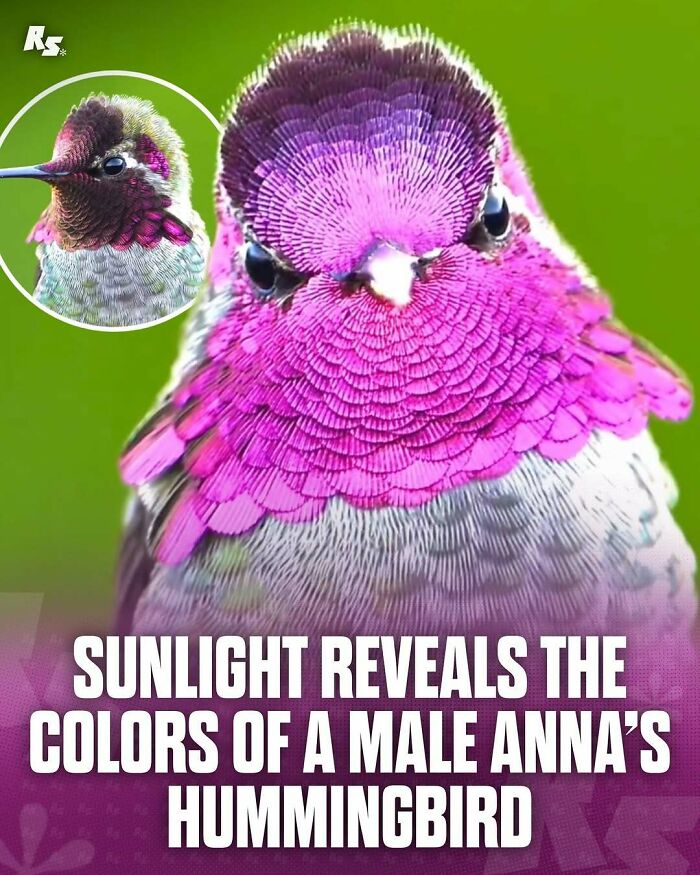
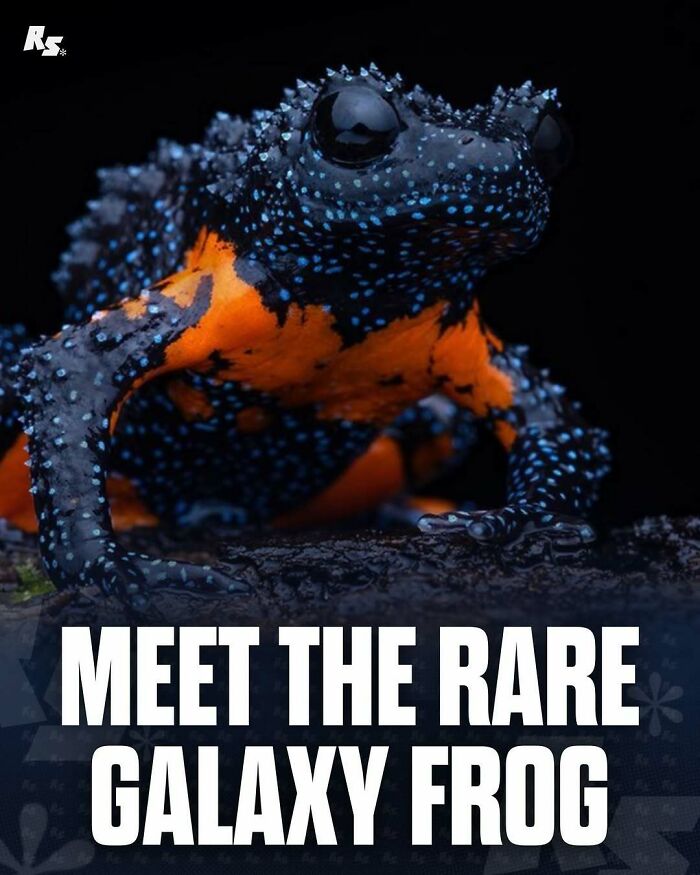
Did you know that there’s a tiny hummingbird with a neon pink throat, or a frog that looks like it’s covered with stardust?
This is the kind of stuff that will make you believe that the world we live in is truly incredible.
And Instagram page @rawrszn, which has over 3.4 million followers, makes sure to show you just that with the rarest of rare pics — you can see some of the best ones here.
This post may include affiliate links.
Sand cats raise their young in burrows that offer protection from extreme desert heat and predators. Litters usually contain two to four kittens, which remain at the den while their mother hunts during the cooler hours of the night. Captured by @talal92
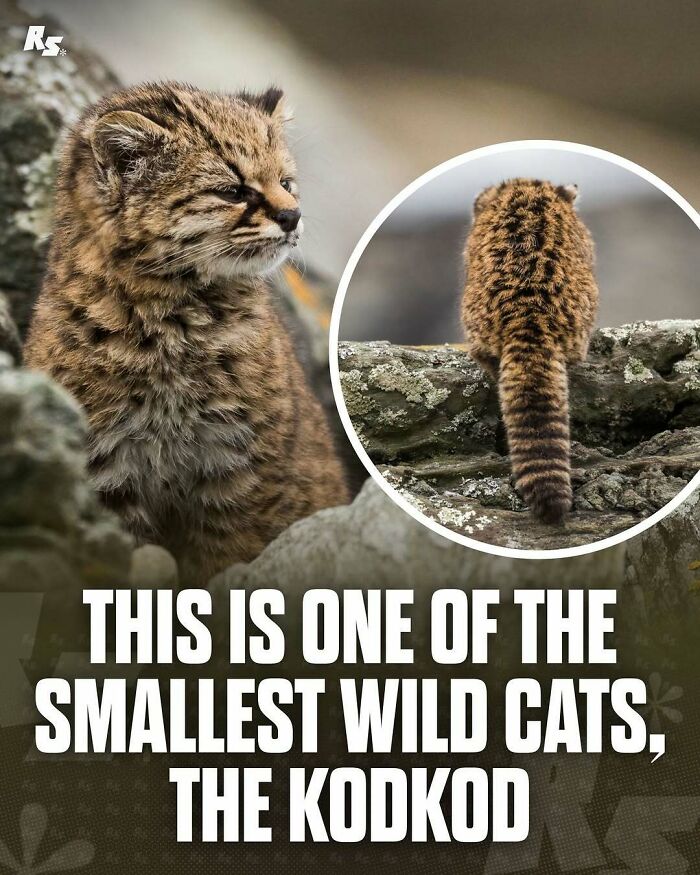
The kodkod, also known as the güiña, is the smallest wild cat in the Americas and one of the smallest in the world. Adults typically measure 40 to 52 centimeters long (16 to 20 inches), with a tail around 20 to 25 centimeters (8 to 10 inches), and usually weigh between 1.5 and 3 kilograms (3 to 6.5 pounds). Native to southern Chile and parts of Argentina, güiñas move through a range of landscapes, including rocky terrain and coastal areas like the one shown here. They hunt small prey such as rodents, birds, and reptiles. Their small size and strong climbing ability help them move quietly through tight spaces and low vegetation, which is why sightings are uncommon. 📸 @emintehess
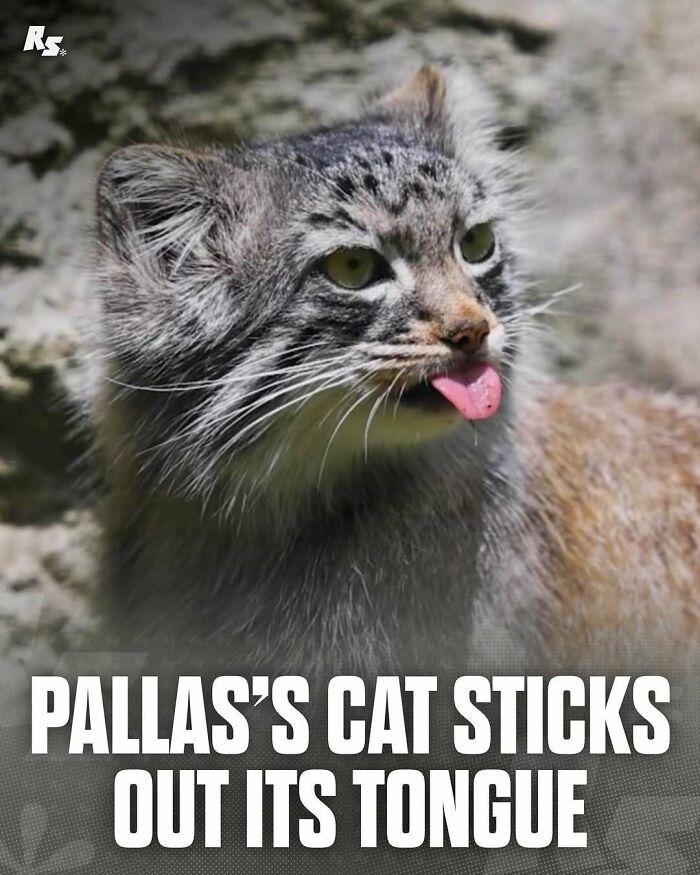
A Pallas’s cat briefly sticks out its tongue before licking its nose. 🎥 @pazispallas
As more and more animals are being left high and dry because of our deeds, capturing them on camera becomes far more than a visual curiosity.
If done right, photography can actually be a very useful tool for awareness and conservation.
These wildlife images can help us realize that threats are not part of some parallel universe, but present all around us.
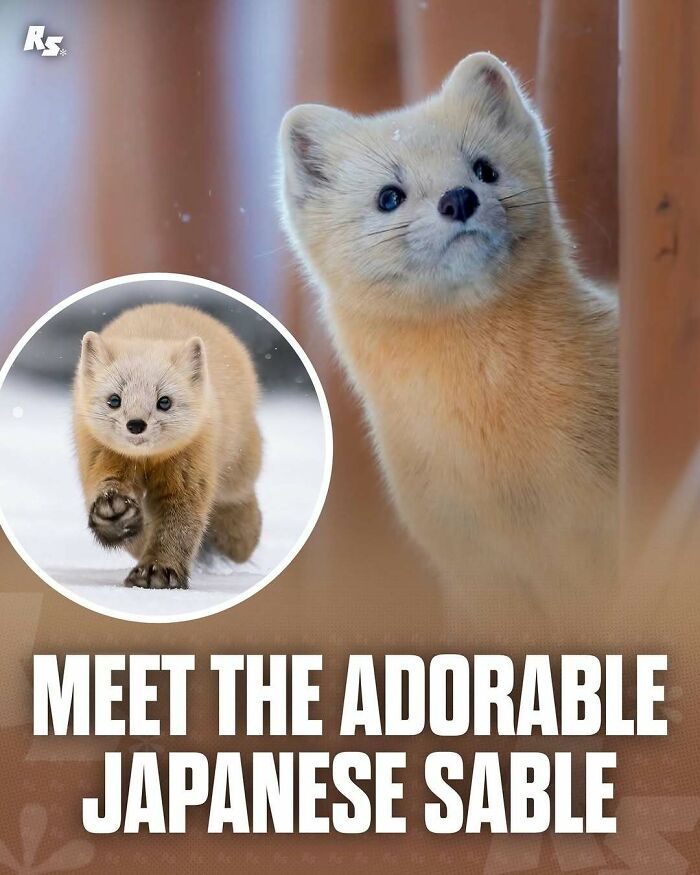
The Japanese sable is mainly active at dawn and at night. It is rarely seen across much of its range. In northern regions such as Hokkaido, it remains active through winter and can hunt across deep snow. Japanese sables move easily through trees and on the ground. They hunt small mammals, birds, and insects, and eat fruit when it is available. This flexible diet allows them to live in many types of forests, from lowland woodlands to mountainous areas. 📸 @takashi_okashi
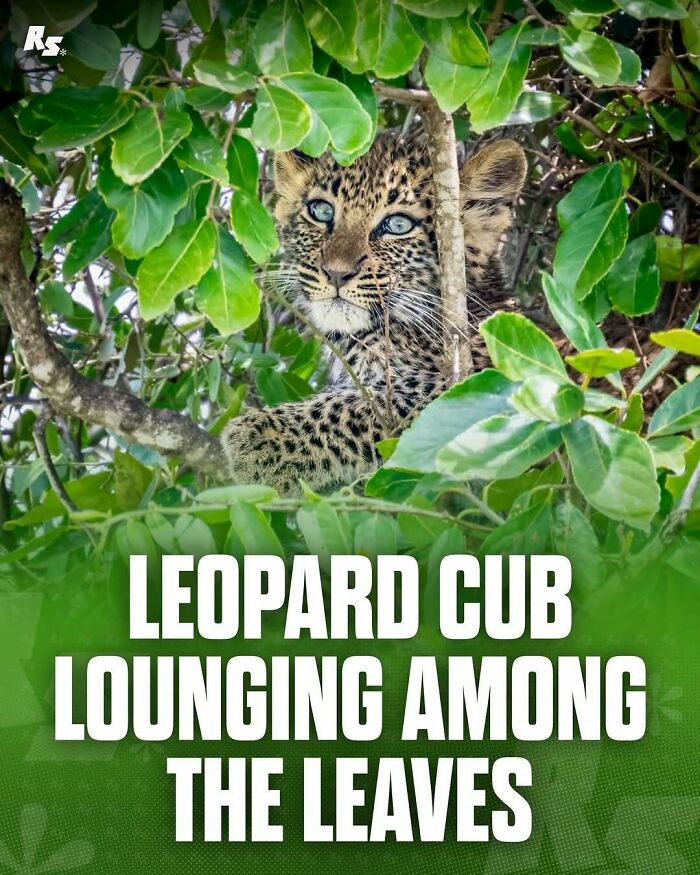
Young leopards spend much of their early life in trees and dense vegetation while their mothers are away hunting, where the cover keeps them hidden from predators.📸 @yswildlifephotography
Male Anna’s hummingbirds have throat feathers called a gorget that can appear bright pink or red. This color is not produced by pigment alone. The feather structure interacts with light, which is why the gorget can look dark from one angle and flash vivid color from another. 🎥 @abucciphoto
Many of the animals that seem rare or extraordinary are also struggling to survive, whether they’re on the land, in the sea or the sky.
Scientists believe that before a species disappears entirely, it generally becomes rare first.
More than 47,000 species worldwide are now considered at risk of extinction (this includes Vulnerable, Endangered, and Critically Endangered categories).
However, this list only includes species that have been evaluated, which is a very small portion of all living species on this planet.
Not all insects, deep‑sea organisms, microbes or phytoplankton have been formally assessed yet.
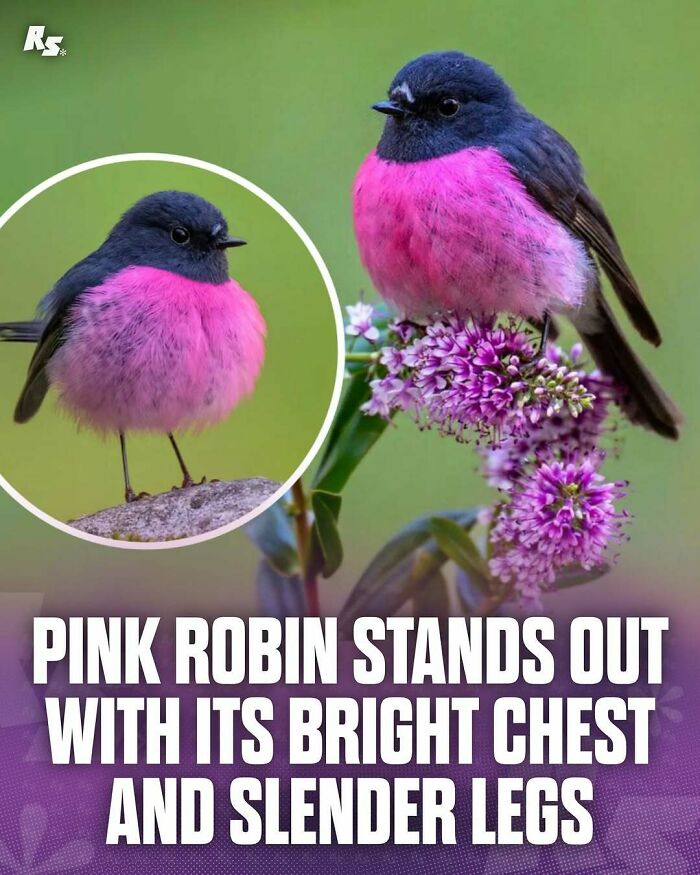
The pink robin is a small bird found in the forests of southeastern Australia and Tasmania. Males have a bright pink breast and belly that contrast with their dark upperparts, while females are grey-brown. During the breeding season, the male’s color plays a role in attracting a mate. The female’s muted tones help her remain less noticeable, especially while nesting. Captured by @deepak_karra
The Galaxy Frog (Melanobatrachus indicus) is a rare amphibian endemic to the southern Western Ghats of India. It is found in wet evergreen forests of Kerala and Tamil Nadu, where this small frog, about 2 to 3.5 cm (0.8 to 1.4 inches) long, lives among leaf litter on the forest floor. It is not known to be toxic. The purpose of its coloration is still being studied and may play a role in communication between frogs. Captured by @hadlee_renjith
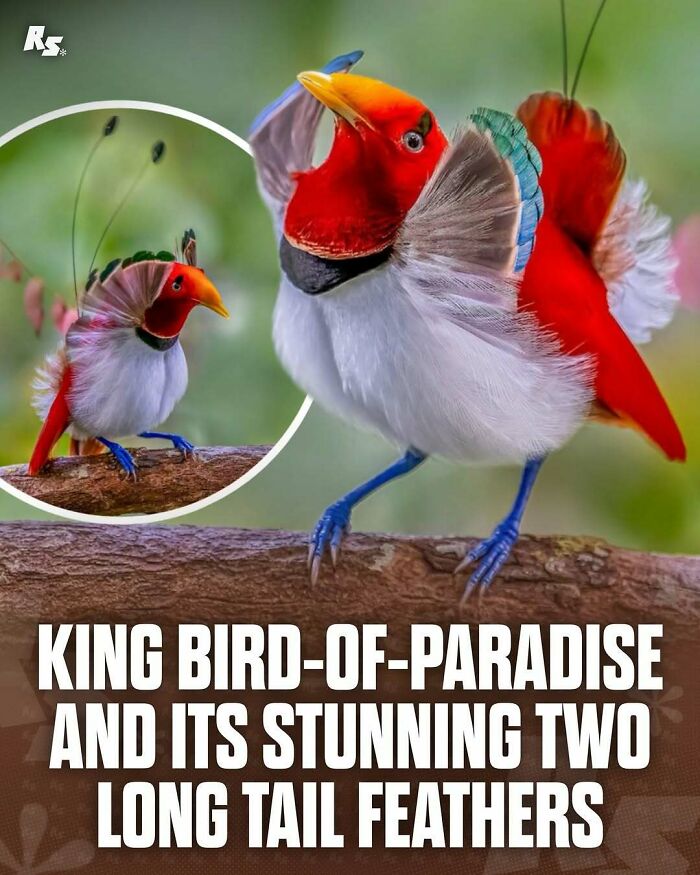
Male king bird-of-paradise raise their wings and display their two long wire-like tail feathers, which extend well beyond the body and end in bright green discs. Males use these features along with their bright plumage during courtship displays to attract females. This species is found in the forests of New Guinea and nearby islands, including the Aru Islands of Indonesia. 📸 @dustinchen0728

These birds are so cool! You should look up videos of their mating dance. It's incredible.
The ocean is home to some of the strangest life forms on Earth. Its pitch-black depths, murky waters, crushing pressure, and icy temperatures means there are always new and extraordinary species lurking somewhere.
As of early 2025, around 247,418 valid marine species have been identified and named.
Yet, the known count represents only a fraction of the ocean’s biodiversity as scientists estimate there are anywhere between a few hundred thousand to more than ten million species still waiting to be discovered.
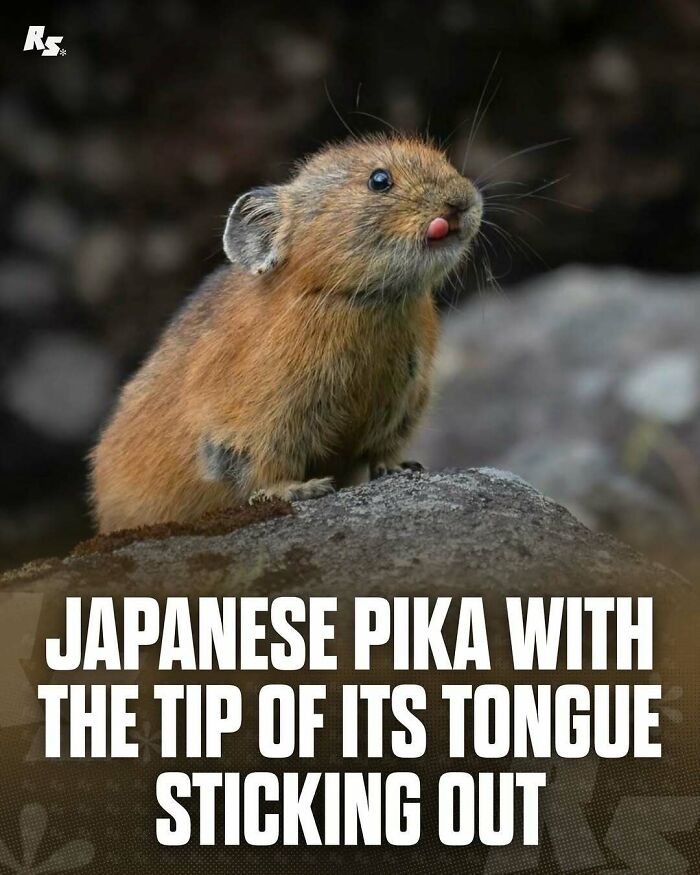
This Japanese pika was photographed with the tip of its tongue briefly sticking out. They live in rocky mountain areas, where they collect plants and store them in small caches to use as food during winter. Pikas also produce high pitched calls that can warn nearby individuals of potential predators. 📸 @takashi_okashi
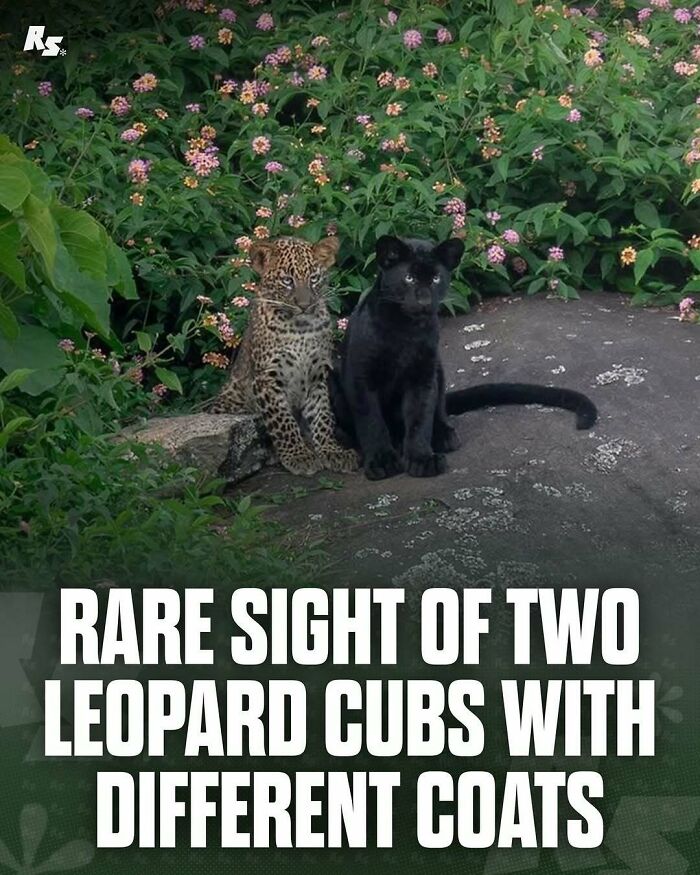
Two leopard cubs from the same litter were photographed in South India, one with a rare melanistic coat and the other with the common spotted pattern. Melanism in leopards is caused by a recessive genetic mutation. A cub must inherit the mutation from both parents to develop a dark coat. Siblings that inherit only one copy, or none, keep the spotted pattern, though they may still carry the mutation. 📸 @shaazjung

They still have the pattern, but since it's black-on-black, a ghost pattern, the rosette patterns are visible in direct sunlight, for instance
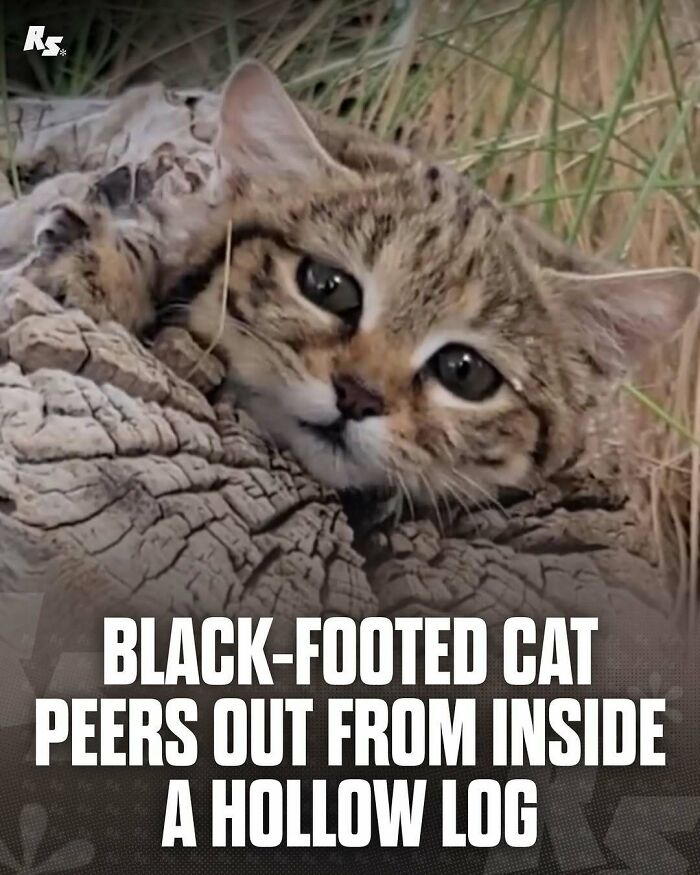
The black-footed cat is one of the smallest wild cats in the world and lives in the dry grasslands and scrublands of southern Africa. It has one of the highest hunting success rates of any wild cat, capturing prey in roughly 60% of its hunts. It feeds mainly on small mammals, birds, and insects and may travel up to 20 km (12 miles) in a single night while foraging. 🎥 @sdzsafaripark / @sandiegozoo
Despite them holding the title "world's deadliest cat" and being fierce, able of fighting off jackals, I'd still 100% pspspsps
Some of the rarest animals are still being discovered and rediscovered.
Just earlier this month, two marsupial species — that scientists believed had vanished more than 6,000 years ago — were discovered alive in the remote rainforests of Western New Guinea.
Recently, the seven-arm octopus, one of the most elusive species, was seen off California. It was only the fourth sighting in nearly 40 years.
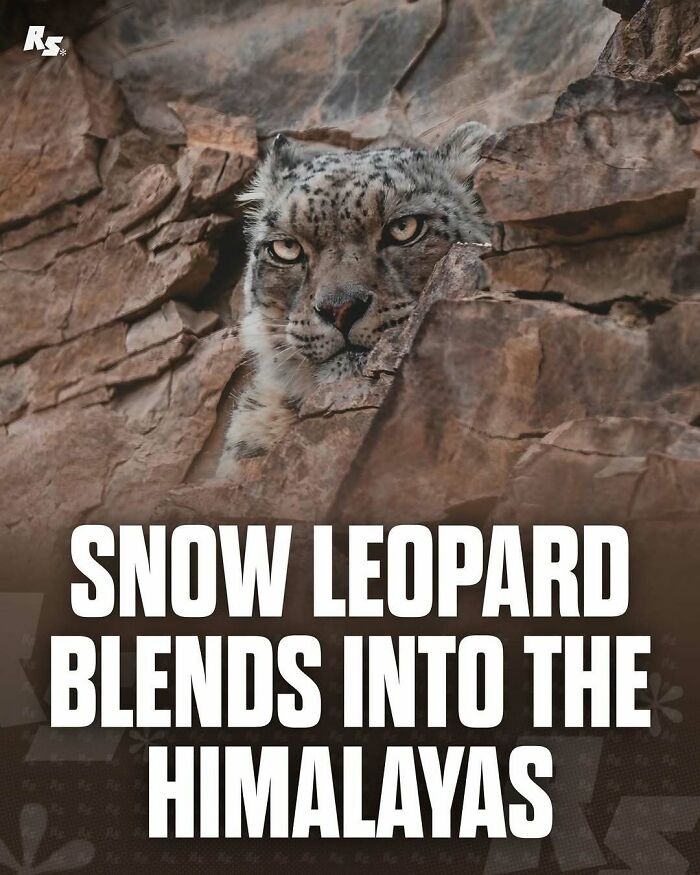
A snow leopard rests among the rocks, blending closely with the terrain around it. In the high mountains of the Himalayas, this camouflage helps it stay aware of its surroundings without drawing attention from prey. 📸 @caramjeet
You definitely don't want to PSSSPSS at this cat. It is NOT in the mood. 😂
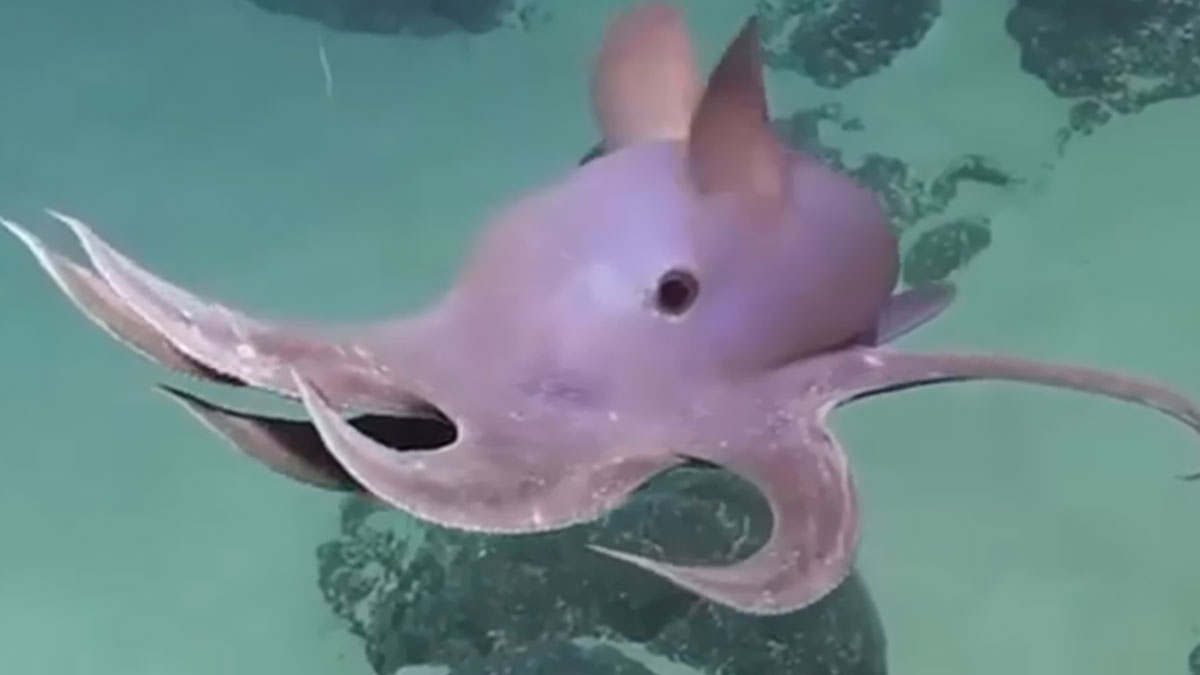
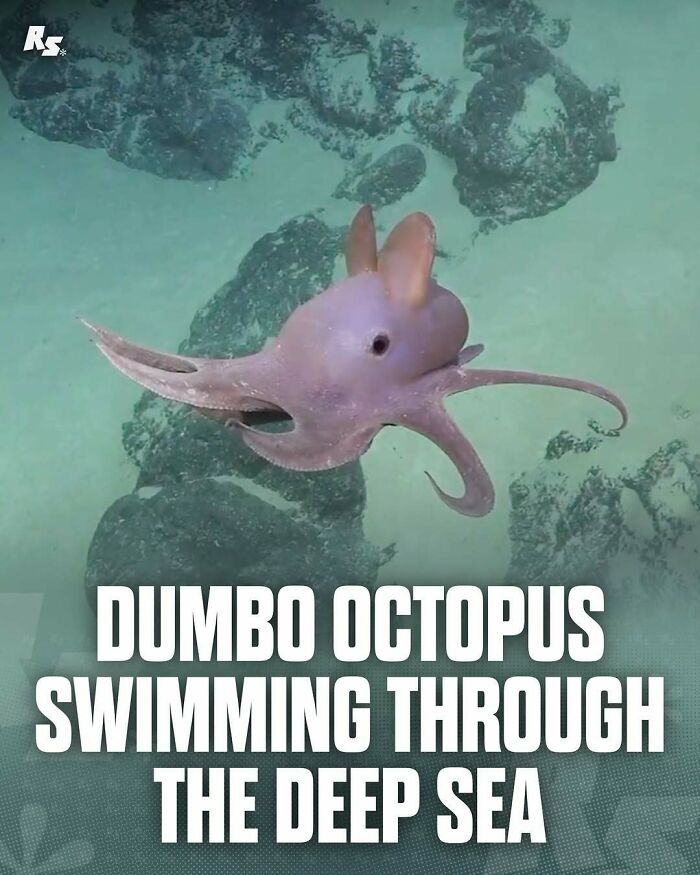
The Dumbo octopus has large, ear like fins attached to its mantle that it uses to swim through the water. Most octopuses move by pushing water out of a siphon, which acts like a jet and propels them forward quickly. Dumbo octopuses rely mainly on their fins for slower swimming, though they can also use jet propulsion. They live in deep ocean waters and are often observed near the seafloor. 🎥 @schmidtocean
I'm enamored with octopi, and this one is one of the cutest I've seen. Doesn't take away any respect I have for these amazing beings, but this guy is children's book material
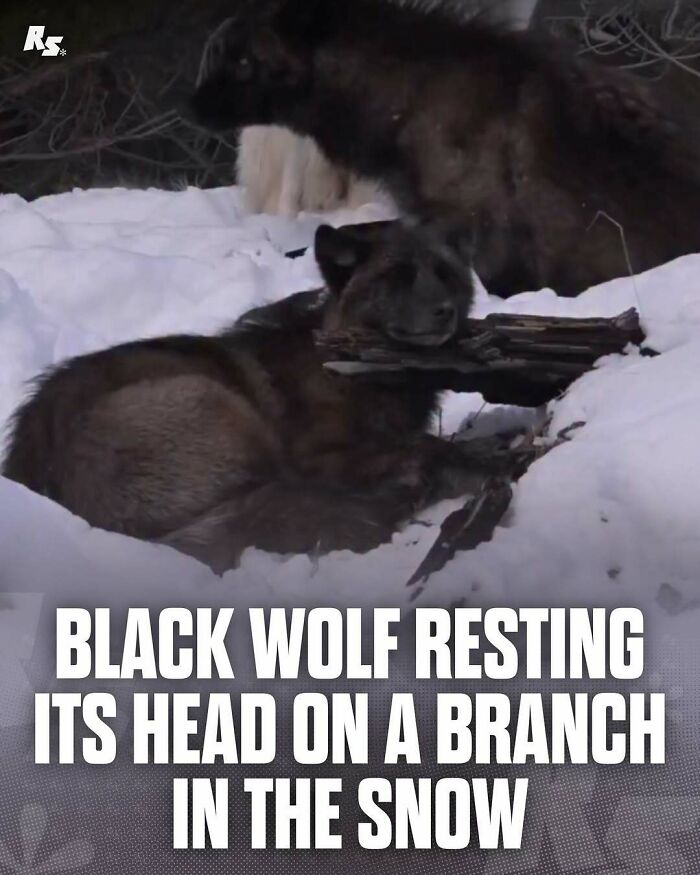
A black wolf rests its head on a branch while lying in the snow in Yellowstone. 🎥 @neilsimmonsphotography
A study found that human activities like cutting down habitats, overfishing, polluting, and climate change are wiping out wildlife across the planet.
In a lot of places graced by us, there are almost 20% fewer species than in untouched areas.
You can see it in the Amazon, where logging is shrinking habitats for jaguars and macaws, or in coral reefs, where rising water temperatures are bleaching reefs and killing off fish species.
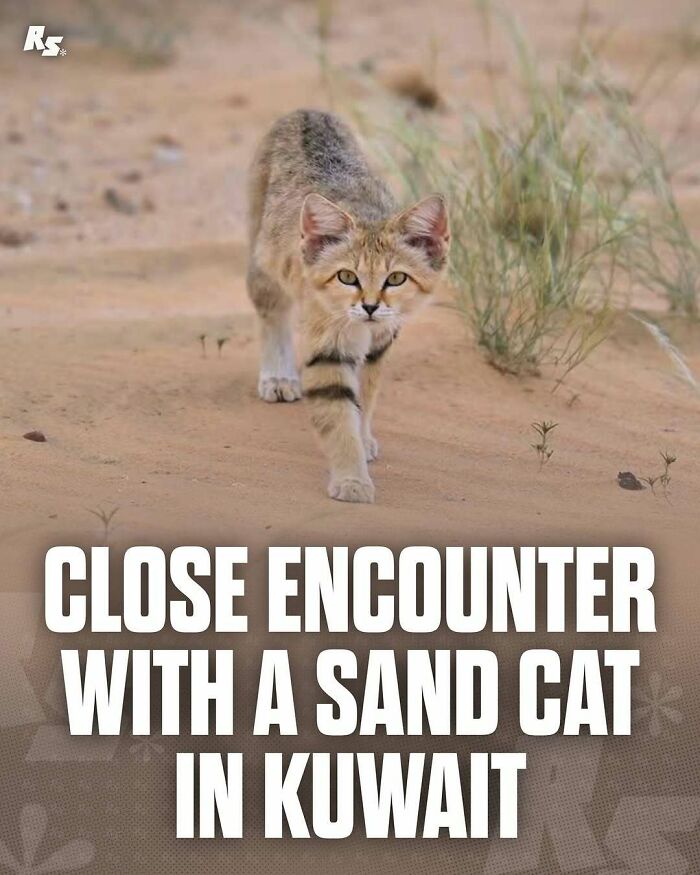
This sand cat was spotted moving across the desert in Kuwait. Thick fur on its paw soles helps protect it from extreme heat and cold, while its large ears help detect prey moving underground and release excess heat. Sand cats are mostly nocturnal, so seeing one out in the open like this during the day is uncommon. They inhabit sandy and stony deserts across North Africa, the Middle East, and parts of Southwest and Central Asia. 🎥 @talal92

I dread what's happening to the beautiful wildlife of the Middle East right now. (And yes, obviously the humans as well - but both.)
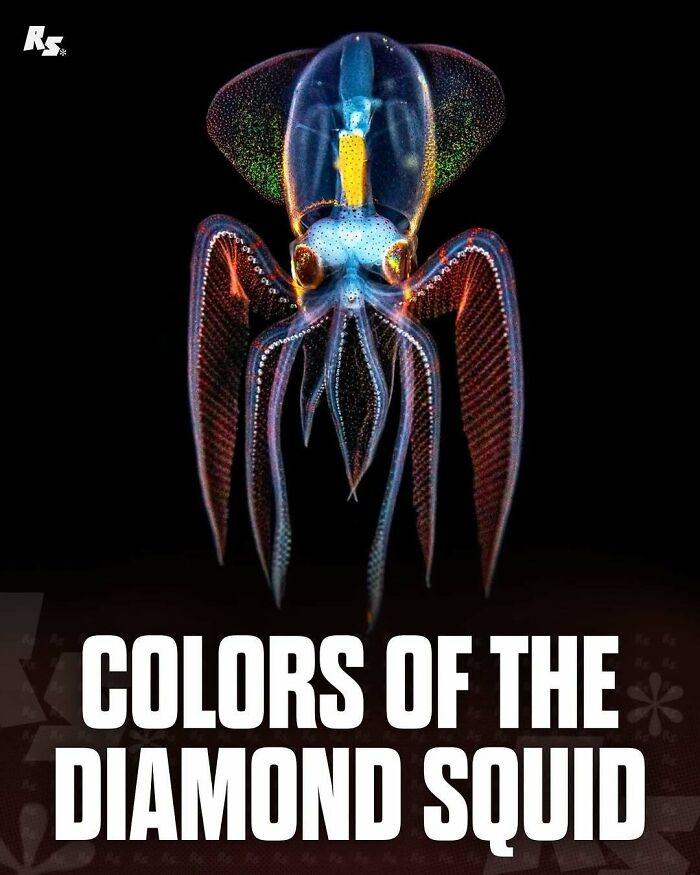
This diamond squid was photographed during a blackwater dive in Anilao, Philippines. The vivid colors visible across its body come from chromatophores, pigment-containing cells that squid can expand or contract to change their appearance.📸 @tobias_friedrich_photography
These are huge! Weighing in at up to 30 kg (~65 lb) and are up to 1 m (~3.3 ft).They mate for life, but only live about one year. Sadly they're considered a delicacy... Please don't eat these amazing creatures...
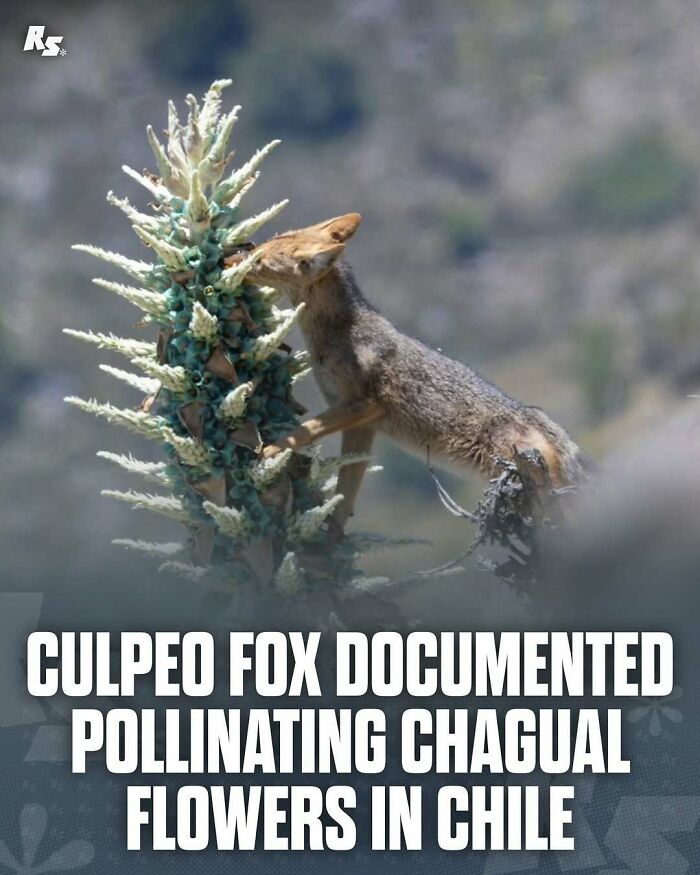
A culpeo fox was documented pollinating chagual (Puya alpestris) in the mountains near Santiago, Chile. After learning about this interaction, photographer Bernardo Segura spent several months placing and relocating camera traps as the plants bloomed at higher elevations. Foxes were seen visiting the inflorescences frequently, sometimes climbing to the tip to reach the flowers. The observations show that culpeo foxes help pollinate chagual and visit the flowers both during the day and at night. Captured by @bernardosegurafoto

There's a single Puya alpestris in the town where I live, and it's one of the most alien looking plants I've ever seen. They're in the same family as pineapples and other bromeliads, Bromeliaceae. This plant has already flowered and been pollinated and has now produced the small "fruits" seen on the ephemeral white spears.
Looking at these images can maybe make us appreciate nature more, and all the surprises it keeps on giving.
A study published last month found that some features in wildlife images — like visible faces or cues that make you feel like you can understand what the animal is thinking or feeling — can create emotional connections.
These features can even drive people to engage online or give money to conservation.
“If you want to encourage people to protect an animal, you might depict it in a way that evokes a social or emotional connection. For instance, emphasizing face-like features or attention to the viewer,” said study coauthor Brian Knutson, a professor of psychology at the Stanford School of Humanities and Sciences.
He added: “Social media is a powerful tool for shaping public opinion and encouraging environmental behavior. Neuroscience tools could offer insights into what motivates people to support wildlife conservation efforts.”
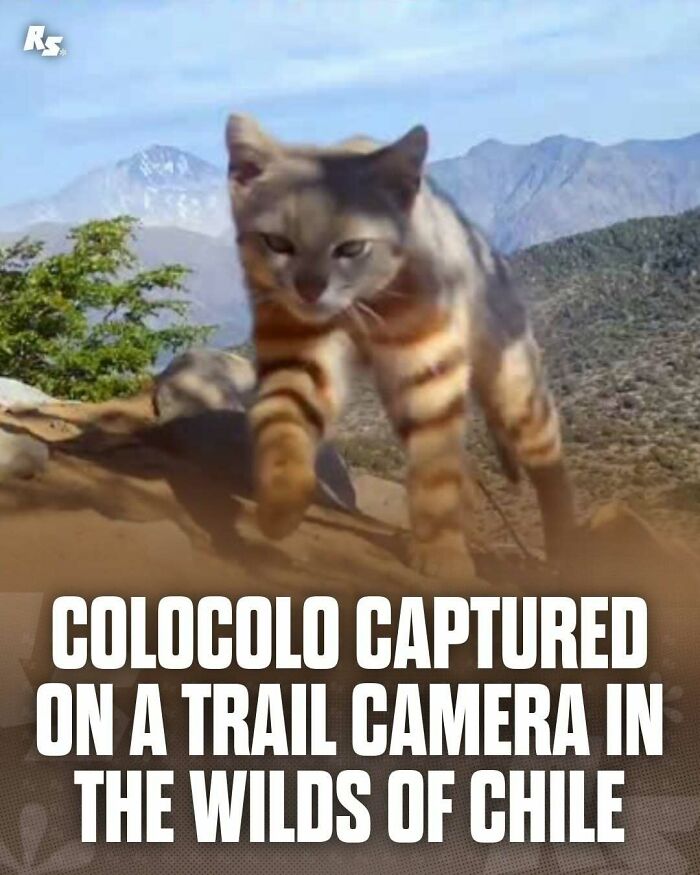
The colocolo keeps a low profile and is rarely seen, which makes trail cameras one of the most reliable ways to confirm where it lives and when it is active, as shown in this footage from Chile. Like many small wild cats, it mainly hunts small mammals but will also take birds and reptiles. 🎥 @colocoloproject
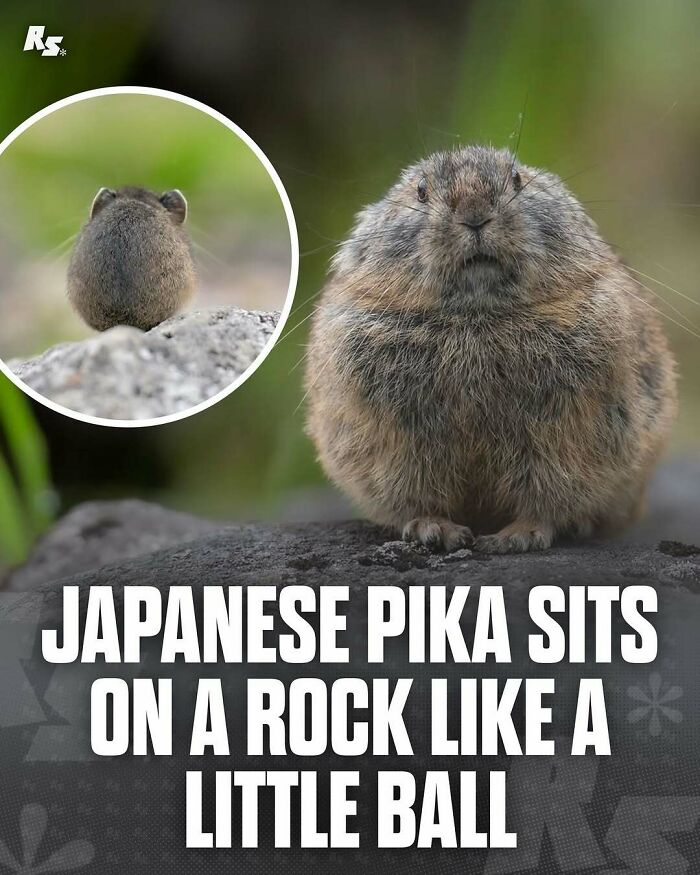
The thick fur and rounded shape of a Japanese pika help it stay warm in cold alpine conditions. This small relative of rabbits lives among rocky slopes in Japan’s high mountains, including the alpine fields of Hokkaido. Japanese pikas do not hibernate. During the warmer months they collect grasses and other plants and store them between rocks to last through the winter. 📸 @takashi_okashi
Different photography competitions from around the world show how a single powerful image can raise awareness and even help protect endangered species.
Most organizations that hold these contests contribute funds towards conservation projects around the world.
Many winning entries also tell real stories about threats facing species and ecosystems, since the contests encourage photographers to become advocates for wildlife protection. They are usually required to submit detailed background information such as conservation status and habitat challenges.
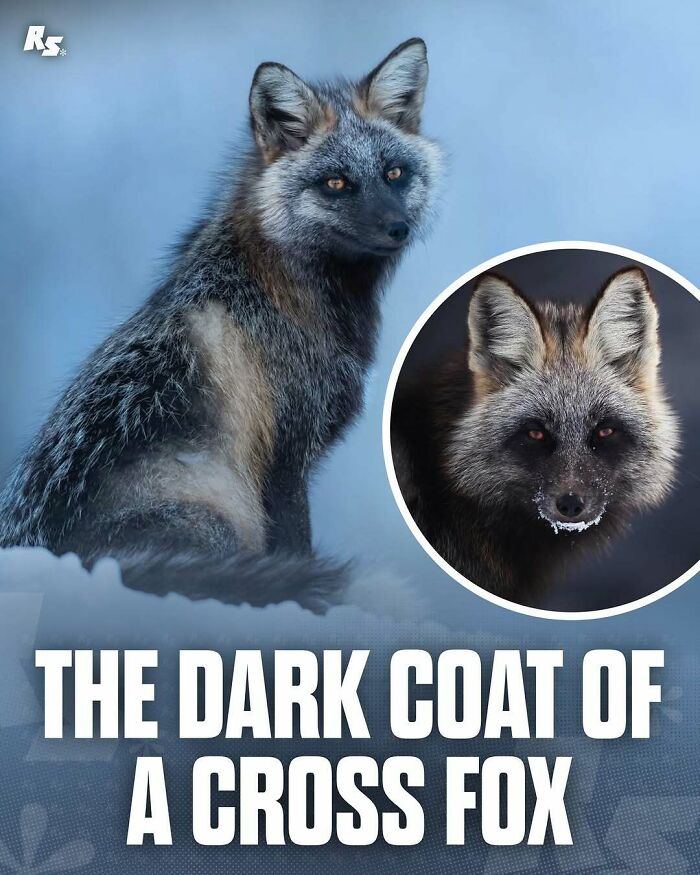
The cross fox is not a separate species but a color variant of the red fox caused by partial melanism. Its name comes from the dark stripe running down its back and across its shoulders, forming a cross pattern. 📸 @isaacspicz
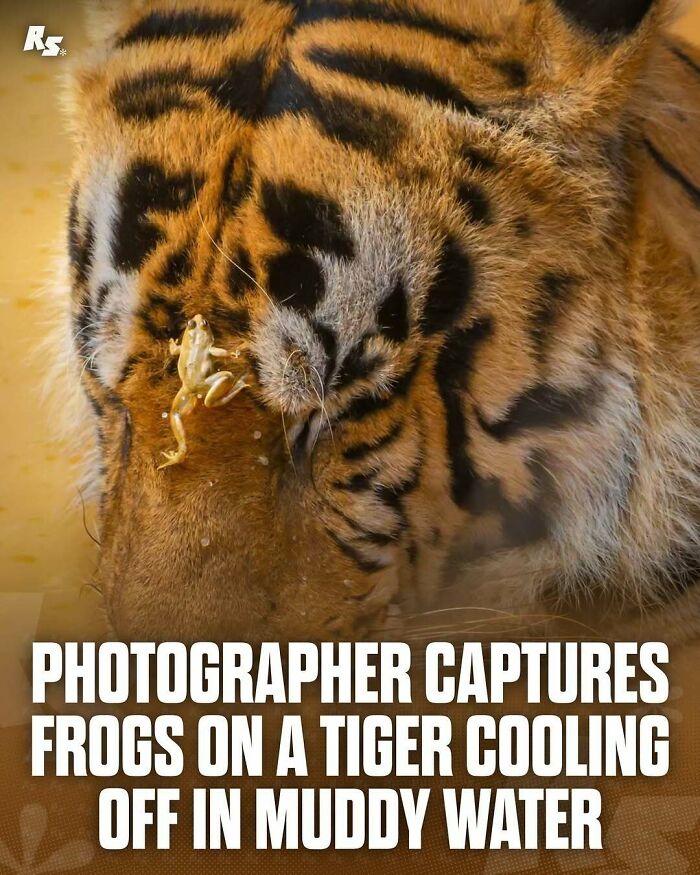
A tiger known as Shambhu rests in shallow water after feeding in Tadoba-Andhari Tiger Reserve while several small frogs sit on its fur and head. Tigers often lie in water to regulate their body temperature, particularly in warm climates. The frogs remained on the tiger’s body as it rested. 📸 @aniket_thopate
There’s a lot more to the ongoing discovery and understanding of rare animals beyond just cataloging life.
Ocean life, for example, quietly keeps the whole system running. Tiny organisms clean the water, while some species help keep nutrients moving so everything else can survive.
Some sea creatures have led to real-world breakthroughs, like cone snails that helped create powerful painkillers and sea sponges that inspired cancer treatments.
Studying horseshoe bats has helped scientists understand how viruses spread and how our immune systems can handle them without getting sick.
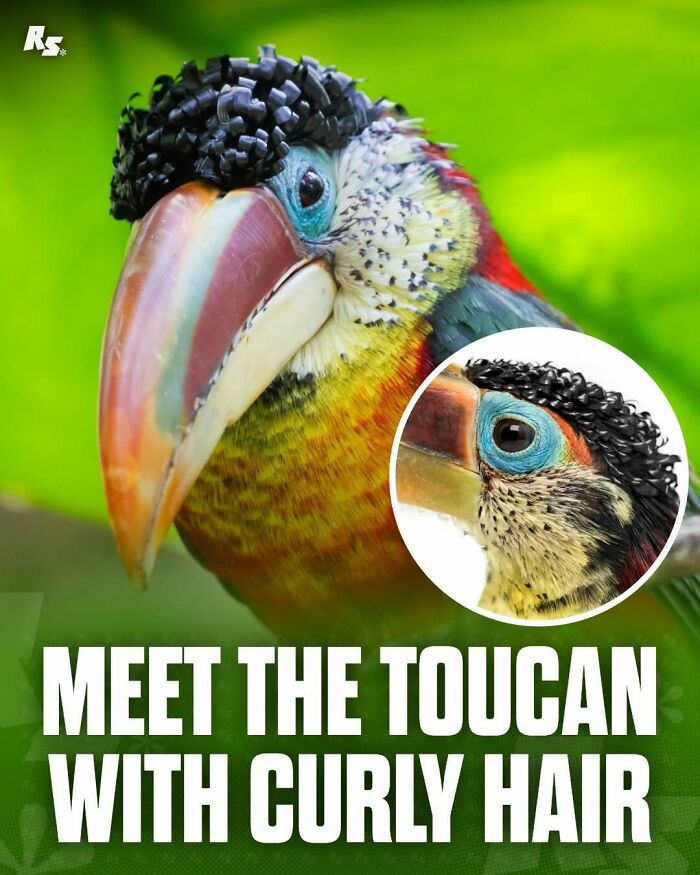
The curl-crested aracari is a toucan native to Bolivia, Brazil, and Peru, known for the tightly curled feathers that form its distinctive crest. Males tend to have a fuller crest extending across the crown, while females show a slightly reduced crest and a shorter bill. It feeds mainly on fruit, along with insects and occasionally small vertebrates.
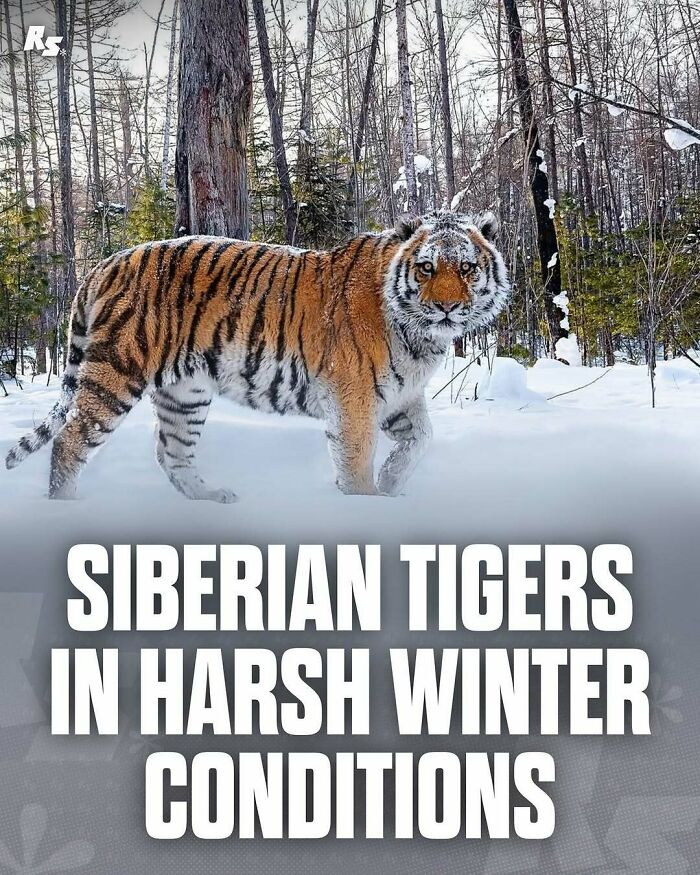
Siberian tigers are well adapted to cold climates. Compared to Bengal tigers, they grow thicker winter coats with dense underfur and longer guard hairs that help retain body heat. Their wide, furred paws spread weight across snow to reduce sinking, while seasonal fat along the belly and flanks adds insulation and serves as an energy reserve during the coldest months. 📸 @thomasvijayan
So what does all this mean for us, beyond being wowed by amazing photos?
It’s a reminder that we’re not just spectators in nature’s story. We’re active participants; we’re part of nature itself. Our choices have real consequences for the survival of these incredible creatures.
The next time you see a hummingbird flash its neon gorget or a star-dusted frog, let it do more than amaze you… let it remind you that nature is worth fighting for.
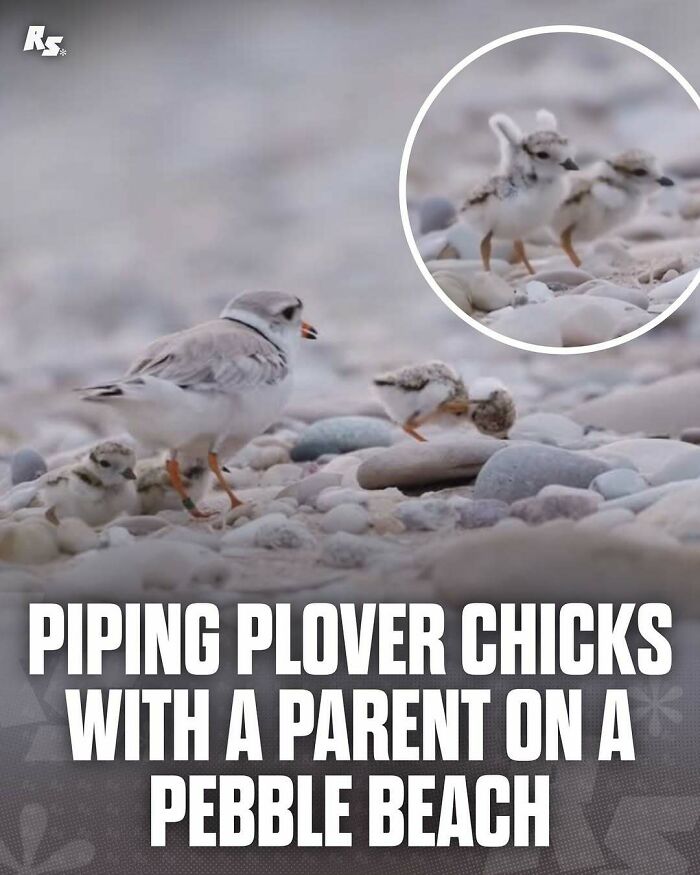
Piping plover chicks leave the nest within hours of hatching and move along the beach with their parents. Their mottled down blends with pebbles and sand, helping them remain hard to spot while they forage for small insects and other invertebrates along the shore. 🎥 @ncbirdwatch
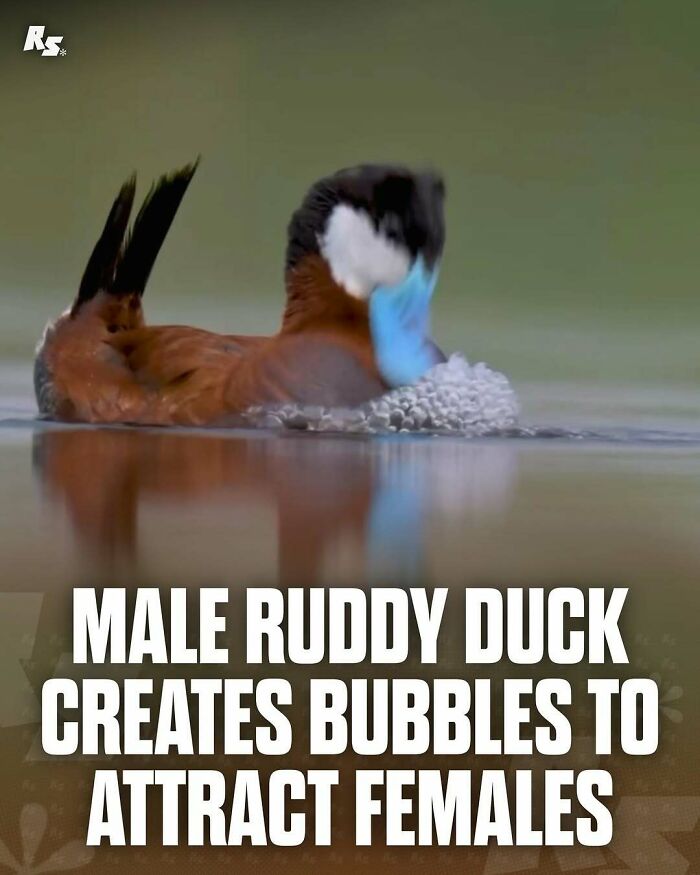
During courtship, male ruddy ducks perform a distinctive bubbling display to attract females. The males puff out their chests and rapidly strike them with their bills while paddling, creating bubbles and a popping sound on the water’s surface. 🎥 @rayhennessy_wildlife
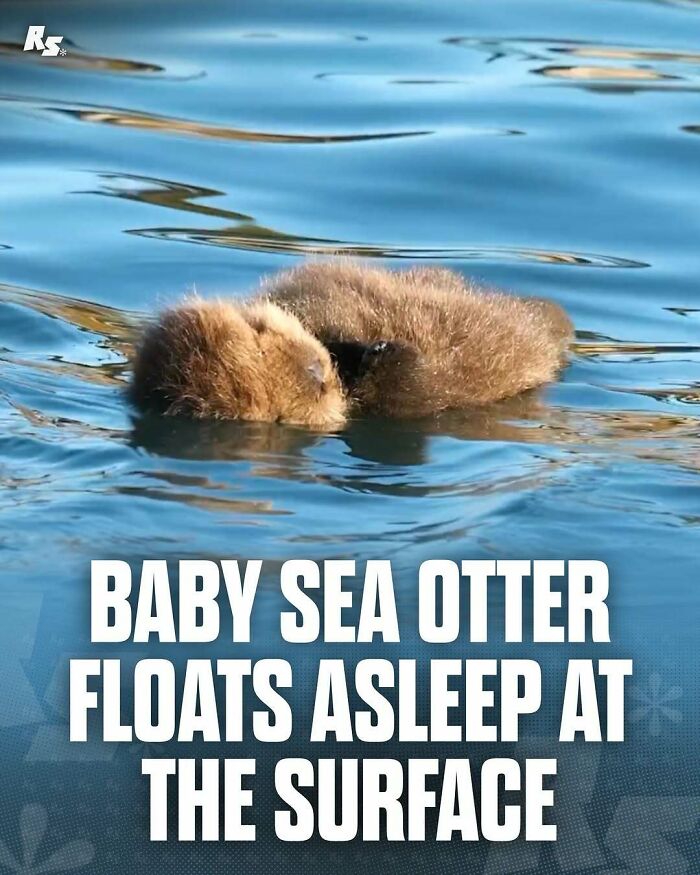
Sea otters have the densest fur of any animal, with roughly 600,000 to 1,000,000 hairs per square inch. Instead of blubber, this dense coat traps tiny air bubbles that provide insulation and help keep them warm in cold ocean water. Young sea otter pups are born with extremely fluffy fur that keeps them buoyant, preventing them from diving underwater. This allows them to safely float while their mother grooms her fur or searches for food nearby. As the pup grows and its adult coat develops, it gradually learns to dive and forage on its own. 🎥 @tammy_ascher
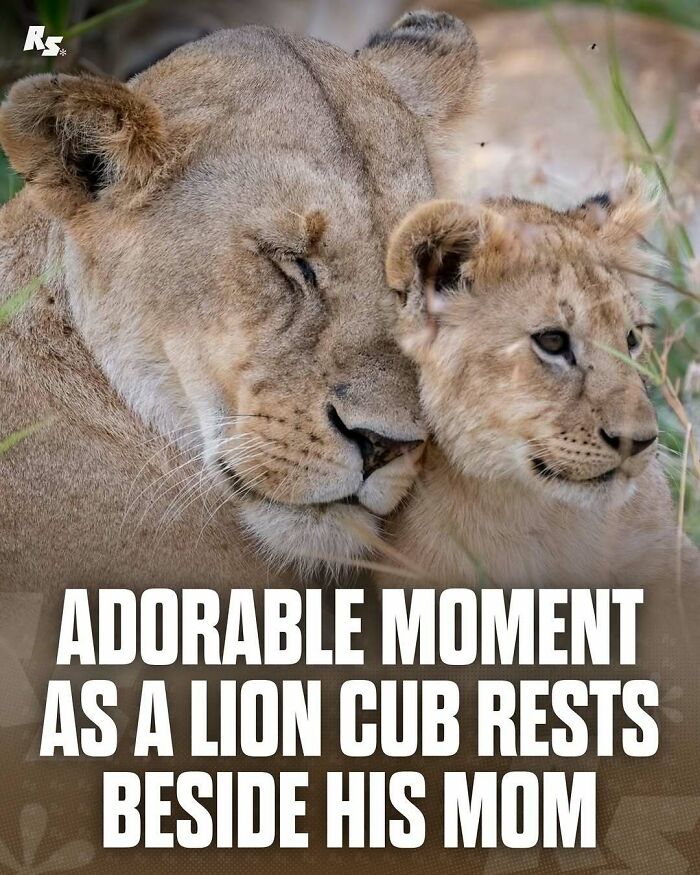
Lion cubs spend much of their early months close to their mother while she remains alert to her surroundings. These images were captured in Masai Mara, Kenya. 📸 @yswildlifephotography
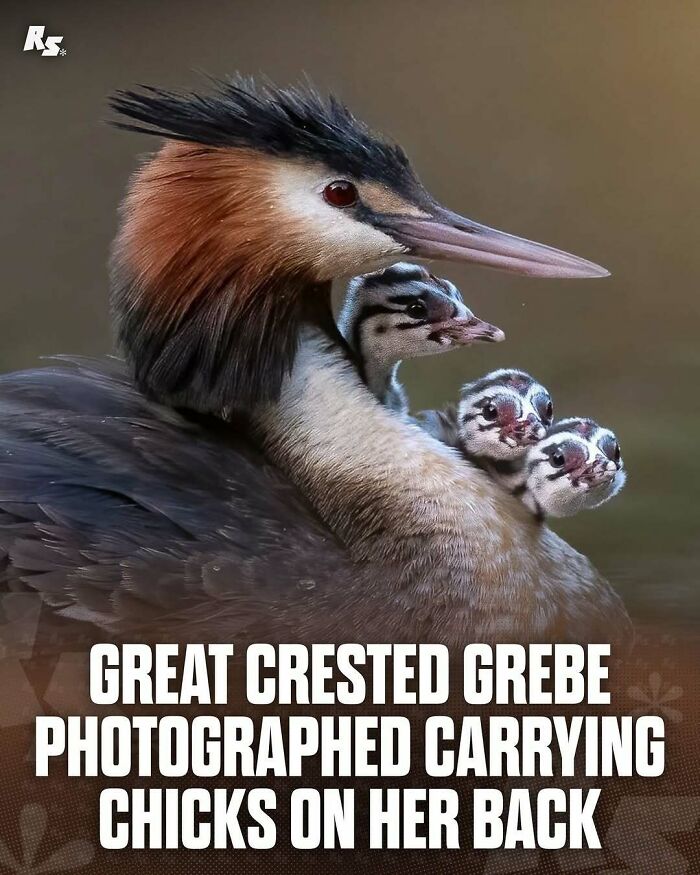
A great crested grebe carries her chicks on her back in Perth, Western Australia. Newly hatched chicks often climb onto a parent’s back and rest between the feathers. This helps keep them warm, protects them from predators, and allows the adult to swim while they conserve energy. Both parents take part in raising the chicks, frequently carrying them and bringing food while they ride along. 📸 @naidu_kumpatla
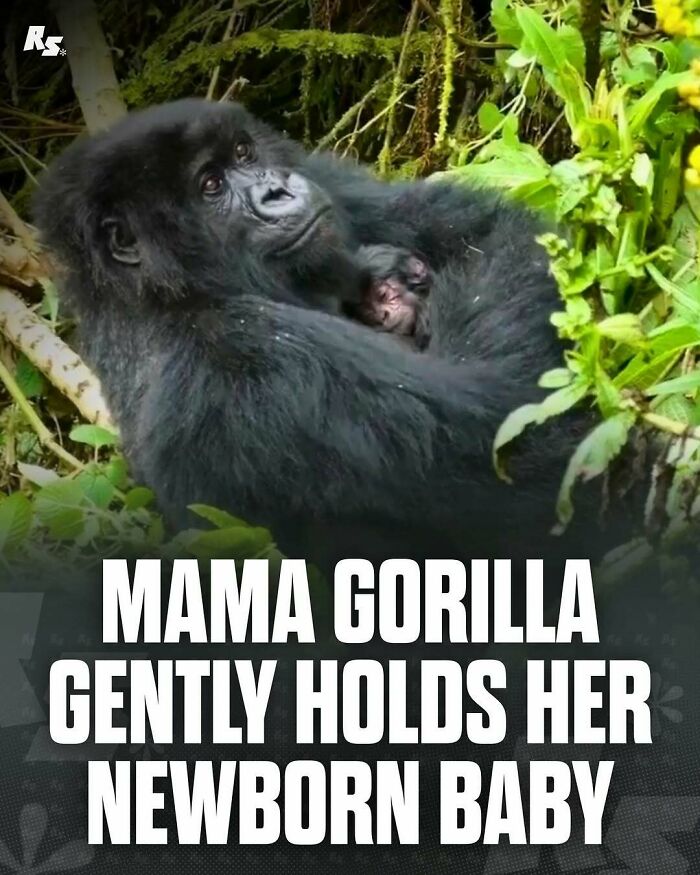
A mother gorilla keeps her newborn close, helping the infant stay warm and protected. During the first few months, gorilla mothers carry their babies constantly, keeping them in contact as they grow stronger. 🎥 Olivier Dusenge / @savinggorillas

I saw the documentary of a pregnant gorilla who had to have a C section or something, and she had to recover and they were afraid shed reject the baby, but in the end, she knew it was hers.
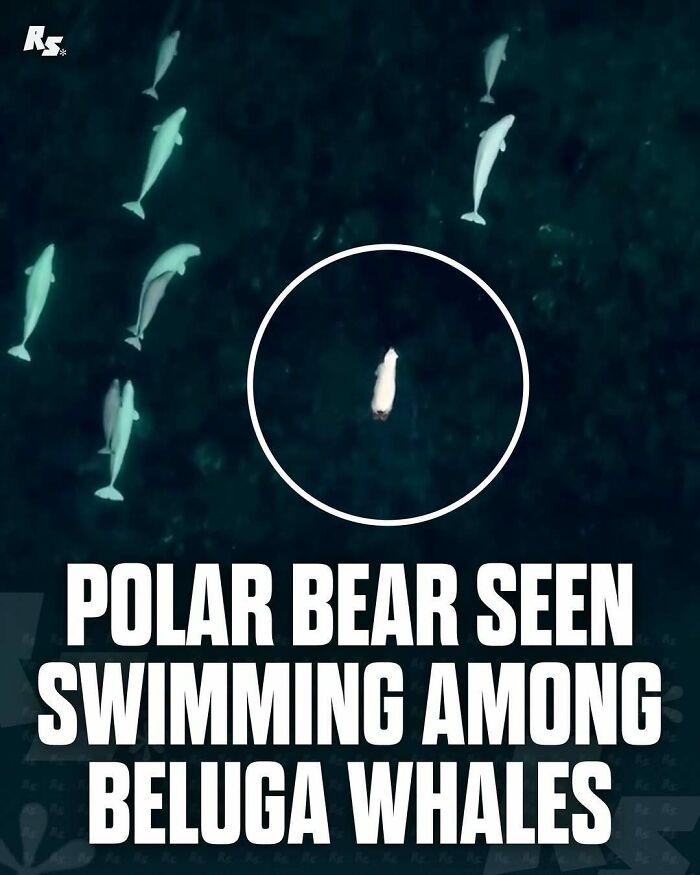
Polar bears are apex predators, but their hunting success depends heavily on sea ice. They rely on surprise, waiting at ice edges or breathing holes where prey has limited escape options. Away from the ice, that advantage largely disappears. Beluga whales are built for open water. Fast and agile, they can reach about 22 km/h (14 mph) and use echolocation to stay aware of their surroundings. Polar bears can swim capably over long distances at around 10 km/h (6 mph), but they lack the speed and maneuverability for effective open-water pursuit. Here, the bear is simply swimming through the water, and the belugas are doing the same, each aware of the other and keeping their space. 🎥 @mywildlive

The biologist, Steve Jones, wrote an updated version of Darwin's 'Origin of Species' using modern knowledge to explain how and why Darwin was correct. The title of Jones' book was taken from a line in 'Origin' where Darwin was talking about seeing a Polar bear catching flies to eat. There was a large, dense cloud of the flies just above the surface of the sea and the bear was swimming back and forth through the swarm 'with its mouth wide open almost like a whale feeding on plankton'. For anybody interested in a good, non-specialist explanation of evolution I heartily recommend ''Almost Like a Whale'.
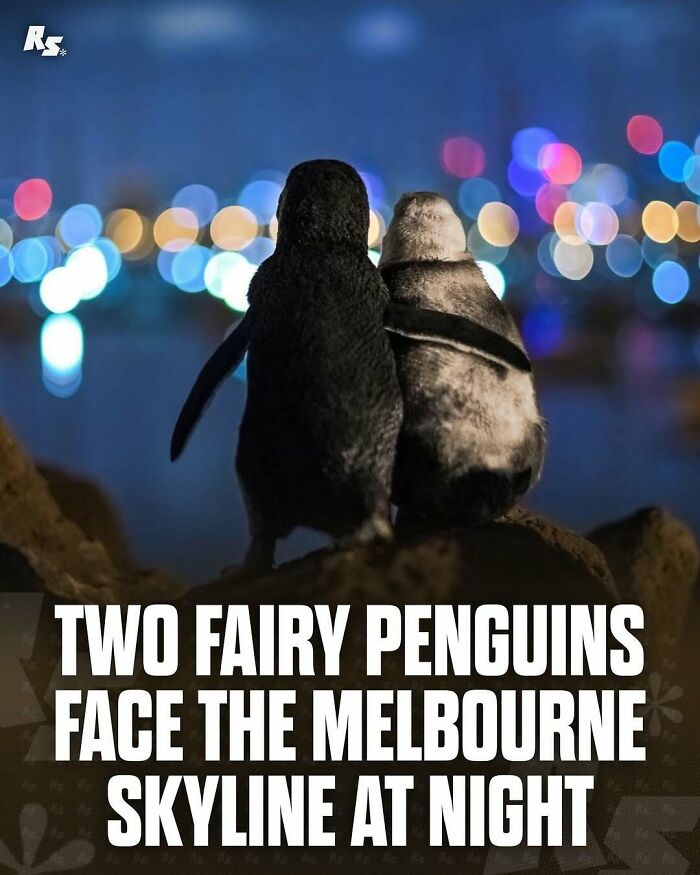
Two fairy penguins stand on coastal rocks with the lights of Melbourne glowing in the distance. Also known as little penguins, this species is the smallest penguin in the world, typically reaching about 33 to 43 cm in height (13 to 17 inches) and weighing around 1 to 1.5 kg (2.2 to 3.3 pounds). Large colonies live along southern Australia, including the well known population at St Kilda in Melbourne. These penguins spend most of their time at sea and usually return to shore after dark to avoid predators, often gathering along the coastline before moving inland to their nesting burrows. Captured by @tobiasvisuals
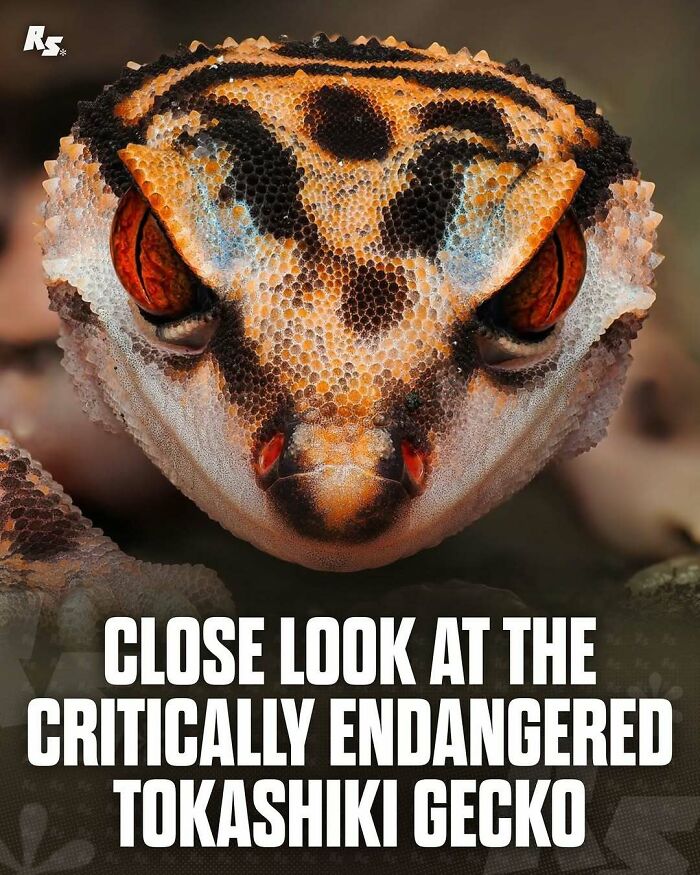
A Tokashiki gecko (Goniurosaurus sengokui) rests on a road at night on Tokashiki Island, Japan. This small ground gecko is endemic to Tokashiki, an island of only 19 km² (7.3 mi²), and is listed as critically endangered. Very few observations have been recorded since the species was formally described in 2017. 📸 @twins_wild_lens
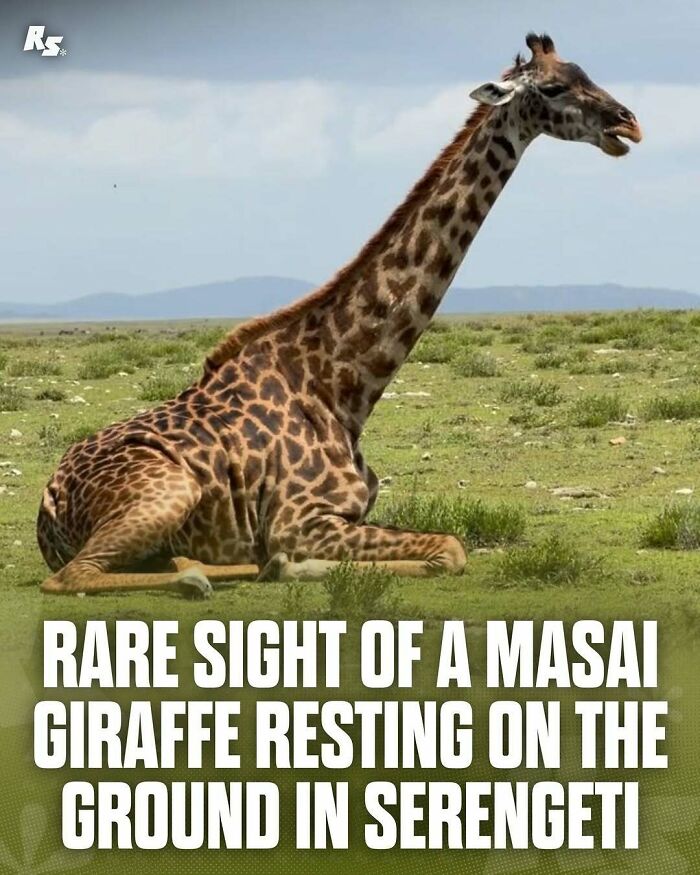
Giraffes spend most of their time standing, even while resting. Lying down requires them to fold their long legs beneath their body, a position that can leave them more vulnerable to predators. They usually lie down only when they feel safe, so moments like this are less common to see on the open plains of the Serengeti in Tanzania. 🎥 @scotthymanphoto
A contender for the most glorious animals ever invented - giraffes are utterly wonderful!
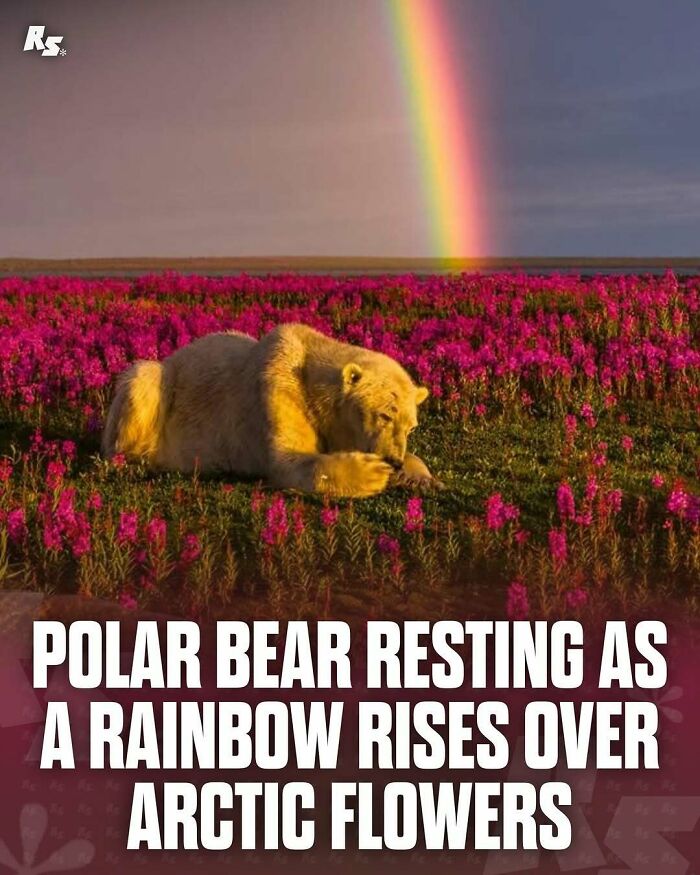
A polar bear rests in the Canadian Arctic as a rainbow stretches across the horizon behind it. During the brief summer season, parts of the landscape bloom with fireweed. Polar bears are closely tied to sea ice, where they hunt seals. When the ice retreats in warmer months, some individuals stay ashore, conserving energy while waiting for freeze-up to return. Captured by @mywildlive
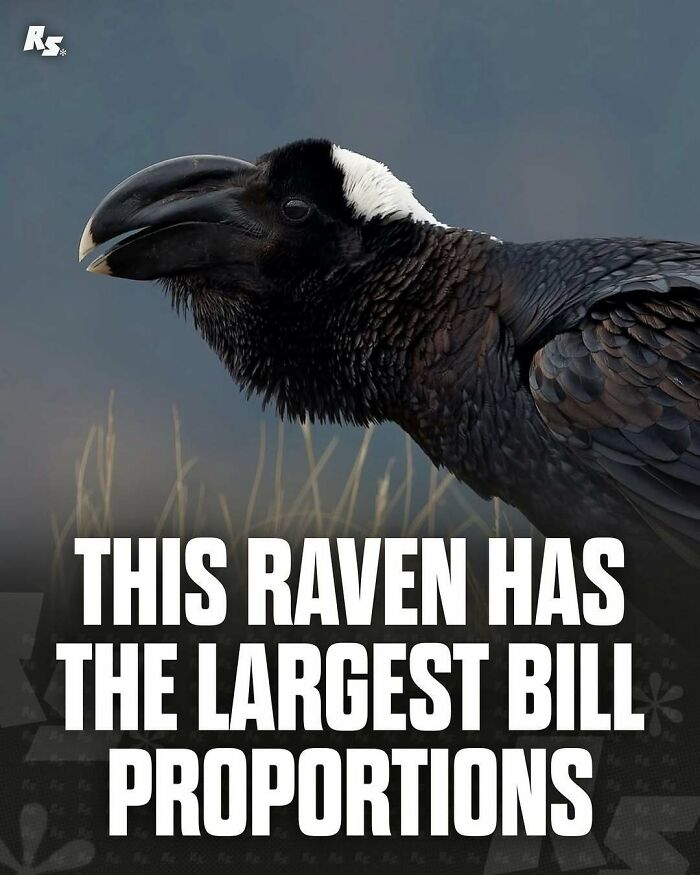
The thick-billed raven is found only in Ethiopia, Eritrea, and nearby parts of Somalia, making it one of the most geographically restricted ravens in the world. Up close, its glossy black feathers show an oily brown sheen on the throat and upper breast, muted gray tones along the neck and wings, and a small white patch at the back of the head. Its bill is the largest of any raven species relative to body size, allowing it to break into tough food sources such as grains and mole-rats, scavenge efficiently, and compete with larger birds like vultures. Thick-billed ravens occupy grasslands, moorlands, farmland, rocky terrain, woodlands, and towns, and have been recorded at elevations up to 4,100 meters (about 13,450 feet), where they forage opportunistically as omnivores. 📸 @ignacio_yufera
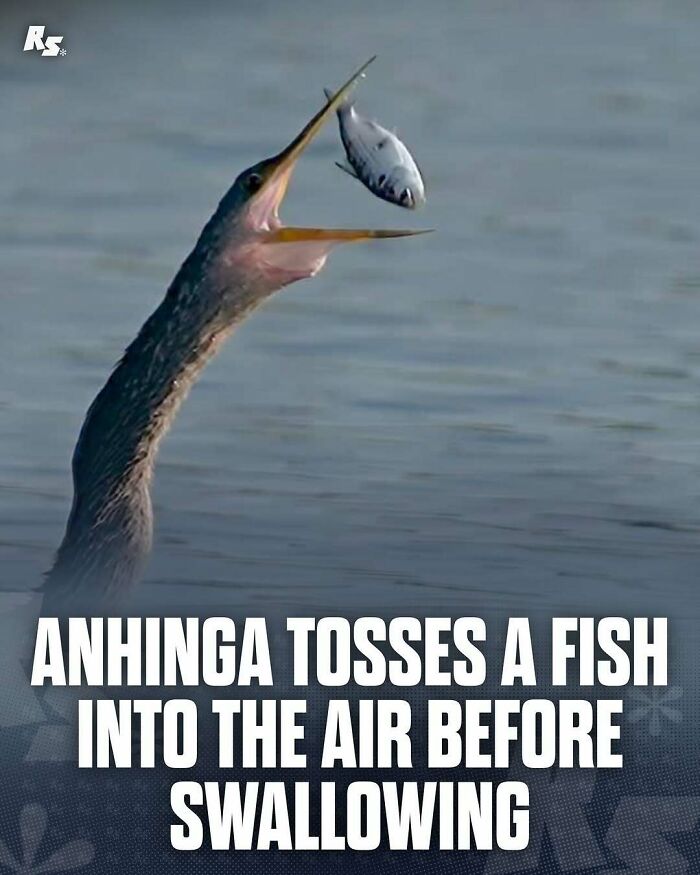
Captured by @mark.smith.photography, an anhinga tosses a fish into the air to align it head first before swallowing. Anhingas hunt by swimming low in the water and striking quickly at fish with their long neck and spear-like bill.
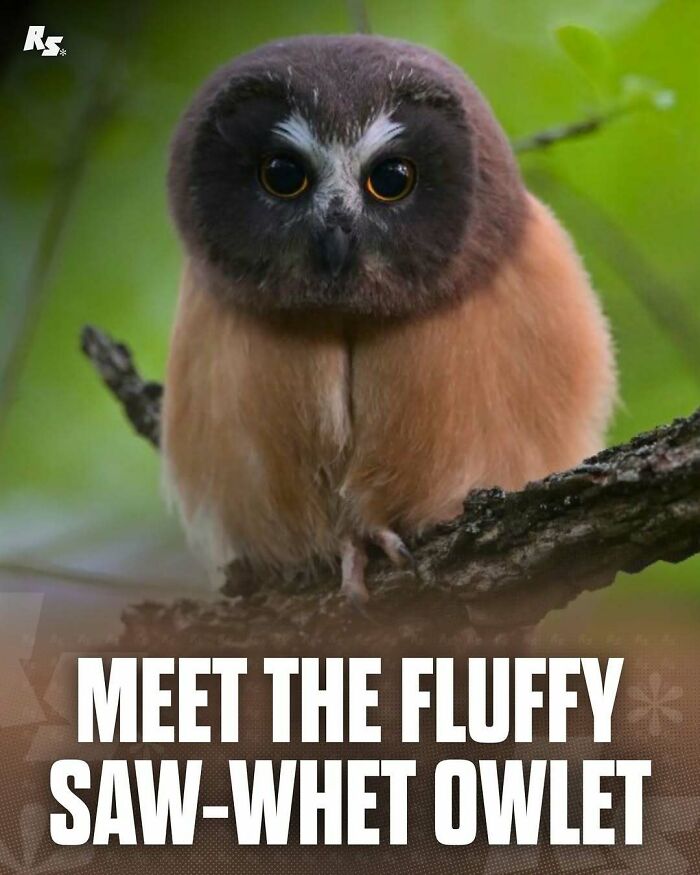
Young northern saw-whet owls have a cinnamon-colored belly and a largely unspotted brown back and crown. They begin their first molt in late summer, only a few months after hatching, and by autumn most body plumage resembles the adult pattern. However, the juvenile wing and tail feathers are retained through the first winter and replaced during later molts. Captured by @sriram.udhayab
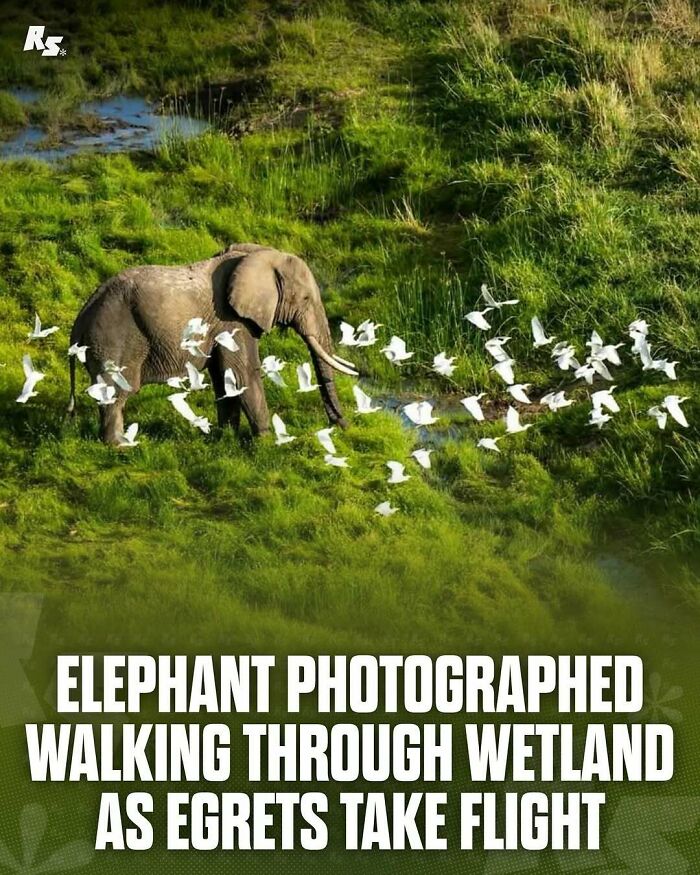
An African elephant moves through a wetland as egrets lift into the air in Tarangire National Park. Egrets often follow large mammals, feeding on insects and small prey stirred up as the animal walks. 📸 @brenden_simonson
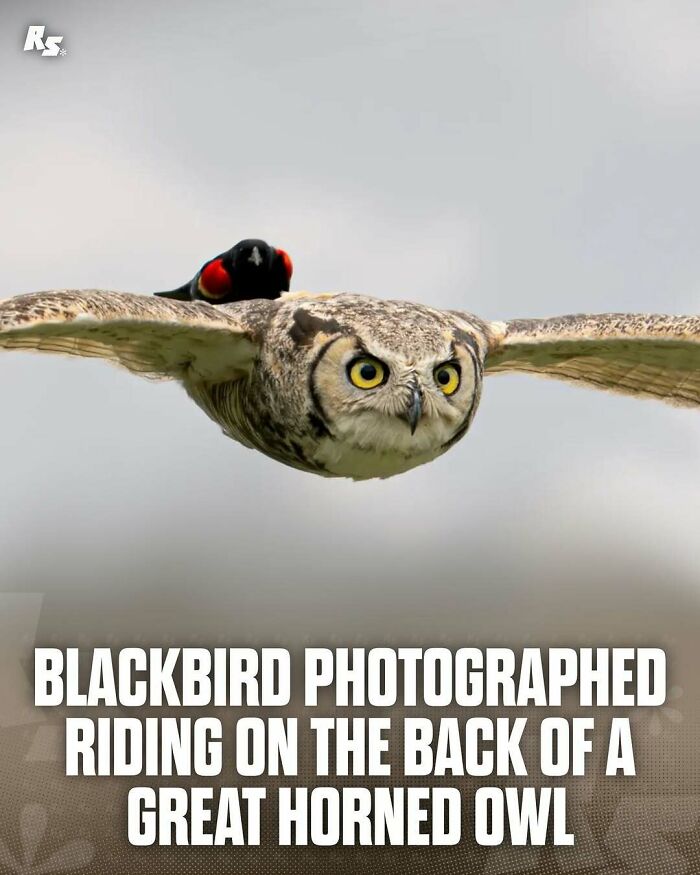
A male red-winged blackbird briefly perched on the back of a flying great horned owl as the two passed overhead in Boulder, Colorado, USA. This happened during mobbing, a behavior in which smaller birds harass larger predators like owls to drive them away from nesting areas or breeding territories. They may swoop at and strike larger birds mid-air. 📸
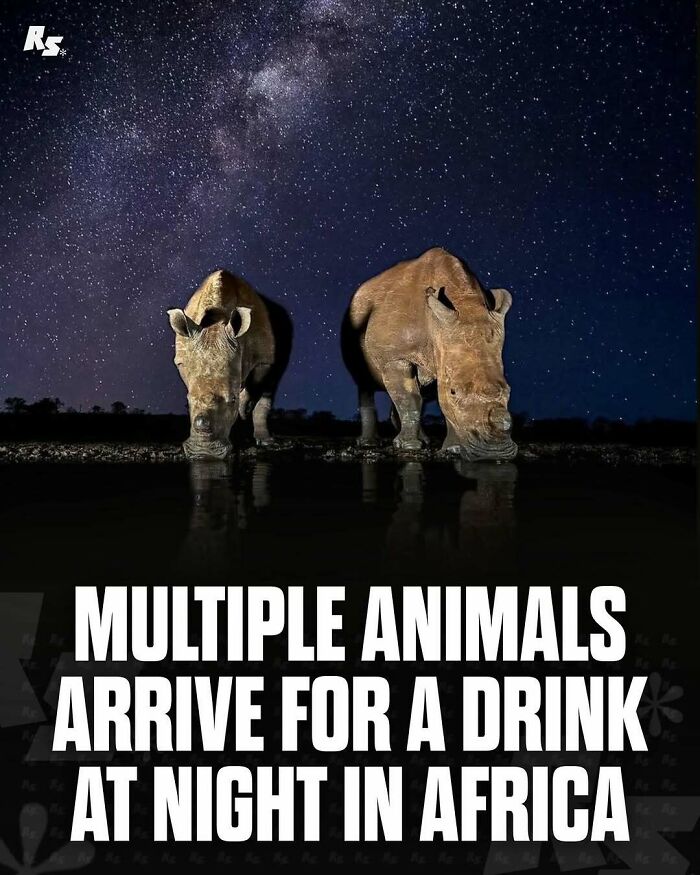
Different species arrive to drink after dark, captured during nighttime moments in South Africa and Kenya. Waterholes bring predators and prey to the same places, though their visits rarely overlap. Captured by @seanweekly
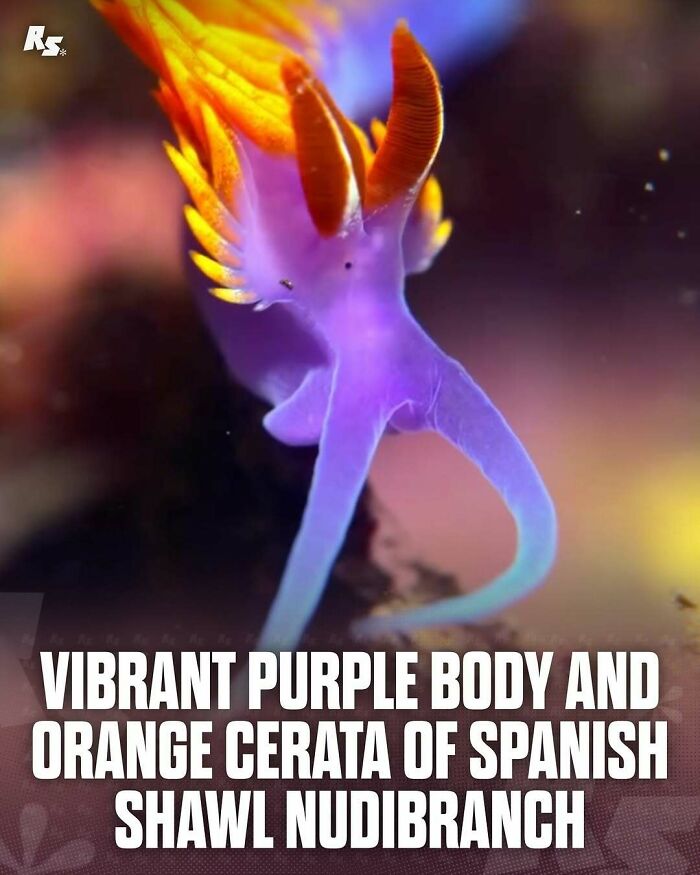
The Spanish shawl nudibranch (Flabellina iodinea) is a sea slug known for its purple body and bright orange cerata, which contain extensions of the digestive system. The species occurs along the Pacific coast of North America, from British Columbia to Baja California. It is commonly found on rocky reefs and in kelp forest habitats, where it feeds primarily on hydroids. Like other nudibranchs, it lacks a shell and relies on chemical defenses obtained from its prey for protection. 🎥 @somewheresomehowalex
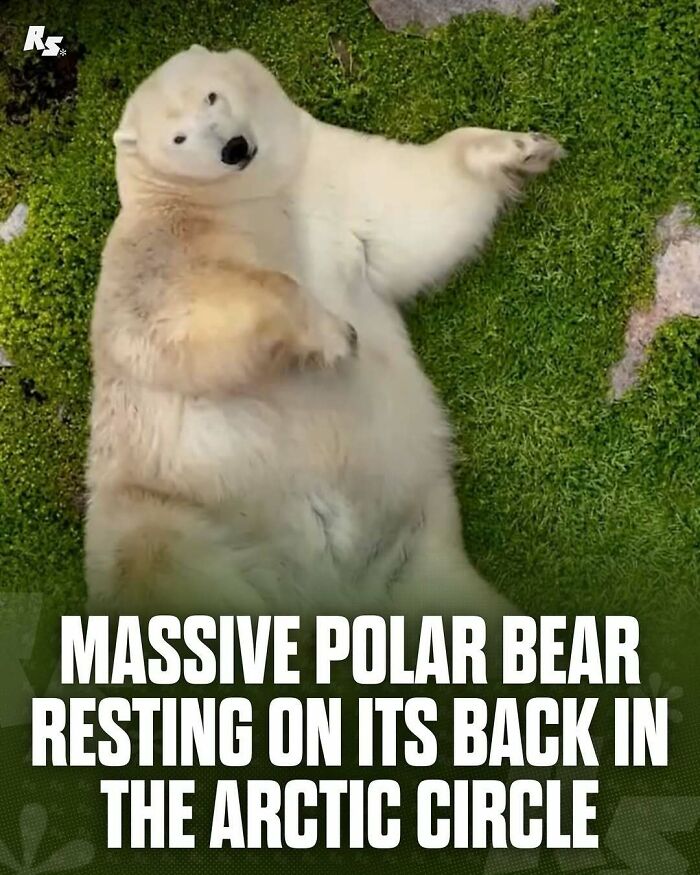
A polar bear lies on its back, resting among scattered rocks in the Arctic Circle. 🎥 @mywildlive
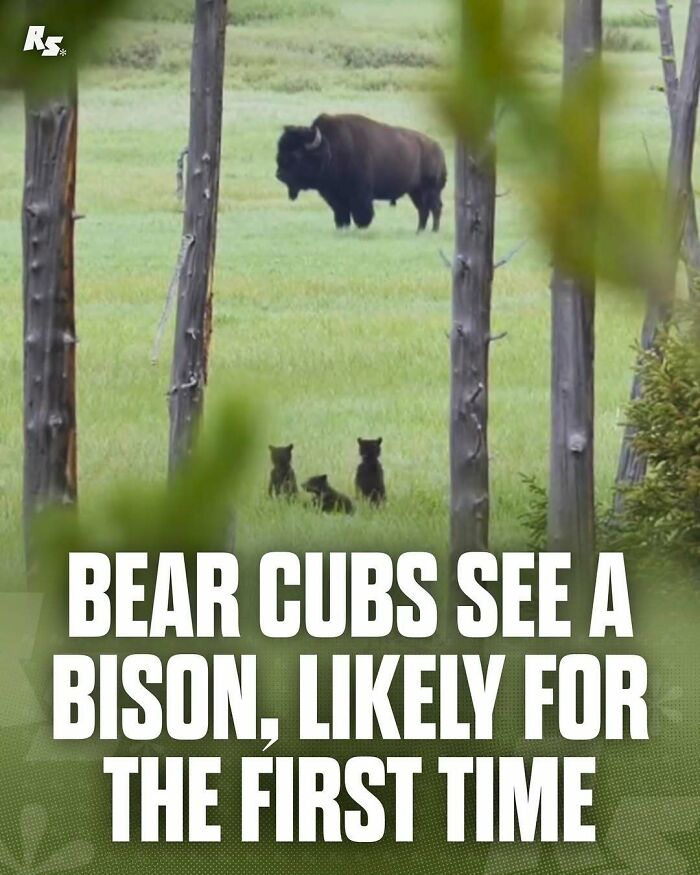
Three bear cubs encounter a bison in an open meadow, likely the first or one of the first times they had seen one. Their curiosity even caught the bison’s attention. Brown bears and bison share parts of the same range across North America. Bison are powerful animals that can weigh up to about 900 kilograms or 2,000 pounds and are not typical prey for bears. 🎥 @tannerjhaver
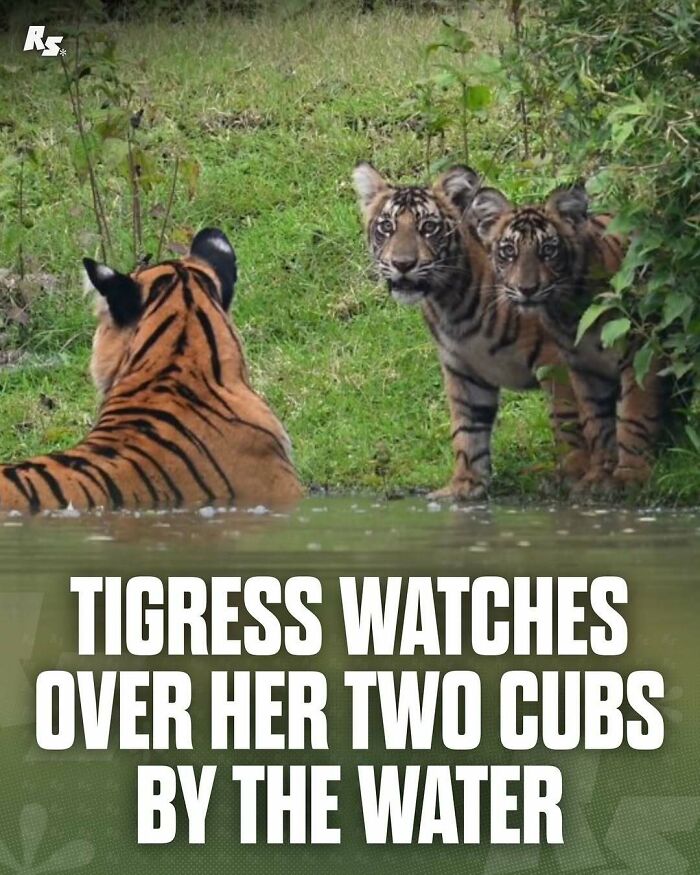
Two tiger cubs about five months old stay close to their mother by the water as she rests. Young tigers remain under their mother’s watch for many months while they grow stronger and begin learning how to move and explore their surroundings.🎥
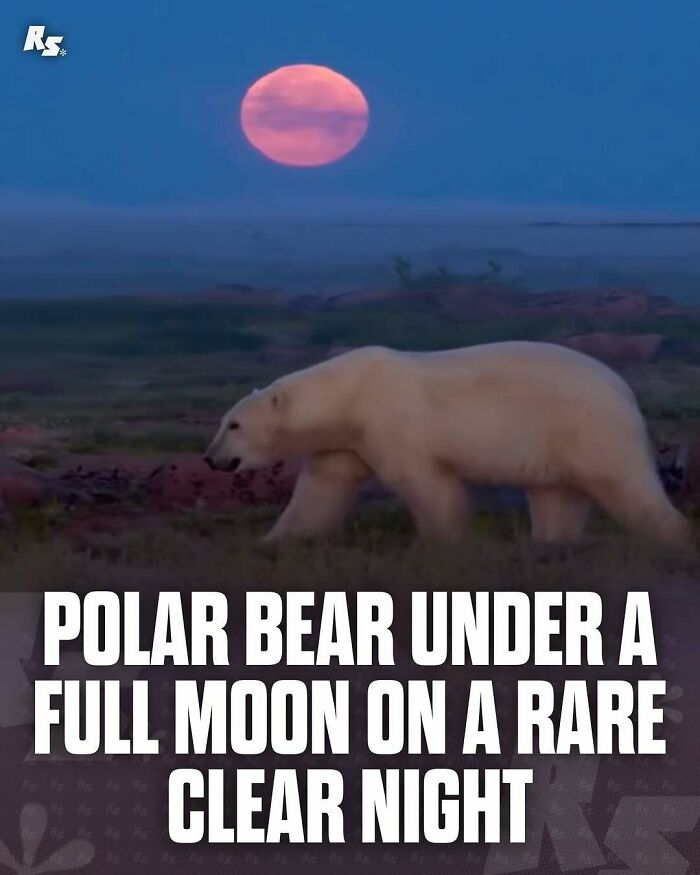
A full moon hangs overhead as a polar bear moves across the land in the Arctic Circle. 🎥 @mywildlive
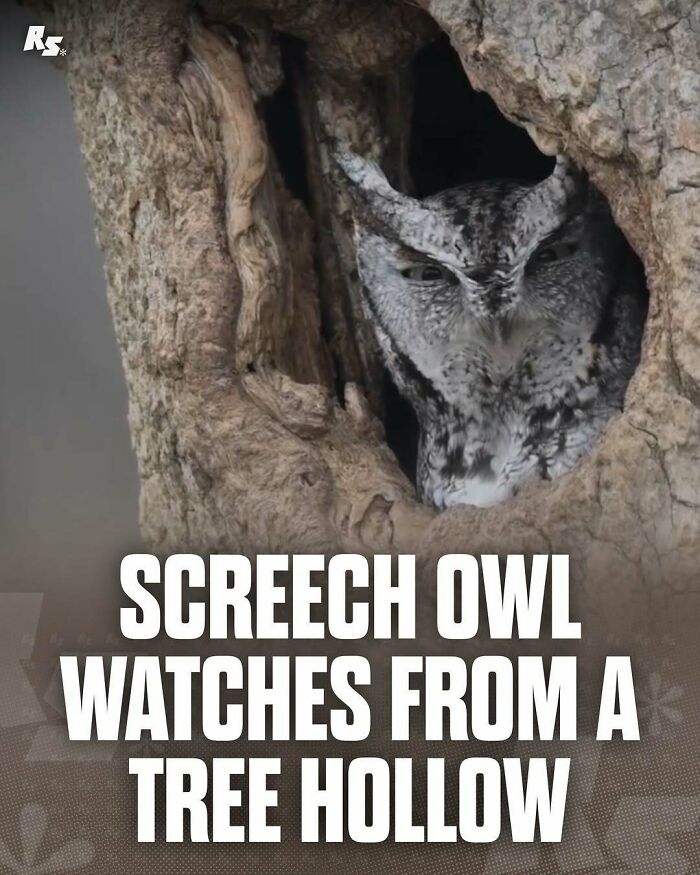
A screech owl peers out from a hollow in a tree, where it often roosts during the day. Its mottled plumage matches the bark, helping it remain hidden.🎥 @sriram.udhayab
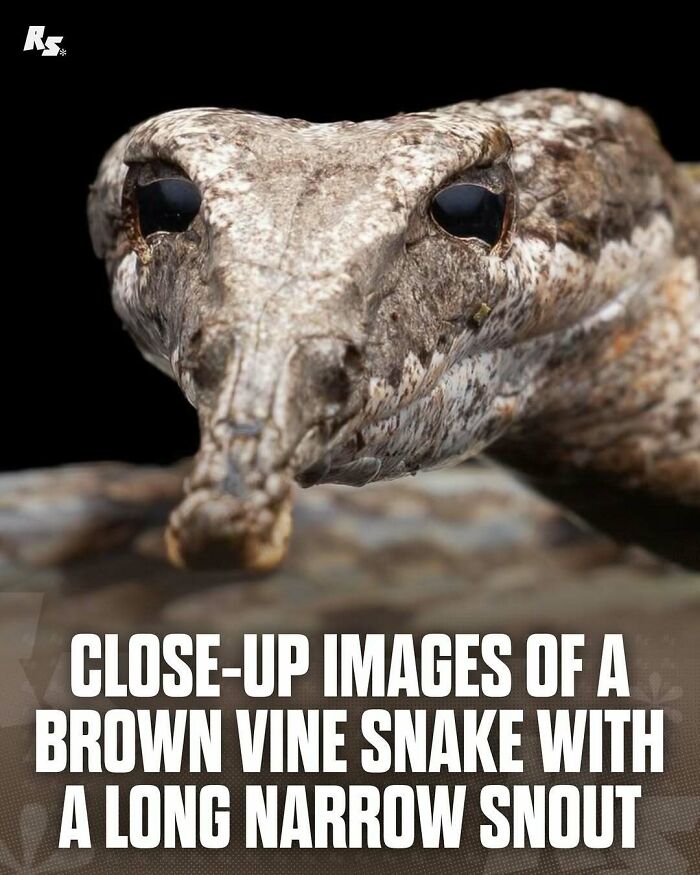
The brown vine snake is a slender tree-dwelling species found in parts of the Western Ghats of India. Its long body and narrow pointed snout closely resemble a dry twig or vine. This species can reach around 5 feet (1.5 meters) in length and has large forward-facing eyes. It hunts small prey such as lizards and frogs. These images were taken in Agumbe, India. 📸
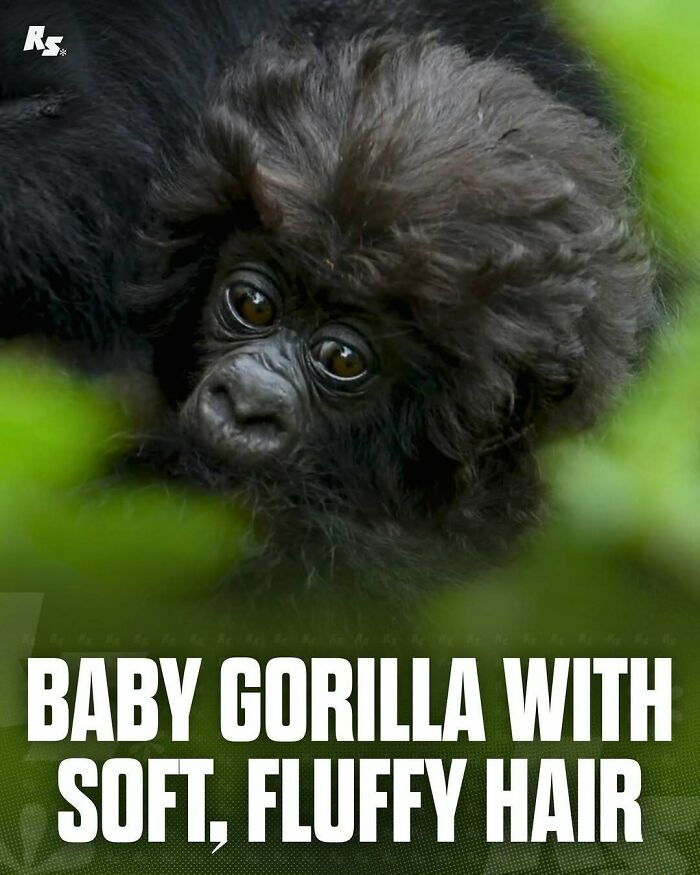
Mountain gorilla infants are born with soft, slightly curly hair. As they grow, their coat becomes thicker and rougher, giving them the shaggy look adults are known for. That heavy fur helps them handle the cool, damp climate of the high-elevation forests in East Africa. 🎥 @savinggorillas
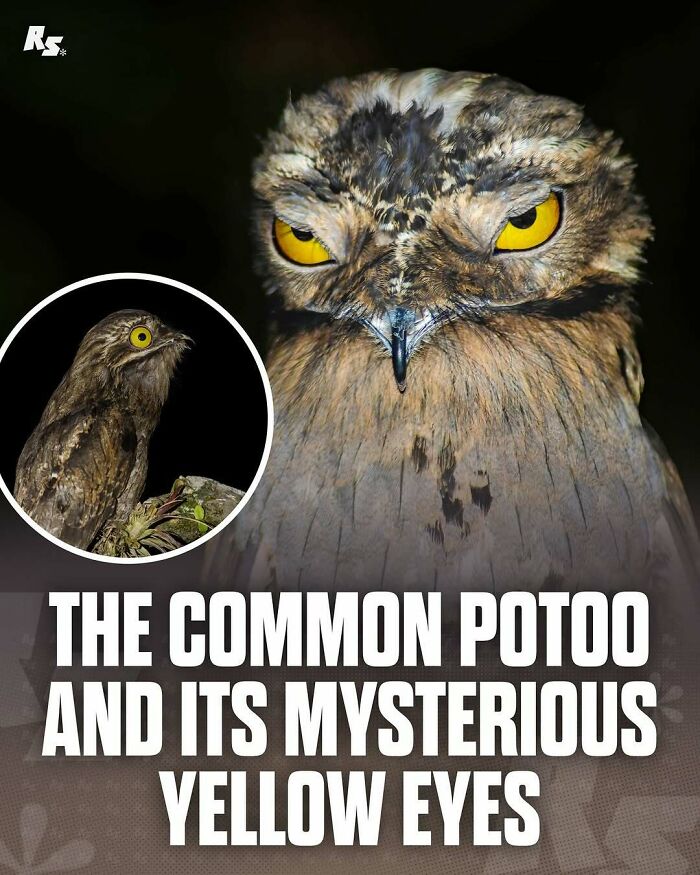
The common potoo has huge yellow eyes built for seeing in very low light. At night, this nocturnal bird hunts flying insects from a perch, watching for movement before launching out to catch prey. The species is found across Central and South America. During the day, its feathers closely resemble tree bark, and the bird stays so still that it can look like part of the branch itself. Thin slits in the eyelids allow it to detect movement even when the eyes appear closed.
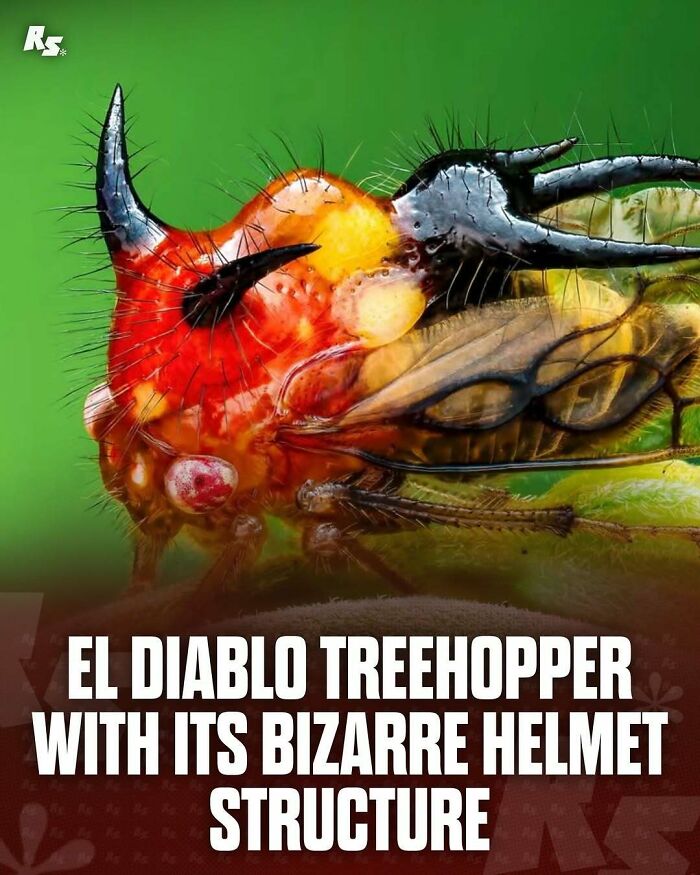
El Diablo is a nickname for Poppea capricornis, a species of treehopper in the family Membracidae. Like other treehoppers, it has an enlarged pronotum, a plate on the thorax that extends upward into unusual shapes. In this species, the pronotum forms long hornlike projections. The exact function of these structures is still being studied and they may play a role in camouflage, defense, or communication. Treehoppers feed on plant sap using piercing mouthparts and are found across tropical regions of Central and South America. This individual was photographed in Canandé, Ecuador. 📸 @jwinden_macro
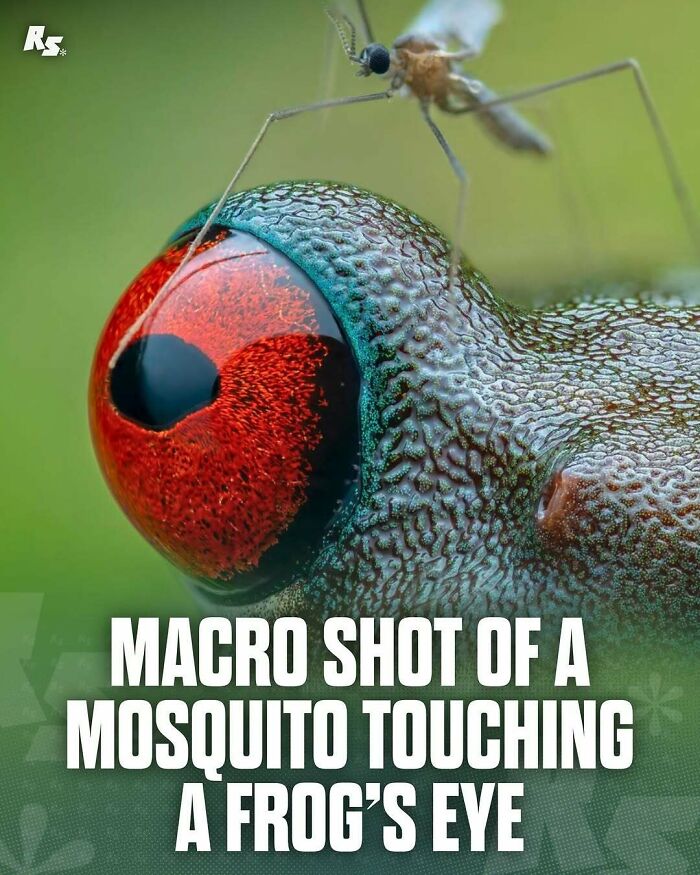
A male mosquito moved across the head of a rufous-eyed stream frog (Duellmanohyla rufioculis), briefly touching its eye. This species is endemic to the cloud forests of Costa Rica, where this photograph was taken. 📸 @laurent_nam
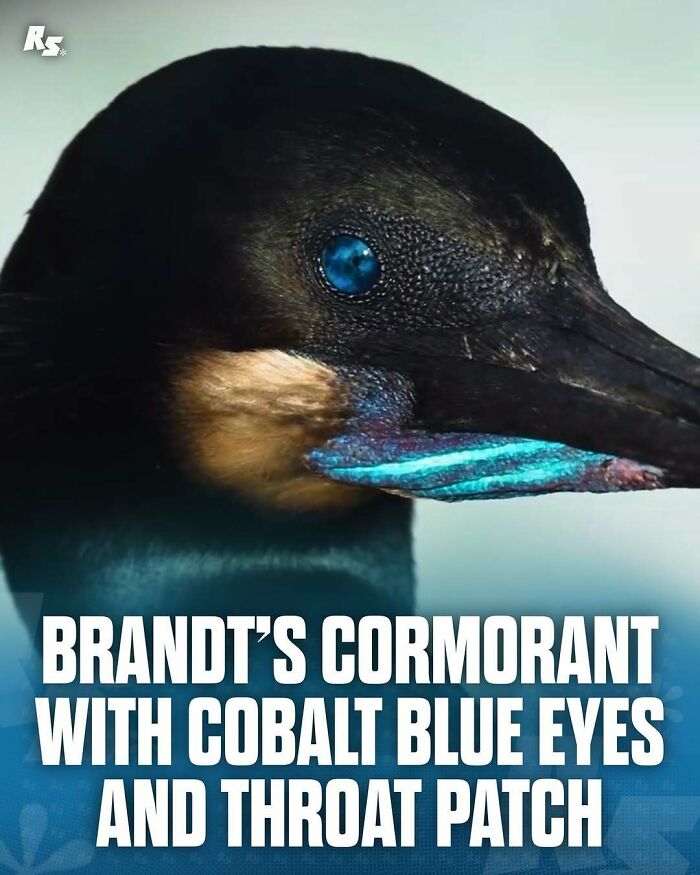
Brandt’s cormorants develop cobalt-blue eyes that reach their brightest intensity during the breeding season, when they play a role in courtship displays. Their gular throat patch also turns vivid blue. Outside the breeding season, both features become less intense. The throat patch darkens and dulls, and the eyes shift to a more subdued greenish or gray tone. 🎥 @nathoutsidethebox
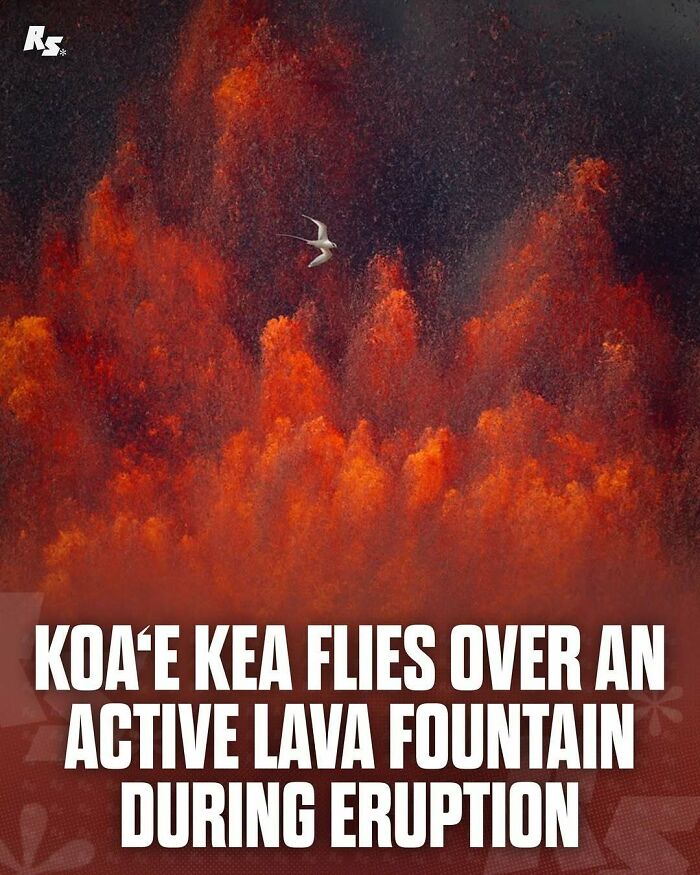
A koaʻe kea flies over a lava fountain during a volcanic eruption in Hawaiʻi. This seabird spends most of its life over the open ocean and has distinctive long tail streamers. Lava fountains form when gas escapes from rising magma, sending molten rock high into the air. Captured by @tomkualiiphotography
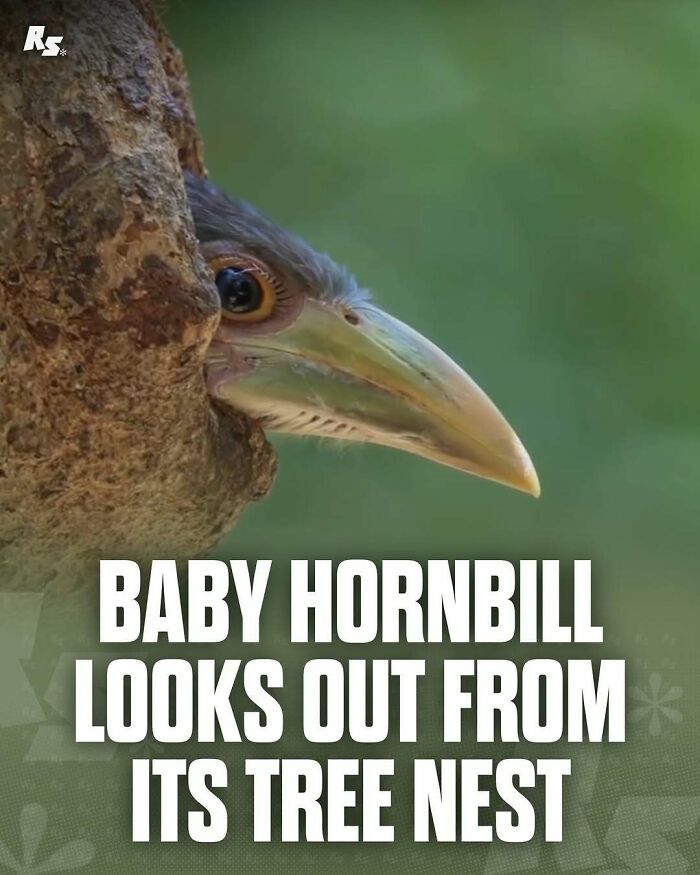
Most hornbill species nest inside tree hollows. The female, often using material brought by the male, seals herself inside the cavity with a mixture of mud, feces, and fruit pulp, leaving only a narrow vertical slit through which the male passes food to her and later to the chicks. In many species, as the chicks grow, the female breaks out of the seal early to help the male gather food. The chicks remain inside the cavity until they are ready to fledge. This footage was captured in Sri Lanka. 🎥 @ravisara.jayamanna
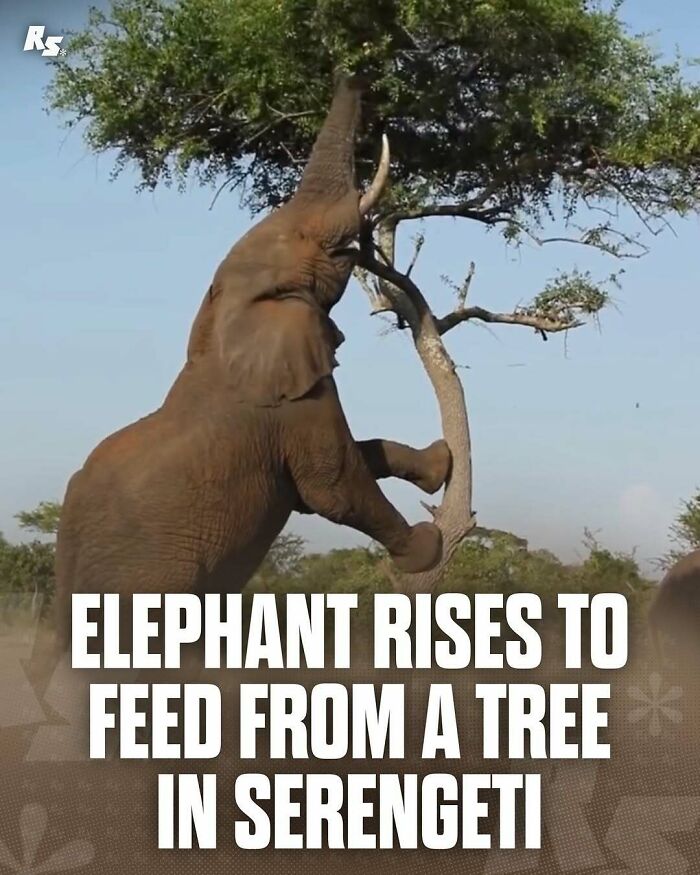
An elephant rises onto its hind legs to reach leaves high in a tree, snapping off a branch before eating from it in the Serengeti. Although elephants are often seen grazing at ground level, they can rear up to access foliage beyond the height reachable by most other large herbivores. 🎥 @manja_kema
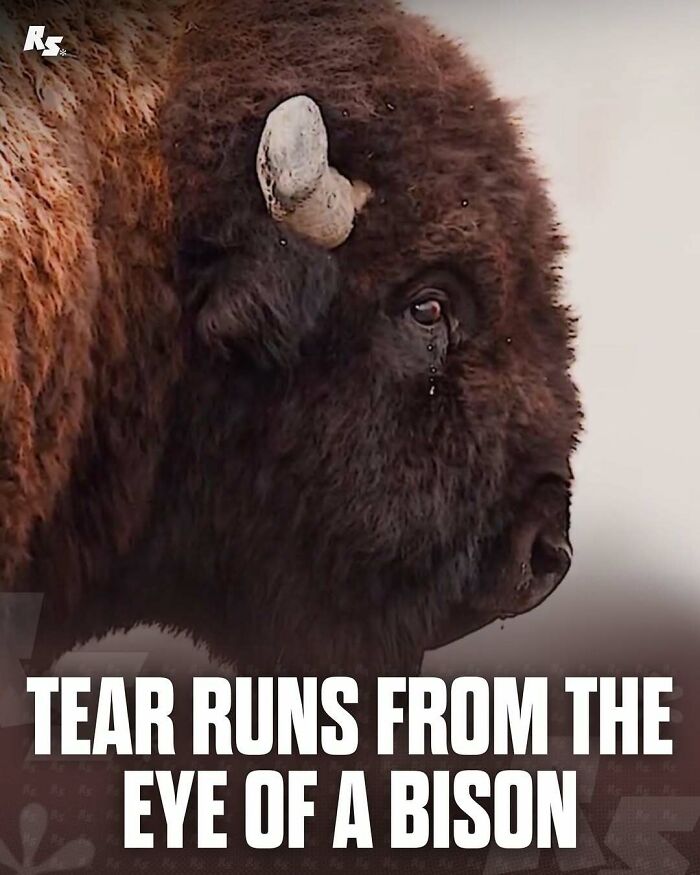
Captured by @chrishenry in Utah, a tear runs from the eye of this American bison. American bison maintain a thin tear film that keeps their eyes moist and protected. In cold, windy, or dusty conditions, excess tears can become visible as they drain, washing away debris and irritants.
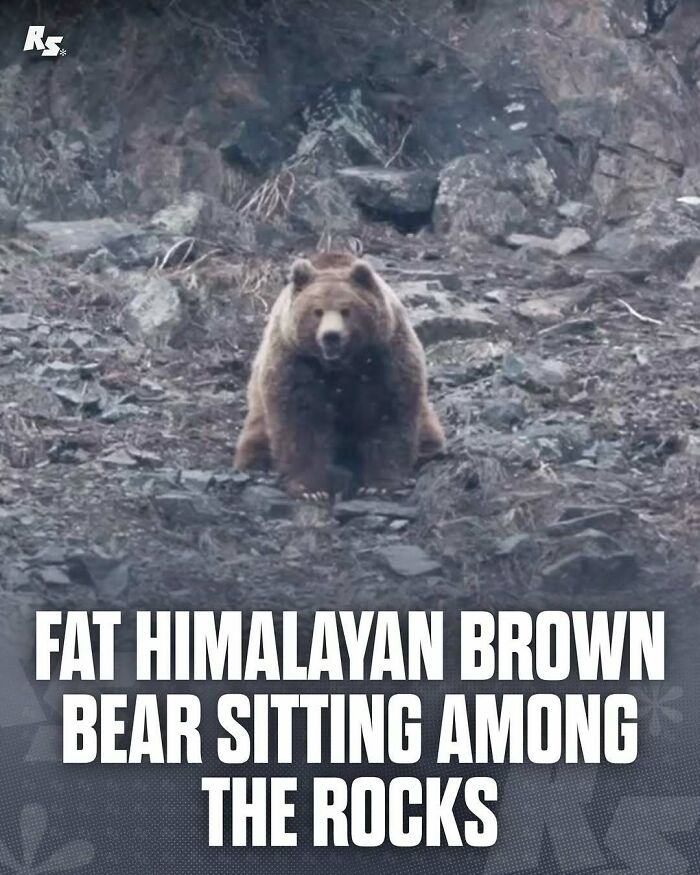
A Himalayan brown bear sits among the rocks as snowflakes drift through the air around it. 🎥 @caramjeet
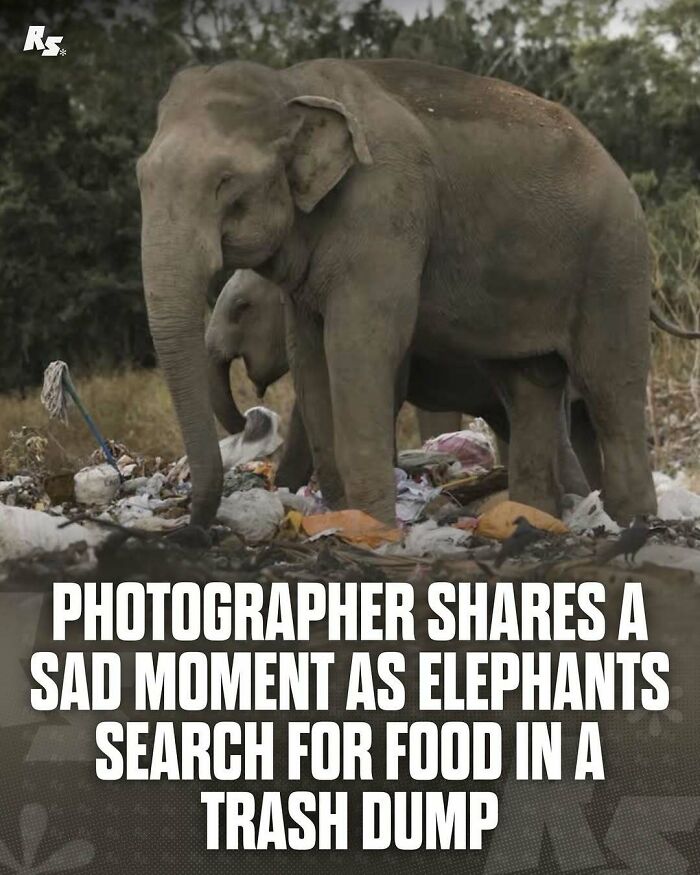
A mother elephant and her calf were seen searching for food at a dump site. Habitat fragmentation and expanding human development can push wildlife closer to towns and villages. In some cases, elephants begin scavenging at waste sites when natural food sources become harder to access. 🎥 @photodadddy
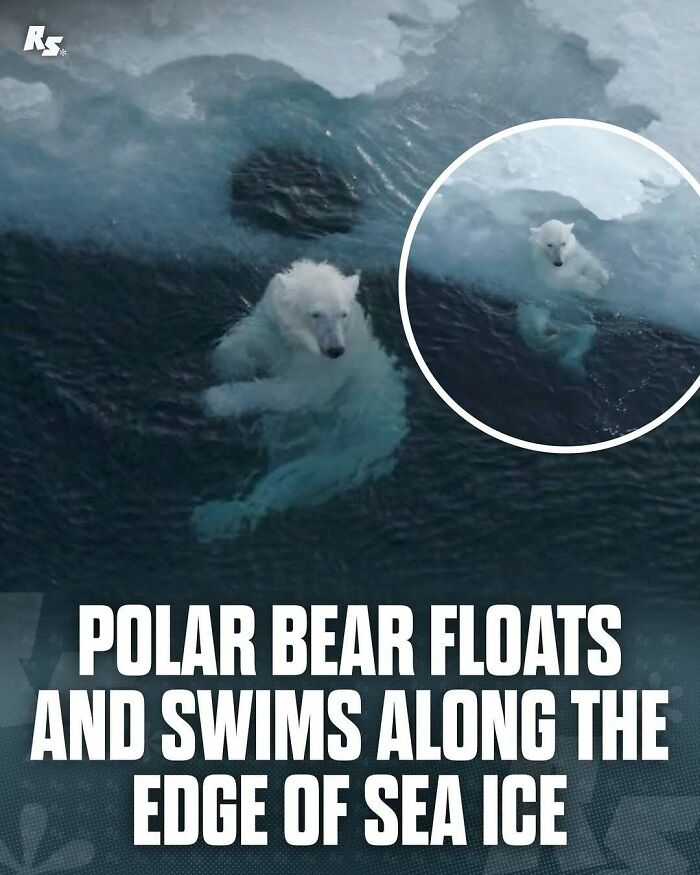
This polar bear was observed swimming and floating on her back along the ice edge as the harshest winter conditions ease. 🎥 @florian_ledoux_photographer
A human being would become physically incapacitated in 2 to 15 minutes in water that cold, unconscious in about 15 minutes, and life would cease in about 45 minutes assuming that the person was wearing a life jacket and their head was still above water. I marvel at how these bears actually choose to enter water that cold, and do so frequently.
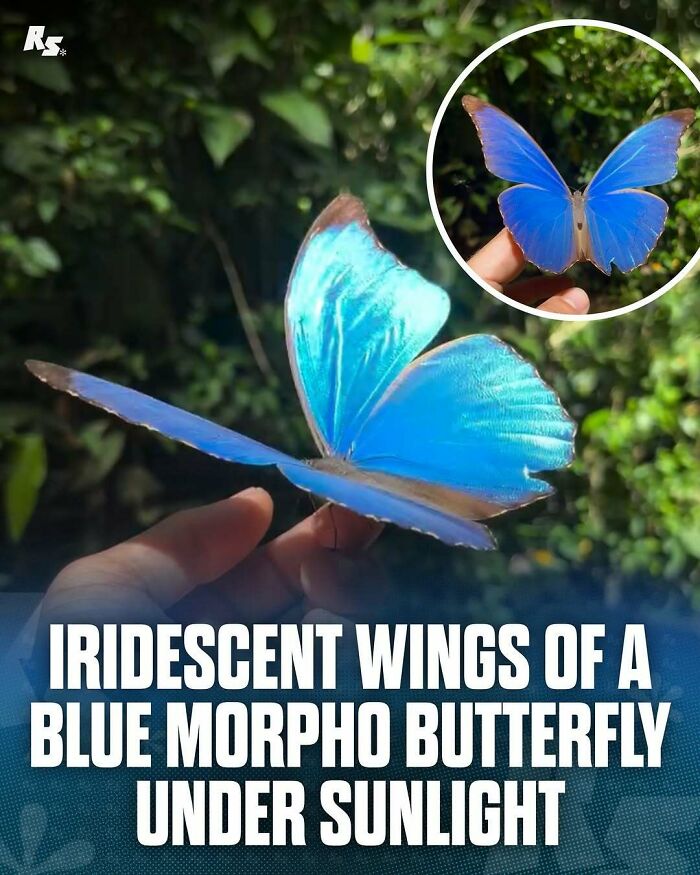
A blue morpho butterfly reveals its iridescent wings under direct sunlight in the Costa Rican rainforest. The intense blue is not produced by pigment. Instead, microscopic structures on the wing scales reflect light, creating a structural color that shifts with changing angles. When the wings close, the underside appears brown with eye-like markings, helping the butterfly blend into tree bark and leaf litter. This contrast between bright upper wings and muted undersides allows the blue morpho to flash color in flight and blend in when it lands. 🎥 @junglenightwalk
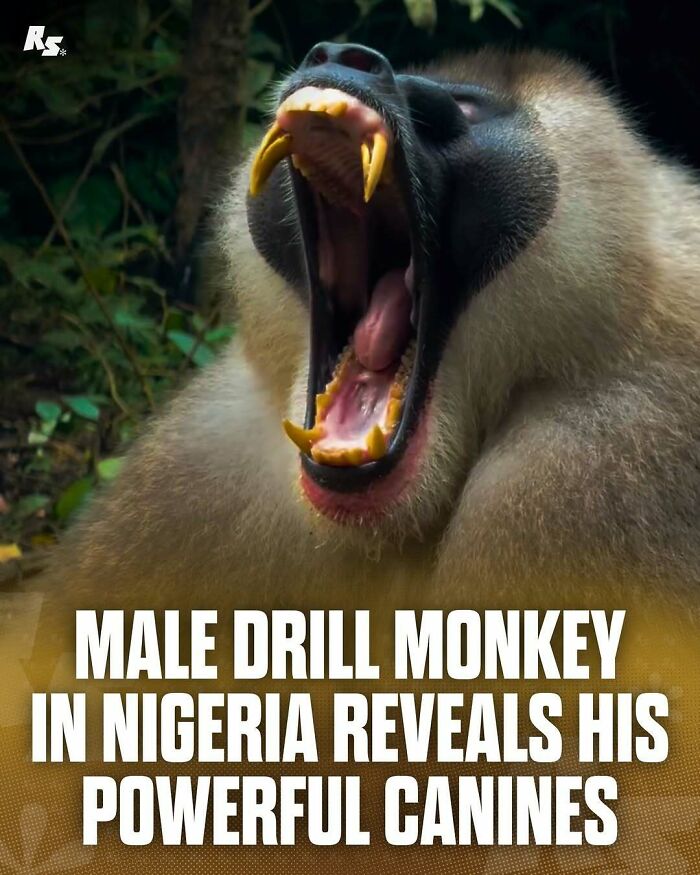
Adult male drill monkeys average around 32 kg (71 lbs) and have a muscular build with large canine teeth that can reach up to 2 inches (5 cm) in length. Drills are closely related to mandrills and share similar features, though they lack the bright facial coloration seen in mandrills. They are difficult to observe in the wild and live in groups of around 20 to 30 individuals, sometimes joining together to form supergroups of more than 100. They are native to the rainforests of southeastern Nigeria, southwestern Cameroon, and Bioko Island in Equatorial Guinea and are classified as endangered, making conservation programs important for the species’ survival. 🎥 @janainthewild
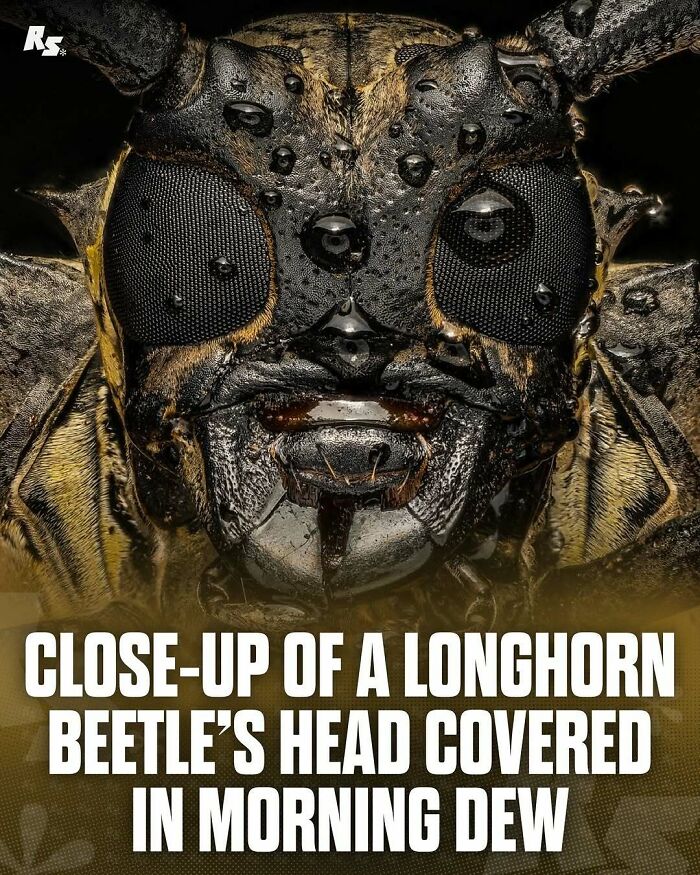
This close-up shows the head of a longhorn beetle with drops of dew reflecting the speedlight and diffuser used by the photographer. Although its antennae are not visible here, they are a defining trait of longhorn beetles and can often exceed the length of the body. Many species of longhorn beetles develop in dead or decaying wood, where their larvae help break down wood and recycle nutrients back into the soil. They come in a wide range of patterns and colors. 📸 @explorewithdara
There are over 35,000 species of Longhorn Beetles, and I have a hard time identifying this guy, based on such an extreme close-up. Two of the better known are 'Asian Longhorned Beetle' and 'Titan Beetle'. I've been very fascinated by insects, and love nature, since I was a kid, so I tend to get a bit giddy when I come across articles on BP filled with interesting beings and can't resist commenting...
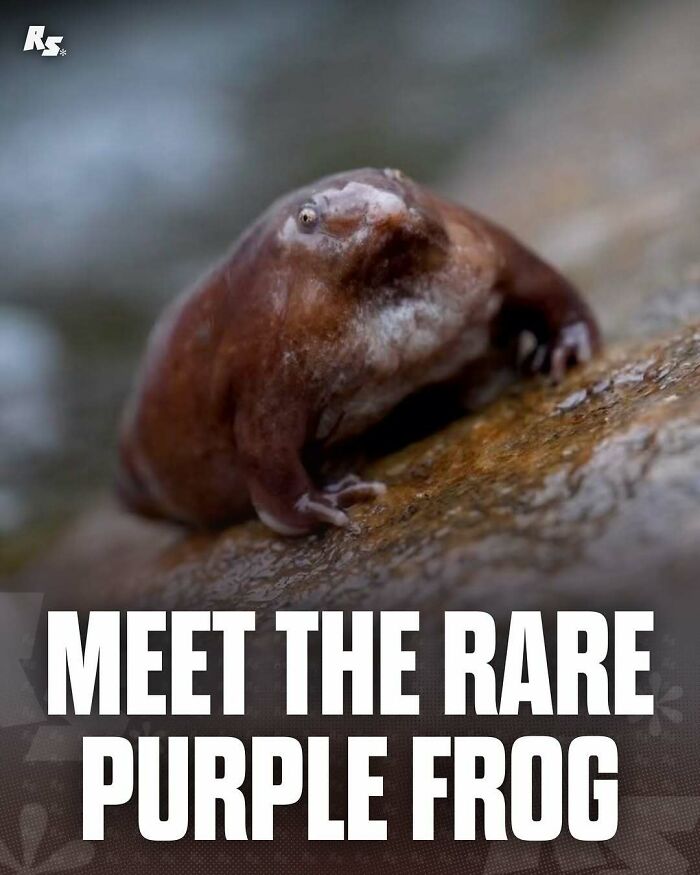
The purple frog is a burrowing amphibian found in the Western Ghats of India. Its skin appears dark purplish to brown, with color shifting slightly depending on lighting and soil. It spends most of its life underground and emerges briefly during the monsoon to breed. Its pointed snout and strong forelimbs are built for digging. Underground, it feeds mainly on termites and other small invertebrates.
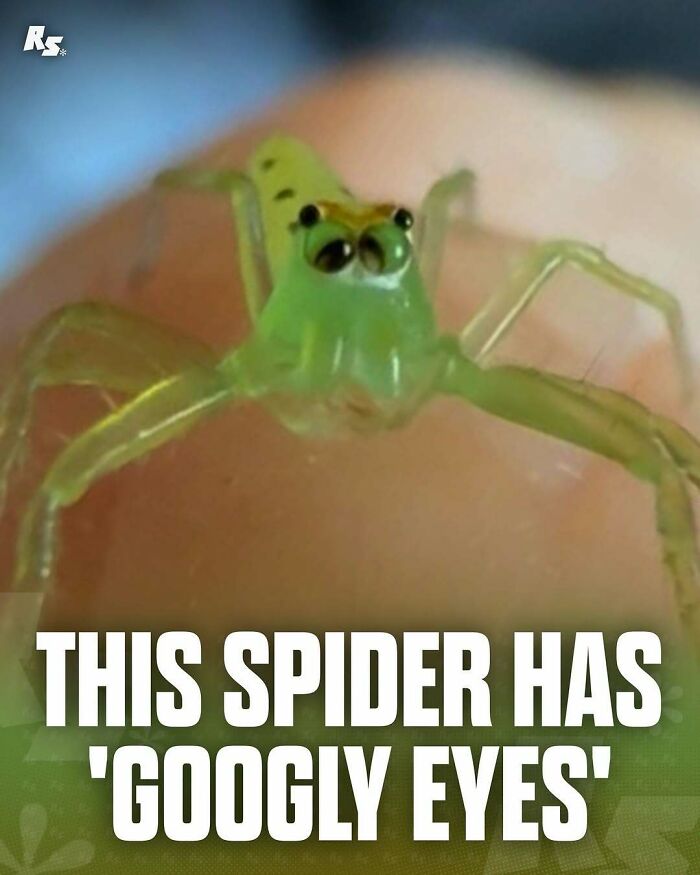
This female Lyssomanes viridis does not move her eyes. Instead, the light-sensitive tissue inside each eye moves behind a fixed outer lens. That internal movement creates the illusion that her pupils are shifting, giving her the “googly eyes” look. These movable retinal tubes sit inside the cephalothorax, which is the spider’s fused head and thorax. This system is most developed in jumping spiders, although a few other groups, such as ogre-faced spiders, show similar retinal movement. 🎥 @spoodyhaven
Magnolia Green Jumper. That green shade is so pretty, it almost distracts from the somewhat derpy look on display in this photo

So many animals I didn't know exist. Really stunning wildlife. We must protect nature and all of its wonderful life more than ever.
Thank you, Ridhima and Jonas, for this fascinating article/post. It was so lovely to see such beautiful wildlife photos

So many animals I didn't know exist. Really stunning wildlife. We must protect nature and all of its wonderful life more than ever.
Thank you, Ridhima and Jonas, for this fascinating article/post. It was so lovely to see such beautiful wildlife photos





































 No fees, cancel anytime