Get Premium
Dark mode theme is available exclusively for premium users. Learn more about the benefits of subscribing.
No fees, cancel anytime.

 Dark Mode Ad-Free Browsing Unlimited Content
 Ad-Free Browsing Unlimited Content Dark Mode
Join 1.2 million Panda readers who get the best art, memes, and fun stories every week!
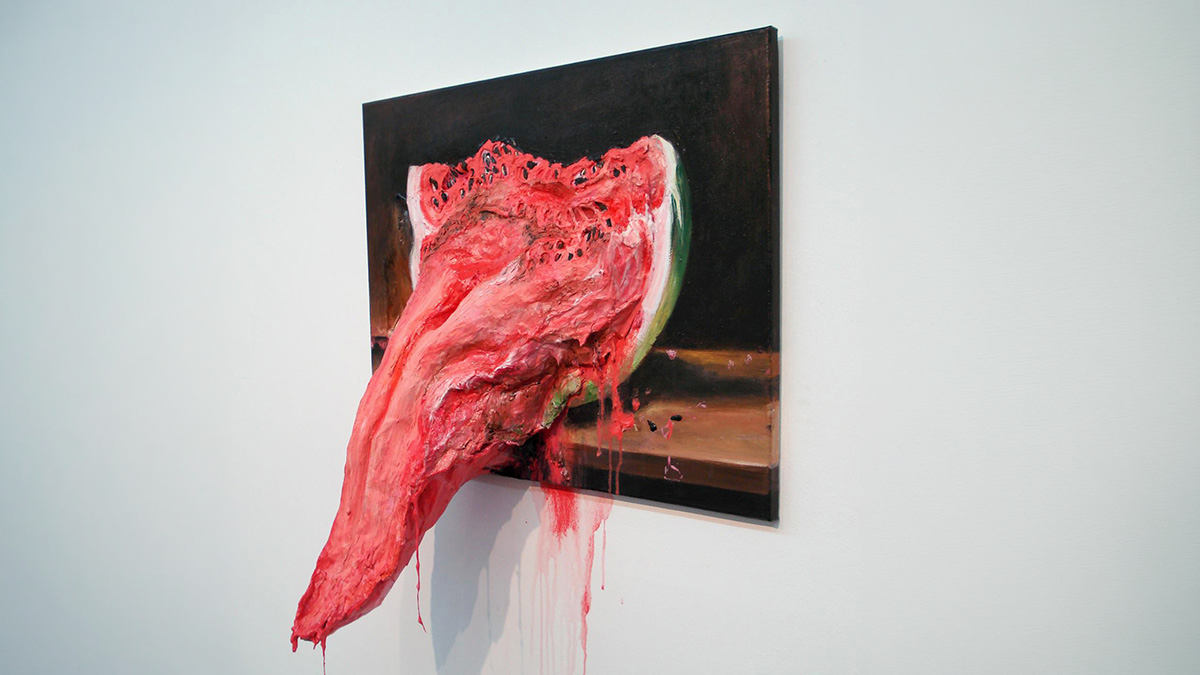
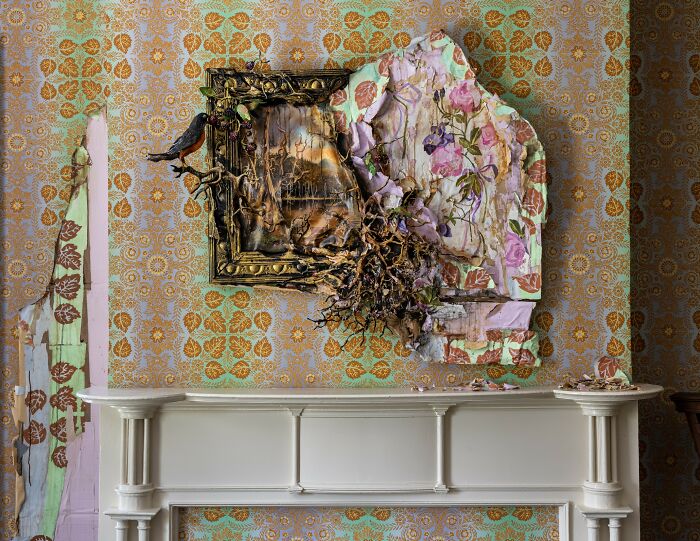
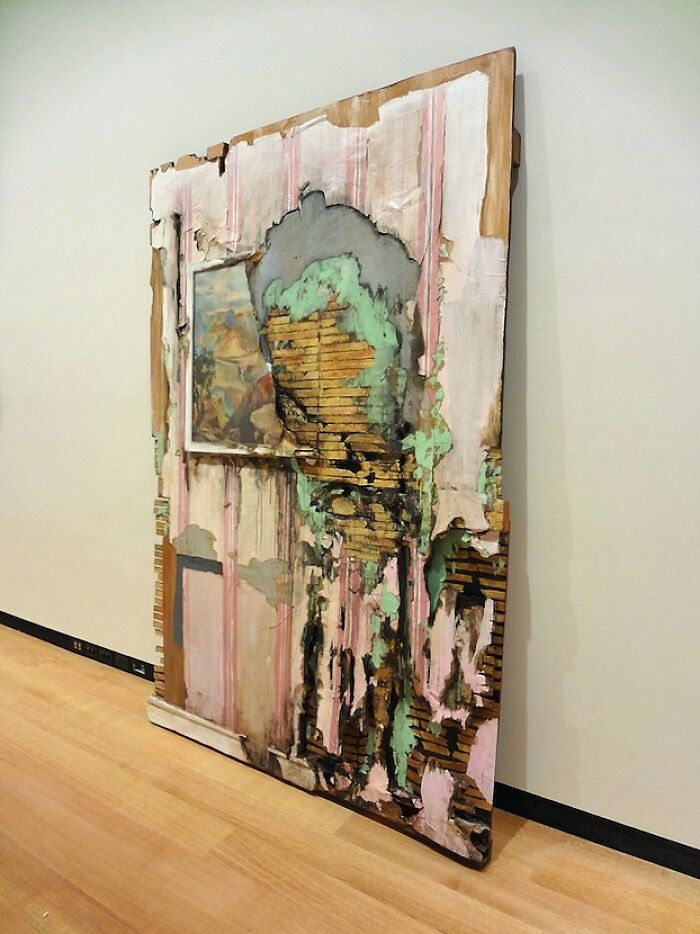
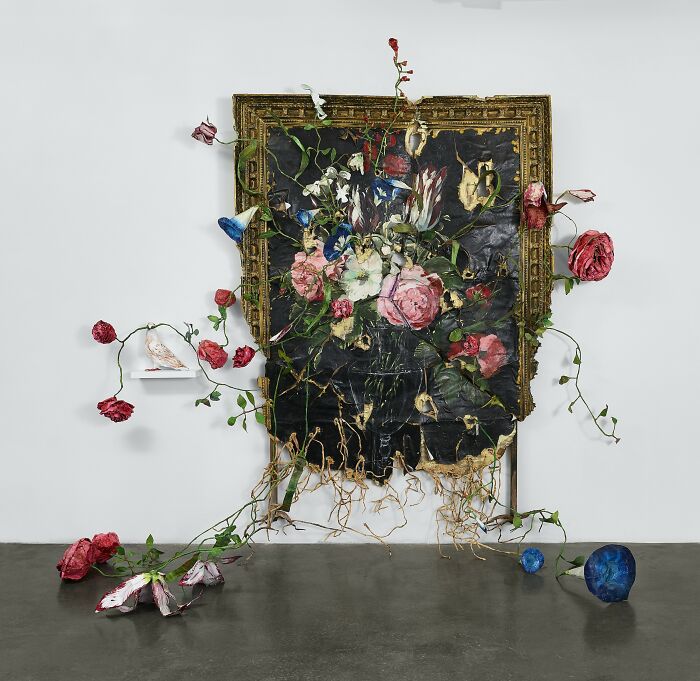
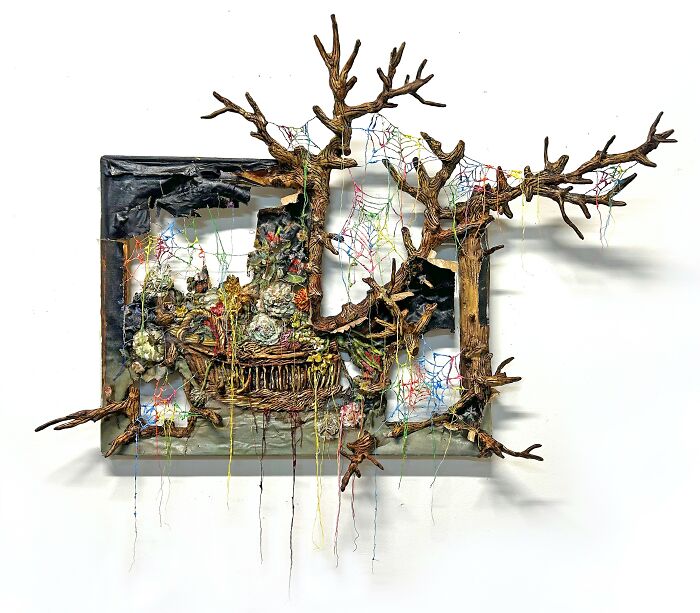
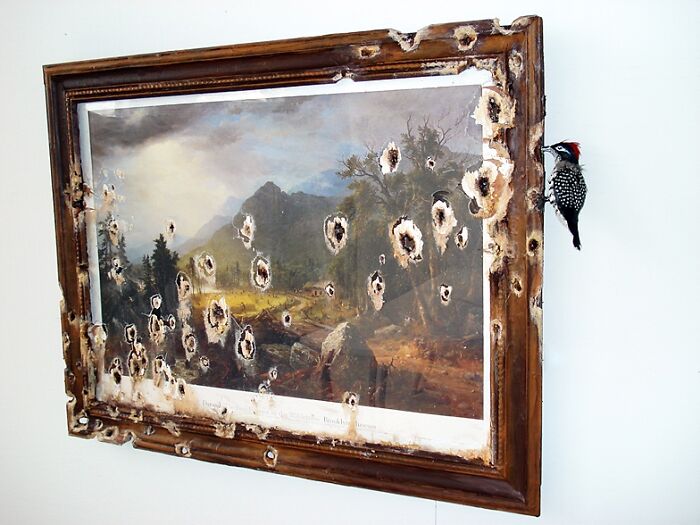
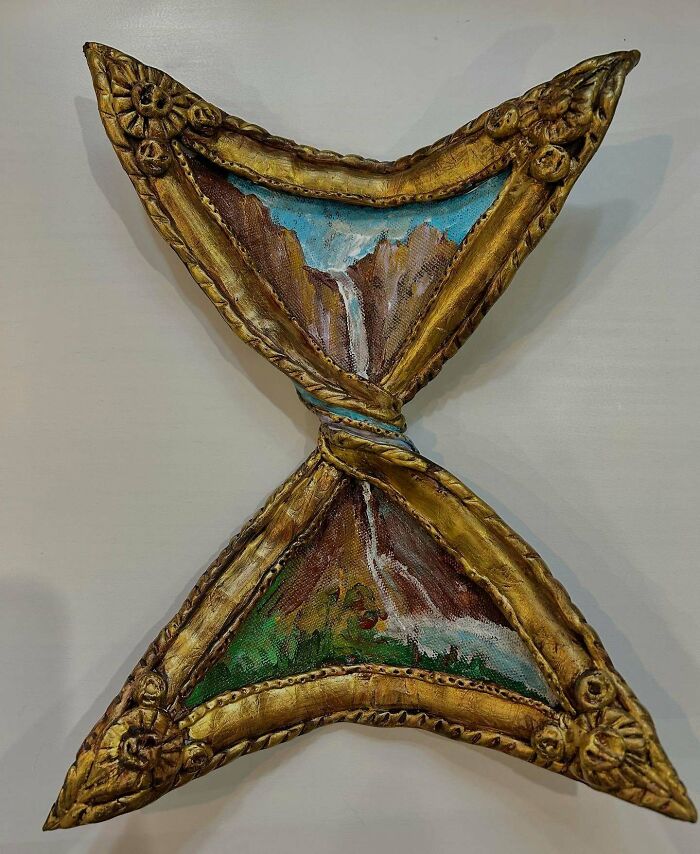
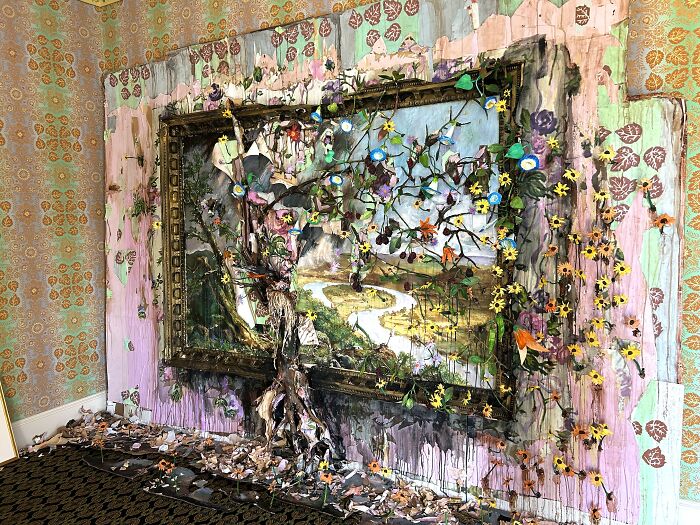
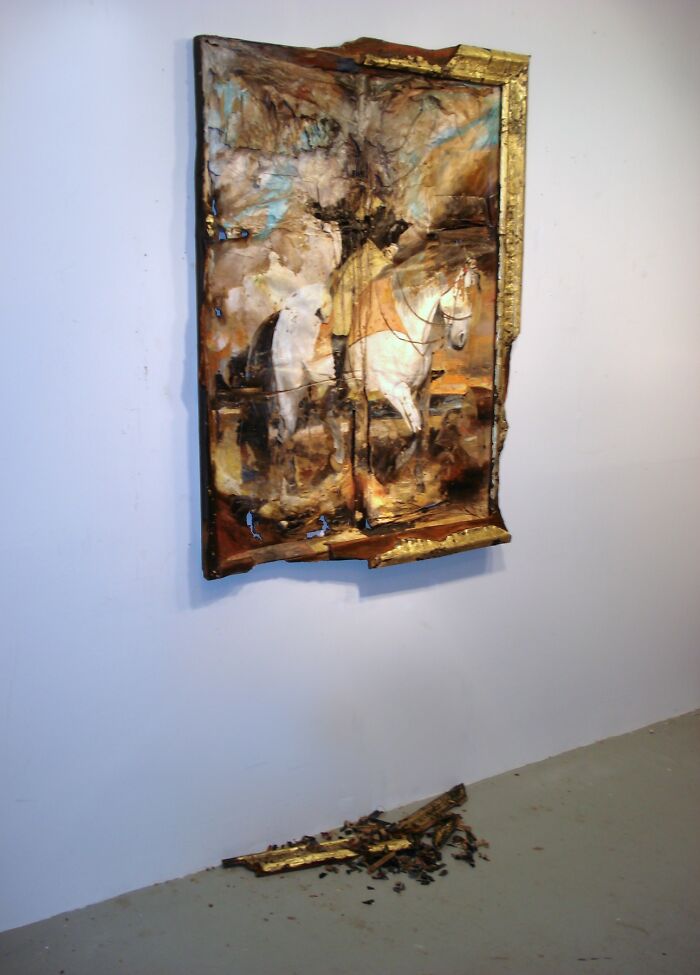
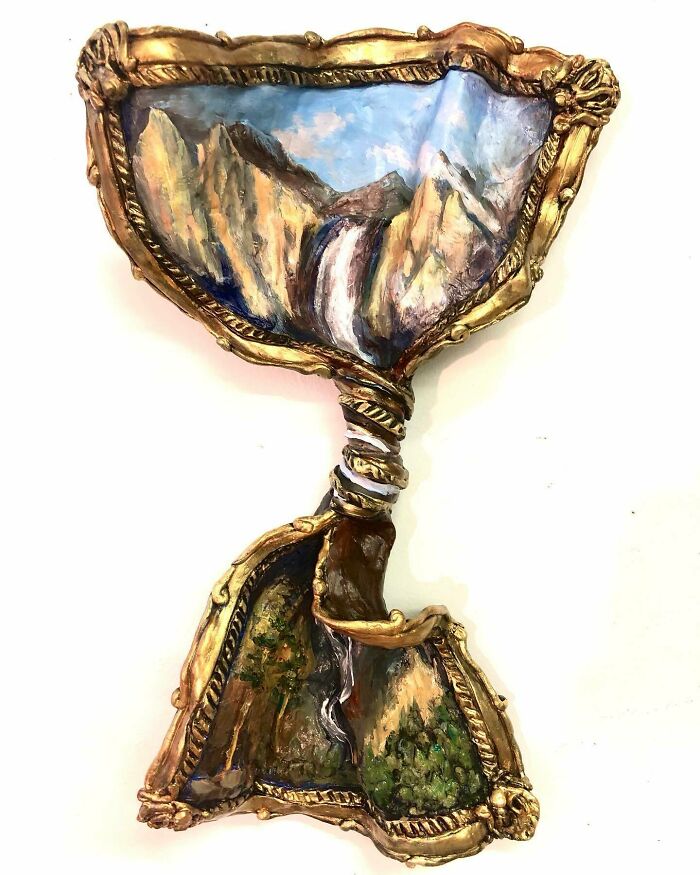
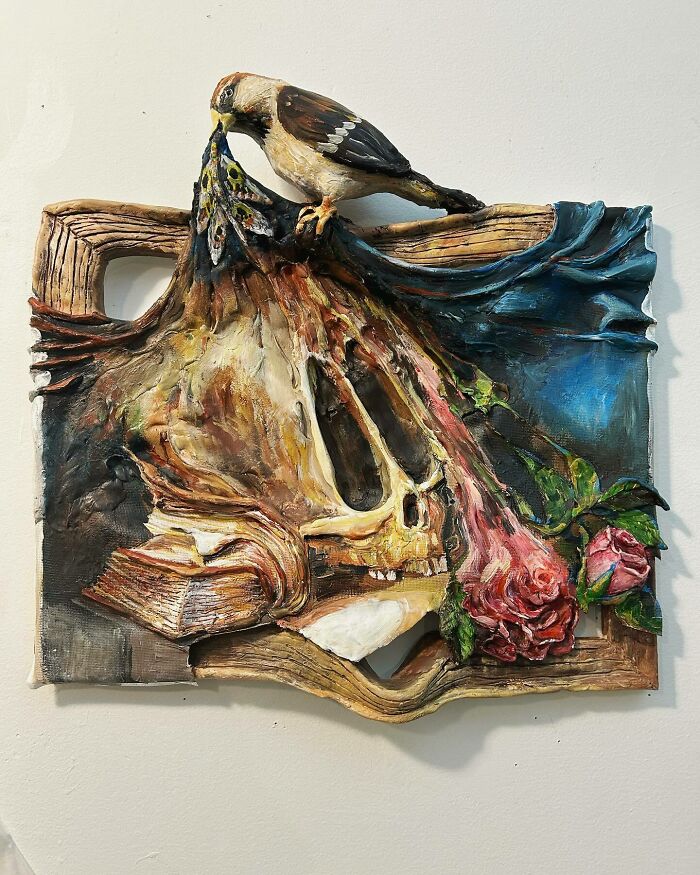
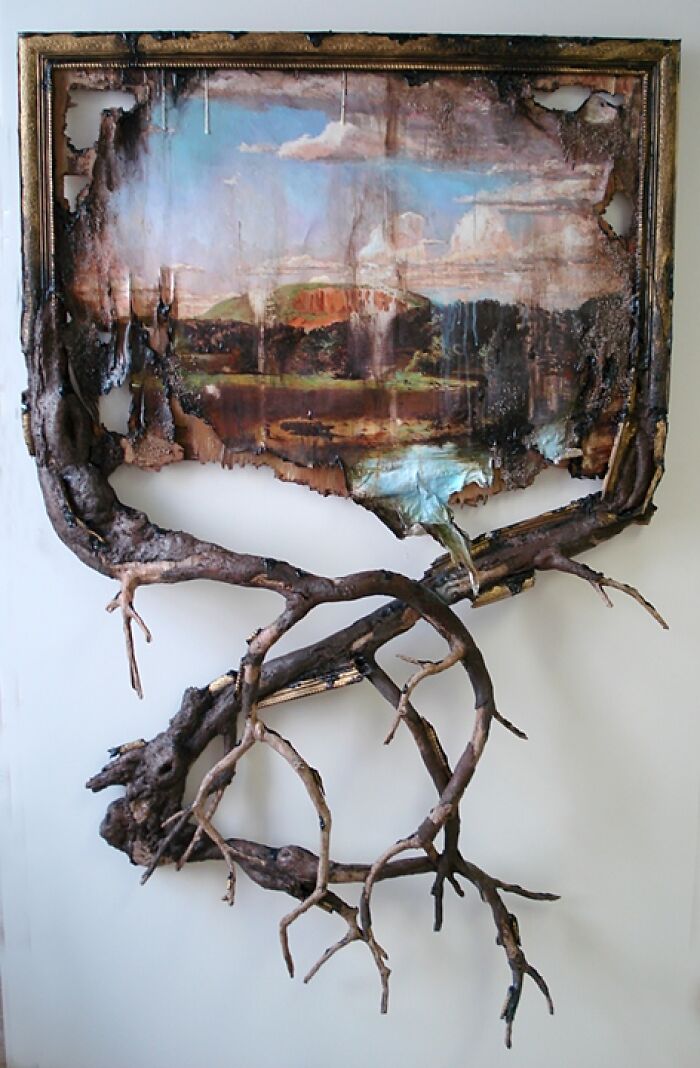
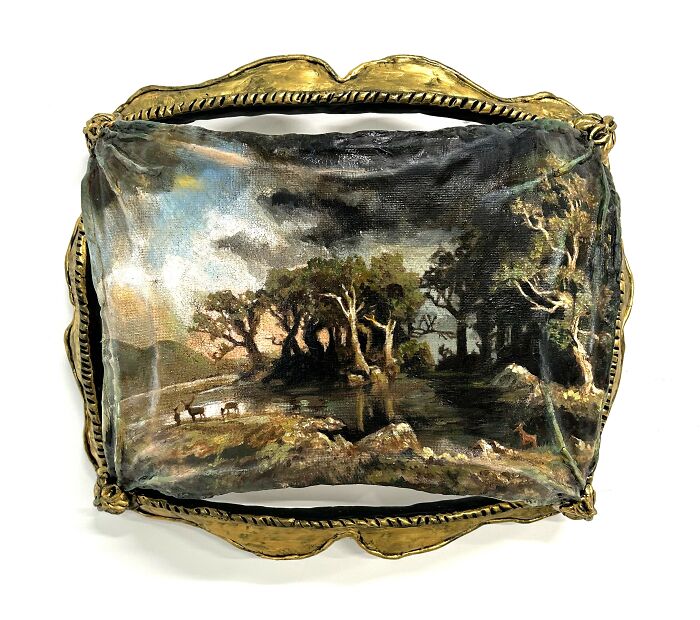
Valerie Hegarty builds her work on that fragile edge between beauty and decay, creating sculptures and paintings that appear to be crumbling, melting, or collapsing right before your eyes. At first glance, her pieces resemble historical artifacts or classical artworks, but look closer, and you’ll find them unraveling, as if time itself had accelerated just for them.
Based in New York City, Hegarty explores memory, place, and history through a deeply tactile process. Using materials like wood, canvas, papier-mâché, and epoxy, she reconstructs familiar forms only to disrupt them, turning preservation into transformation. Her works don’t just reference the past; they question how we remember it, how we preserve it, and what happens when those structures begin to fall apart.
More info: valeriehegarty.com | Instagram
This post may include affiliate links.
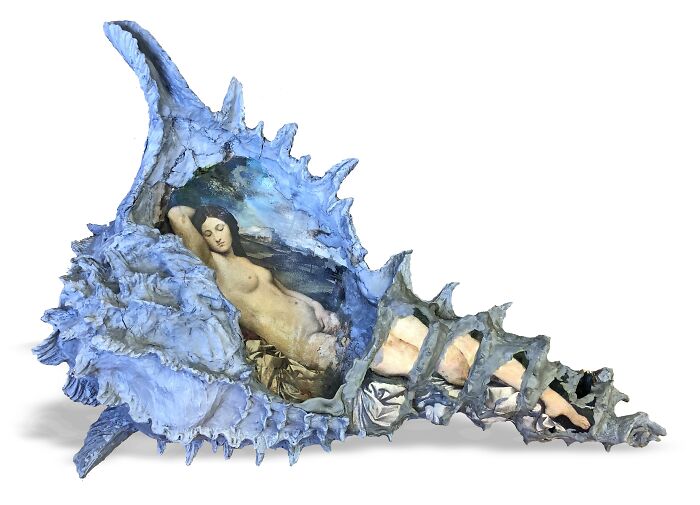
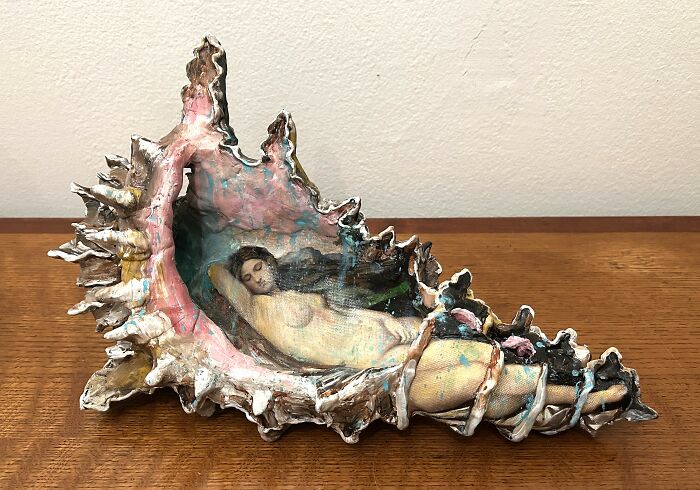
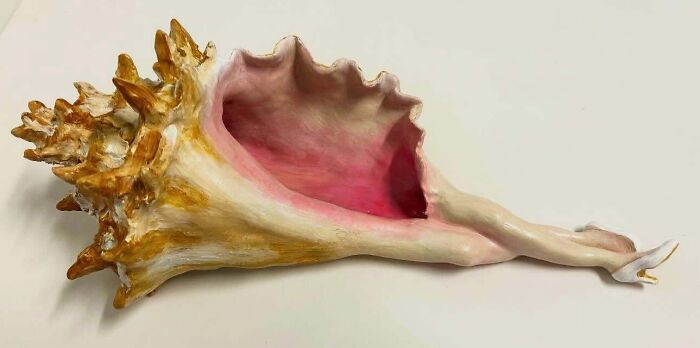
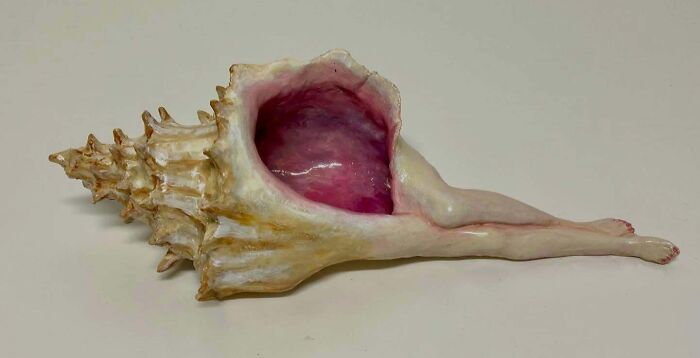
An art historical painting of a reclining nude has the lower half of its body twisted into a spiral to create the form of a shell. The beauty of the sculpture's form belies its violence. The sculpture portrays a physical manifestation of conflating woman with nature.
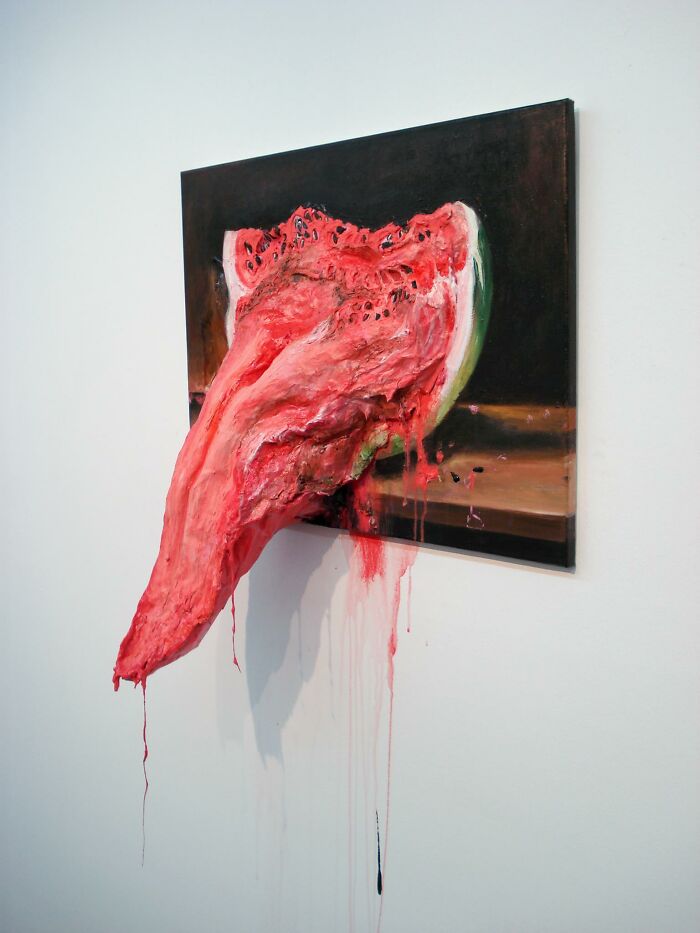
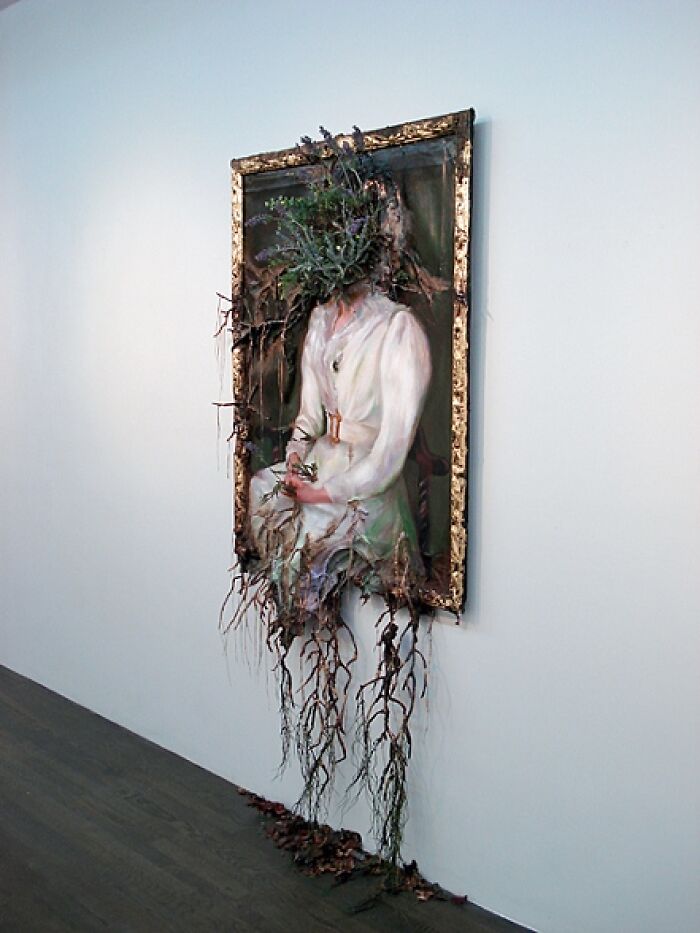
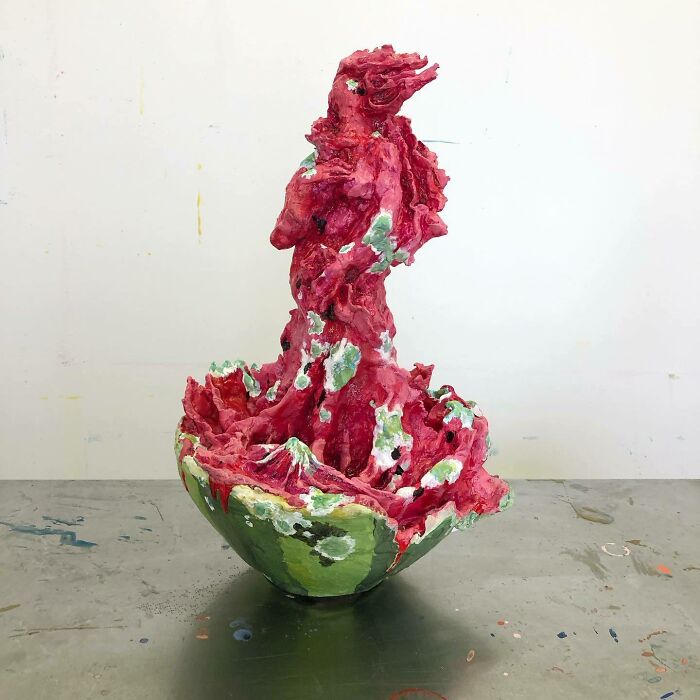
In Watermelon Tongue, Hegarty anthropomorphizes a common 19th Century still life through a long, tongue-like form that protrudes from a partially eaten wedge of watermelon. The piece takes its inspiration from the recent phenomenon of exploding watermelons in China where crops were sprayed with the wrong growth hormones causing the insides to grow faster than the outsides. The watermelon appears to mock or salivate over the nearby portrait, Girl in White with Flowers as the appendage swells away from the canvas, and leers at the painting. The cumulative effect of the work in the exhibition goes further than to just taunt, it gloats in the face of the viewer, pointing the blame of pandemic avarice and desire back to mankind.
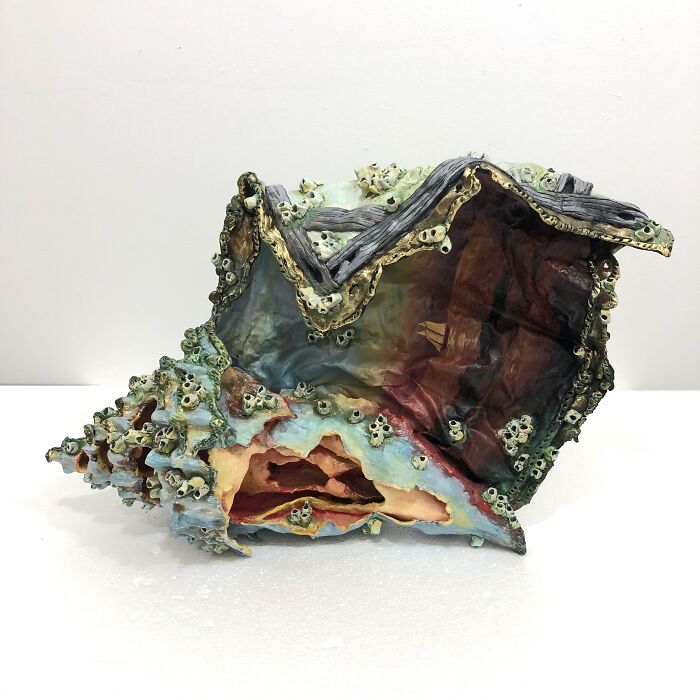
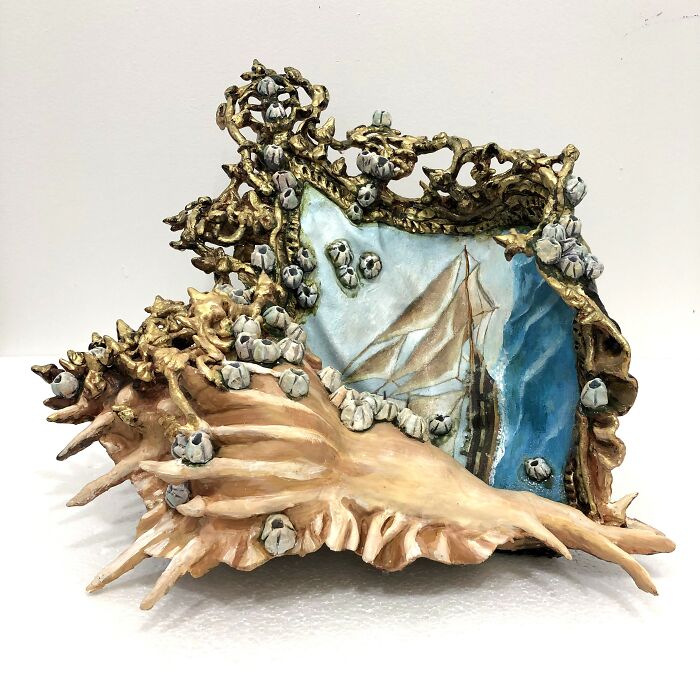
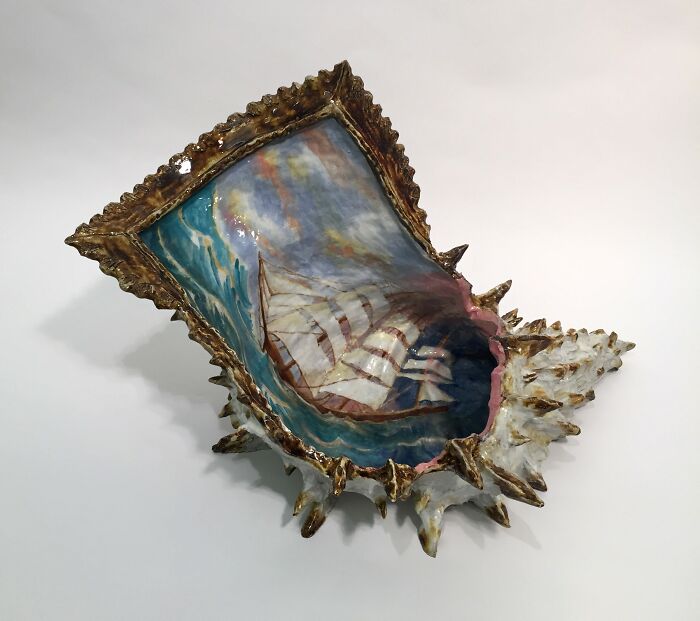
A Conch shell appears to be turning into a painting of a boat sailing into the sunset, or the painting appears to be deteriorating and turning into a shell. I thought of this sculpture as being about the end of an empire, as the boat sinks into the dark hollow of the shell, it's history of colonization imprinted on the environment and archived in this hidden interior.
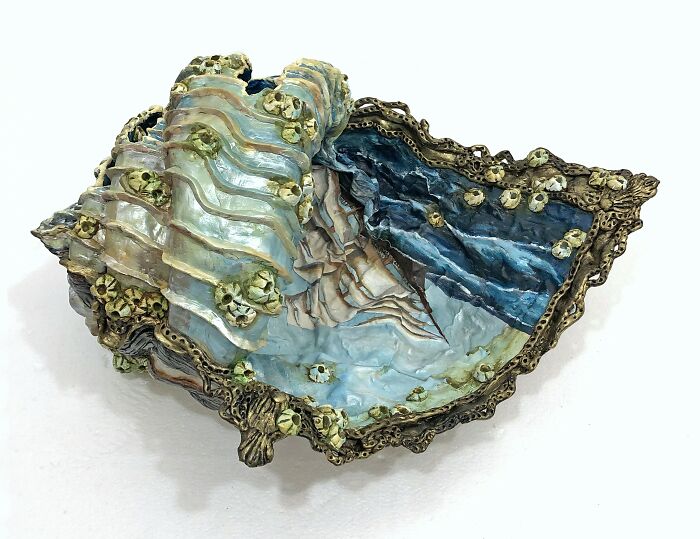
A moon shell reveals the bow of a clipper ship, the ship’s sails matching the striations on the shell. The interior of the shell reveals a swirling blue sea where a clipper ship is circling as if going down the drain.
A painting of a clipper ship appears to be turning into a conch shell or a conch shell is unraveling into a painting of a clipper ship. The beauty of the form belies a more sinister message about manifest destiny and colonization.
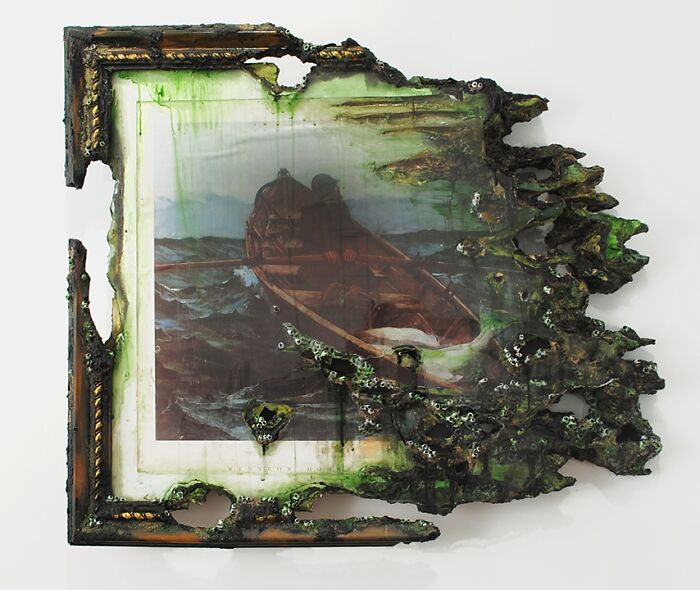
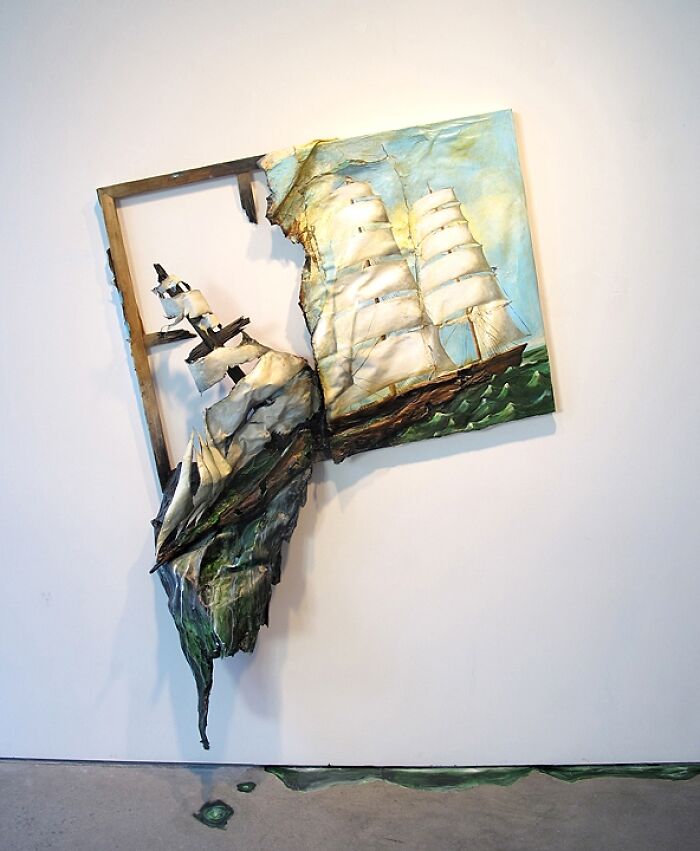
Inspired by the current political climate and Edgar Allen Poe’s short story “The Malestrom”, half a clipper ship painting seems to have hit a storm and is falling off the edge of the painting frame (or the world) dripping water or paint on the floor. The materials of the painting are now turning into the structure of the boat, with the canvas becoming sails and the stretcher bars becoming a mast.






























 No fees, cancel anytime