Get Premium
Dark mode theme is available exclusively for premium users. Learn more about the benefits of subscribing.
No fees, cancel anytime.

 Dark Mode Ad-Free Browsing Unlimited Content
 Ad-Free Browsing Unlimited Content Dark Mode
Join 1.2 million Panda readers who get the best art, memes, and fun stories every week!
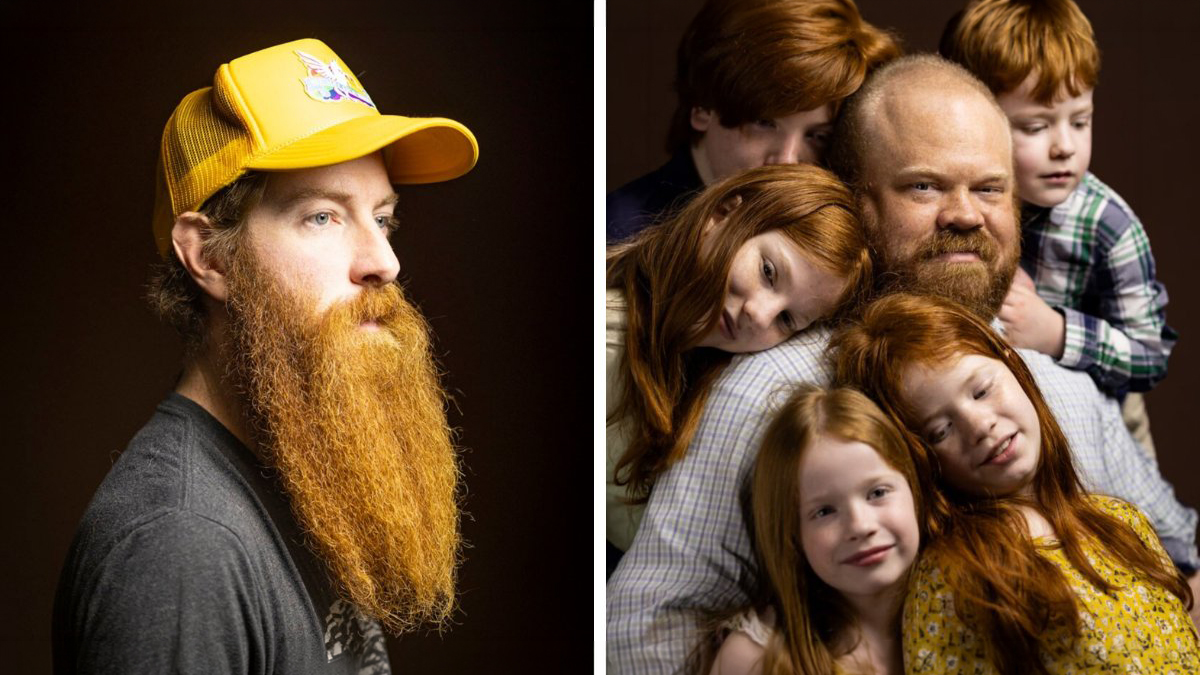
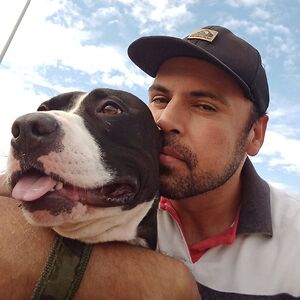
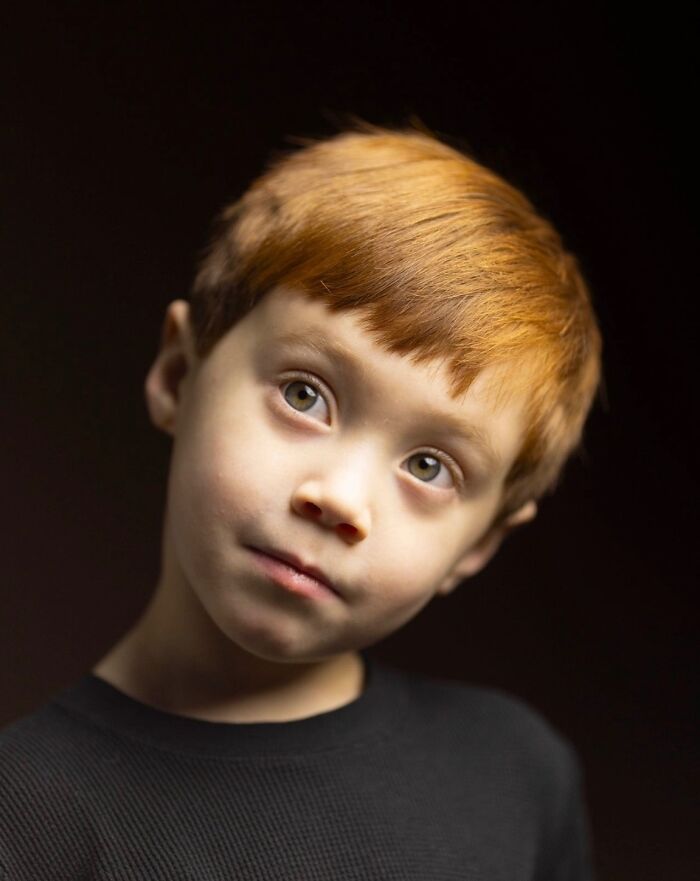
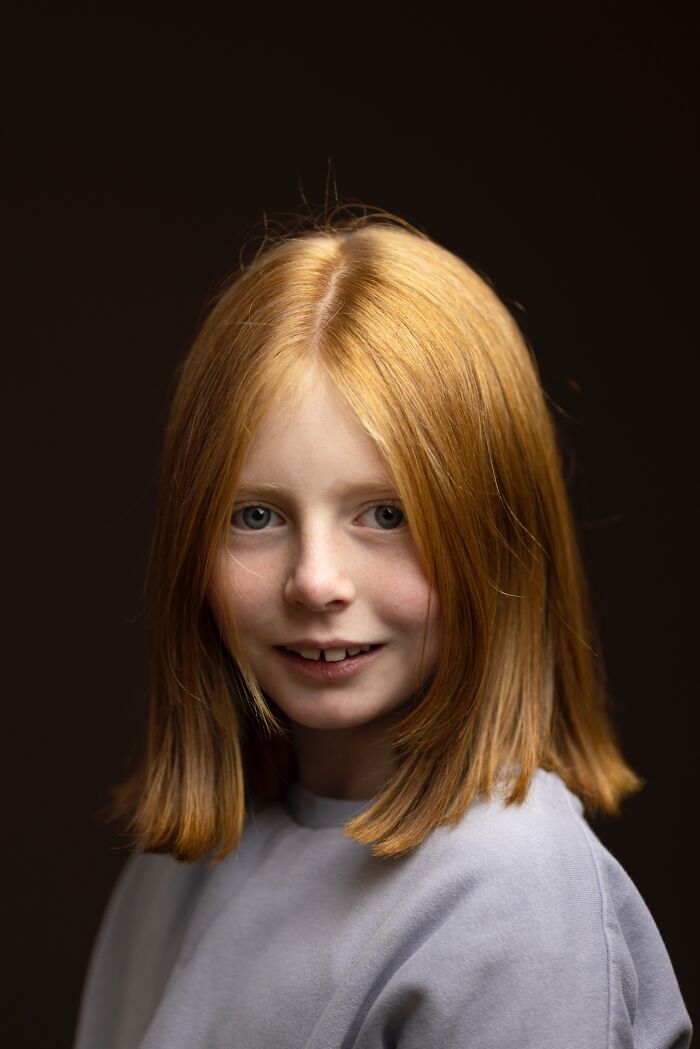
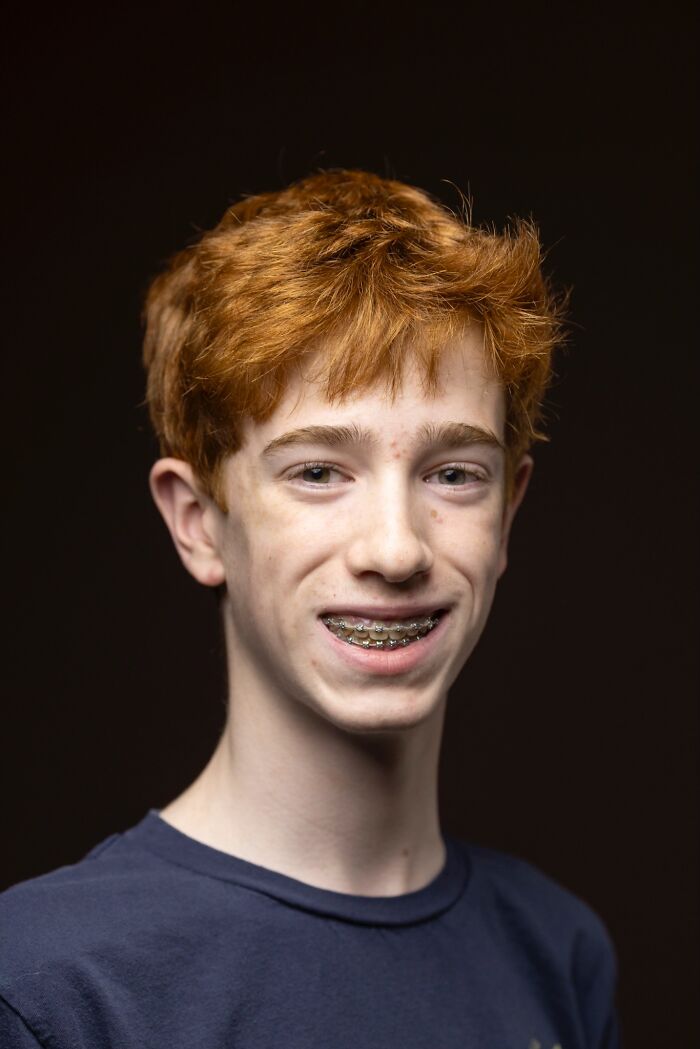
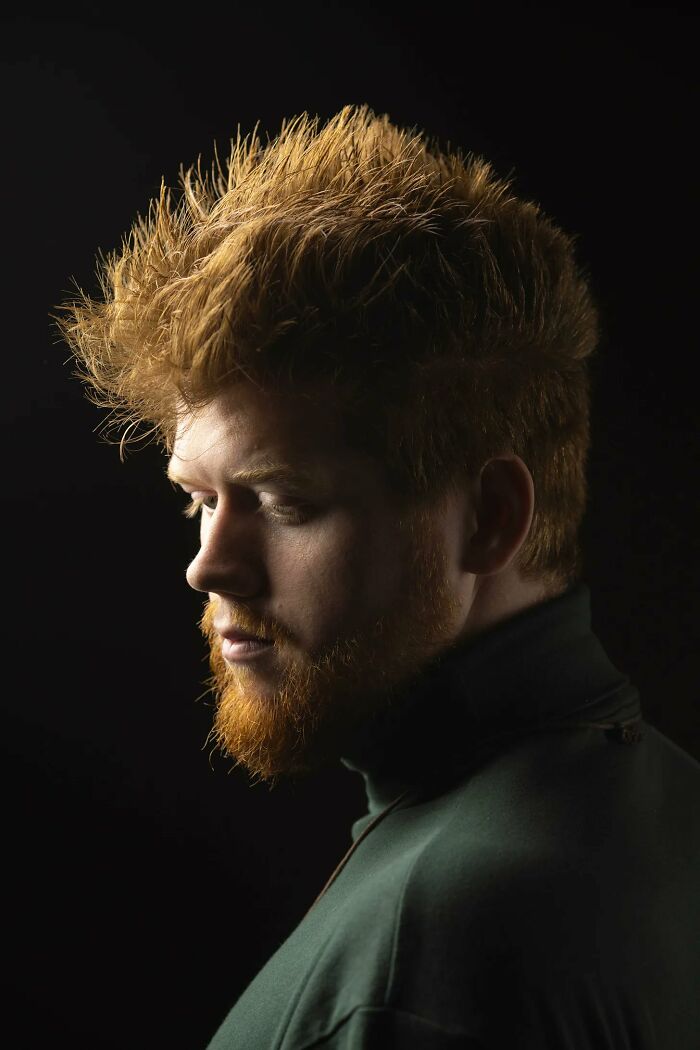
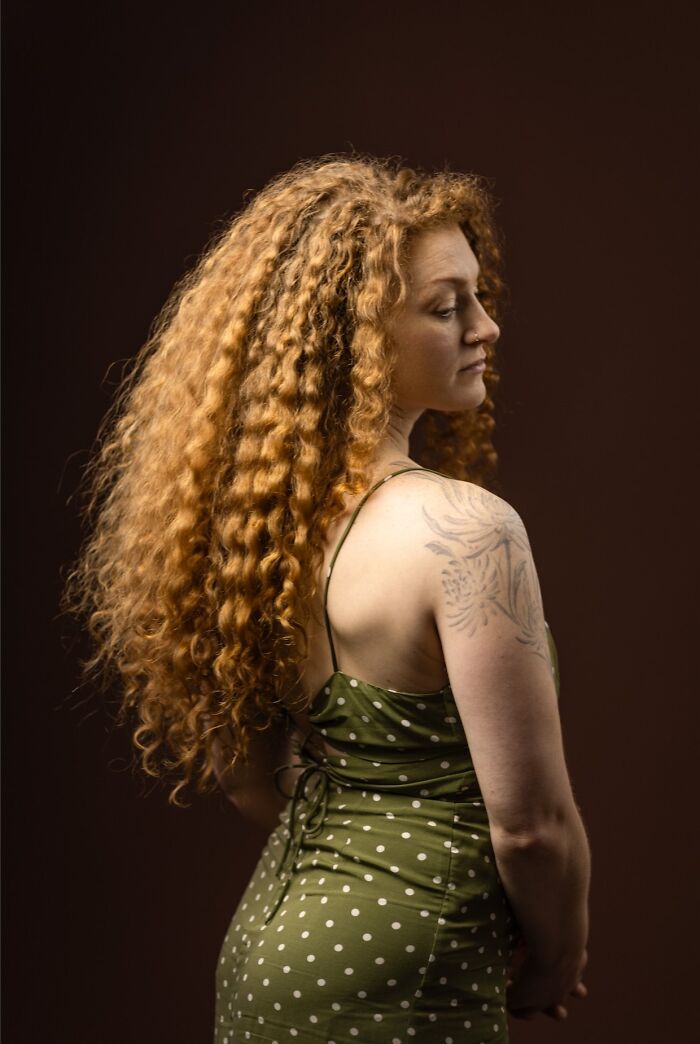
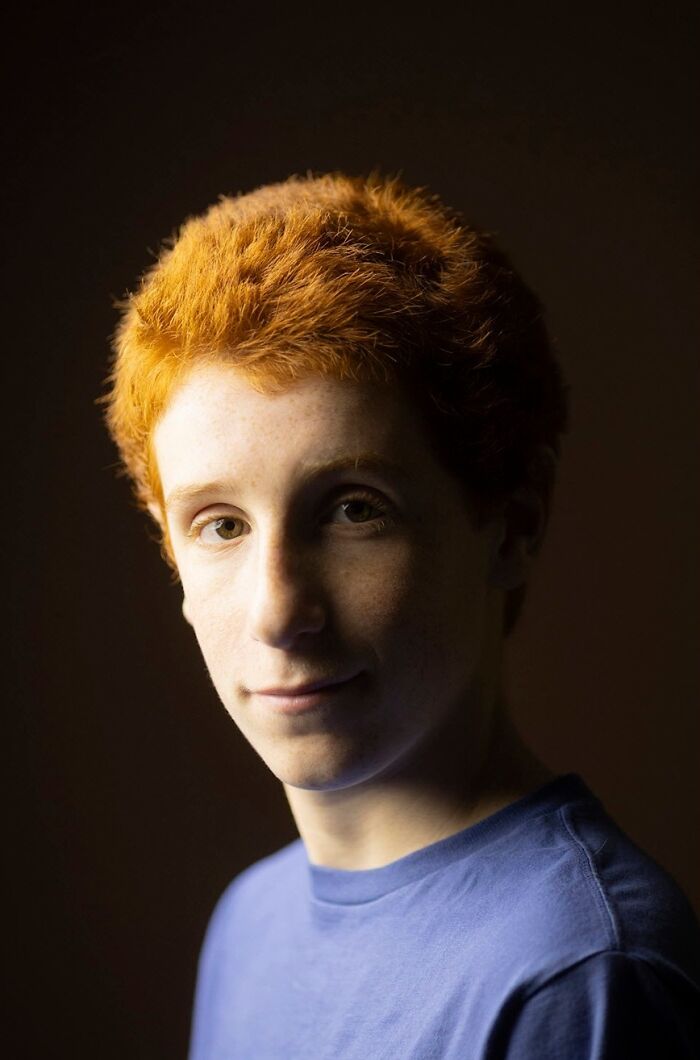
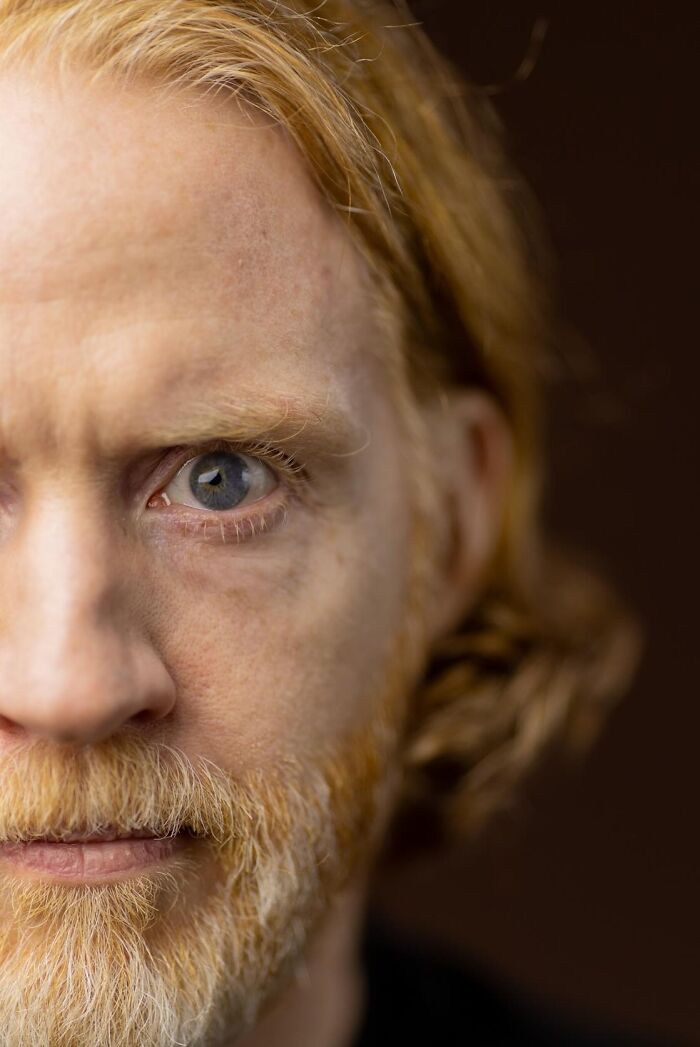
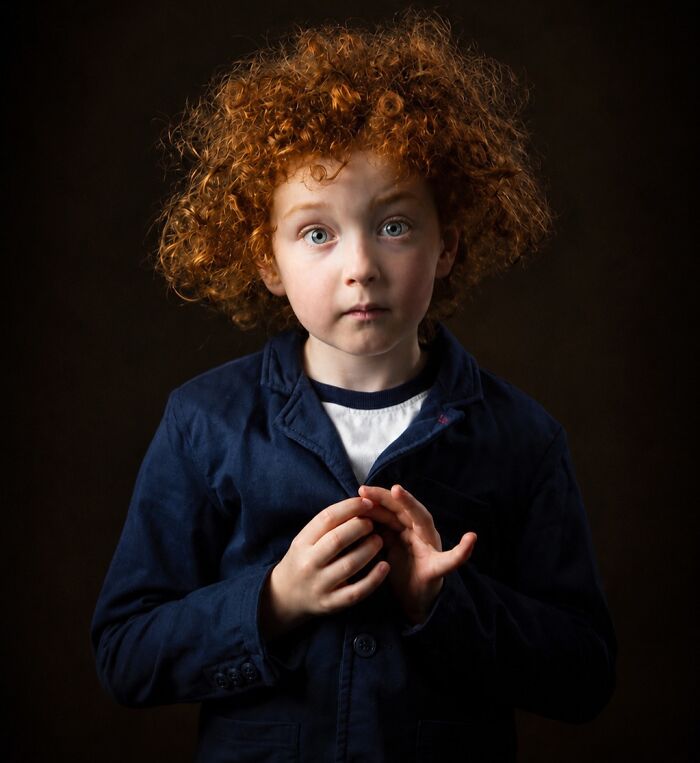
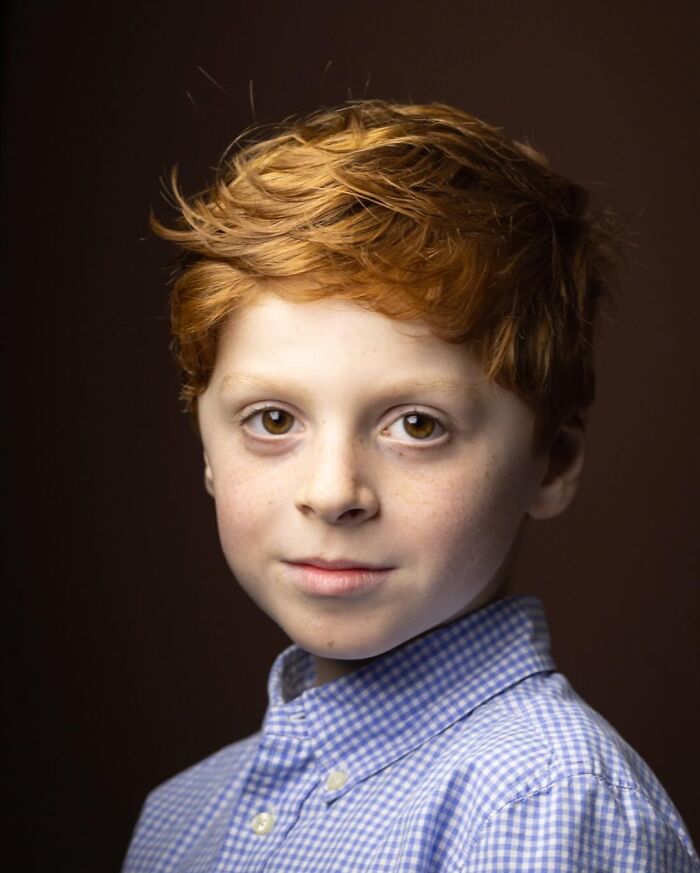
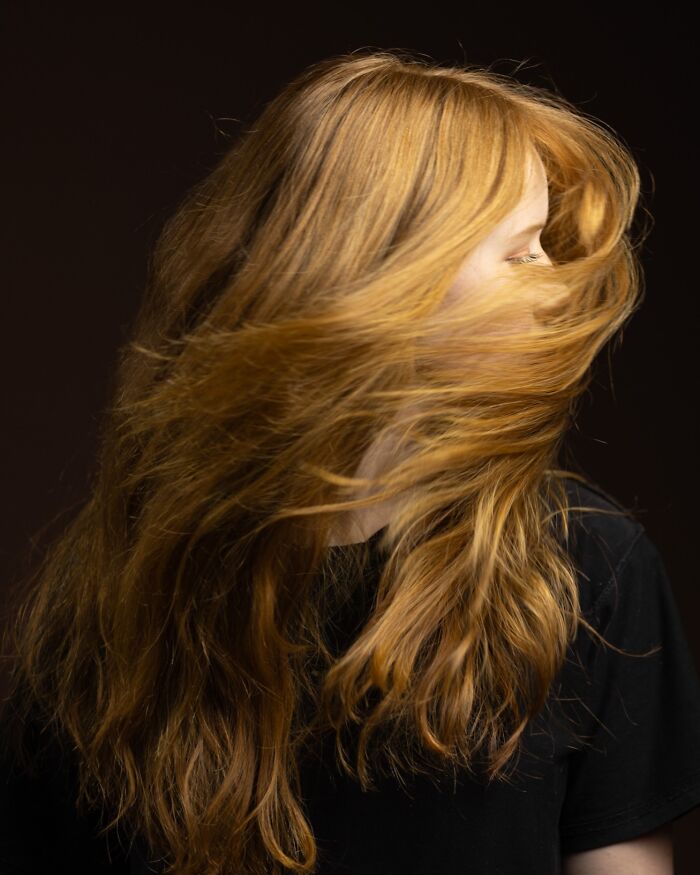
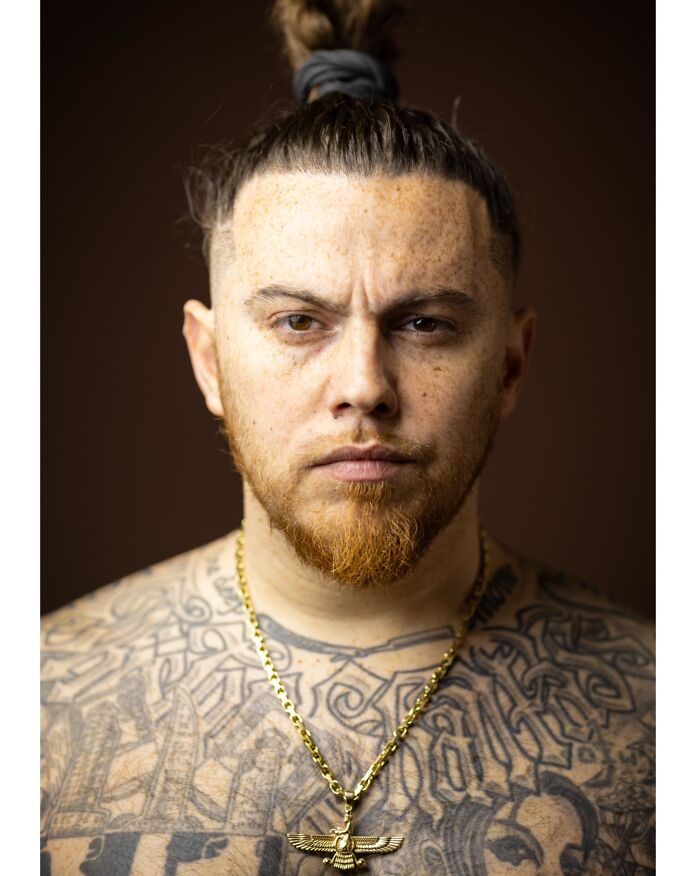
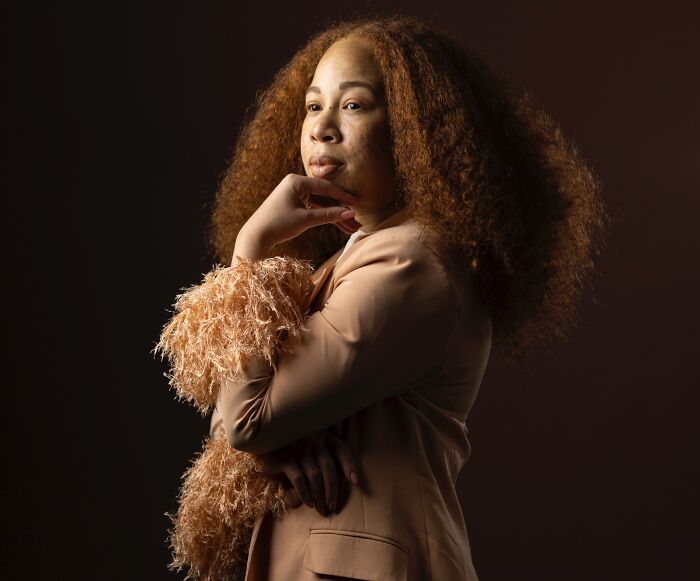
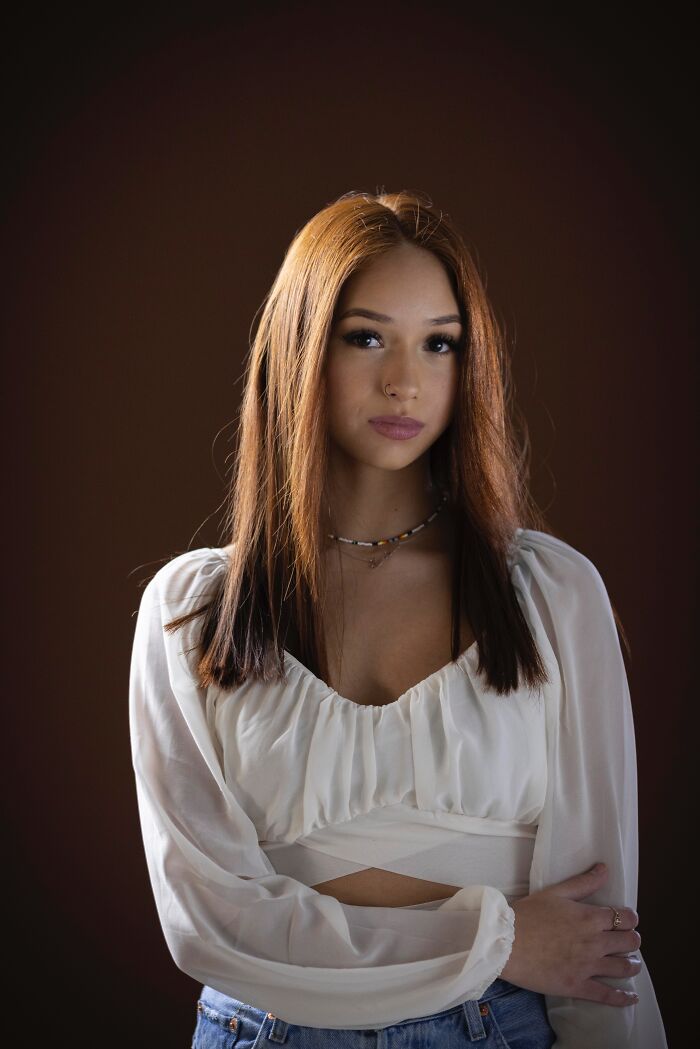
When Bored Panda first featured Scottish photographer Kieran Dodds in 2020, his ongoing series Gingers had already begun challenging one of Scotland's most recognizable stereotypes. Rather than treating red hair as a curiosity, Dodds used portrait photography to explore identity, ancestry, and the surprising global journey of a genetic trait often associated with Scotland but found everywhere from Jamaica and Israel to Russia. The project quickly became about far more than hair, it became a visual study of migration, family history, and the unexpected connections between people across cultures.
Five years later, the series continues to grow. Since our last feature, Dodds has published "The Little Book of Gingers", a hardcover collection bringing together some of his favorite portraits alongside previously unpublished images.
Scroll down to explore another selection of these remarkable portraits and discover the stories behind one of the world's rarest natural hair colors.
More info: Instagram | kierandodds.com | x.com | The Little Book Of Gingers
This post may include affiliate links.
Christopher: 'You feel just now there isn't a lot that unites people. One thing that pulls us together, probably more than anything, is the differences. Everybody has a unique story of who they are and where their family's from."
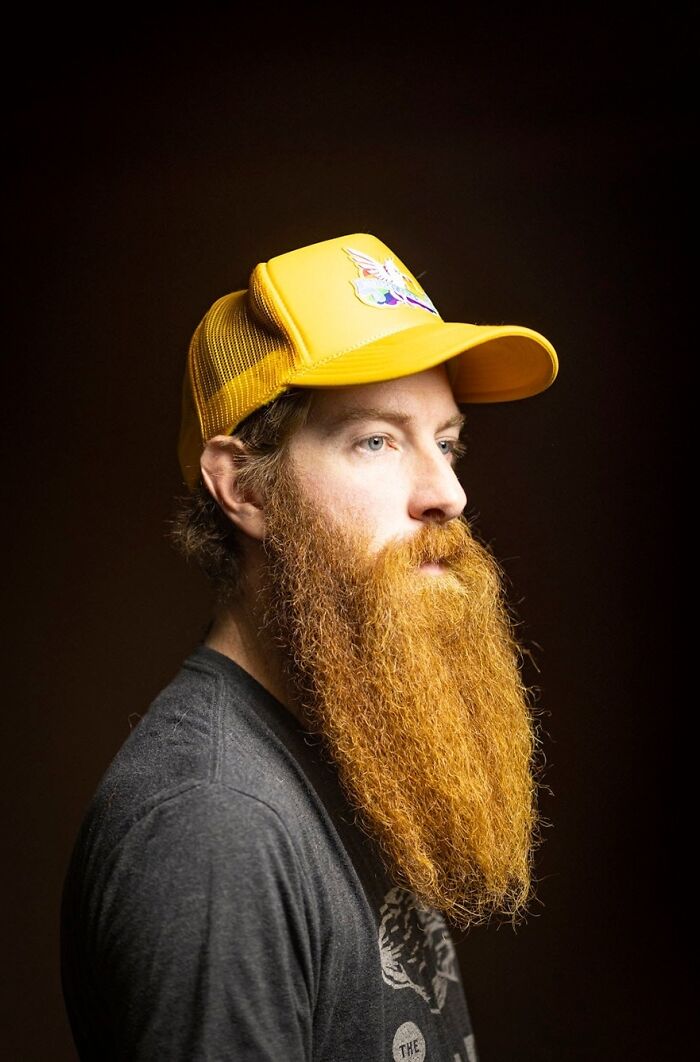
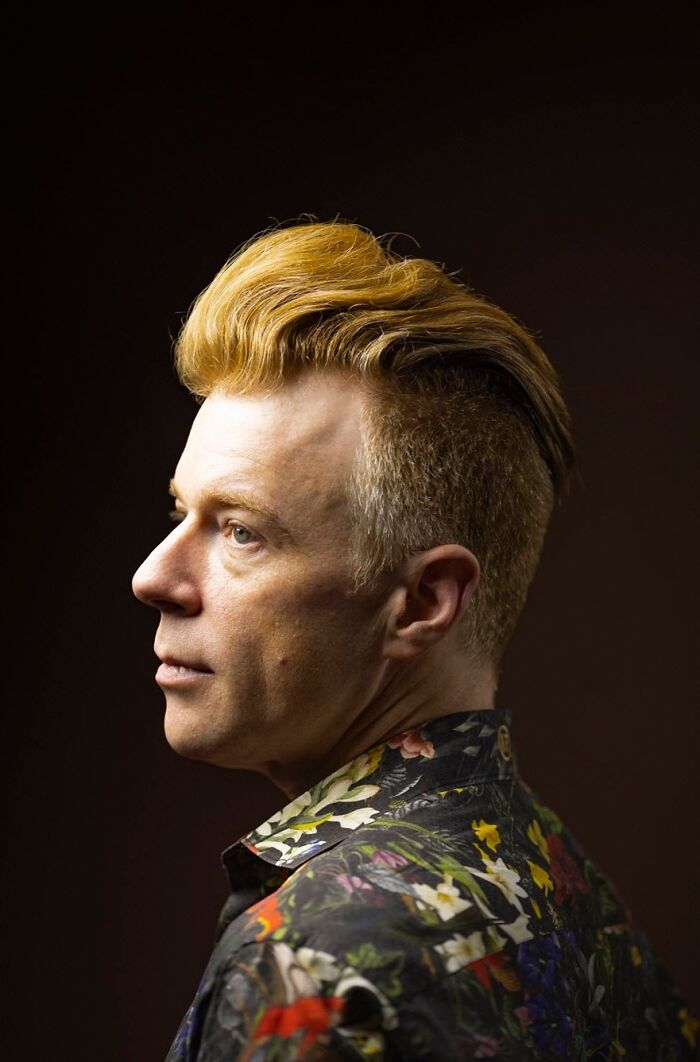
"I spent a lot of time up in Alaska. I was a wilderness guide up there, my nickname was Firebeard."
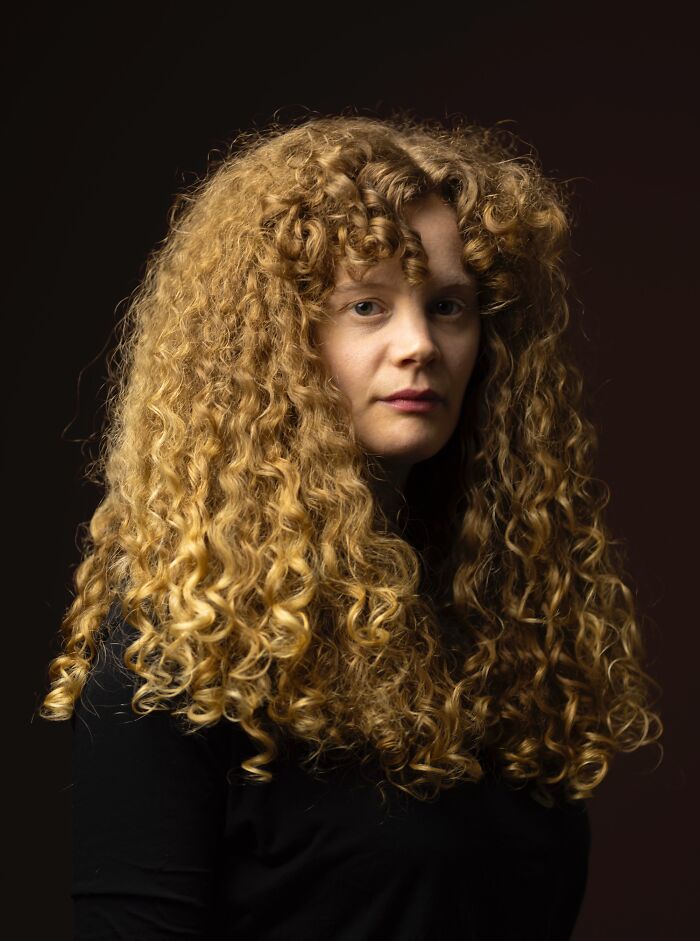
"I grew up in a dogmatic religious traditional family and was kind of stifled, it mattered a lot how you appeared. New York is the only place I've lived where people don't care how you look. They care what you say."
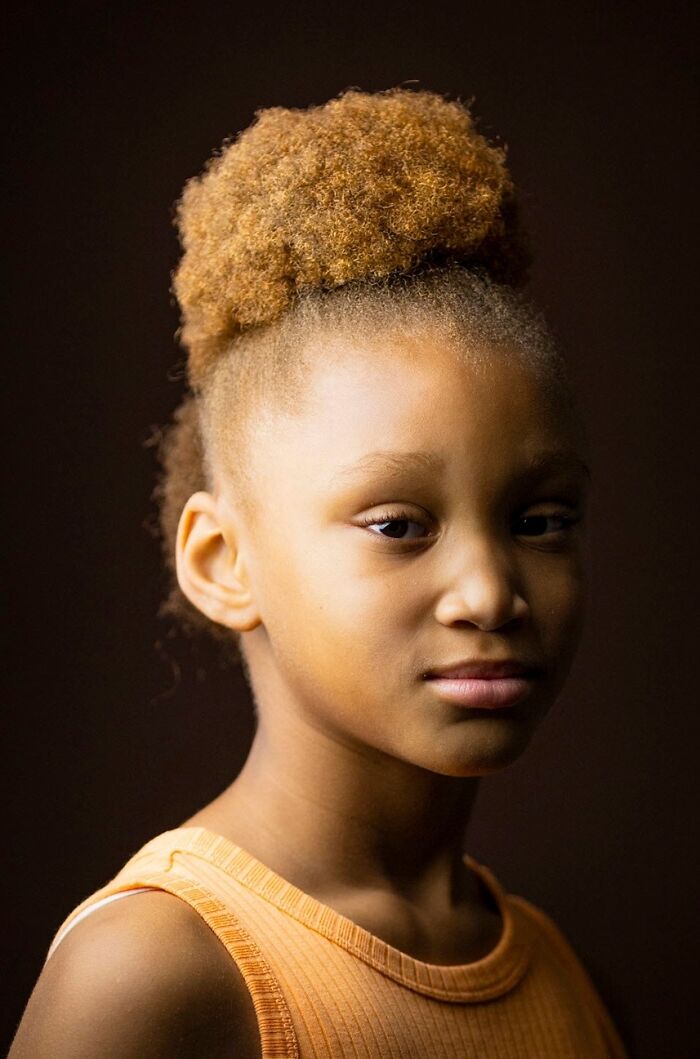
Jaxston's mother (Stephanie Magee): "My life in Alabama connects to my upbringing in Montana because Native Americans and African Americans share similar histories; oppression, assimilation, land dispossession, and loss of language and cultural practices."
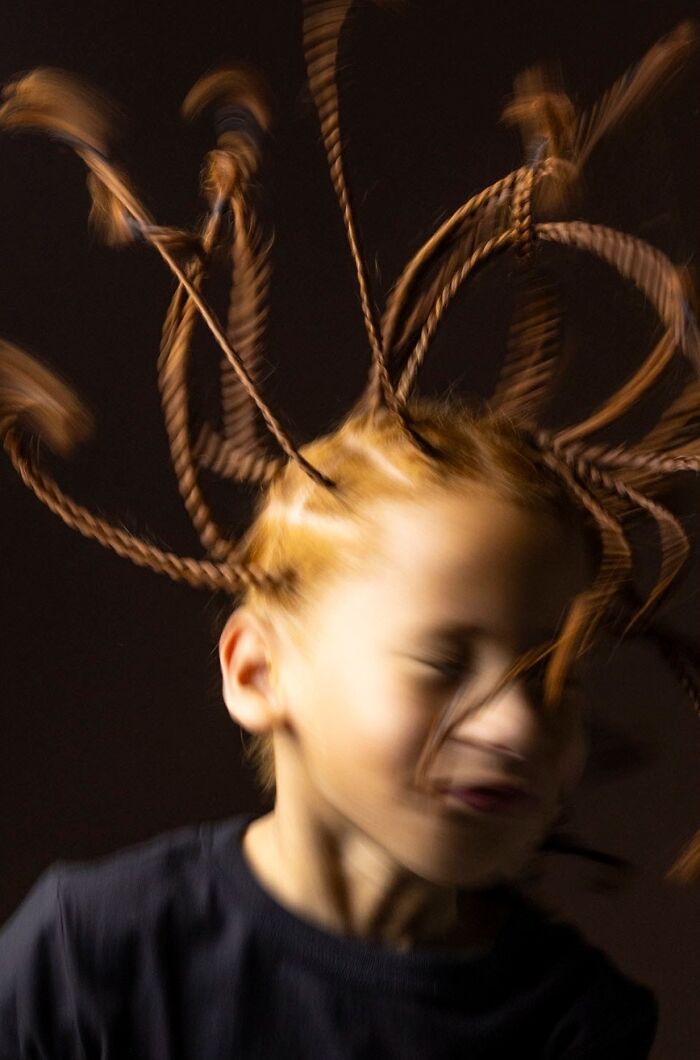
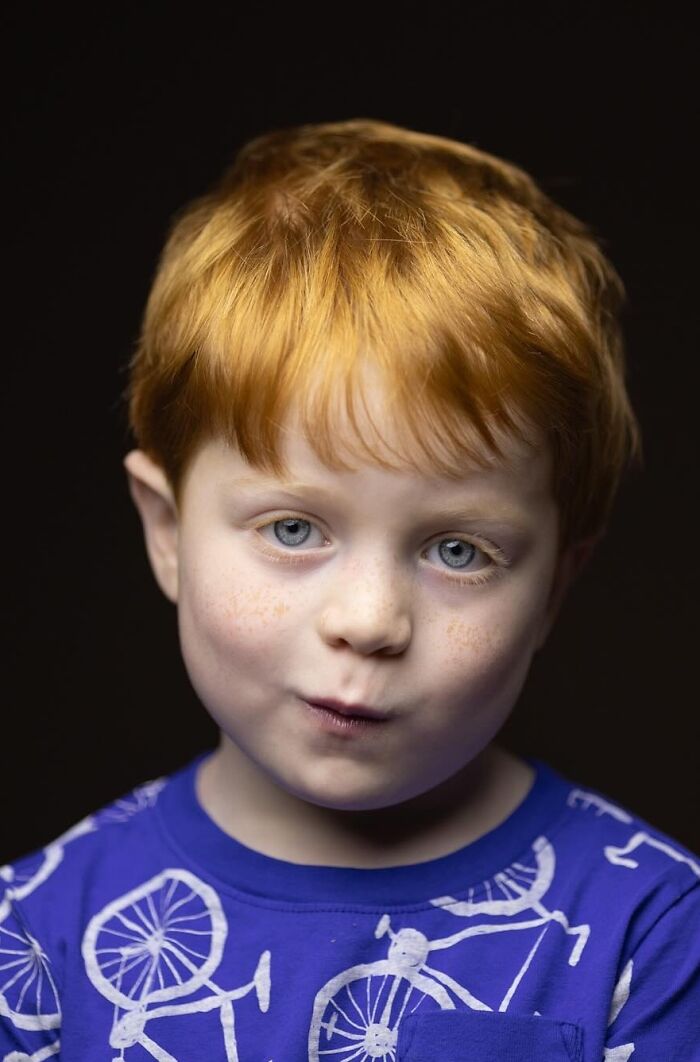
Silas’s dad: "We can’t go anywhere without people asking, “Do you dye his hair? Because it is outrageous. That’s not natural.” But it grew this way. His name is Silas Patrick Tien Shui. Patrick is my middle name, and Silas is my dad’s name. Tien Shui is Chinese. It means “heavenly water”. My parents added the Tien – we kind of repurposed the name to make it more celestial. My dad’s Chinese, from Malaysia. My mom has Irish/ Scottish heritage. They met at college down in Fresno, California. Silas’s mom: Her four kids all have dark hair and dark features, so when we finally had Silas – he’s the first grandkid – she was like, “Oh my gosh, finally somebody looks like me!” "My family is mostly Italian. We do have some Irish and Scottish blood, but not a lot. Nobody we can think of in my immediate family. Silas is just really special with blue eyes. We also think he’s left-handed. He’s got all those recessive genes. We always joke. We’re like, where’d this kid come from? Yeah, heaven. I know. He’s a heavenly child, isn’t he?"
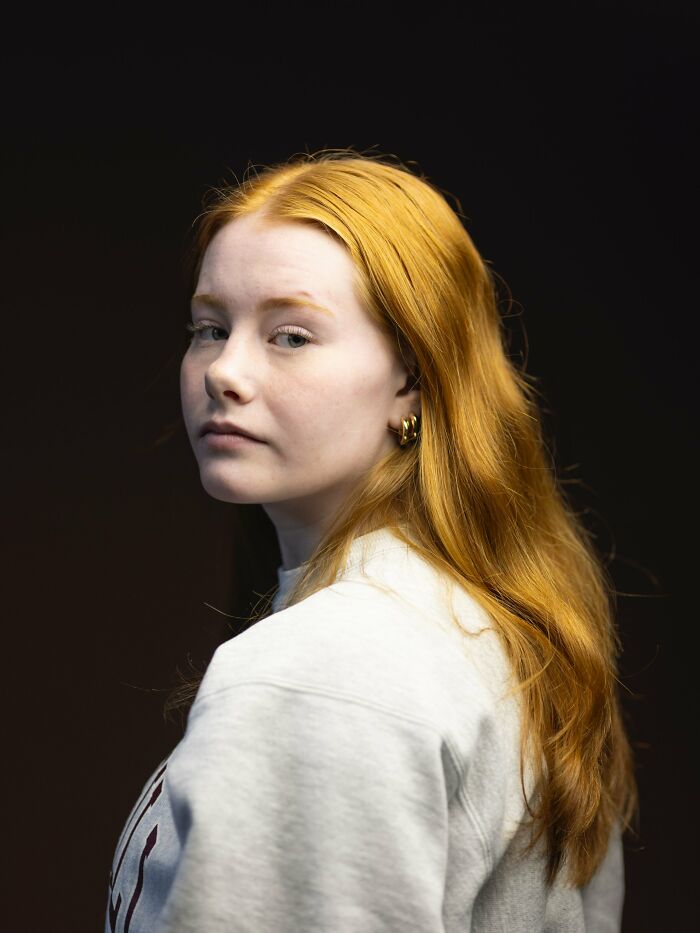
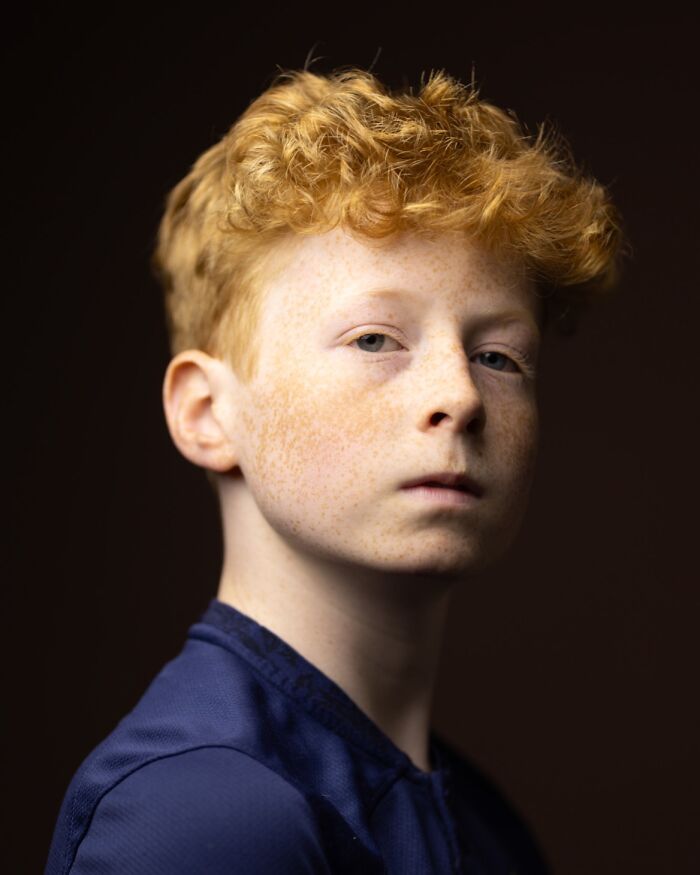
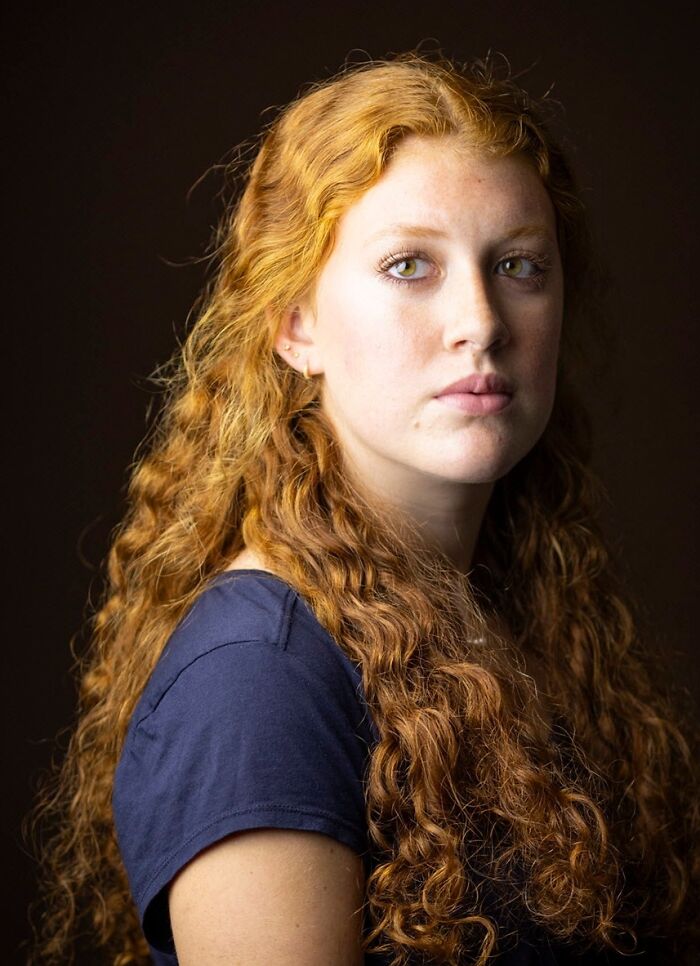
“There were four redheads in middle school and then quite a few in our high school. People are not really negative [about my hair]. Friends do sometimes like joking back and forth.
My twin sister is not a redhead. She makes fun of me for it. Well, she’s pretty tall, so. She’s as tall as you, which for girls is a bit taller. So she says to me, You’re ginger or red, and I say, You’re tall.”
"When I was born, everybody was shocked. Nobody living in my family had red hair. The last person in my bloodline was my great-great-grandpa.
My mom’s side, the European side of her family, I don’t know as well. But she’s got some Native American in her. I think she’s an eighth Haida, a tribe from Vancouver Island, but she grew up in Washington.
But my dad’s side of the family is extremely Scandinavian. And I know that there is some Scottish heritage and some Viking, which is not particularly surprising given my build.
I think for the most part, though, as an American, I’m proud of the fact that we are able to be somebody, no matter how odd and out-there it is, and people can find confidence in that.
But at the same time, as a Christian I find that individualism can lead to a lot of very sad realities and hard challenges. Identity is a difficult thing. And when we find it only in ourselves, we will inevitably disappoint ourselves.
Individualism is something that has really developed in the West as a whole, but specifically in America. Everything is for the self. There’s a lot of beauty to be found in how you interact with the world and establish your identity and confidence in faith or in secularism. But to other cultures, this individualism can seem self-absorbed."
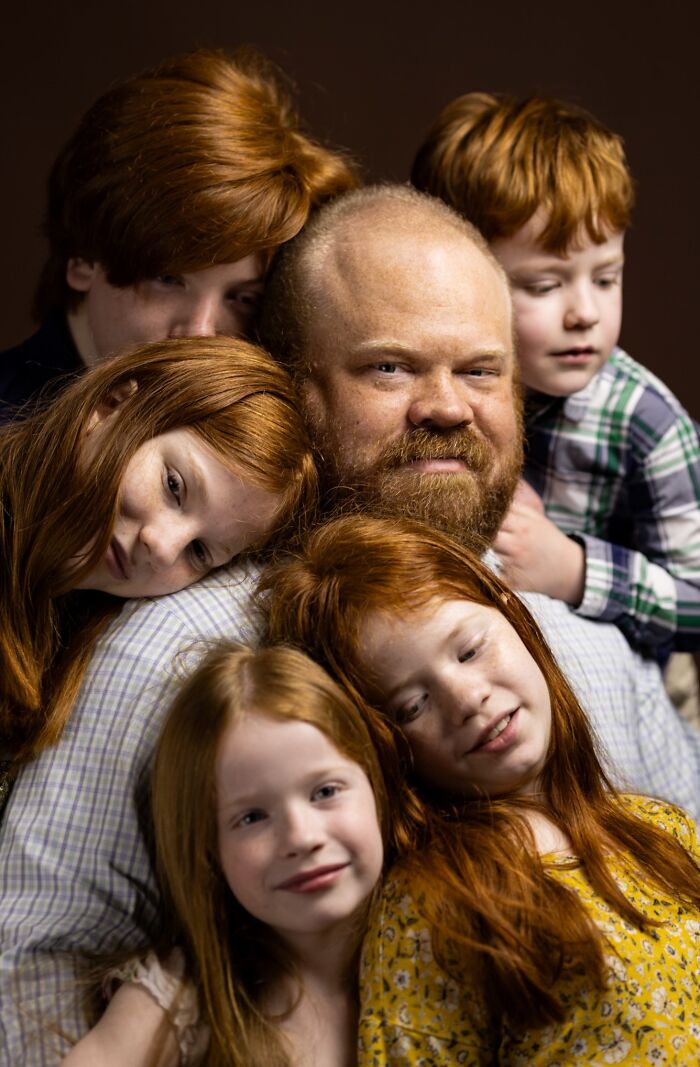
Dad (Michael): "The story goes that my great-grandfather had red hair. The only picture of him is black and white, so I can’t confirm or deny that. And my dad only knew him when he was in his fifties, when his hair was grey.
His family was German, originally from Alsace, but they actually only lived in Germany after the war. My great-grandfather lived in Hungary for most of his life and my grandmother grew up speaking German and Hungarian. After the war, they moved to Eberbach, which is in Germany, then they emigrated over here.
I had blond hair growing up until it went brown. And then my wife also had blond hair. Her side of the family is from Indiana, but their last name is Thesing, which is also German.
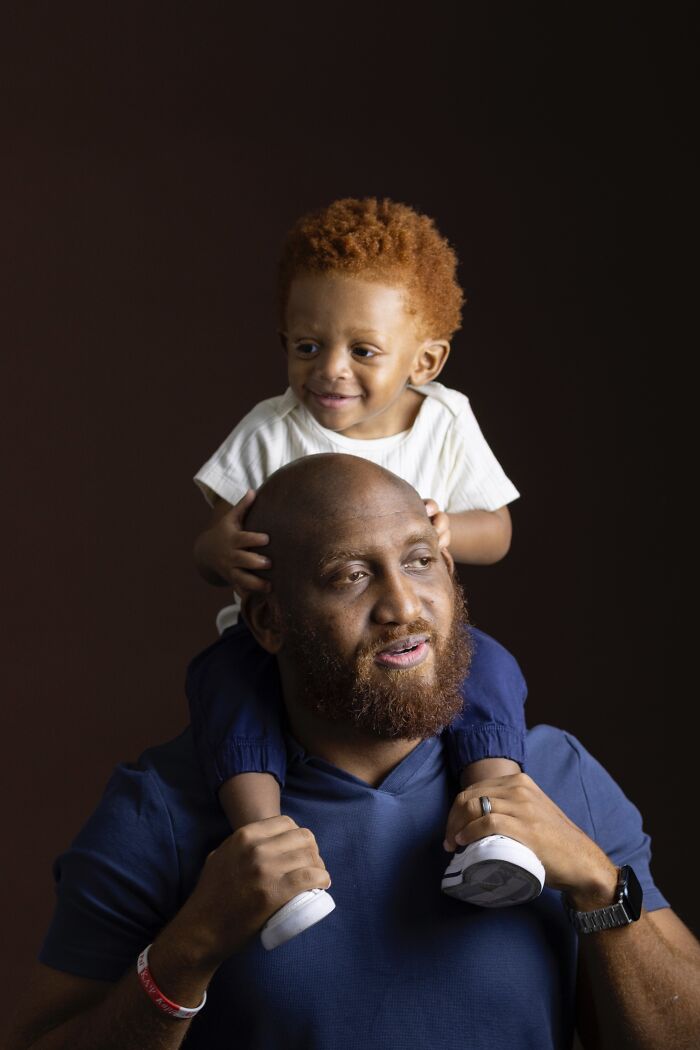
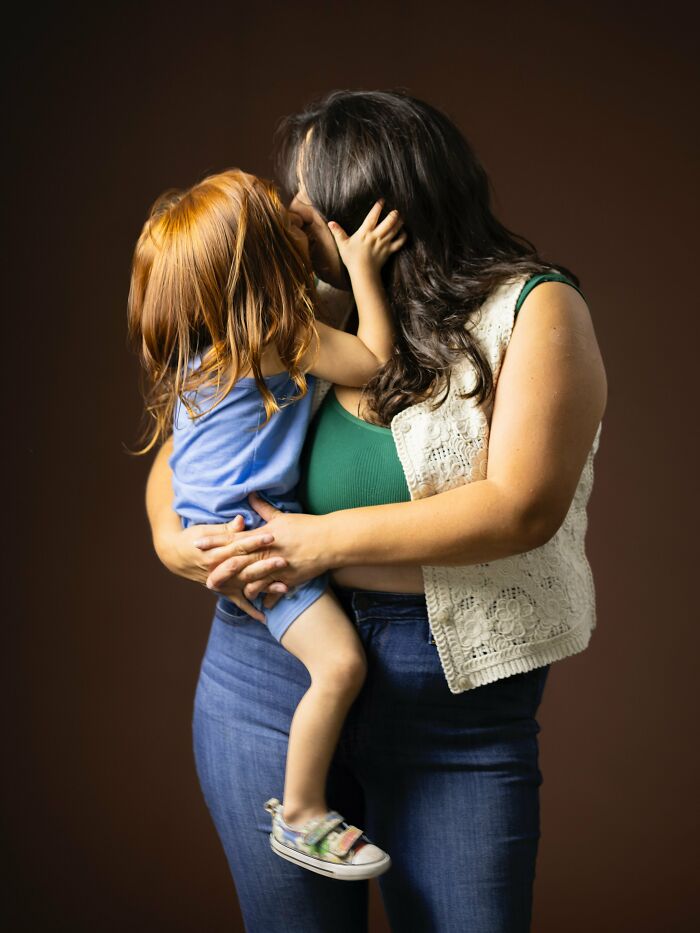
It’s been really interesting having a child with red hair. We live in a very African-American area and women always stop him. They say his hair is so beautiful and will actually touch it. That is the most astounding thing to us.
But the strangest thing for us too is that he has really bright blue eyes. Amy’s dad has the same colour eyes, and that is super rare."
Felicia’s portrait is the first in the book, opposite this delightful contents page. It’s the golden thread that connects the portraits and a nod to a chromosomal gene map.
The portrait was made in New Haven, CT.
"My hair changes. Sometimes it's reddish, other times it's brownish. When it's sunny it's more orange. It comes from Great-great-grandma."
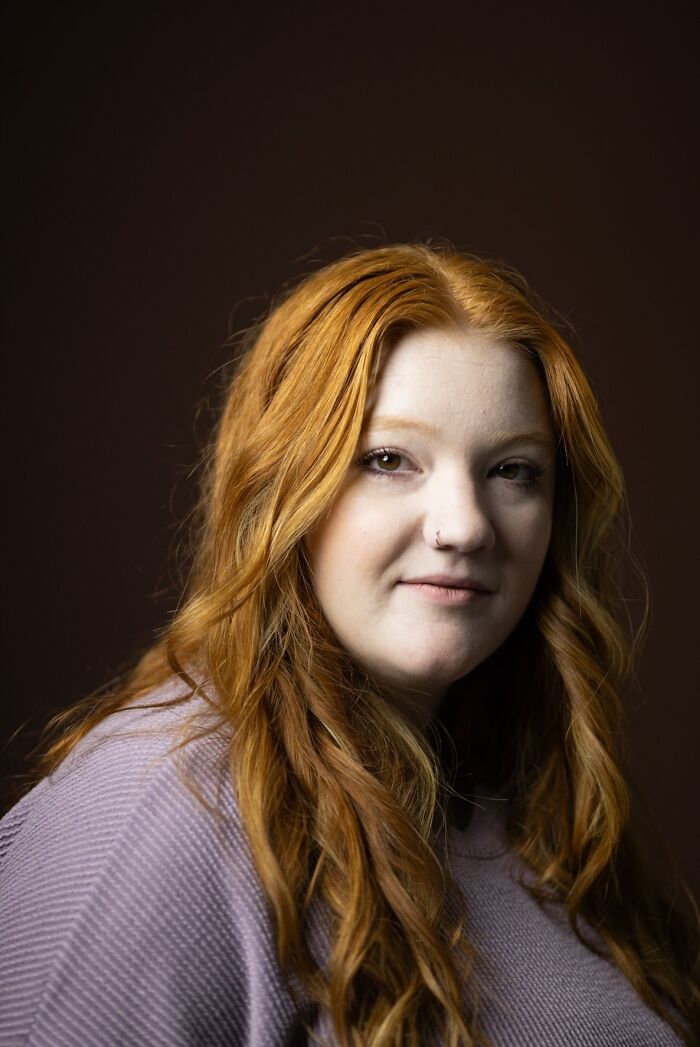
"Kids growing up said I had orange hair and that was weird, but, yeah, me and my brother and sister all have red hair. My mom is Italian and had black hair, and my dad had light auburn. I think mine is a kind of strawberry blonde. When I was a kid I was the only one in the class like that. There was one teacher who always called me Rusty. She said my parents left me out in the rain, so my hair turned rusty. A couple of kids called me Rusty too, because of that. Here in New York, I get compliments, but it’s a little easier to blend in here.
I grew up in Indiana. The guy who invented the heart stent lived there and wanted to have a drum corps as a hobby. So he funded a drum corps, and brought my dad and a bunch of other people out to Indiana. Where I grew up, it was fairly diverse, it was a college town, so it wasn’t so rural, but there was definitely a strong sense of community. I feel like people there talk to each other a lot.
Now I live in Brooklyn. Seeking the dream of acting.
I grew up playing violin, but it wasn’t up to me. I didn’t like how it was competitive: it’s just so cutthroat, and that took all the joy out of it. I do it for fun now: I’m in a bunch of community orchestras, and I run a chamber music salon, and then I’m a social worker by day. I work at schools and support with the mental-health curriculum."
"I think my hair colour comes from my grandpa's beard. There are some redhead cousins in Canada too, that's the Egyptian side of the family. We're the red-headed Egyptians. There are not many gingers in Arabia."
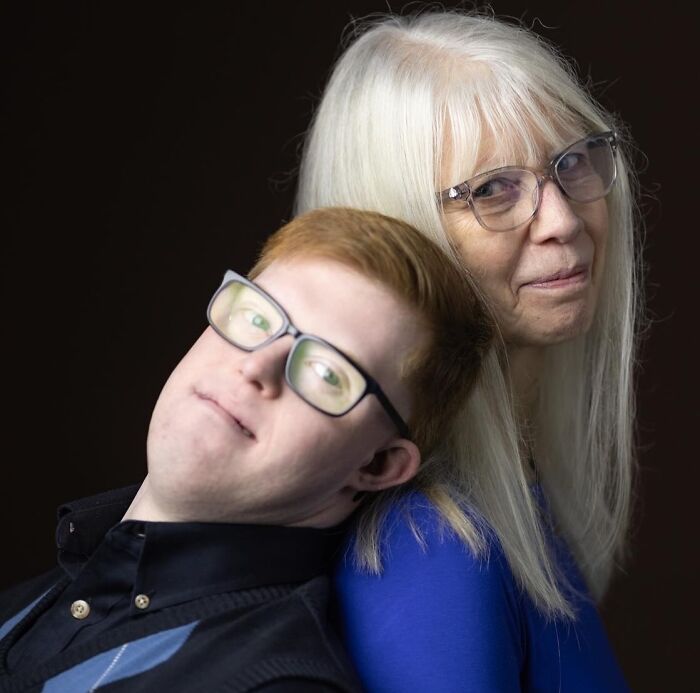
"My hair was the same colour. Literally everyone says he's the spitting image of me when I was little."
"My last name is, Moulle. It’s French, because my dad’s French, my mom’s English. I am American, I was born in Brooklyn.
People call me Carrot Top, or the Lucky Charms guy. People comment on it more here, because it’s less common. At a football camp in France, they literally just said “Anglais.”
My grandma on the French side (was ginger). But it has to come from both sides."
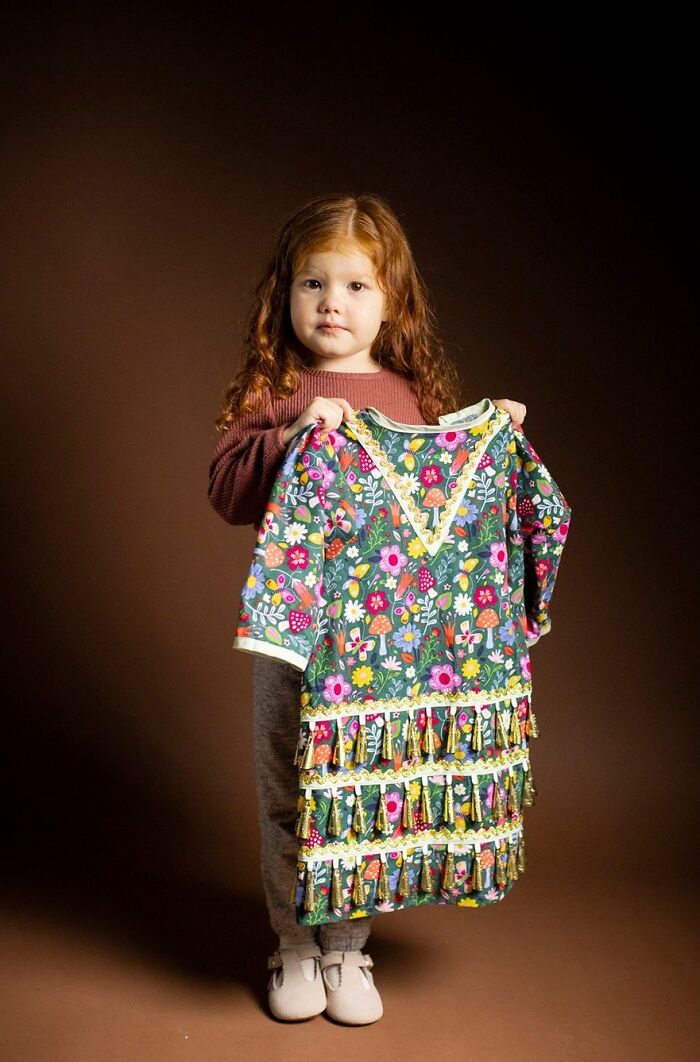
Lottie's father (Jared Wahkinney): "Lottie is holding a jingle dress. At powwows there are different categories of dancing. A jingle dress is for a healing dance. I was born and raised here, in our Comanche ways. My mom, she's from Scotland. So that's why my Lottie has a good mix of everything going on."
"The scars of history are still visible. There's probably a lot more dissonance and negativity than there is connectivity between the states. There's a unity in the fact that everybody has state pride."
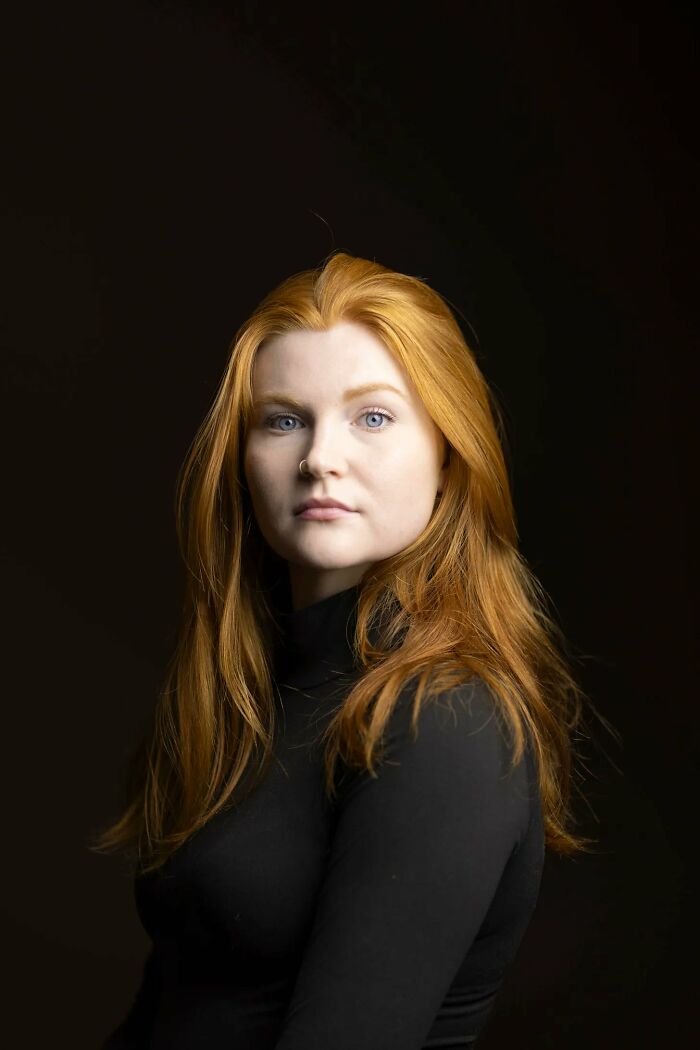
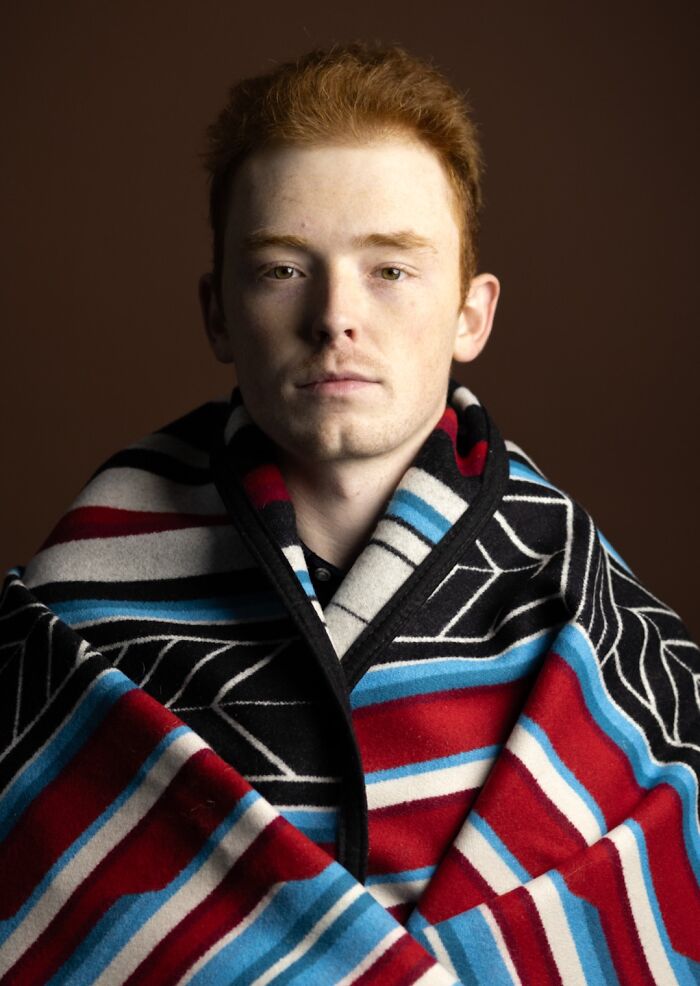
“I used to not see myself as a true member of the tribe just because of the way I looked—really light skin, red hair. But our chief’s wife told me it’s not what you look like but your involvement in your community and your tribe, the people around you and what you put back into it. Which I really took to heart. They are great people.
I am sure some people do have expectations of what I should look like and I had those myself. Initially because I didn’t want to be like a ‘pretendian.’ I realised it’s not really about that at all, not a matter of your blood quota: you are still a citizen and a member and part of a community.
My mom’s side is Muscogee and we grew up in Creek county. My mom’s side has always been involved with the tribe, tribal lands and traditions. I’ve grown up around it. On Mom’s side some of them were German, so that could be it [ginger]. Then just English and some Swedish on Dad’s side. My uncle is the highest ranking indigenous person in the navy, Admiral Calvin M. Foster, Vice Commander, US SIXTH Fleet.”
Pendleton blanket pictured was a gift to the family from David W. Hill, Principal Chief of Muscogee (Creek) Nation tribal government.
Gwen was the first American Ginger in the series, when we made the portrait in Scotland in 2022, in Edinburgh.
The family left the US when she was small, living in the Netherlands and then Scotland, in the village I grew up in as it happens. They have now returned ‘home’ where her dad teaches Highland Games sports in Pennsylvania.
"Dad refuses to get his genetics done, he says, 'I'm Persian'."
Dad’s hair shop was called Salon Red after Nic’s ginger mom, Julie.
“When I go to other countries I would just say I’m American. I’m from the United States. We call ourselves states, but it’s really like little countries. That’s not enough for people. They want to know your family history. So then I say Mexican American. ‘Oh, you’re from Mexico,’ they say. Actually, I’ve never even been to Mexico. I don’t have any family in Mexico. My family’s been here for several generations. That’s what makes me Mexican American.”
"I love my curls now, but when I was little I used to hate them. I think it's like Spanish princesses."
"I live in Arizona, but I grew up in Georgia.
It seems more common in my area in Arizona. Which is really funny as it’s the Sun State. The Sun State, and it’s full of gingers.
Arizona is very beautiful, very scenic. I love the sunsets. Everyone will say that there’s just so much sky. In Phoenix we’re in the valley, and there are also mountain areas and then if you go south it’s more flat. If you go north, it’s like Utah and Colorado, so it’s very diverse. There’s a lot of sunshine. I try to stay in the shade as much as possible, try to avoid putting on sunblock. But yeah, I usually just stay inside. We used to have a pool, but we moved houses so we don’t anymore.
Natures unites the country, the flow of it. In Georgia, it’s very green and then as you go west it gets a little drier, more desert, more mountains. So they’re quite different but they’re all just part of the same: they’re literally connected.
You build community with people around you, or you run into someone at a coffee shop. Coffee brings people together. Just sharing life.
There’s a variety of people in each state, so you get different cultures, different people. I mean, we came from Arizona to Georgia, and my mom had such a culture shock.
It is a nation with different groups. Whether in Arizona or Georgia, there’s diversity. And I think a lot of people we’ve interacted with have kindness. Kindness and hospitality."
Nate: "I’m 25. My mom’s name is Kathy with a K.
Kathy: "My mother was a Nelson, so Norwegian. Neither of my parents had red hair, but my mother had a twin sister with red hair and a brother with red hair, and my grandfather had red hair. In my family, it was a brother and I out of four who had red hair. My father had dark hair, but when he grew a beard, it was a little reddish. Nate has two brothers with red hair––out of our six children, four boys and two girls."
N: "Red is how you’d say it. I like it. Other people like it."
K: "Growing up, people said it was red. I like ginger better. I grew up in New Jersey, then moved to Arkansas ten years ago. We were about ten miles from New York City. We sold the house that my grandfather built that my mother grew up in, that I grew up in, that our kids grew up in.
Nate is the youngest of six. We were homeschoolers. He’s so social. All the others had gone to college and beyond, and we were trying to find enough social life for him.
There’s so much more community here. In the New York metropolitan area there we had the homeschool community, but it wasn’t the same. Yes, he’s very into Arkansas. He writes stories about traveling around the world meeting people."
N: "I guess California, it’s kind of like a beach or town. There’s some beaches there and there’s lots of people there. I just want to be a good friend to them, to be encouraging, to talk to these people about how to believe in Jesus Christ. That’s a powerful thing that I can do."
K: "Before Nate was born, we traveled in Africa and other places. I think people who love Jesus feel so connected, no matter where they live and what their culture is: there’s that common bond of knowing Jesus and wanting to follow him. That’s huge.
These days our country is so divided. We have these liberties and freedoms that men and women have been willing to fight and die for. At the core was still a sense of gratitude. But now I wonder how many people still feel that way."
“My mom’s family is from Ohio, so we have two other redheads that are there, maybe three. But I’m the only one in my immediate family. It came from my great-grandmothers on both sides. My great-grandmother on my mother’s side is from West Virginia, and my great-grandmother on my father’s side is from Annapolis [Maryland]. I was raised in P.G. [Prince George’s] County, Maryland, so just outside of the city and would guess my family has been in the south since before the civil war.
For the longest time Prince George’s County was the richest Black county in the United States. A lot of people who’ve never been to PG County are like, whoa, all these Black people! It’s shocking to them. Especially for people who are used to being the majority, it can be intimidating. You’ve got athletes, doctors, lawyers, and politicians. I grew up around people who were on TV and on CNN.
I think it’s a special place. It’s a tough place: most of the people you’ll meet are first-generation wealthy. Super hardworking, but also super down to earth. They didn’t come from money, but they had to really push through and make their way.
I don’t think there is even a thread holding us in the United States together right now to be honest. I definitely feel we’re fragmented but there are so many areas where we could come together. I have friends that are, and I have family members on both sides of the fence. I think the first step is to understand that everyone doesn’t need to think like you, and to be okay with that. We could completely disagree: that doesn’t mean you’re a bad person.
I think everybody in America loves their family for the most part. Most of the people I know think family is very important to them. Friendships are important too, and I feel like food brings people together: food, art, and creativity. I think people have to stop looking for opportunities to be so divisive. They often have personal issues that they need to resolve, so they come out and create division because they need an outlet. I think that’s really where the division stems from.”
"My Cherokee name is Gigage, which means red.
My family, on my dad’s side, are mostly all full-bloods, so they speak a lot of Cherokee fluently. And so they’ll call me Gigage. My mom’s family is Keetoowah. All of them have jet black, straight hair on both sides. They have either that dark brown or that golden honey-looking brown or black.
When I was born, it was pitch black, and then it slowly transitioned into red hair. Everyone thought, ever since I was about eight, that I dyed my hair. And still now everyone’s like, what hair color is that? People say, is it dyed?
I got no trouble at school or from other people ever. I was almost the only natural redhead in high school, because where I’m from there were a lot of Indians or kind of a mix I guess you could say, so they had like brown hair or they dyed it blond.
Where I grew up is very rural. On our farm we mostly had cattle and chicken houses. I kind of want to get out of the small town, because that’s all I know is a small town. In Watts we don’t have a gas station, we don’t even have a stoplight. That’s how small it is. All we have is our school and a convenience store.
A lot of people where we live, they just work on farms. They’re content with their lives. Like really content. There’s the market for their goods.
I’m studying to be a nurse right now. I’m currently waiting to take my state boards to get my nursing license.
Oklahoma’s just calm, quiet. You see cattle everywhere you look. Get to the middle of Oklahoma and you will literally see tumbleweeds.
Helping each other brings people together. Like, “I know we haven’t talked in 20 years but can you help me with this and I’ll owe you back that favor?” And no hassle, no strings attached, no nothing. Because in Oklahoma not everybody will agree on everything. Yet there’s this sense of getting along and working together. I like that."
I admit I'm a bit jealous - when I was a kid, I was told that my biological dad had red hair, so I was eagerly waiting for my pale-blond hair to turn red as I got older. It did not XD I suppose it worked out, because my adoptive dad was Swedish and my adoptive mom is Mexican, so I looked enough like my adoptive dad (see photo in comment below) that no one really pointed fingers at me and screamed "ADOPTED!" My older sister is their biological child and the Hispanic coloration genes were dominant. Oh well, I'm still a little sad I didn't end up with my bio father's red hair! XD

I love red hair, and always have. Redheads feel like my people for some reason, and we bond almost immediately even though we can't really say why. If I smile gently at a truly (not dyed) redheaded woman she will almost always smile back, and won't react as if I'm hitting on her -- she knows it's just a "hello", and the smile is always as far as it goes. One of my SO's any my best friends is a 75 year-old woman who still has red hair and does not dye it, although almost everyone thinks she does. It has become lighter, though, and will continue to do so because what would be gray hairs on almost anyone else are perfectly clear hairs on this woman's head, and this isn't obvious unless you see her in bright sunlight. Her ancestry is Swedish and Irish.
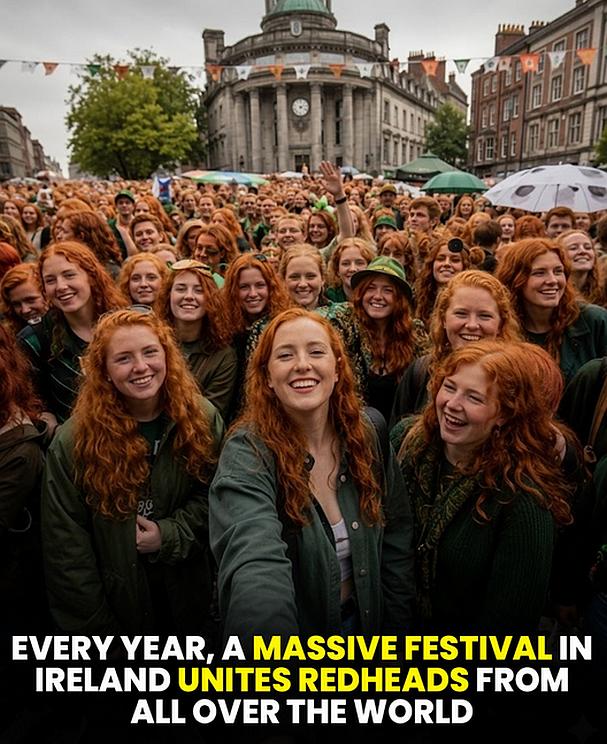
This festival takes place every year in Ireland. Photo to follow.
Load More Replies...
I love redheads! Only one of my kids has red hair (super curly) - and he was teased at school for it so now as an adult he shaves his head bald. I wish he would learn to love it!!
I admit I'm a bit jealous - when I was a kid, I was told that my biological dad had red hair, so I was eagerly waiting for my pale-blond hair to turn red as I got older. It did not XD I suppose it worked out, because my adoptive dad was Swedish and my adoptive mom is Mexican, so I looked enough like my adoptive dad (see photo in comment below) that no one really pointed fingers at me and screamed "ADOPTED!" My older sister is their biological child and the Hispanic coloration genes were dominant. Oh well, I'm still a little sad I didn't end up with my bio father's red hair! XD
I love red hair, and always have. Redheads feel like my people for some reason, and we bond almost immediately even though we can't really say why. If I smile gently at a truly (not dyed) redheaded woman she will almost always smile back, and won't react as if I'm hitting on her -- she knows it's just a "hello", and the smile is always as far as it goes. One of my SO's any my best friends is a 75 year-old woman who still has red hair and does not dye it, although almost everyone thinks she does. It has become lighter, though, and will continue to do so because what would be gray hairs on almost anyone else are perfectly clear hairs on this woman's head, and this isn't obvious unless you see her in bright sunlight. Her ancestry is Swedish and Irish.
This festival takes place every year in Ireland. Photo to follow.
Load More Replies... I love redheads! Only one of my kids has red hair (super curly) - and he was teased at school for it so now as an adult he shaves his head bald. I wish he would learn to love it!!






 No fees, cancel anytime