Get Premium
Dark mode theme is available exclusively for premium users. Learn more about the benefits of subscribing.
No fees, cancel anytime.

 Dark Mode Ad-Free Browsing Unlimited Content

 Ad-Free Browsing Unlimited Content Dark Mode

Join 1.2 million Panda readers who get the best art, memes, and fun stories every week!
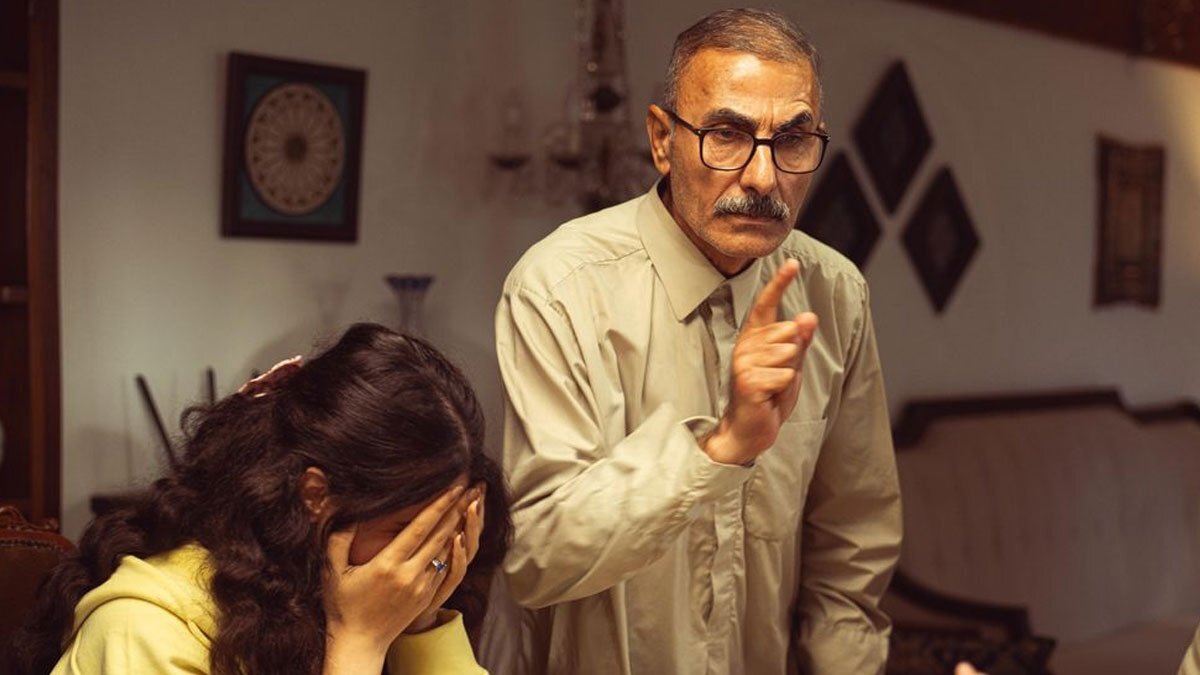
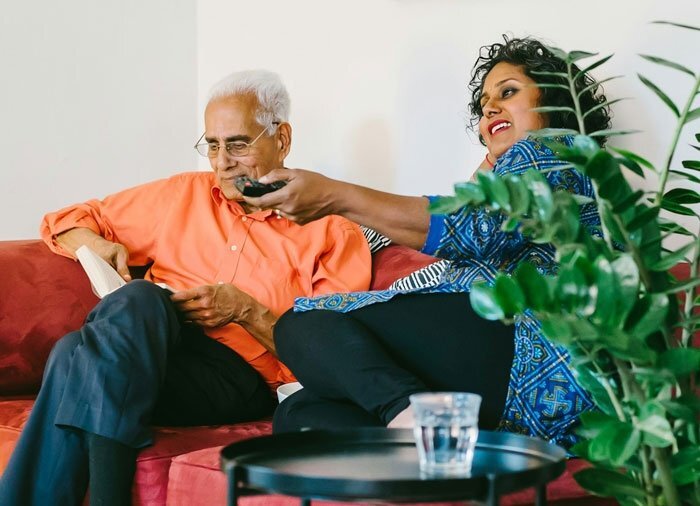
There comes a point when your parents’ age suddenly creeps up on you. One second, you’re calling them to ask how long leftovers are safe to eat or whether you really need that extended warranty; the next, you’re wondering who will look after them as they get older and who will inherit what they leave behind. Neither is an easy conversation to have.
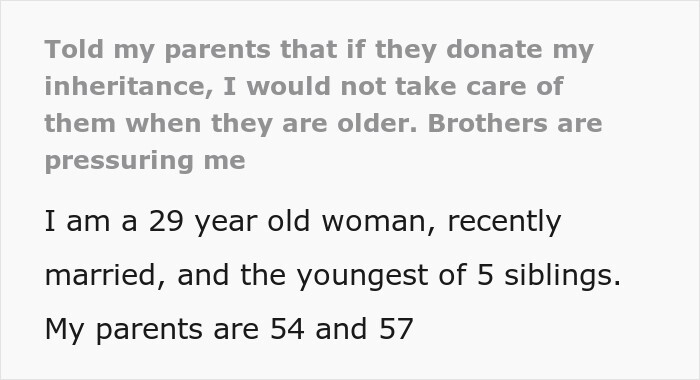
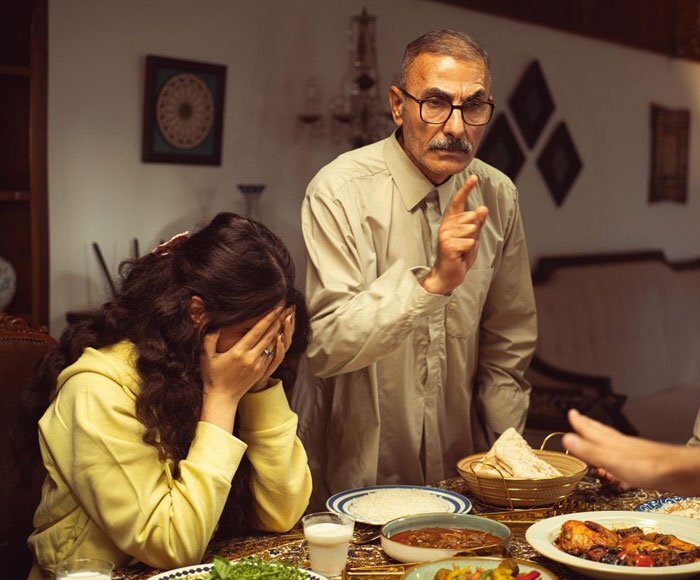
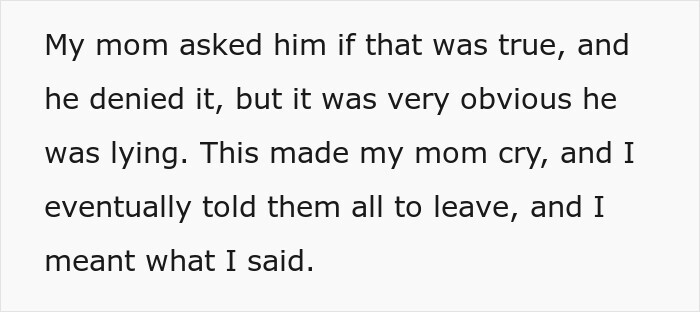
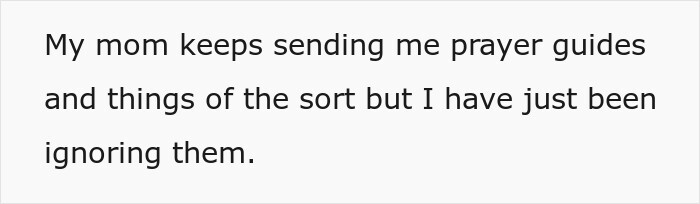
Just ask this 29-year-old woman. As the youngest of five and the only daughter, she’d long accepted that caring for her parents would fall to her. What she didn’t expect was to learn, over a boozy family dinner, that they planned to leave their children nothing. What followed involved name-calling, ultimatums, and a steady stream of prayer guides. Here’s what happened, in her own words.
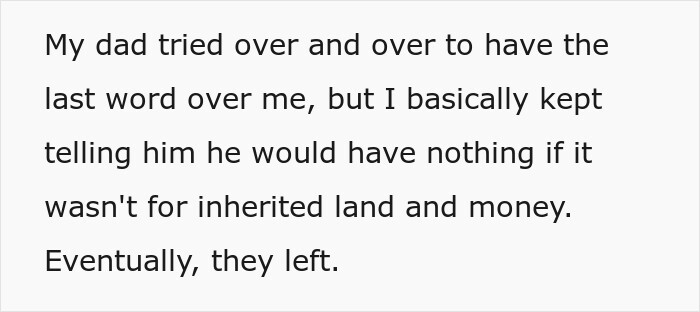
At first glance, this story seems pretty simple: if I’m not in your will, I’m not taking care of you when you’re older. And sure, that sounds harsh. Maybe even a little entitled. But read the rest of the woman’s post and it’s clear there’s a lot more going on, and it started long before her dad’s tipsy announcement, the name-calling, and the brother who couldn’t keep a straight face.
Underneath all the drama (and all those unread prayer guides) is a quieter story about a woman who’d long accepted that she’d be the one caring for her parents when the time came.
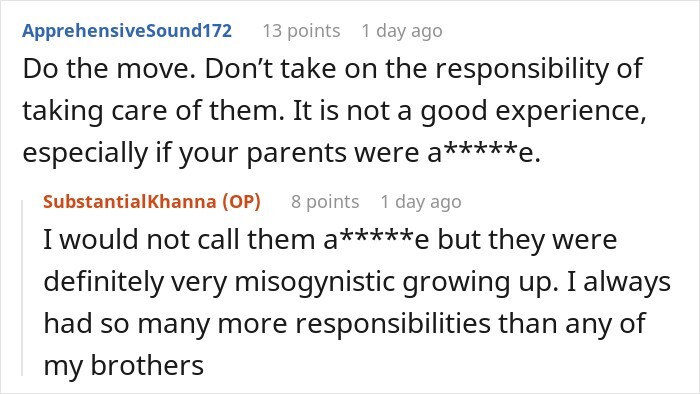
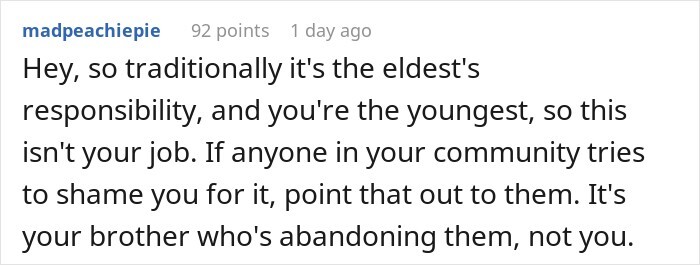
She says that in her culture, caring for aging parents is usually the eldest child’s job. Yet she’s the youngest of five, and the role was handed to her because, as she puts it, she’s the only girl.
Interestingly, in India, where her family is originally from, many people still see caring for parents as more of a son’s job than a daughter’s. In a large Pew Research Center survey of adults in India, 58% said that both sons and daughters should be responsible for caring for parents as they age. About four in ten said caring for aging parents should fall primarily to sons, while only 2% thought daughters should be mainly responsible. In the US, where her family has lived for generations, it’s a very different story.
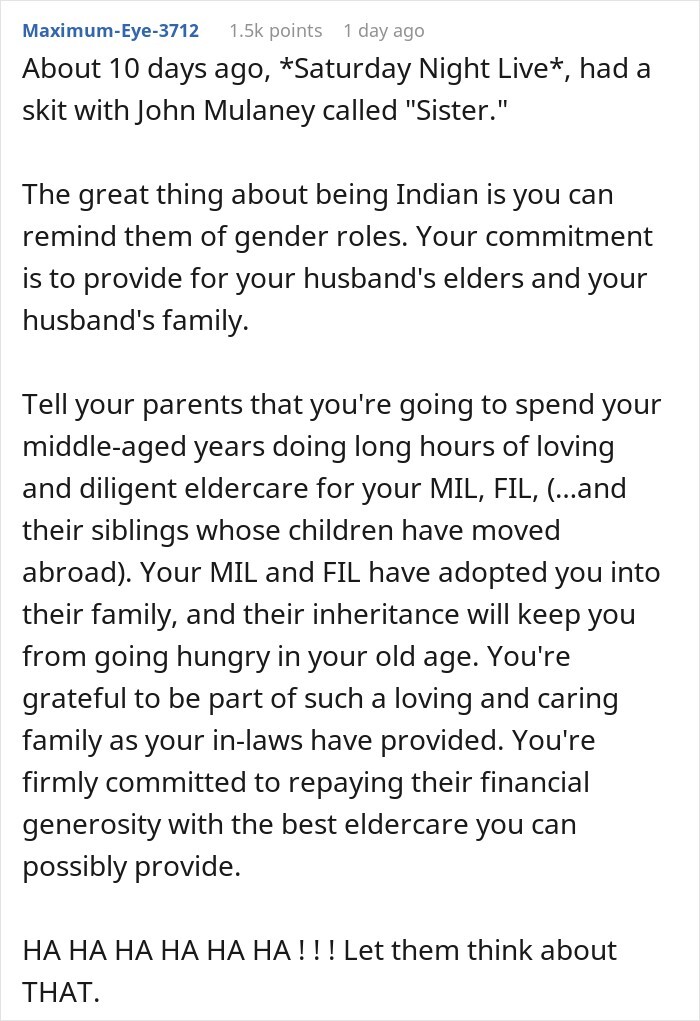
In the West, there’s a widely held assumption about who steps up when parents get older. In fact, it’s so widely acknowledged that Saturday Night Live recently made a sketch about it. In “Sister,” John Mulaney advertises a “live-in, 24/7 elder care provider that is completely free and also your sister,” allowing the brothers to get on with their own lives.
The joke landed because it’s painfully true. As Stanford researchers wrote in a 2017 commentary on dementia care in JAMA Neurology, “The best long-term care insurance in our country is a conscientious daughter.”
According to New York Times reporter Claire Cain Miller, a range of studies show that daughters generally provide at least twice as much care as sons. Research by sociologist Angelina Grigoryeva found that daughters spend about 14 hours a month caring for their parents, compared with six for sons. Sons also tend to do less when they have a sister, while daughters do more when they have brothers.
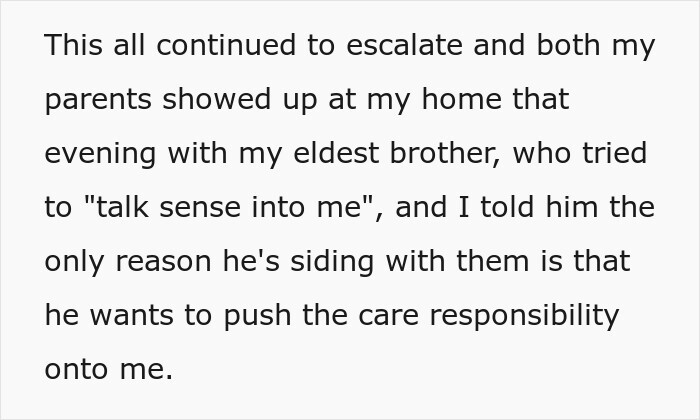
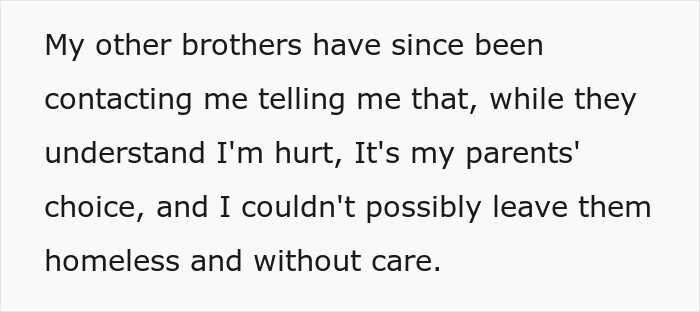
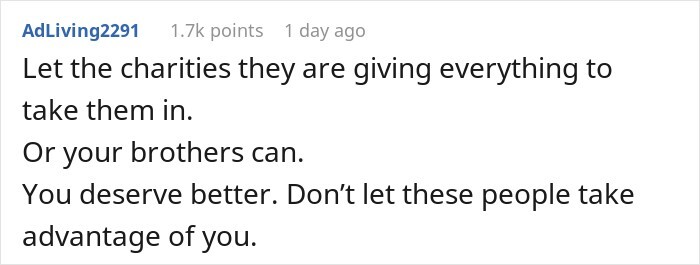
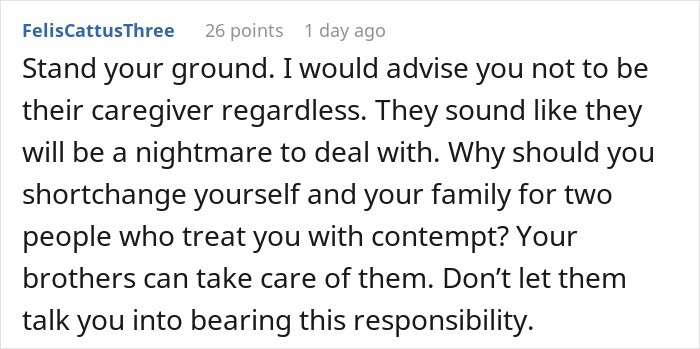
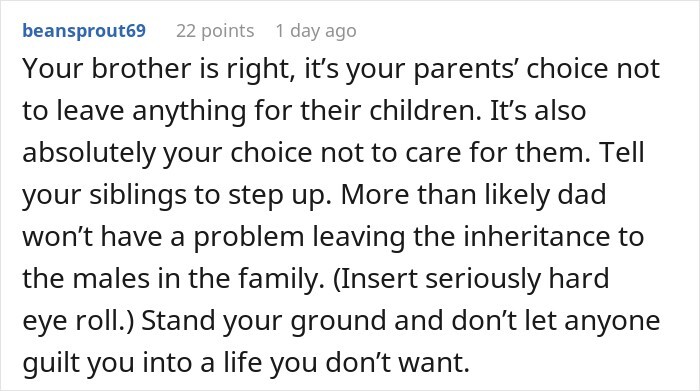
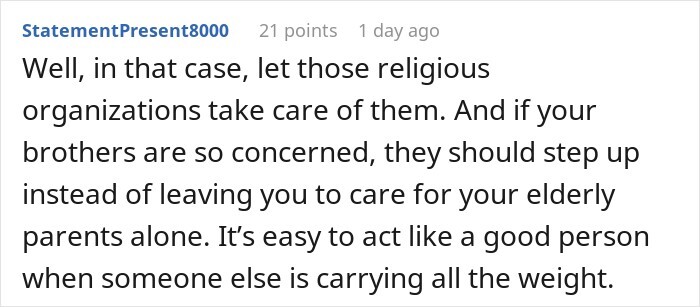
The poster’s family seems to fit that pattern. When her brothers insisted she couldn’t leave their parents without care, she told them that if they felt so strongly, they could do it themselves. Only one was honest enough to admit he simply didn’t want to.
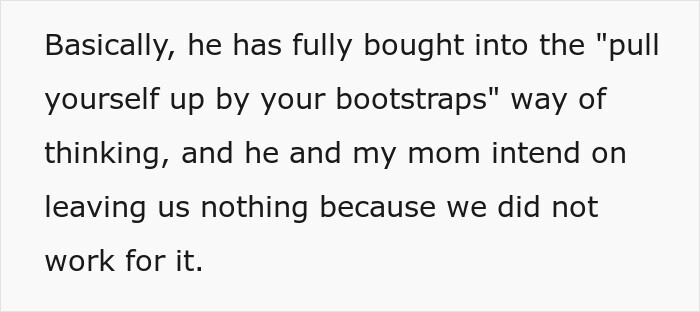
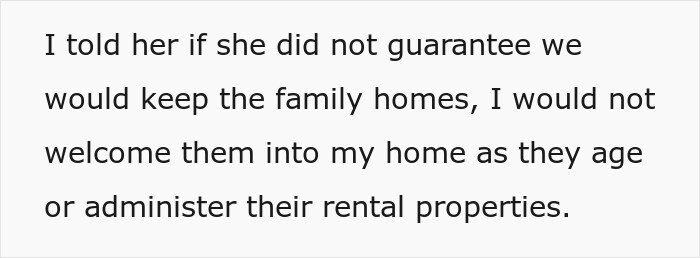
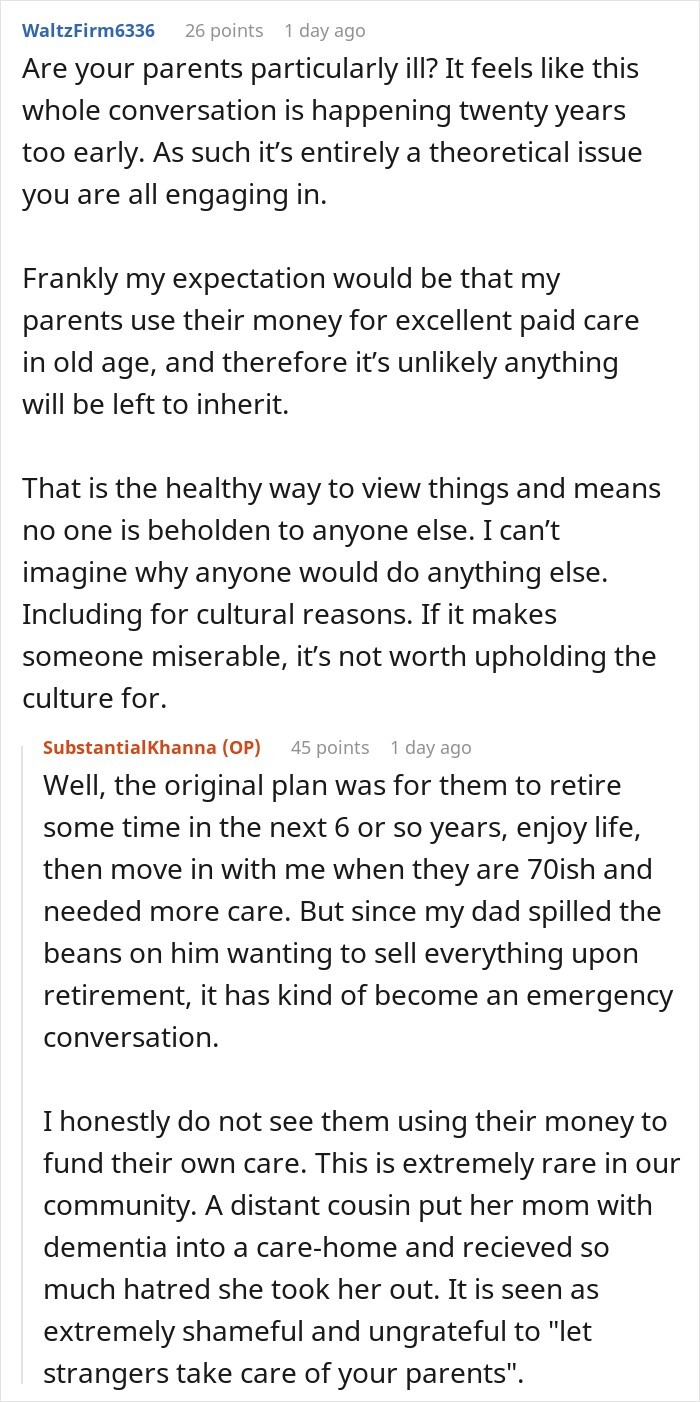
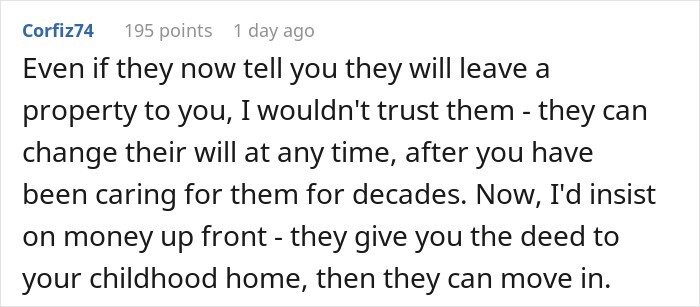
With none of her brothers offering to step up, the poster is looking at years, possibly decades, of housing her parents, covering the cost of nurses, and managing their rental properties. So it’s not hard to see why it stings to hear that she and her brothers will get nothing because they “did not work for it.”
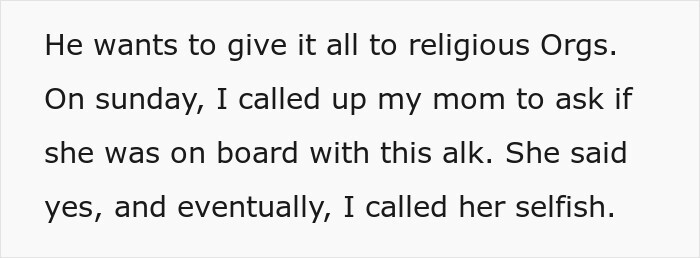
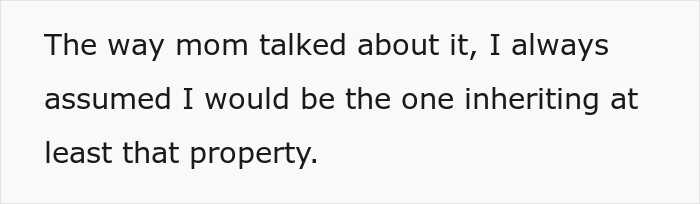
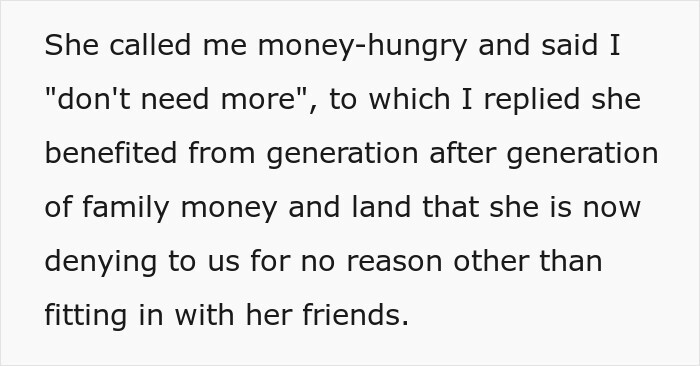
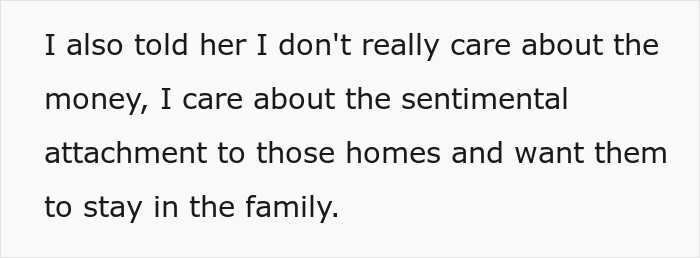
To be clear, her parents don’t owe her a thing. It’s their money and their property, and if they want to give it all to causes they believe in, that’s their call. But she says this was never really about the money. As she told her mom, what she really cares about is “the sentimental attachment to those homes.” She’s also asking a fair question: why is all of this on her when none of her brothers want to share it?
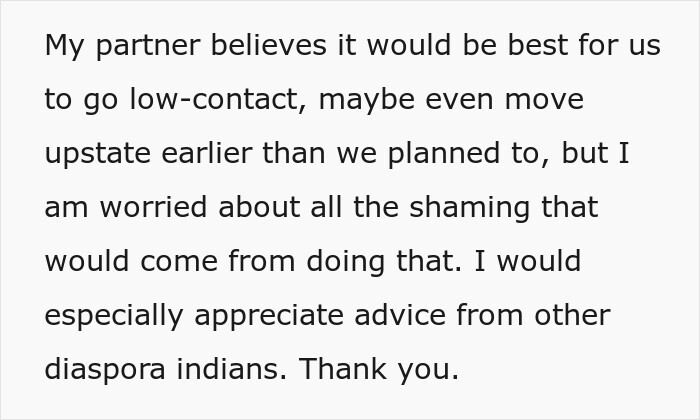
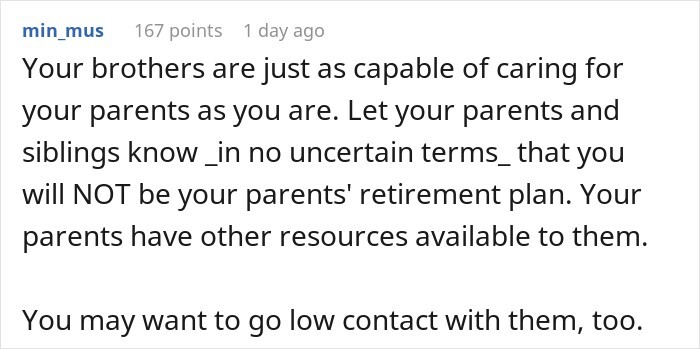
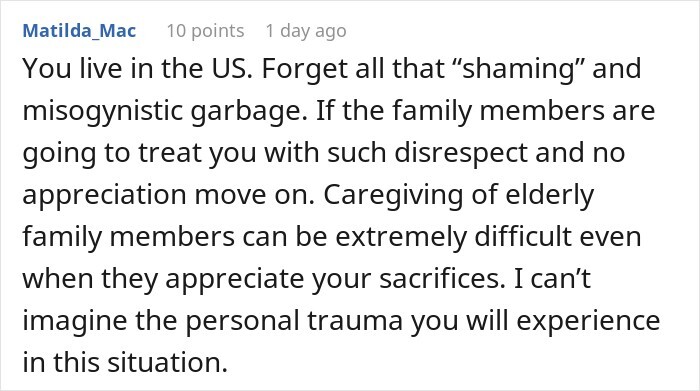
That said, refusing to care for her parents is drastic, and in a culture that places so much weight on family duty, the shaming she’s worried about is very real. Going low-contact and moving upstate early might protect her peace, but it could cost her some relationships along the way.
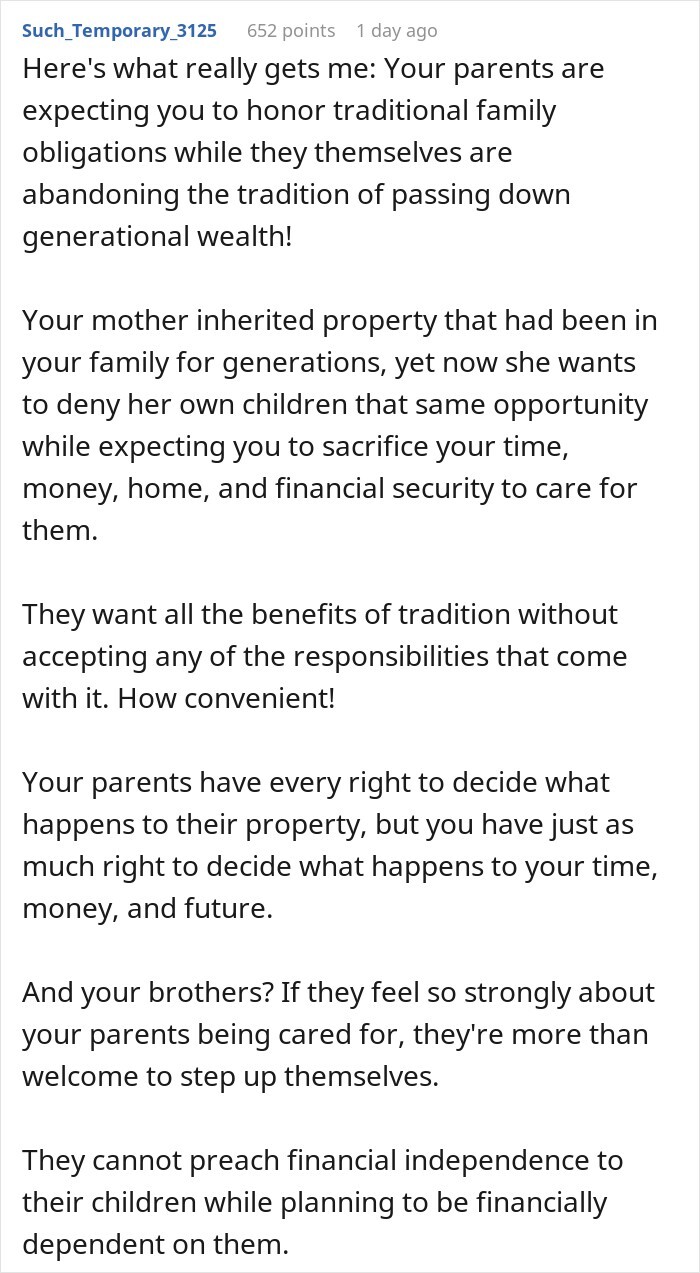
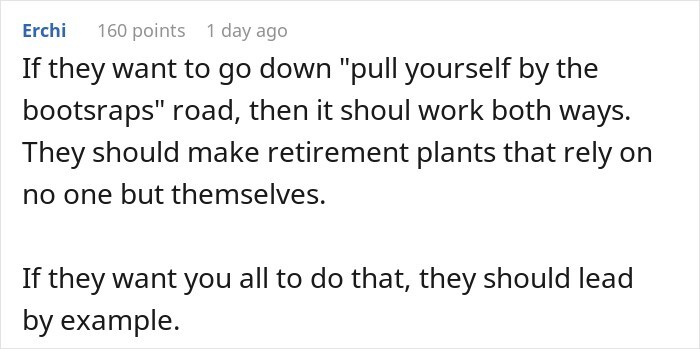
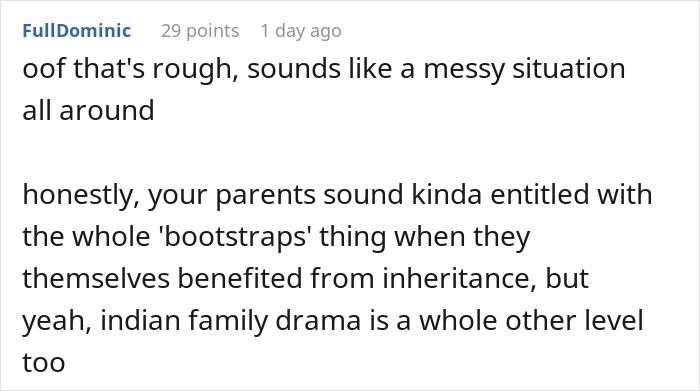
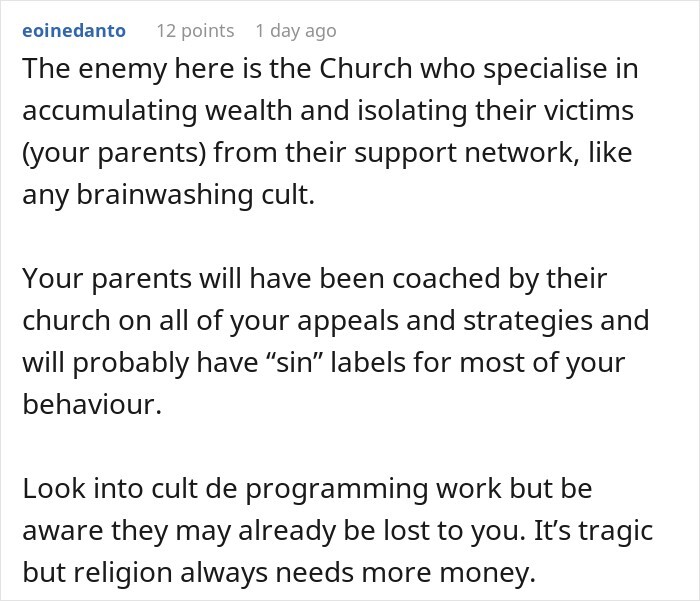
And really, this tricky situation reflects a tension that may feel familiar to many diaspora families. When it comes to money, her dad has embraced the very American idea that his kids should “pull themselves up by their bootstraps.” But when it comes to care, her parents still expect a child to take them in, as tradition would have it.
Even then, they’re not quite following tradition. Instead of turning to their eldest son, they’ve handed the job to their only daughter, which looks a lot more like the Western pattern. They’ve taken a bit from each culture, and the parts they’ve chosen leave her with all the responsibility and none of the inheritance.

By entering your email and clicking Subscribe, you're agreeing to let us send you customized marketing messages about us and our advertising partners. You are also agreeing to our Privacy Policy.
Thank you! You've successfully subscribed to newsletters!

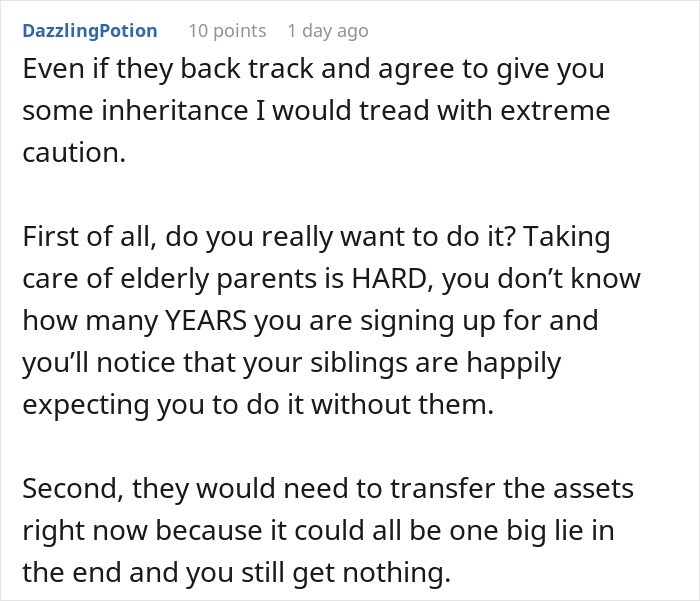
There's an entirely practical element to this too: even if she wanted to take care of them into their dotage (increasingly unlikely though that is), how would OP have the assets to do so (while also supporting her own family) without any inheritance? Mutual poverty while looking after your elders does not sound like a fun way to spend your days.
There's an entirely practical element to this too: even if she wanted to take care of them into their dotage (increasingly unlikely though that is), how would OP have the assets to do so (while also supporting her own family) without any inheritance? Mutual poverty while looking after your elders does not sound like a fun way to spend your days.



























 No fees, cancel anytime























32
1