Get Premium
Dark mode theme is available exclusively for premium users. Learn more about the benefits of subscribing.
No fees, cancel anytime.

 Dark Mode Ad-Free Browsing Unlimited Content
 Ad-Free Browsing Unlimited Content Dark Mode
Join 1.2 million Panda readers who get the best art, memes, and fun stories every week!

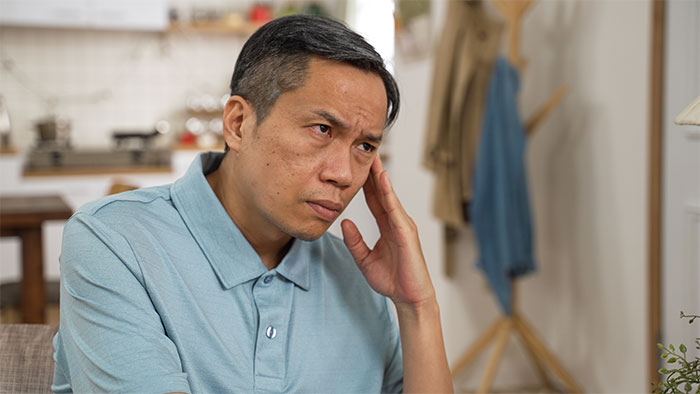
As children, we often follow every rule our parents set: bedtimes, study schedules, who we can see, even how we spend our free time. At that age, it all feels natural, even comforting, like structure is simply part of growing up. But as we get older, the same rules can start to feel like chains. Every instruction can feel controlling, every expectation suffocating, and what once seemed like guidance now starts to feel like limitations on your freedom.
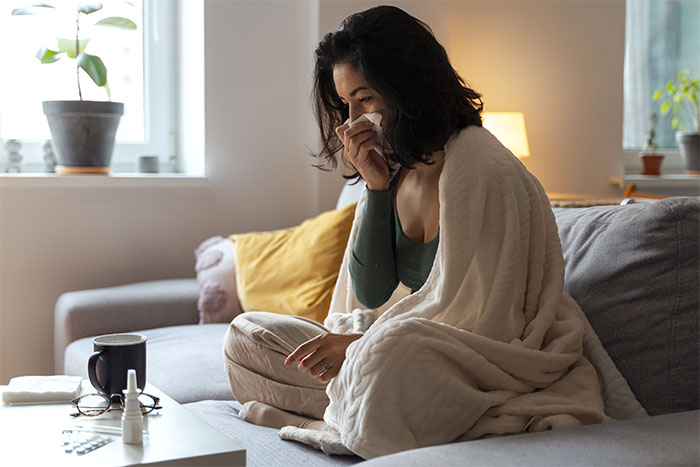
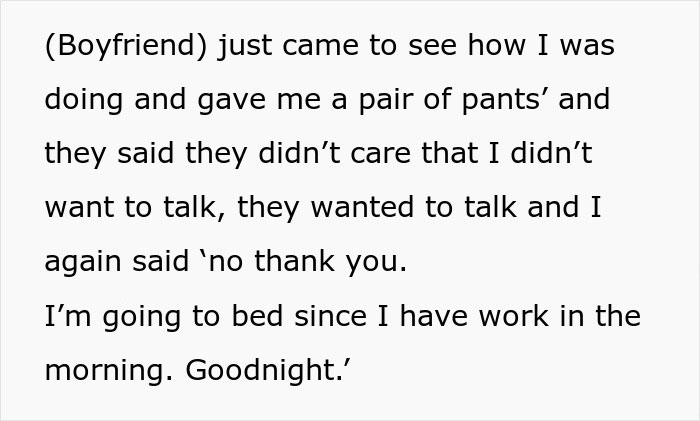
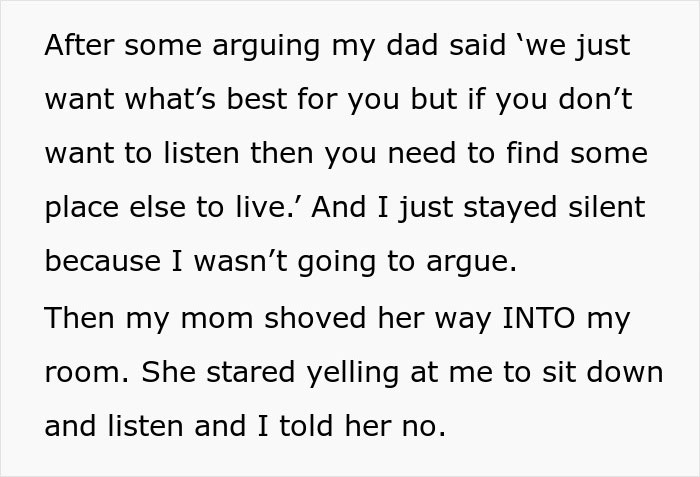
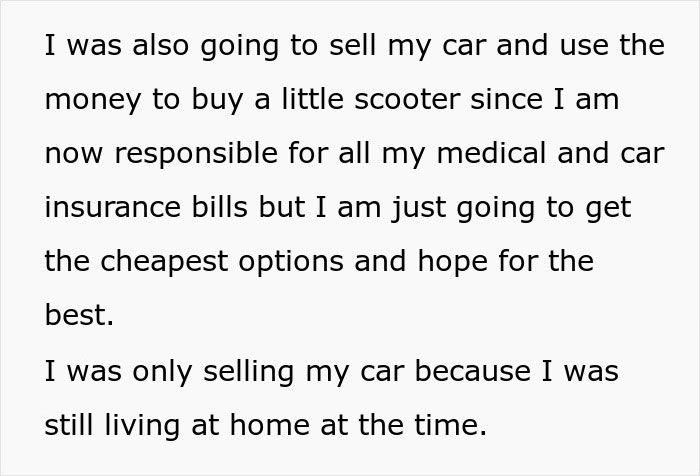
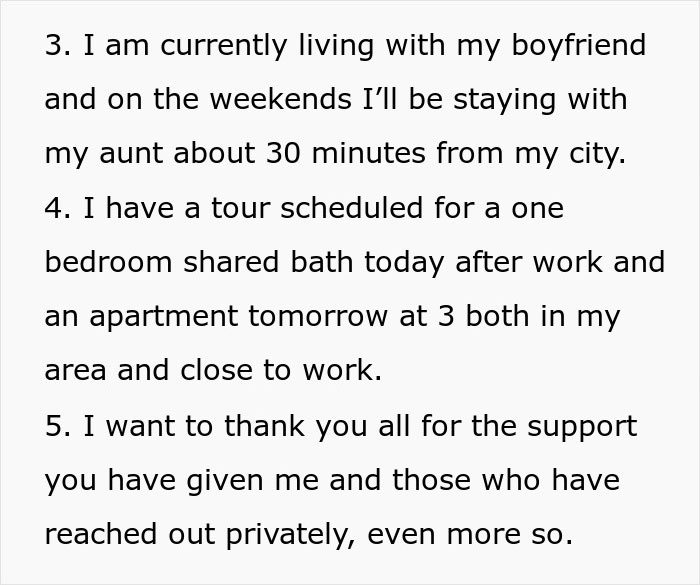
For one 22-year-old woman, things came to a head when her parents continued to treat her like a child. Even while she was sick, they demanded she complete household chores and imposed strict rules on her personal life. When she tried to explain her need for rest and a little autonomy, the situation quickly spiraled out of control, ultimately forcing her to move out. What followed was a life-changing turning point she never expected. Keep reading to see how a simple request for rest turned into a dramatic exit from her family home.
Image credits: Getty Images / Unsplash (not the actual photo)
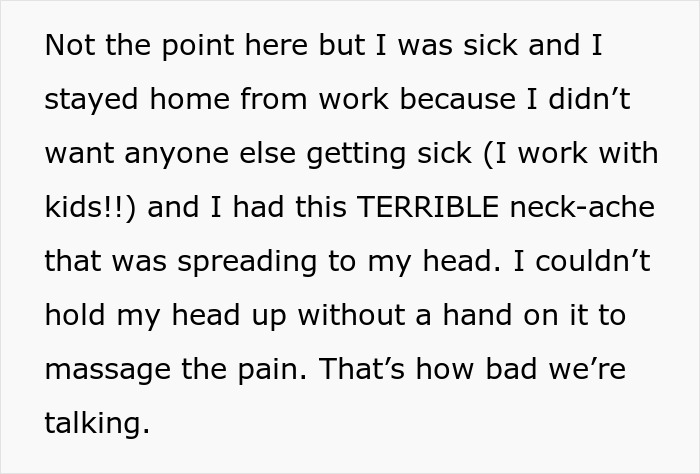
Image credits: freepik / Magnific (not the actual photo)
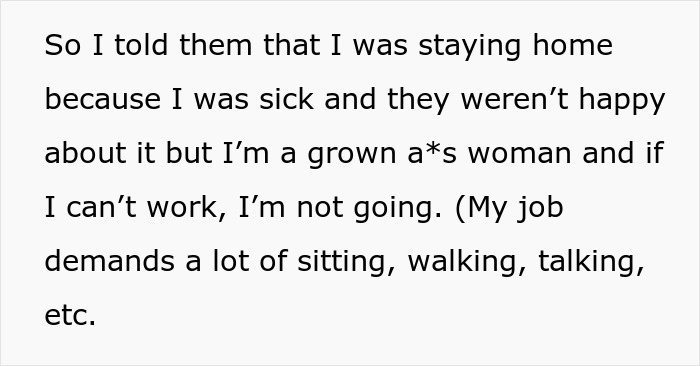

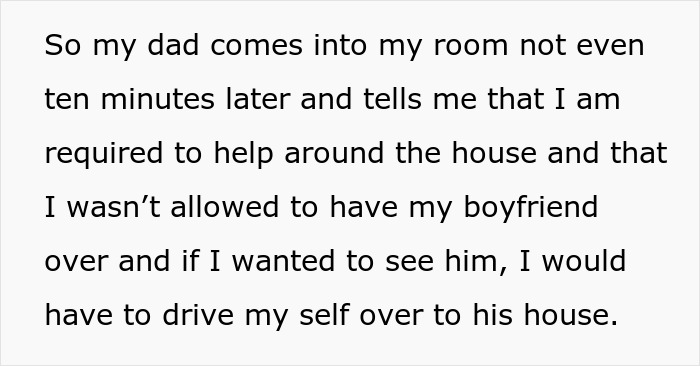
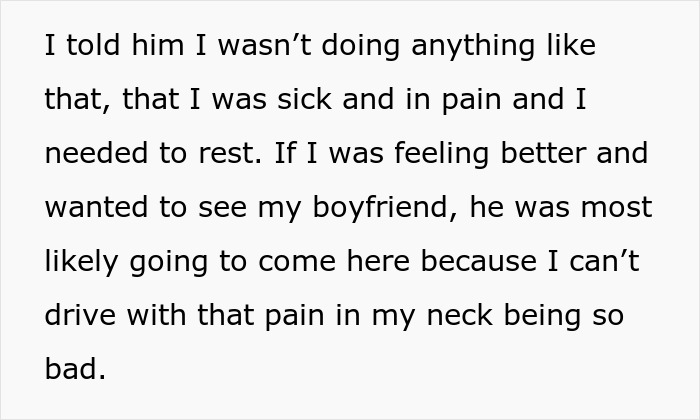
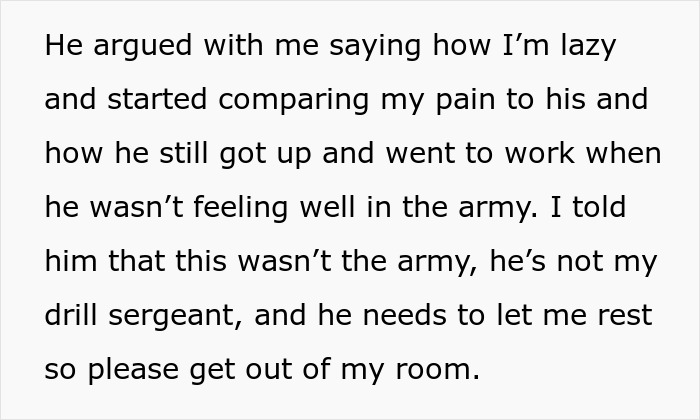
Image credits: Wavebreakmedia / Envato Elements (not the actual photo)
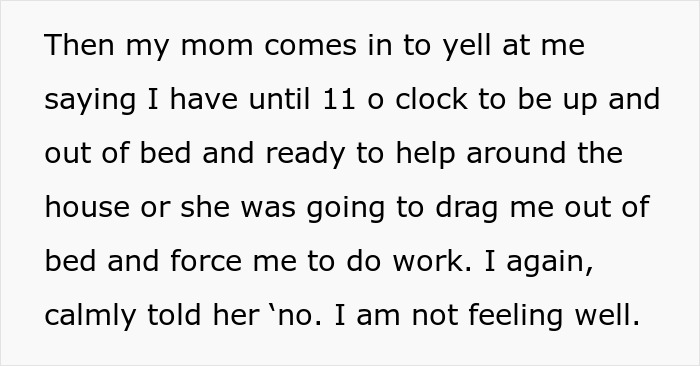
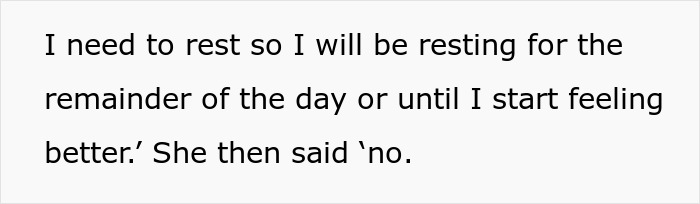
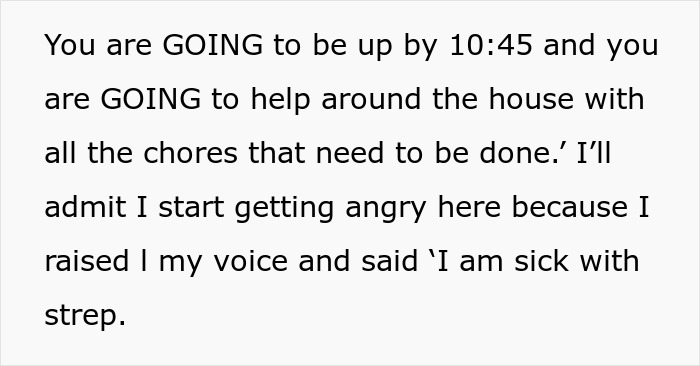

Image credits: Erik Mclean / Pexels (not the actual photo)
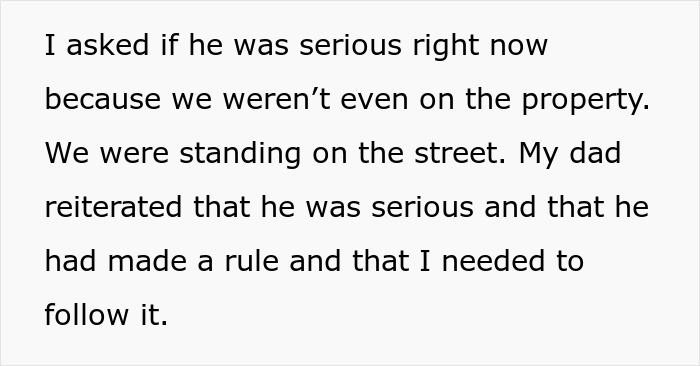
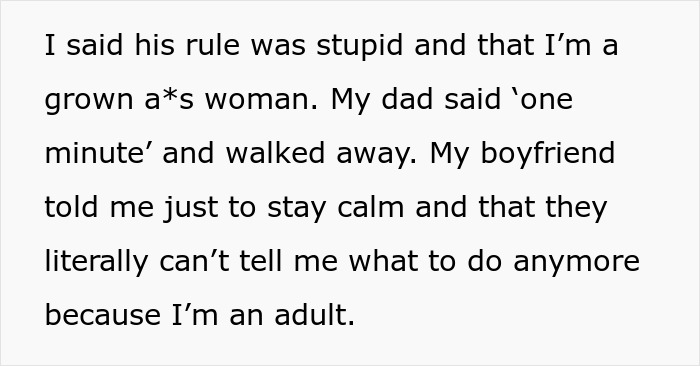
Image credits: primagefactory / Envato Elements (not the actual photo)
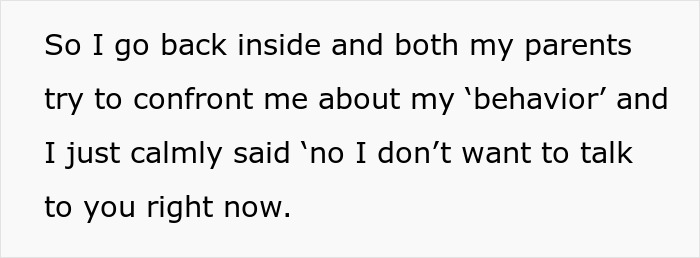
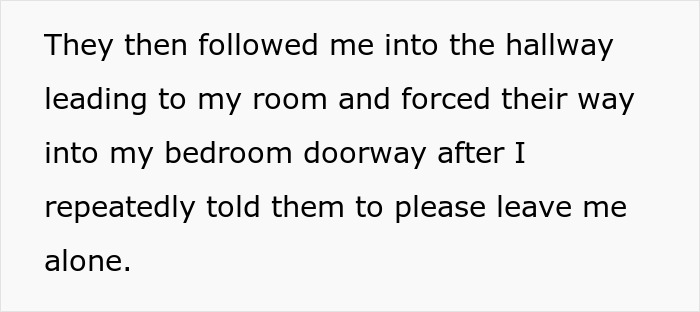
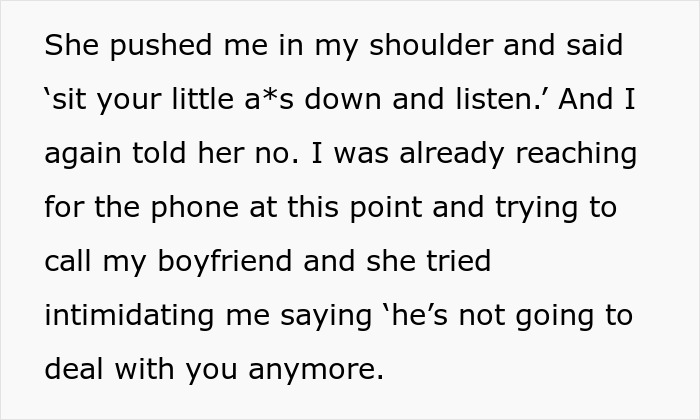
Image credits: RDNE Stock project / Pexels (not the actual photo)
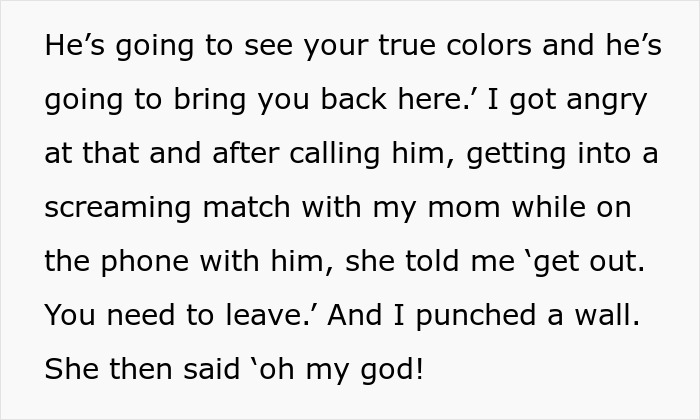
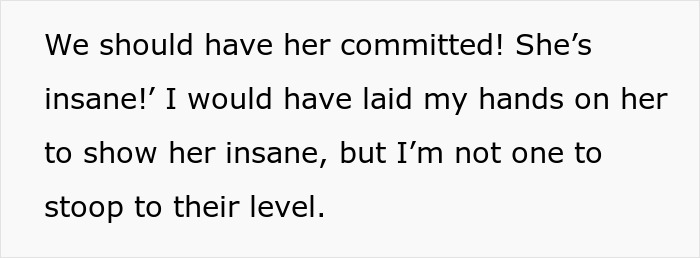
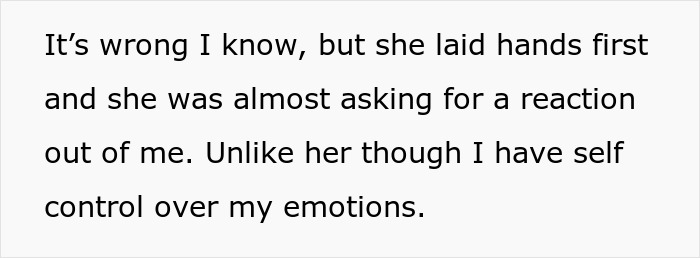
Image credits: Michael Pointner / Unsplash (not the actual photo)

Image credits: Kaitlyn Baker / Unsplash (not the actual photo)


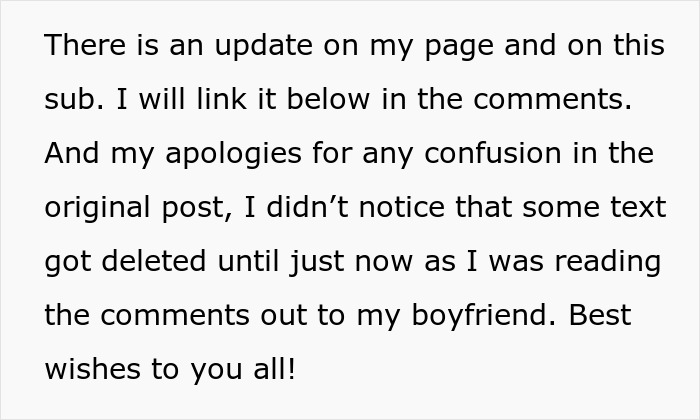
Image credits: randomcass
Image credits: Getty Images / Unsplash (not the actual photo)
For most of us, our parents are the people who gave us a warm home, guided our first steps, and cheered us on through scraped knees and first words. Naturally, we want to make them happy, keep them proud, and follow the rules they set for us. And for a while, that works. But sometimes, trying to live up to every expectation, obeying every rule, and constantly worrying about pleasing them can slowly chip away at your own mental peace. It’s like carrying a backpack full of invisible bricks; you love them dearly, but the weight can get heavy, and at some point, it starts to hurt.
Kids raised in authoritarian households (where parents rule with strict rules, control, and little room for discussion) often carry more than just respect for authority. Studies show they tend to have higher levels of anxiety, and depression. That’s because when every choice is monitored, every mistake punished, and feelings dismissed, kids learn to fear failure more than to celebrate effort. They grow up thinking love is conditional on obedience, and self-expression becomes a risk. The cost of trying to be “perfect” under that kind of control can last far beyond childhood.
Additionally, a large review of 51 studies across eight countries found a clear pattern: children of authoritarian parents often display verbal or physical aggression. Why? It’s linked to parents exerting high levels of control while offering little emotional guidance. In other words, kids mimic what they experience; they see harsh control and strict rules, and they learn to react with frustration, rebellion, or aggression. Their behavior isn’t random; it’s a reflection of the emotional climate in their home, where control is valued above connection.
Authoritarian parents often have sky-high expectations for their children but provide very little support or nurturing. Feedback, when given, is usually critical rather than encouraging. So kids grow up walking on eggshells, always second-guessing themselves, always trying to measure up, but rarely feeling the comfort of affirmation.
Also, parents with this style can seem distant, cold, or even aloof. Fun and play often take a backseat to rules and discipline. These children are expected to follow orders, sit quietly, and be seen but not heard. The irony is that these children often grow up obedient—they follow rules, stay out of trouble, and perform as expected. But under that compliance hides a struggle. Self-esteem can be low, decision-making skills weak, and confidence in personal judgment shaky. They may succeed in school or work, but internally, they’re often second-guessing themselves. The world outside the controlled home can feel terrifying because it’s full of choices they’ve never been allowed to make on their own.
Image credits: The Yuri Arcurs Collection / Magnific (not the actual photo)
As these children grow, the effects can ripple in unexpected ways. They may develop an intense fear of failure, struggle to form meaningful friendships, or find it difficult to express their emotions. By adolescence, rebellion often appears; they push back against rules they’ve been forced to obey for years, sometimes in dramatic ways. Resentment builds quietly at first, then bursts into conflict. For some, the lessons of control translate into perfectionism and anxiety; for others, it sparks bold defiance. Either way, the shadow of authoritarian parenting follows them.
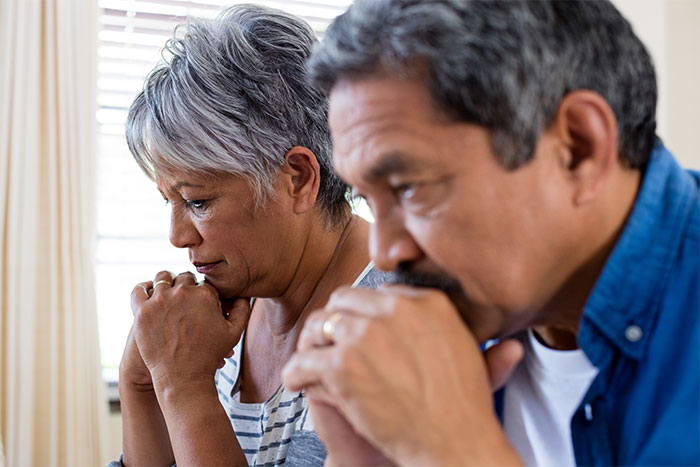
Parenting styles can shape a child’s development in profound ways, affecting behavior, emotional health, and how they relate to the world. That’s why it’s crucial for parents to strike a balance: set boundaries, yes, but allow independence, choices, and emotional expression. Kids need guidance, not control; support, not fear. Parents who recognize authoritarian patterns in themselves can take steps to change—attend parenting classes, talk to other parents, or simply reflect on their reactions. There’s always a way to foster connection without sacrificing discipline, and it’s never too late to create a home where kids can grow confident, capable, and emotionally healthy.
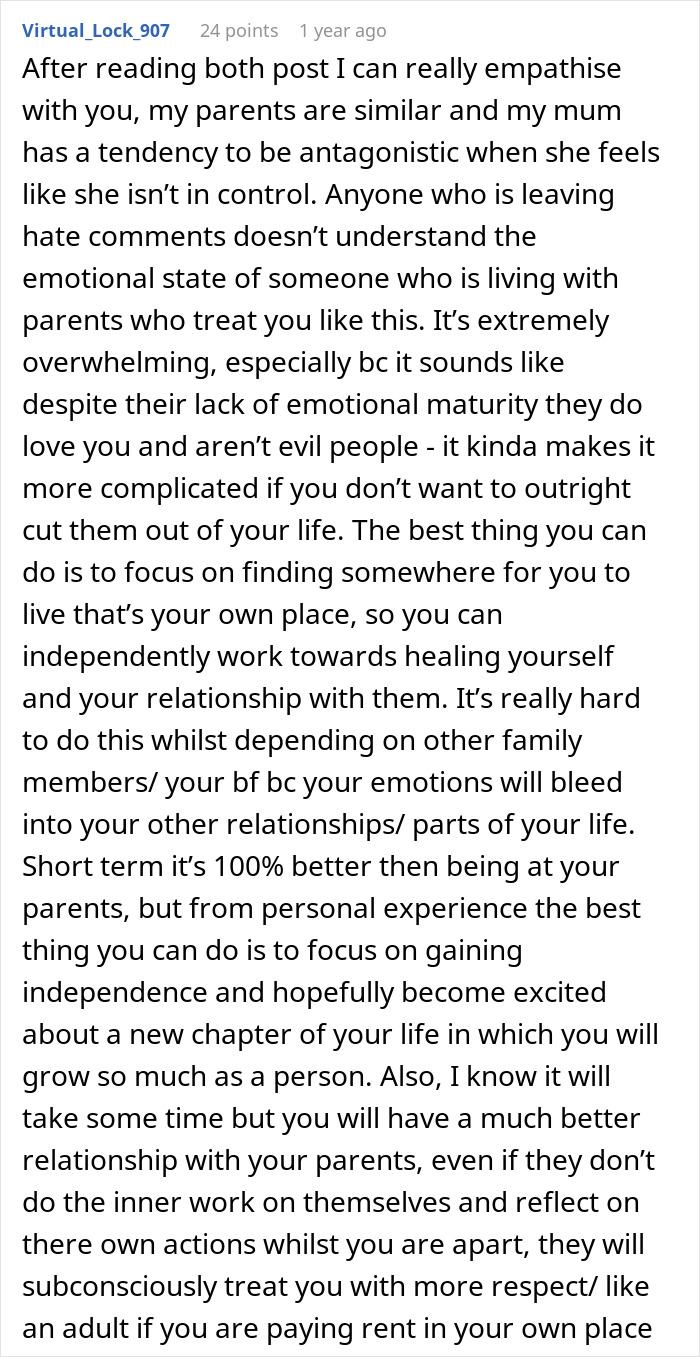
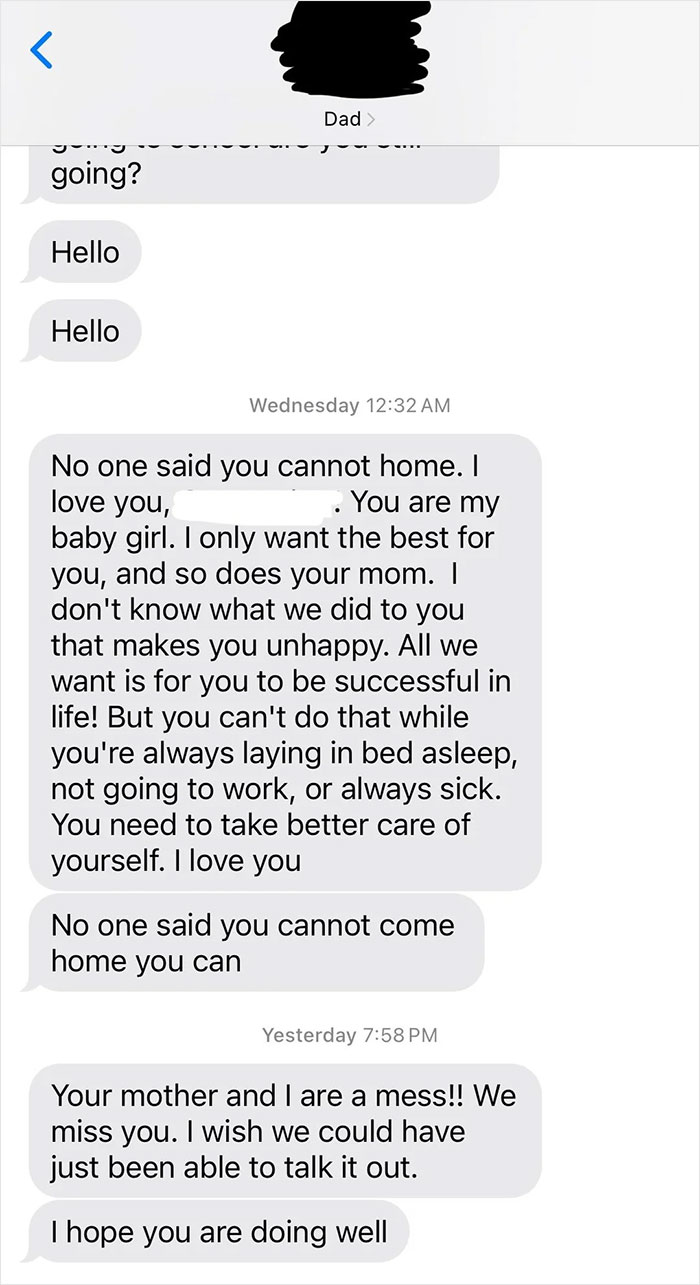
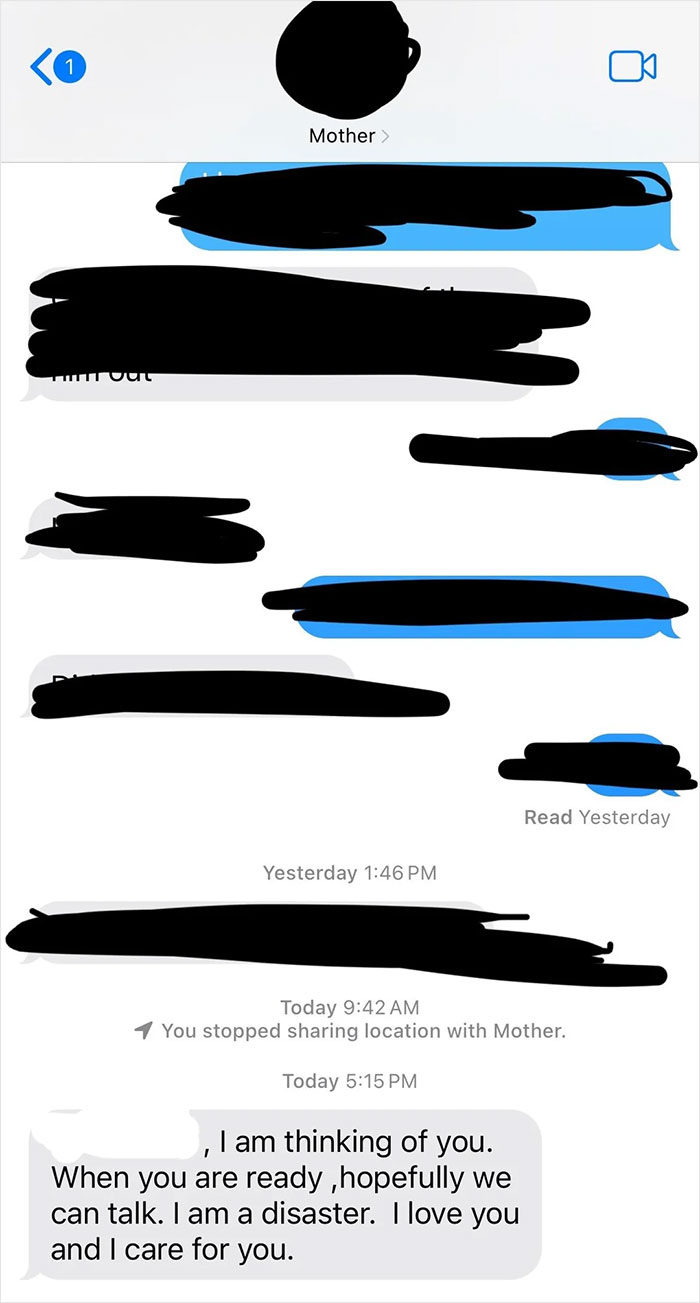
In this particular case, it seemed like the woman’s parents were trying not only to control her actions but also to manipulate her emotionally. Commenters have pointed out that the situation highlights how constant pressure and strict rules can push even the most obedient children to their breaking point. In her case, it ultimately led to her making the difficult decision to move out and reclaim her independence. What are your thoughts on this situation? Have you ever had a fallout with your parents, and how did you deal with it?
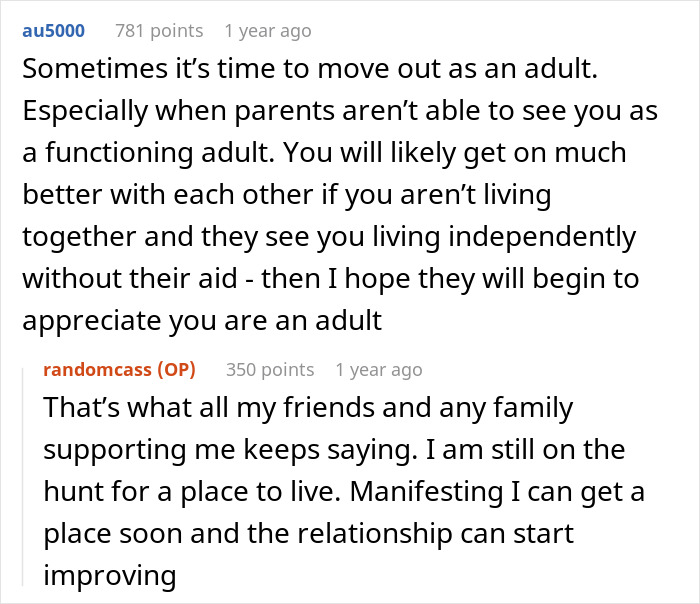
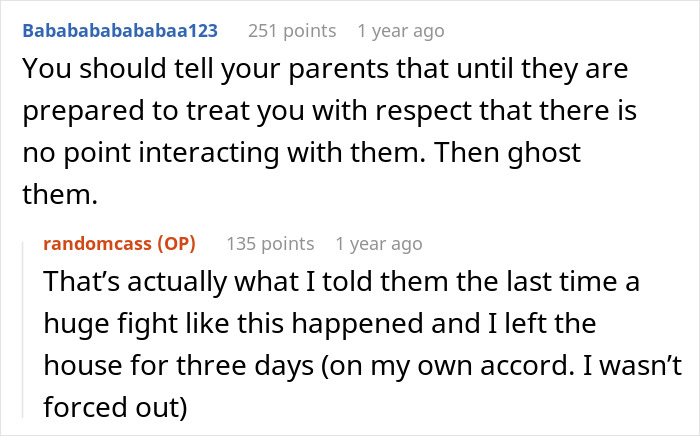

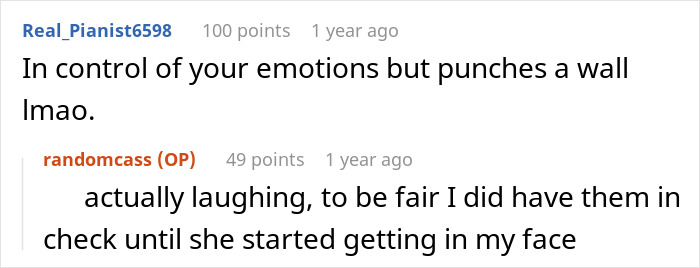
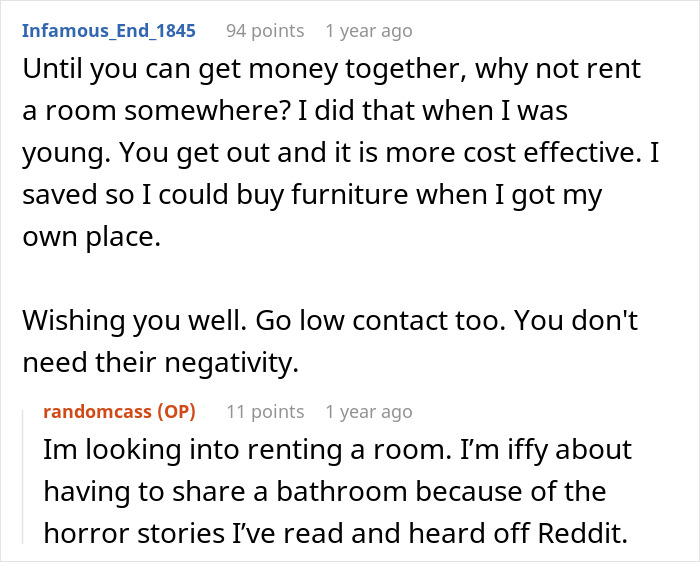
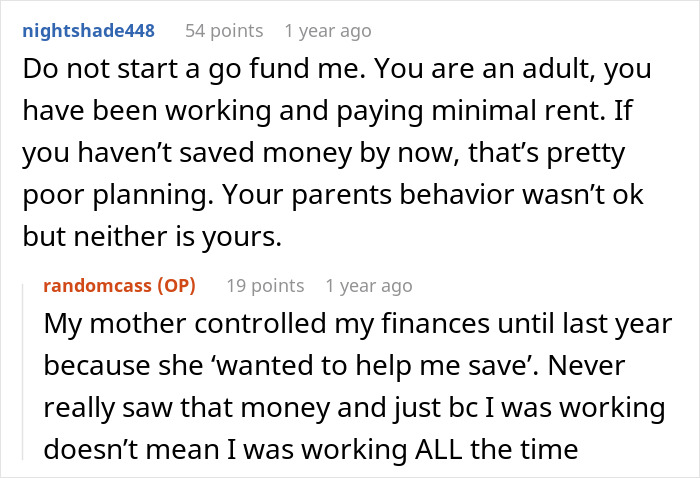
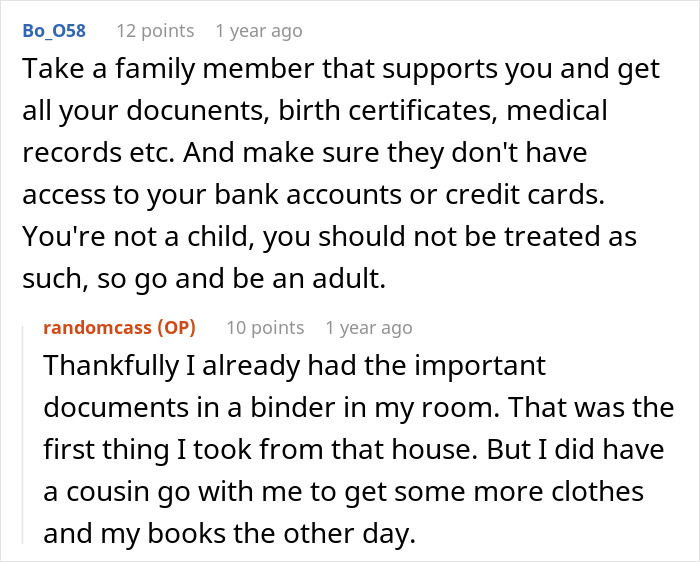
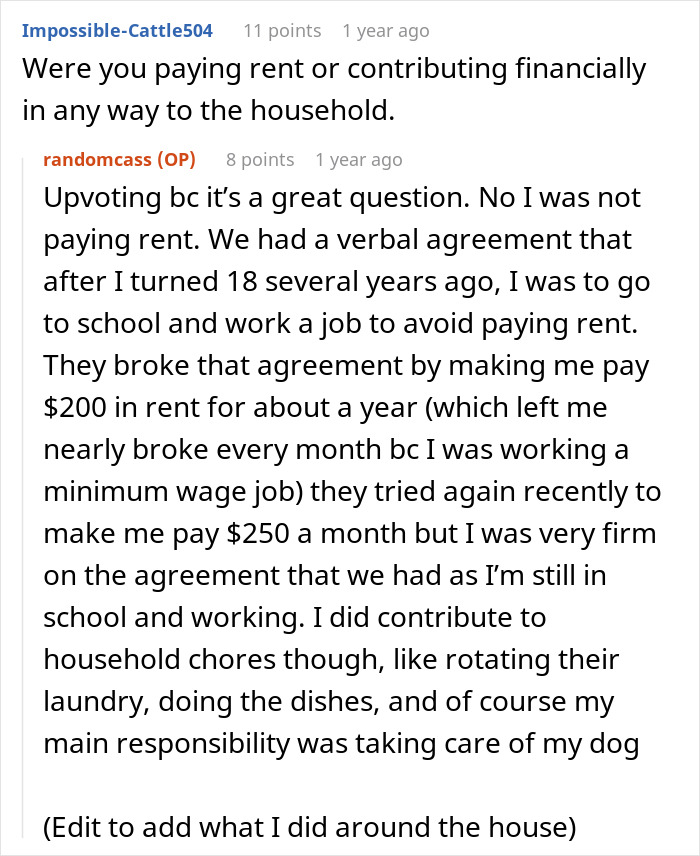
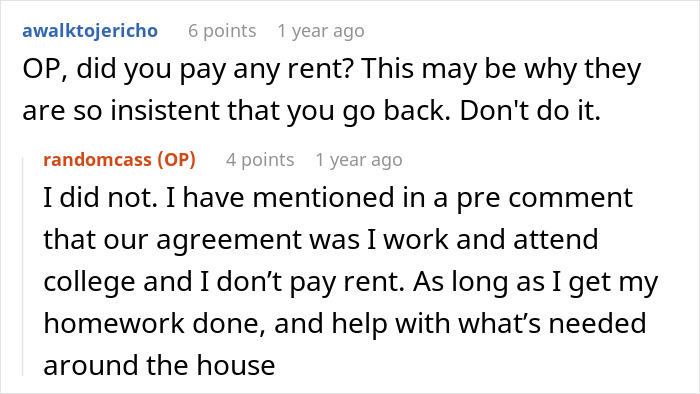
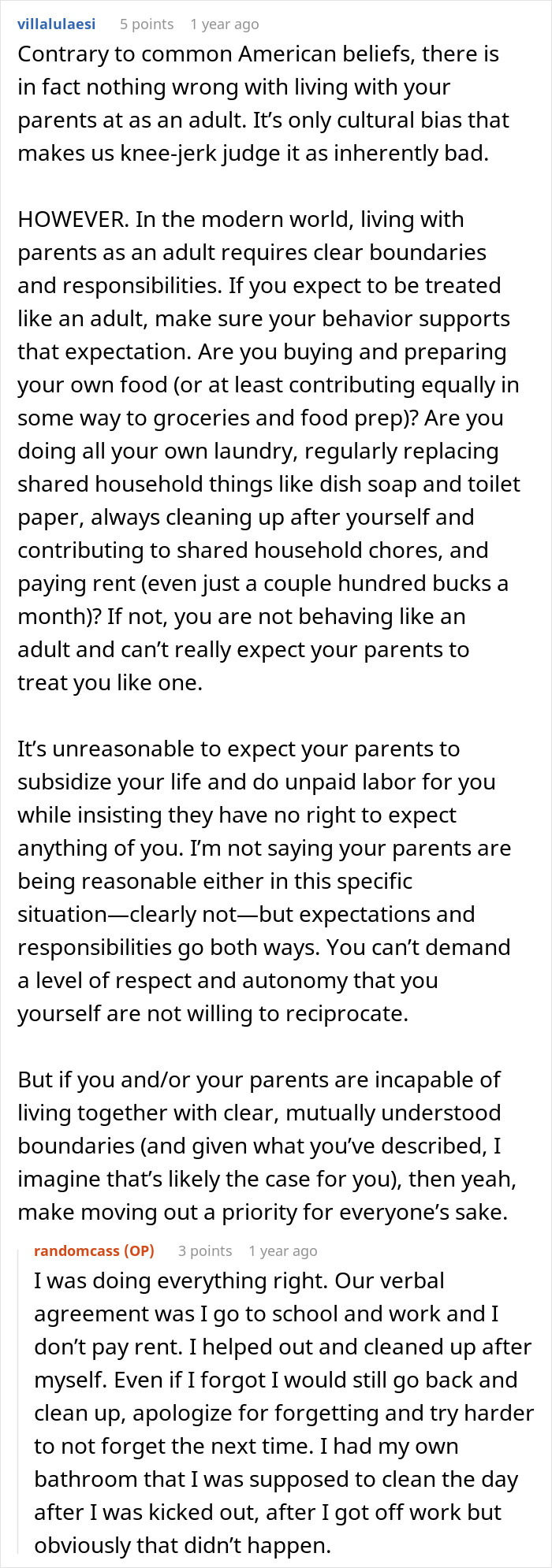
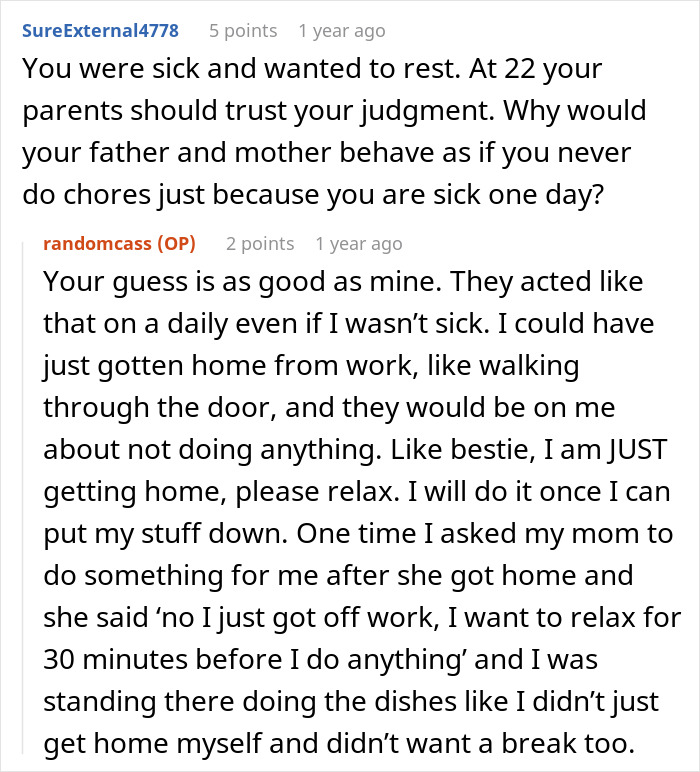
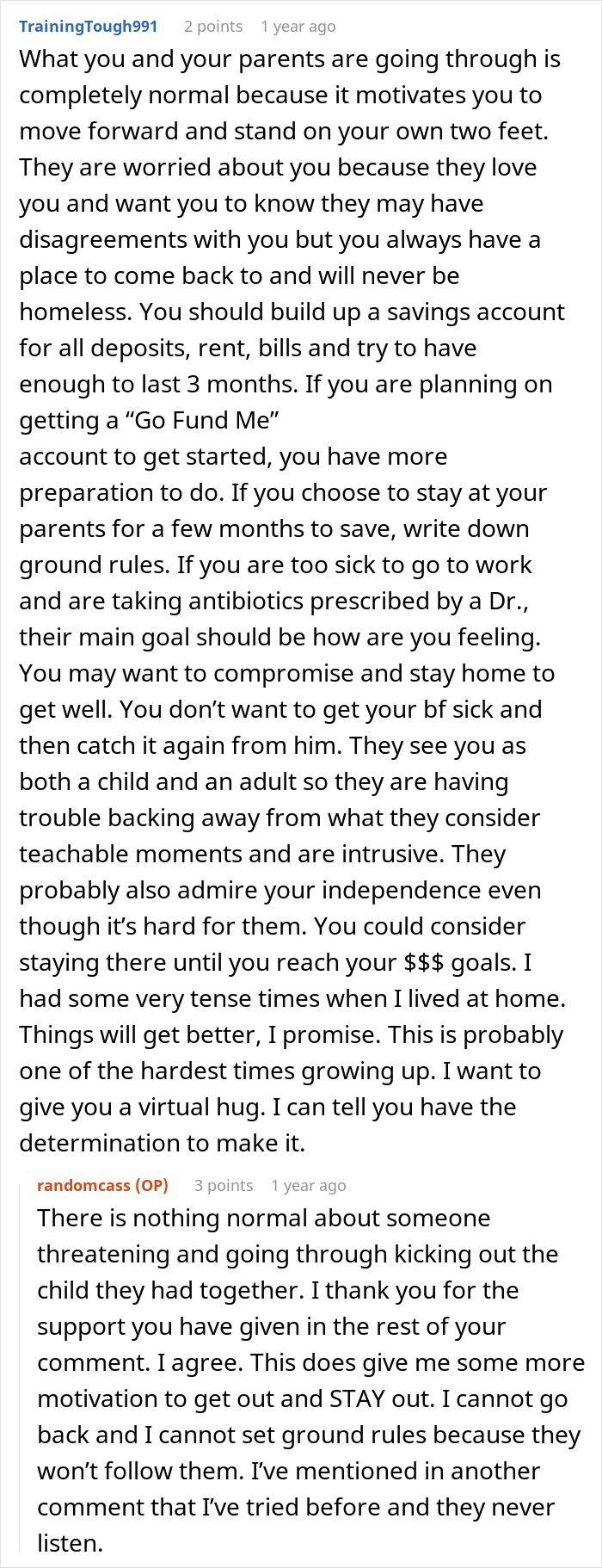
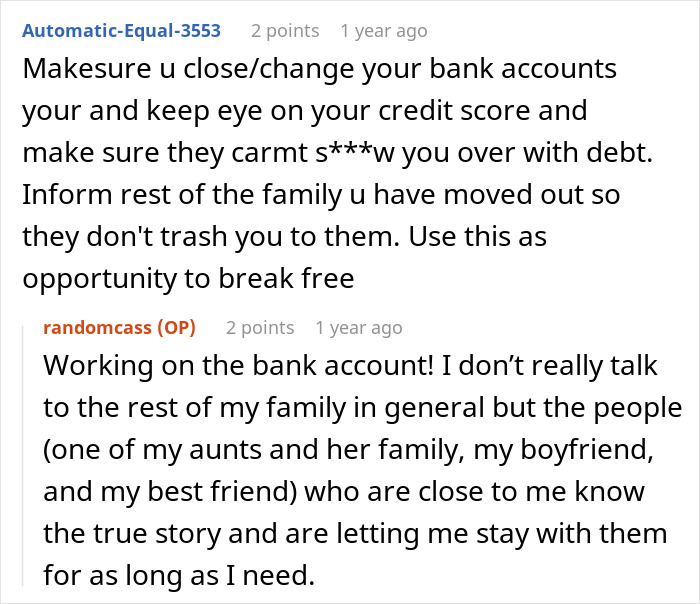

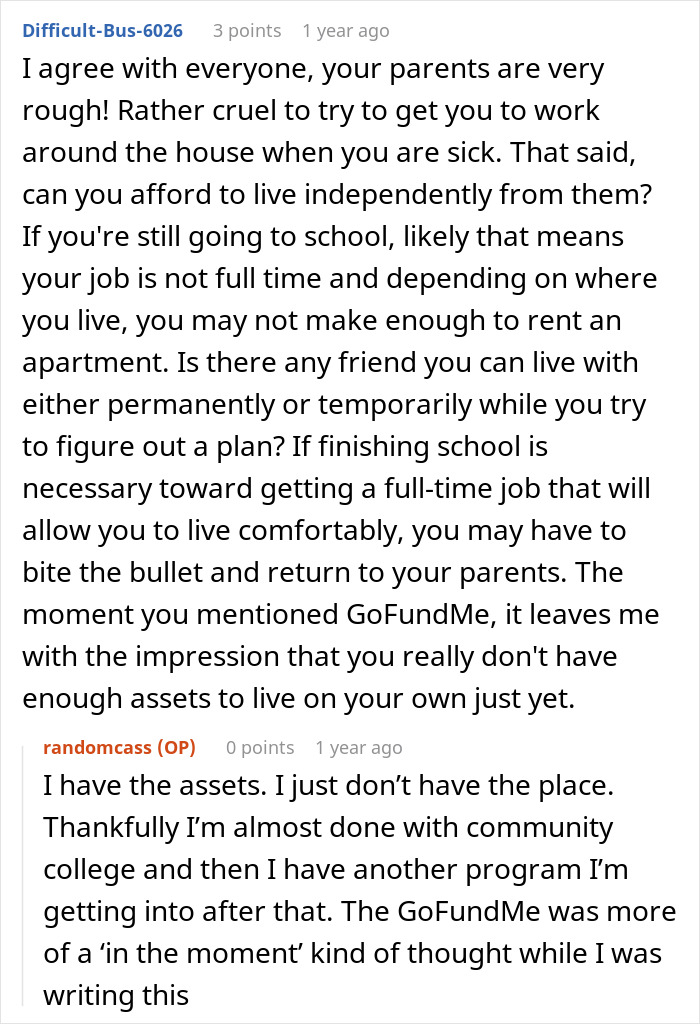
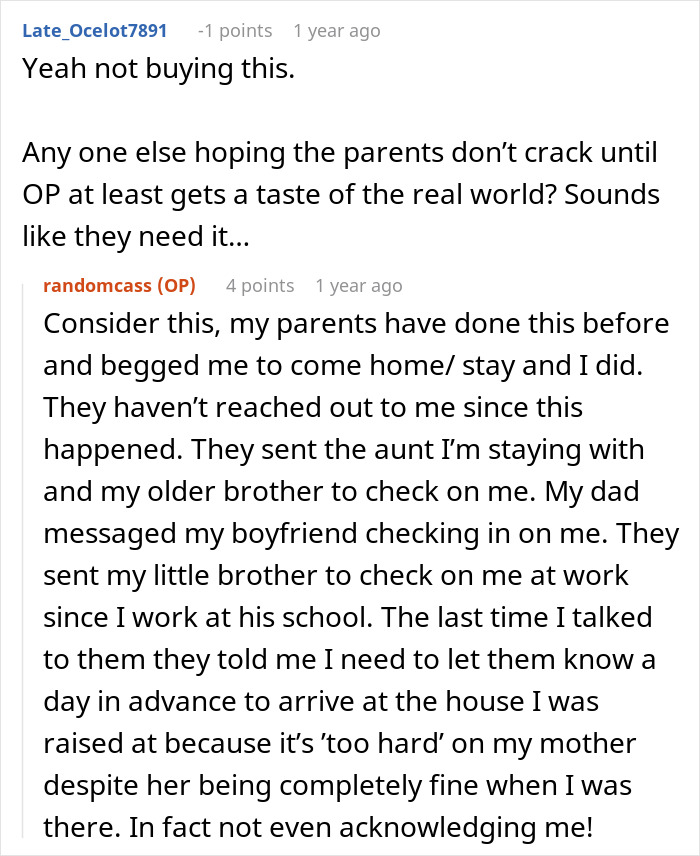

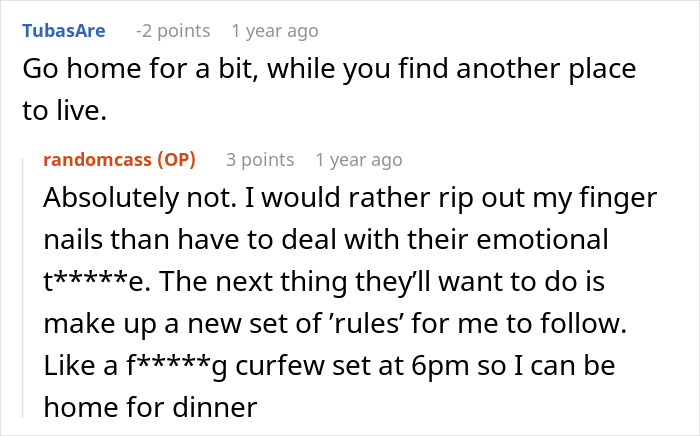
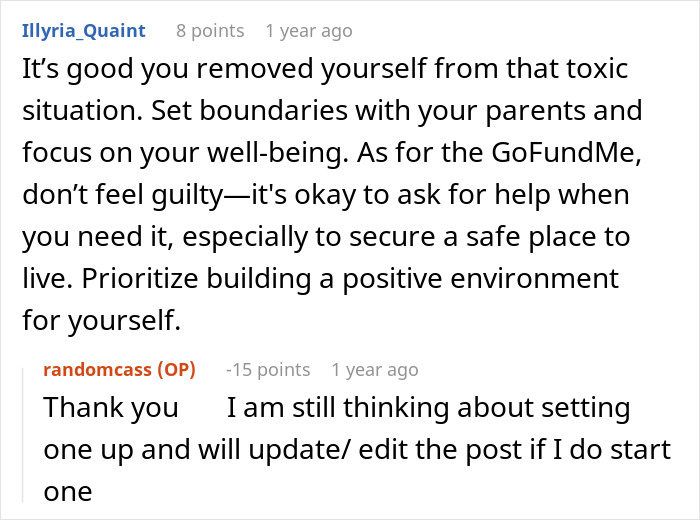
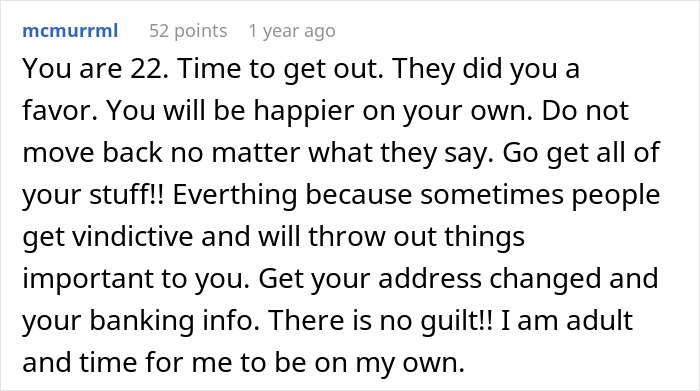
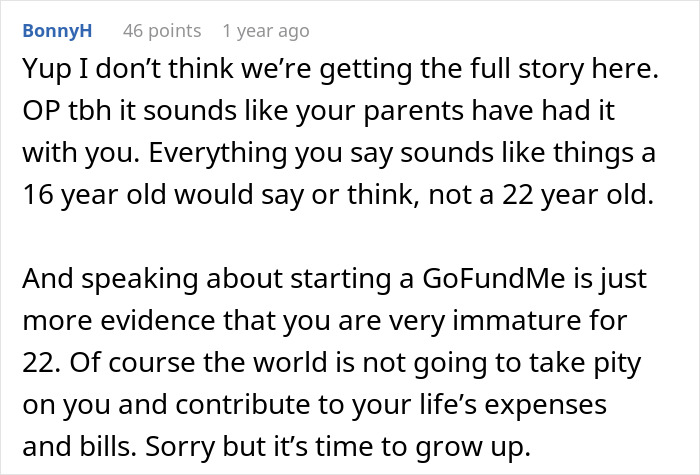
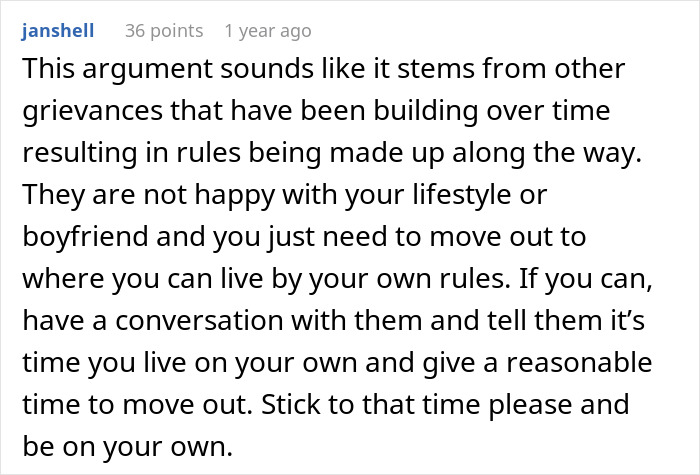

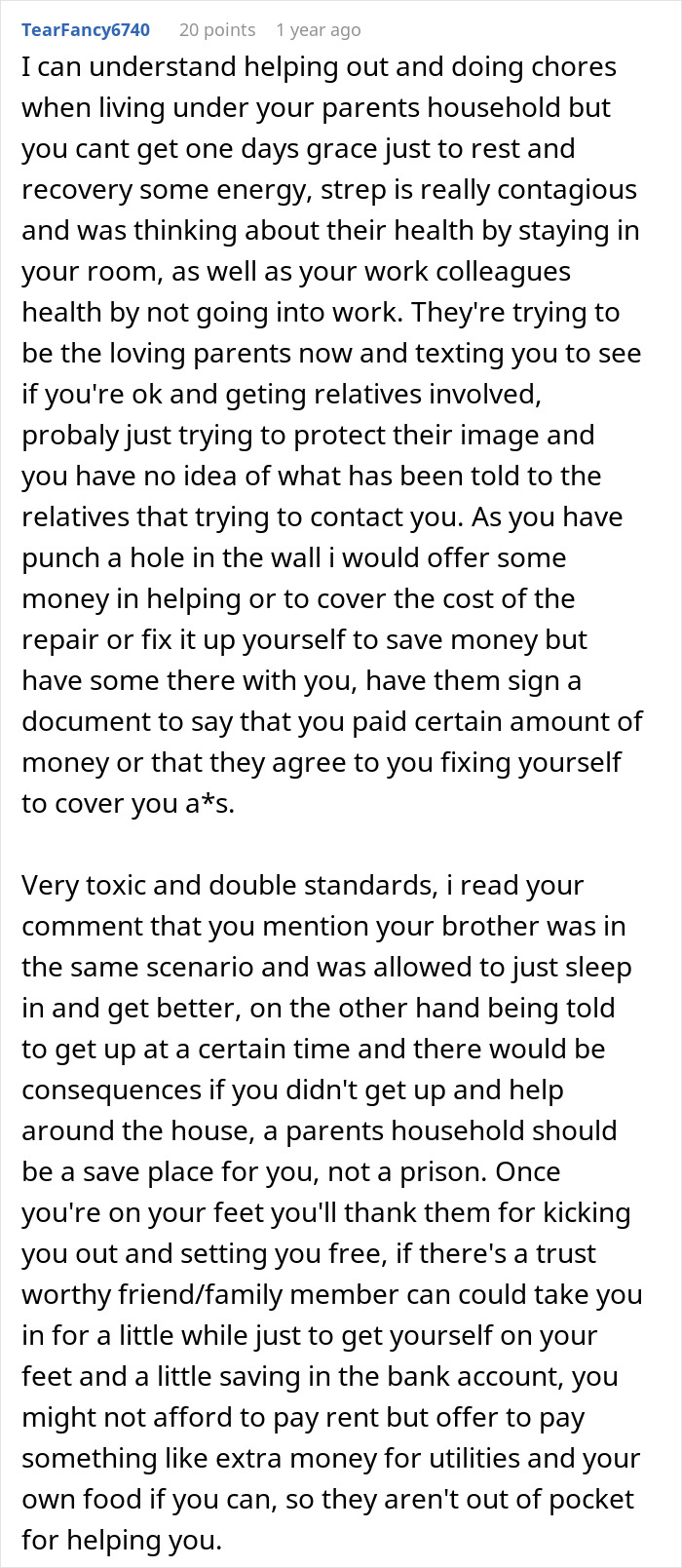
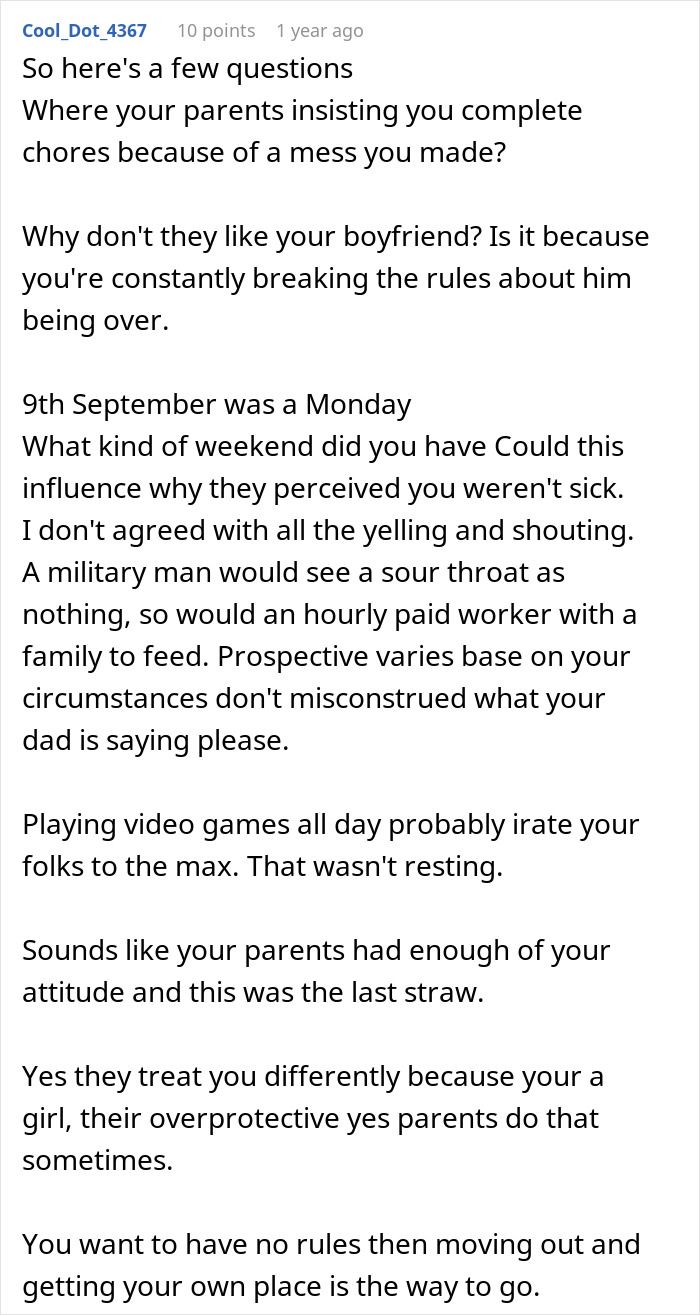
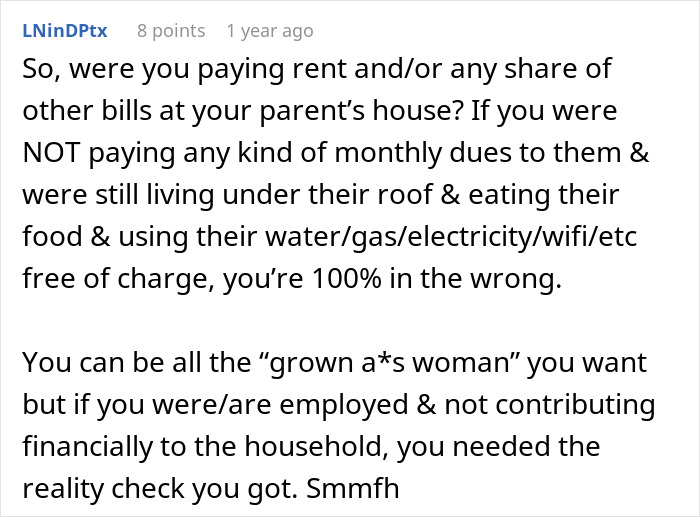
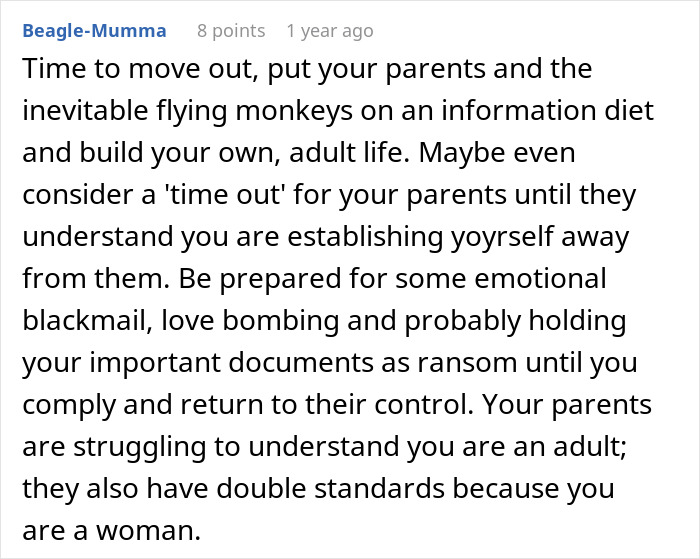
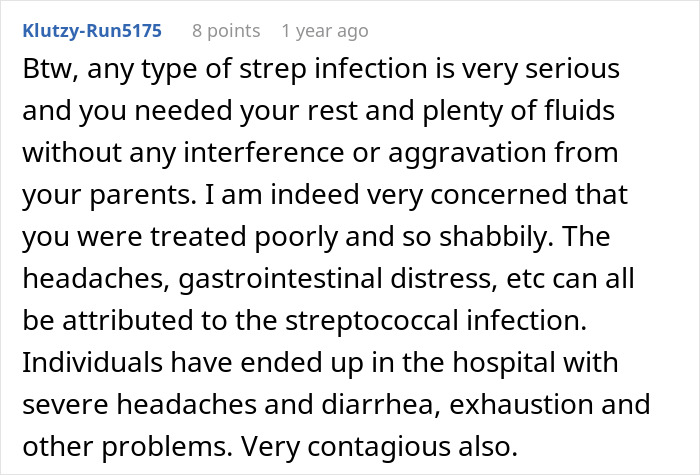
Image credits: Wavebreakmedia / Envato Elements (not the actual photo)
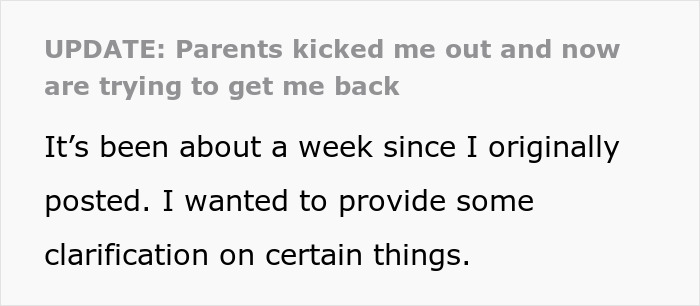
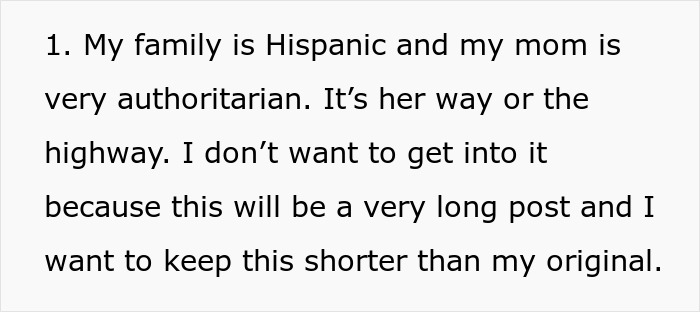
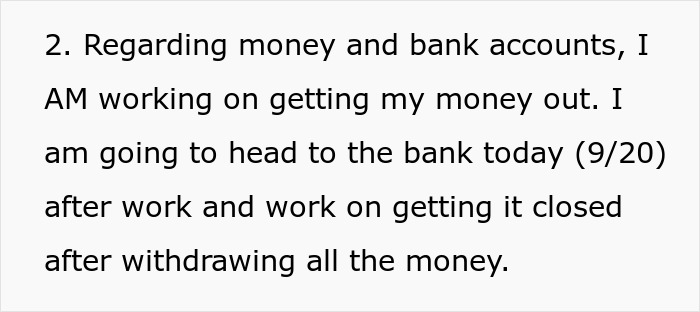
Image credits: freepik / Magnific (not the actual photo)
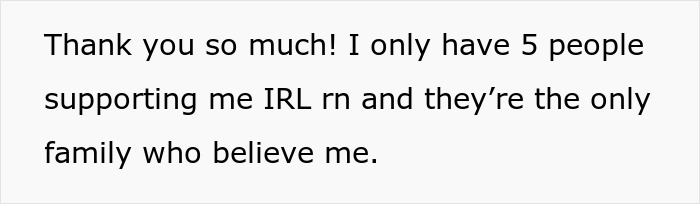
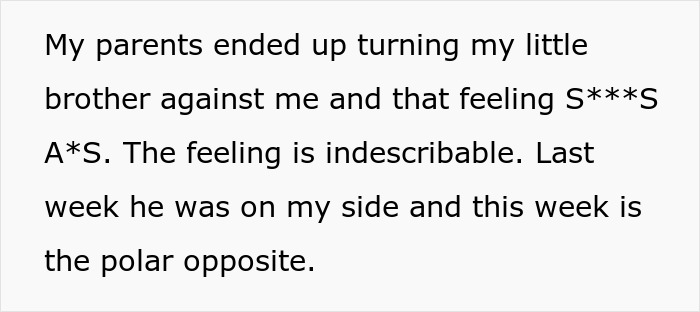
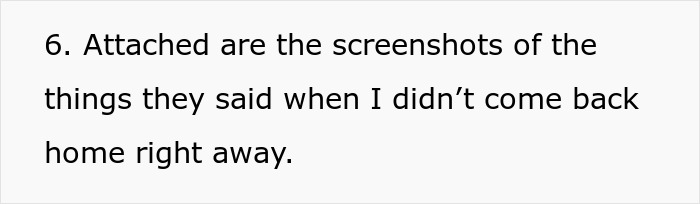
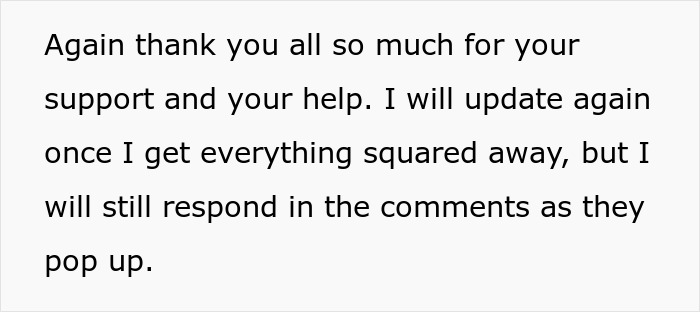
Image credits: randomcass
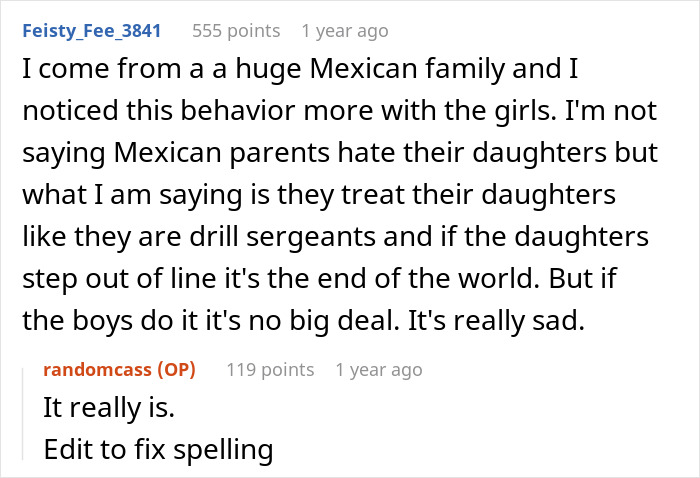
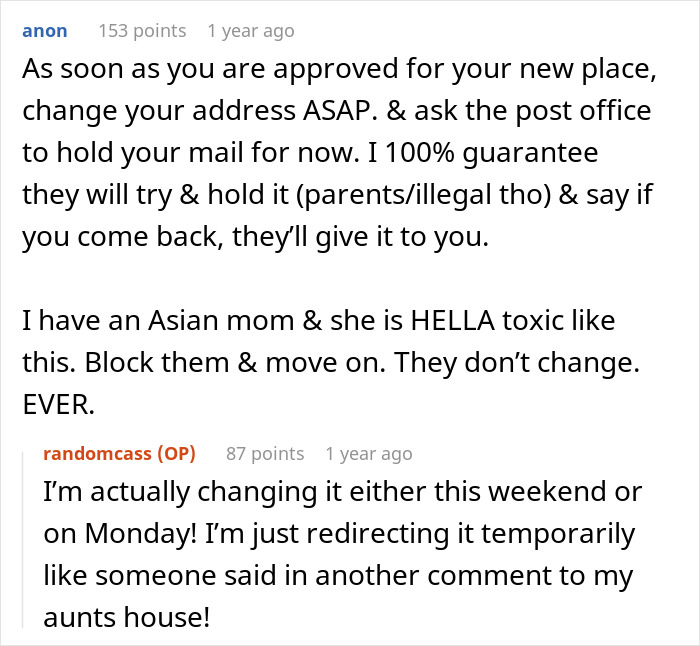

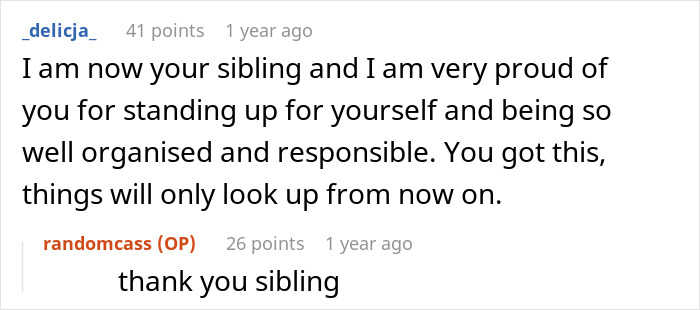

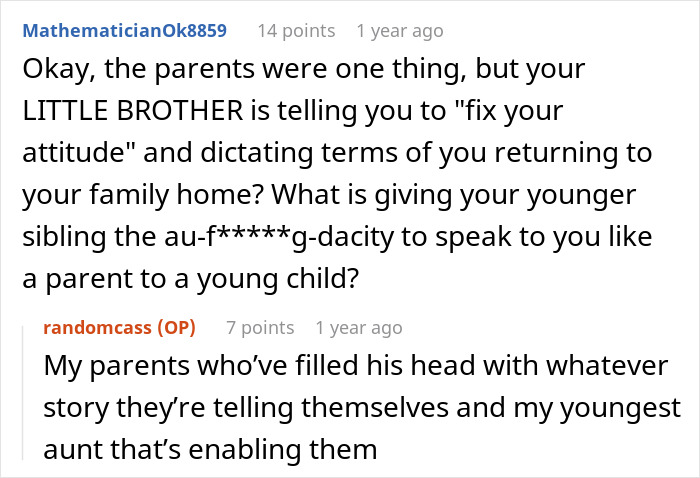

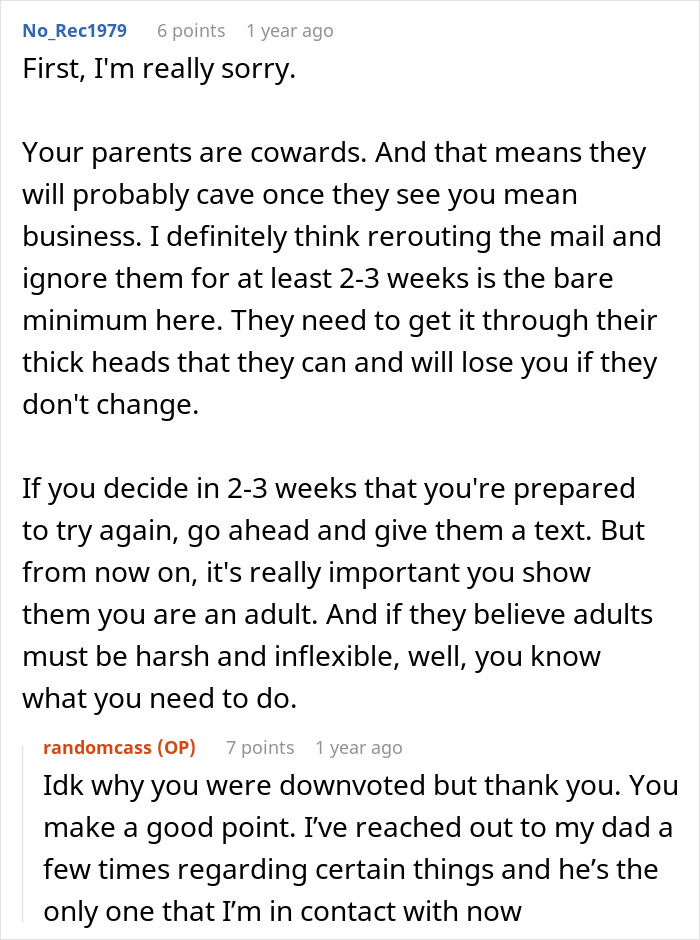
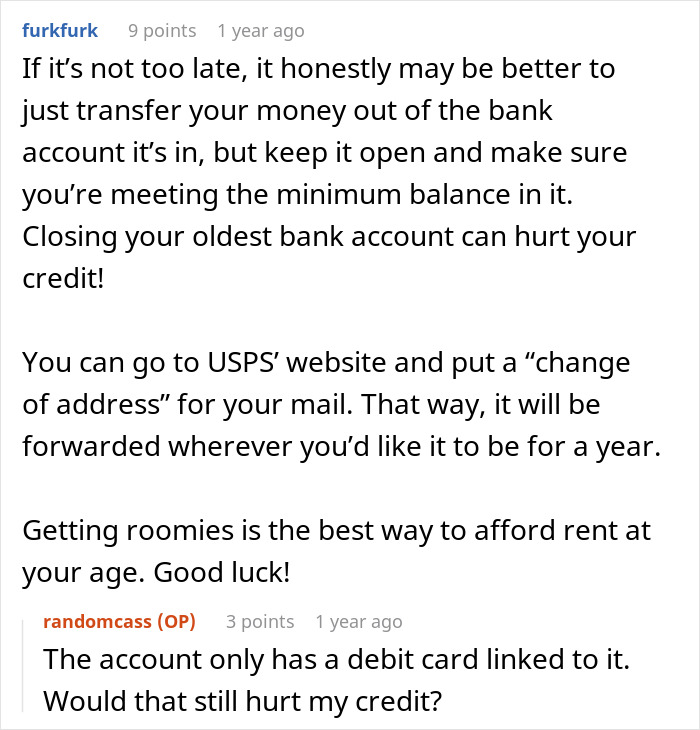
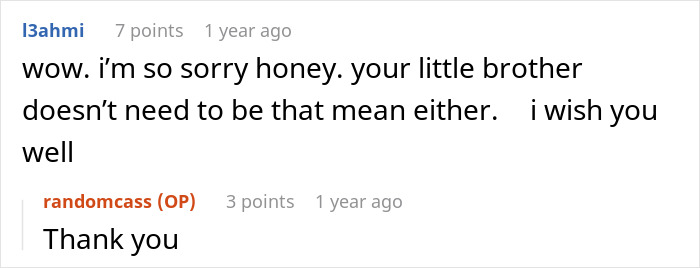





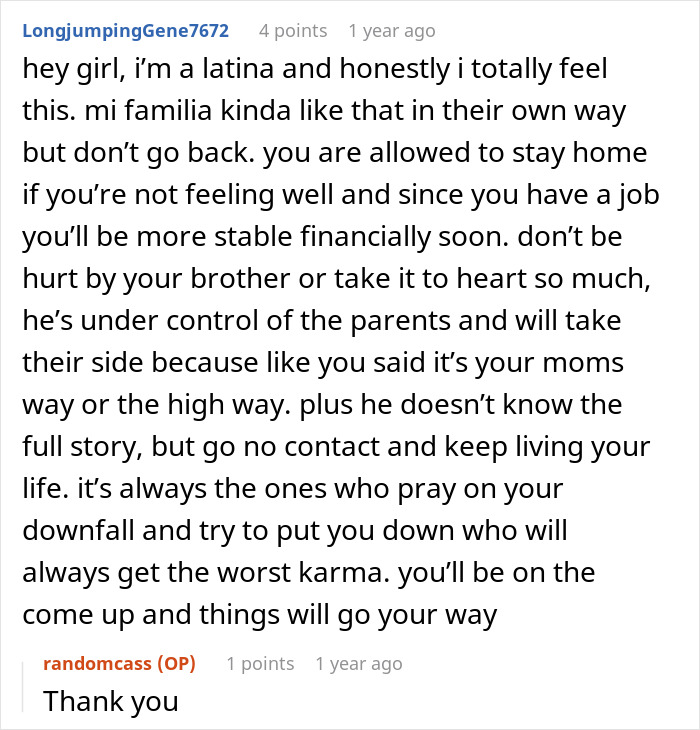


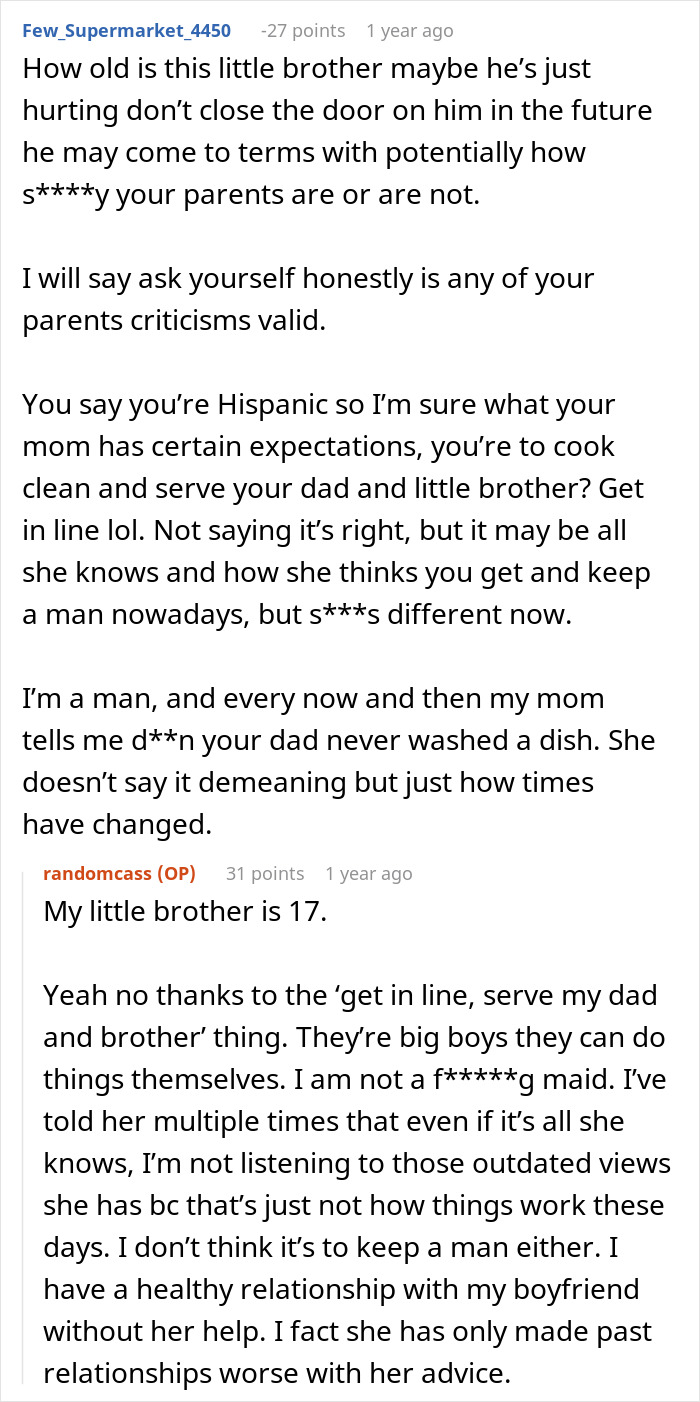
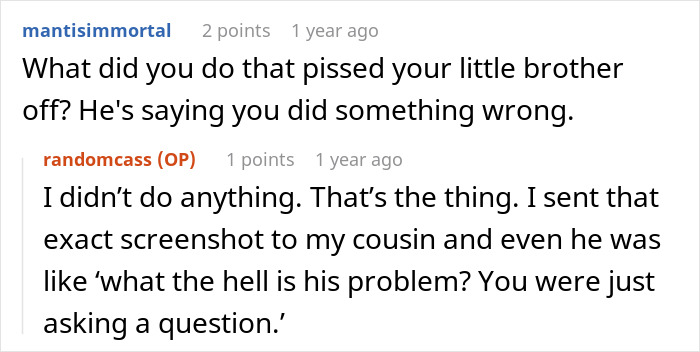

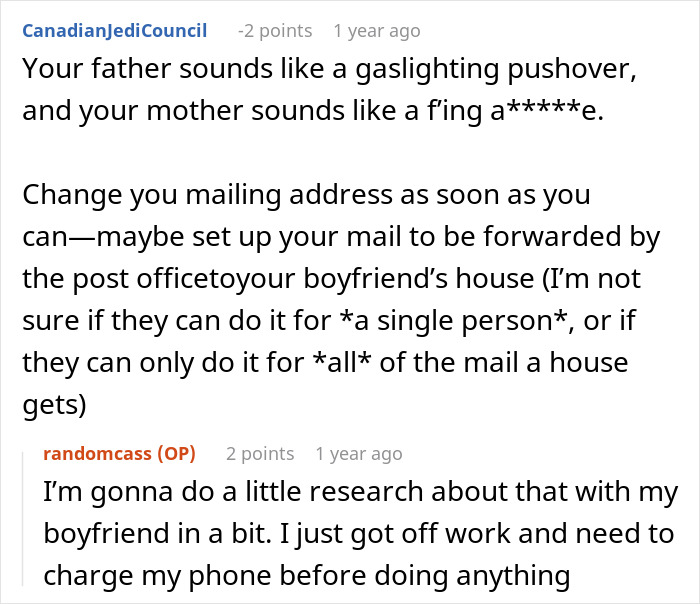

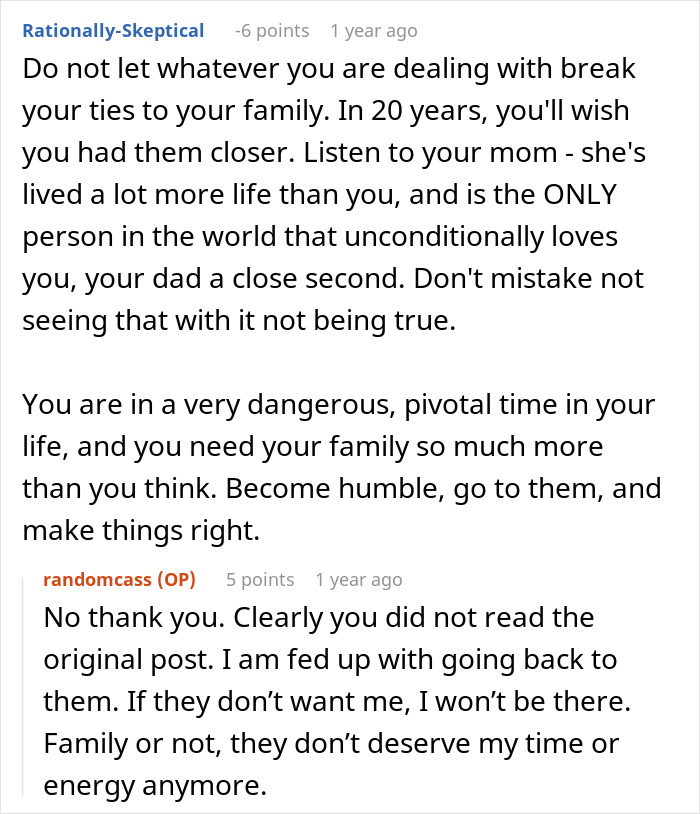
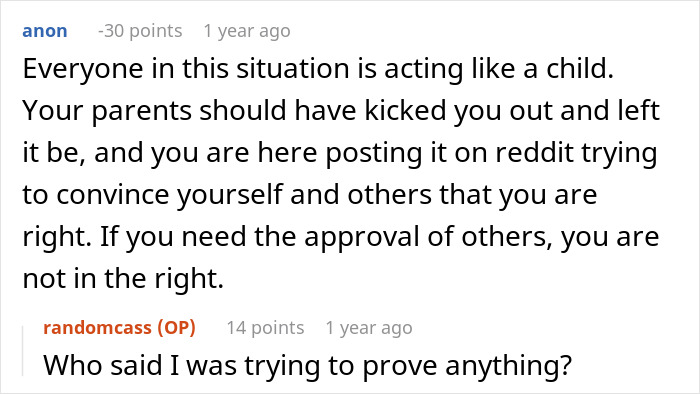
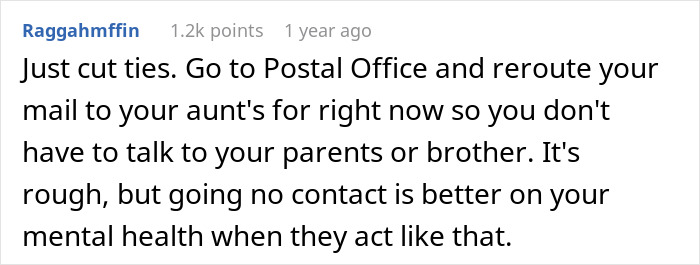


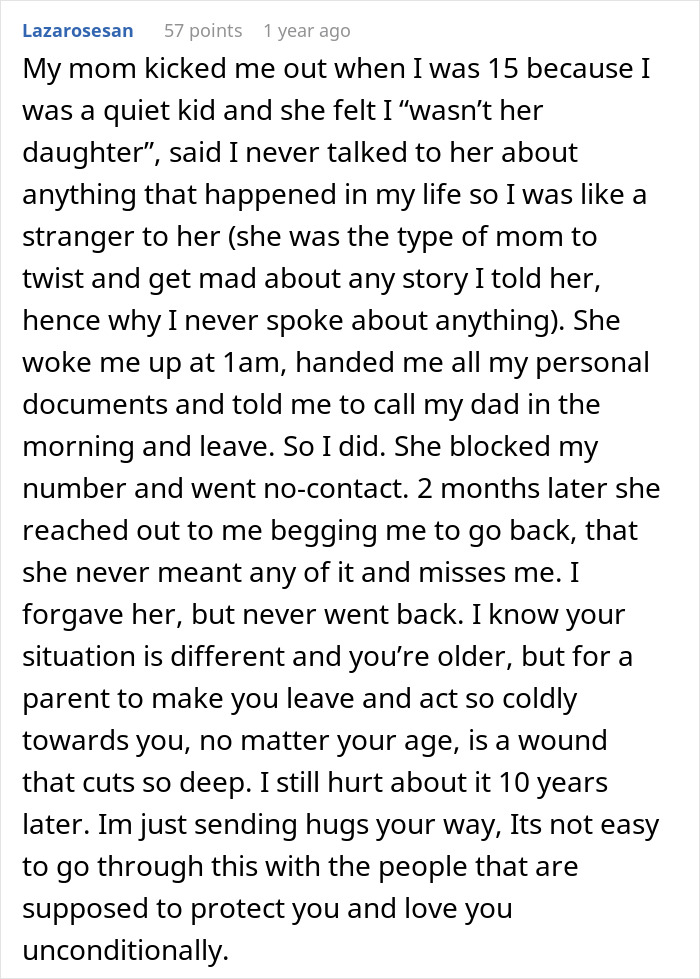
Image credits: freepik / Magnific (not the actual photo)
Image credits: YuriArcursPeopleimages / Envato Elements (not the actual photo)
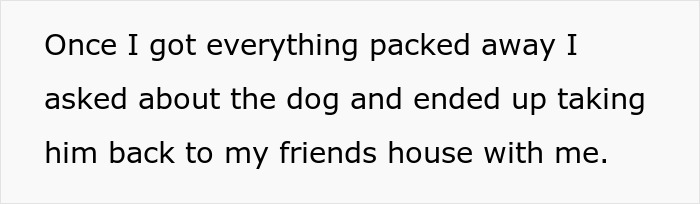
Image credits: vershinin89 / Magnific (not the actual photo)
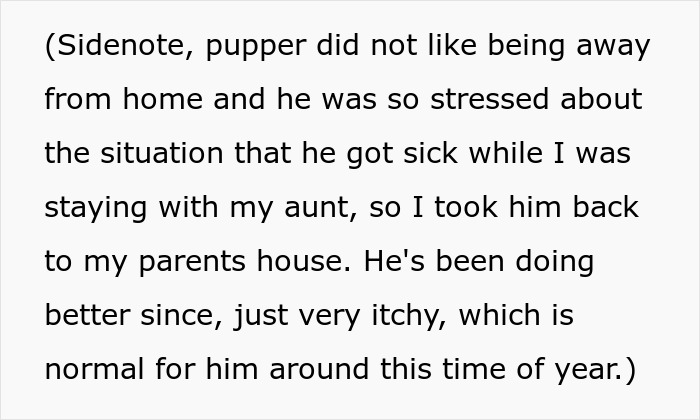
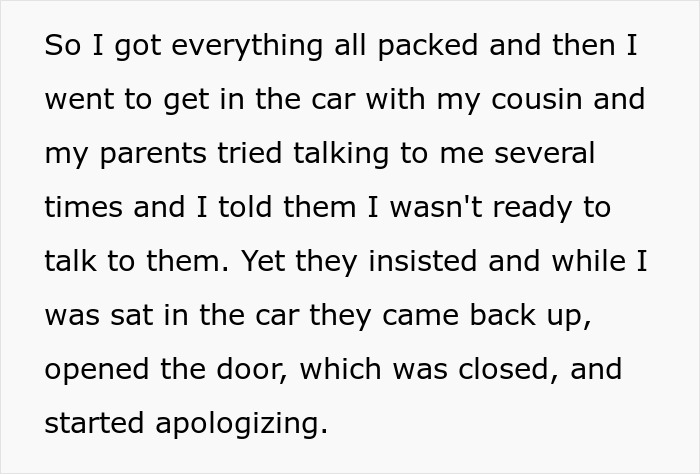

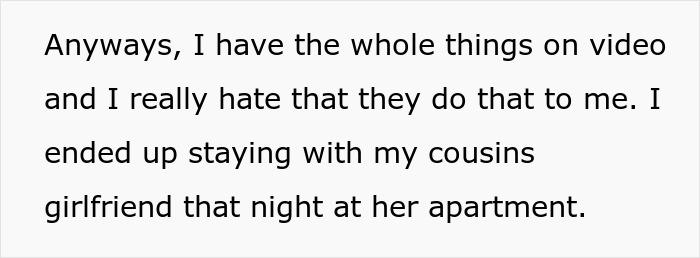
Image credits: Pablo Toledo / Unsplash (not the actual photo)
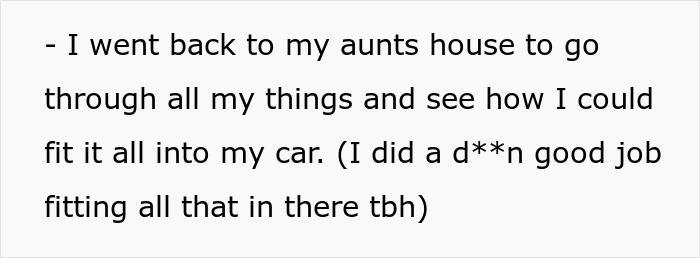
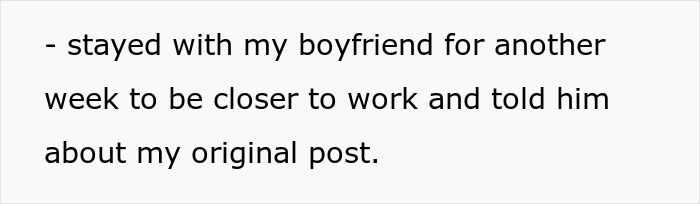
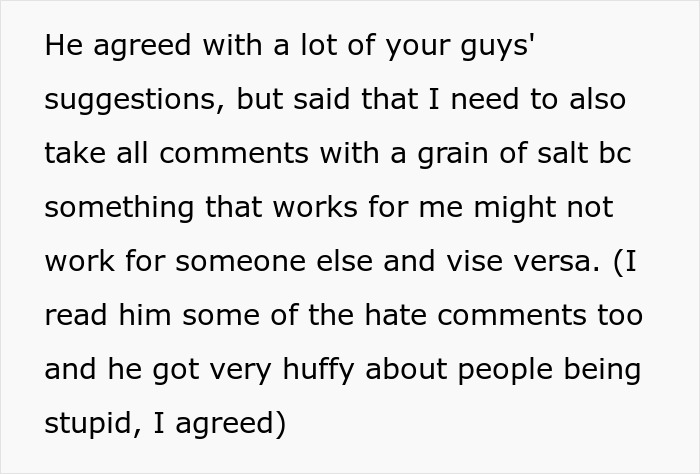
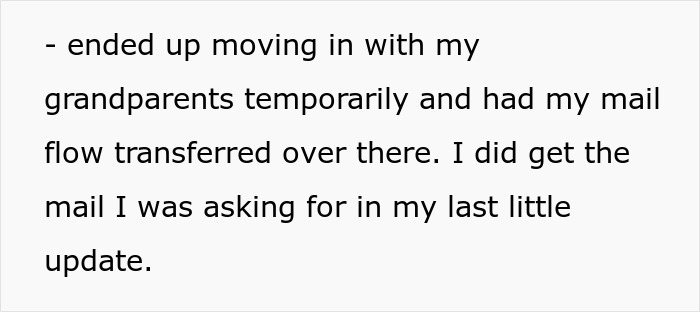
Image credits: Wavebreakmedia / Envato Elements (not the actual photo)
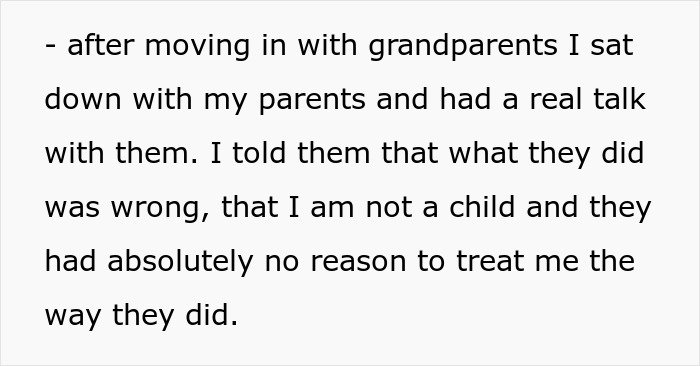
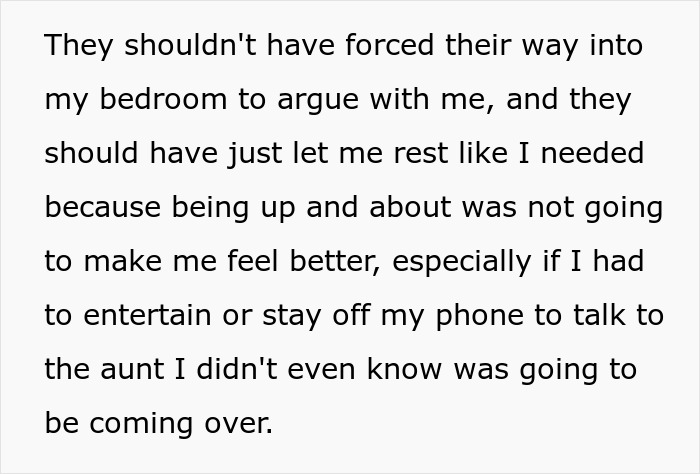
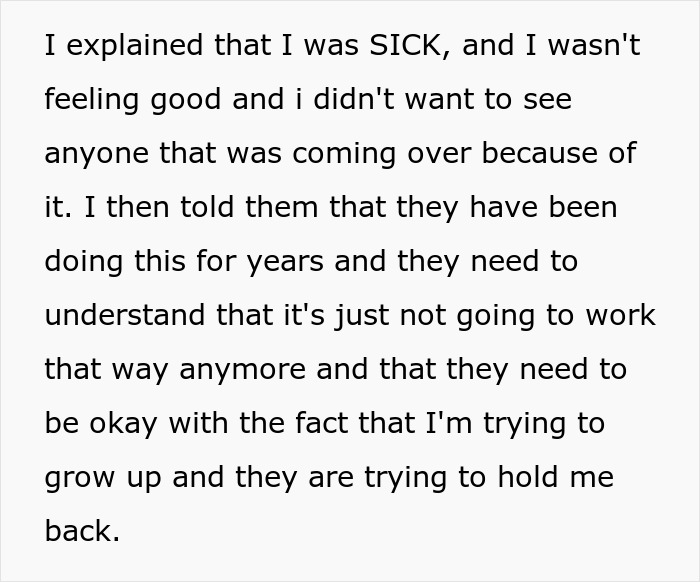
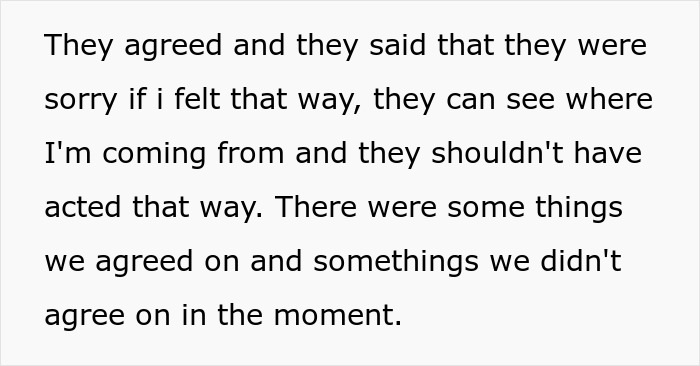
Image credits: POCSTOCK / Envato Elements (not the actual photo)

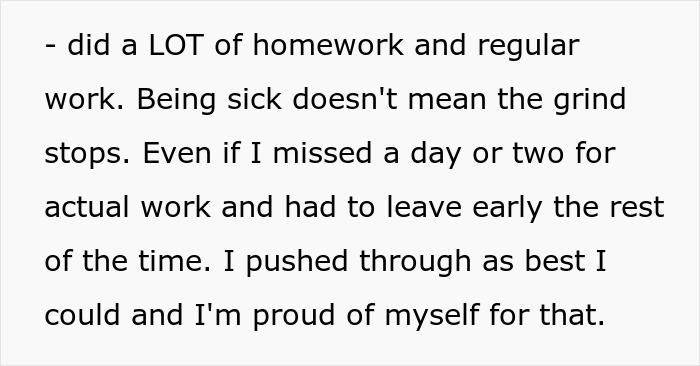
Image credits: Wavebreakmedia / Envato Elements (not the actual photo)
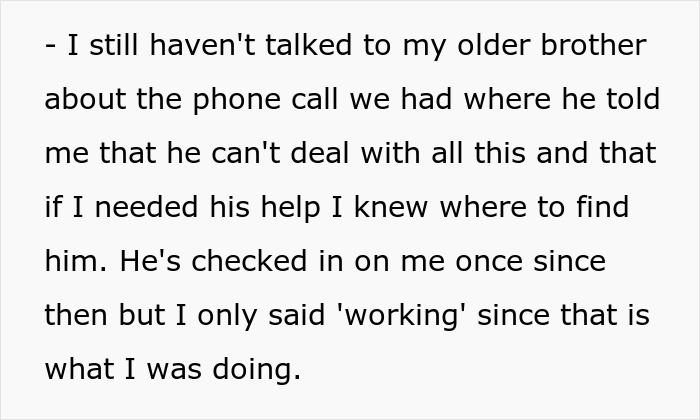
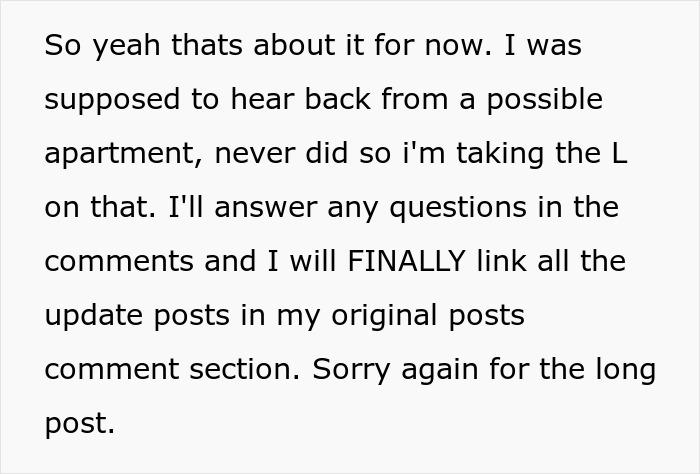
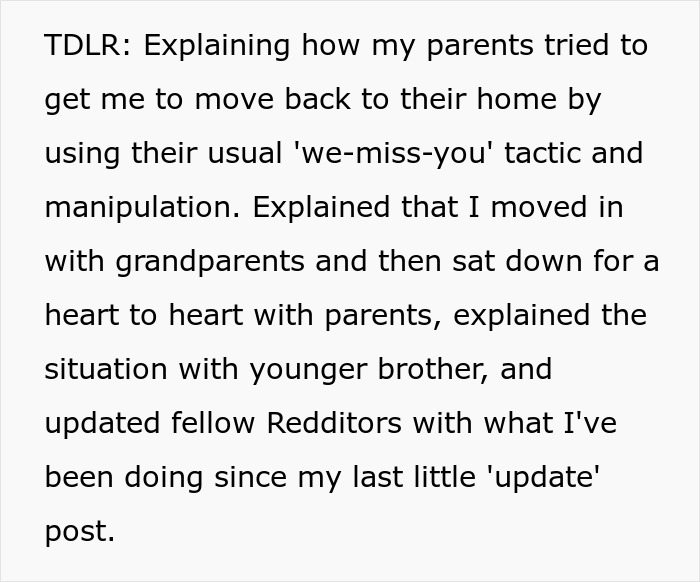
Image credits: randomcass





By entering your email and clicking Subscribe, you're agreeing to let us send you customized marketing messages about us and our advertising partners. You are also agreeing to our Privacy Policy.
Thank you! You've successfully subscribed to newsletters!


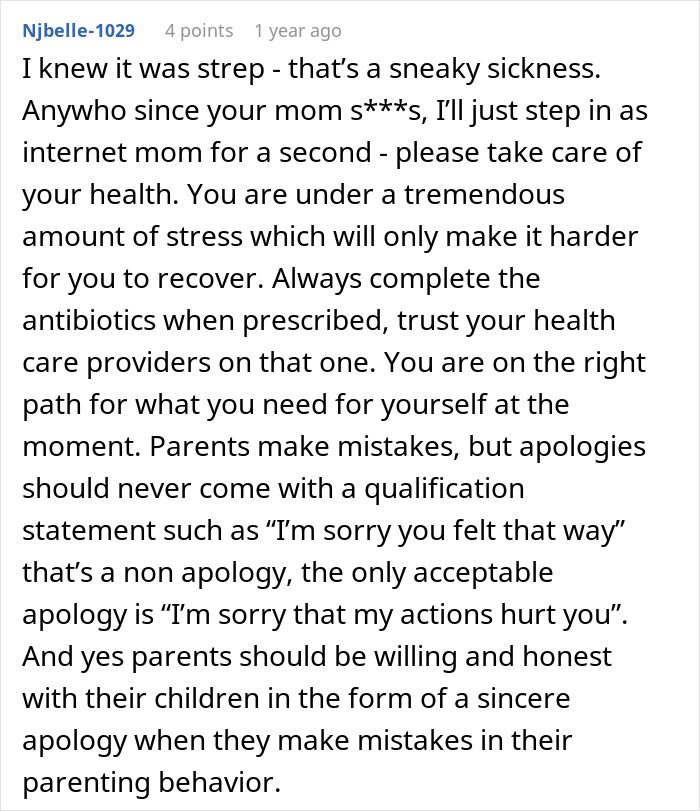
How does anyone not know to finish their antibiotics nowadays? There's been a lot of education on this for the past few decades. This is how antibiotic resistant bacteria develop. Also w*f is up with her saying no but not enforcing it? I would have left before doing chores while sick. Glad she got out.

You’re really asking how ppl are not finishing antibiotics? *gestures arms around* Believing in science hasn’t exactly increased
Load More Replies...
Some of those comments: You are 22! You should have moved out 4 years ago into your 5 bedroom house that you paid for with the money from your Summer job! You should be the CEO of a Fortune 500 Company by now, you are slacking! You are 22, you should be supporting your parents for the rest of their lives…and your Grandparents…and your Ancestors unto the 8th generation!

"You're lazy! I had my 150K a year job since I was 10 and my 6 bedroom house in Beverly Hills with a 2 car garage to house my 2 Lambos when I was 14! I owned my own business at 17! You slacker! Freeloading off your poor poor dear parents!" LOL! Where do these yum yums come from?
Load More Replies...
Too bad OP couldn't barf at-will + barf all over the parents while they were yelling at her. "I *told* you I'm sick!!!"
How does anyone not know to finish their antibiotics nowadays? There's been a lot of education on this for the past few decades. This is how antibiotic resistant bacteria develop. Also w*f is up with her saying no but not enforcing it? I would have left before doing chores while sick. Glad she got out.
You’re really asking how ppl are not finishing antibiotics? *gestures arms around* Believing in science hasn’t exactly increased
Load More Replies... Some of those comments: You are 22! You should have moved out 4 years ago into your 5 bedroom house that you paid for with the money from your Summer job! You should be the CEO of a Fortune 500 Company by now, you are slacking! You are 22, you should be supporting your parents for the rest of their lives…and your Grandparents…and your Ancestors unto the 8th generation!
"You're lazy! I had my 150K a year job since I was 10 and my 6 bedroom house in Beverly Hills with a 2 car garage to house my 2 Lambos when I was 14! I owned my own business at 17! You slacker! Freeloading off your poor poor dear parents!" LOL! Where do these yum yums come from?
Load More Replies... Too bad OP couldn't barf at-will + barf all over the parents while they were yelling at her. "I *told* you I'm sick!!!"



























 No fees, cancel anytime
























27
20