Get Premium
Dark mode theme is available exclusively for premium users. Learn more about the benefits of subscribing.
No fees, cancel anytime.

 Dark Mode Ad-Free Browsing Unlimited Content
 Ad-Free Browsing Unlimited Content Dark Mode
Join 1.2 million Panda readers who get the best art, memes, and fun stories every week!
28submissions
1week left
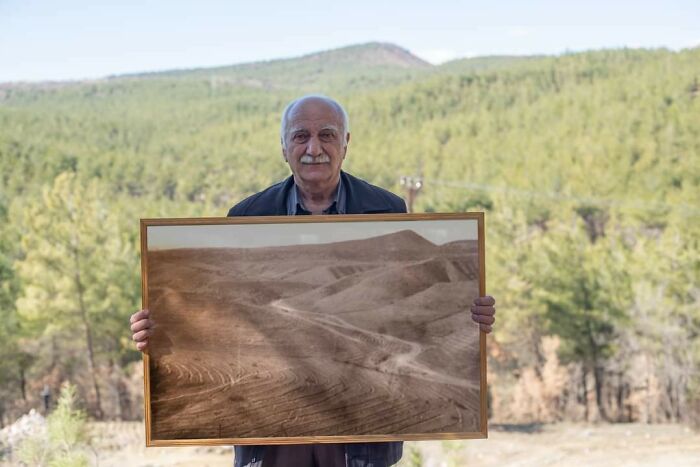
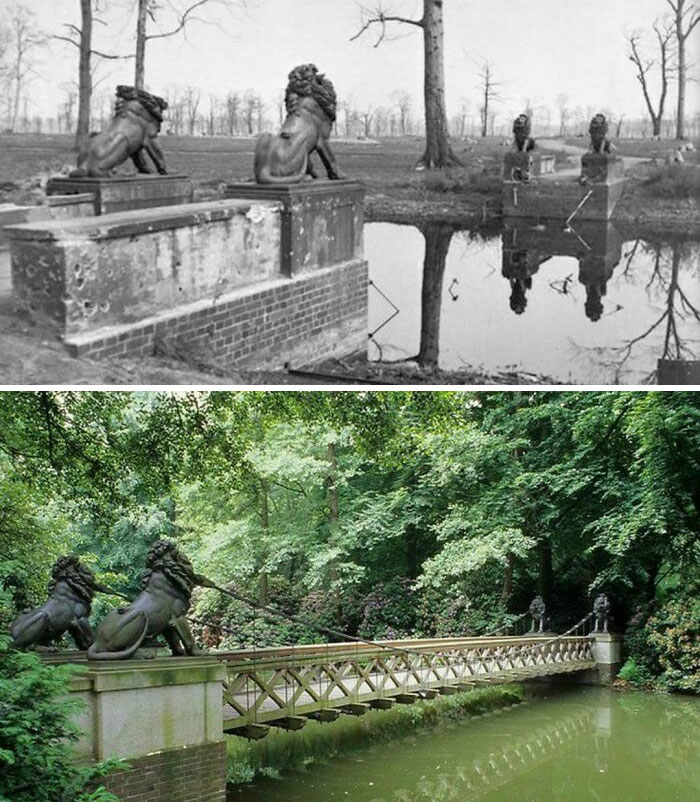
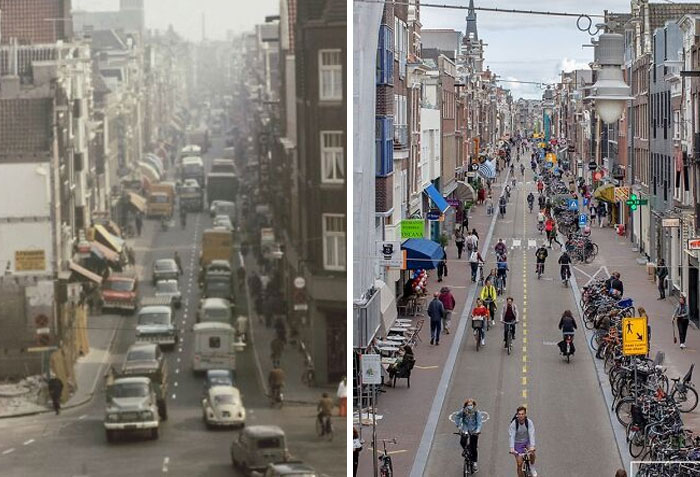
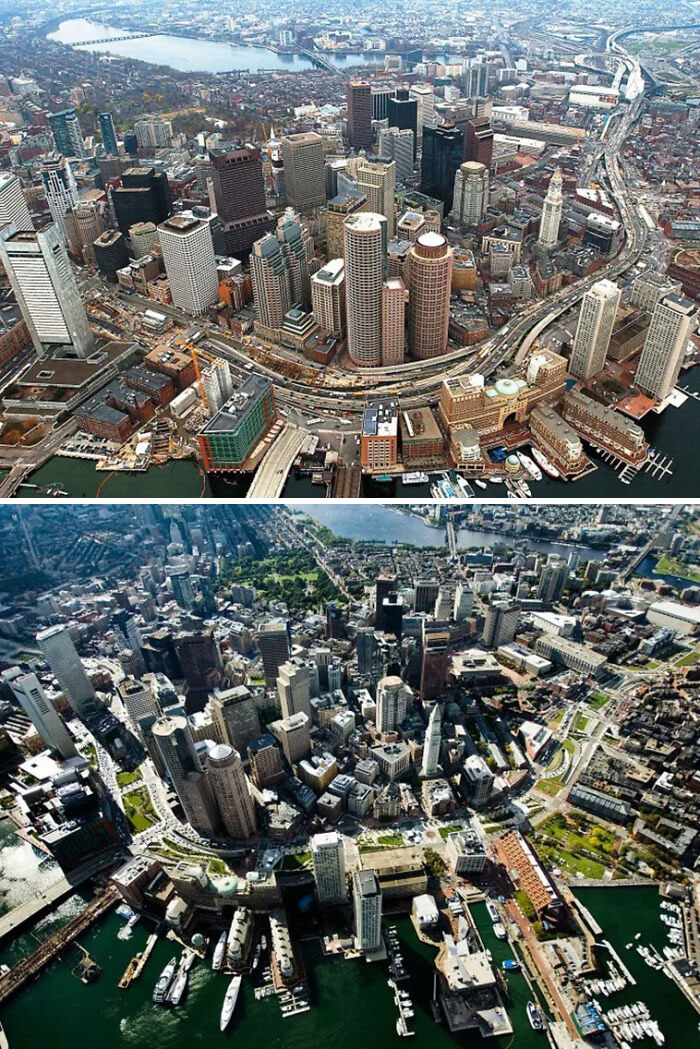
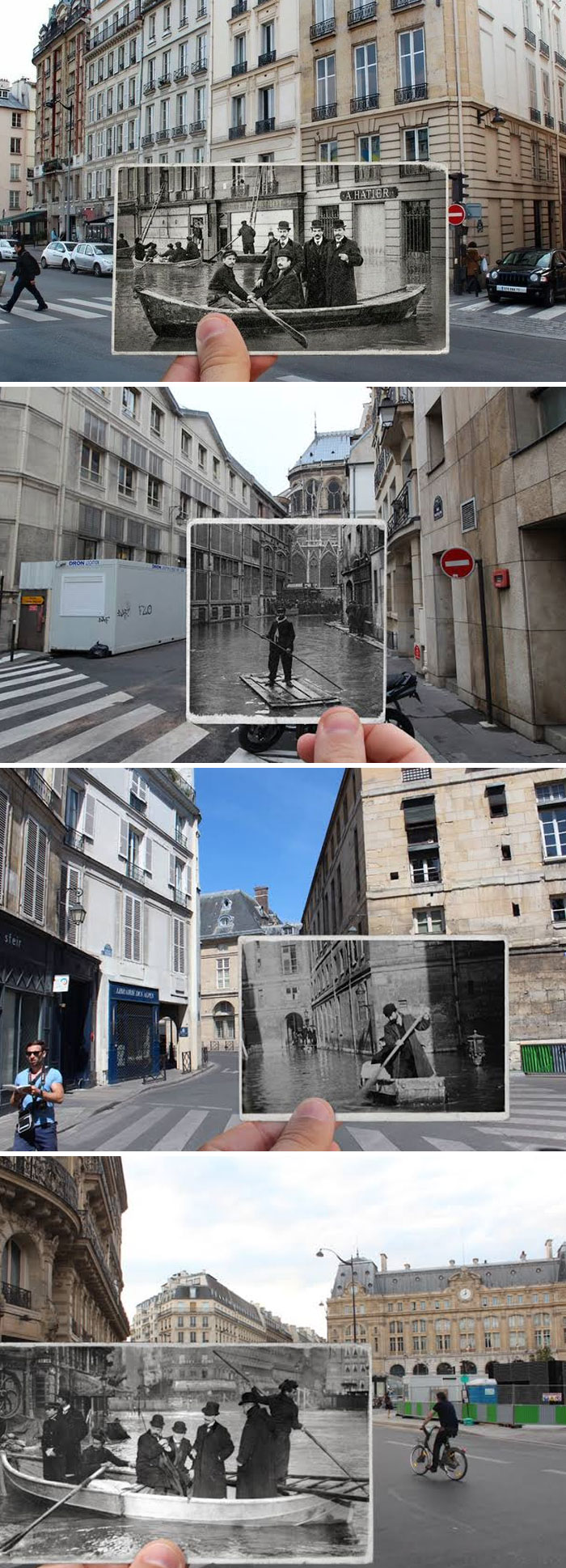
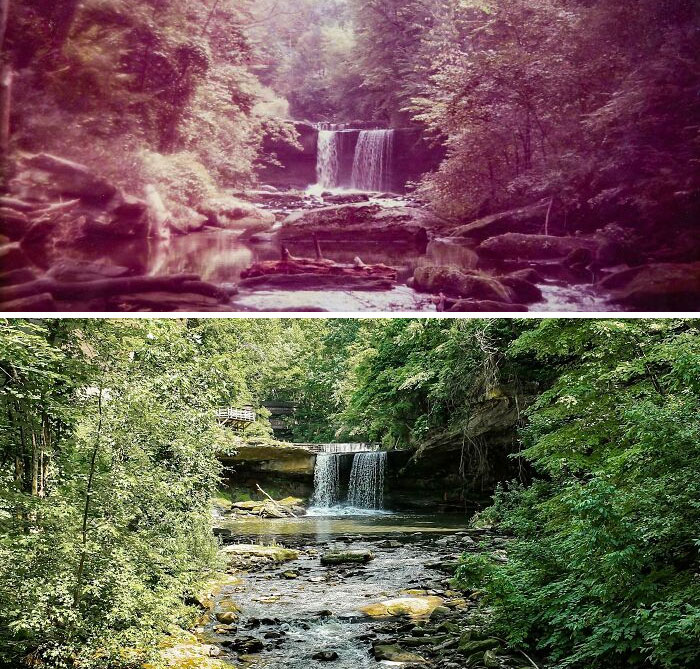
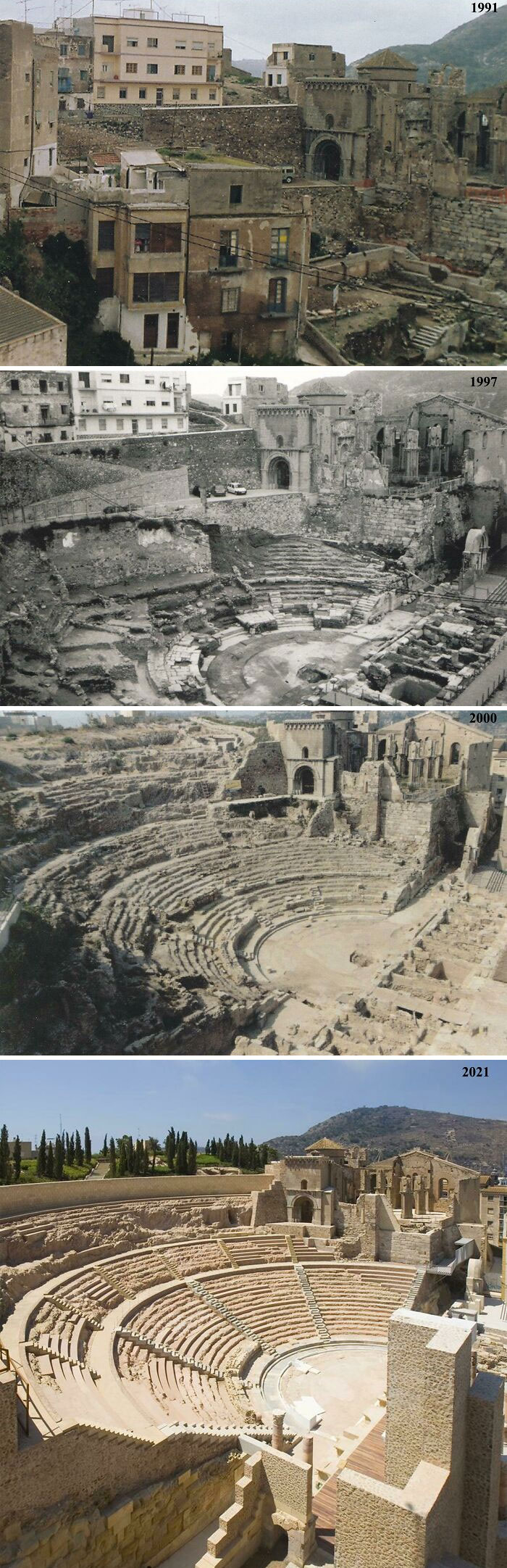
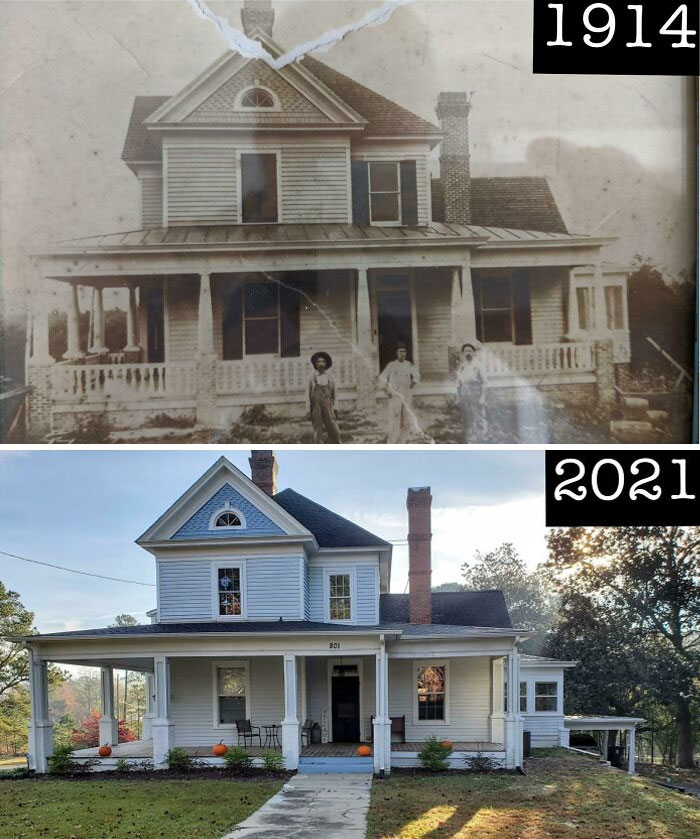
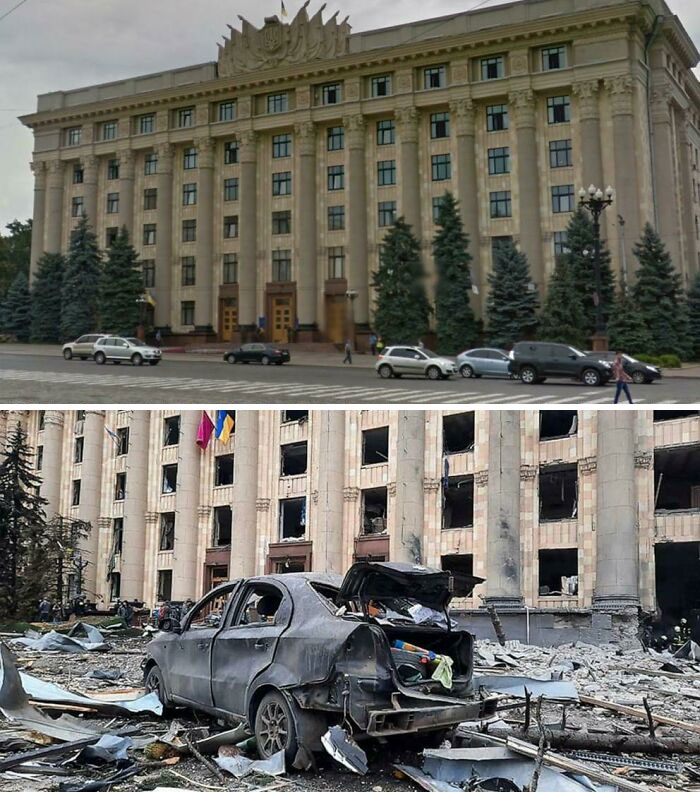
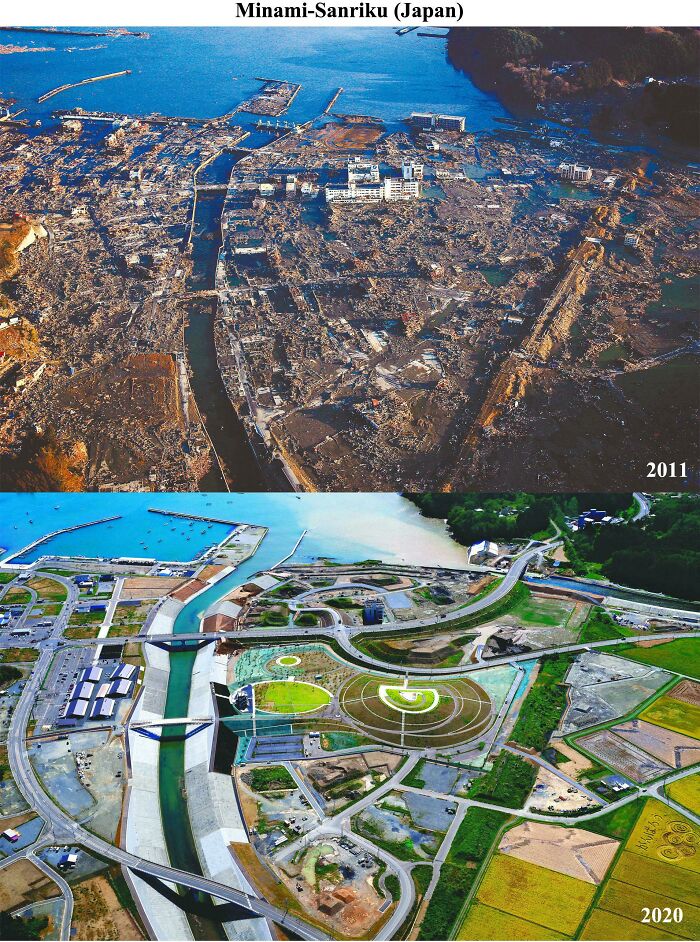
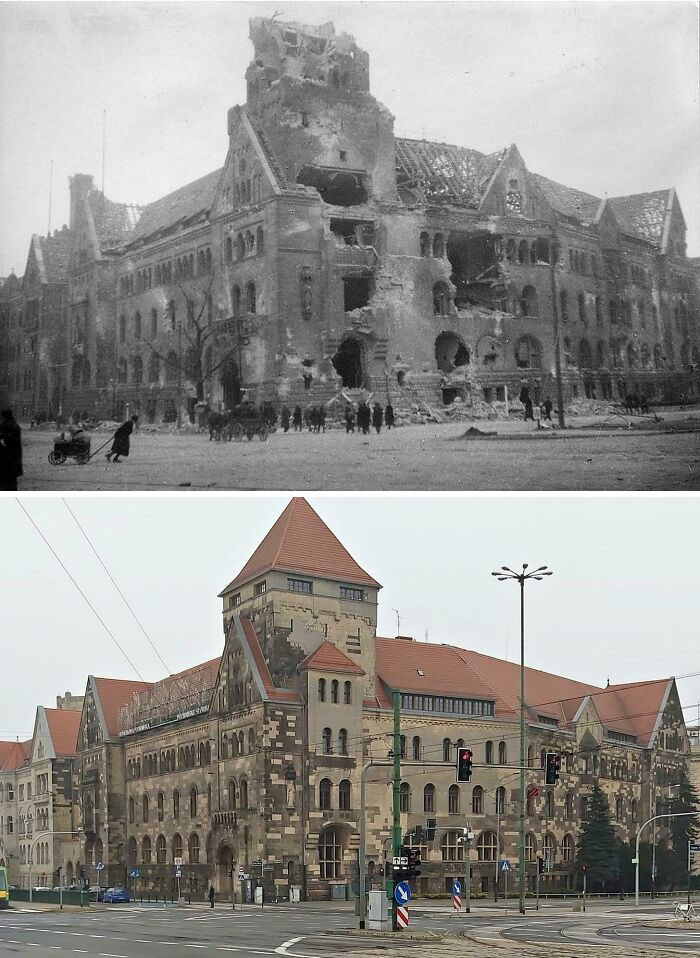
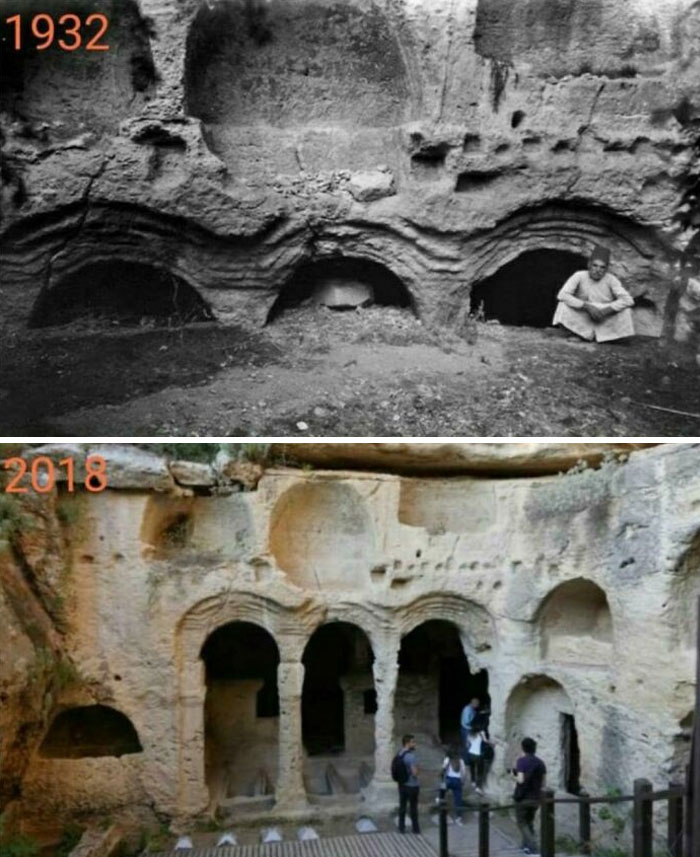
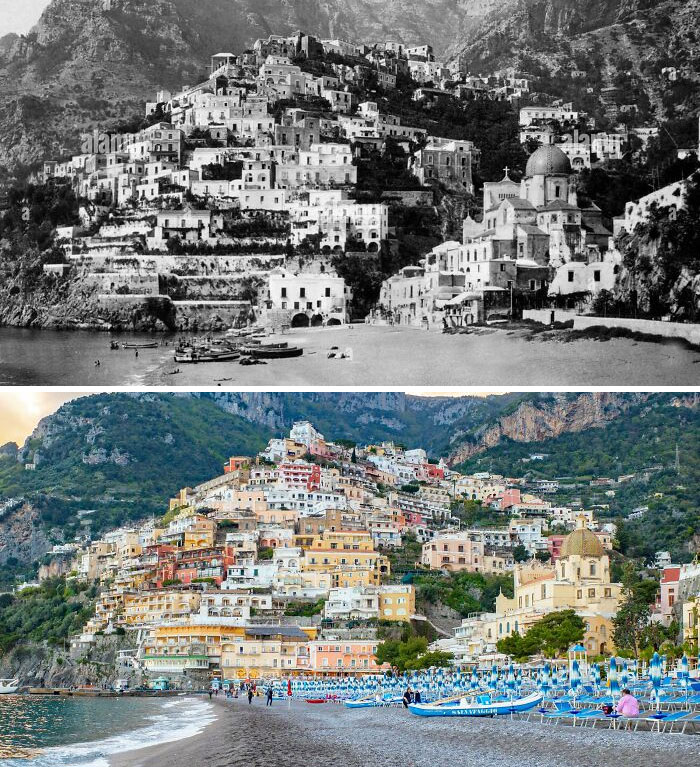
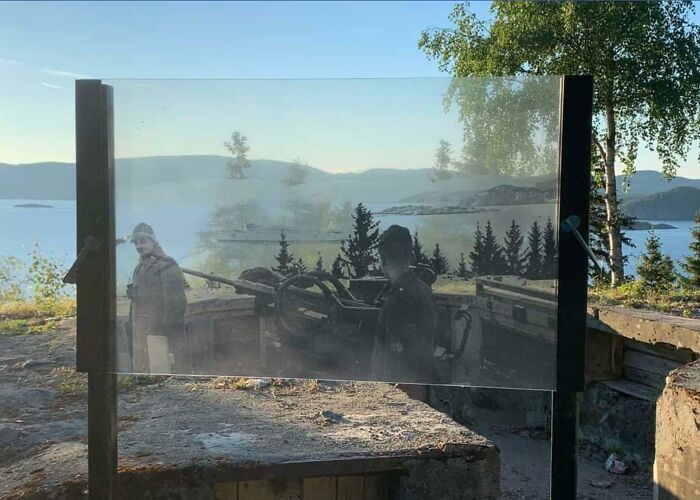
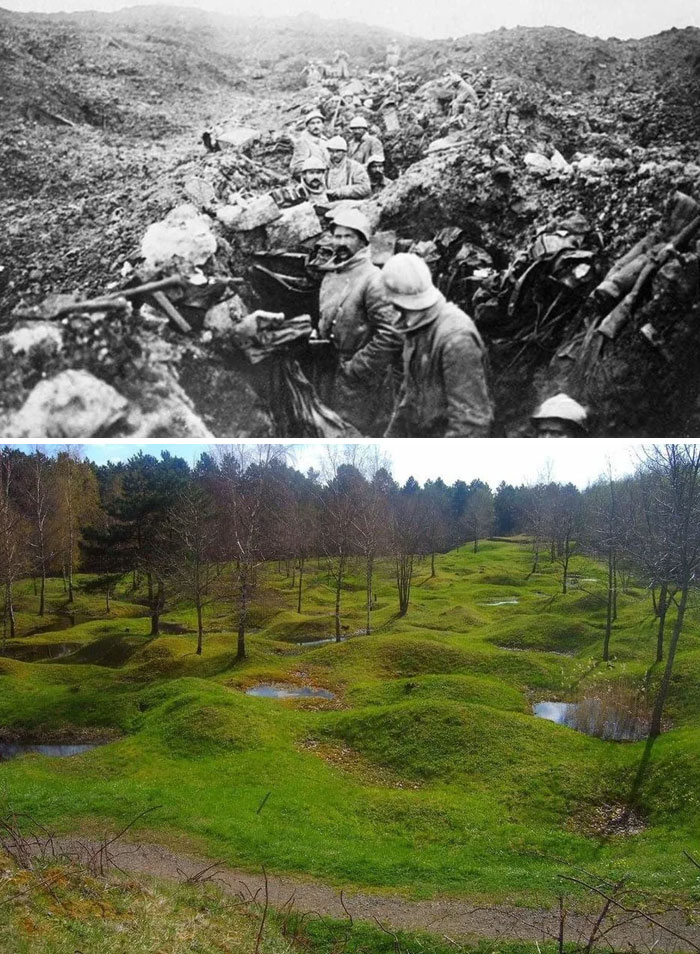
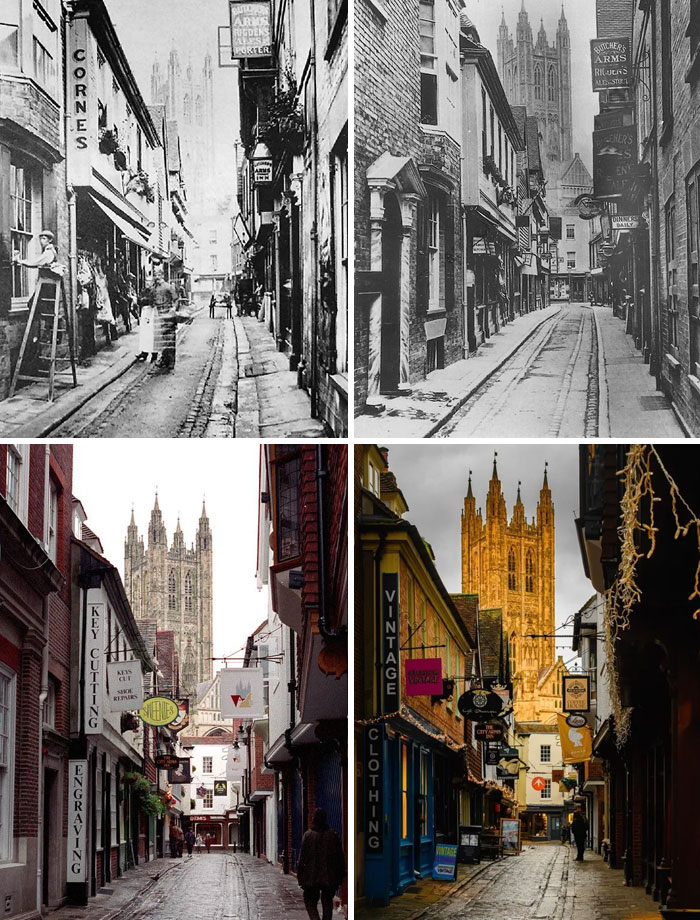
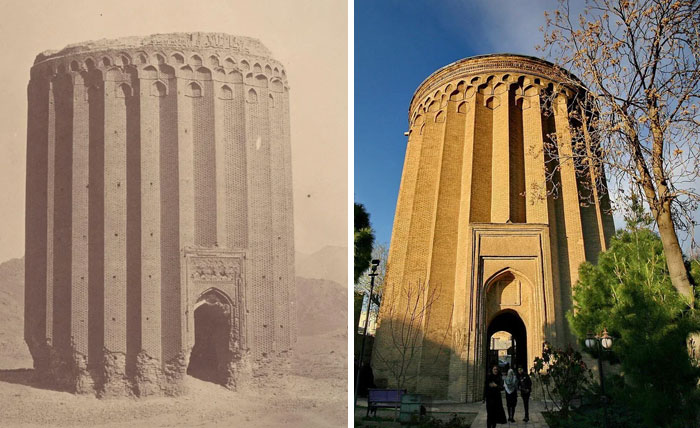
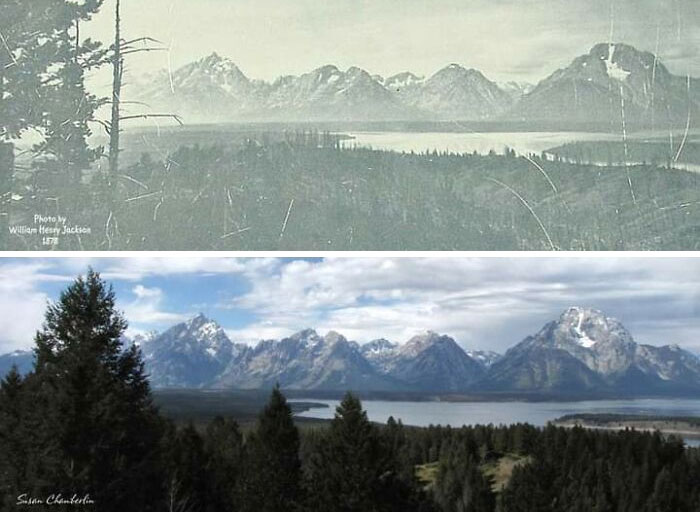
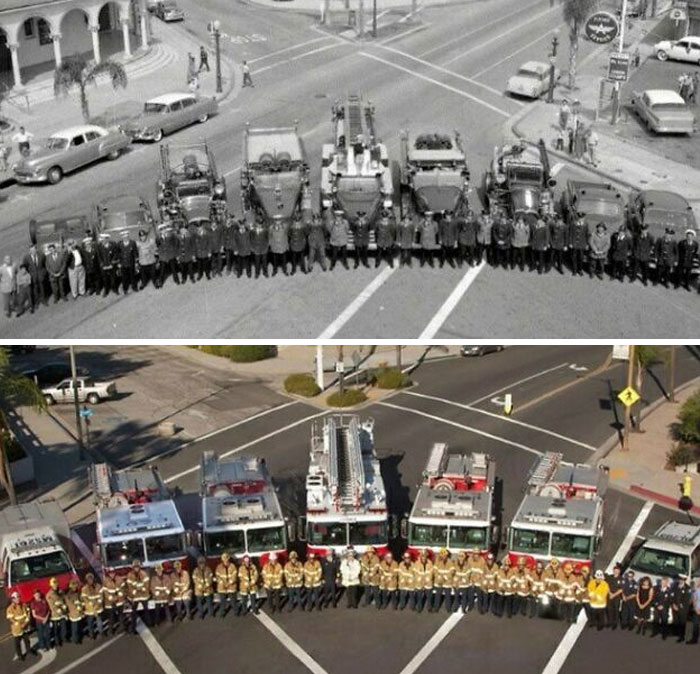
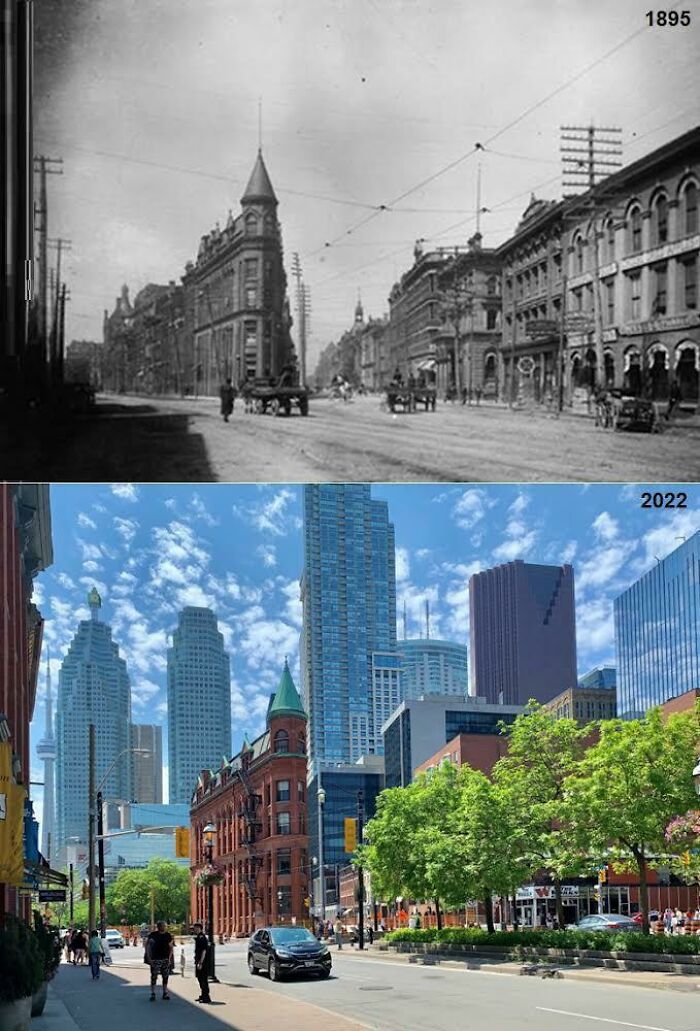
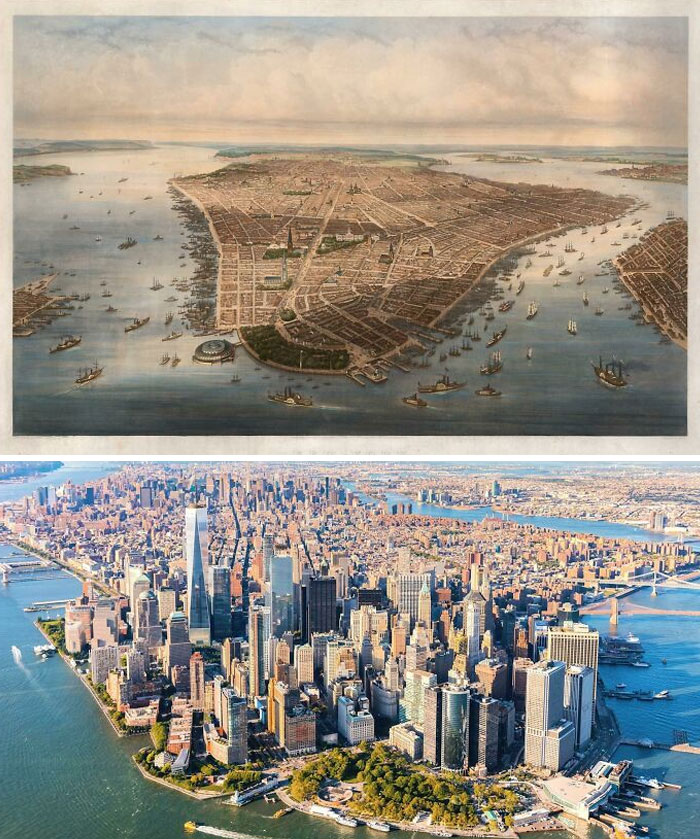
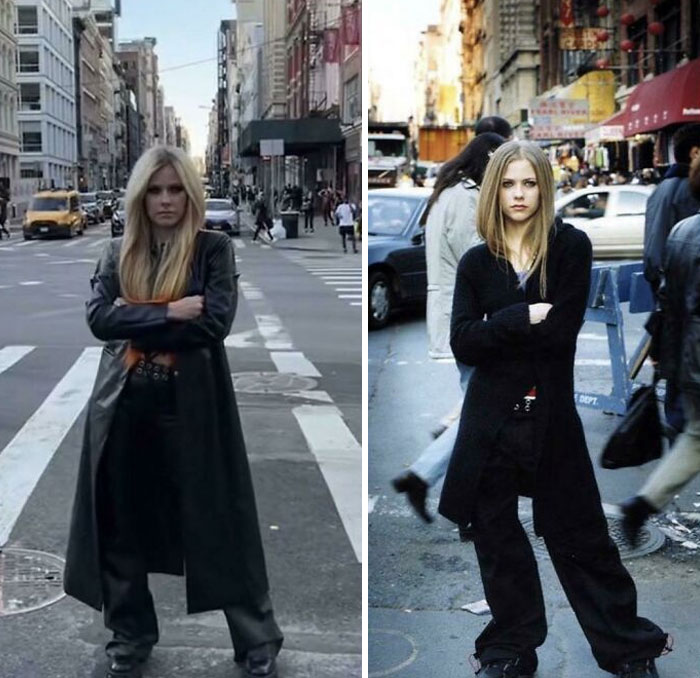
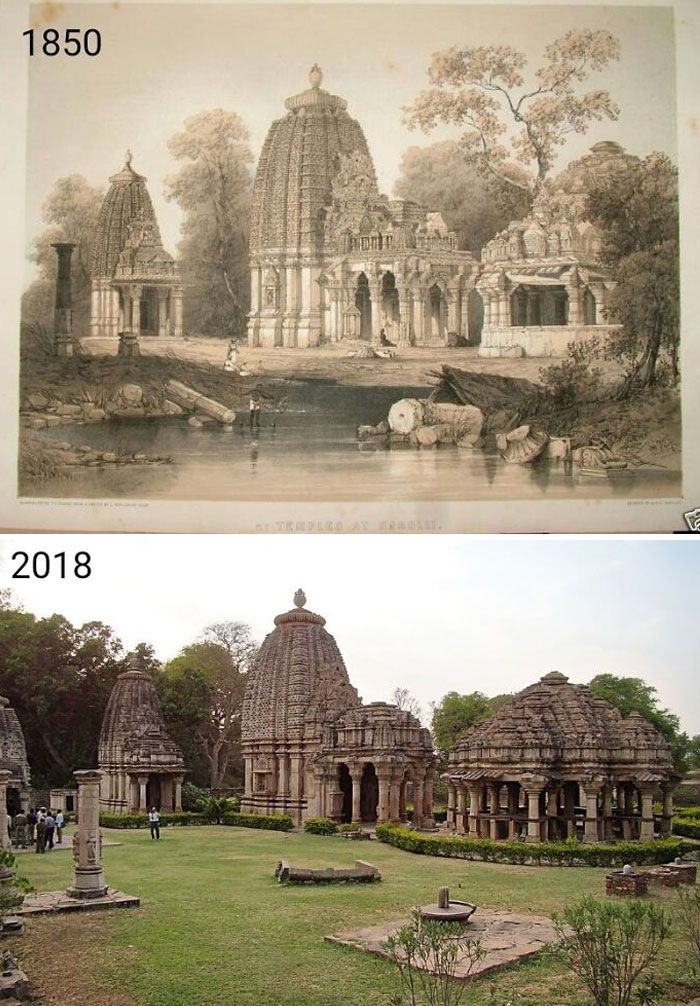
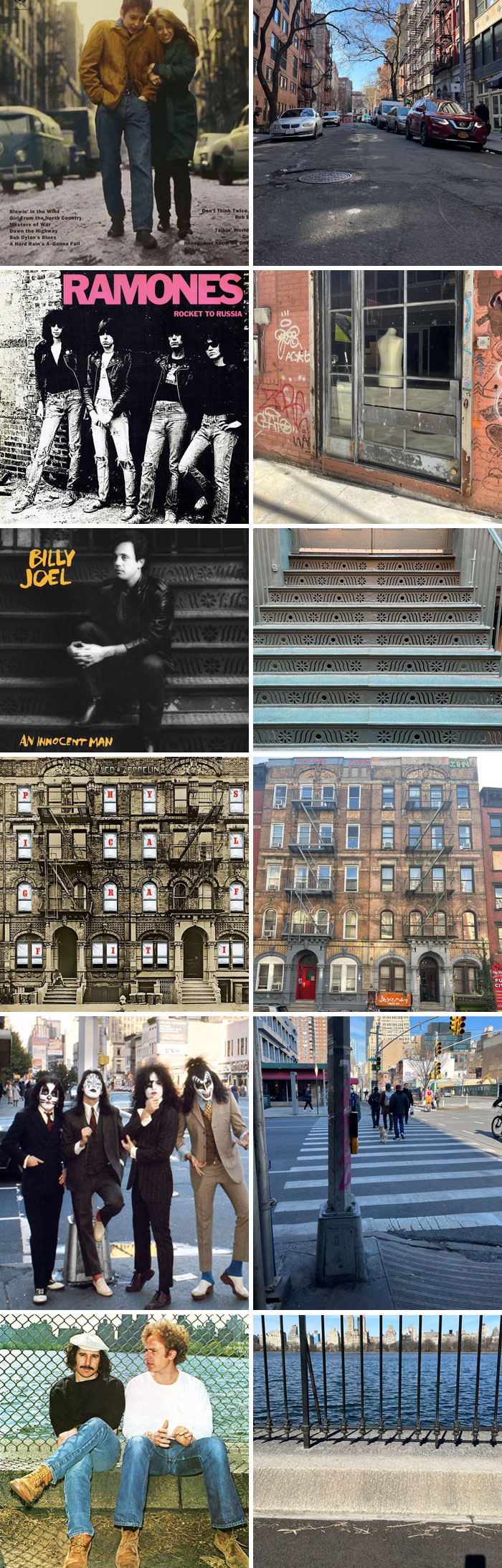
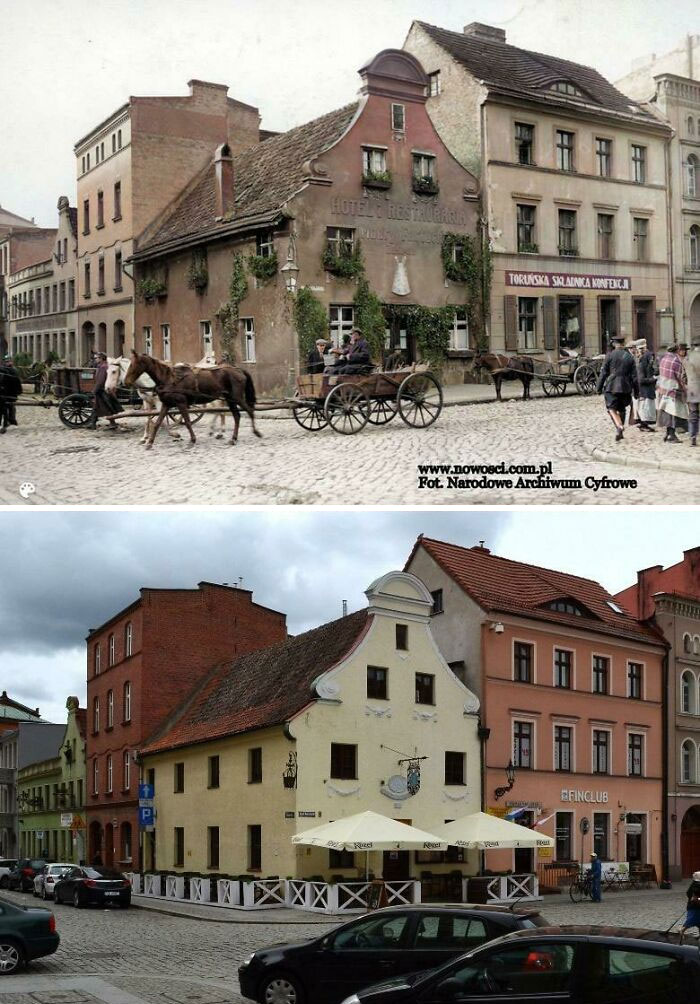
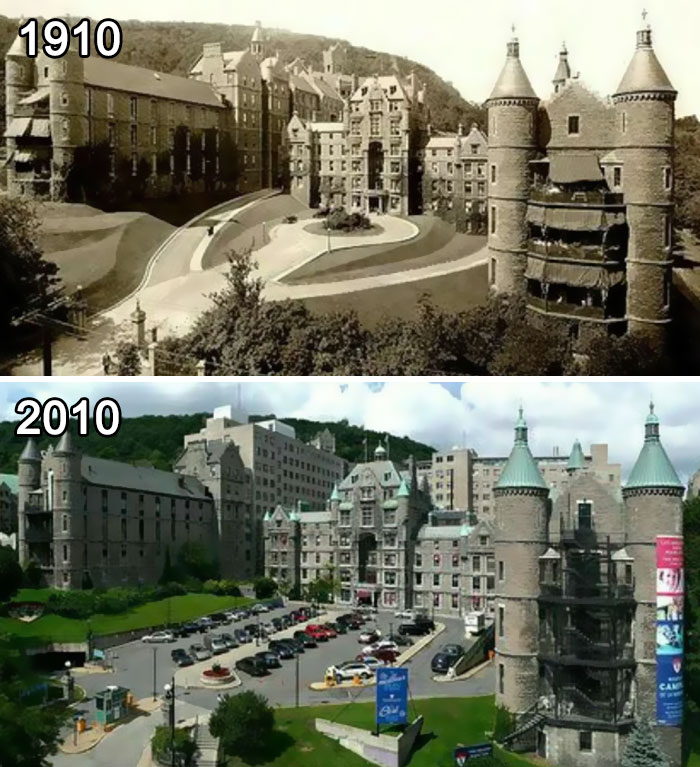
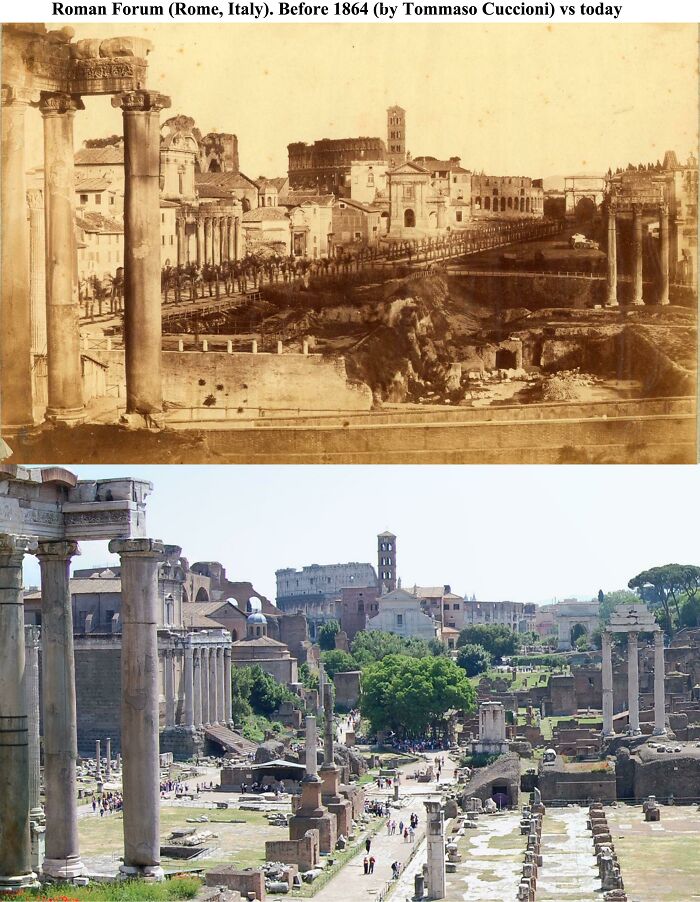
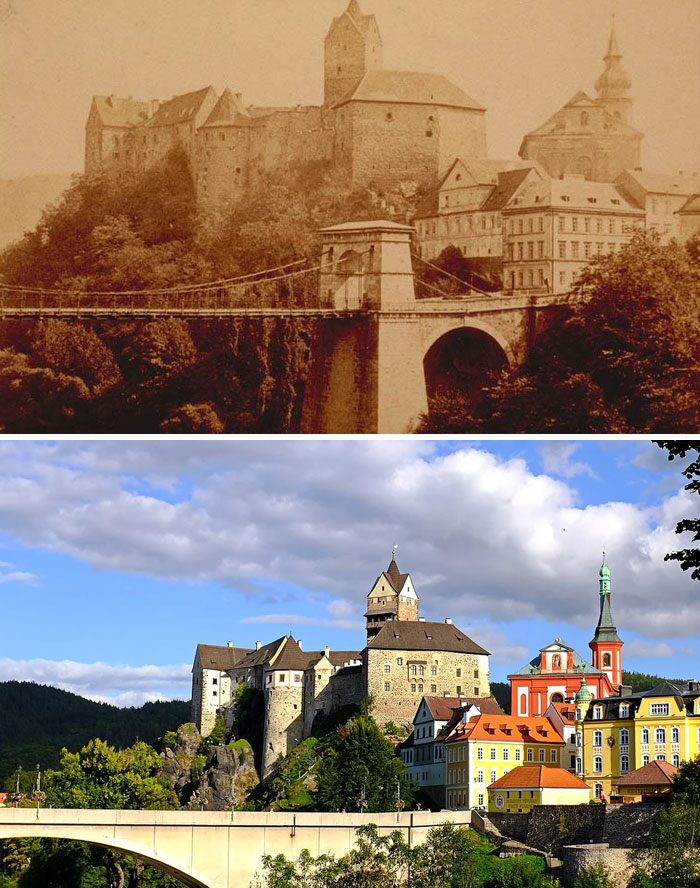
Rephotography is the act of repeat photography at the same site, with a time gap between the two images; the so-called "then and now" view of a particular area.
Some of these images are pretty casual in terms of their artistic expression, usually taken from the same viewpoint but without trying to recreate the same "vibe" of the original shot. Others, however, are produced very precisely. Either way, they provide very interesting insights into the passage of time and its effect on the world.
Hands down, the best online archive of such pictures is the subreddit r/OldPhotosInRealLife. Natural wonders, urban settlements, you name it, it has it all. Continue scrolling to check out the most popular recent posts among its members, and be sure to check out our earlier publications on the subreddit here, here, and here when you're done, too.
Click here & follow us for more lists, facts, and stories.
This post may include affiliate links.
According to The Difficult Knowledge Project, a University Of British Columbia initiative led by Dr. Amy Scott Metcalfe, rephotography developed in the natural sciences to demonstrate environmental change, such as erosion or receding glaciers, and has been applied to fields such as sociology to show social change, usually in the built environment (e.g., towns and cities).
Rephotography can also be applied to, for example, the campus or school setting as a way to discuss organizational change and other aspects of the environment.
To get a better understanding of this interesting genre, we also spoke to its contributor, photographer Nicole L. Lashar.
"When I began exploring rephotography, I was passionate about pursuing photography as an art form and I was equally excited about traveling to new cities and exploring the art and architecture," Nicole Lashar told Bored Panda.
"Rephotography allowed me to combine the artistry of photography and travel into one experience. At first, it was not the end result that mattered, but the experience of exploring new places and stepping back in time to try and find the exact perspective of the original photographer. But as I continued, the significance grew."
Lashar said her rephotographs explore differences, mostly in architecture from an early, historical photograph to its current appearance, "not by side-by-side comparisons but through transparent, overlapping images transposed onto each other thus resulting in aesthetic artwork."
"The perspective created by combining the photographs allows the viewer to see two time periods simultaneously. The viewer has a new outlook on the space as they see the present colliding with the past," the photographer explained.
If all of this process sounds difficult, well, that's probably because it often is much more than simply taking a picture.
"The biggest challenges for rephotographers as they're creating 'then and now' imagery are sourcing the original photograph, finding the exact location as the addresses are rarely known, and then getting the perspective correct when they're photographing," Lashar said.
"My rephotography was based on architecture, making it a bit easier to find the exact location," Lashar started explaining her own approach.
"I would select a location first based on proximity within the city, the age of the building, and the number of historical photographs of the building. Then I would search through image databases to find the best image. It can be hard to find a high-resolution photograph that is available for free and fair use. I was able to use satellite imagery, such as that found on Google Maps Street View to ensure the building was not demolished and that there were other reference points to help rephotograph the site."
While researching the satellite images, the photographer often notices much larger structures surrounding the building in question, and the perspective of the original photograph would not have been possible with the current state of the surroundings.
"When photographing, I took several different angles and revisited the reference image multiple times to match it up as closely as possible. The original location of the photograph, height perspective, and type of lens or camera all played a role in the possibility of lining the photograph up perfectly. At times the desired results were not physically possible based upon equipment or location proximity."
A good rephotograph, according to Lashar, allows the viewer to effortlessly hop in time and see the same place in different periods.
"Mark Klett, the master of landscape rephotography, explains in his book After the Ruins that a rephotograph is most successful when the 'viewers are convinced they are seeing the same place. That is less about technical accuracy than visual verification,'" Lashar highlighted.
"However, a great rephotograph elicits emotion or pondering from the viewer by displaying social, typological, or infrastructural change. By viewing the two time periods simultaneously, each viewer, affected by their own perception and prior knowledge, has an emotional response or questions the changes that have occurred."











 No fees, cancel anytime