Get Premium
Dark mode theme is available exclusively for premium users. Learn more about the benefits of subscribing.
No fees, cancel anytime.

 Dark Mode Ad-Free Browsing Unlimited Content
 Ad-Free Browsing Unlimited Content Dark Mode
Join 1.2 million Panda readers who get the best art, memes, and fun stories every week!
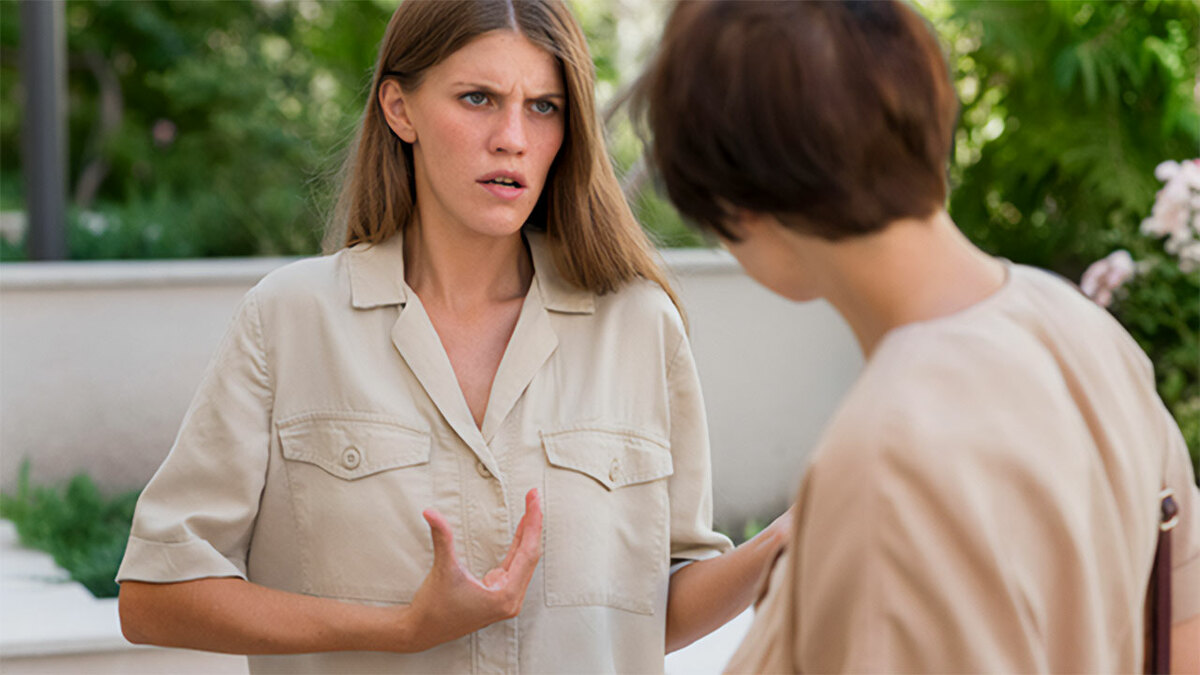
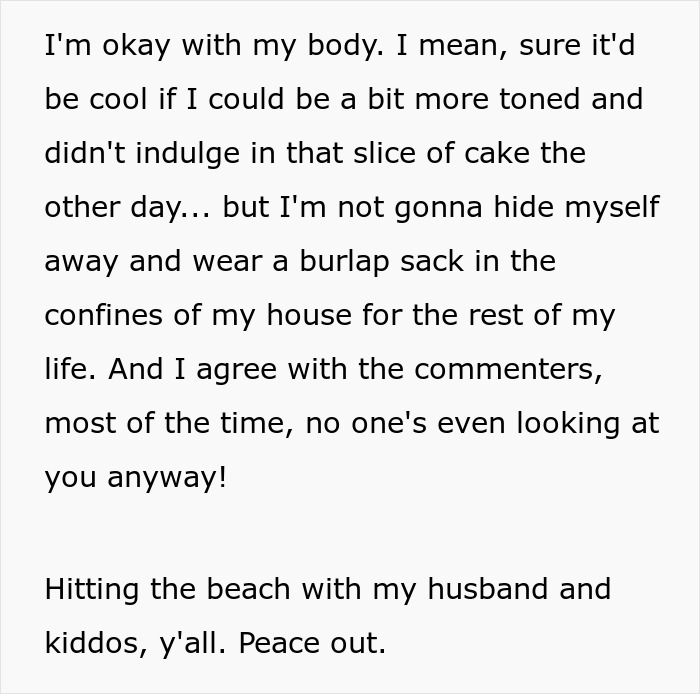
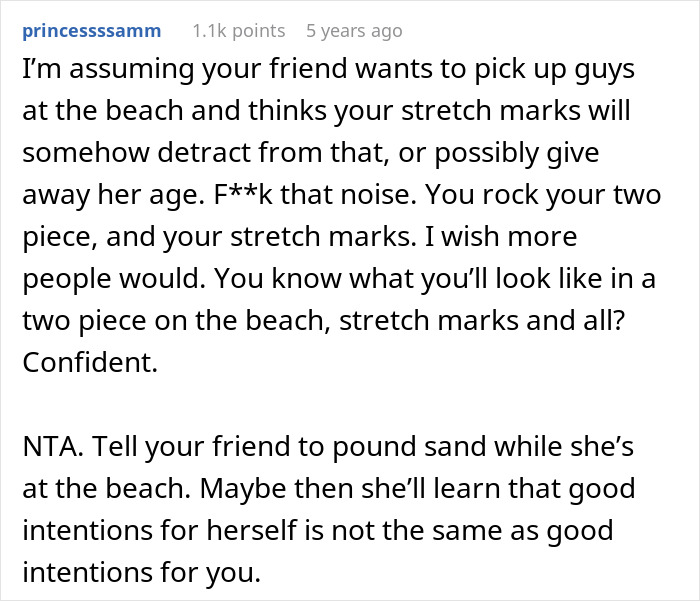
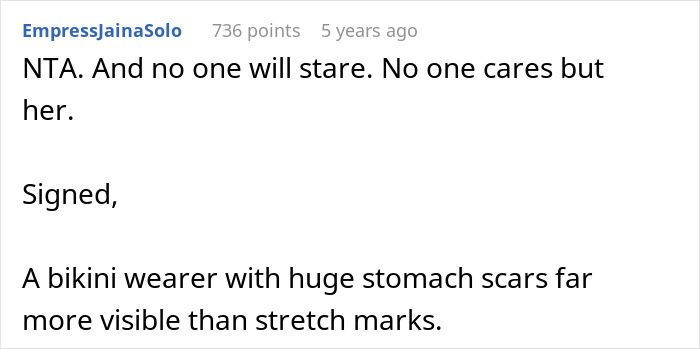
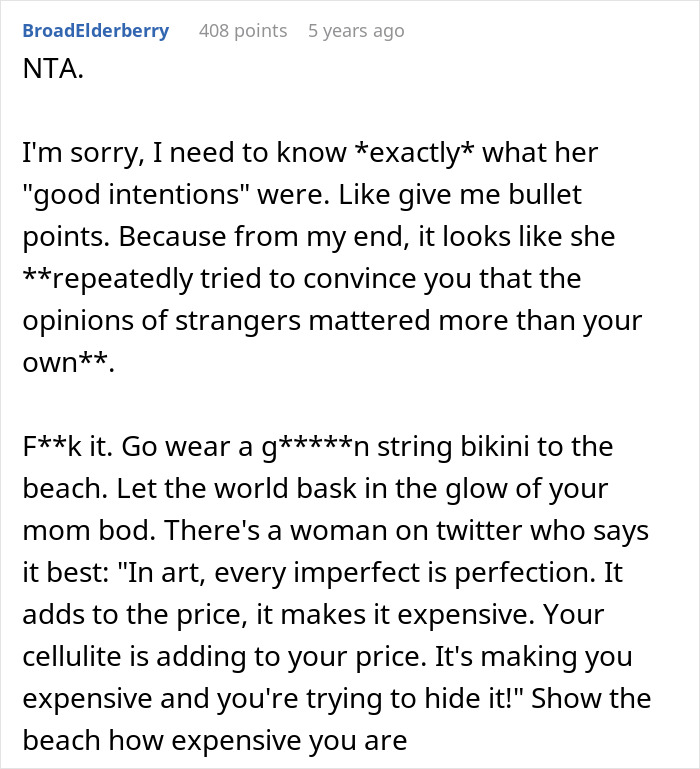
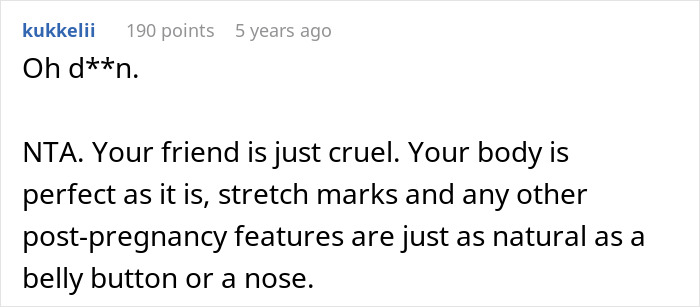
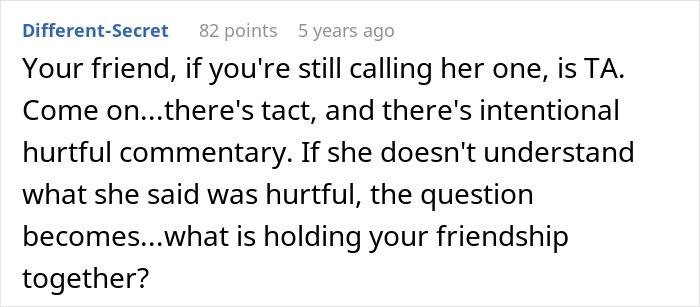
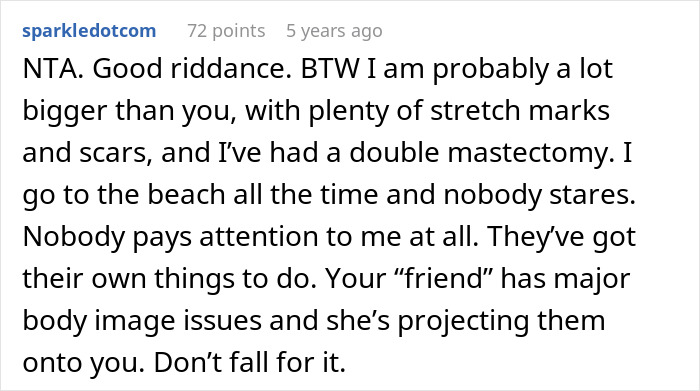
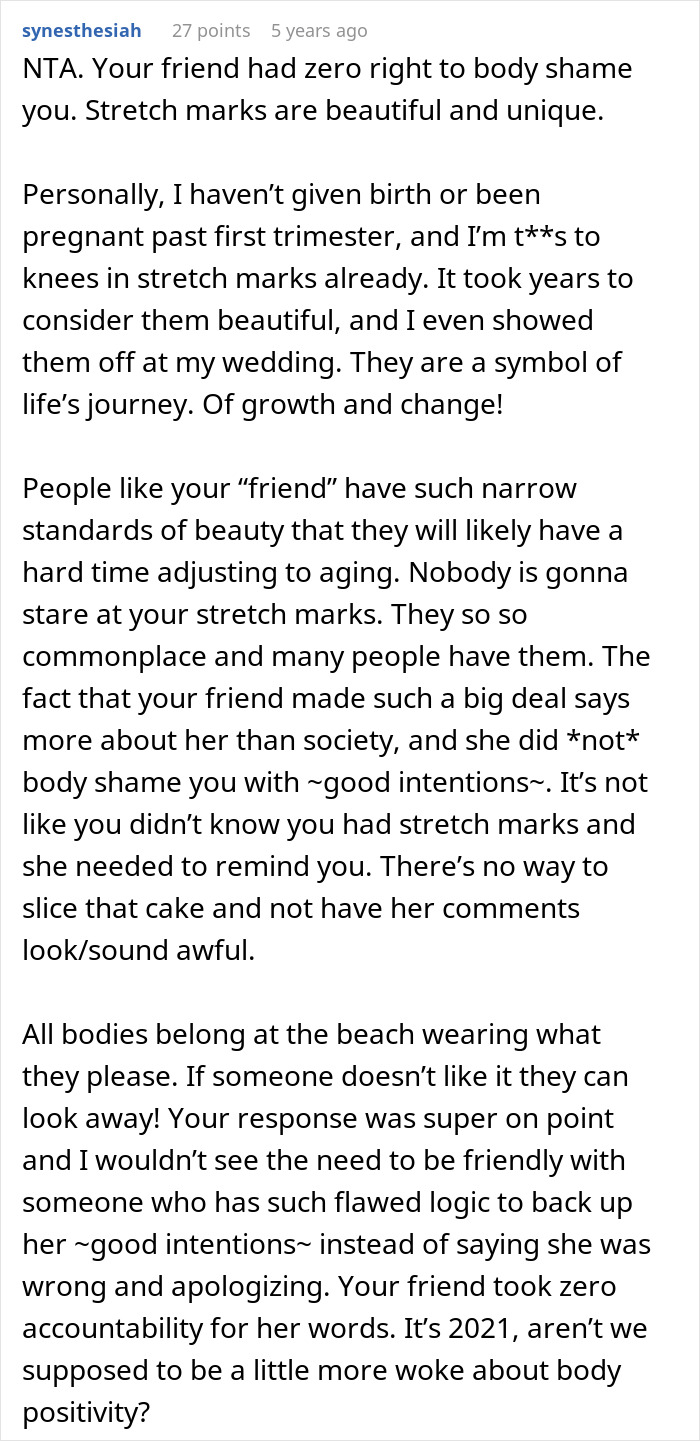
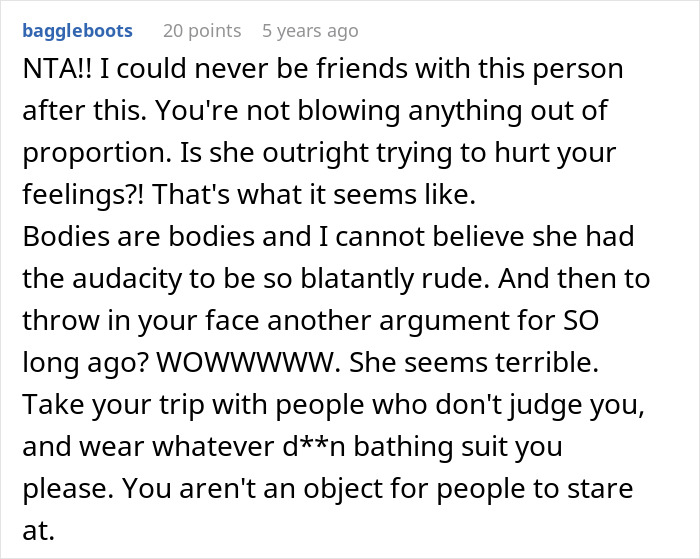
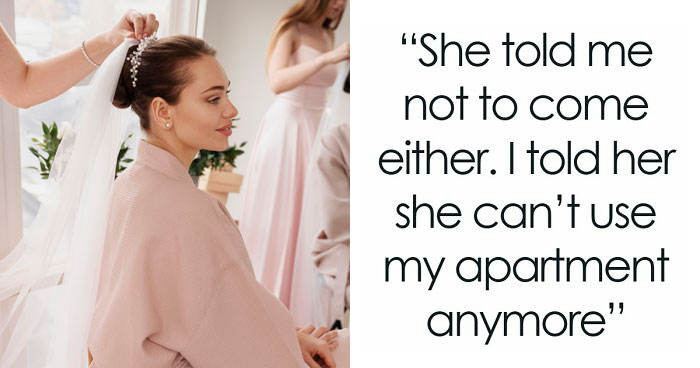
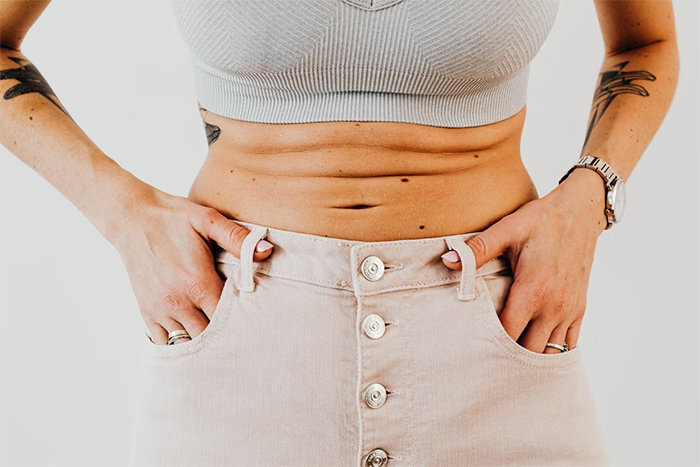
Motherhood can change a woman’s body in so many ways. Stretch marks, softer stomachs, and other changes can become part of the new normal, and there is nothing wrong with wanting to feel good in that body instead of hiding it. After all, having children should not mean a woman has to stop wearing the clothes she likes or feel ashamed of how she looks.
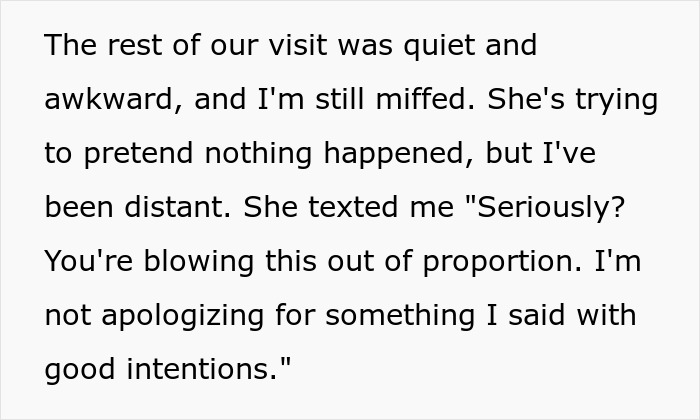
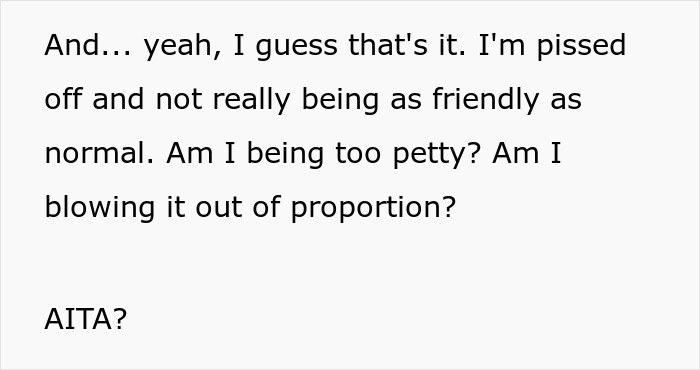
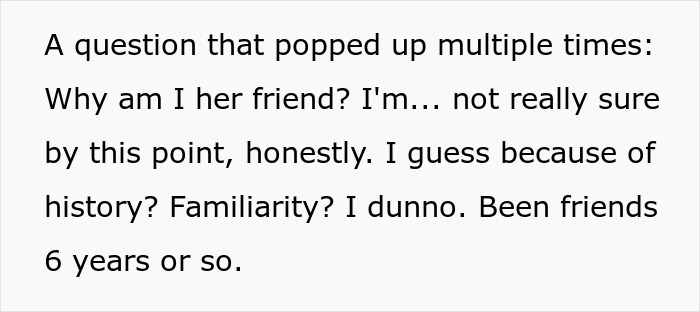
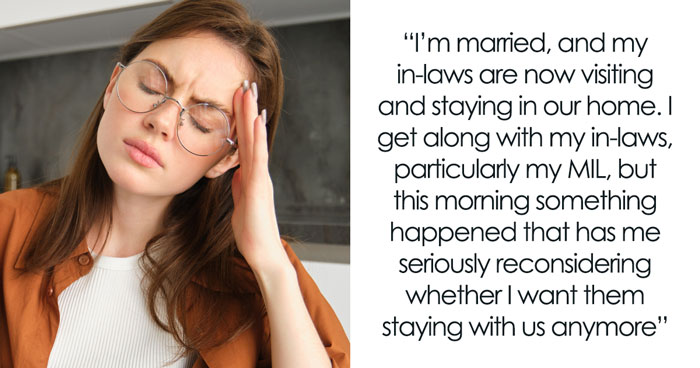
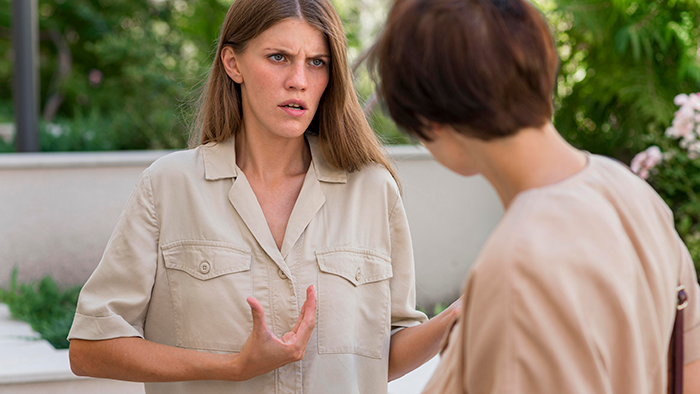
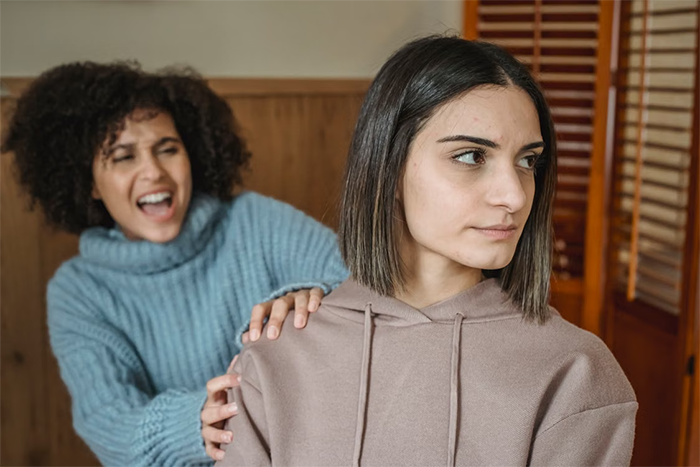
This 31-year-old mother of two shared how her best friend started commenting on her body while they were choosing bikinis for a beach trip. Read on to find out what her friend said next that turned a casual shopping trip into a painful conversation and left her wondering if their 6-year friendship was worth holding onto.
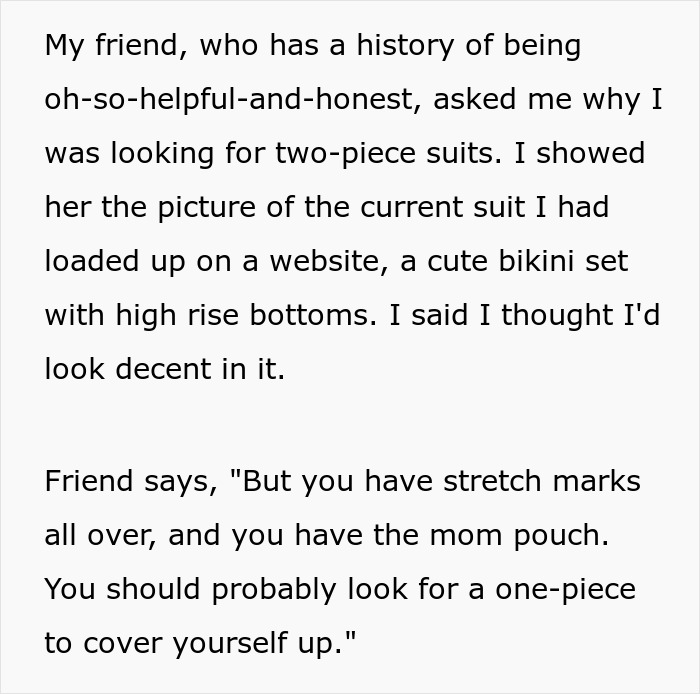
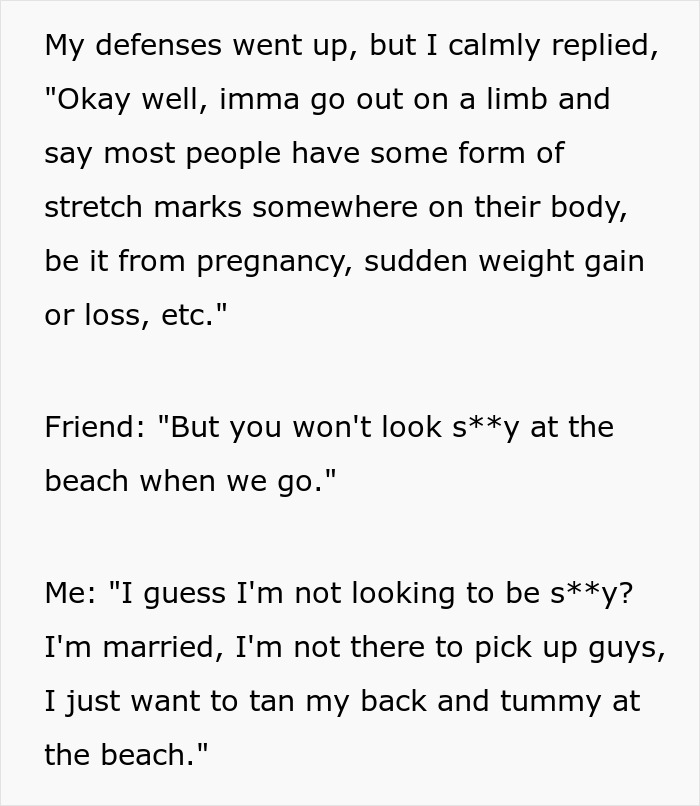
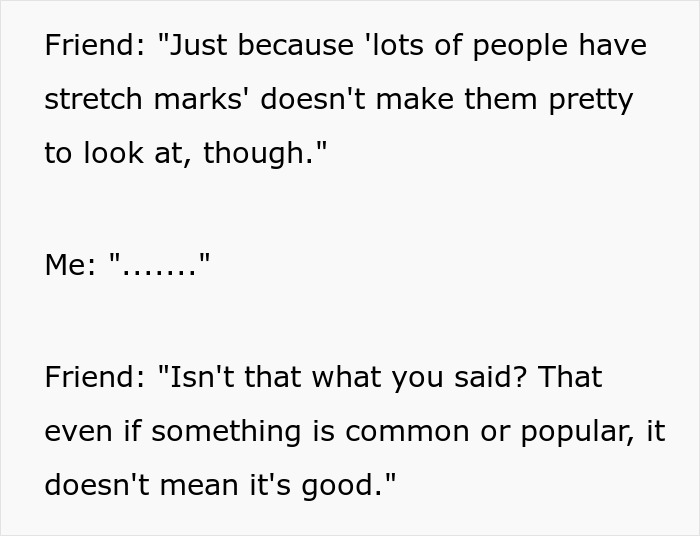
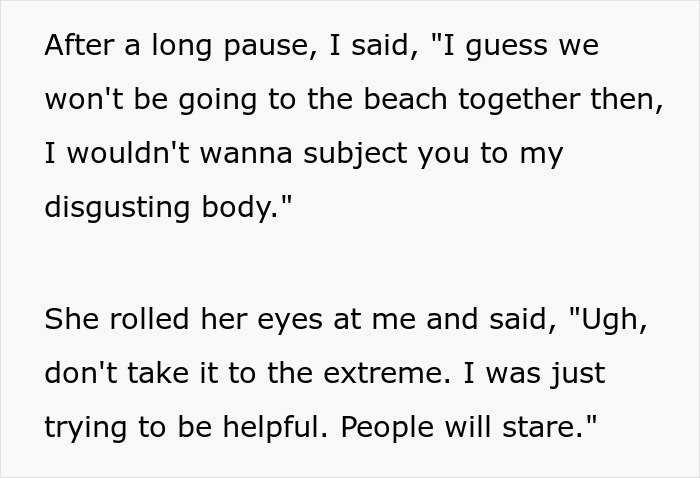
Pregnancy takes a lot of toll on a woman’s body. As the baby grows, the uterus expands, and the abdomen stretches, while other parts of the body start changing too. According to the American College of Obstetricians and Gynecologists, the skin can darken in certain areas, and stretch marks may appear as the body makes room for the growing baby.
These changes don’t all disappear when the baby is born. Stretch marks may fade with time, but the NHS says they are unlikely to disappear completely. Some women may also notice that their stomach looks different after pregnancy, including a gap between the abdominal muscles known as diastasis recti.
Some changes aren’t physically visible. Pregnancy and childbirth put considerable strain on the pelvic floor and abdominal muscles, which can leave some women dealing with things like bladder leaks, pelvic pressure, or pain for months afterward. Experts note that these problems can happen after pregnancy and that women can seek help rather than being expected to just put up with them.
And most people forget that recovery takes time. Some changes resolve within weeks, while others can take months or even years to return to normal. Cleveland Clinic explains that postpartum recovery does not follow a one-size-fits-all timeline, and some physical changes can continue for years after giving birth.
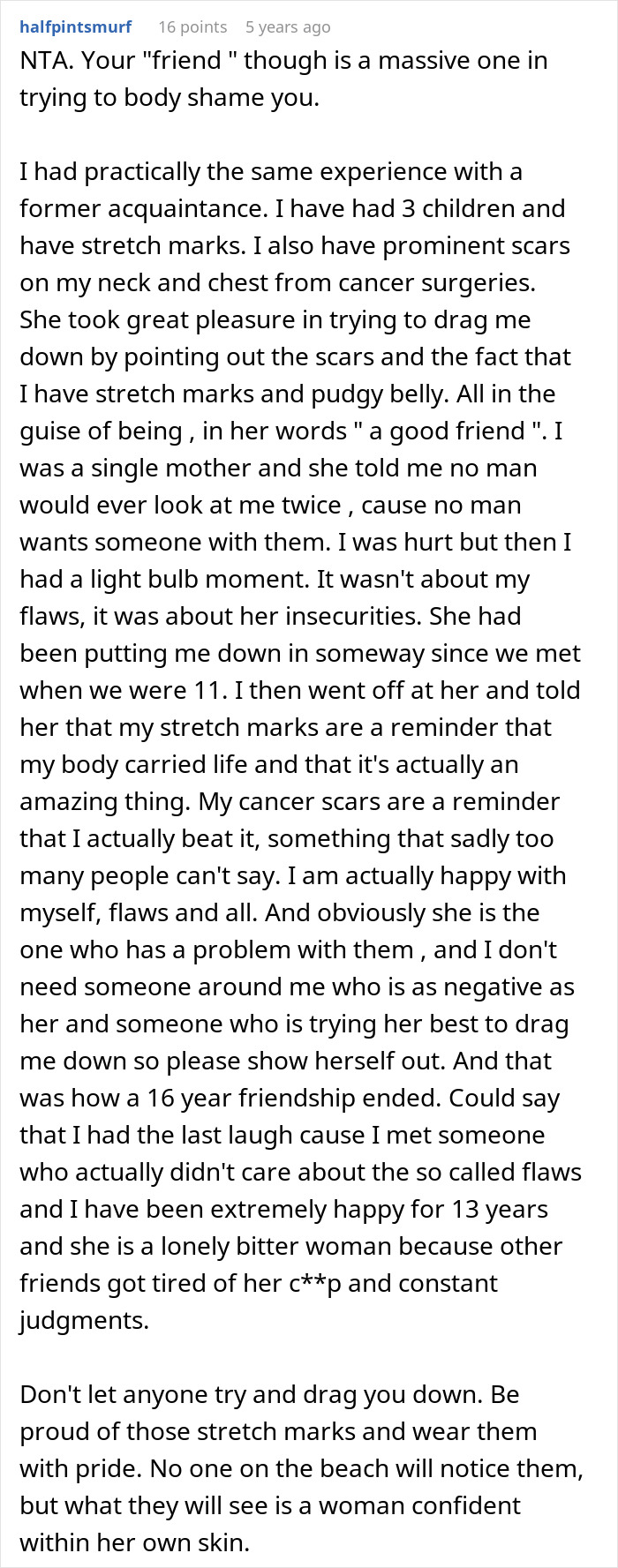
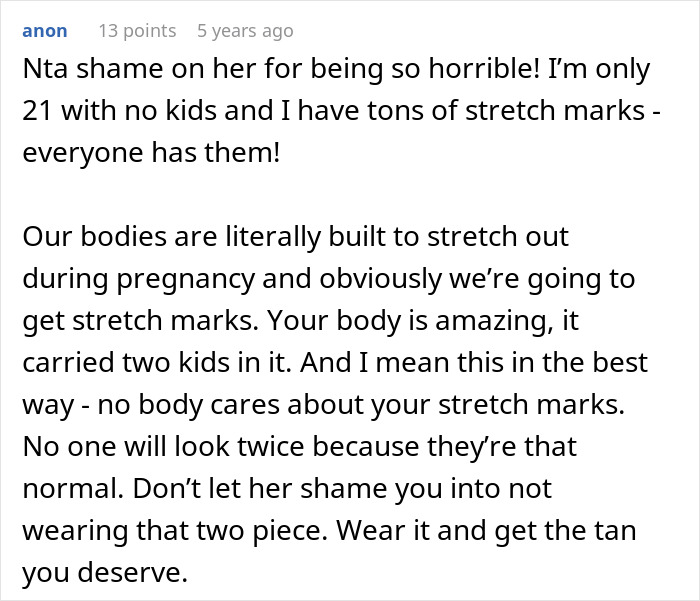
That is why the pressure to “get your old body back” can be misguided. A woman should not spend months growing a baby, giving birth, and adjusting to life with a newborn, only to feel embarrassed by the changes left behind. Those marks are part of what her body went through to bring new life into the world, and there is nothing shameful about them.
Women are constantly shown ideal bodies online, and it can be misleading to start thinking that getting back to that shape should be the goal. The American College of Obstetricians and Gynecologists warns that these images can make women feel bad about their bodies and push them toward unhealthy attempts to change them.
The problem is that postpartum recovery can still be happening while everyone else is busy asking when the weight is coming off. Some women are still dealing with pelvic pain or weakened muscles months after giving birth. The NHS explains that pelvic floor problems can take several months to improve, which means rushing straight into intense workouts is pretty unrealistic for some new mothers.
Health professionals also note that breastfeeding women generally need an additional 330 to 400 calories a day compared with what they needed before pregnancy, plus enough nutrients to support both themselves and their babies. So being told to cut back on food to lose weight faster is quite unhealthy for new moms.
Of course, moving your body can be healthy after pregnancy, and there is nothing wrong with wanting to feel stronger or more comfortable. Medical experts recommend physical activity for healthy postpartum women, but that does not mean women should push themselves beyond what feels right just to fit into mainstream ideas about how their bodies should look.
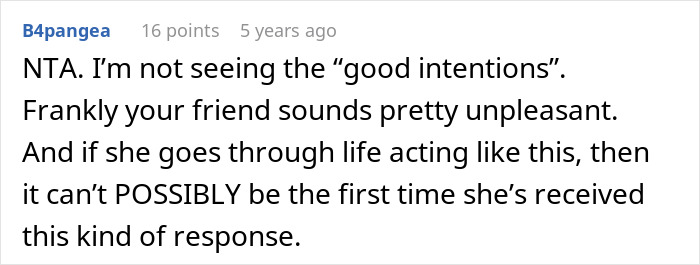
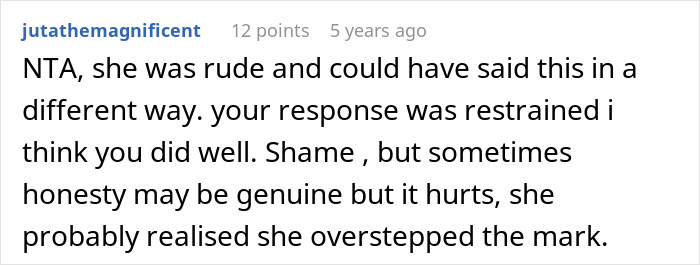
Pregnancy can leave a woman with a body she is still learning to know better, and the last thing she needs is a running commentary from everyone around her. Have you ever been body-shamed after having a baby, or pressured to “get your old body back”? Tell us what happened in the comments.












By entering your email and clicking Subscribe, you're agreeing to let us send you customized marketing messages about us and our advertising partners. You are also agreeing to our Privacy Policy.
Thank you! You've successfully subscribed to newsletters!














 No fees, cancel anytime








30
1