Get Premium
Dark mode theme is available exclusively for premium users. Learn more about the benefits of subscribing.
No fees, cancel anytime.

 Dark Mode Ad-Free Browsing Unlimited Content
 Ad-Free Browsing Unlimited Content Dark Mode
Join 1.2 million Panda readers who get the best art, memes, and fun stories every week!
I’ve always been fascinated by ancient history and mythology. Archaeology is something I love because it can bring long-hidden secrets back into the present, revealing clues about places, rituals, and beliefs that existed thousands of years ago.
Whether you believe ancient stories about the underworld or, just like me, you see them as awesome myths, the idea of a gateway connecting our world to another realm has appeared across cultures for centuries. Archaeologists have explored many of these locations, and five places in particular have earned a historical reputation as possible entrances to hell.
In our times, the Darvaza Gas Crater offers a very real spectacle of fire burning in the middle of the desert. It’s a breathtaking view, and it speaks of the uncountable wonders our world has to offer. People have called it the “gates of hell” for years now.
But long before we could witness something like this, ancient cultures still imagined their own entrances to the underworld. Some were caves, temples, or sacred places that carried actual passage to a mysterious realm lying below us.
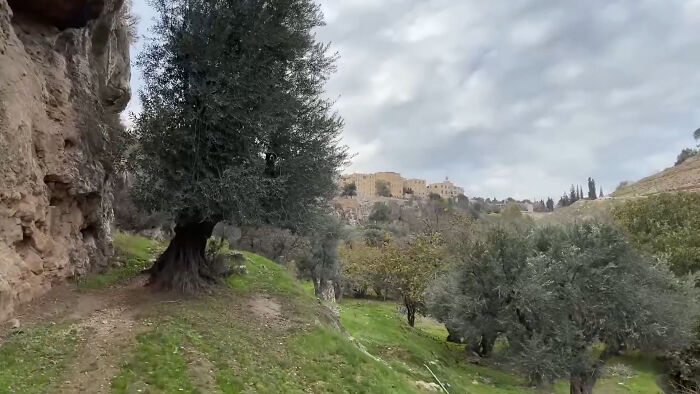
The Valley of Hinnom wraps around the southern and western sides of Jerusalem’s Old City. Archaeological work at Ketef Hinnom, a site within the valley, uncovered Iron Age burial caves and other remains dating across several historical periods. People used the area for burial long before later traditions connected Gehenna with punishment and the afterlife.
One of the most significant discoveries came from two tiny silver scrolls found inside a burial chamber at Ketef Hinnom. Researchers date the amulets to the late seventh or early sixth century BCE, making them among the oldest known biblical texts. Their discovery adds a very real archaeological layer to a place that later acquired a much darker reputation.
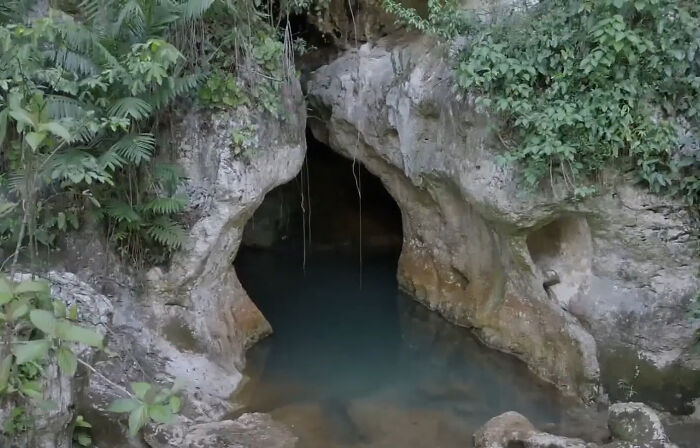
Actun Tunichil Muknal is a Maya ceremonial cave in western Belize, and archaeological research shows that ancient people used its chambers for ritual activity. Holley Moyes used GIS analysis to map artifact clusters inside the cave, revealing patterns in how the Maya organized objects and ritual spaces rather than leaving them randomly scattered.
The cave also contains human remains, pottery and other ritual objects. Archaeological investigations documented fourteen burials, while mineral-rich dripwater covered some remains with calcite over time. The combination of deep chambers, human remains and evidence of ritual activity helps explain why caves held such an important place in Maya ideas about the supernatural world.
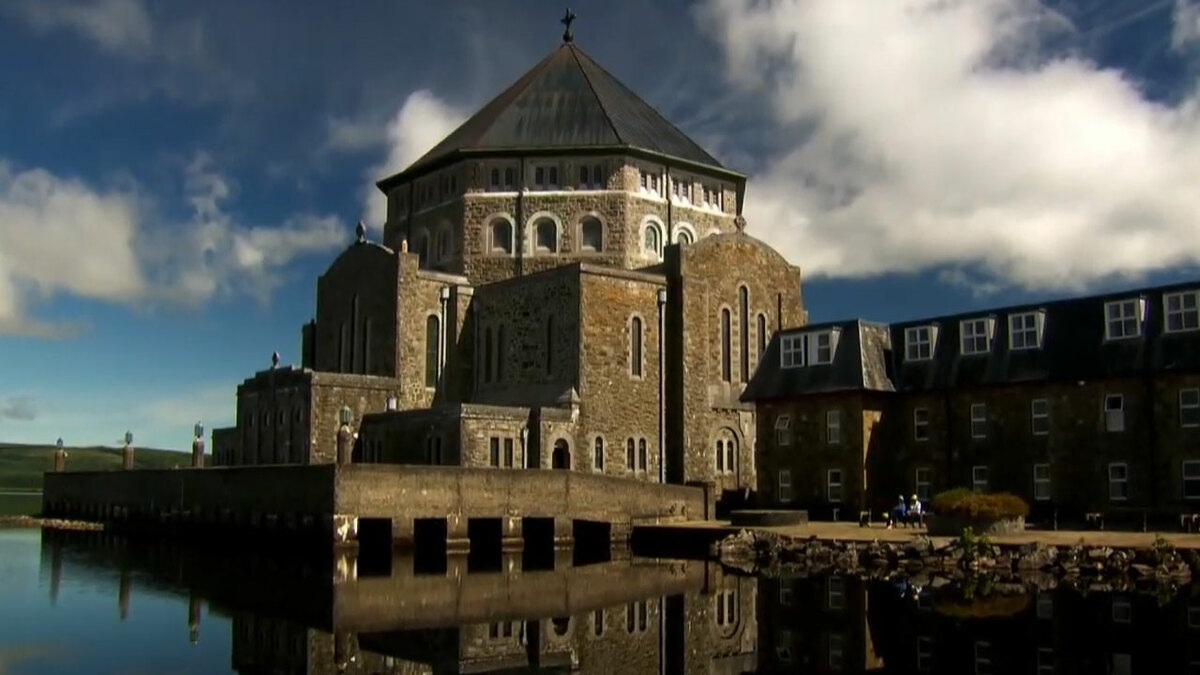
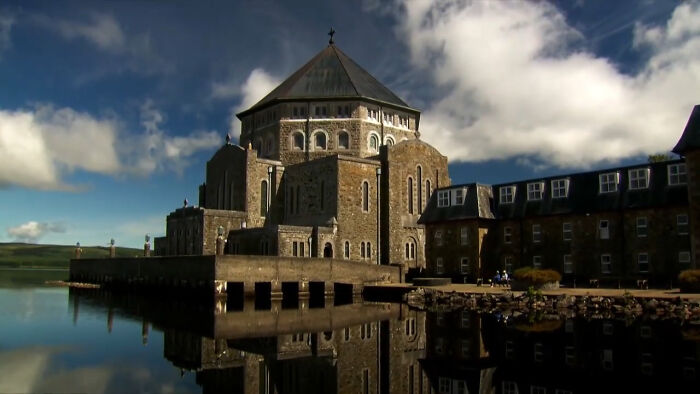
St. Patrick’s Purgatory sits on Station Island in Lough Derg, County Donegal, and its story grew around a medieval tradition of a cave associated with visions of the afterlife. Archaeological research on Ireland’s subterranean sites notes that the pilgrimage gained European fame during the early twelfth century, although the original penitential cave later became inaccessible.
Medieval writers helped transform the site into one of Europe’s best-known destinations associated with Purgatory. Historian Carl Watkins examined two vision narratives connected with St. Patrick’s Purgatory and found that they reflected established medieval ideas about the geography of the afterlife rather than introducing an entirely new concept.
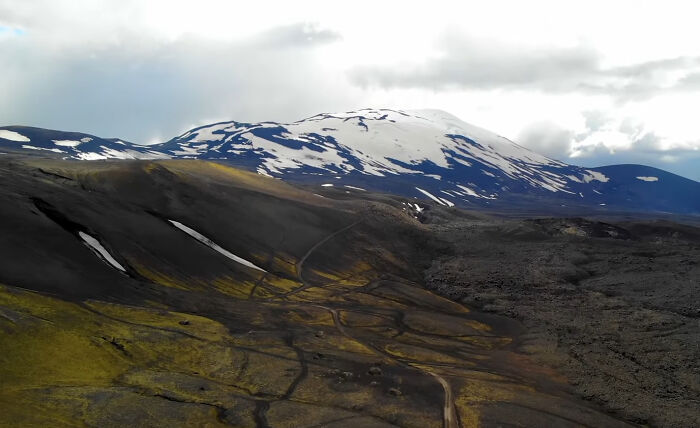
Hekla gives the story a very different kind of danger. The Icelandic volcano has produced numerous explosive eruptions, and researchers have reconstructed its activity through lava, ash and tephra deposits. A study of eruptions over the past 3,000 years found repeated explosive events and major changes in the volcano’s eruptive behavior.
That violent landscape helped fuel Hekla’s medieval reputation as a place connected with the underworld. Modern research, however, gives us a far less supernatural explanation: Hekla sits at the intersection of Iceland’s volcanic and seismic zones and has repeatedly released lava, ash and gases during powerful eruptions.
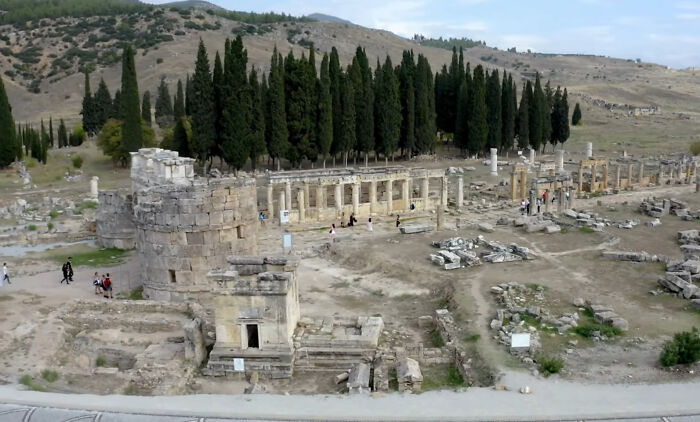
Hierapolis contains one of the strongest physical reasons for its ancient reputation. Researchers studying the Ploutonion found extremely high concentrations of carbon dioxide inside the grotto beneath the sanctuary. Measurements reached levels of up to 91%, while concentrations near the cave entrance could still become extremely dangerous under certain conditions.
The sanctuary stood above a natural cave where thermal water and poisonous gases emerged from underground. Archaeologists and geophysicists have also identified an active fault beneath the Temple of Apollo. Ancient visitors therefore encountered a genuine natural phenomenon that could take down animals, while religious traditions connected the dangerous cavern with Pluto and the underworld.
Ancient Egyptians saw the afterlife as a dangerous journey packed with gods, creatures, and obstacles. The departed needed the right spells and words to get past them, which is why people placed funerary texts in tombs. The texts guided the souls through the journey toward the afterlife.
Ancient Greeks imagined Hades as a real realm with rivers separating it from the world of the living. The River Styx became the most famous of them, while Charon, the legendary ferryman, carried souls across the waters. The connection became so strong that ancient Greeks associated a real waterfall and river in Arcadia with the mythical Styx.
For the ancient Maya, caves could provide a physical connection to Xibalba, the underworld described in Maya mythology. People entered these dark spaces to perform rituals and leave offerings for supernatural beings. Places such as Actun Tunichil Muknal give us a glimpse of how literally the Maya could treat their connection with the world below.
Today, archaeology and science offer new ways to understand the places that inspired these stories, revealing what stood behind their chilling reputations. At the same time, there’s still plenty of room for curiosity, and personally I hope they keep discovering more mysterious locations.
Would you dare to visit these gates to hell? Which one would you be most curious to explore? Share your thoughts in the comments!

By entering your email and clicking Subscribe, you're agreeing to let us send you customized marketing messages about us and our advertising partners. You are also agreeing to our Privacy Policy.
Thank you! You've successfully subscribed to newsletters!

Coming soon to the "Gateways to Hell" list - the White House Ballroom.

Coming soon to the "Gateways to Hell" list - the White House Ballroom.































 No fees, cancel anytime
























35
2