Get Premium
Dark mode theme is available exclusively for premium users. Learn more about the benefits of subscribing.
No fees, cancel anytime.

 Dark Mode Ad-Free Browsing Unlimited Content
 Ad-Free Browsing Unlimited Content Dark Mode
Join 1.2 million Panda readers who get the best art, memes, and fun stories every week!

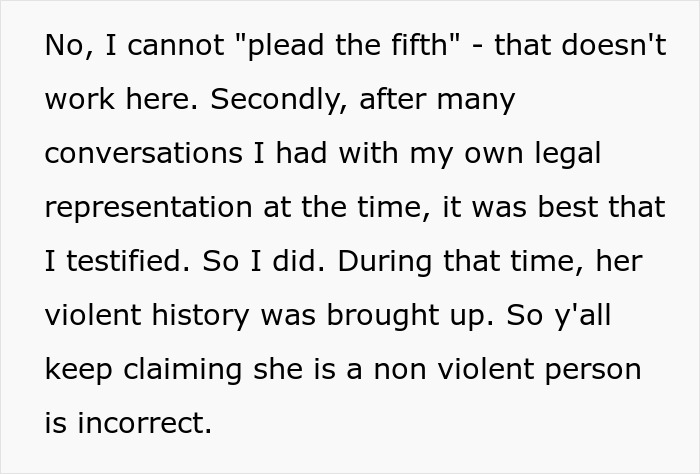
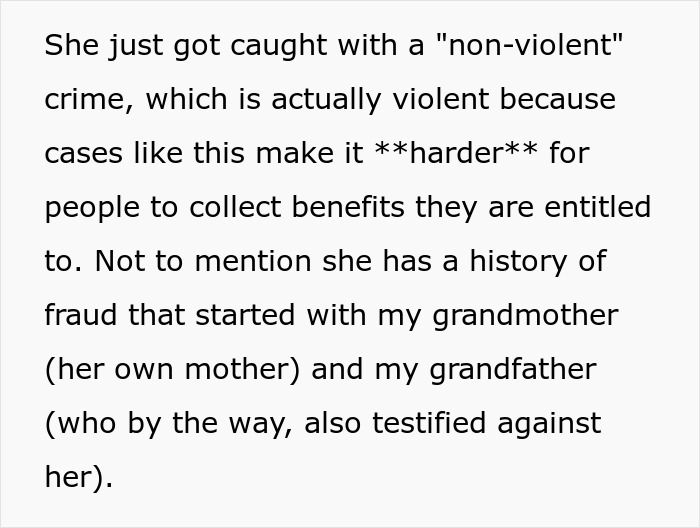
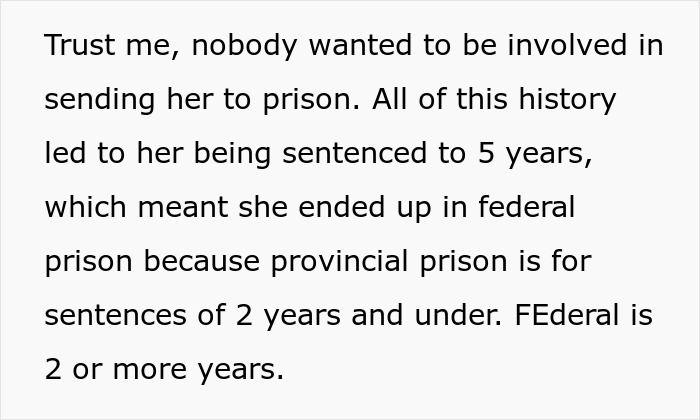
Family loyalty is one of the most powerful forces in human nature, and it can make people do extraordinary things in moments of grief. It can also make people do extraordinarily stupid things, like forging someone’s signature on official government documents to break a federal prisoner out of jail during a pandemic.
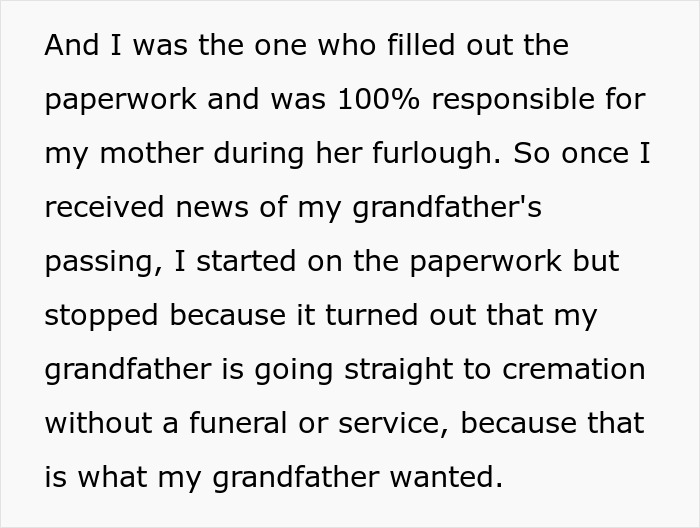
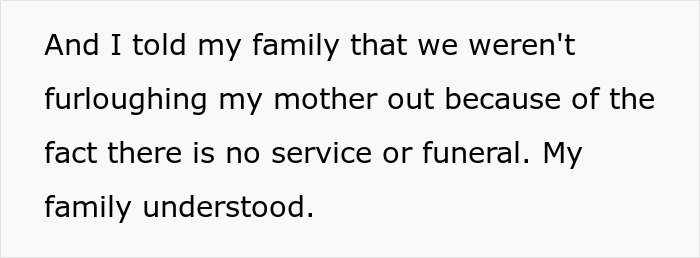
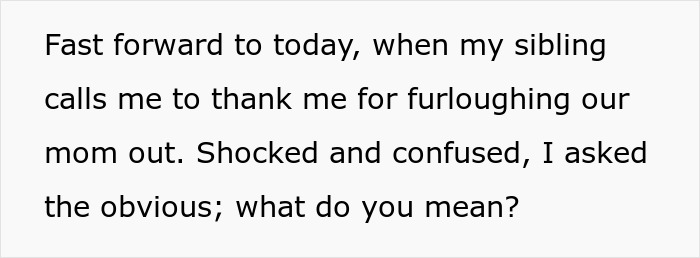
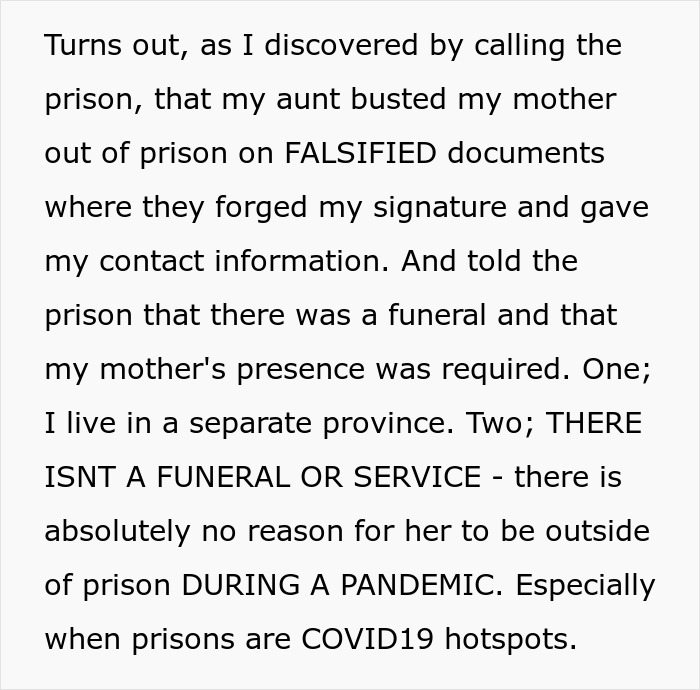
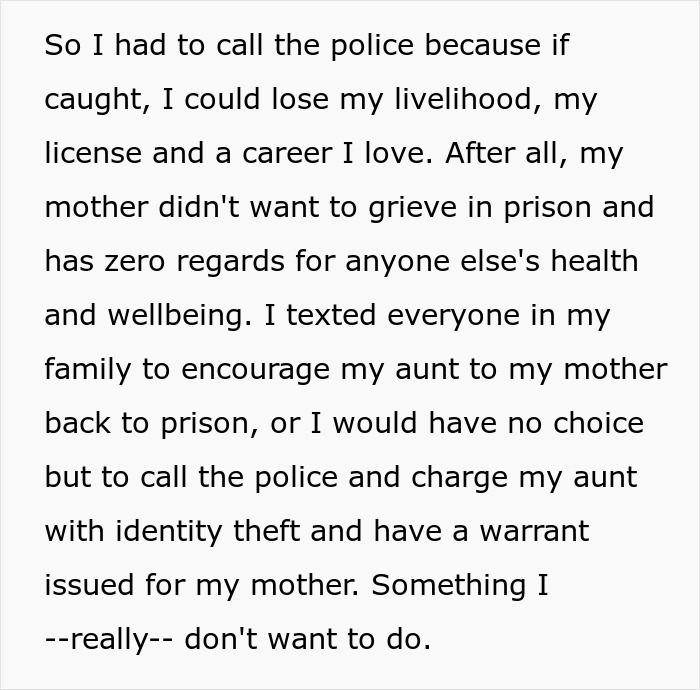
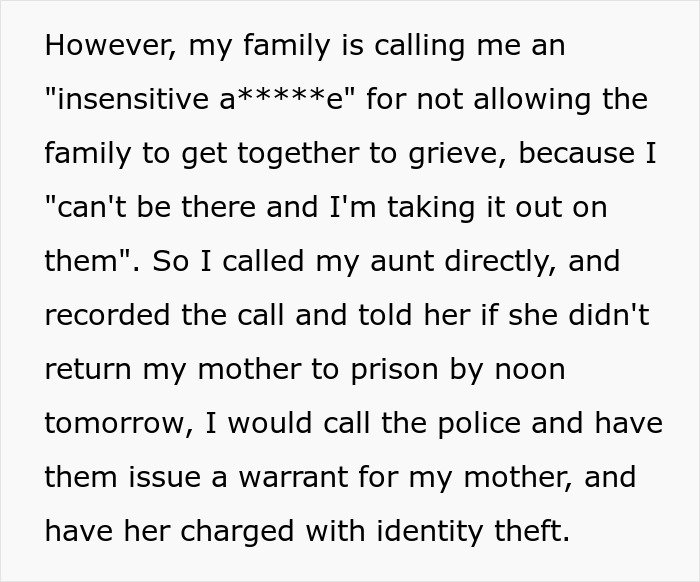
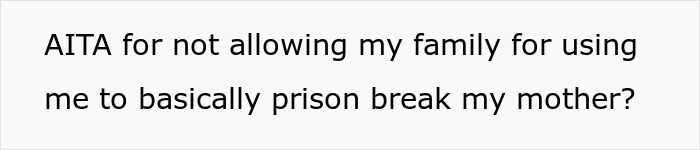
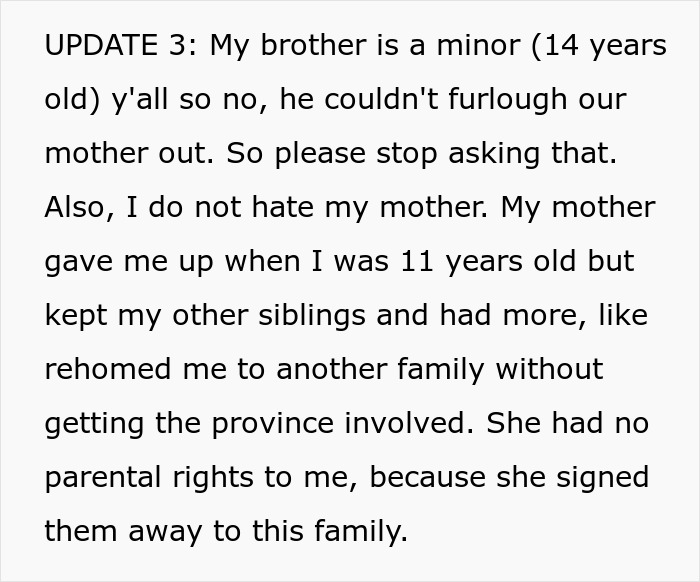
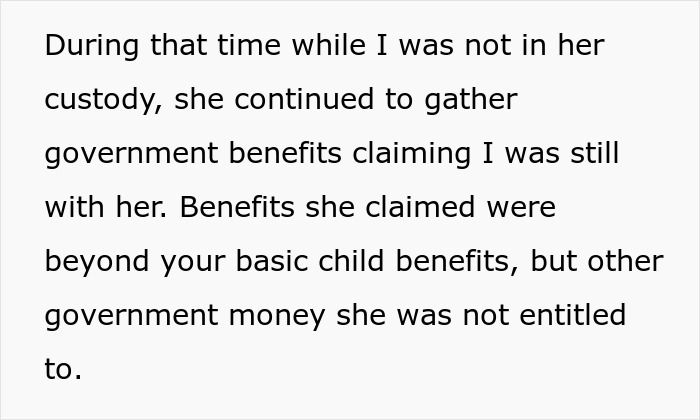
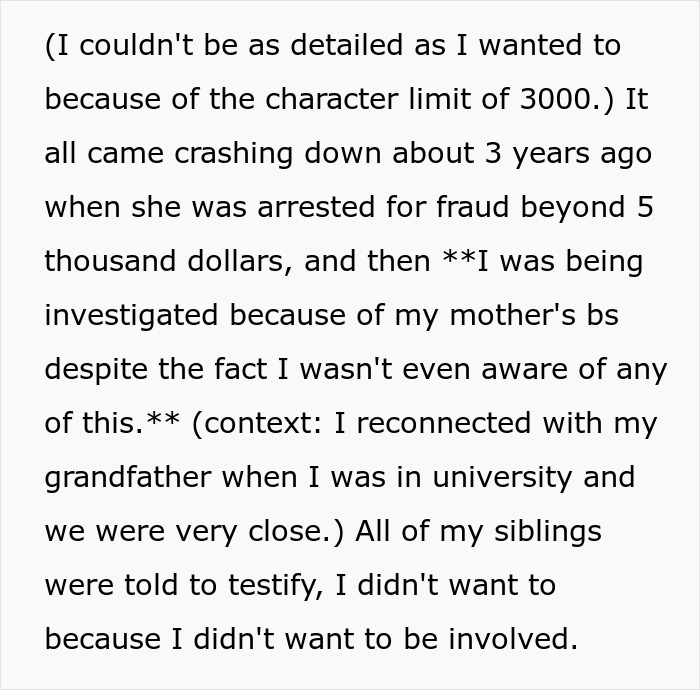
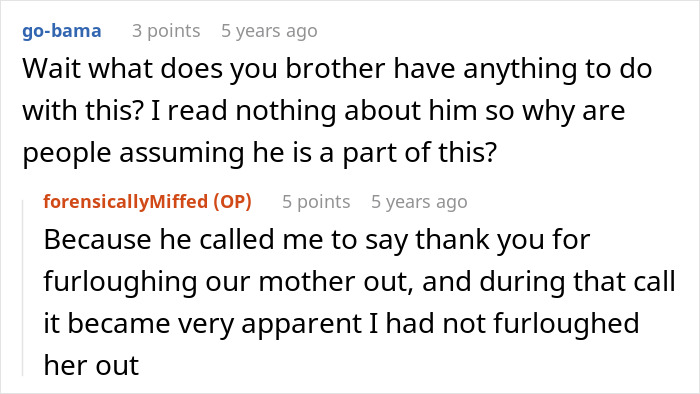
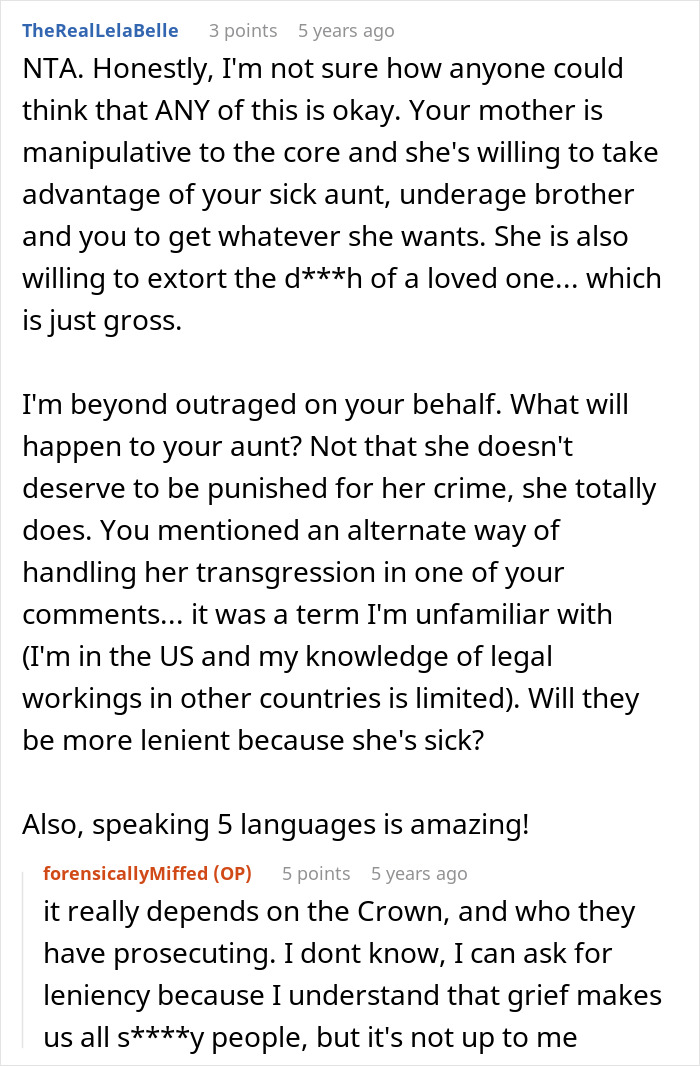
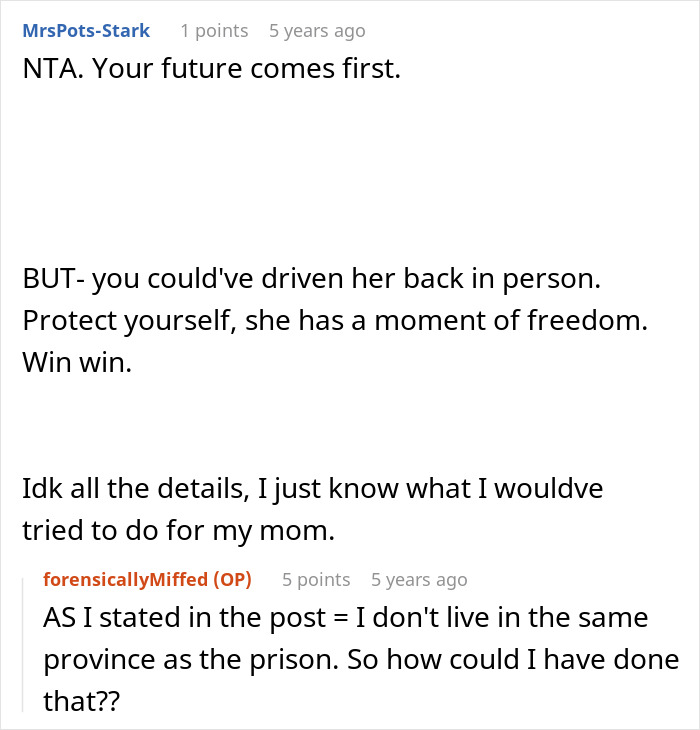
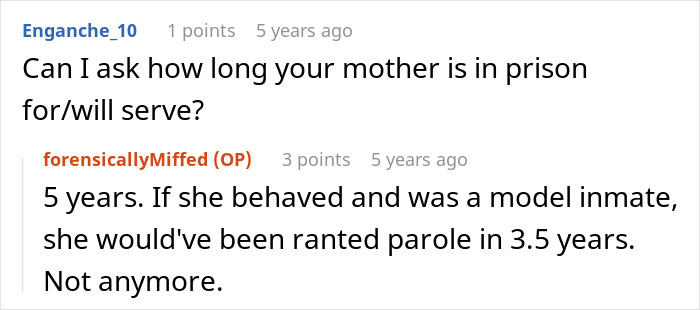
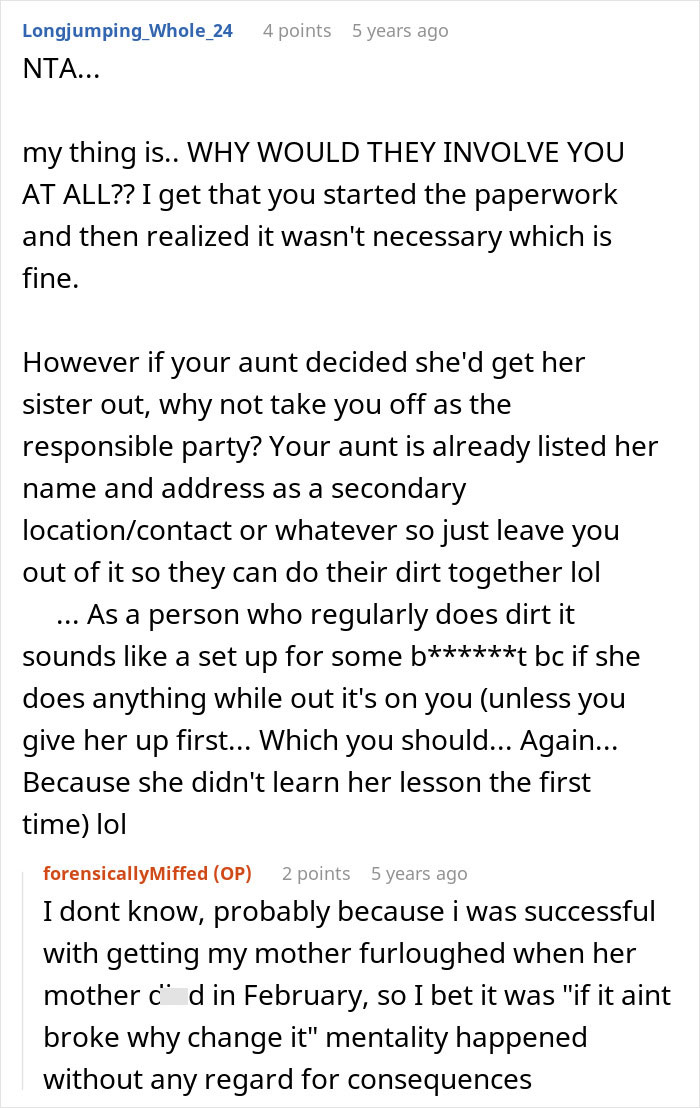
A distraught child had to testify against their own mother in court because they had no legal choice. But when grief came knocking (for the second time) the mother chose to put her child’s career in danger by breaking out of prison with forged documents. Because a fake funeral simply needed to be attended.
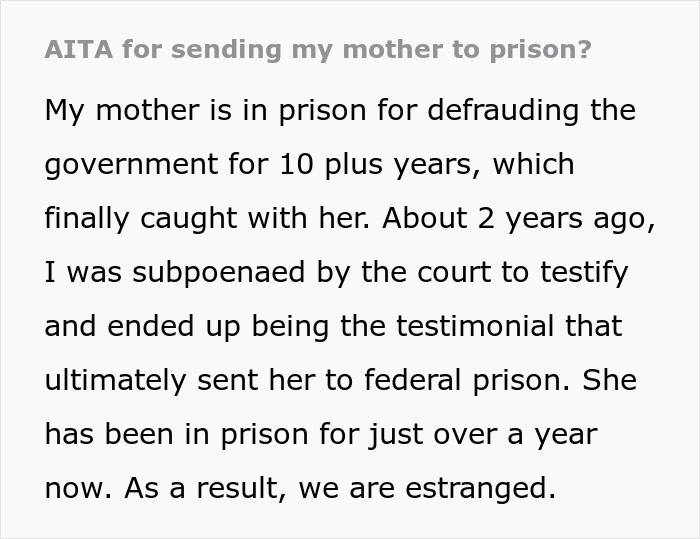
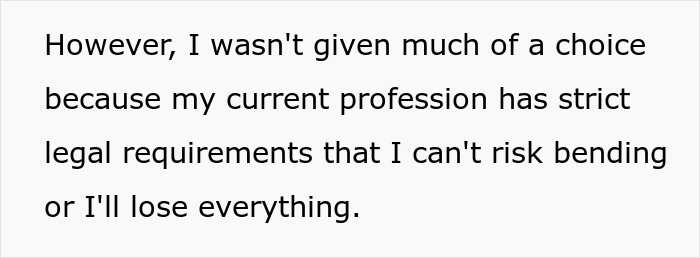
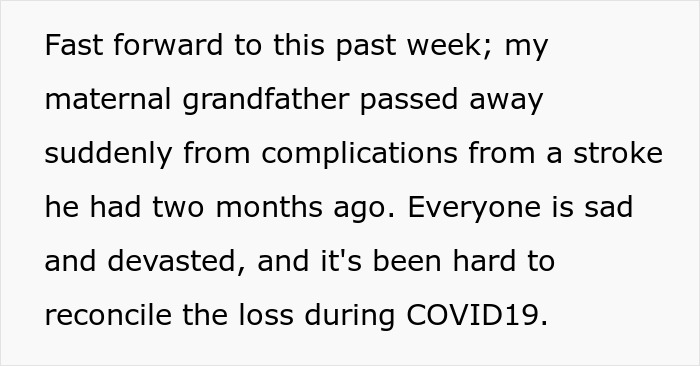
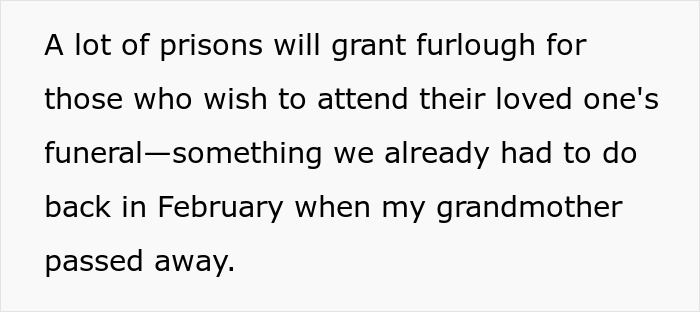
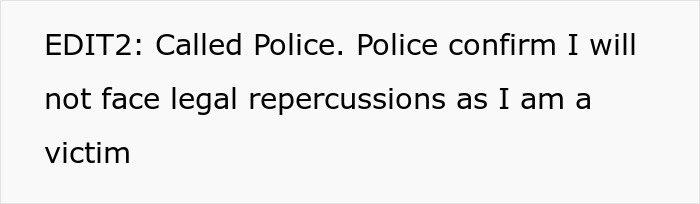
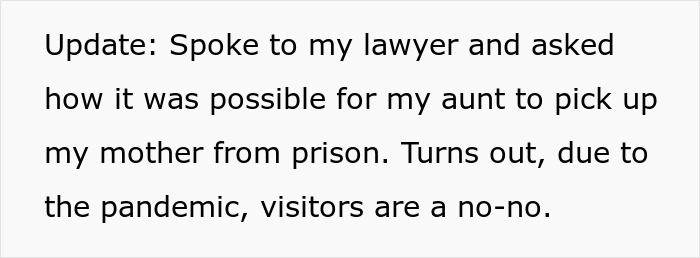
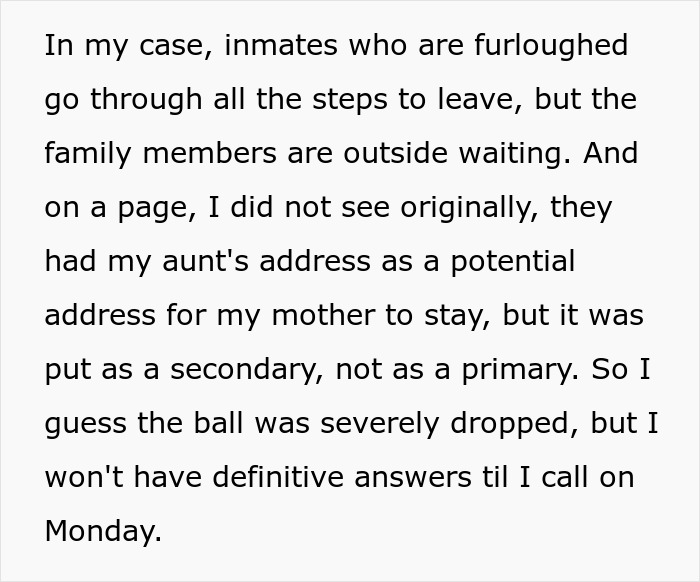
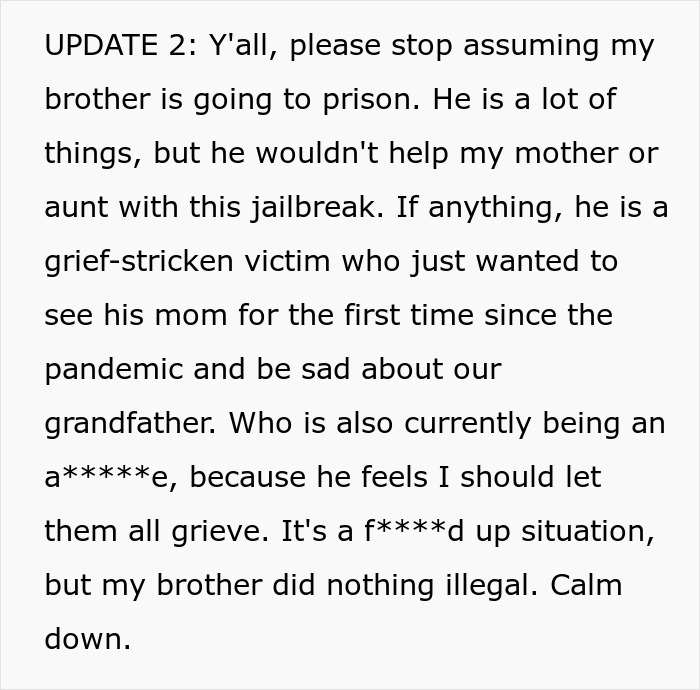
An interesting study published in the Journal of Criminal Justice examined how relationship dynamics affect a bystander’s willingness to report wrongdoing to police. Relational closeness to the perpetrator was the single most significant social factor that decreased willingness to contact law enforcement. People were highly likely to report a stranger, moderately likely to report a friend, and least likely of all to report a family member for the exact same crime.
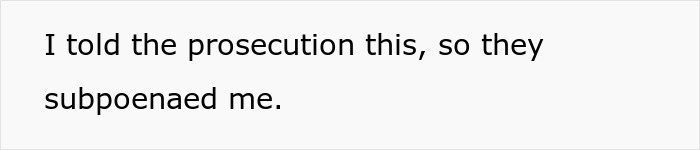
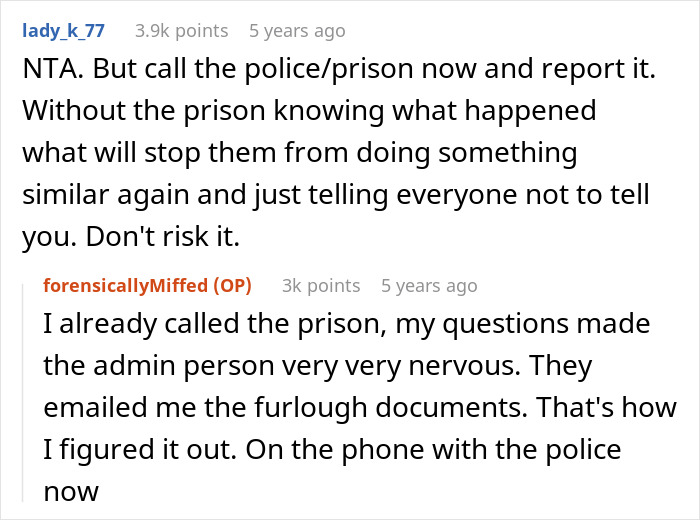
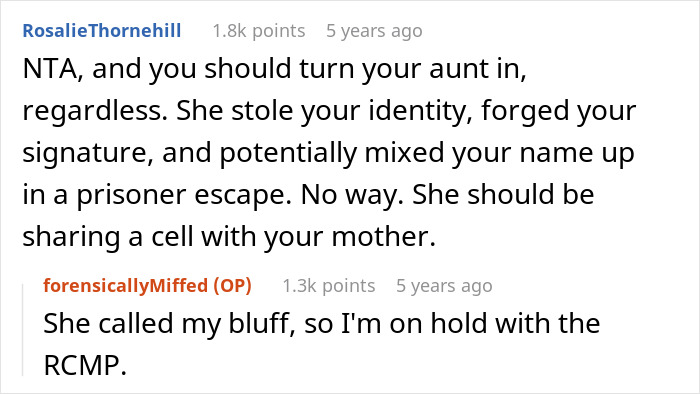
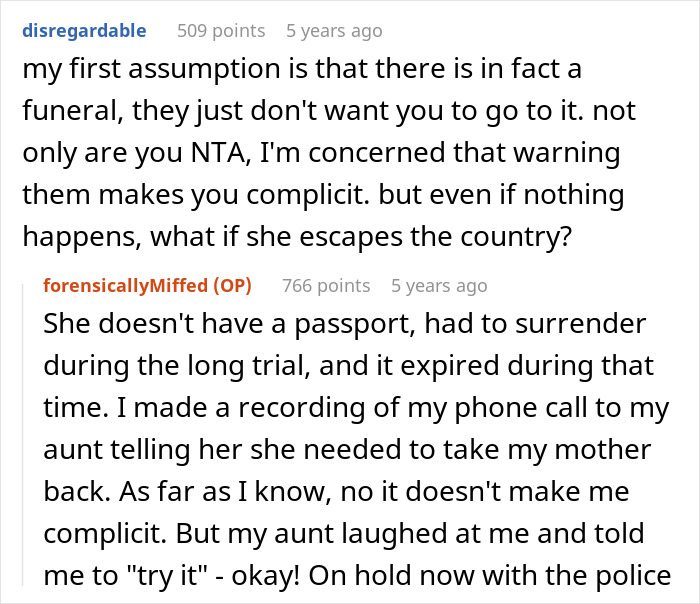
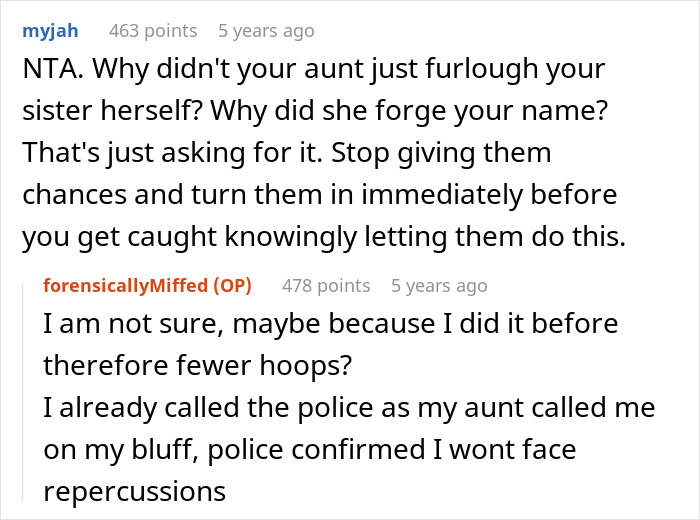
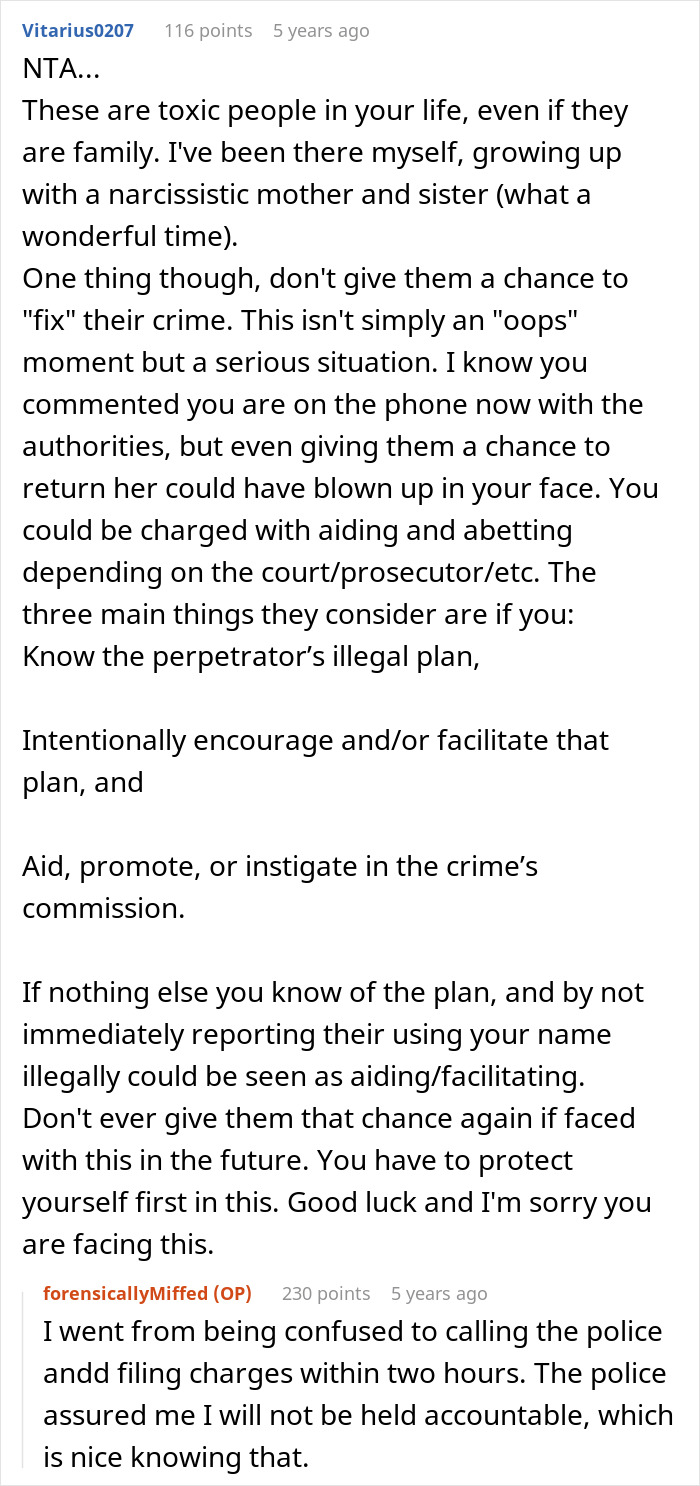
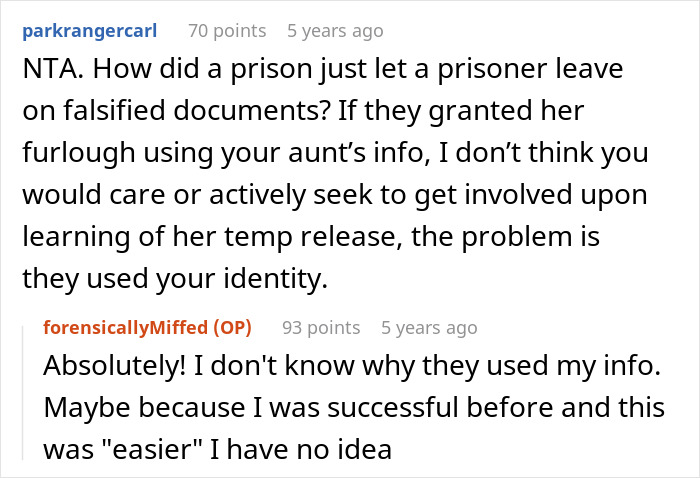
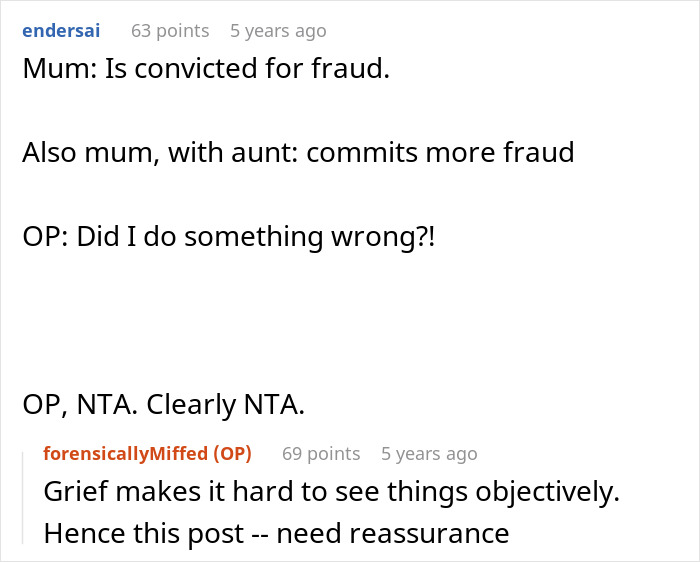
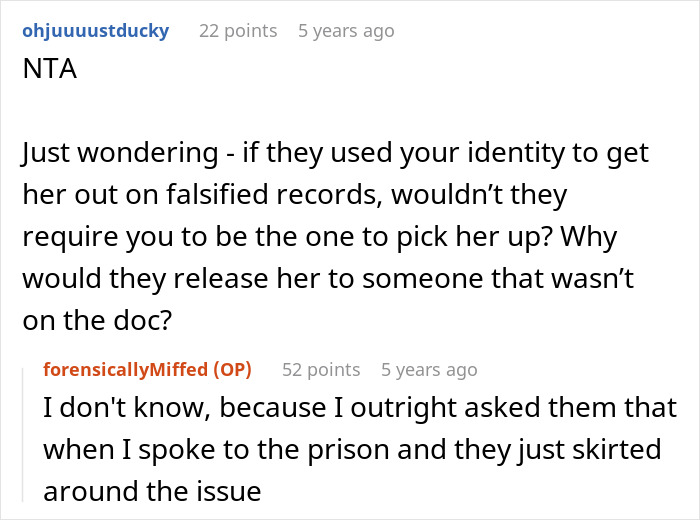
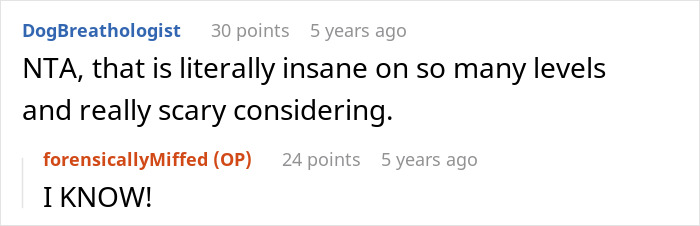
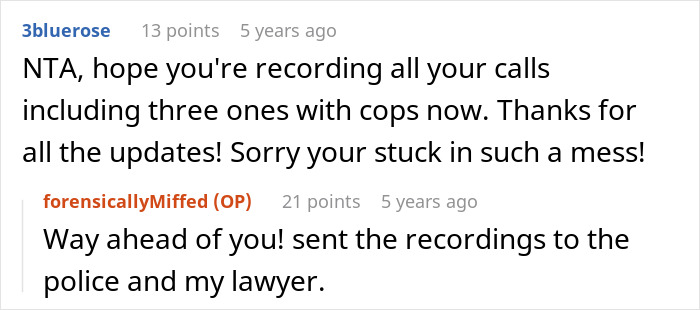
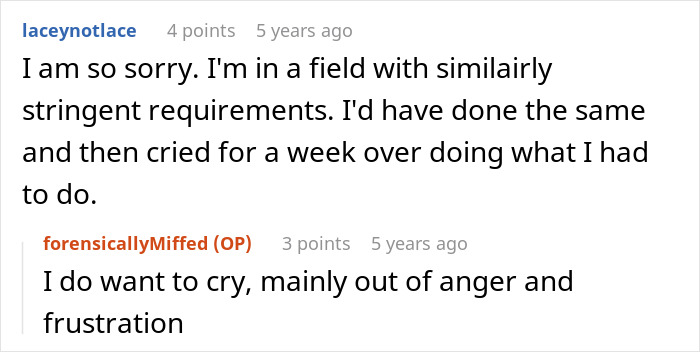
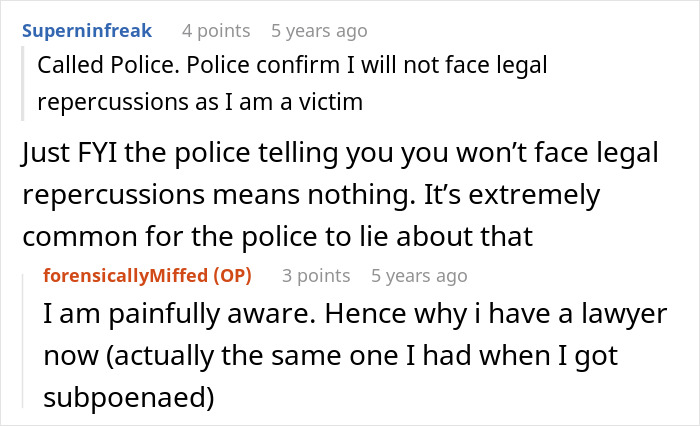
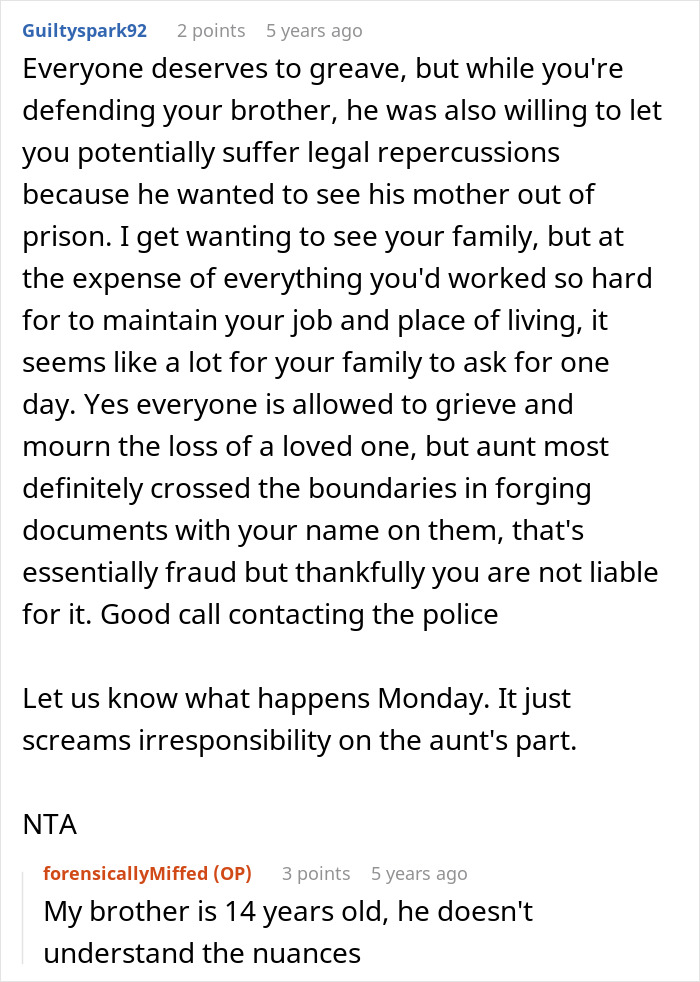
The person in this story reported their own mother to federal authorities, then had to report their aunt for forging their signature, all while being called an insensitive jerk by the people who committed the crimes. The research suggests this level of reporting against family is genuinely rare and psychologically costly, which makes the casual family outrage even harder to stomach.
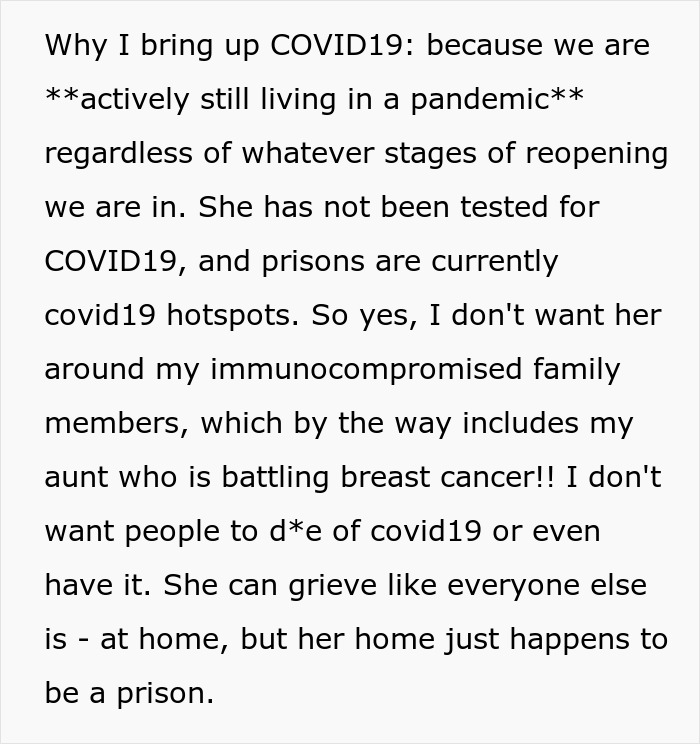
The COVID concern was not paranoia or an excuse either. At the height of the pandemic, US prisons and jails recorded more than half a million infections, with cumulative incarcerated cases exceeding 626,000 by late 2022. Prison mortality rates shot up by 50% during that period.
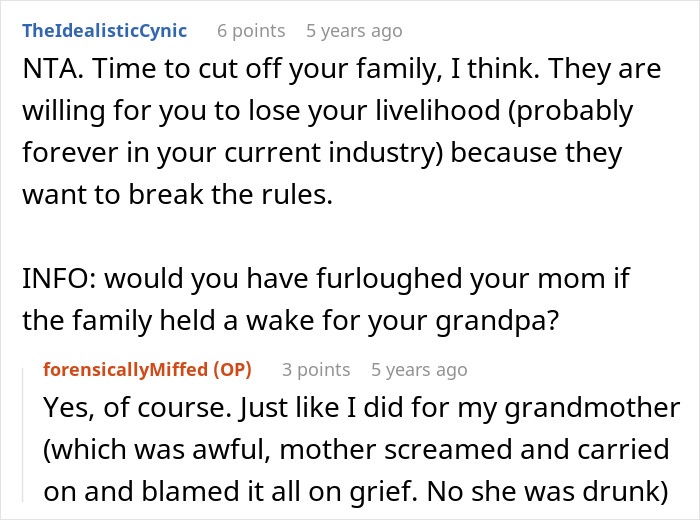
Releasing an untested prisoner into a household that included someone actively battling breast cancer was reckless. And the fact that the family dismissed it entirely says a great deal about whose wellbeing was actually being prioritised in that decision.
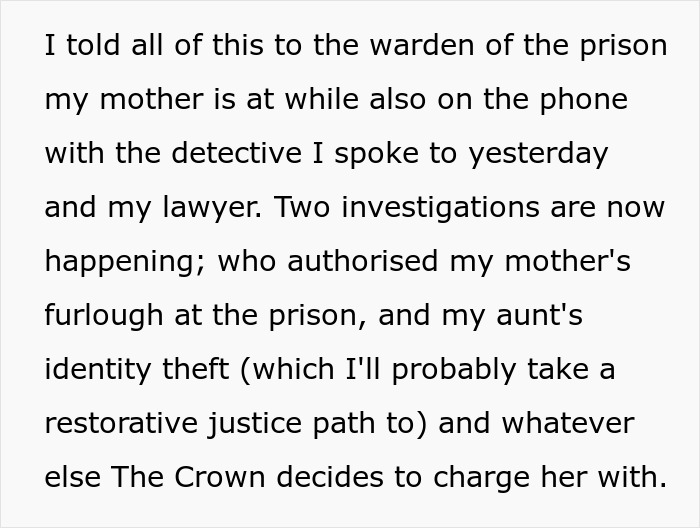
The narrator mentioned considering a restorative justice path for the aunt, which is very generous if you understand what it means. Restorative justice is an approach to conflict and wrongdoing that focuses on repairing the harm caused rather than purely on punishment. It typically involves the offender taking accountability, making amends to the person harmed, and working toward a resolution that addresses the impact of the crime rather than simply processing it through the courts.
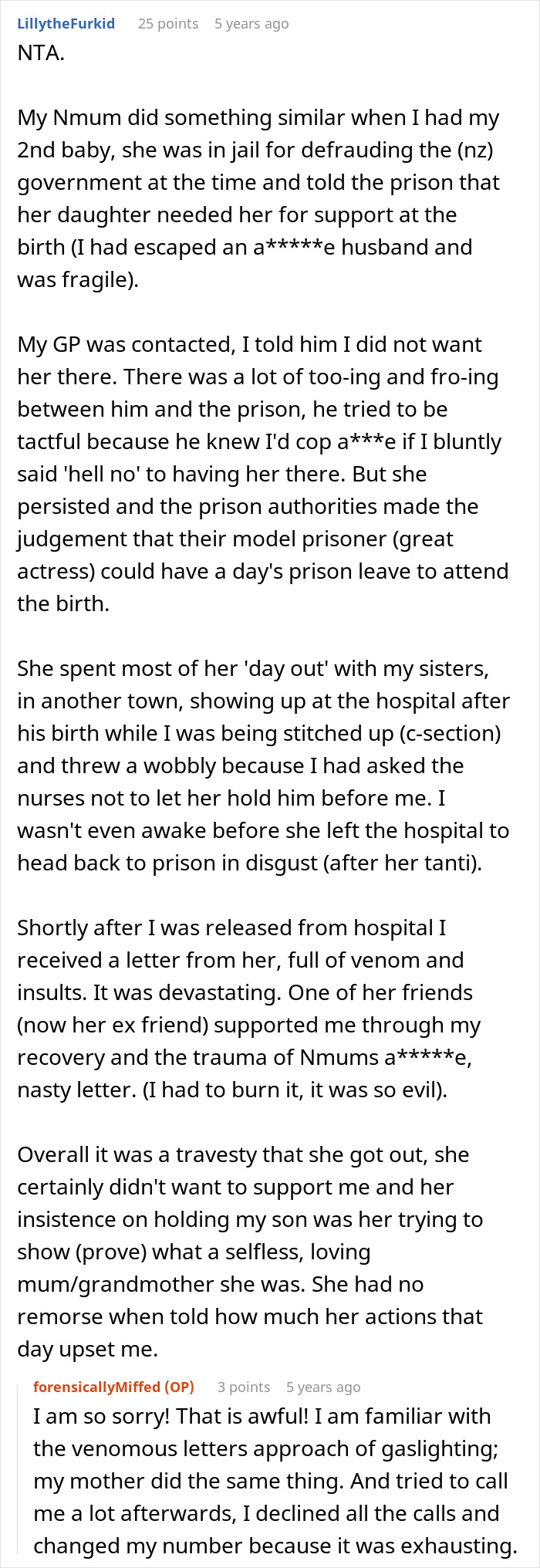
It is a very generous option to extend to someone who forged your signature on government documents during a pandemic. That kind of response speaks volumes about the kind of person the narrator is. Adding to that, the fact that this narrator has been wronged by this family in several ways over their lifetime, it is a miracle they are even in contact with them at all.
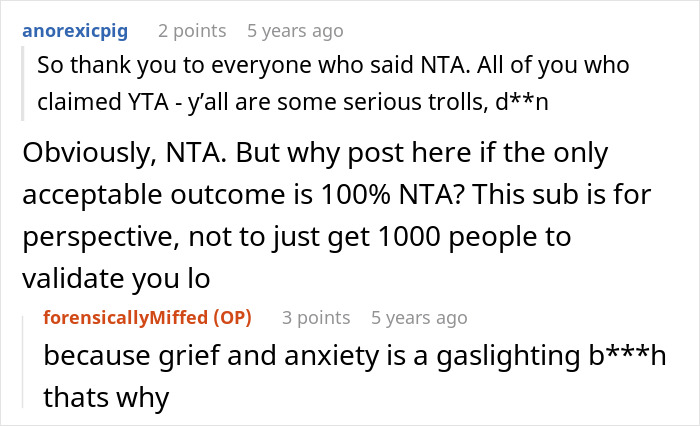
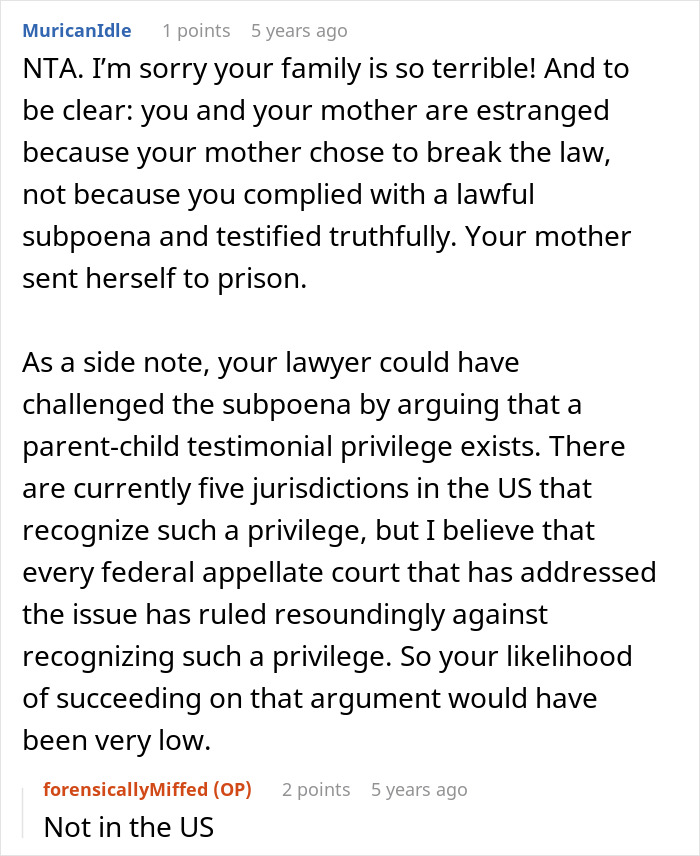
Do you think the narrator was wrong for reporting them to the police? Share your thoughts below!

By entering your email and clicking Subscribe, you're agreeing to let us send you customized marketing messages about us and our advertising partners. You are also agreeing to our Privacy Policy.
Thank you! You've successfully subscribed to newsletters!


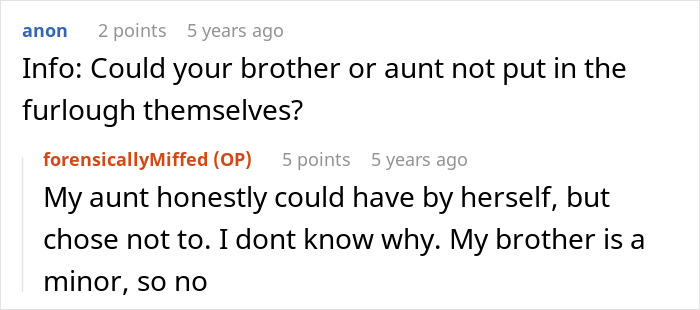
Makes no sense. It seems OP is the only one who can get a furlough for the imprisoned person, although they are not "related" (mom gave up OP for adoption and had no parental right); and no "real" relative can apply for the furlough (sister, other children of mom's).?
Makes no sense. It seems OP is the only one who can get a furlough for the imprisoned person, although they are not "related" (mom gave up OP for adoption and had no parental right); and no "real" relative can apply for the furlough (sister, other children of mom's).?

























 No fees, cancel anytime









31
1