Get Premium
Dark mode theme is available exclusively for premium users. Learn more about the benefits of subscribing.
No fees, cancel anytime.

 Dark Mode Ad-Free Browsing Unlimited Content
 Ad-Free Browsing Unlimited Content Dark Mode
Join 1.2 million Panda readers who get the best art, memes, and fun stories every week!
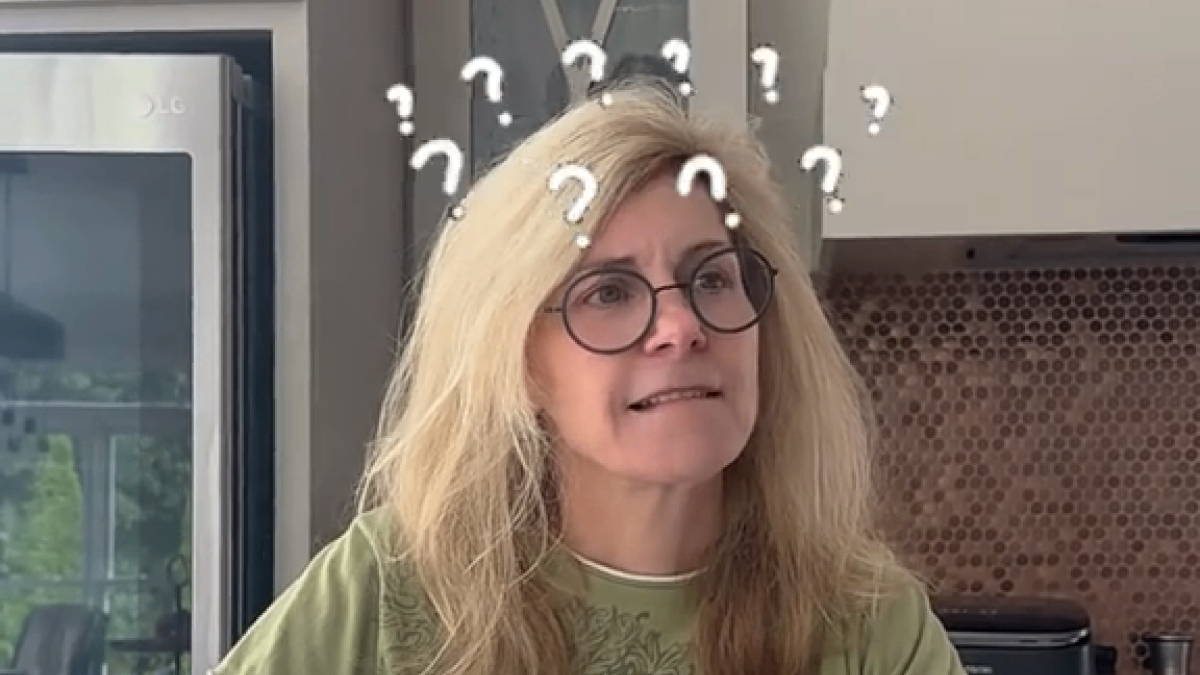
Many of the bleakest moments in American history revolve around inequality. And while there have been incredible wins for civil rights along the way, the country still has a lot of work to do. Systemic racism continues to create significant obstacles for people of color in the United States, but it’s easy for white Americans not to notice the impacts that it has.
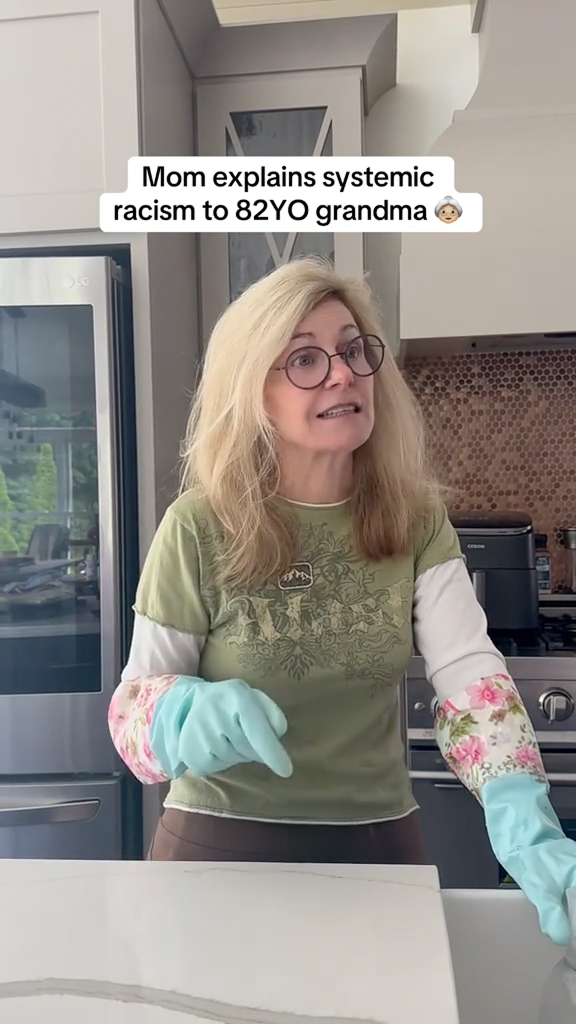
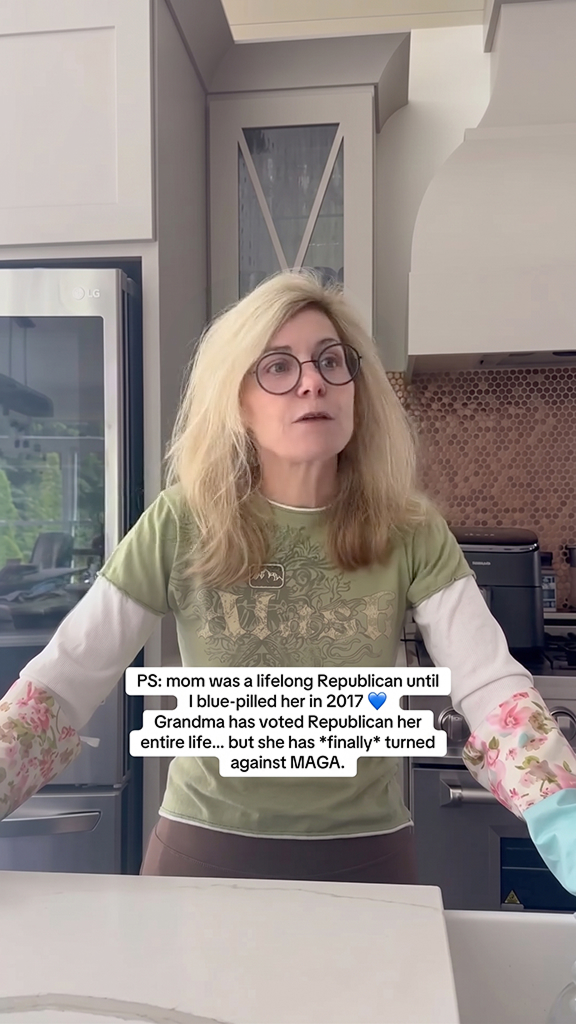
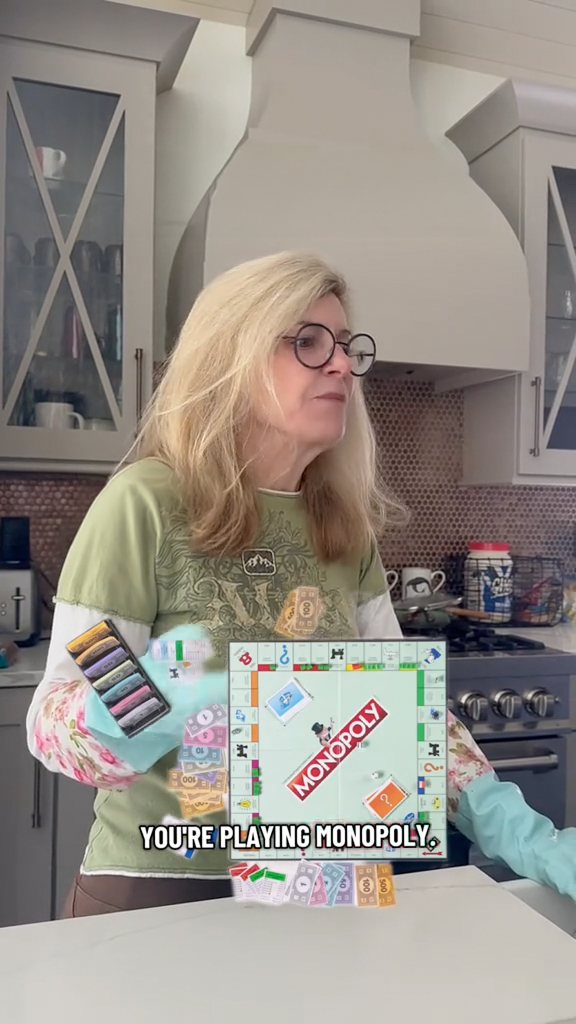
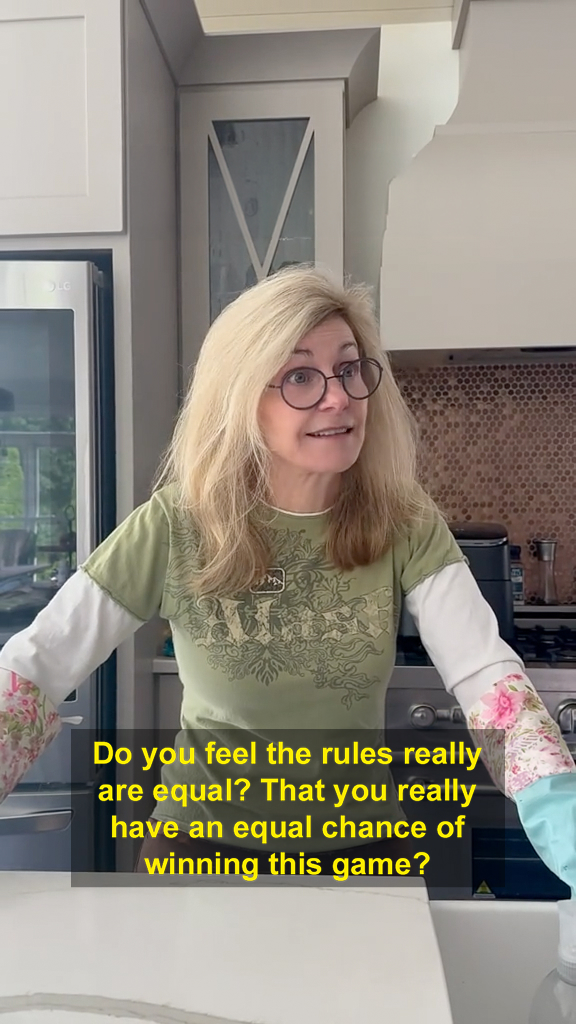
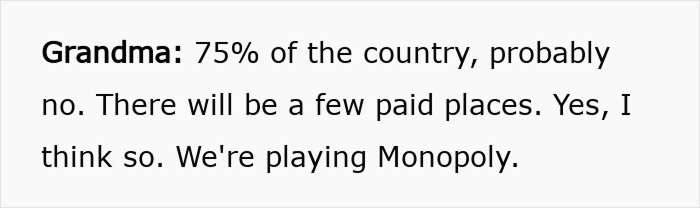
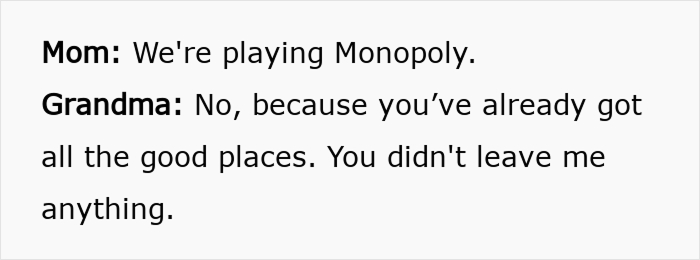
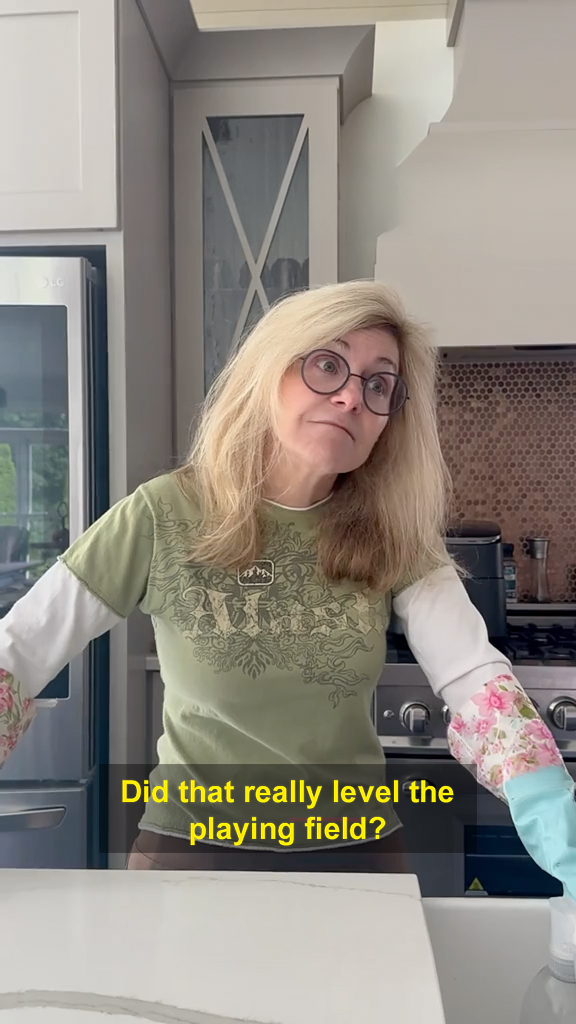
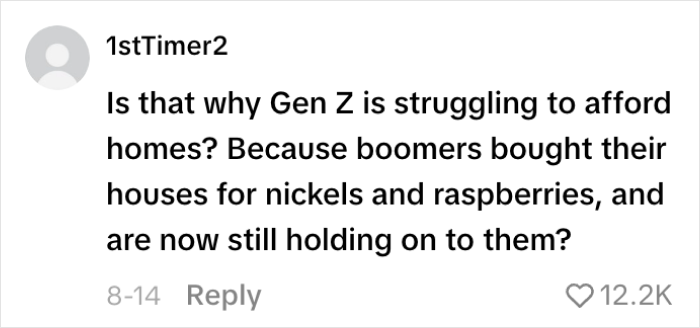
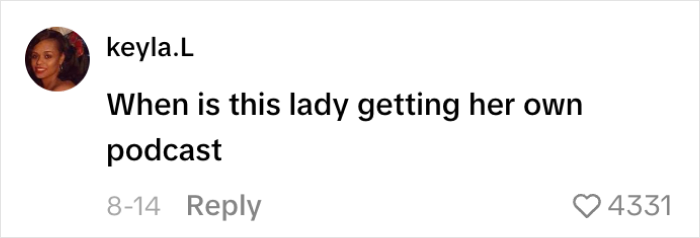
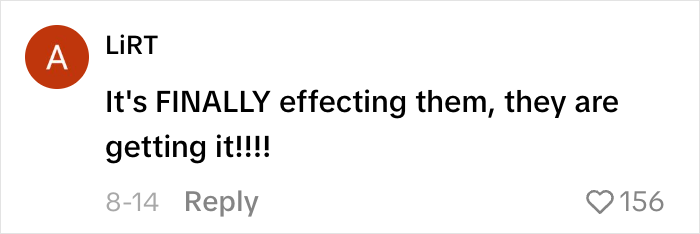
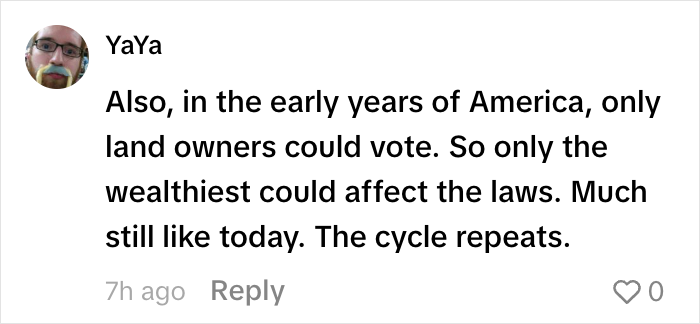
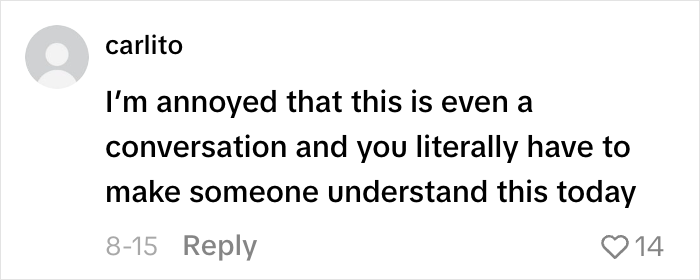
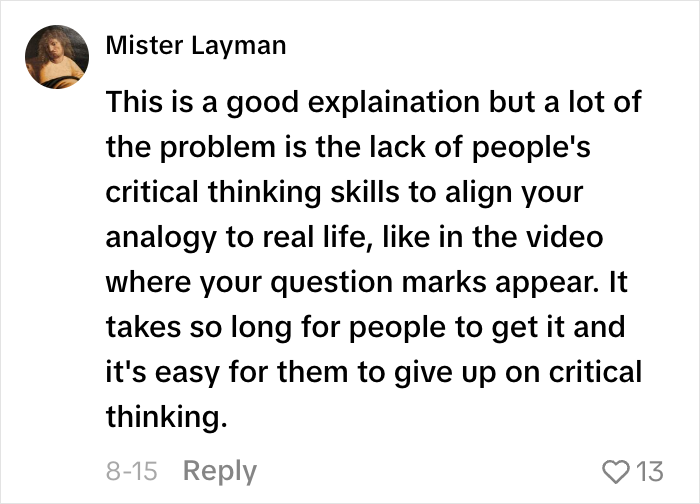
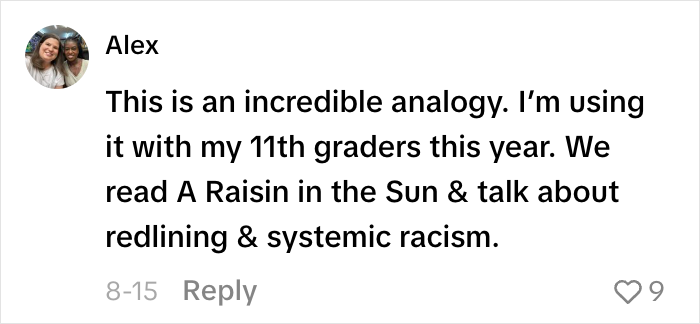
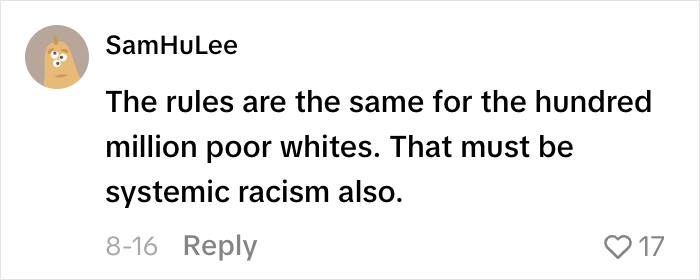
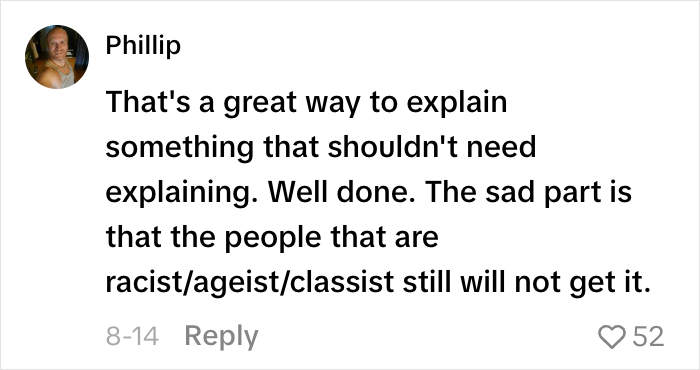
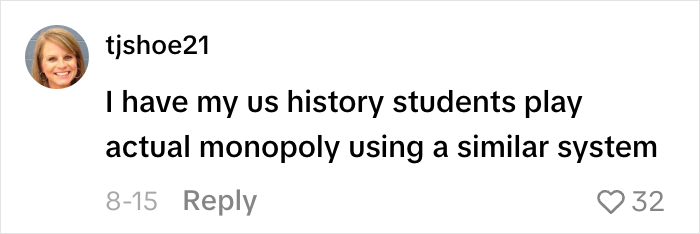
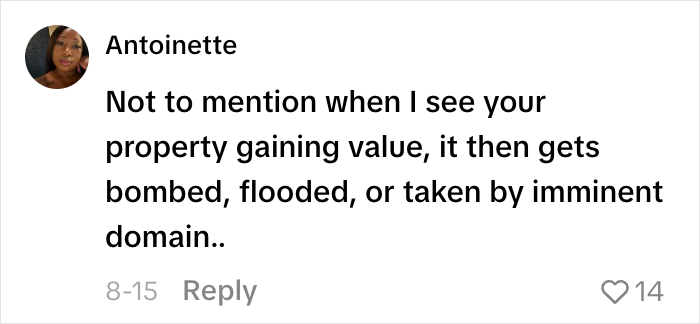
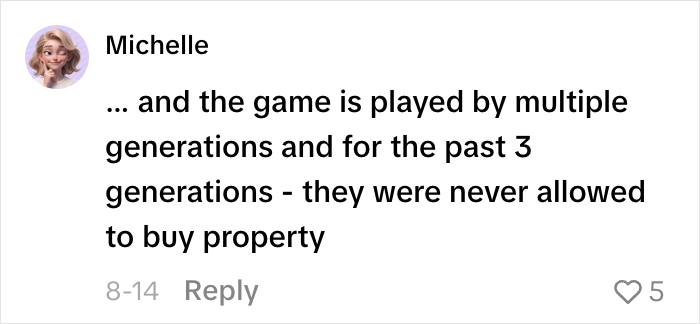
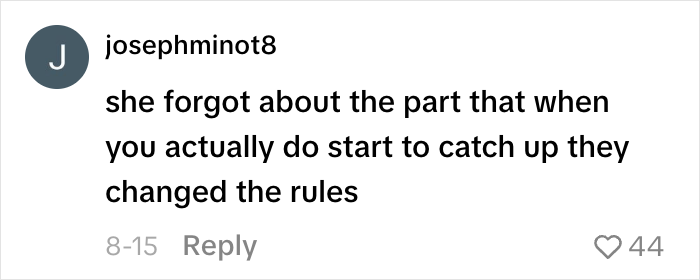
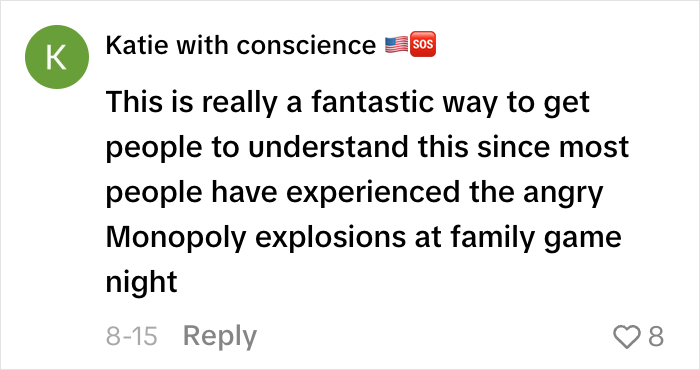
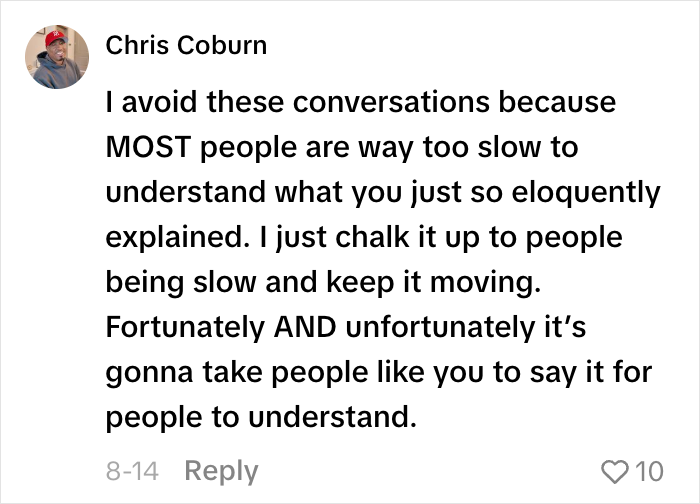
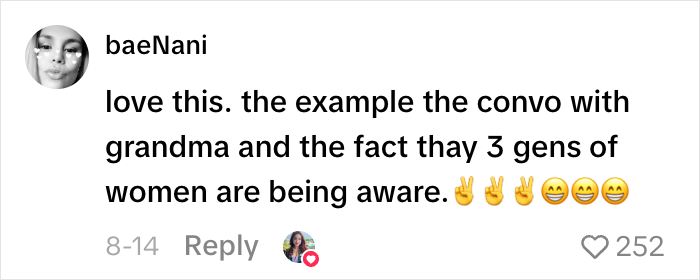
So one woman came up with a brilliant analogy to help explain this concept to her mother, and her message quickly went viral after being posted on TikTok. Below, you’ll find the full explanation, as well as some of the replies fascinated viewers shared.
@stilleaworkinprogress It was brought to our attention that @Kimberly Latrice said this before (and better!) Please see her vid for an even more passionate, first-hand take on this Monopoly analogy 🔥✊🏽Communication across generations 💙 Systemic racism isn’t about you as an individual being racist. Mom teaches grandma: It’s about centuries of economic and social oppression. It’s about how inequality is baked into our government and laws. What is systemic racism? How is it still affecting Black and Brown people? 🫱🏼🫲🏾 And what can we do to truly level the playing field? #finance#economics#History#socialjustice#creatorsearchinsights♬ original sound – redhead blue heart 💙
Despite the fact that slavery was abolished in 1865, and the Civil Rights Act was signed in 1964, the United States is still far from free of racism.
A 2026 survey from the Pew Research Center found that 10% of Americans consider racial diversity bad for the country. And 19% of Republican and Republican leaning Americans believe that a racially and ethnically diverse population has had a negative impact on the country’s culture.
These bigoted views don’t only appear in the minds of individuals, though. Systemic racism has had its ugly claws in the country for centuries, and we’re still working on dismantling it today.
According to research published in HealthAffairs, “systemic and structural racism are forms of racism that are pervasively and deeply embedded in systems, laws, written or unwritten policies, and entrenched practices and beliefs that produce, condone, and perpetuate widespread unfair treatment and oppression of people of color, with adverse health consequences.”
Examples of this include residential segregation, unfair lending practices, barriers to home ownership and accumulating wealth, the dependence that schools have on local property taxes, environmental injustice, biased policies and sentencing of people of color, and voter suppression policies.
The National Urban League’s 2022 report on the State of Black America found that the median household income for Black Americans is 37% less than that of white Americans.
Meanwhile, Black couples are more than twice as likely as white couples to be denied a mortgage or home improvement loan. Because of this, Black Americans have only 59% of the median home equity of white households and only 13% of the wealth.
This systemic racism bleeds into all aspects of life. Black women are 59% more likely to lose their lives in or due to childbirth than white women in the US. And Black men are 52% more likely to lose their lives to prostate cancer than their white peers.
When it comes to encounters with law enforcement, Black Americans are more than twice as likely as white people to experience threats or use of force. They are also three times more likely to be jailed if arrested and 93% more likely to be the victims of a hate crime.
Unfortunately, the impacts of systemic racism start at a very young age. PBS explains that classrooms with more minority students are more likely to be led by inexperienced or even uncertified educators.
Fewer of these students will have the opportunity to take STEM classes that could lead to a higher-paying job in the future. Black students are also less likely to graduate from college.
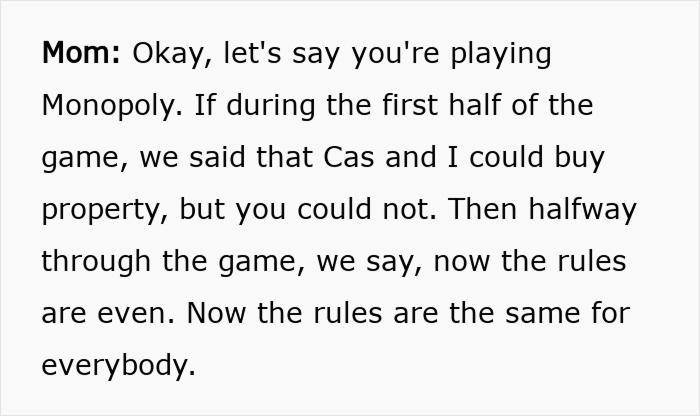
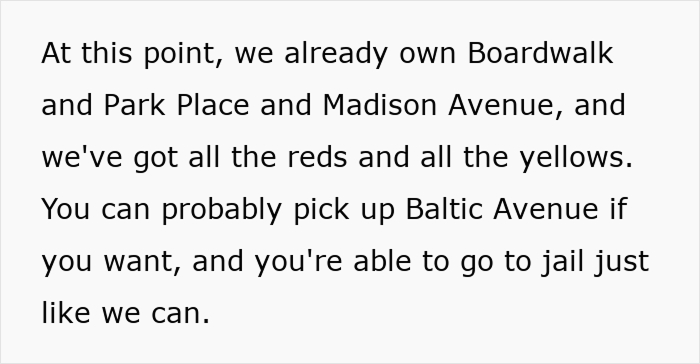
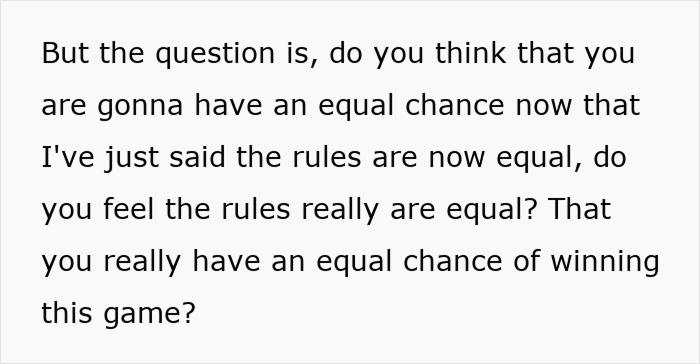
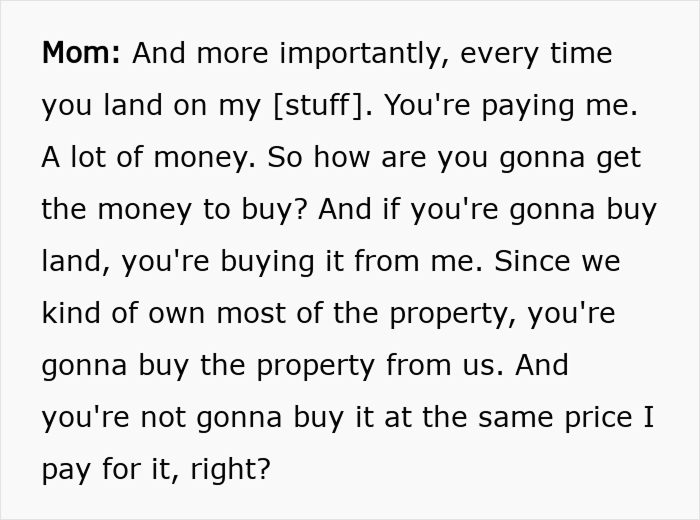
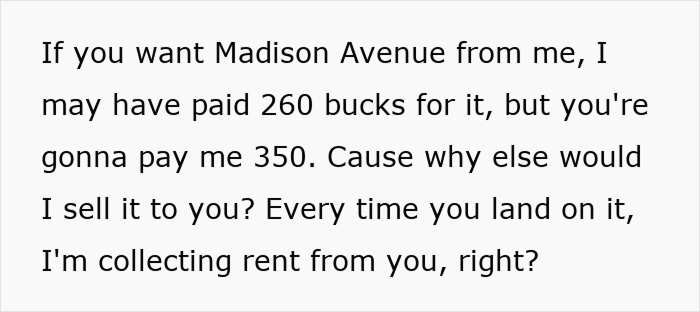
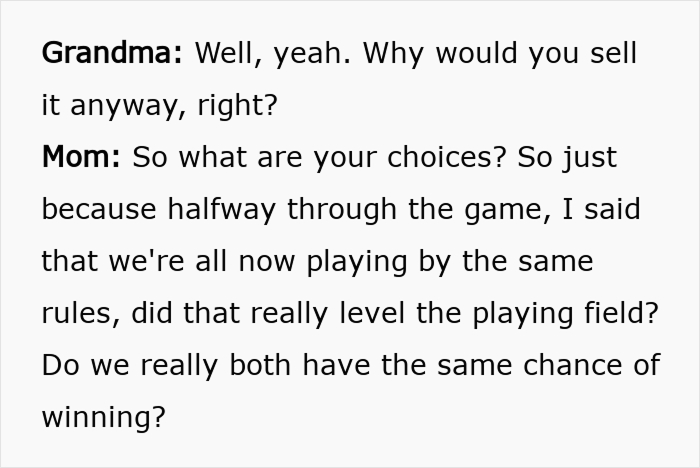
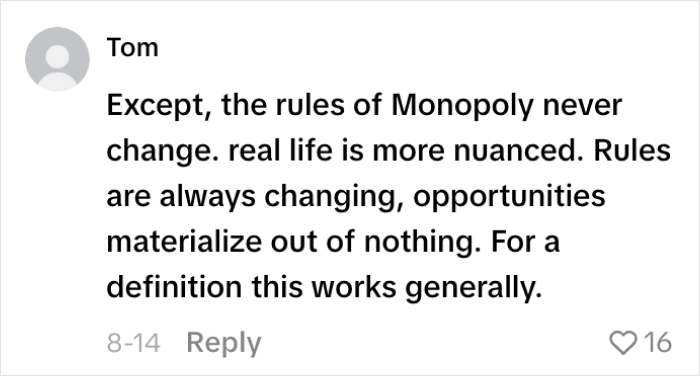
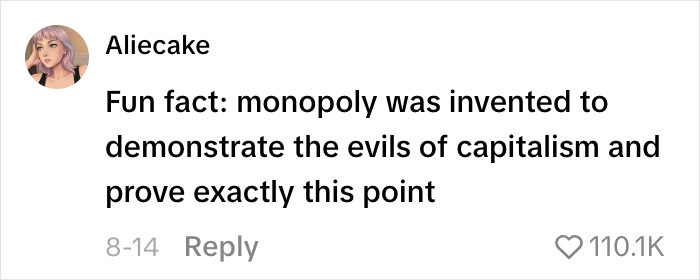
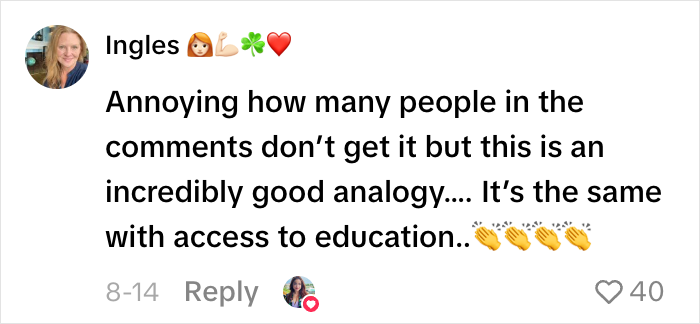
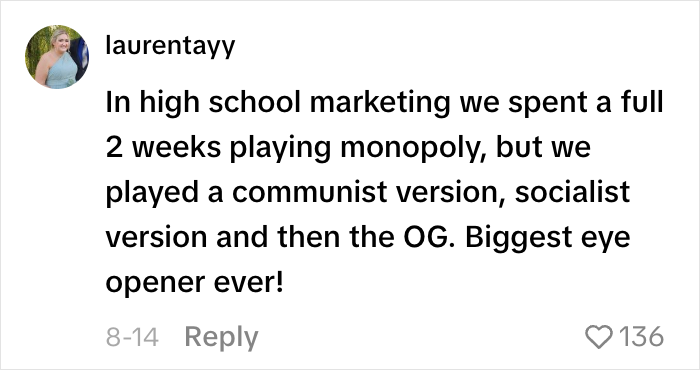
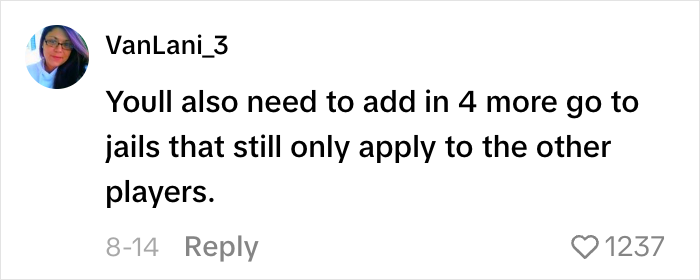
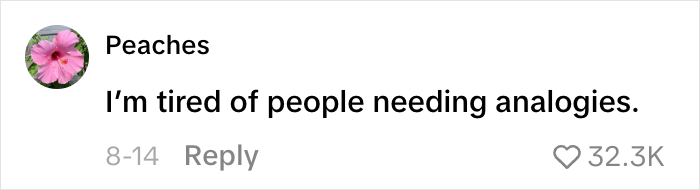
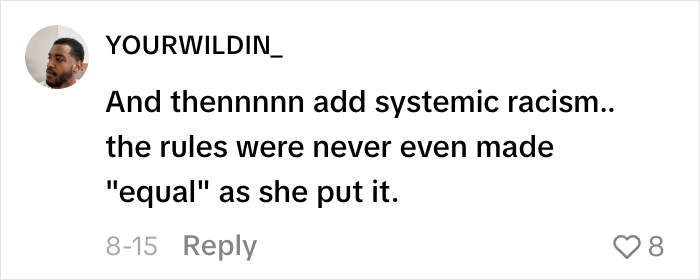
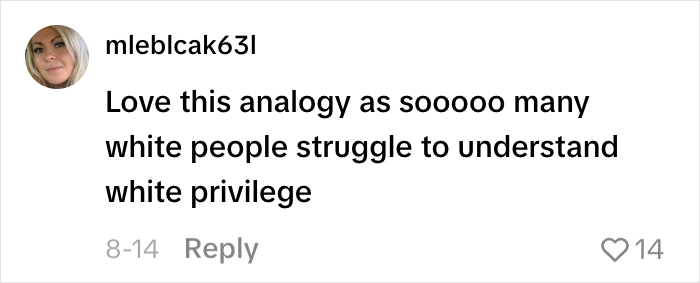
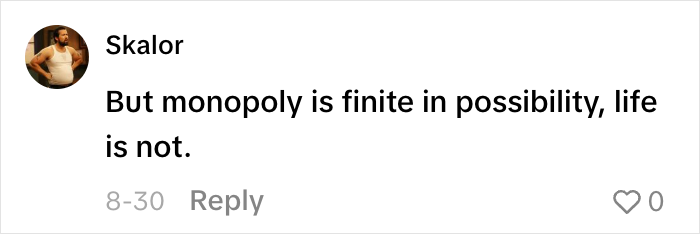
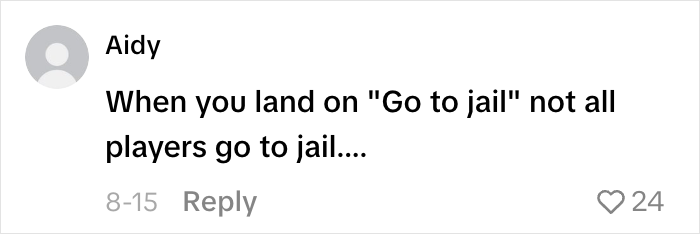
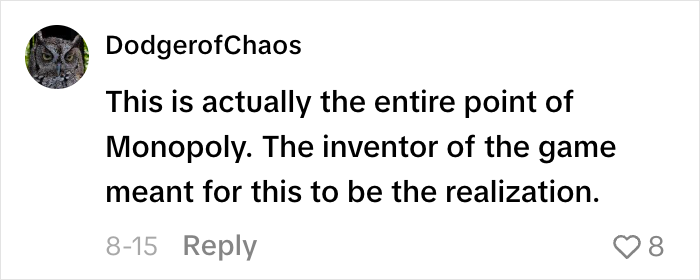
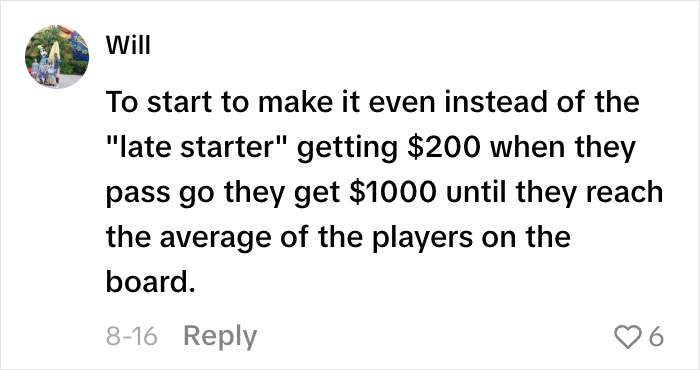
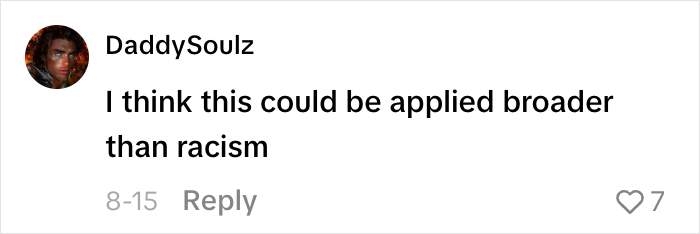
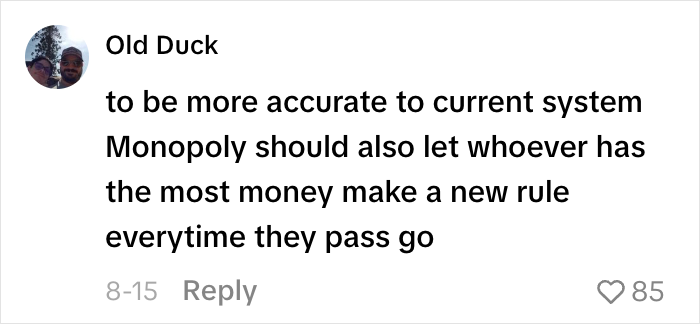
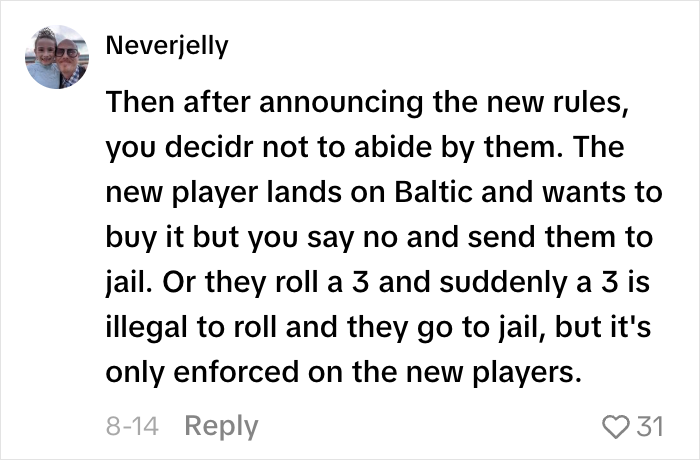
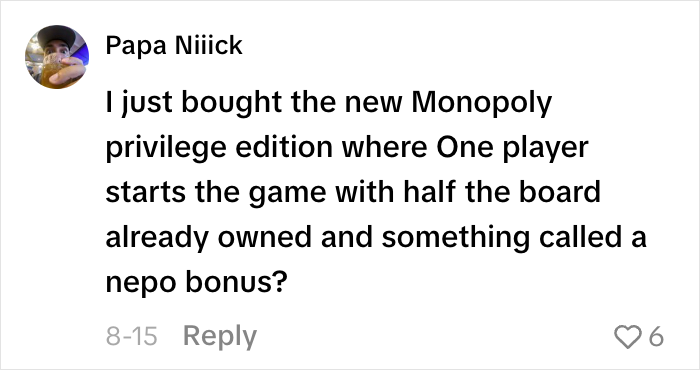
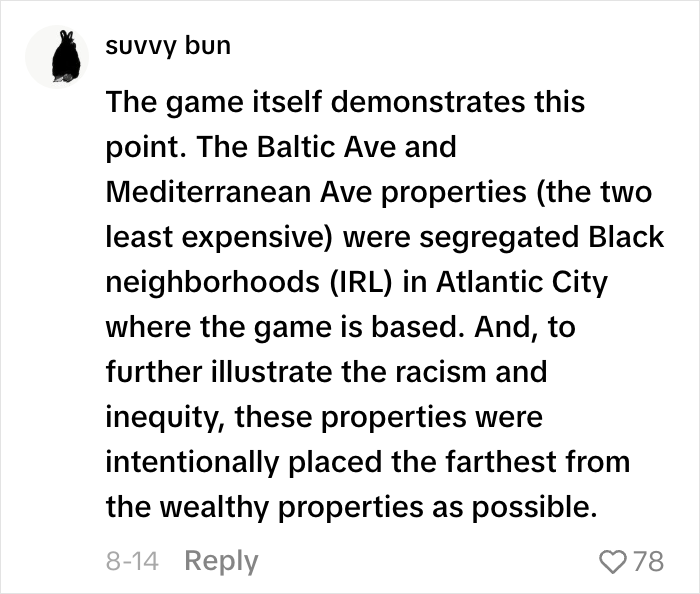
The monopoly analogy perfectly explains why Black Americans are still trying to “catch up,” even after decades of supposedly having “equal rights.”
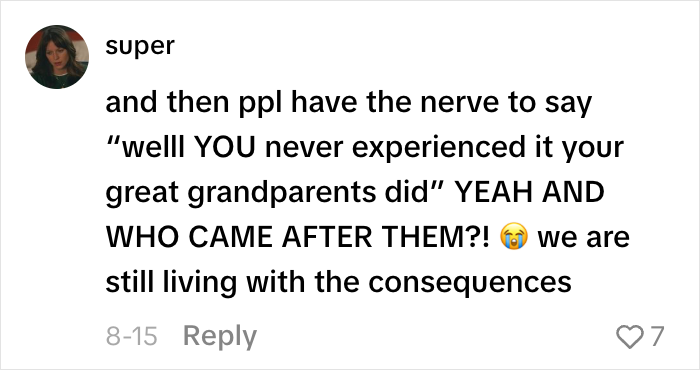
If a white person’s great-great-grandparents owned property, that wealth has helped future generations up until today. On the flip side, if a Black American’s great-great-grandparents were slaves, they had to overcome immeasurable obstacles to be able to accumulate wealth up until today.
We would love to hear your thoughts on this analogy in the comments below, pandas. Would you use the same strategy to explain systemic racism to someone in your life? Then, if you’re interested in checking out another article from Bored Panda discussing similar issues, look no further than right here.
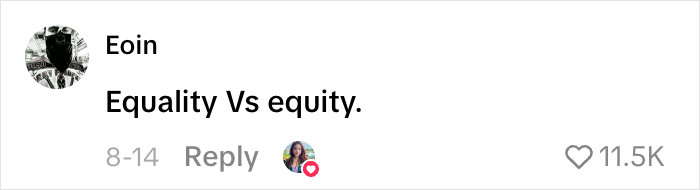
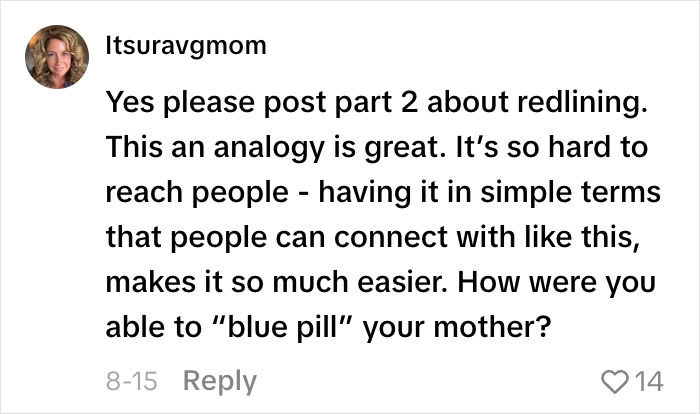
@stilleaworkinprogress What is redlining? Mom explains to grandma. This is why “equality” =/= equity. Banks refused to lend to black and brown people, which has resulted in a lack of generational wealth over hundreds of years. This is true trickle down economics— trickle down poverty. #finance#education#creatorsearchinsights♬ original sound – redhead blue heart 💙

By entering your email and clicking Subscribe, you're agreeing to let us send you customized marketing messages about us and our advertising partners. You are also agreeing to our Privacy Policy.
Thank you! You've successfully subscribed to newsletters!


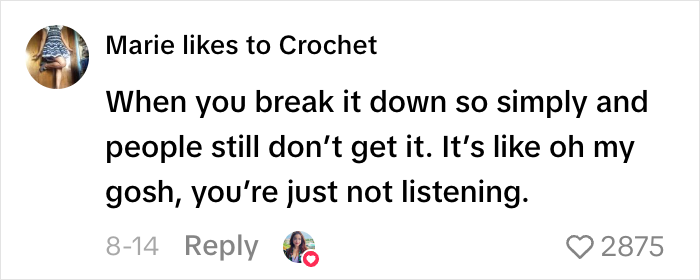
I could use this exact explanation with my mother, who (ironically) is also 82 years old and a Trump-boot-licking cultist. She would just say "No, that's not how it is!" in complete denial. A bigot has to actually be open-minded enough to be willing to listen to and accept an explanation before you'll actually be able to show them the truth and change their minds and their viewpoints. Some of them, like my mother, will just go "la la la I'm not listening!" because they don't even want to consider the possibility that they're wrong in any way.
I could use this exact explanation with my mother, who (ironically) is also 82 years old and a Trump-boot-licking cultist. She would just say "No, that's not how it is!" in complete denial. A bigot has to actually be open-minded enough to be willing to listen to and accept an explanation before you'll actually be able to show them the truth and change their minds and their viewpoints. Some of them, like my mother, will just go "la la la I'm not listening!" because they don't even want to consider the possibility that they're wrong in any way.



















 No fees, cancel anytime















32
2