Get Premium
Dark mode theme is available exclusively for premium users. Learn more about the benefits of subscribing.
No fees, cancel anytime.

 Dark Mode Ad-Free Browsing Unlimited Content

 Ad-Free Browsing Unlimited Content Dark Mode

Join 1.2 million Panda readers who get the best art, memes, and fun stories every week!

Small companies often rely on a handful of people who know how everything works. One person keeps the computers running, another handles the phones, and someone else makes sure the business can still function when something breaks. It’s an efficient arrangement until office politics gets in the way, and the person responsible for keeping everything operational has to ask permission to do their job, while the people making decisions may not understand what’s at stake.
That tension lies at the heart of this workplace story. An experienced IT administrator found himself micromanaged by a new boss, undermined when his work was presented as someone else’s, and ignored when he tried to maintain the company’s systems.
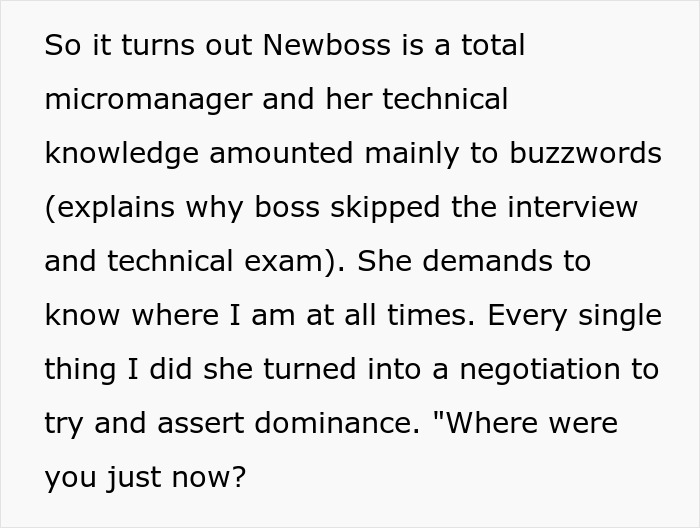
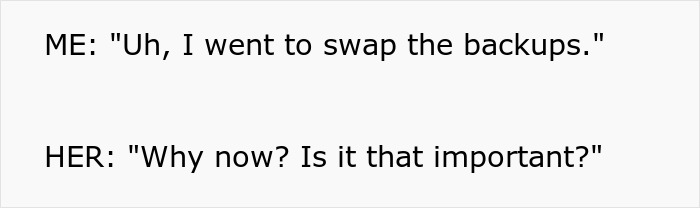
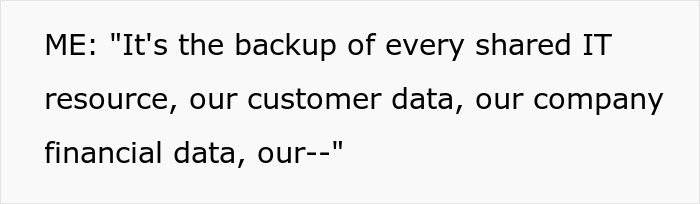
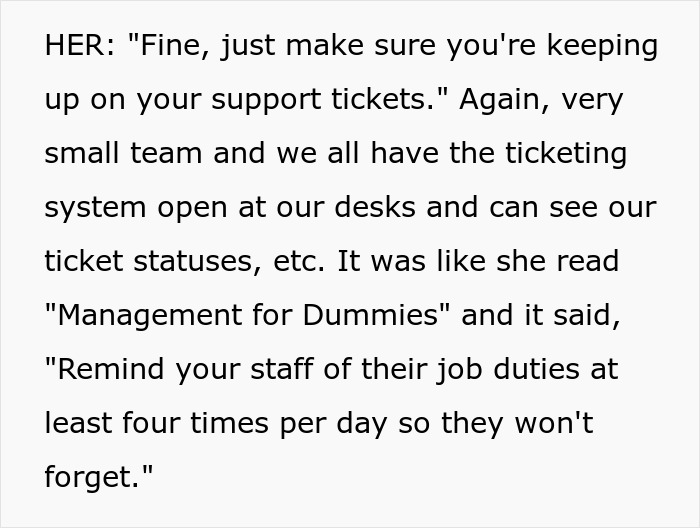
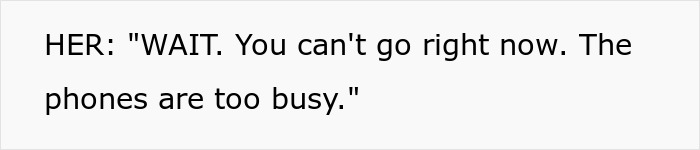
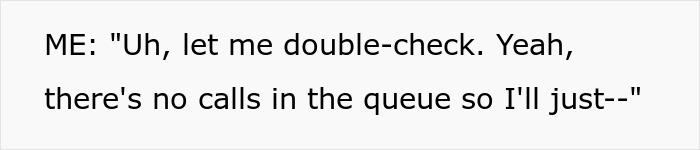
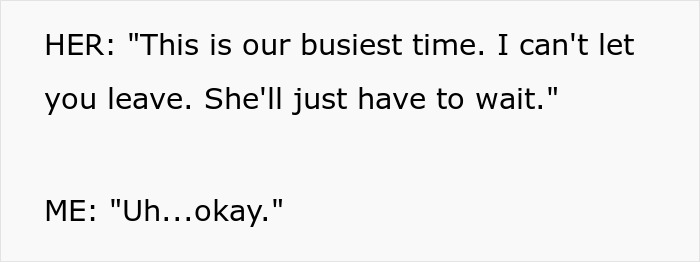
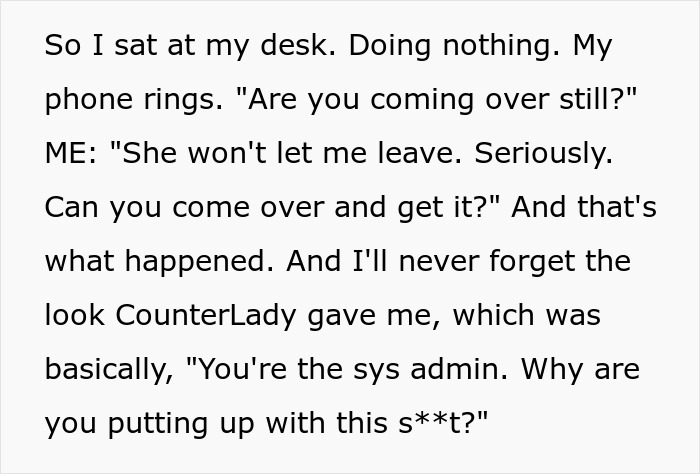
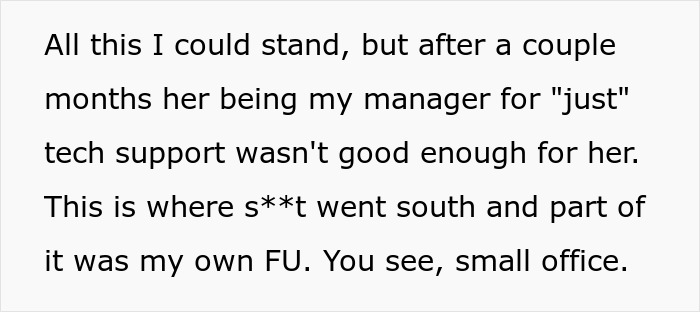
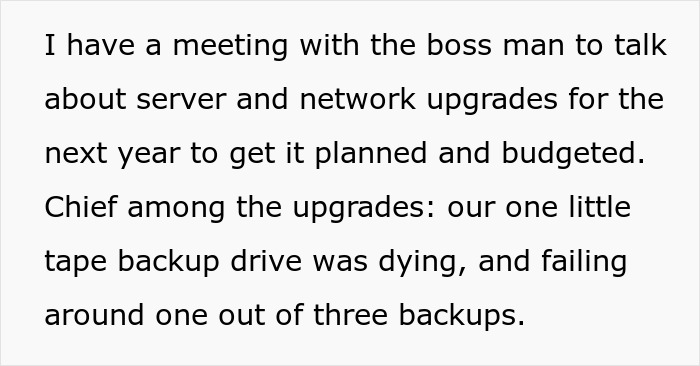
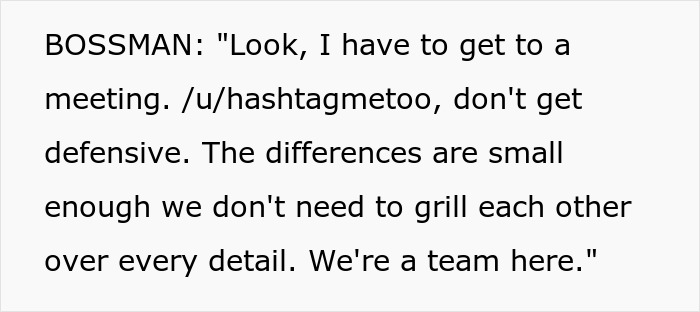
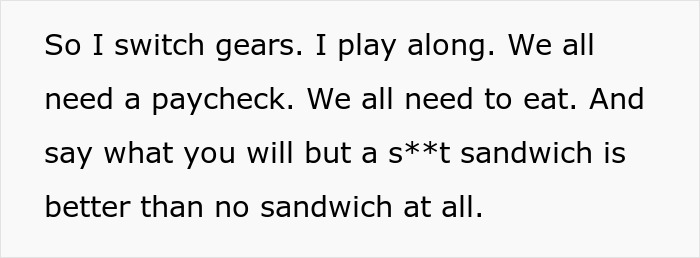
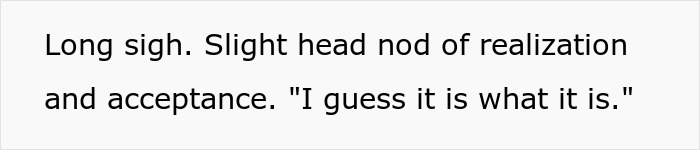
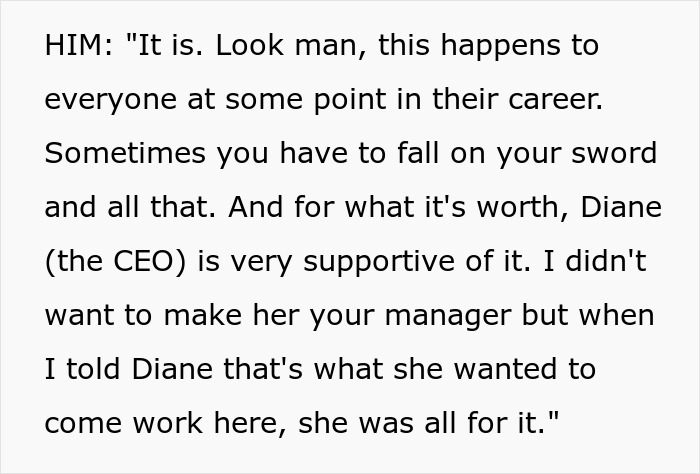
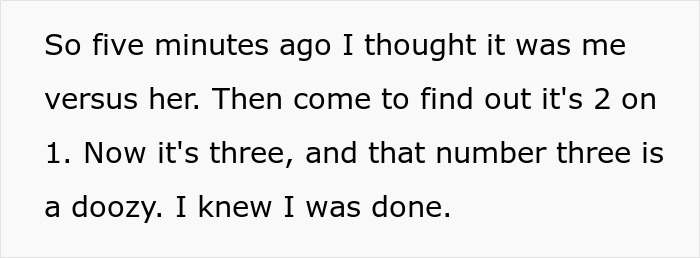
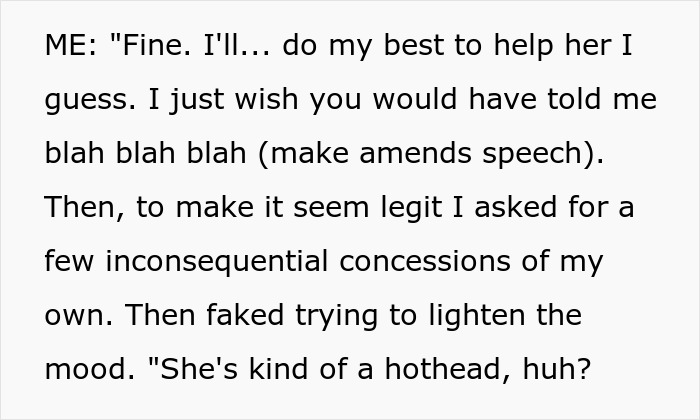
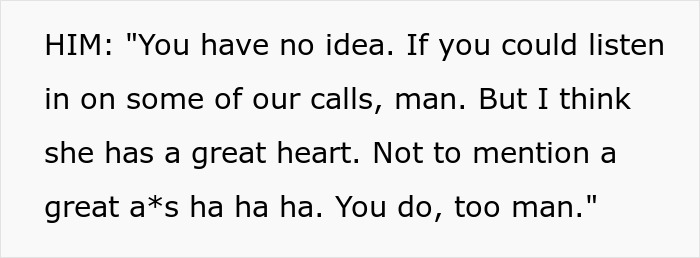
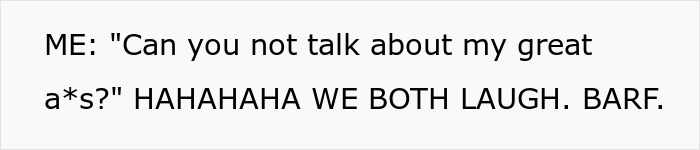
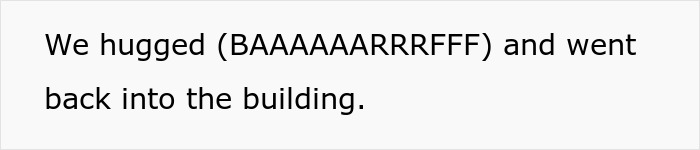
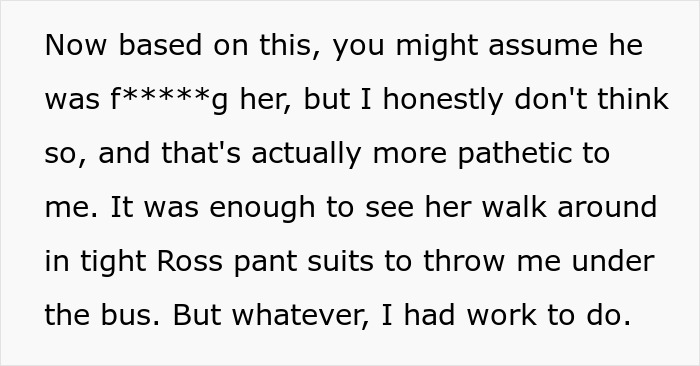
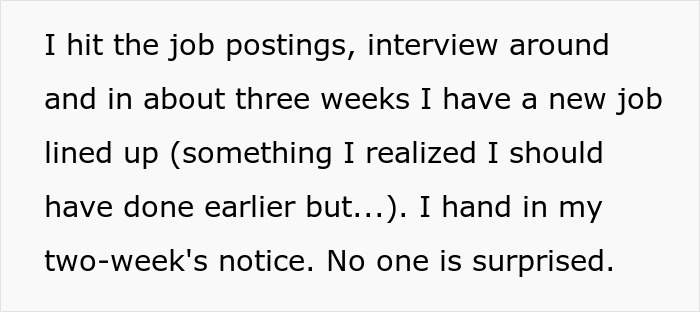
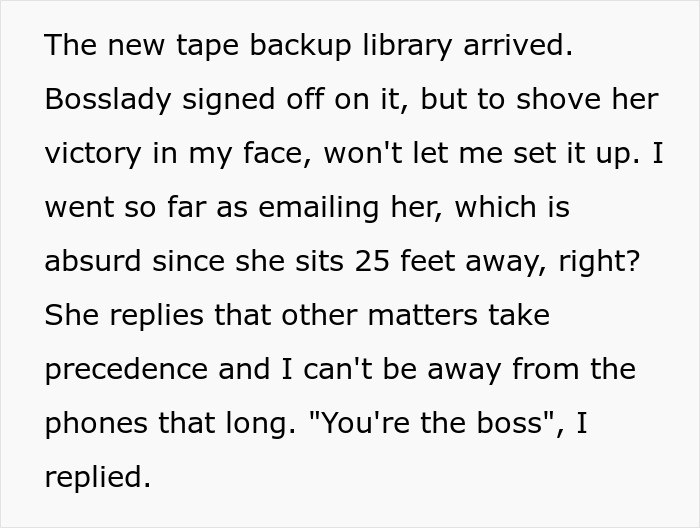

Micromanagement can be more than an everyday annoyance. Psychology Today highlights that a manager might fall into excessive oversight because of limited awareness, mistaken assumptions, or gaps in their management skills. However, constantly demanding updates may create the appearance of control without actually improving the quality of the work.
In the end, time that could have been spent fixing real problems is instead wasted on unnecessary permission-seeking. Workplace favoritism can make these problems even harder to resolve. HR Dive notes that workers may start to lose trust in management when decisions appear to depend on personal relationships rather than competence.
It linked perceived favoritism to lower job satisfaction, less loyalty, reduced motivation, greater emotional exhaustion, and stronger intentions to quit. Furthermore, employees may psychologically withdraw, contribute less discretionary effort, or even undermine colleagues, and over time this weakens trust, cohesion, and group performance.
Now, this is where psychological safety comes in. Researched extensively by Harvard Business School professor Amy Edmondson, it describes whether employees feel able to raise concerns, question decisions, and admit mistakes without fearing humiliation or punishment. More than that, it is that employees must feel safe enough at work and not feel as though their contributions are constantly dismissed or undermined.
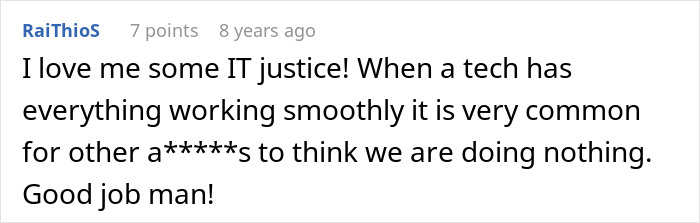
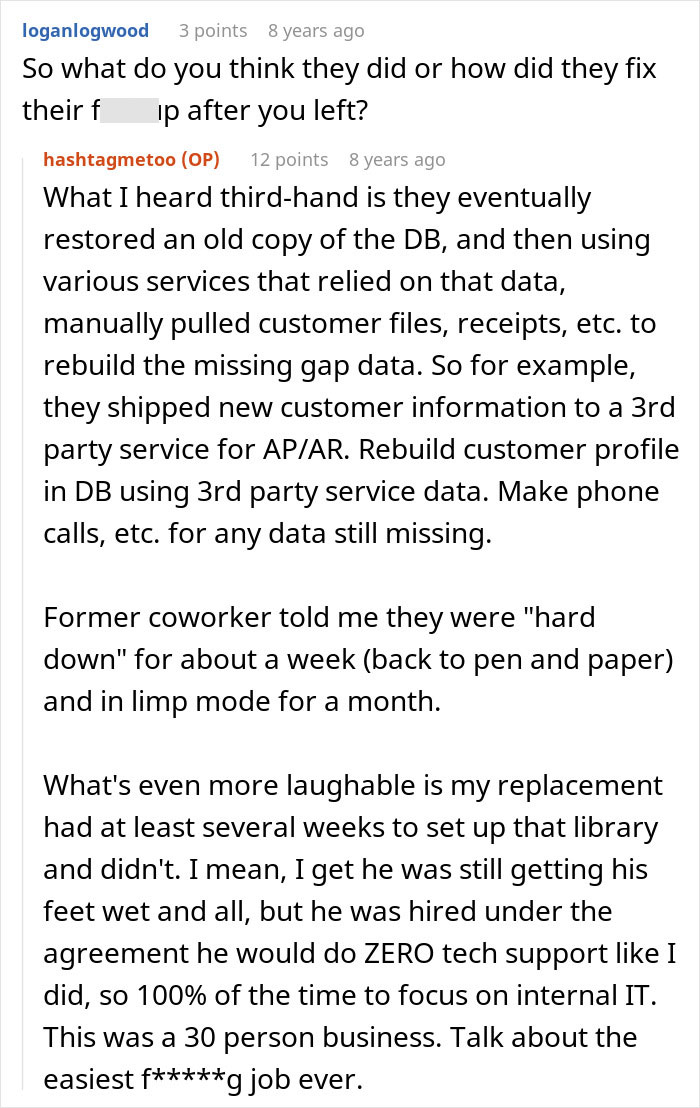
The technical problem at the center of the story was far more serious than a disagreement between coworkers. Rubrik explains that hardware failure, accidental deletion, and intentional destruction can all lead to damaging data loss. They state that backups must be planned, maintained, and tested so organizations can actually restore their information when something goes wrong.
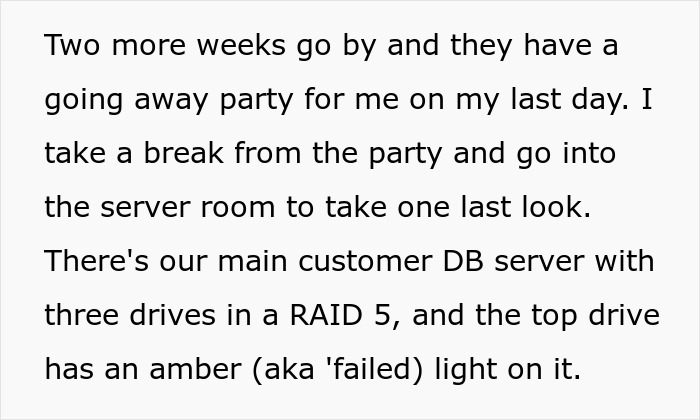
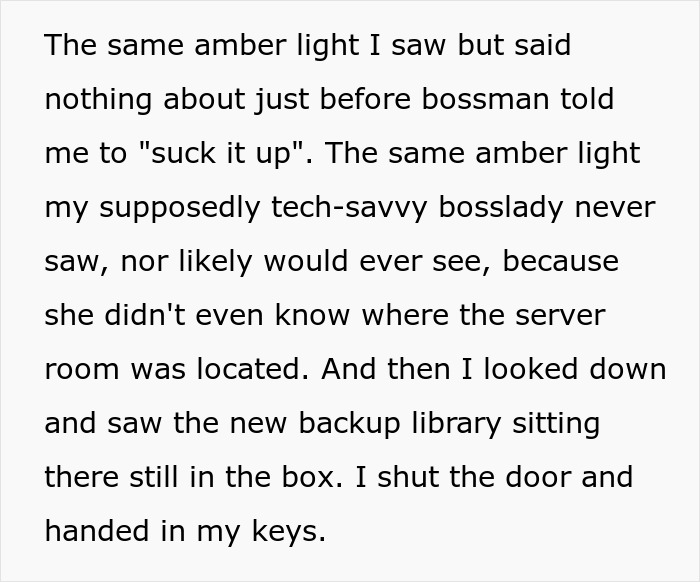
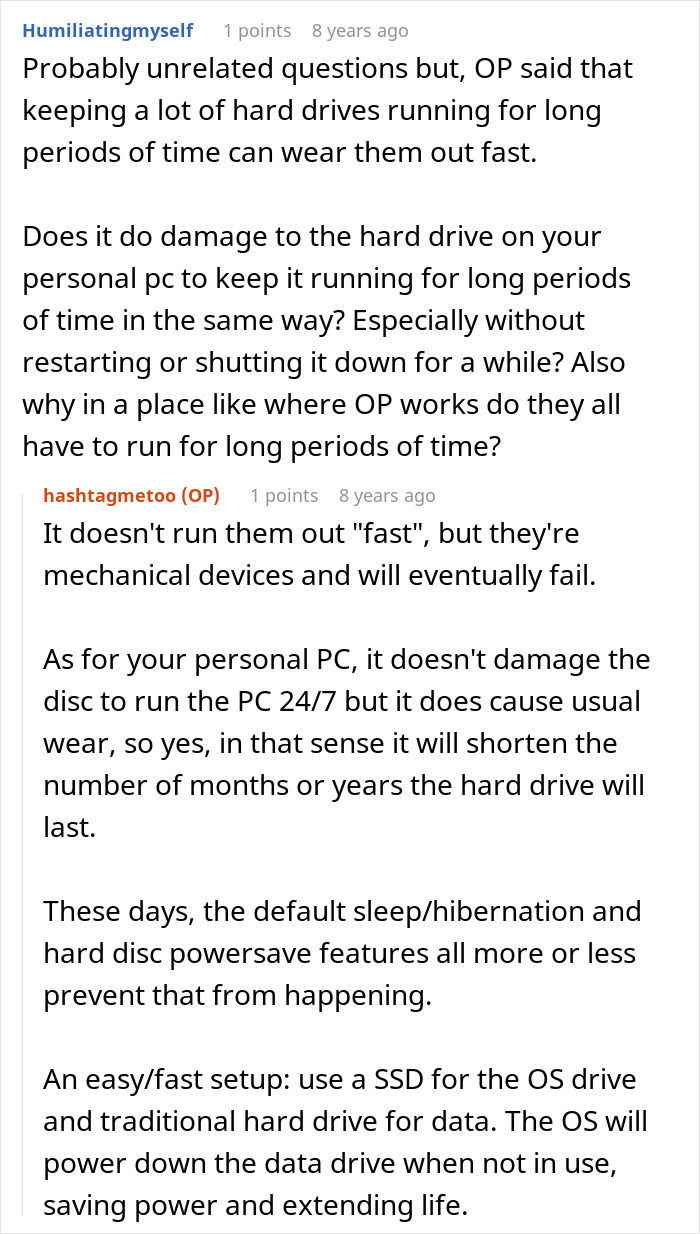
Therefore, buying a replacement device is not enough. Someone must install it, configure it correctly, check that backups are completing, and verify that the data can be recovered. However, the failed drive in the company’s RAID 5 server added another layer of risk. RAID 5 primarily distributes data and parity information across multiple drives, allowing the system to continue operating after one drive fails.
However, Western Digital emphasizes that redundancy is limited, in that if another drive becomes unavailable before the array is safely repaired, the data may become inaccessible. In fact, rebuilding a degraded array places sustained demands on the remaining drives, increasing the danger when another drive is already aging or unreliable. The IT guy’s concern about several drives purchased around the same time was therefore understandable.
In all, the story highlights the hidden cost of losing an experienced employee. When someone who is more experienced or knowledgeable leaves, a company may lose more than someone who knows how to perform routine tasks. It can also lose the history behind previous technical decisions, familiarity with its infrastructure, and the ability to recognize warning signs before they become emergencies.
What do you think about this situation? Would you have quit too if your boss chose a new manager over you despite your years of loyalty and experience? We would love to know your thoughts!







By entering your email and clicking Subscribe, you're agreeing to let us send you customized marketing messages about us and our advertising partners. You are also agreeing to our Privacy Policy.
Thank you! You've successfully subscribed to newsletters!

Granted, most bosses have no idea how to do the actual work that the employees under them do. But they can at least get a feel for how things work when they get the job, then keep their eyes and ears open to figure out who their best and most trustworthy employees are (weeding out the brownnosers who are just trying to get out of doing any actual work by spending time shooting the sh*t in the boss,’ office—-I have seen this numerous times). Once they’ve figured that out, they can ask those employees how to fix my issues the department is having, and put those procedures/changes into play. Just because you can’t necessarily jump into one of your employees’ chairs and do their work doesn’t mean you can’t e a good and effective manager. You just have to not go in like gang busters, trying to change everything before you know how it runs, and micromanaging employees who do excellent work with no management at all, which constitutes a***e, and ignoring the brownnosers who can’t do the jobs they were hired for (which is the reason they brownnose) because they stroke your ego with their “praise”. Man, if managers who favor brownnosers could hear what those people say about them behind their backs, the brownnosers would be walked out of the building by security (for insubordination, maybe), carrying a box of their stuff from their desks. Anyway, far too many new managers go in thinking they’re going to curry favor with their own bosses by being tough authoritarian taskmasters when they could achieve so much more and way better results if they chose the softer authoritative method instead, trusting their employees to know their jobs, and to be the ones to know how to actually make productivity, and the department, better.

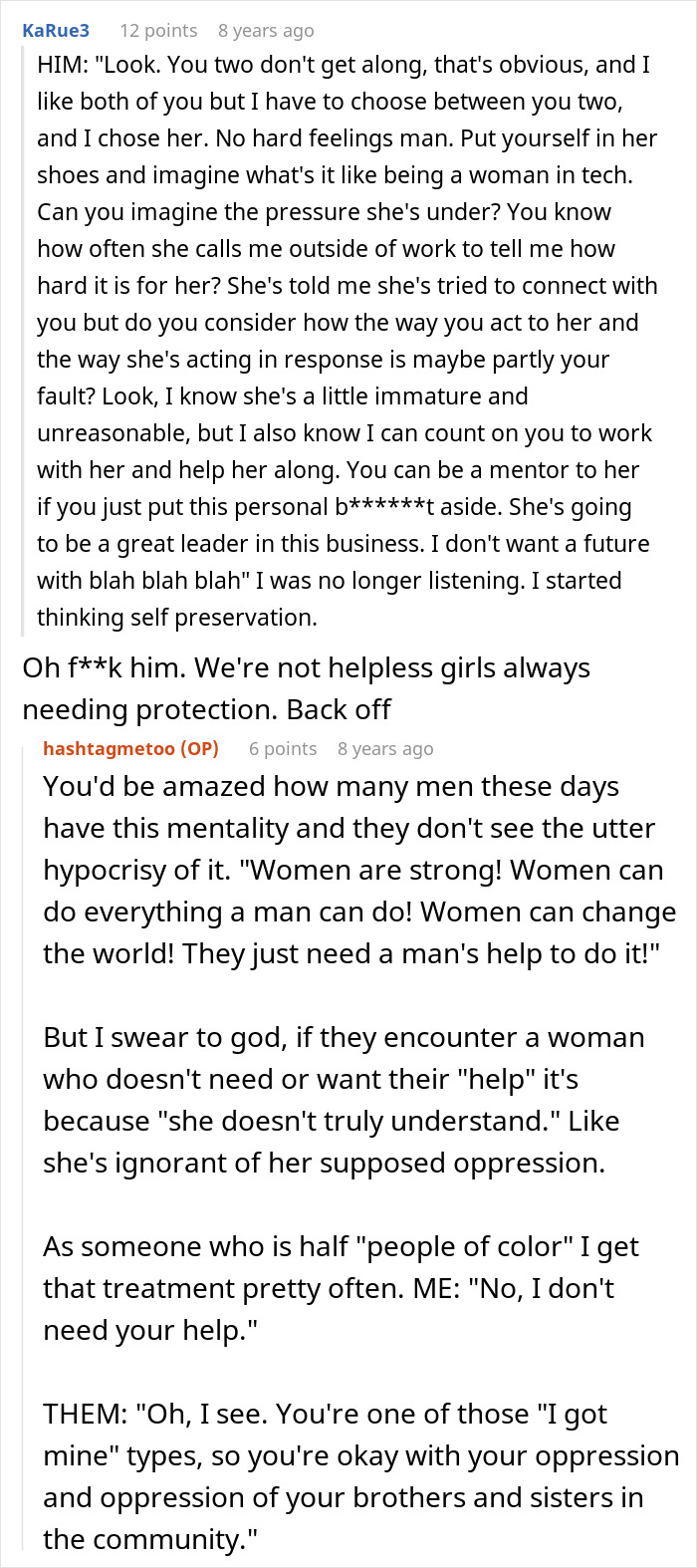
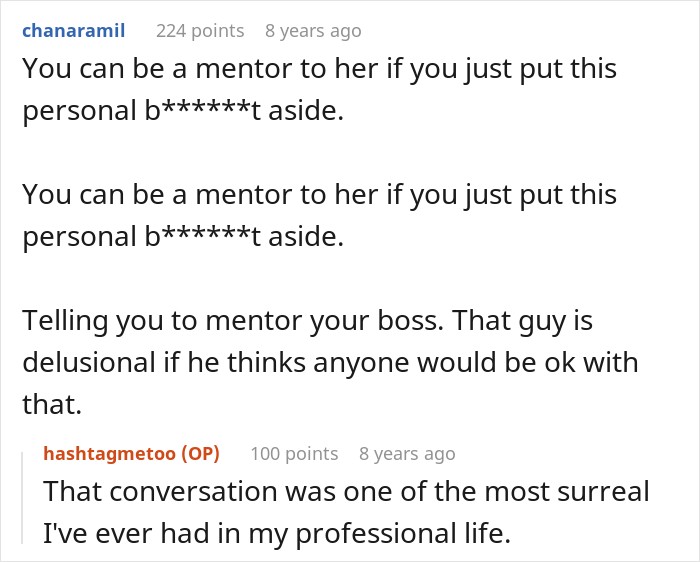
"Be a mentor to your boss" would have me dropping notice effective IMMEDIATELY.

Nothing says "i'm the hero of this story" to me quite like casually admitted s****l harassment. I have serious doubts.

Granted, most bosses have no idea how to do the actual work that the employees under them do. But they can at least get a feel for how things work when they get the job, then keep their eyes and ears open to figure out who their best and most trustworthy employees are (weeding out the brownnosers who are just trying to get out of doing any actual work by spending time shooting the sh*t in the boss,’ office—-I have seen this numerous times). Once they’ve figured that out, they can ask those employees how to fix my issues the department is having, and put those procedures/changes into play. Just because you can’t necessarily jump into one of your employees’ chairs and do their work doesn’t mean you can’t e a good and effective manager. You just have to not go in like gang busters, trying to change everything before you know how it runs, and micromanaging employees who do excellent work with no management at all, which constitutes a***e, and ignoring the brownnosers who can’t do the jobs they were hired for (which is the reason they brownnose) because they stroke your ego with their “praise”. Man, if managers who favor brownnosers could hear what those people say about them behind their backs, the brownnosers would be walked out of the building by security (for insubordination, maybe), carrying a box of their stuff from their desks. Anyway, far too many new managers go in thinking they’re going to curry favor with their own bosses by being tough authoritarian taskmasters when they could achieve so much more and way better results if they chose the softer authoritative method instead, trusting their employees to know their jobs, and to be the ones to know how to actually make productivity, and the department, better.
"Be a mentor to your boss" would have me dropping notice effective IMMEDIATELY.
Nothing says "i'm the hero of this story" to me quite like casually admitted s****l harassment. I have serious doubts.




































 No fees, cancel anytime















33
5