Get Premium
Dark mode theme is available exclusively for premium users. Learn more about the benefits of subscribing.
No fees, cancel anytime.

 Dark Mode Ad-Free Browsing Unlimited Content

 Ad-Free Browsing Unlimited Content Dark Mode

Join 1.2 million Panda readers who get the best art, memes, and fun stories every week!

A close friend can feel like family, especially when they need support. Letting someone stay with you can really help, especially if their own home isn’t safe or welcoming. But what if this act of kindness causes problems between two parents?
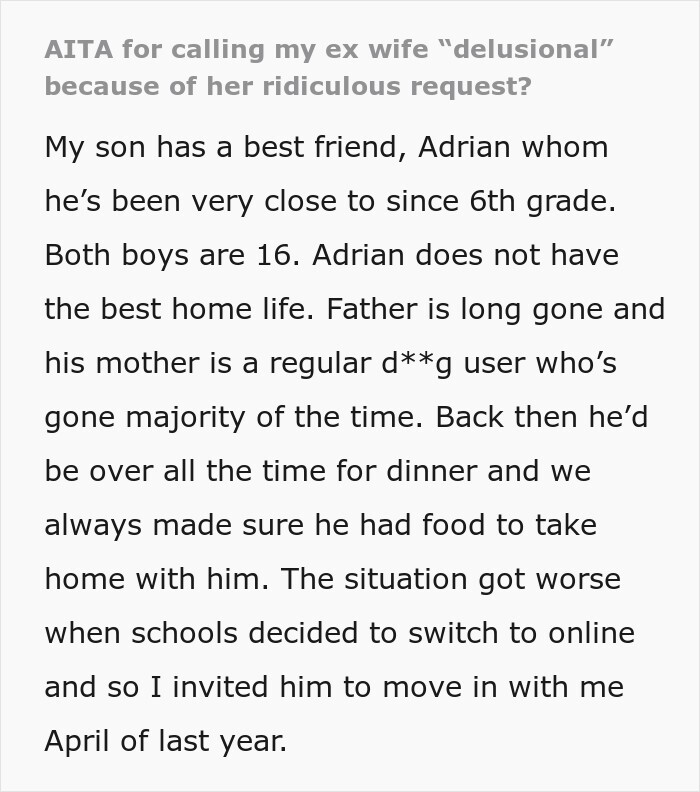
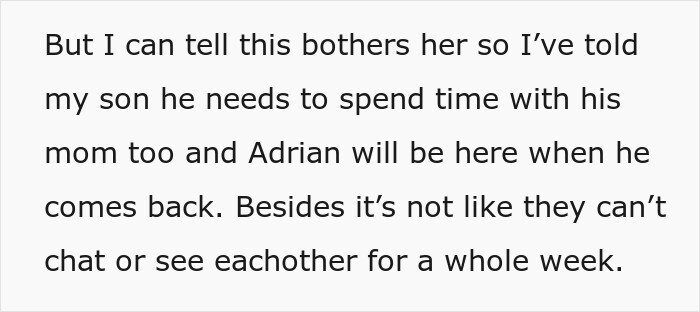
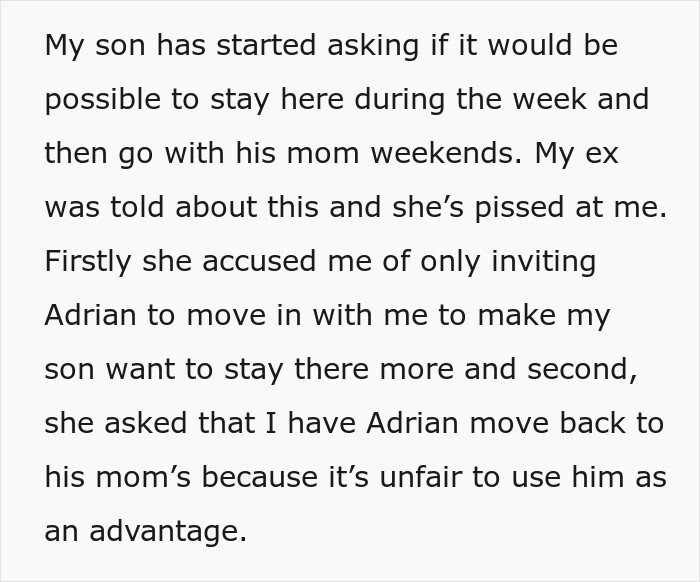
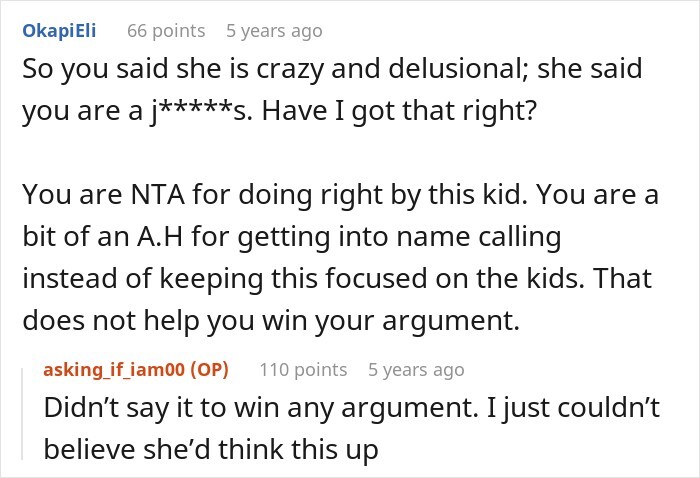
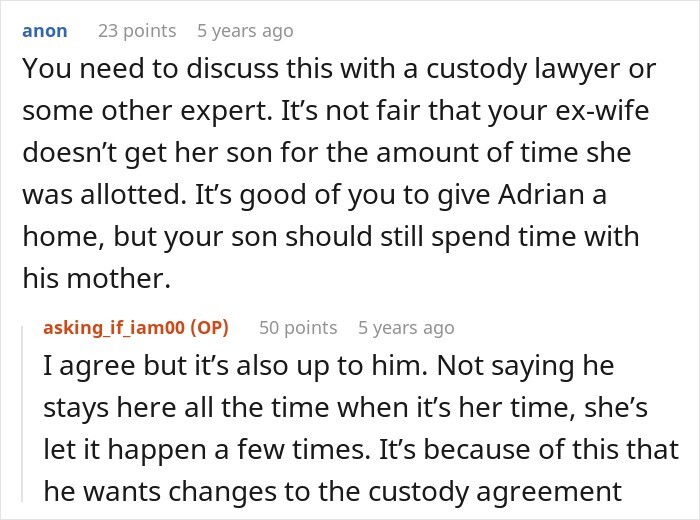
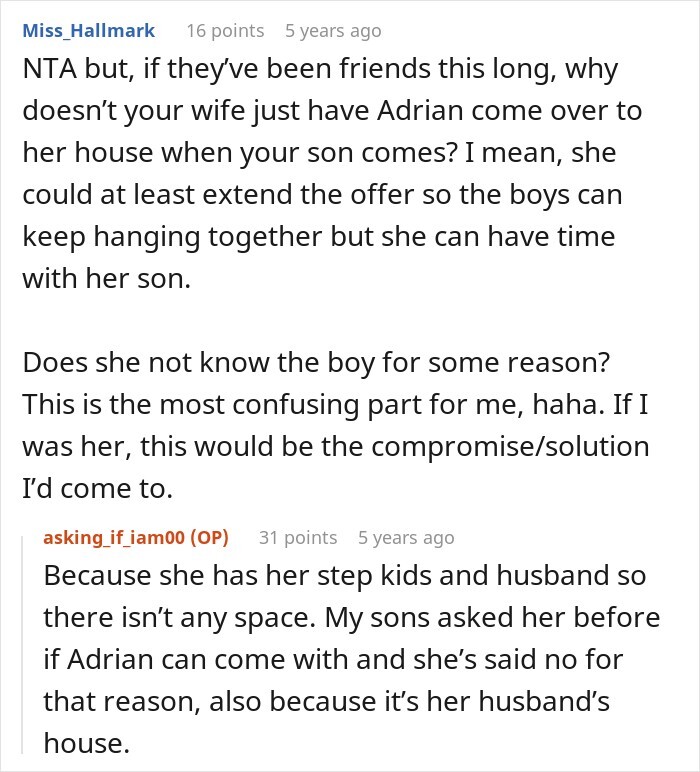
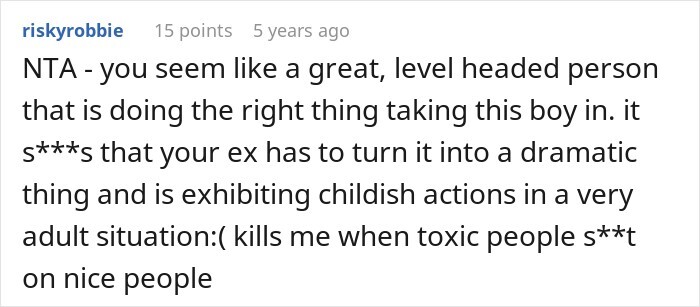
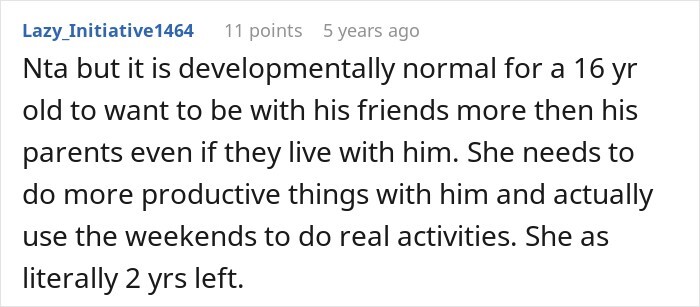
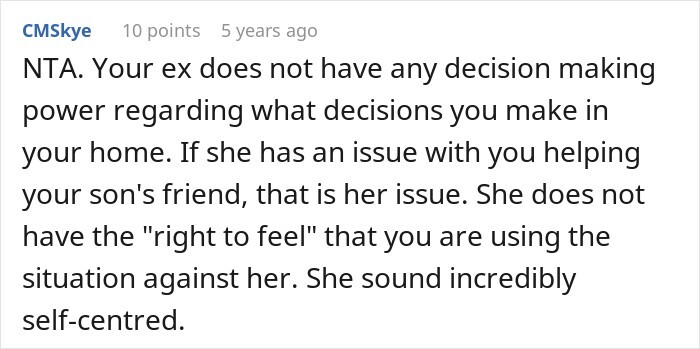
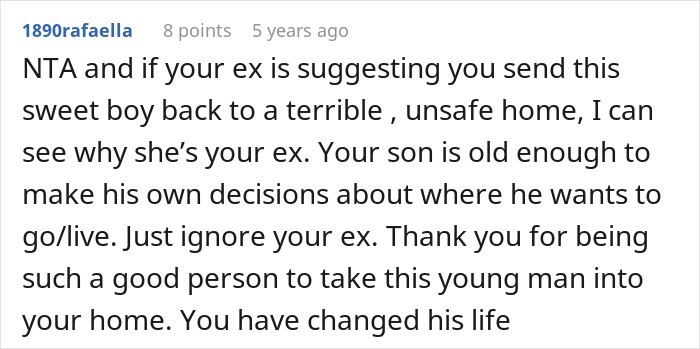
This is what happened to a divorced dad who let his 16-year-old son’s best friend stay at his house. His ex-wife accused him of trying to use this to get an edge in their custody agreement and made a surprising demand that shocked him.
He later posted on Reddit to ask if he was wrong for calling her delusional. Keep reading to find out why the father’s decision to help a teenager sparked a custody dispute.
This story curiously reminds me of Hyde from That ’70s Show, whose troubled home life made his friends’ families feel like a second home. However, it might sound cliché, sometimes real life is even more surprising than fiction.
A lot of teenagers have trouble getting the emotional support they need, even if their parents think everything is okay. In fact, just 58.5% of American teens said they always or usually got enough social and emotional support. Teens who didn’t get enough support also reported having worse health, trouble sleeping, more anxiety and depression, and lower satisfaction with life.
Parents are still important sources of emotional and practical support as teenagers become more independent. But it also helps when young people have other caring adults in their lives. Teachers, mentors, and people in the community can give advice, listen when things go wrong, and offer comfort if teenagers can’t find support at home.
When children grow up with parental substance usage, neglect, or family instability, they may face challenges that impact their well-being even after childhood. A trusted adult can be a key source of support. These relationships give young people someone dependable to turn to when family life gets tough.
A supportive adult does more than just give advice now and then. Young people need someone who listens without judging, takes their concerns seriously, and is there for them during hard times. Consistency is important because teens who grow up in unstable situations need to know they can count on someone when they need help.
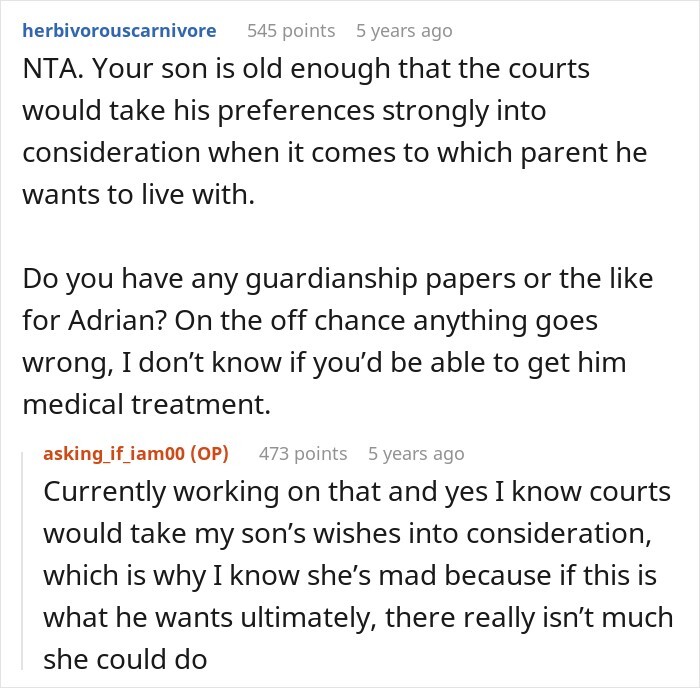
A trusted adult can really help a teenager, especially when home life gets tough. Support also means listening to what young people want and taking their feelings seriously. As teens get older, their opinions about where they live and how they spend their time should matter more. Parents should consider their maturity and unique situations when making custody decisions.
Kids often have a hard time when adults make big decisions about their lives without asking for their input. Letting them share their thoughts can help them handle parental separation better. Parents should listen without pressuring their children or making them feel like they have to fix disagreements between adults.
Just because a child has a shared custody arrangement doesn’t mean they will always feel happy or settled. How children feel about their living situation depends on their relationships with both parents, how well the adults communicate, how flexible everyone is, and whether the child feels like they belong. Even if two teenagers have the same custody schedule, their experiences can be very different.
Kids in shared custody often want to spend time with both parents, but they also care about things like how far apart the homes are, what their daily routines look like, and keeping up with friends. When families talk openly about these needs, it can make things easier for everyone. It’s important for custody schedules to consider what works best for the children, not just follow a set plan.
And friendships are a big part of what makes teenagers feel at home, too. Young people need more than just a place to live and someone to monitor their grades. They also want to feel accepted by those around them. As they go through adolescence, friendships matter more and more because teens are figuring out who they are and searching for places where they feel understood.
Feeling connected does not have to come from big gestures. A classmate inviting someone to join a group, a friend noticing when something is wrong, or an adult who listens can all help a teenager feel less alone. These small, everyday moments can build emotional strength and encourage young people to ask for help when things get tough.
Teenagers pick up key relationship skills from their closest friends. When they listen, understand each other’s feelings, and offer comfort, they build stronger bonds. These moments also influence how they handle relationships later on, so close friendships play a big role in their emotional growth.
The benefits of these friendships last long after the teenage years. Teens who learned to support their friends emotionally often became more supportive in their adult romantic relationships. Trusting and talking with a friend gave them a chance to practice the skills they would need to keep strong connections as adults.
Sometimes, the people who make us feel safe and supported aren’t the ones we’re related to, but the ones who choose to be there for us. What do you think about the father’s decision? Share your thoughts in the comments!

By entering your email and clicking Subscribe, you're agreeing to let us send you customized marketing messages about us and our advertising partners. You are also agreeing to our Privacy Policy.
Thank you! You've successfully subscribed to newsletters!


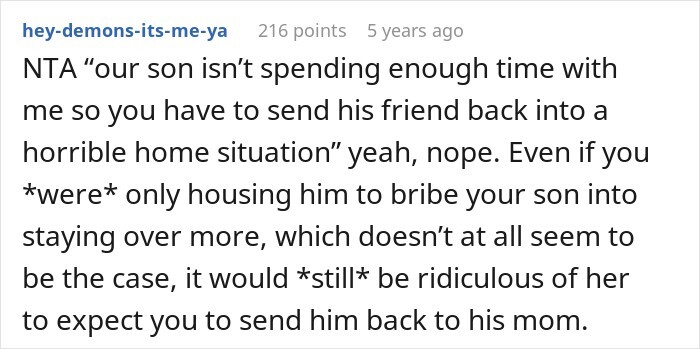
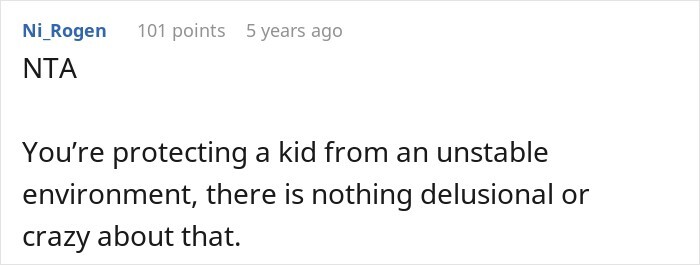
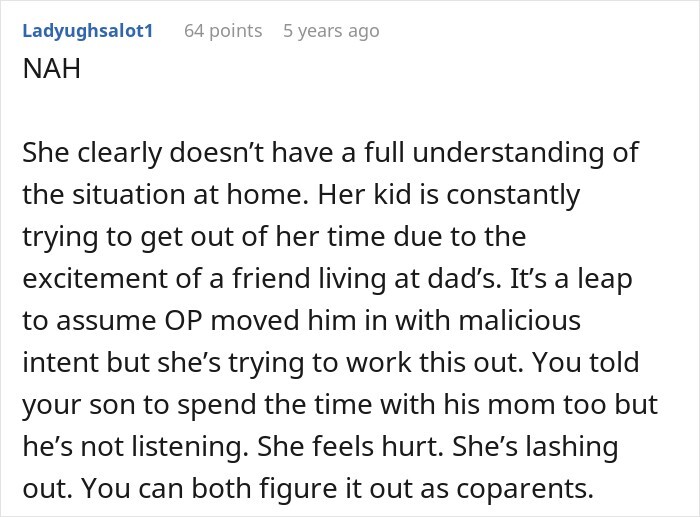
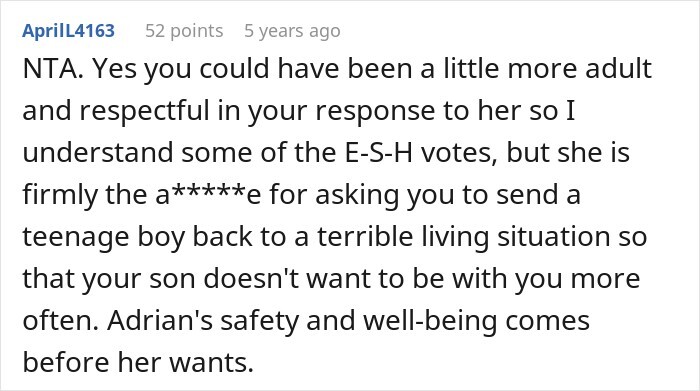
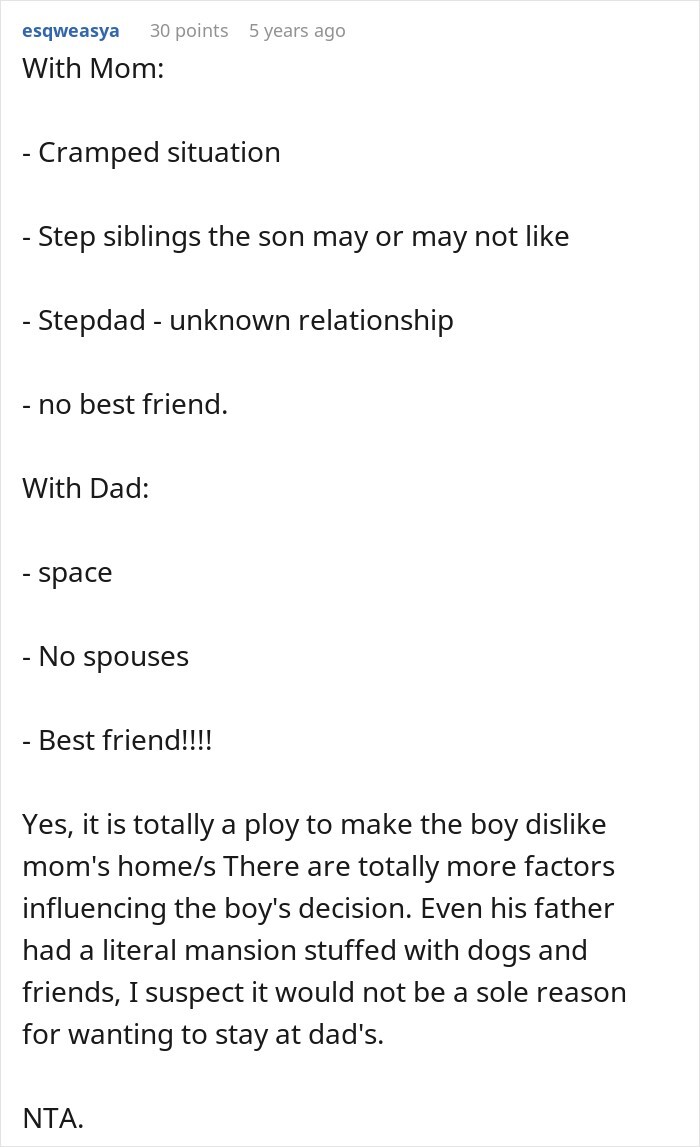
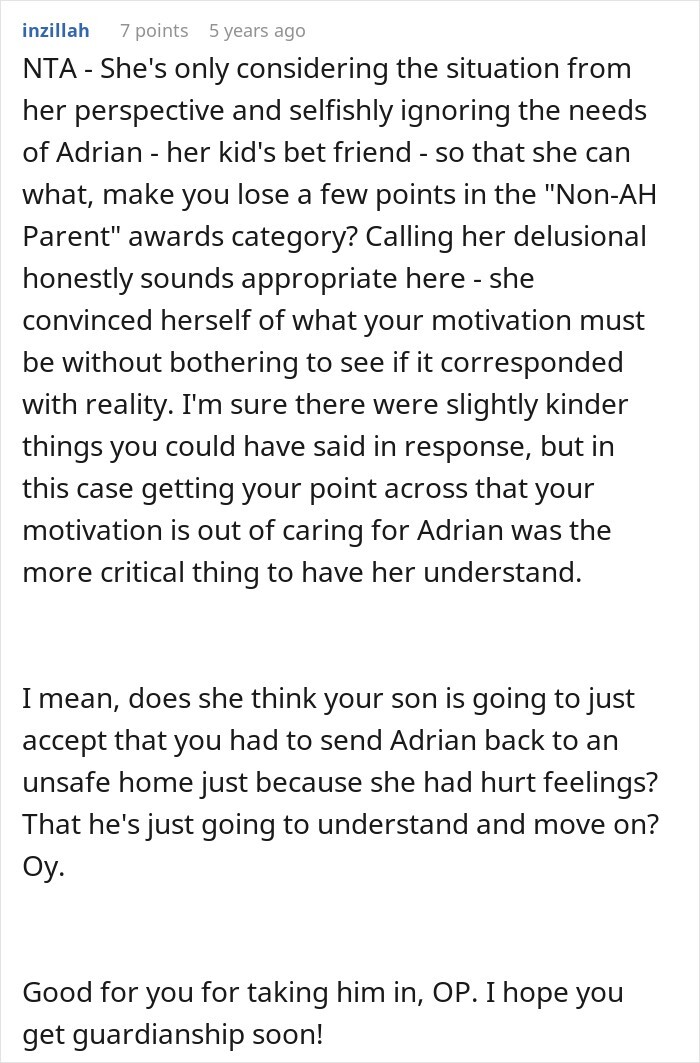
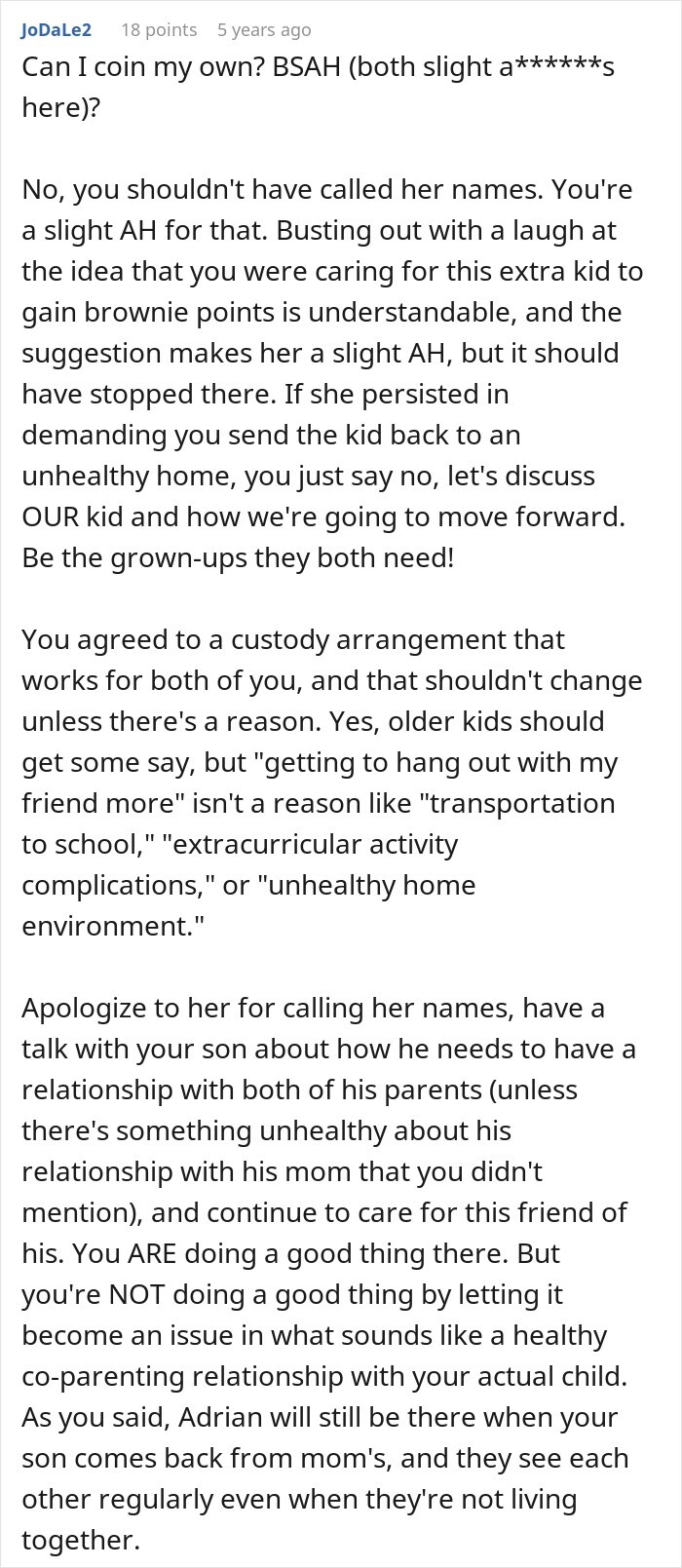
First of all there's nothing wrong with wanting more time with your kid. Secondly, if providing a safe and stable home for a kid who needs one is the outcome, who cares why?

the fact that she's fine with sending a kid back to a troubled home simply for her own benefit tells me that the "you're only doing this so son wants to stay with you" is something she would actually do. pure projection and jealousy.
First of all there's nothing wrong with wanting more time with your kid. Secondly, if providing a safe and stable home for a kid who needs one is the outcome, who cares why?
the fact that she's fine with sending a kid back to a troubled home simply for her own benefit tells me that the "you're only doing this so son wants to stay with you" is something she would actually do. pure projection and jealousy.
































 No fees, cancel anytime


























28
5