Get Premium
Dark mode theme is available exclusively for premium users. Learn more about the benefits of subscribing.
No fees, cancel anytime.

 Dark Mode Ad-Free Browsing Unlimited Content
 Ad-Free Browsing Unlimited Content Dark Mode
Join 1.2 million Panda readers who get the best art, memes, and fun stories every week!
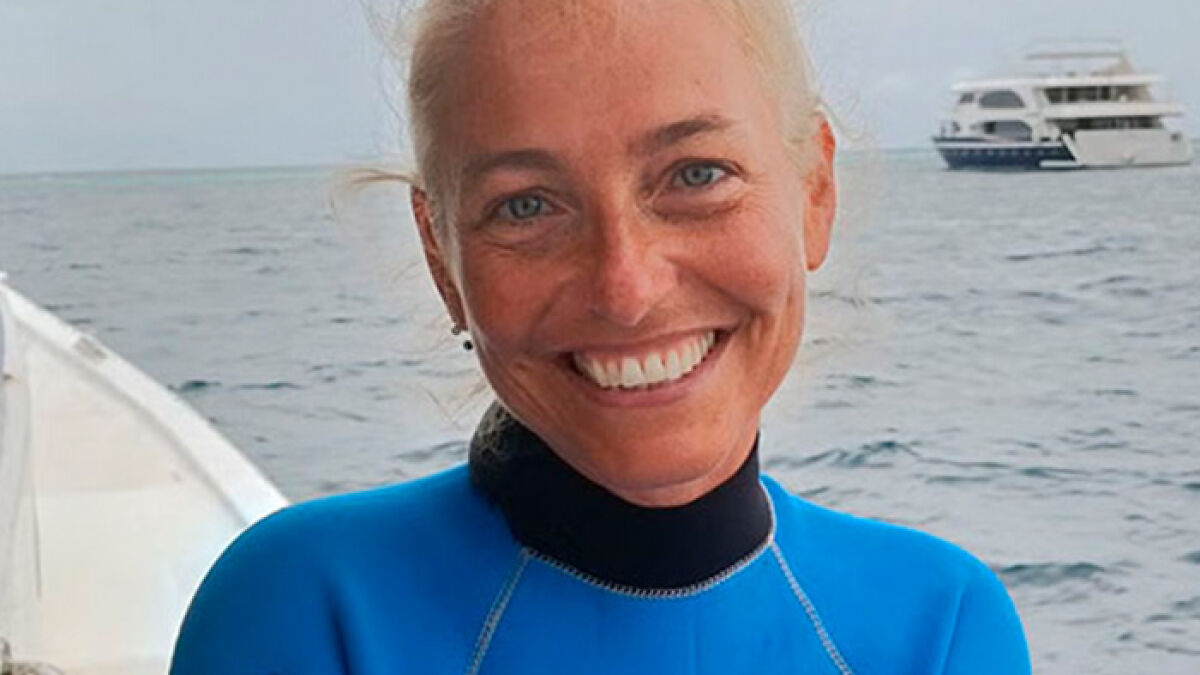
Finnish rescue divers have shared a new theory that may explain how the five Italian divers lost their lives during their deep-water expedition in the Maldives.
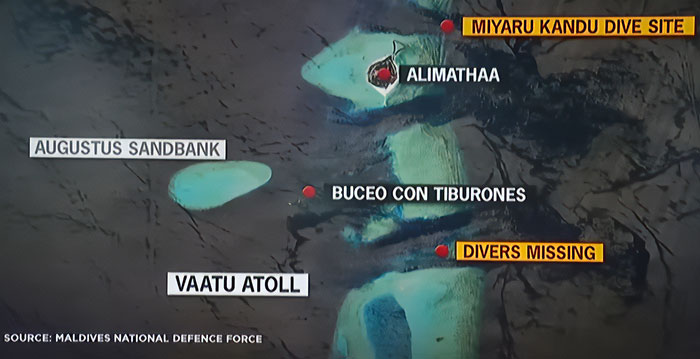
The accident, believed to be the most fatal of its kind in the island nation’s history, occurred last Thursday (May 14) when the group was exploring the waters of Vaavu Atoll.
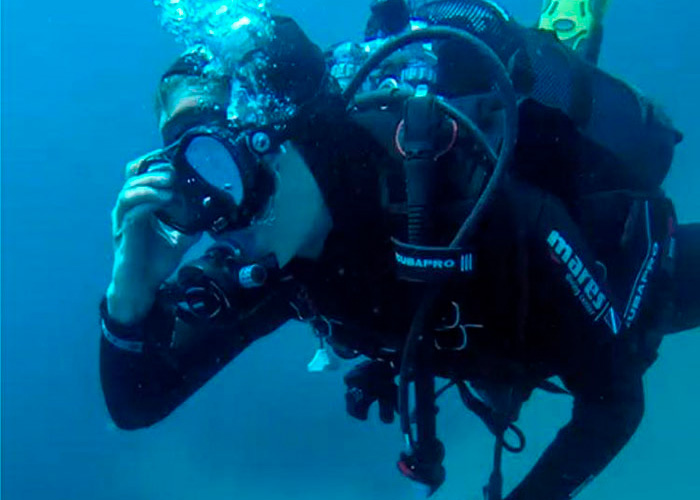
Image credits: Muriel Oddenino/Facebook
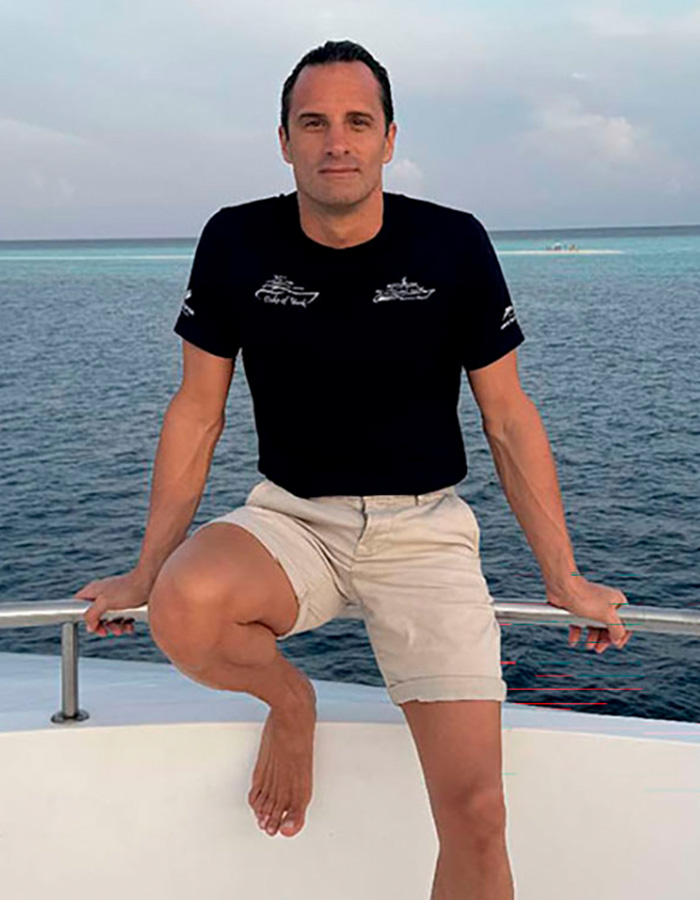
Hours after they failed to resurface, the body of diving instructor Gianluca Benedetti was found near the mouth of the Thinwana Kandu cave.
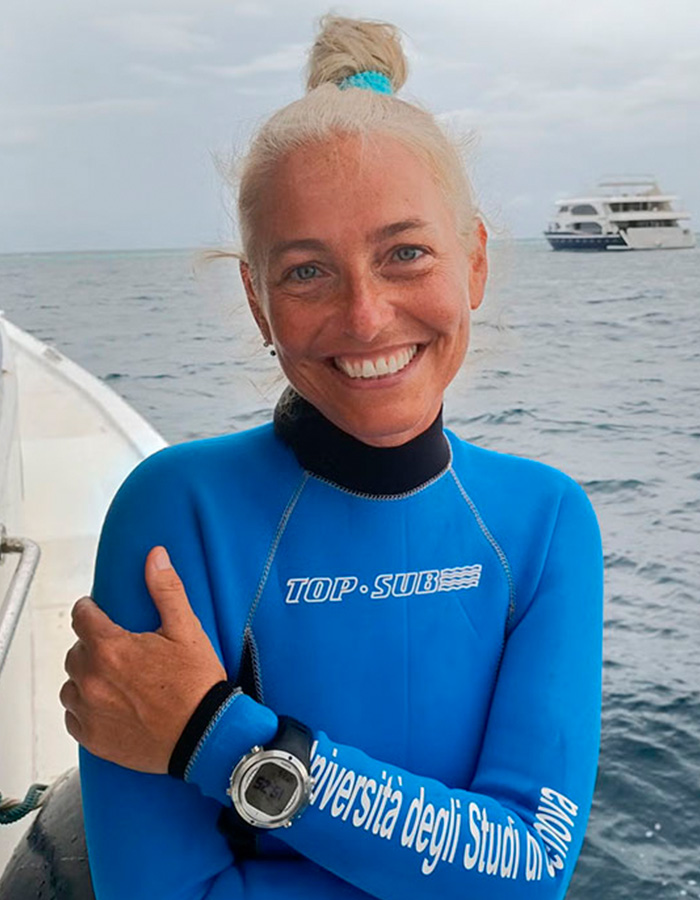
The remaining four bodies—those of marine biologist Monica Montefalcone, student and Monica’s daughter Giorgia Sommacal, and two young researchers, Federico Gualtieri and Muriel Oddenino—were located in the cavern’s pitch-black third and final chamber on Monday.
A week after the five divers lost their lives, the reasons behind the tragedy remain clouded in mystery. Both Italy and the Maldives have opened separate investigations into the case, with Rome prosecutors launching a culpable homicide probe.
Image credits: University of Genoa
While investigations are ongoing, the team of Finnish expert divers who recovered the bodies has suggested that the group may have taken the wrong tunnel on their way out of the cave.
The Vaavu Atoll cave is divided into three chambers, which are all connected by narrow passageways.
Image credits: Albatros Top Boat
The first is the largest and brightest. According to Laura Marroni, CEO of Dan Europe, the company that employed the divers involved in the search, the first and second chambers are connected by a 30-meter-long (98-foot) corridor.
In addition to being darker than the first chamber, the second one had an element that could have sealed the divers’ fate: a sandbank.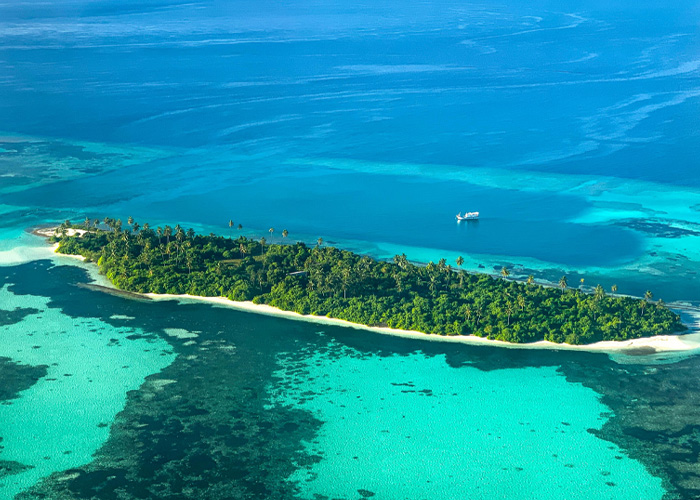
Image credits: Abdulla Musab/Pexels (Not the actual image)
Marroni suggested that, after entering the second chamber, the divers may have tried to exit through the 30-meter corridor, but the rising sandbank clouded their vision, sending them on the wrong path into the third chamber, from where there is no way out.
The divers’ tanks would have given them about 10 minutes to explore the second chamber, Marroni estimated. However, the air supply was insufficient to allow them to find their way out after accidentally entering the third chamber.
“Realizing that the path is the wrong one and having little air, perhaps after going back and forth, is terrifying. Then you breathe quickly and the air supply decreases,” she said, as per La Repubblica.
Marroni recognized the divers for their courage and professionalism, stating, “This type of operation always involves a great deal of responsibility, emotional toll, and a strong desire to return bodies to their families.”
Image credits: NBC News/Youtube
One of the divers, 54-year-old Patrik Gronqvist, told AFP that they found the four bodies on the floor of the cave.
“This operation was very sad… I will never forget it,” the diver said.
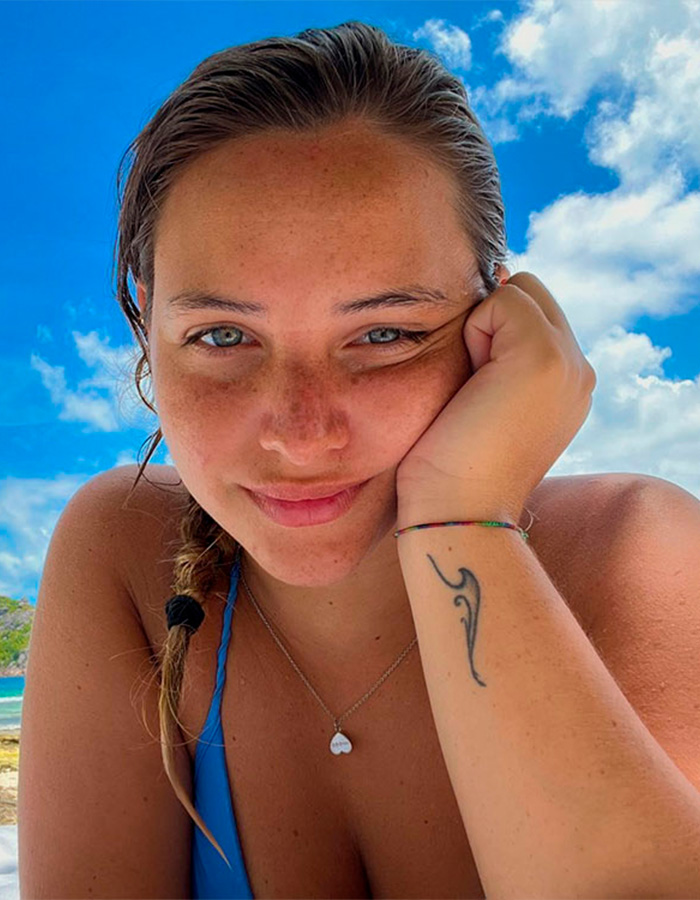
Image credits: giorgia_sommacal/Instagram
The Finnish divers reportedly recovered the group’s technical equipment and GoPro cameras they had worn during the fatal expedition, which investigators hope will shed light on the case.
Montefalcone’s husband, Carlo Sommacal, described his late wife as “one of the best divers in the world” who was “prepared and meticulous.”
“Monica usually had a GoPro when she went diving,” Carlo explained. “If they find it, maybe from there we can understand what happened.”
He added, “She would never have put our daughter’s life or that of others at risk… something must have happened down there. Maybe one of them had trouble, maybe the oxygen tanks, I have no idea.”
One of the biggest mysteries surrounding the case is the permits reportedly obtained by some group members.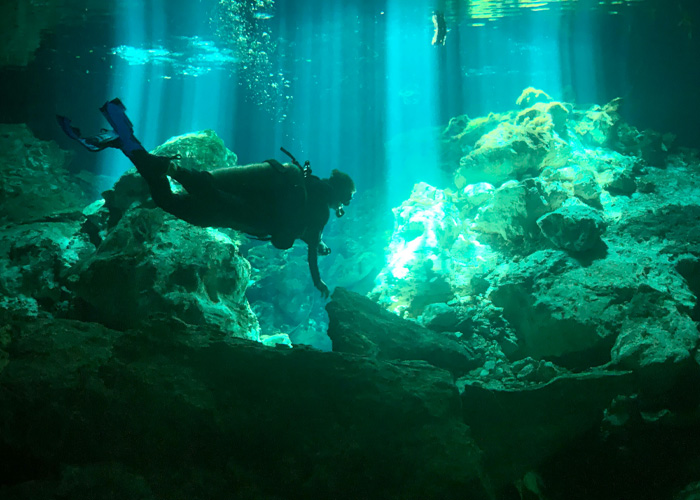
Image credits: Francisco Davids/Pexels (Not the actual image)
According to Mohamed Hussain Shareef, a spokesperson for the Maldives president’s office, some divers, including professor Montefalcone, had been issued a permit to carry out scientific work in the area.
The permit reportedly allowed them to descend to 50 m (164 ft), far deeper than the recreational limit of 30 m (98 ft) mandated by Maldivian law.
But Shareef stated that government authorities had not been informed that the group would be exploring the underwater cave.
Image credits: Muriel Oddenino/Facebook
“While they had a permit, there are certain gaps in the research proposal,” he stated.
Moreover, two of the divers who lost their lives were not on the list of those who had been issued the permit.
The government spokesperson said that the cave is so deep “that even divers with the best equipment do not try to approach it.”

One of the Maldivian rescue divers, Mohamed Mahudhee, lost his life from decompression sickness after assisting in the search operation.
Albatros Top Boats, the company that organized the fatal expedition, has denied authorizing the deep dive, claiming it was unaware that the group of five would be descending beyond the recreational diving limit.
As the investigation continues, experts have suggested other hypotheses that may explain the tragedy.
Image credits: Federico Gualtieri/Facebook
Shafraz Naeem, a former diver for the Maldives National Defense Force, said the group may have suffered nitrogen narcosis, which occurs when divers breathe nitrogen under high pressure at depth. It affects the brain and can cause confusion, poor judgment, and slowed reactions.
Alfonso Bolognini, president of the Italian Society of Underwater and Hyperbaric Medicine (SIMSI), believes the group was likely pulled into the cave by a strong current while exploring its entrance.
Image credits: Dipartimento Biologia Uni Pi/Wikipedia
Another unanswered question is why the instructor’s body was found in a different location from the other divers.
Investigators in Italy will order autopsies as soon as the bodies are returned to the country. They will also question those who were aboard the Duke of York, the boat from which the divers descended into the cave.
“We believe that the retrieval of the bodies will itself reveal a lot, as far as that part of the investigation is concerned,” said Shareef, according to The Associated Press. “But that doesn’t take from the fact that cave diving in itself is very, very dangerous.

By entering your email and clicking Subscribe, you're agreeing to let us send you customized marketing messages about us and our advertising partners. You are also agreeing to our Privacy Policy.
Thank you! You've successfully subscribed to newsletters!

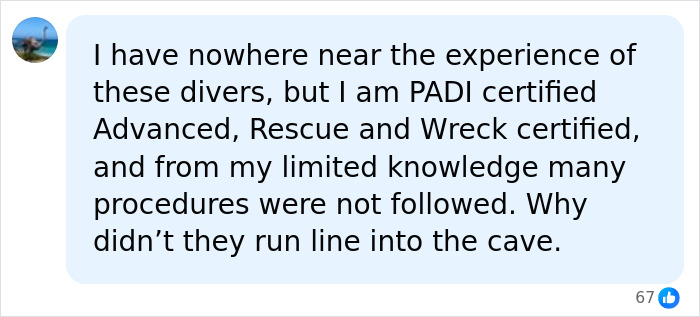
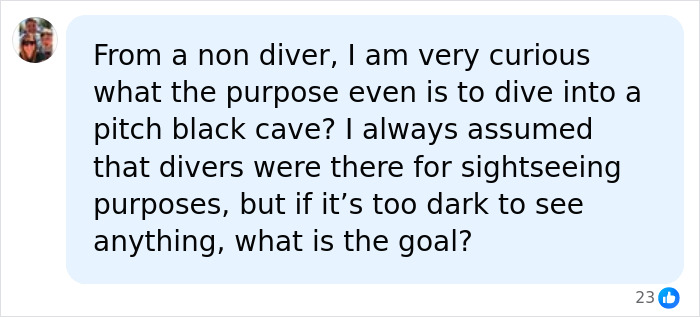
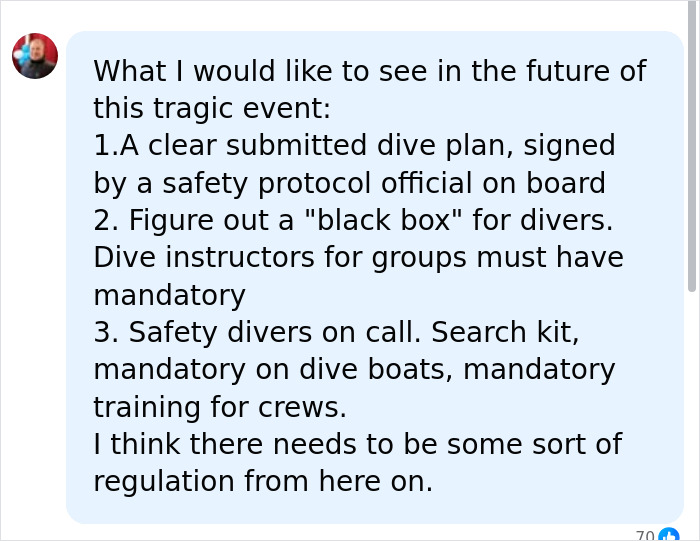
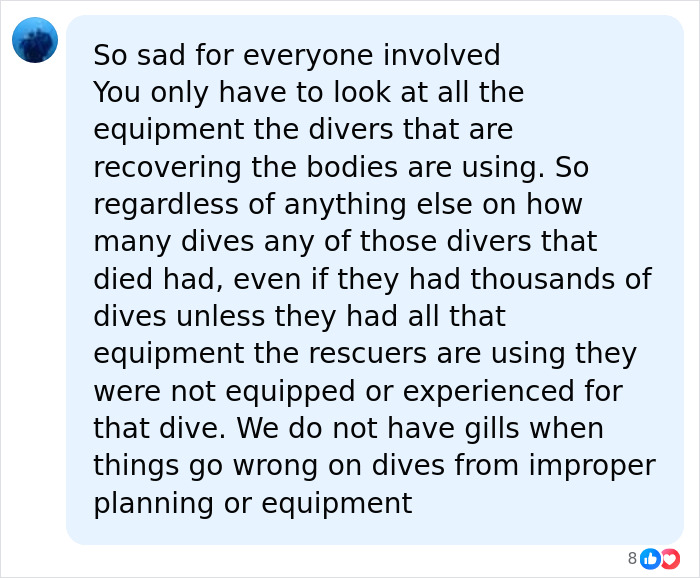
A lot of speculation, with no information, in the comments. One mentioned that they should have a "black box"... they do. Each diver almost certainly had a dive computer that tracked everything about their dive in terms depth and movement. Combined with their cameras, should go along way with the forensics of what happened. The whys may never be known.
A lot of speculation, with no information, in the comments. One mentioned that they should have a "black box"... they do. Each diver almost certainly had a dive computer that tracked everything about their dive in terms depth and movement. Combined with their cameras, should go along way with the forensics of what happened. The whys may never be known.






























 No fees, cancel anytime













26
2