Get Premium
Dark mode theme is available exclusively for premium users. Learn more about the benefits of subscribing.
No fees, cancel anytime.

 Dark Mode Ad-Free Browsing Unlimited Content
 Ad-Free Browsing Unlimited Content Dark Mode
Join 1.2 million Panda readers who get the best art, memes, and fun stories every week!
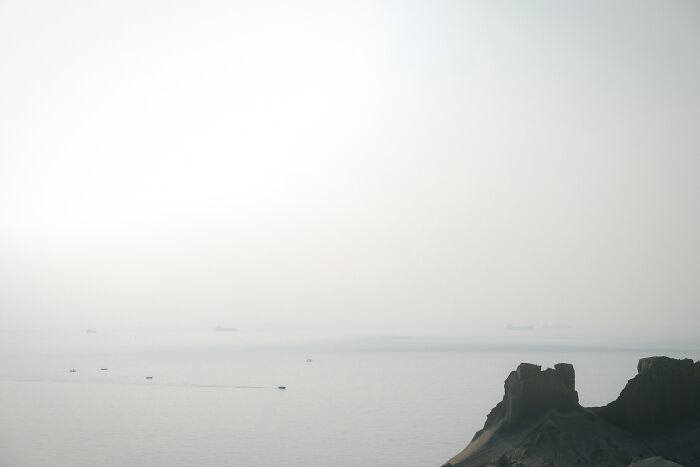
The Strait of Hormuz is one of the world's most important and contested waterways. A narrow passage separating Iran from the Arabian Peninsula, it connects the Persian Gulf with the Gulf of Oman and the Indian Ocean. At its narrowest point, the strait is only around 33 kilometers wide, yet through this strategic corridor passes approximately one-fifth of the world's oil shipments, making it a place where global energy security, military interests, and regional tensions intersect.
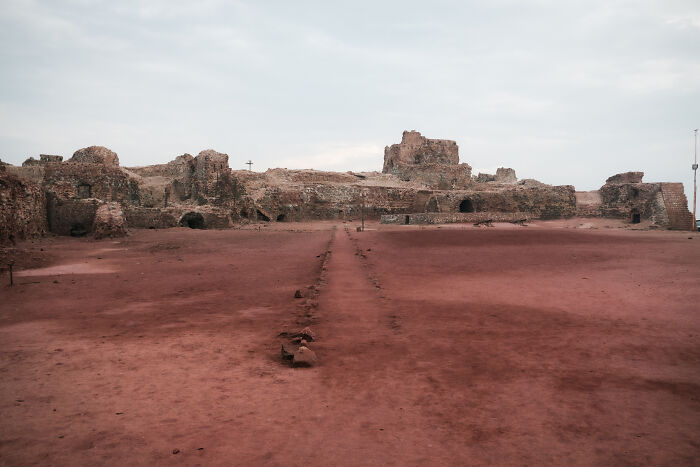
For centuries, the islands and waters of the Persian Gulf have been shaped by competing powers. The region was influenced by Persian empires, Arab kingdoms, and European colonial ambitions. In the early 16th century, Portuguese forces seized control of strategic points in the Gulf, including the island of Hormuz, where they built a fortress and established a trading base before being expelled by a combined Persian and Portuguese opposition in 1622. Today, these islands remain Iranian territory, but their landscapes still carry traces of centuries of trade, migration, and conflict.
More info: Instagram | juodele.com | behance.net
This post may include affiliate links.
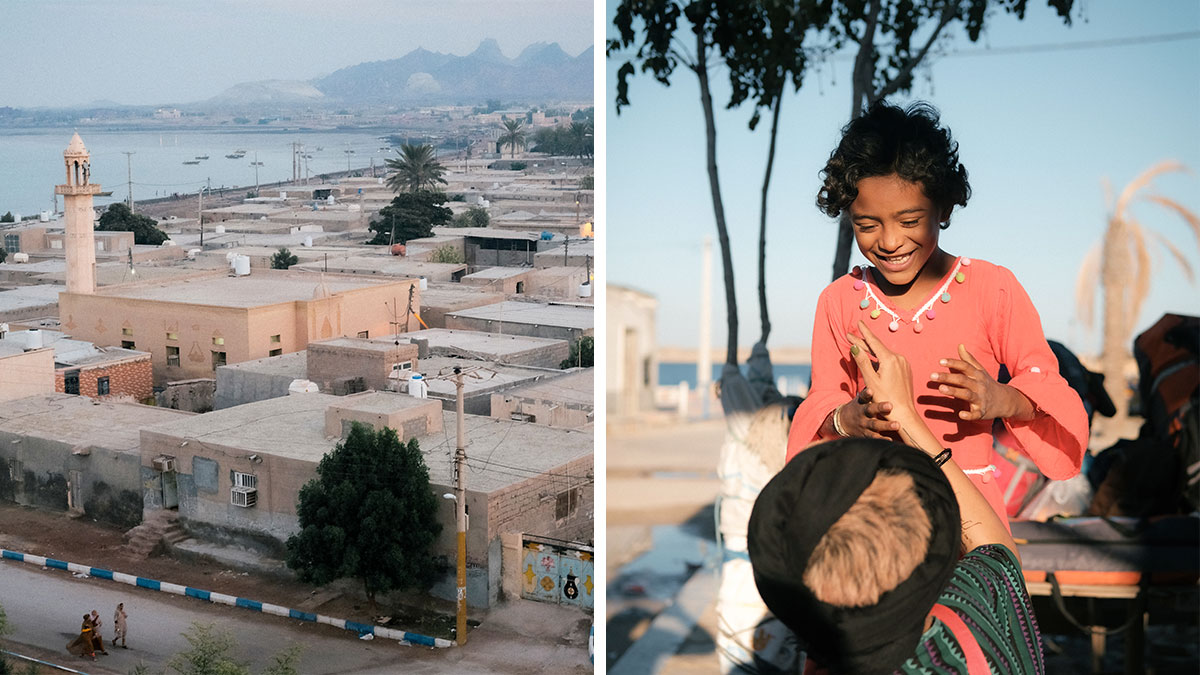
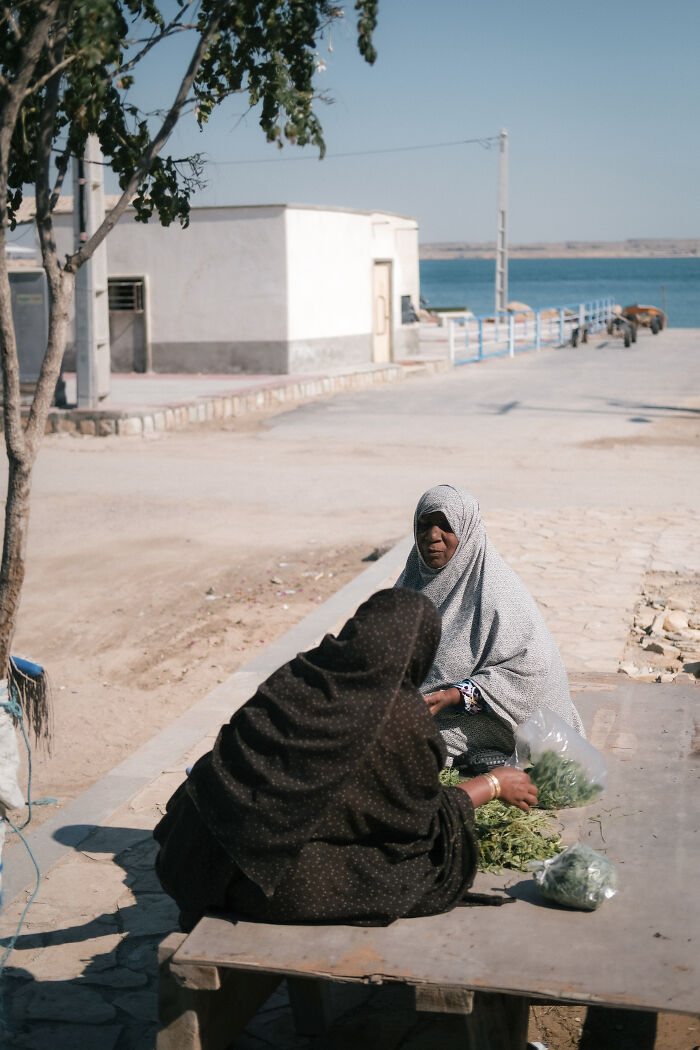
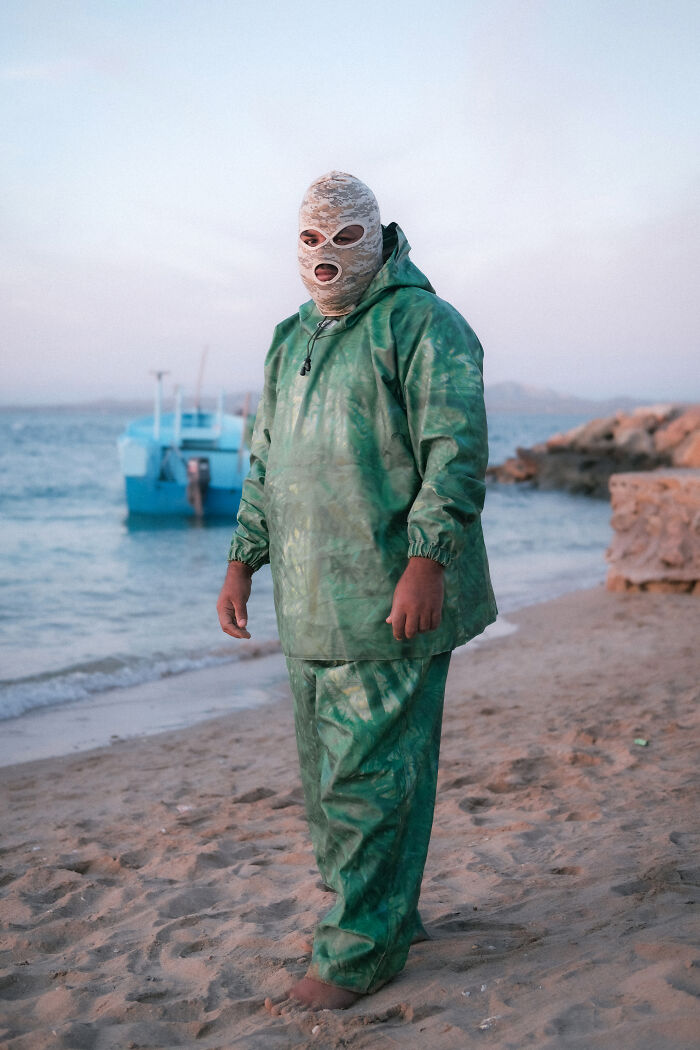
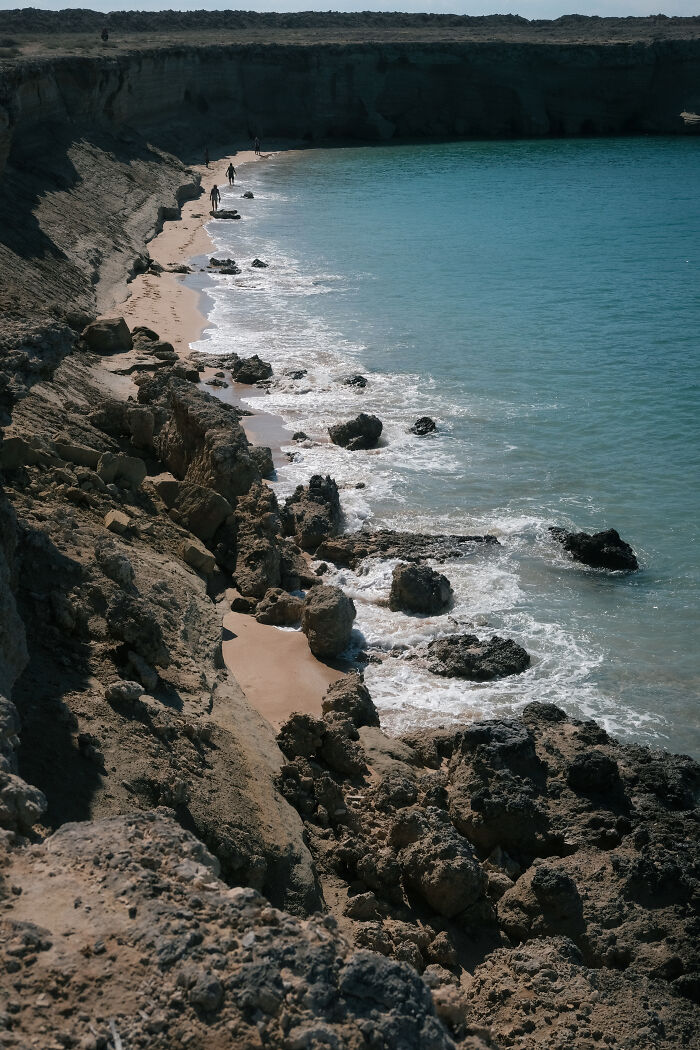
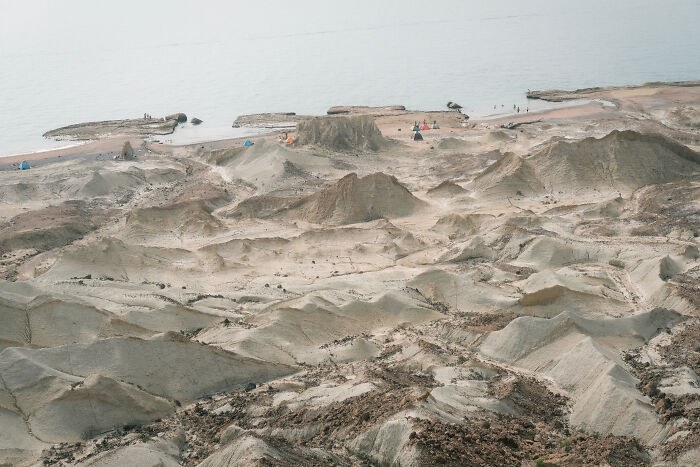
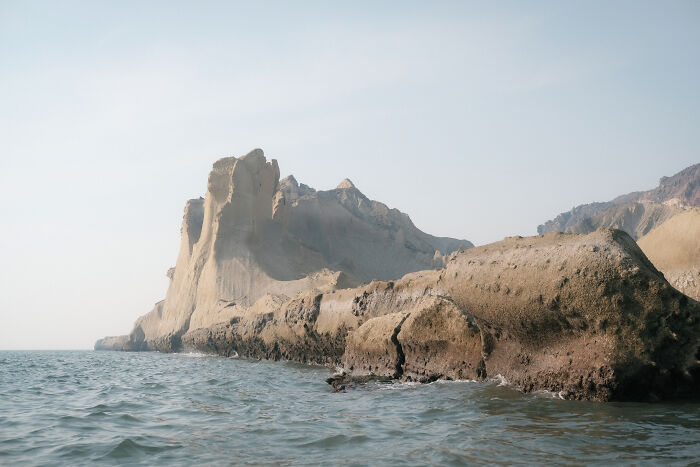
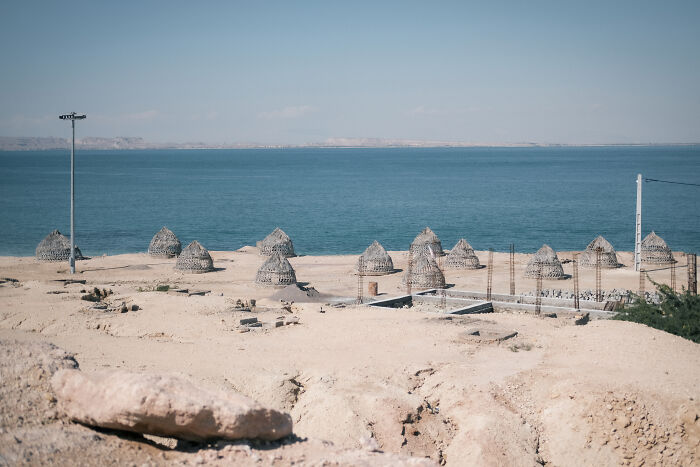
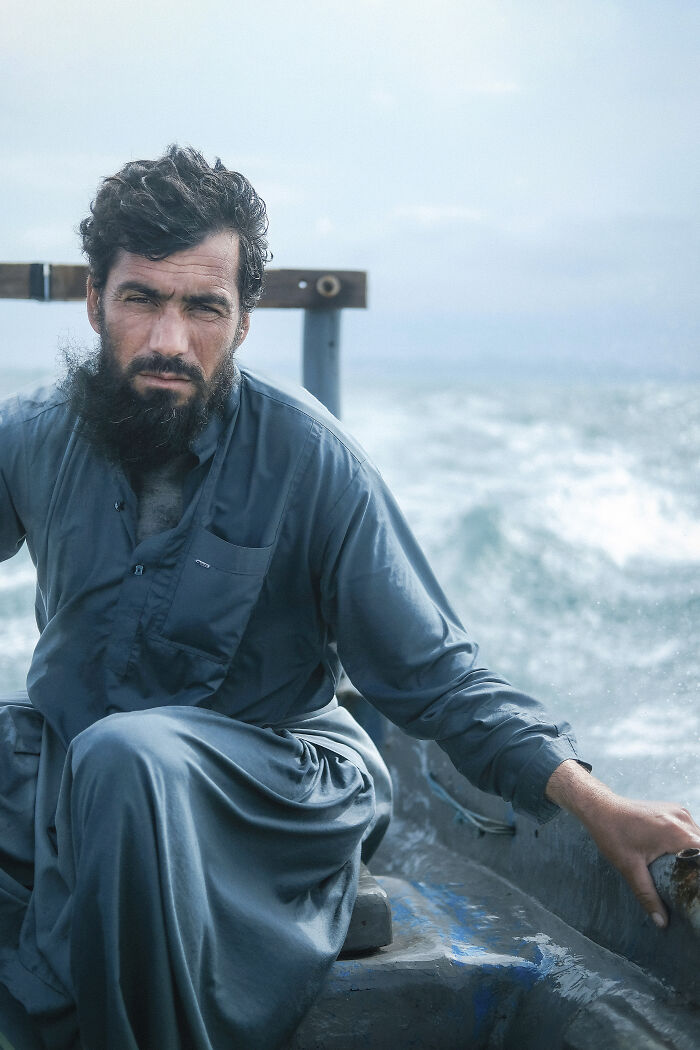
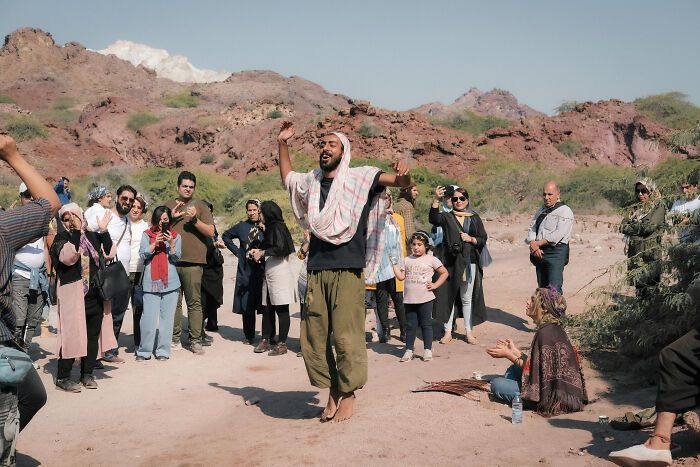
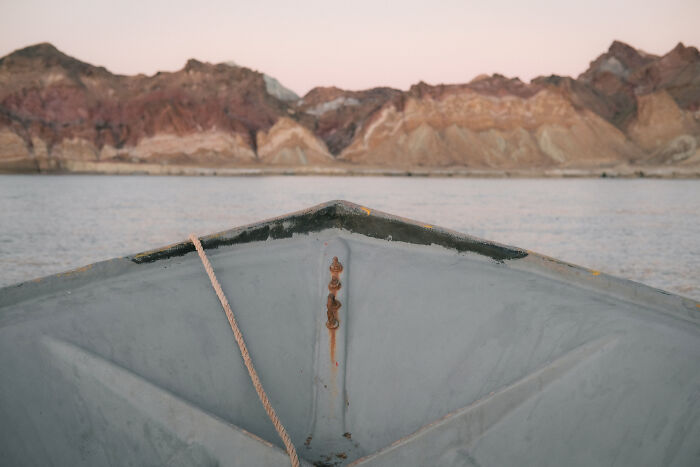
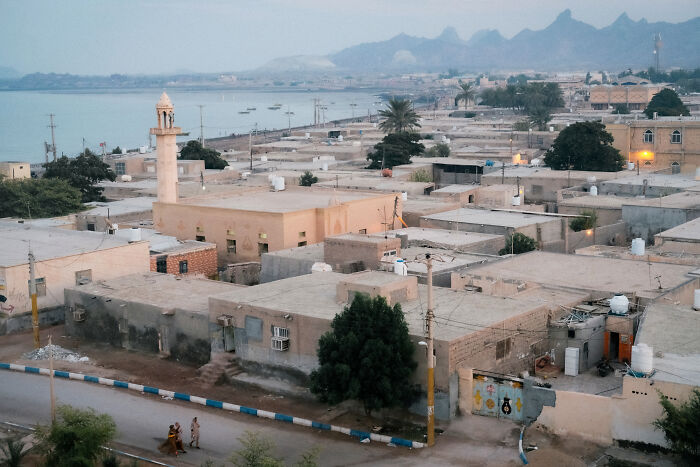
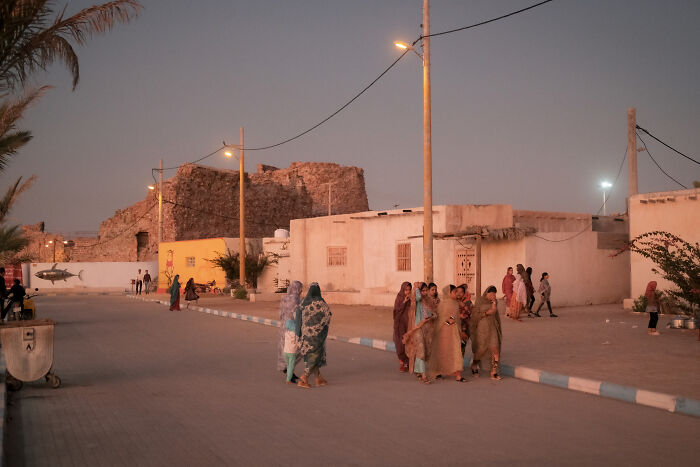
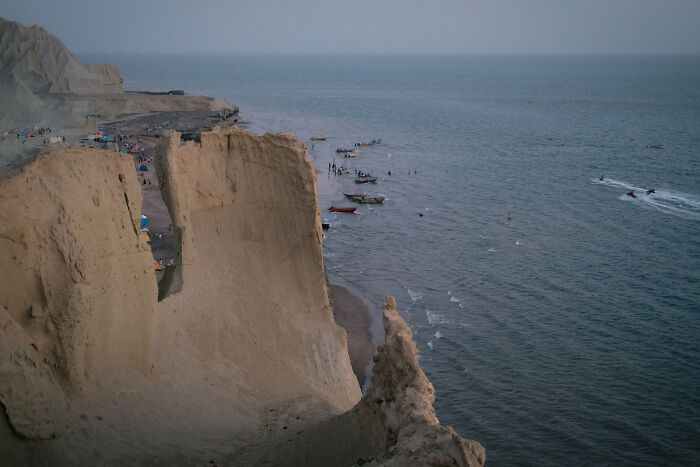
This photographic story takes place on three islands in the Strait of Hormuz — Hormuz, Hengam, and Larak — each with its own unique character. Hormuz, known for its otherworldly red soil, colorful mountains, and salt caves, is home to a small local community that has lived for generations alongside the rhythms of the sea. Hengam and Larak, smaller and more difficult to access, remain quieter and more remote, with fishing villages, untouched beaches, and landscapes that feel almost unreal. Their dramatic geology, turquoise waters, and isolation have made these islands some of the most magical places in the Persian Gulf.
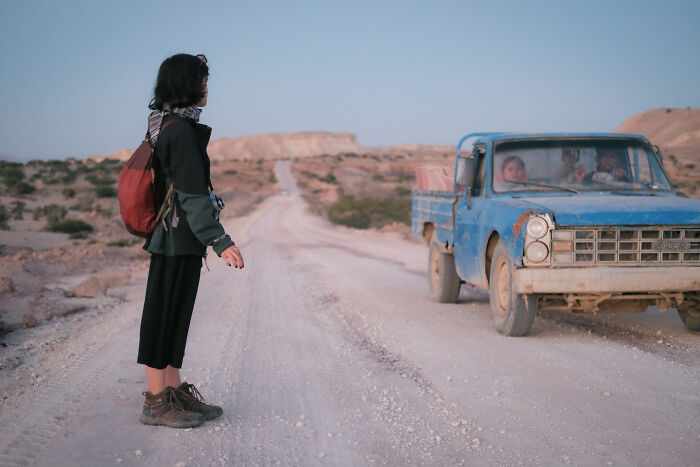
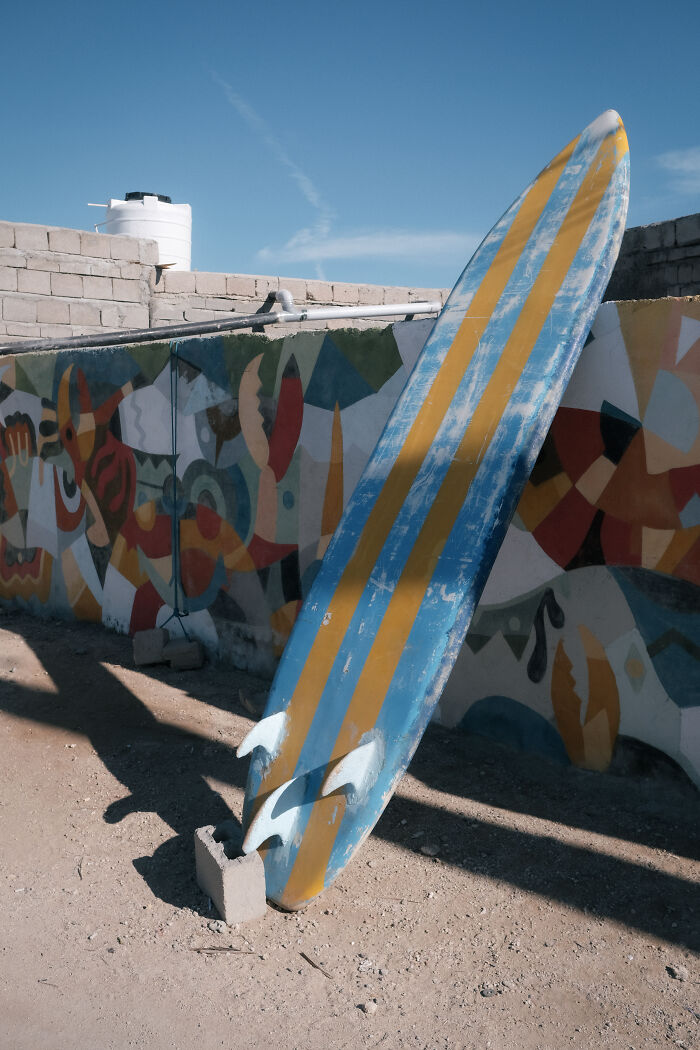
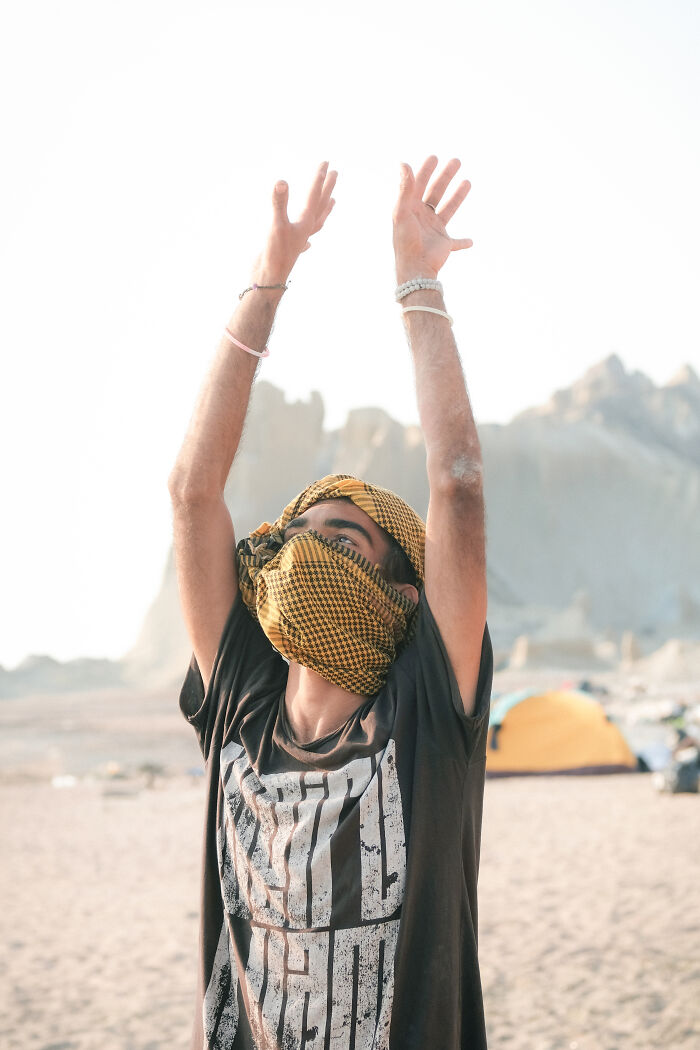
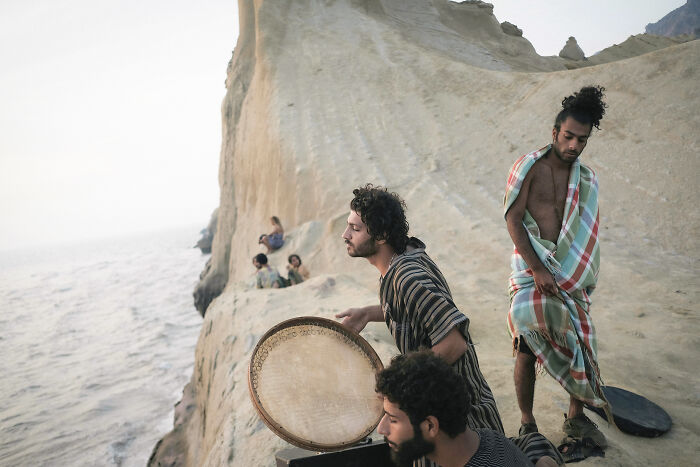
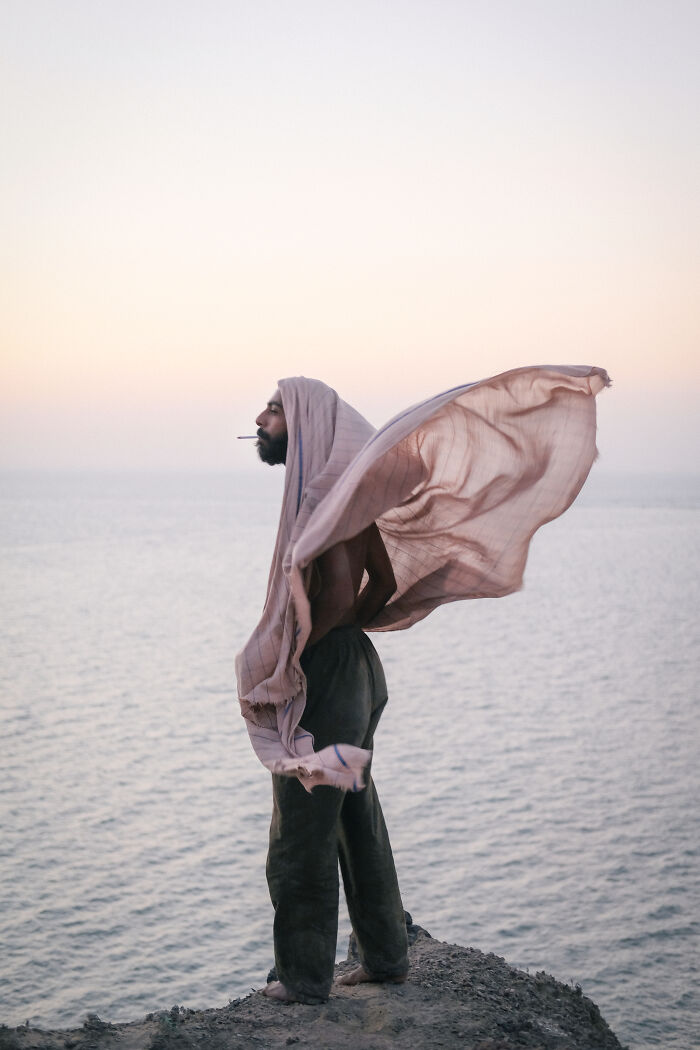
In recent years, Hormuz Island has become increasingly popular among Iranian travelers, artists, and adventurers. During the winter months, when much of Iran experiences colder weather, many young Iranians travel south to escape everyday pressures and experience a different way of life. The island has become a rare space for creativity, self-expression, and connection with nature. Yet as tourism has grown, many travelers seeking solitude have moved beyond the main villages and tourist areas, discovering hidden beaches and remote corners of the islands where they can experience a greater sense of freedom away from public attention and official scrutiny.
Hengam and Larak offer a different experience. Less accessible and less developed than Hormuz, they attract those searching for adventure, silence, and a closer connection with the natural environment and local island communities. Here, visitors explore remote shores, discover untouched landscapes, and experience a slower rhythm of life shaped by the sea.
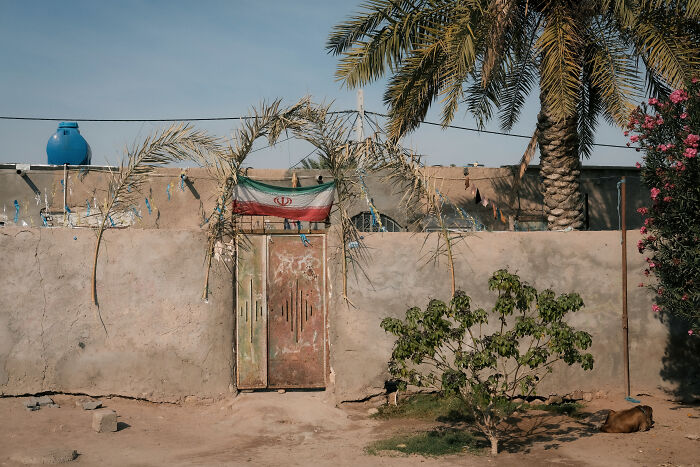
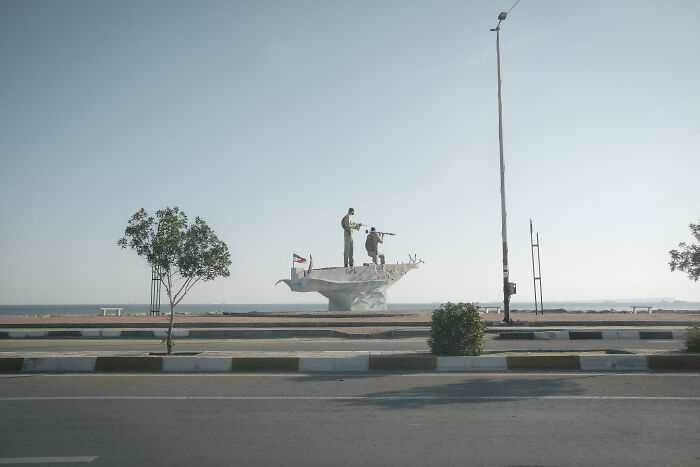
But these islands exist beneath the shadow of geopolitics. When I visited the region six years ago, tensions between Iran and the United States were reaching a critical point. Many Iranians and island residents I met spoke openly about the possibility of war. I arrived shortly after the assassination of Iranian General Qasem Soleimani by a US drone strike, and only days later a Ukrainian passenger plane was mistakenly shot down near Tehran. The possibility of a larger conflict felt present in everyday conversations.
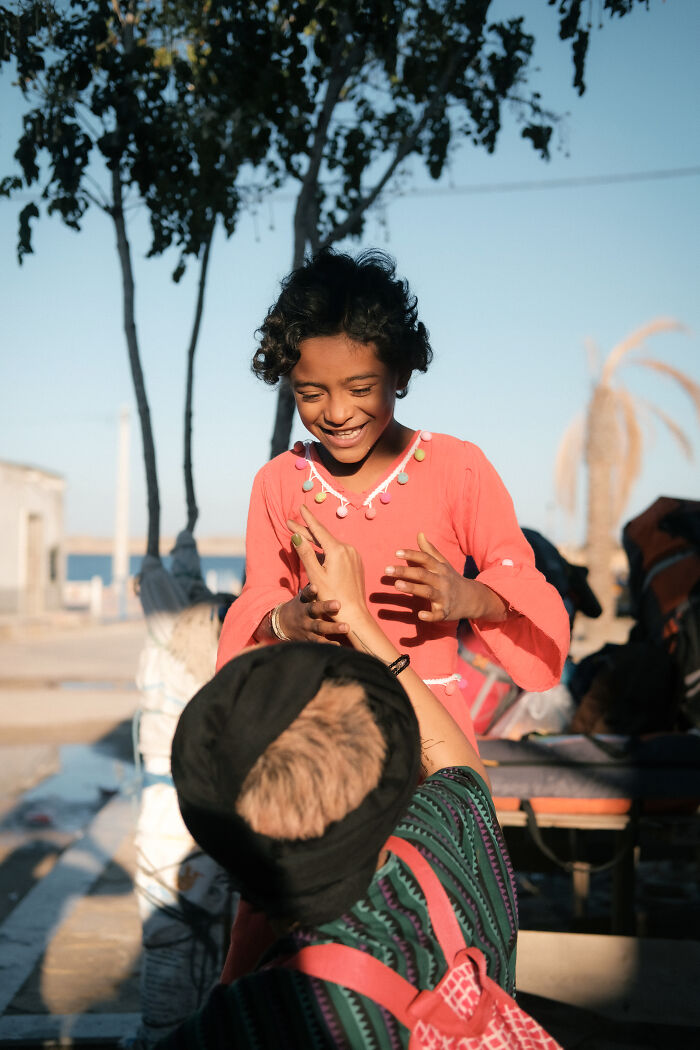
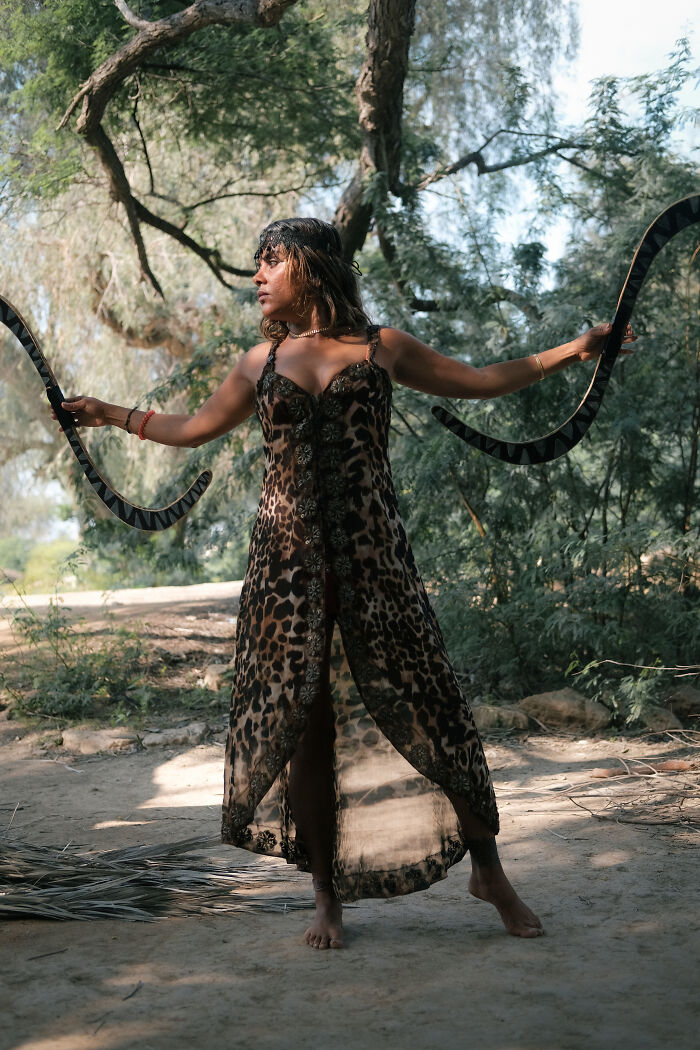
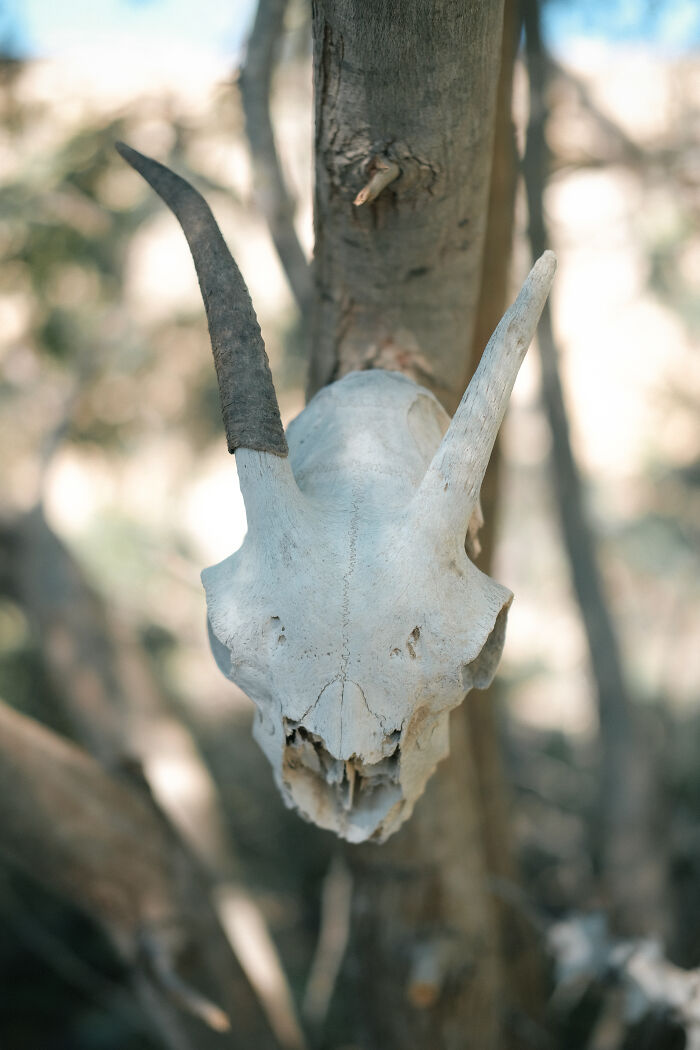
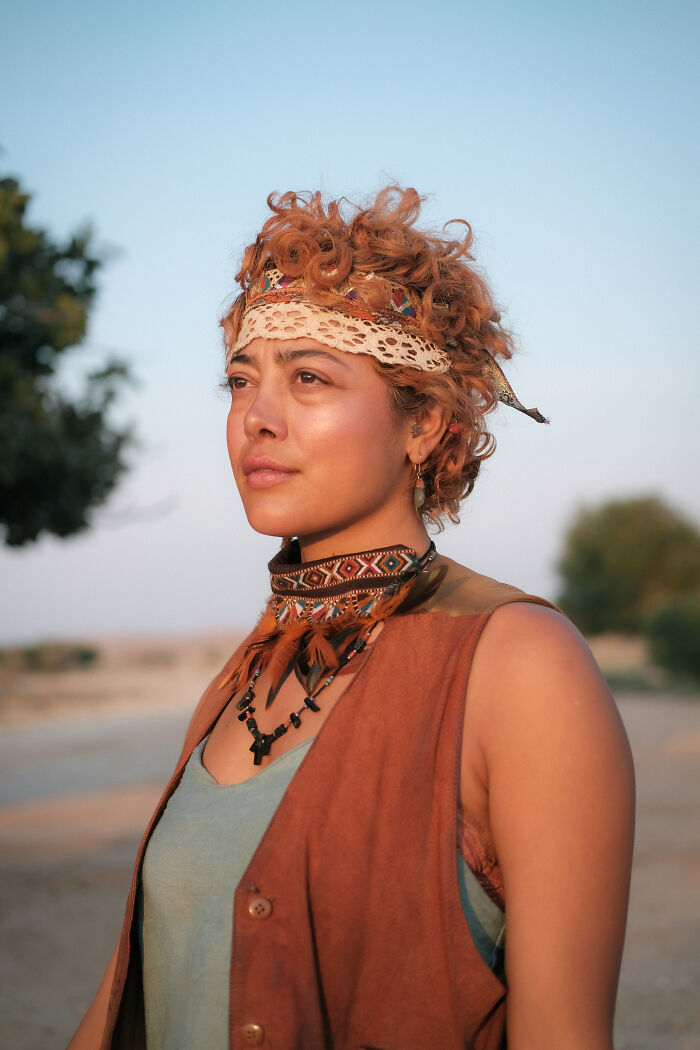
Yet beyond the headlines and political narratives, I found a different story: one of extraordinary landscapes, warm hospitality, resilient communities, and people trying to live ordinary lives in an extraordinary place. These photographs capture the human side of the Strait of Hormuz — a region often portrayed as a geopolitical flashpoint, but also home to beauty, kindness, creativity, and a deep connection between people and the islands they call home.





























 No fees, cancel anytime