Get Premium
Dark mode theme is available exclusively for premium users. Learn more about the benefits of subscribing.
No fees, cancel anytime.

 Dark Mode Ad-Free Browsing Unlimited Content
 Ad-Free Browsing Unlimited Content Dark Mode
Join 1.2 million Panda readers who get the best art, memes, and fun stories every week!
30submissions
1week left

There’s a lot more that happened throughout history than battles, treaties, and geopolitical tensions. While all of those aspects are incredibly important, they don’t show the full depth and breadth of the human experience. Historical events can often be bizarre, odd, and even humorous… just like the people living through them.
Our team at Bored Panda has compiled this list of funny and weird moments from history that sound made up but are actually completely true. Keep scrolling for a good laugh and a reminder that, very often, fact is stranger than fiction.
Click here & follow us for more lists, facts, and stories.
This post may include affiliate links.
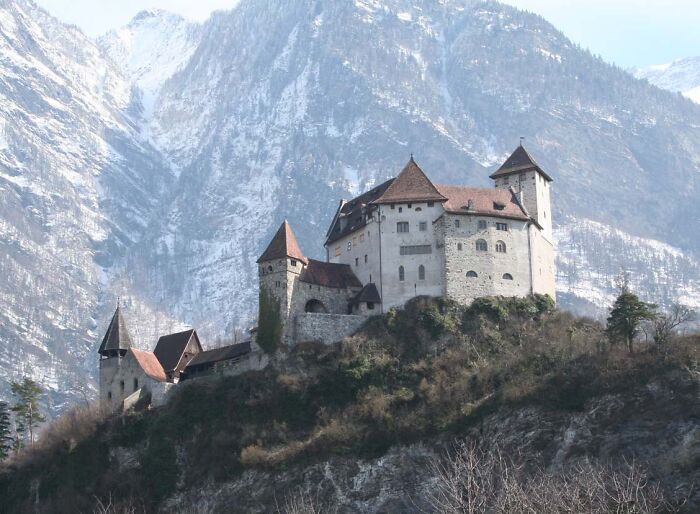
The tiny nation of Liechtenstein had one of the most successful and wholesome military campaigns in history during the 1866 Austro-Prussian War. They dispatched their entire army of 80 men to guard a mountain pass, where they saw absolutely no combat. After the war ended, the army marched back home having suffered zero casualties. In fact, they returned with 81 men, having reportedly made a new "Italian friend" along the way who decided to come back with them.
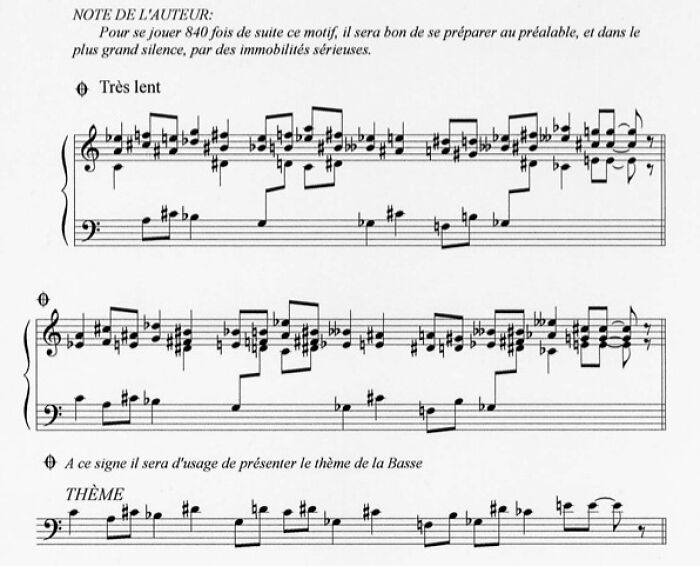
In 1963, a team of pianists in New York City undertook the monumental task of performing Erik Satie's "Vexations," a short musical phrase with the composer's instruction to repeat it 840 times. The marathon performance took a grueling 18 hours to complete. In a perfect display of deadpan humor, as the final, long-awaited note faded, a single member of the exhausted audience stood up and enthusiastically shouted, "Encore!"
The official historical records of Korea's Joseon Dynasty are famous for being incredibly detailed and uncensored, as proven by a hilarious entry about King Taejong. After an embarrassing incident where he fell off his horse while hunting, the king immediately looked around at his staff and commanded, "Do not let the historians know about this." True to their mission of recording everything, the court scribes not only documented the king's fall, but they also dutifully recorded his direct order to them not to record it, preserving his mortifying moment for all of history.
When it comes to separating fact from fiction, it always helps if you're a little bit skeptical. Broadly speaking, if a claim sounds too good or bad to be true, someone might be bending the truth for the sake of their agenda. That being said, history is full of truly bizarre events.
If you suspect that someone might be spreading false information, it's best to double-check those claims. Read through a few different sources and cross-reference the information they present.
You should also evaluate the (un)reliability of the source sharing the information. Look at the quality of the reporting over time. For example, trustworthy, transparent outlets will credit their sources, correct and also admit to having made mistakes, and also disclose any conflicts of interest. They are also very clear about when something is an opinion piece and what's facts-based reporting.
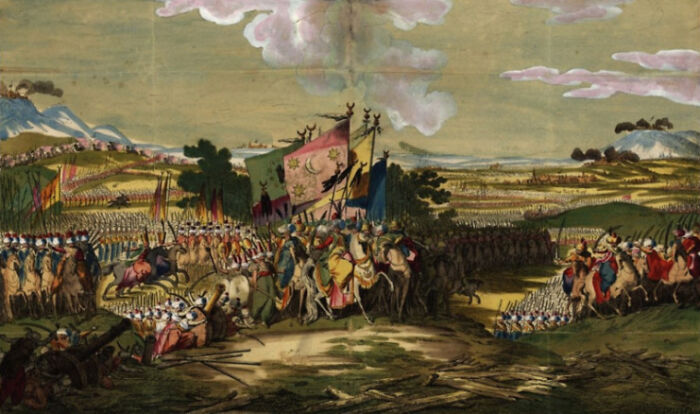
According to historical legend, the Austrian army suffered one of the most embarrassing self-inflicted defeats in military history at the Battle of Karánsebes in 1788. The chaos reportedly began when a group of Austrian hussars got into a drunken argument over schnapps with their own infantry. A single shot was fired, and in the ensuing confusion, different units of the multi-ethnic Austrian army, shouting in different languages, mistook each other for the enemy Ottoman Turks. What followed was a full-blown friendly-fire battle that raged through the night, resulting in an estimated 10,000 casualties. When the actual Turkish army arrived two days later, they found the Austrians had already defeated themselves and took the town with no resistance.
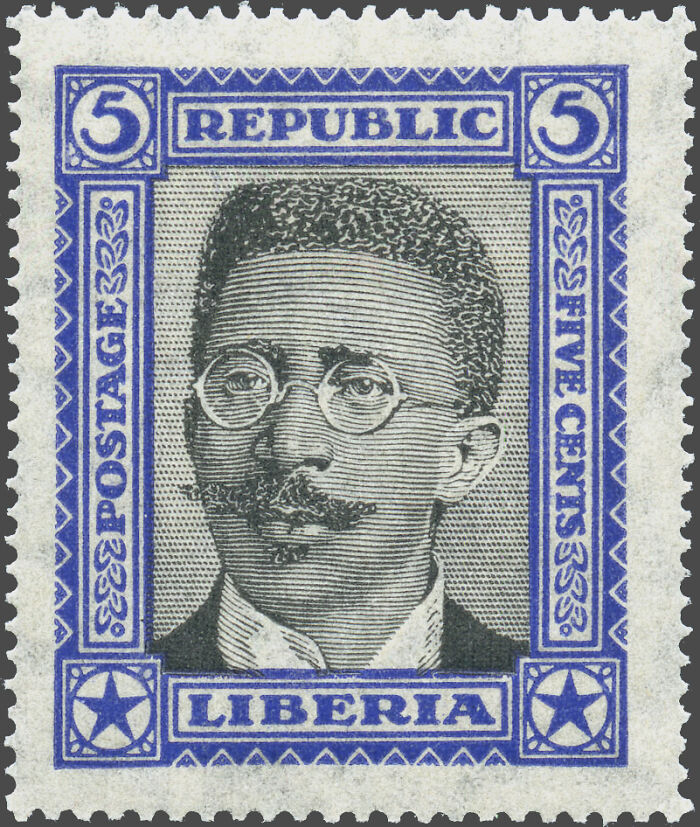
The 1927 Liberian presidential election holds the Guinness World Record for being the most fraudulent in history, thanks to the mathematically impossible victory of incumbent Charles D.B. King. In a country with only 15,000 registered voters at the time, King somehow managed to secure an astonishing 243,000 votes for himself.
Just days before the end of World War II in Europe, one of the strangest alliances in history formed to defend an Austrian castle. In what is known as the Battle for Castle Itter, a small group of American G.I.s teamed up with soldiers from the German Wehrmacht to protect a group of high-profile French prisoners being held there. This unlikely coalition of Americans and Germans then fought side-by-side against an attacking force of hardline Waffen-SS troops, creating the only known battle in the war where soldiers from both armies fought together as allies.
As the BBC stresses, not all sources are created equal. Some are not as reliable as others. “Make sure you’re getting news from journalists and official news sites, rather than just social media. Journalists are held to account for what they report and any story in a news outlet will have gone through checks and an editor.”
Look at what the reporters have previously written, and see if they focus more on facts or opinions.
Meanwhile, after you’ve checked multiple sources about a story, look at how the claims are backed up. What you want is trustworthy evidence.
“It’s always a good sign if you can find where the news has come from and clearly see the facts behind the piece,” the BBC states. “It’s also good to ask yourself if what the source is saying sounds believable. If it appears a bit out of this world or too good to be true, then the chances are that it might well be.”
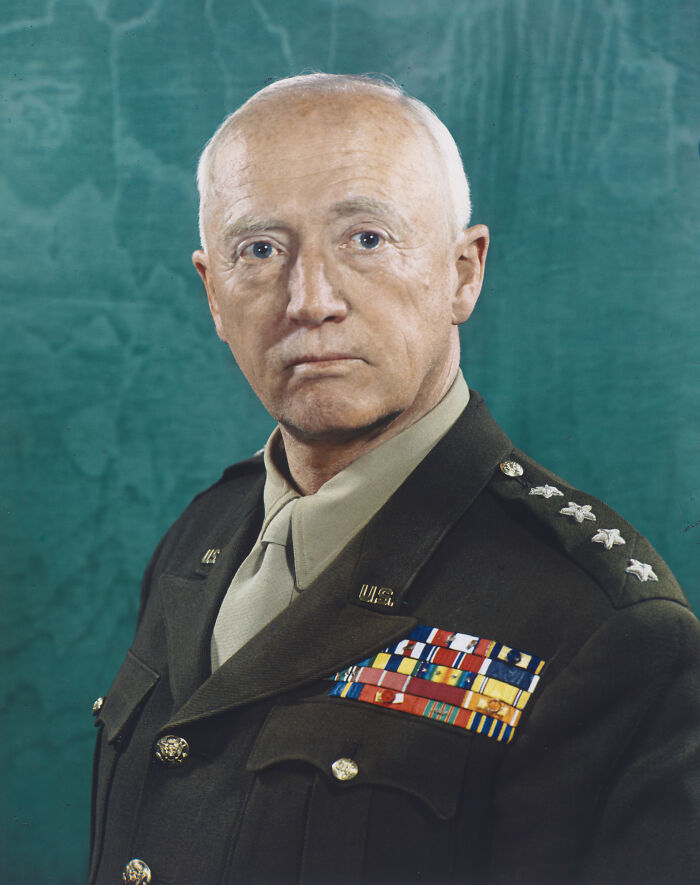
During the Allied push into Germany in 1945, General George S. Patton's Third Army was advancing so rapidly that it often outpaced the intelligence of his own superiors. After receiving a direct order to bypass the heavily fortified city of Trier because it would supposedly require four full divisions to capture, Patton sent back one of the most famously sarcastic replies in military history: "Have taken Trier with two divisions. Do you want me to give it back?"
On September 3, 1967, the entire nation of Sweden collectively stopped their cars, switched to the other side of the road, and started driving again. Known as Dagen H, or H-Day, this was the moment the country officially switched from driving on the left to driving on the right. In the moments leading up to the 5:00 AM changeover, all traffic was brought to a complete standstill. Then, in a carefully orchestrated nationwide maneuver, drivers cautiously navigated their vehicles to the opposite side, resulting in some wonderfully confusing but surprisingly accident-free traffic jams.
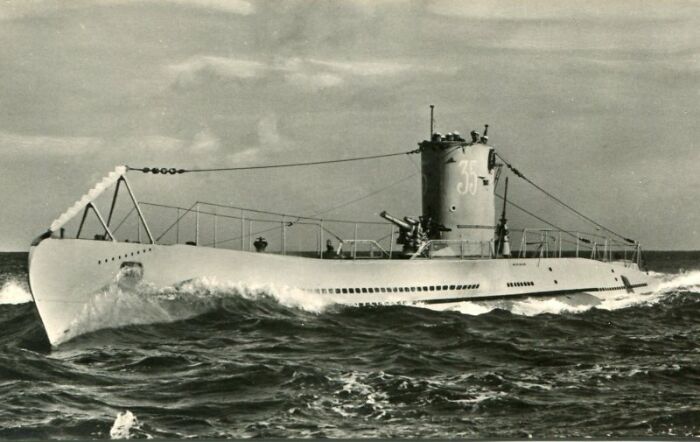
During World War II, the German submarine U-1206 met its end not in a dramatic naval battle, but because of a toilet malfunction. The U-boat's high-pressure plumbing was notoriously complex, and when the captain used the toilet, he performed the flushing sequence incorrectly. This error caused a high-pressure blast of seawater and sewage to flood the toilet compartment, which then spilled onto the massive batteries below. The resulting chemical reaction created a cloud of poisonous chlorine gas, forcing the submarine to immediately surface for air, where it was promptly spotted and attacked by Allied forces.
Which of these weird moments in history caught you off guard? Which ones made you chuckle with how bizarre they were? What is the oddest, most hilarious, or most intense historical event that you know?
We’d like to hear your perspective. If you have a moment, leave a comment (or two!) in the comments at the very bottom of this list.
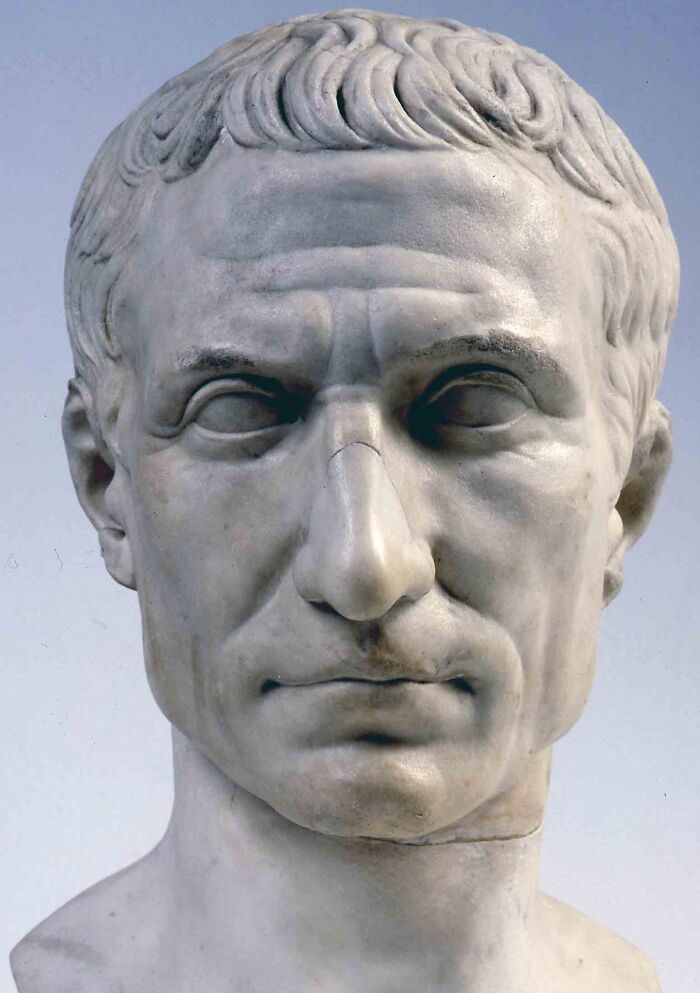
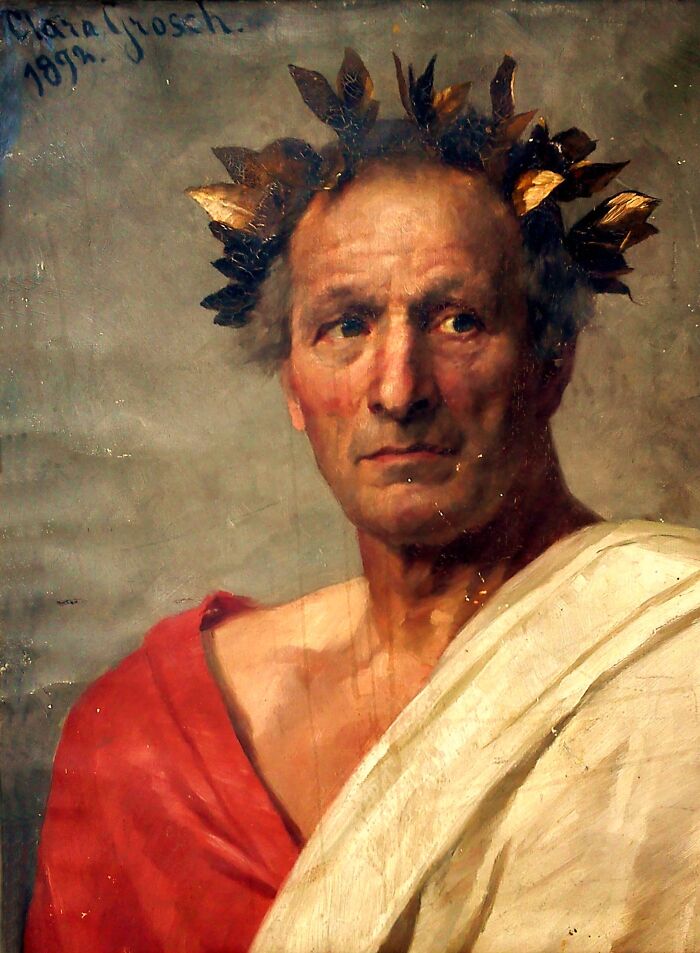
During a heated debate in the Roman Senate, Julius Caesar's great rival, Cato the Younger, accused him of secretly conspiring with enemies after a messenger delivered Caesar a note. Cato loudly demanded that the letter be read aloud to the entire Senate, suspecting it contained evidence of treason. After initially refusing, a reluctant Caesar finally handed over the note. As Cato read it, his face turned red with humiliation, as he discovered it was not a secret plot, but a passionate and rather explicit love letter to Caesar from his own half-sister.
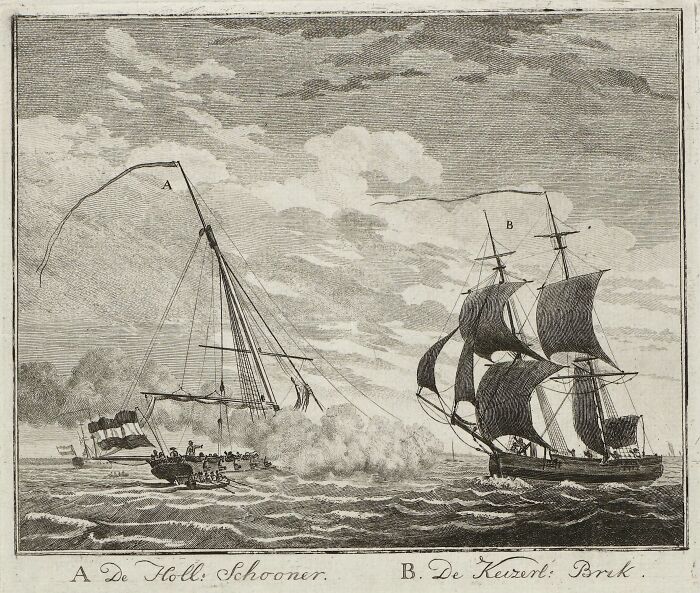
In 1784, a tense naval standoff between the Holy Roman Empire and the Dutch Republic resulted in one of the least violent conflicts in military history, famously known as the Kettle War. After an Imperial ship sailed downriver to challenge a Dutch blockade, the Dutch fired a single cannon shot. This one and only shot of the entire "war" completely missed the enemy vessel and instead struck a soup kettle on the deck, an anticlimactic and slightly embarrassing outcome that was apparently enough to make the Imperial ship surrender.
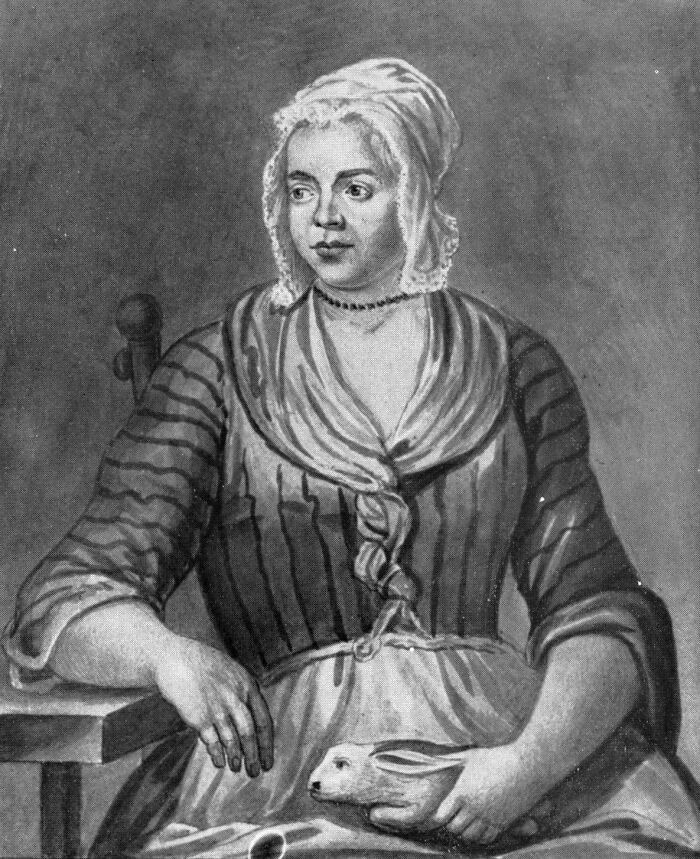
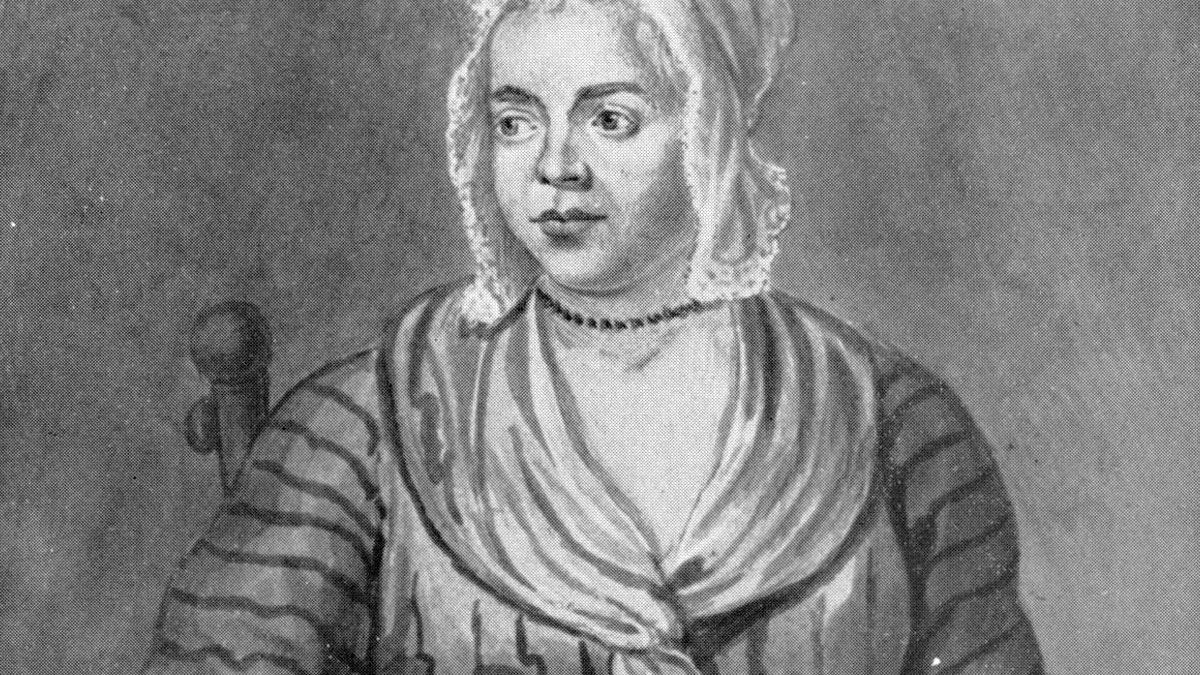
In 1726, an English woman named Mary Toft became a national sensation after she successfully convinced a series of prominent doctors that she was giving birth to rabbits. For a brief and bizarre period, the medical community was completely baffled, with some of the country's top physicians actually believing her story. The hoax was only exposed after a skeptical surgeon investigated and found Toft had been secretly inserting the animal parts herself, creating one of the most audacious and weirdly successful medical cons in history.
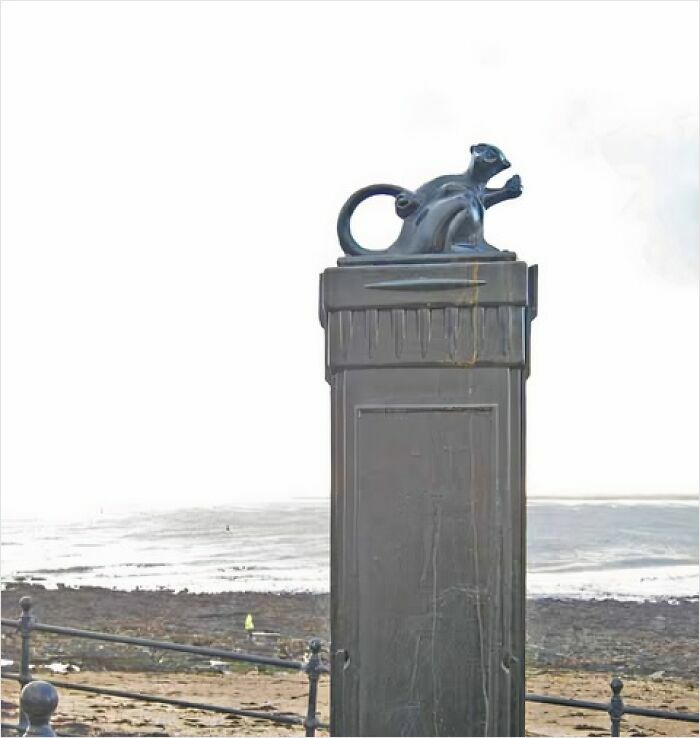
According to a famous local legend, during the Napoleonic Wars, a French ship sank off the coast of Hartlepool, England, with the sole survivor being a monkey dressed in a miniature military uniform. The town's residents, who had reportedly never seen a Frenchman before, became convinced that this small, hairy creature was a French spy. They then proceeded to conduct a full trial on the beach and, finding the monkey guilty, and sent him to the gallows. The tale is so ingrained in the town's identity that people from Hartlepool are still affectionately known as "monkey hangers" to this day.
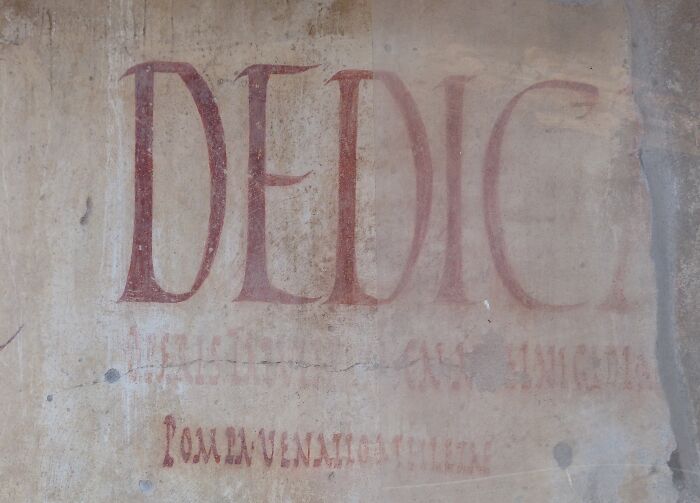
The volcanic ash that preserved the Roman city of Pompeii also immortalized something wonderfully human: graffiti. Scrawled across the ancient walls, archaeologists have discovered a treasure trove of everyday life, from boasts about popular gladiators to political endorsements. But among the most amusing discoveries are the petty, personal insults that prove some things never change. Alongside grand declarations, you can find simple, ancient burns like "Epaphra, you are bald" and "Chie, I hope your hemorrhoids rub together so much that they hurt worse than they ever have before." Shown in the photo are Campaign inscriptions at House of Aulus Trebius Valens.
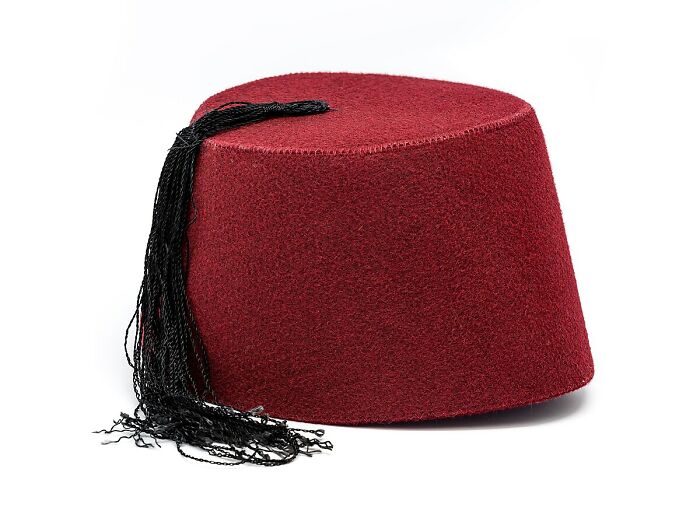
In a sweeping effort to modernize Turkey in 1925, the nation's first president, Mustafa Kemal Atatürk, enacted a law that completely banned the fez, a traditional felt hat that was seen as a symbol of the old Ottoman Empire. This sudden "Hat Law" was met with surprisingly fierce resistance. Riots broke out in several cities, and a black market for the now-illegal headwear quickly emerged, turning ordinary citizens into fez smugglers in defiance of the new secular dress code.
The 19th-century surgeon Robert Liston was legendary for his lightning-fast amputation skills in the era before anesthesia. However, his most infamous operation resulted in the only 300% mortality rate in surgical history. In his haste to remove a patient's leg, Liston's saw moved so quickly that he accidentally sliced off the fingers of his surgical assistant. The shocking speed and gore of the procedure reportedly caused a spectator in the surgical theater to flatline from fright, and to complete the trifecta, both the patient and the assistant later lost their lives from gangrene, creating an unmatched record of surgical disaster.
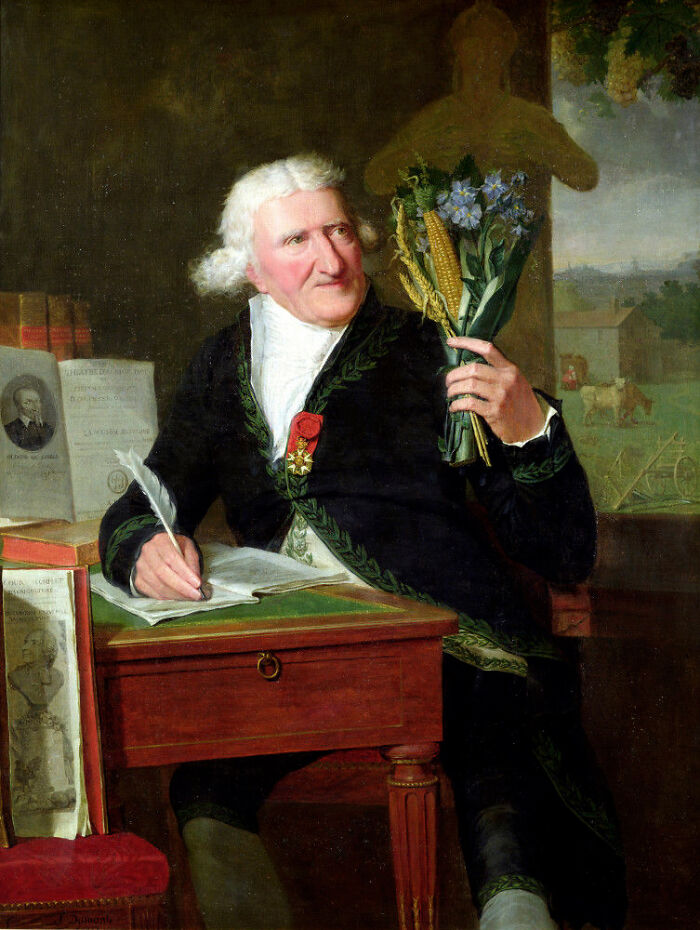
In 18th-century France, the potato was widely distrusted and considered unfit for human consumption. To overcome this, the chemist Antoine-Augustin Parmentier came up with a brilliant public relations stunt based on reverse psychology. He planted a field of potatoes on the outskirts of Paris and had it conspicuously guarded by soldiers during the day. As he hoped, this created the impression that the crop was incredibly valuable, and locals began sneaking into the field at night to steal the potatoes for their own gardens, effectively popularizing the vegetable across the country.
In 75 BC, a young Julius Caesar was kidnapped by pirates who demanded a ransom of 20 talents of silver for his release. Caesar reportedly laughed in their faces, utterly offended by their low valuation of him, and insisted they raise the price to a more respectable 50 talents. After the higher ransom was paid and he was set free, Caesar immediately raised a fleet, hunted down his former captors, and had them all crucified. He then took back the 50 talents, along with the rest of their loot.
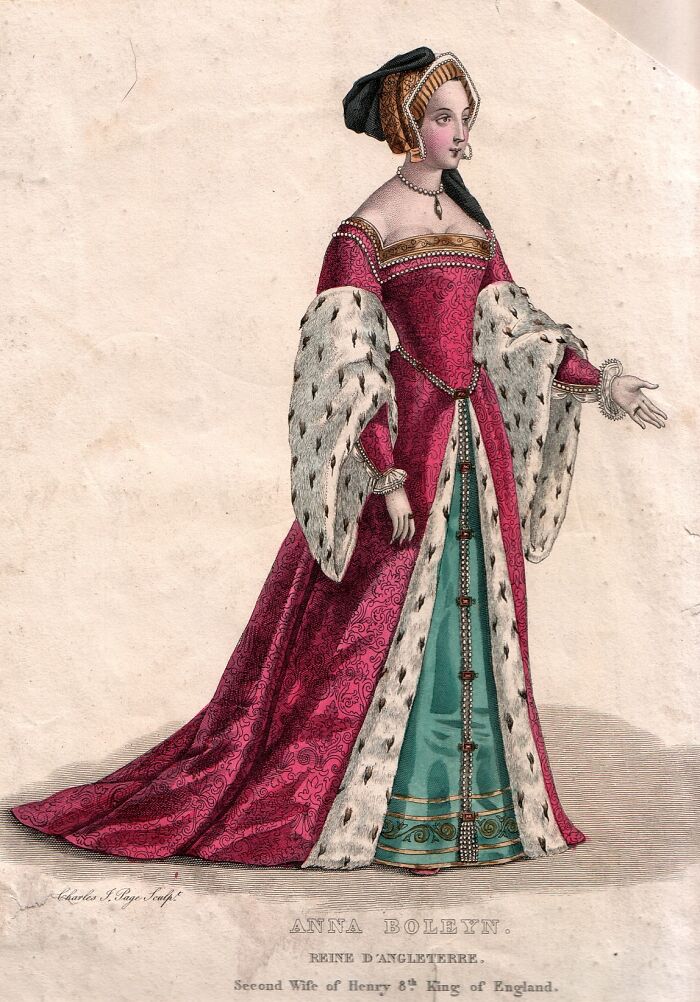
While Anne Boleyn, the second wife of King Henry VIII, was a sophisticated patron of the arts, she harbored a strangely intense hatred for monkeys. When a well-meaning noblewoman sent a monkey to the queen as a gift, the reaction was so negative that a courtier had to write a deeply awkward letter back to the sender. The letter explained that "the queen loveth no such beasts nor can scarce abide the sight of them," confirming that the now-famous queen of England simply could not stand monkeys. The situation was made even more awkward by the fact that her predecessor, Catherine of Aragon, had happily kept a monkey as a pet.
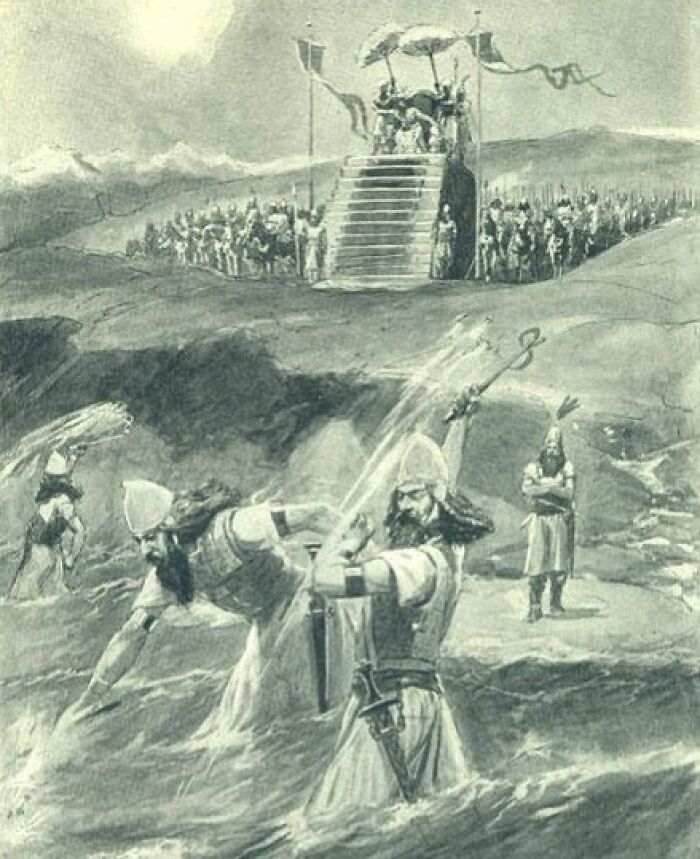
During his massive invasion of Greece, the Persian King Xerxes constructed an enormous pontoon bridge across the Hellespont strait to move his army. When a powerful storm suddenly destroyed the bridge, the king flew into an absolute rage, not at the storm, but at the sea itself. In a truly bizarre display of power, Xerxes ordered his soldiers to administer a formal punishment to the water, which involved whipping the sea 300 times, throwing chains into it to "bind" it, and branding it with hot irons. For good measure, he also had all the bridge's engineers beheaded.
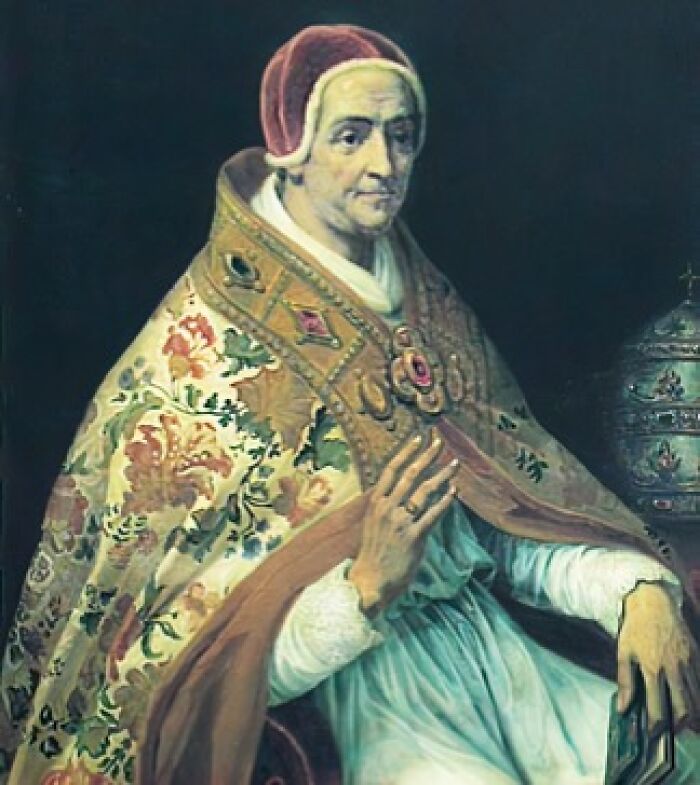
In the early 15th century, the Catholic Church found itself in an incredibly awkward situation known as the Western Schism, where not one, not two, but three different men all claimed to be the one true pope at the same time. The trouble began with a dispute that led to one pope residing in Rome and another being elected to rule from Avignon, France. Both popes promptly excommunicated each other. To solve this two-pope problem, a council met and decided to elect a third, new pope to unify the church. However, the other two popes refused to step down, resulting in the even more confusing predicament of having three popes simultaneously.
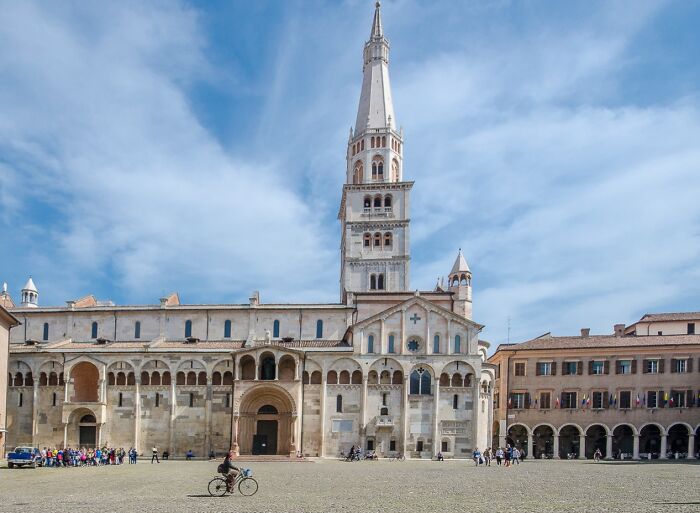
In 1325, the long-simmering rivalry between the Italian city-states of Modena and Bologna finally boiled over into an actual armed conflict known as the War of the Bucket. The final catalyst for this unlikely war was a raid by Modenese soldiers who snuck into Bologna and, as a grand prize, stole a wooden bucket from a city well. Bologna furiously demanded its return, and when Modena refused, a full-scale battle erupted. Modena ultimately won the war, and to this day, the legendary stolen bucket is still proudly displayed as a war trophy in their city hall.
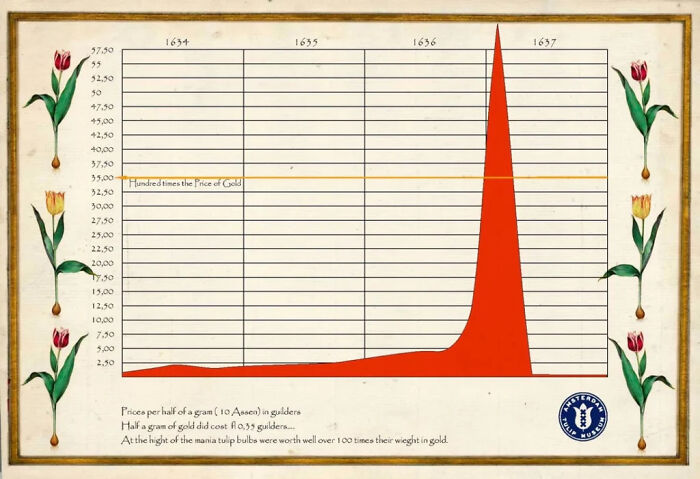
During the Dutch Golden Age, the Netherlands was gripped by a bizarre economic phenomenon known as "Tulip Mania." For a brief period in the 1630s, the prices for newly introduced and fashionable tulip bulbs reached such absurdly high levels that a single, rare bulb could be sold for more than the cost of a grand house in Amsterdam. This speculative frenzy is now considered the first major financial bubble in history, and it ended just as dramatically as it began, with the market suddenly collapsing and leaving a trail of bankrupt investors in its wake.
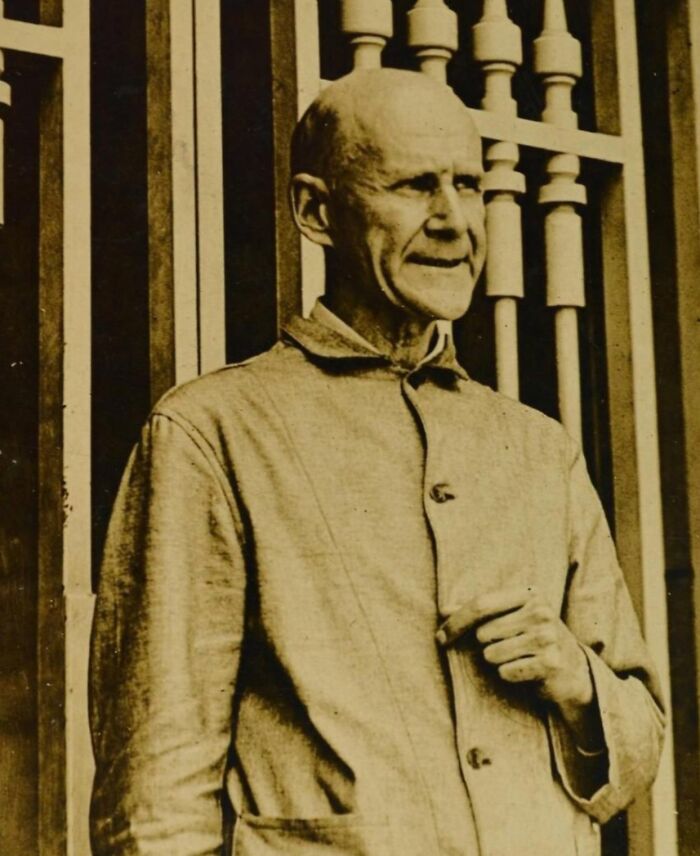
In a truly unique chapter of American political history, Socialist Party leader Eugene V. Debs ran a surprisingly successful presidential campaign in 1920 from a federal prison in Atlanta. Debs was serving a ten-year sentence for sedition after he gave a speech opposing America's involvement in World War I. Despite being unable to campaign in person and officially being designated as Convict No. 9653, he still managed to receive nearly one million votes, making it the most successful presidential run ever conducted from behind bars.
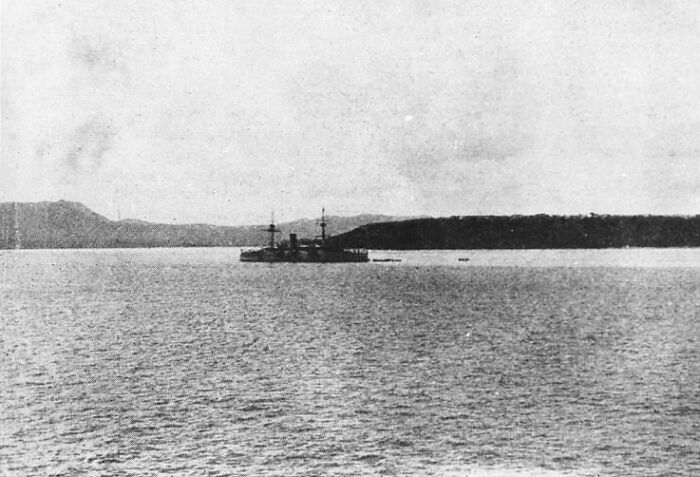
The American capture of Guam during the Spanish-American War was less a battle and more a polite, if slightly confusing, social call. When the USS Charleston arrived and fired thirteen shells at the island's main fort, they were met not with return fire, but with a small rowboat carrying a Spanish officer. The officer came aboard, apologized for not returning their "salute," and explained that the fort was completely out of gunpowder. He was then utterly shocked to learn that not only were Spain and the United States at war, but that he and the entire island's garrison had just been captured.
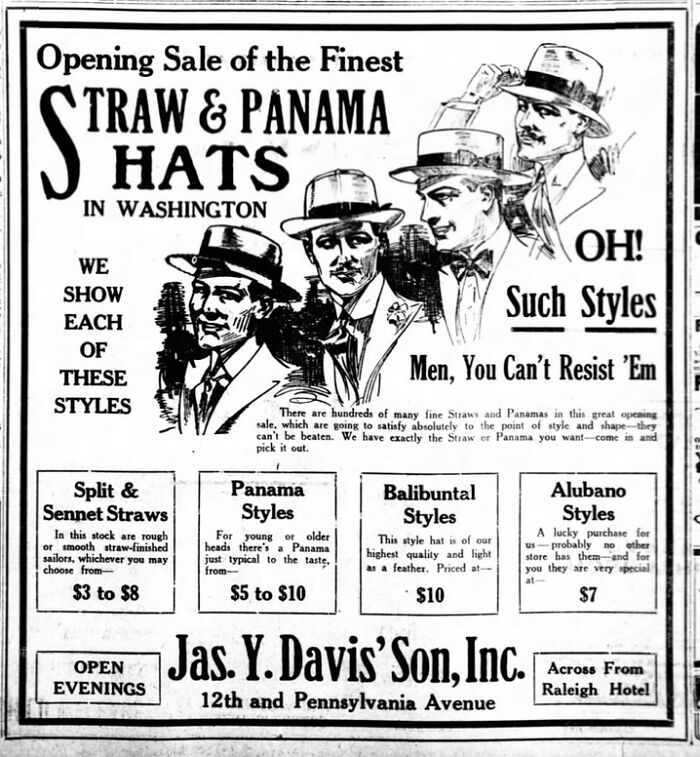
In 1922, New York City erupted into a bizarre, eight-day-long conflict known as the Straw Hat Riot, all because of an unwritten fashion rule. At the time, it was considered a major faux pas for men to wear their straw boater hats after September 15th. When a group of young men decided to enforce this rule by snatching and stomping on the hats of older men who were still wearing them, it kicked off a city-wide brawl. The fashion-fueled violence escalated to the point where police had to be called in to break up the mobs of hat-snatchers.
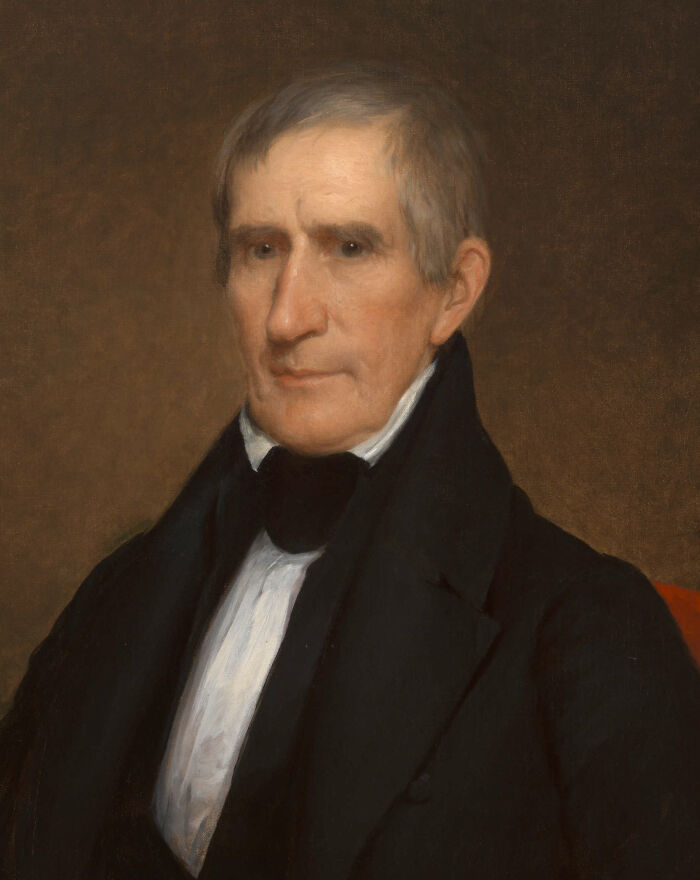
William Henry Harrison's presidency is famous for being the shortest in U.S. history, but the story behind it is a legendary cautionary tale. On a bitterly cold and wet Inauguration Day in 1841, the 68-year-old president refused to wear a coat or gloves and proceeded to deliver the longest inaugural address ever, speaking for nearly two hours. He promptly came down with what was believed to be pneumonia and passed away exactly one month later, creating the ultimate political "I told you so" moment.
The state of Colorado holds the bizarre political record for having three different governors in a single day. The saga began in 1905 when the newly elected governor, Alva Adams, was almost immediately removed from office due to allegations of fraud. The legislature then declared his opponent, James Peabody, the winner, but only on the condition that Peabody resign immediately. He agreed, and his lieutenant governor, Jesse McDonald, was sworn in, capping off a chaotic 24-hour period of unprecedented political turnover.
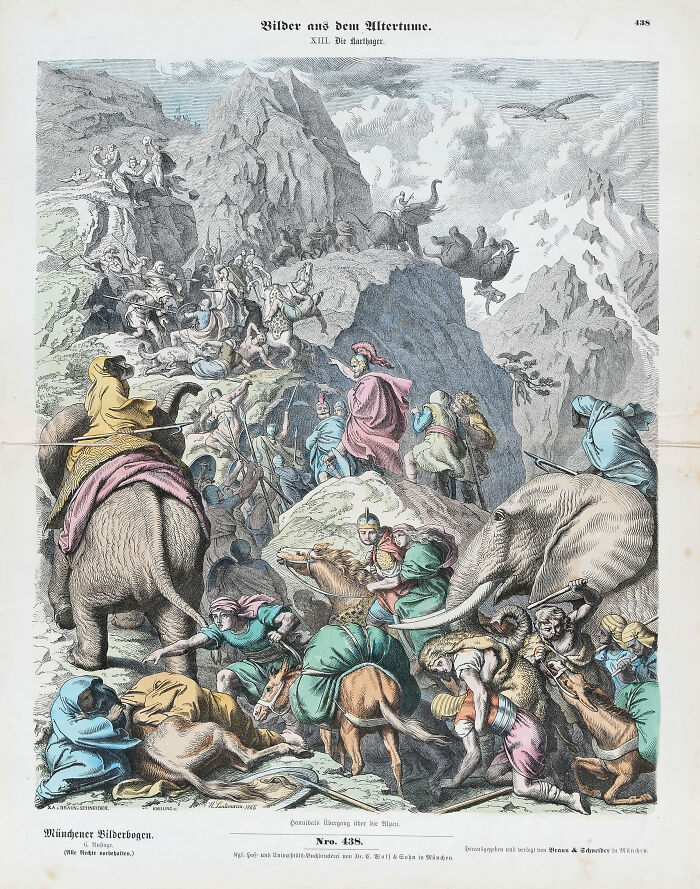
In one of the most audacious military maneuvers in history, the Carthaginian general Hannibal decided to invade Italy by taking his army on a shocking detour: directly over the freezing, treacherous Alps. This brilliant surprise attack in 218 BC was made even more legendary by the fact that his army included a contingent of 37 war elephants. While the brutal crossing resulted in heavy losses for both his men and the elephants, the sheer audacity of marching an elephant corps over a massive mountain range cemented Hannibal's reputation as a military genius.
In 1976, a routine tree-trimming mission in the Korean Demilitarized Zone escalated into a major international incident. After two U.S. Army officers were eliminated by North Korean soldiers while trying to prune a poplar tree that was obstructing the view, the United States responded with a massive show of force. Codenamed Operation Paul Bunyan, the mission involved sending in a convoy of armored vehicles, dozens of attack helicopters, and nuclear-capable B-52 bombers circling overhead, all to provide cover for a team of combat engineers who returned to cut down that one specific tree.
You Might Also Like: 29 Unsettling Photos From The Internet’s Morbid Knowledge Community
































 No fees, cancel anytime