Get Premium
Dark mode theme is available exclusively for premium users. Learn more about the benefits of subscribing.
No fees, cancel anytime.

 Dark Mode Ad-Free Browsing Unlimited Content
 Ad-Free Browsing Unlimited Content Dark Mode
Join 1.2 million Panda readers who get the best art, memes, and fun stories every week!
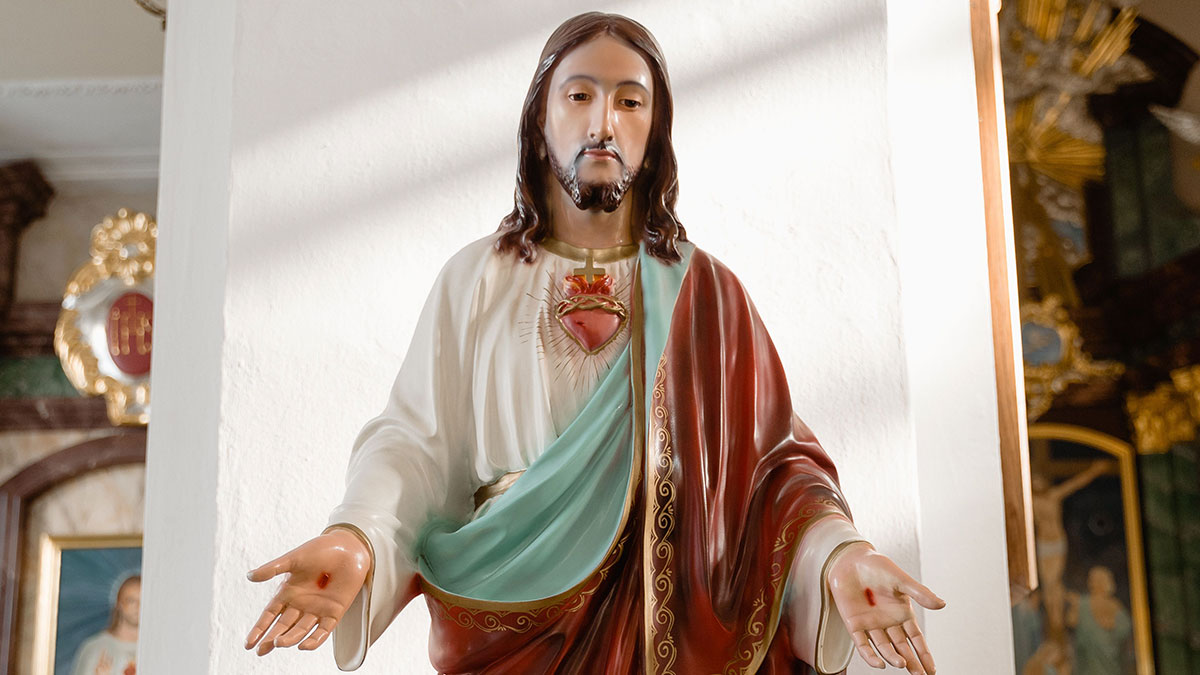
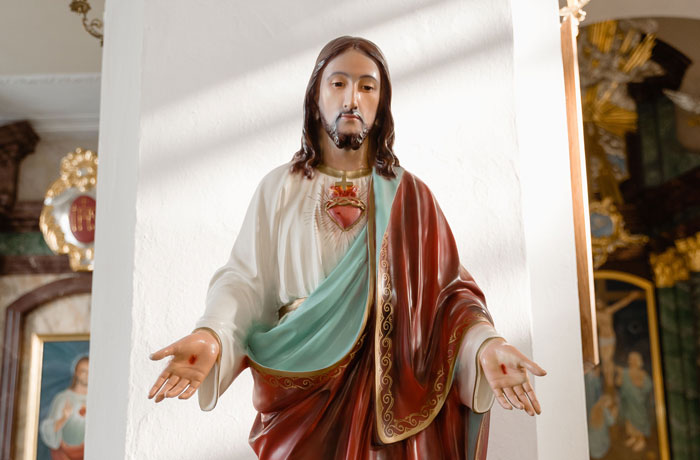
Few questions have caused more arguments at dinner tables, in university lecture halls, and in the comment sections of the internet than this one: Was Jesus of Nazareth a real person? Not the Son of God question, that is a whole separate conversation with its own several thousand years of debate. Just the baseline, historical, did-this-man-actually-exist question.
Because of all the relics, the Shroud of Turin, the Crown of Thorns, and the centuries of theological scholarship, the honest answer has always been: we are not entirely sure. Most historians believe he was real. But belief and proof are two very different things. And now there might be something worth paying attention to.
Image credits: MART PRODUCTION / Pexels (not the actual photo)
The first historian worth knowing about is Tacitus, a Roman senator, lawyer, and one of the ancient world’s most respected chroniclers, born around 56 AD. In his text ‘Annals’, written around 116 AD, Tacitus made reference to a group called “Chrestians” who were being persecuted by Emperor Nero.
He wrote that the group had been founded by a man named “Christus,” who had been crucified during the reign of Emperor Tiberius on the orders of Pontius Pilate. Historians find this particularly compelling because Tacitus was not a fan. He described Christianity as “evil” and a “superstition.”
He had absolutely zero motivation to say anything favourable about Jesus or his followers, which means he had equally zero motivation to invent him. A hostile witness, as it turns out, is often the most credible kind.
Image credits: PlaceboPill / Magnific (not the actual photo)
The second piece of evidence comes from Flavius Josephus, a Jewish aristocrat and historian born in Jerusalem in the decades after Jesus was said to have been crucified. His book ‘Jewish Antiquities’, written in 93 AD, also makes two separate references to Jesus.
The first discusses the termination of James, identified as “the brother of Jesus-who-is-called-Messiah.” This is a casual reference that implies Jesus was well-known enough that simply naming his brother was sufficient identification.
The second describes Jesus as a “wise man” and a teacher whom people followed gladly. Josephus was Jewish, not Christian, which again raises the question of why he would bother mentioning someone who never existed. The short answer, historians suggest, is that he probably would not.
Image credits: pvproductions / Magnific (not the actual photo)
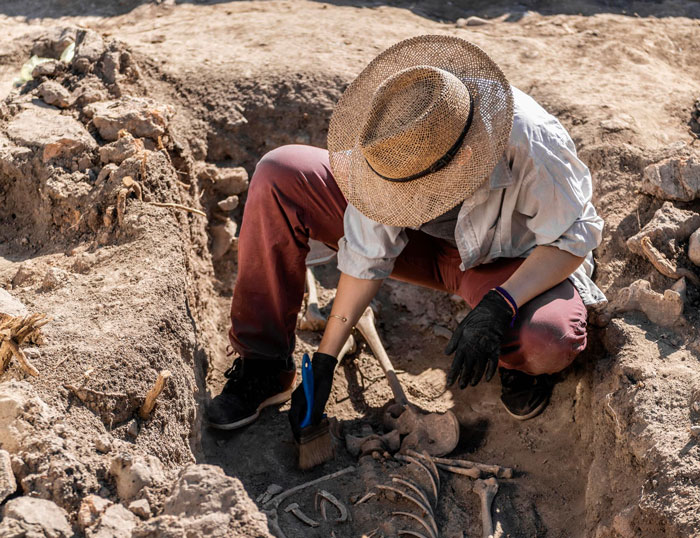
If ancient texts are not quite enough to convince you, archaeologists have also been doing some digging, literally. Researchers from Sapienza University of Rome have been excavating beneath the Church of the Holy Sepulchre, which sits on the traditional site of Jesus’s crucifixion and burial in Jerusalem and is one of the most visited and venerated sites in all of Christianity.
What they found in the sealed soil layers beneath the church floor is truly fascinating. Through archaeobotanical analysis, the team uncovered evidence of terrace planting beds, seeds, and soil composition dating to between 30 and 33 CE. Which is, rather specifically, the period in which Jesus is said to have been crucified.
The findings suggest that before the site became a tomb, it was a cultivated garden, a detail that aligns directly with the Gospel of John, which describes exactly that. A garden, near the tomb. The text described it. The soil confirmed it. For archaeologists, that kind of corroboration between a written account and physical evidence is quite a big deal.
Image credits: rawpixel.com / Magnific (not the actual photo)
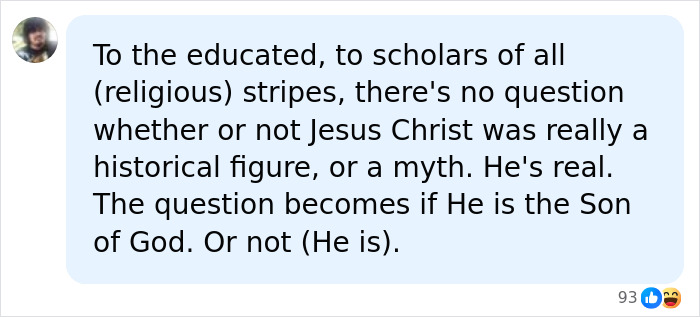
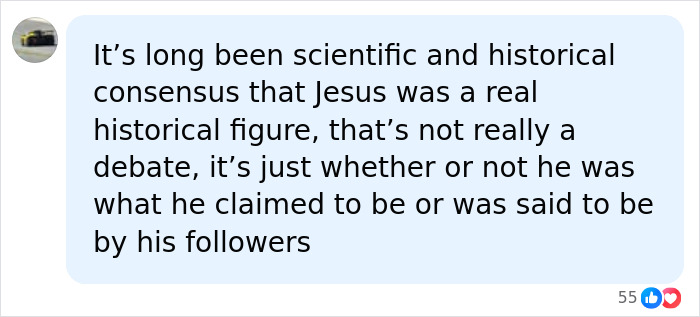
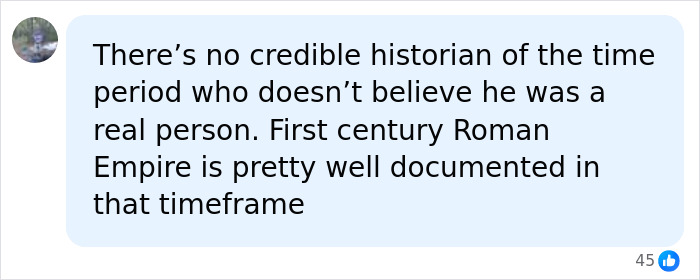
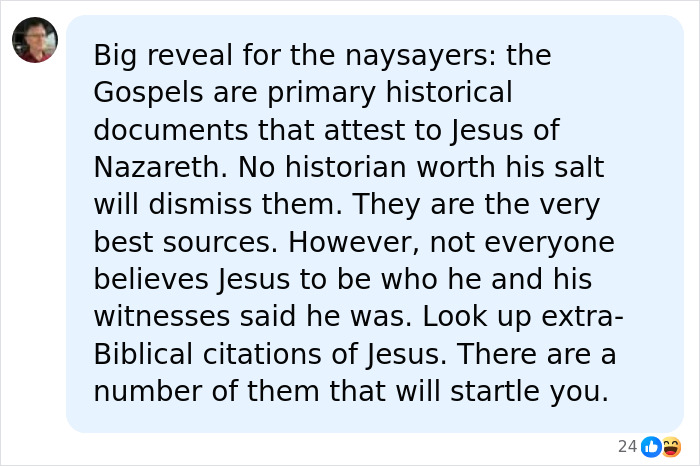
The mainstream academic consensus has long held that Jesus was a real historical figure who lived in first-century Roman Judea and was crucified under Pontius Pilate. The question of divinity remains firmly in the territory of faith rather than archaeology, and no amount of soil sampling is going to settle that one.
But as a man who walked around, gathered followers, and was significant enough to be referenced by hostile Roman historians who had no reason to mention him? The evidence is stacking up in a direction that is hard to ignore.
Image credits: Stephanie LeBlanc / Unsplash (not the actual photo)
And it is worth noting that the Bible has a surprisingly decent track record in describing real places and phenomena, even if the supernatural framing around them tends to complicate matters.
Computer modelling and oceanographic research have identified a shallow sandbank in the Gulf of Suez that, under the right wind conditions, could theoretically be exposed long enough for people to cross, which would not be a bad natural explanation for the parting of the Red Sea.
Meanwhile, geological surveys of mountain formations in modern-day Iran, specifically around Mount Ararat and the surrounding region, have identified landscape features and ancient flood-deposit layers that some researchers have linked to the kind of catastrophic flooding described in the story of Noah.
None of this proves that God parted the sea or that a man built a boat and saved every animal on Earth. But it does suggest that the stories in the Bible, however embellished over millennia of retelling, may have had their roots in real events experienced by real people. Which, when you think about it, is how most stories start.
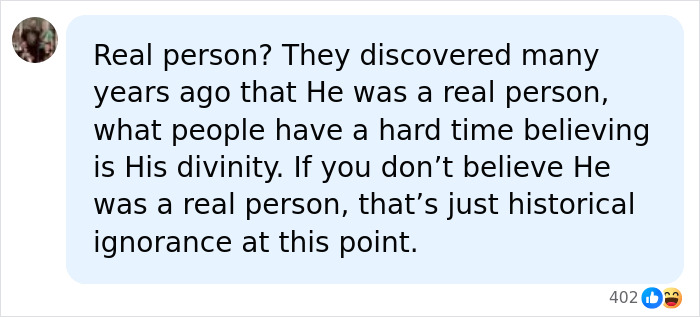
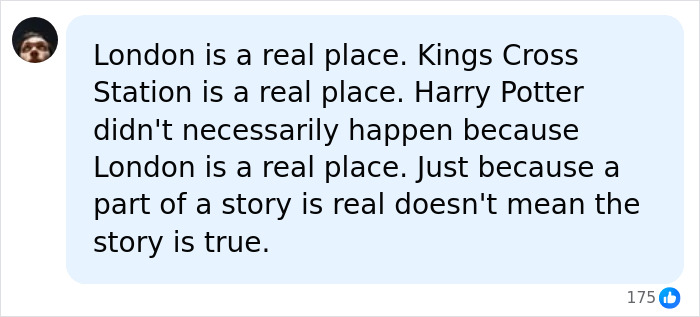
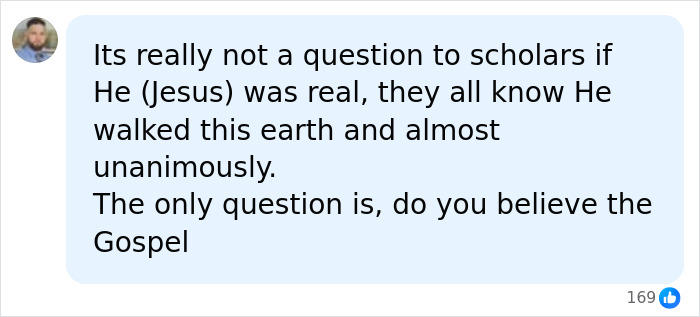
Are these historical mentions enough to make you change your mind on whether Jesus was real or not? Share your stance in the comments!
Image credits: www.facebook.com
Image credits: www.facebook.com
Image credits: www.facebook.com
Image credits: www.facebook.com
Image credits: www.facebook.com
Image credits: www.facebook.com
Image credits: www.facebook.com
Image credits: www.facebook.com
Image credits: www.facebook.com
Image credits: www.facebook.com
Image credits: www.facebook.com
Image credits: www.facebook.com
Image credits: www.facebook.com
Image credits: www.facebook.com
Image credits: www.facebook.com

By entering your email and clicking Subscribe, you're agreeing to let us send you customized marketing messages about us and our advertising partners. You are also agreeing to our Privacy Policy.
Thank you! You've successfully subscribed to newsletters!

Not a lot of point in reading this, it's long been accepted by most historians that there was a real person, or possibly several, with a name/s something like those used in the early texts, around that time. The Life of Brian is probably a quite accurate account of the revolutionary, prophecy-based, politics of the time. "Judean peoples' front? Splitters!"


Tacitus? Josephus? These guys' works have been known since antiquity. Did I miss something? Where's the "new" evidence from ancient authors? There are also contemporary and near-contemporary (within 2 generations) mentions in the works of Pliny the Younger (Roman), Suetonius (Roman), Lucian of Samosata (Greek), and Celsus (Greek), These have also been known since antiquity.

I think the "new" research that prompted this article was the dig under the known (albeit approximate) location of places referred to in the the Bible as the locations of Jesus' last days; and the new information was confirmation of a significant established garden such as that described in the area of his tomb.
Load More Replies... Not a lot of point in reading this, it's long been accepted by most historians that there was a real person, or possibly several, with a name/s something like those used in the early texts, around that time. The Life of Brian is probably a quite accurate account of the revolutionary, prophecy-based, politics of the time. "Judean peoples' front? Splitters!"
Tacitus? Josephus? These guys' works have been known since antiquity. Did I miss something? Where's the "new" evidence from ancient authors? There are also contemporary and near-contemporary (within 2 generations) mentions in the works of Pliny the Younger (Roman), Suetonius (Roman), Lucian of Samosata (Greek), and Celsus (Greek), These have also been known since antiquity.
I think the "new" research that prompted this article was the dig under the known (albeit approximate) location of places referred to in the the Bible as the locations of Jesus' last days; and the new information was confirmation of a significant established garden such as that described in the area of his tomb.
Load More Replies...






































 No fees, cancel anytime














19
29